




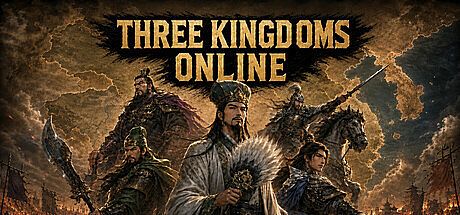


Three Kingdoms Online is a real-time strategy and simulation game set in an expanded version of ancient East Asia during the Three Kingdoms era. Players manage domestic affairs, diplomacy, construction, and large-scale warfare simultaneously without turn-based pauses, whether commanding a single faction or competing against others in multiplayer sessions.
Gameplay
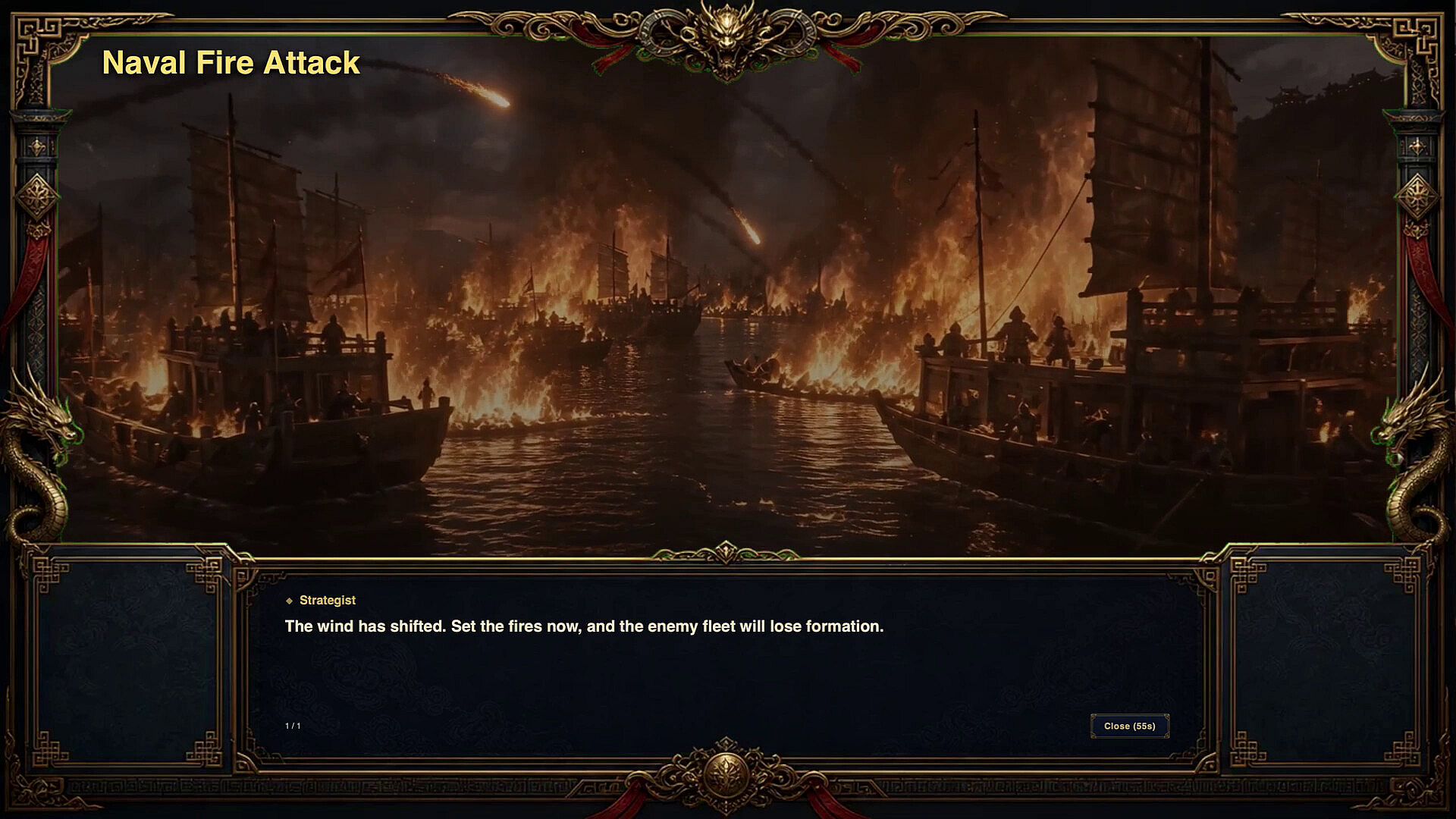
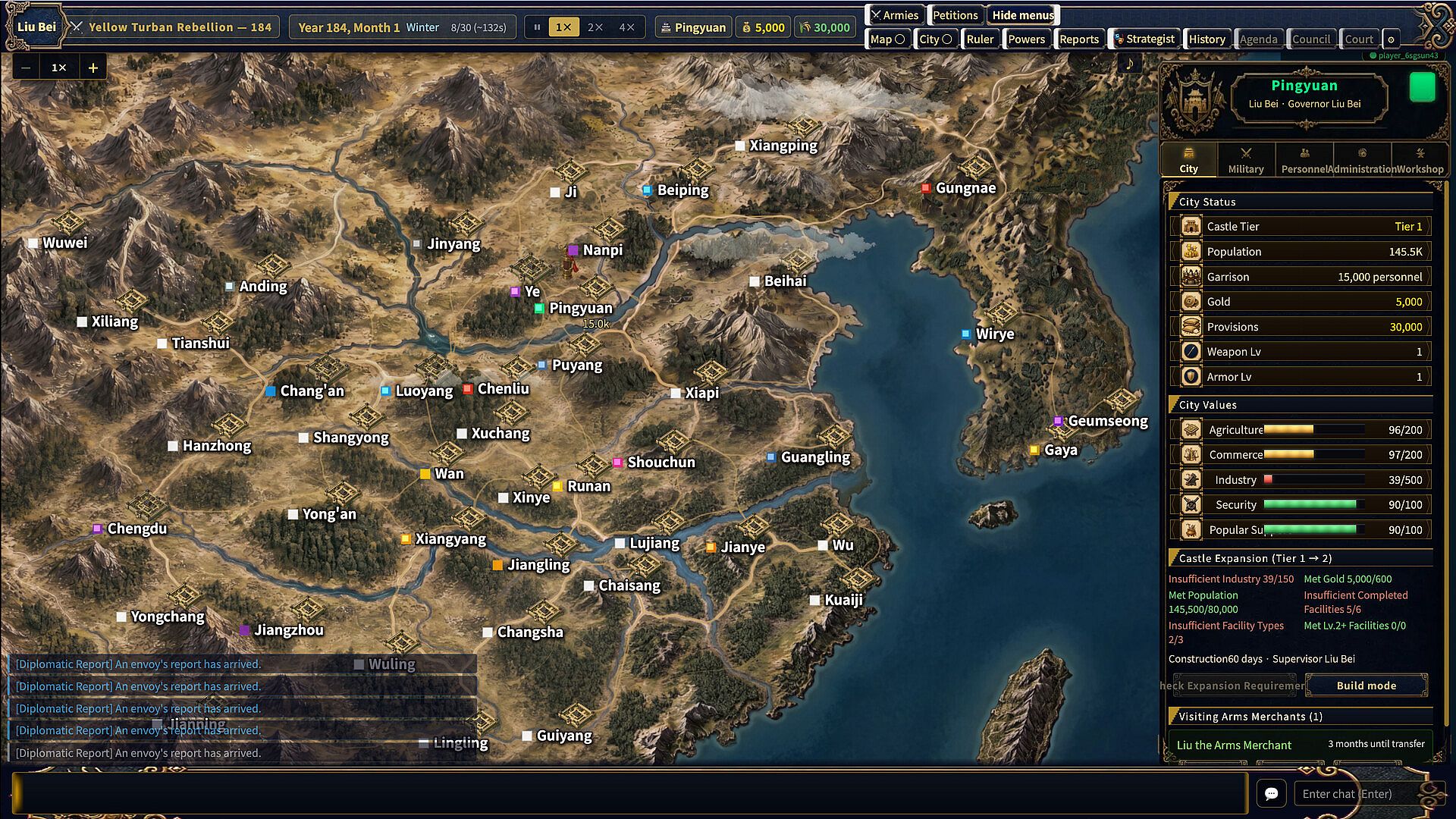
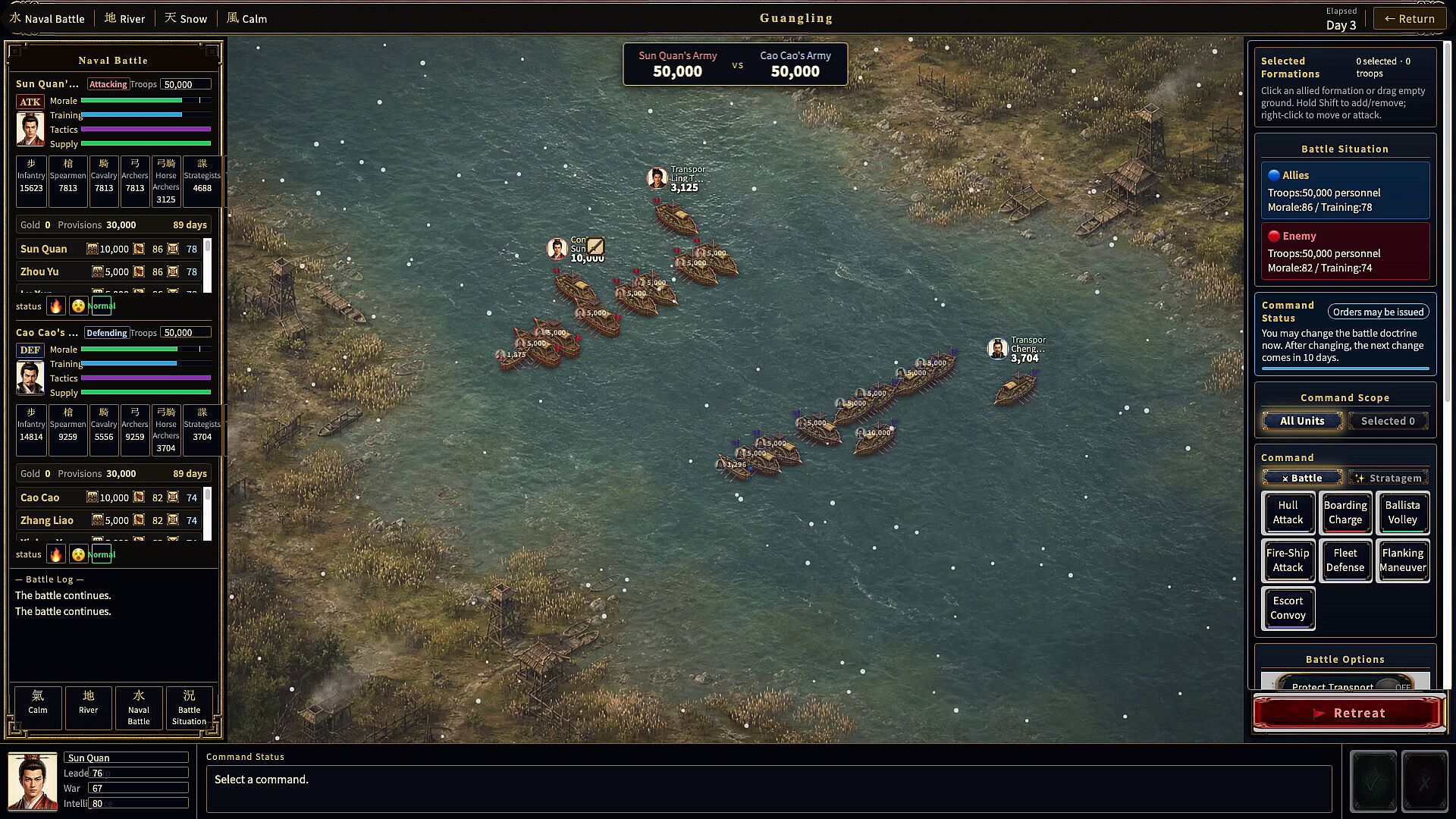
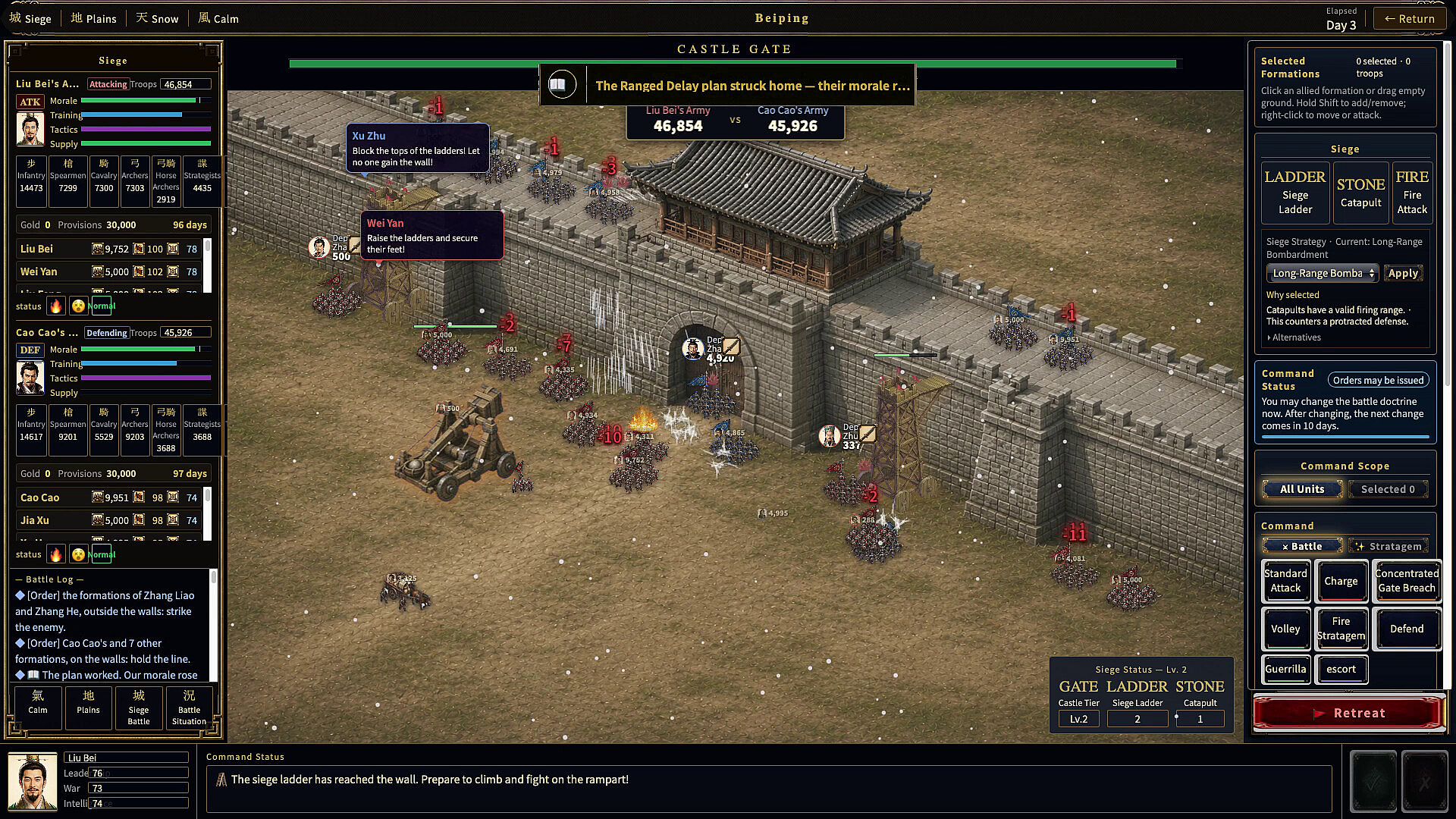
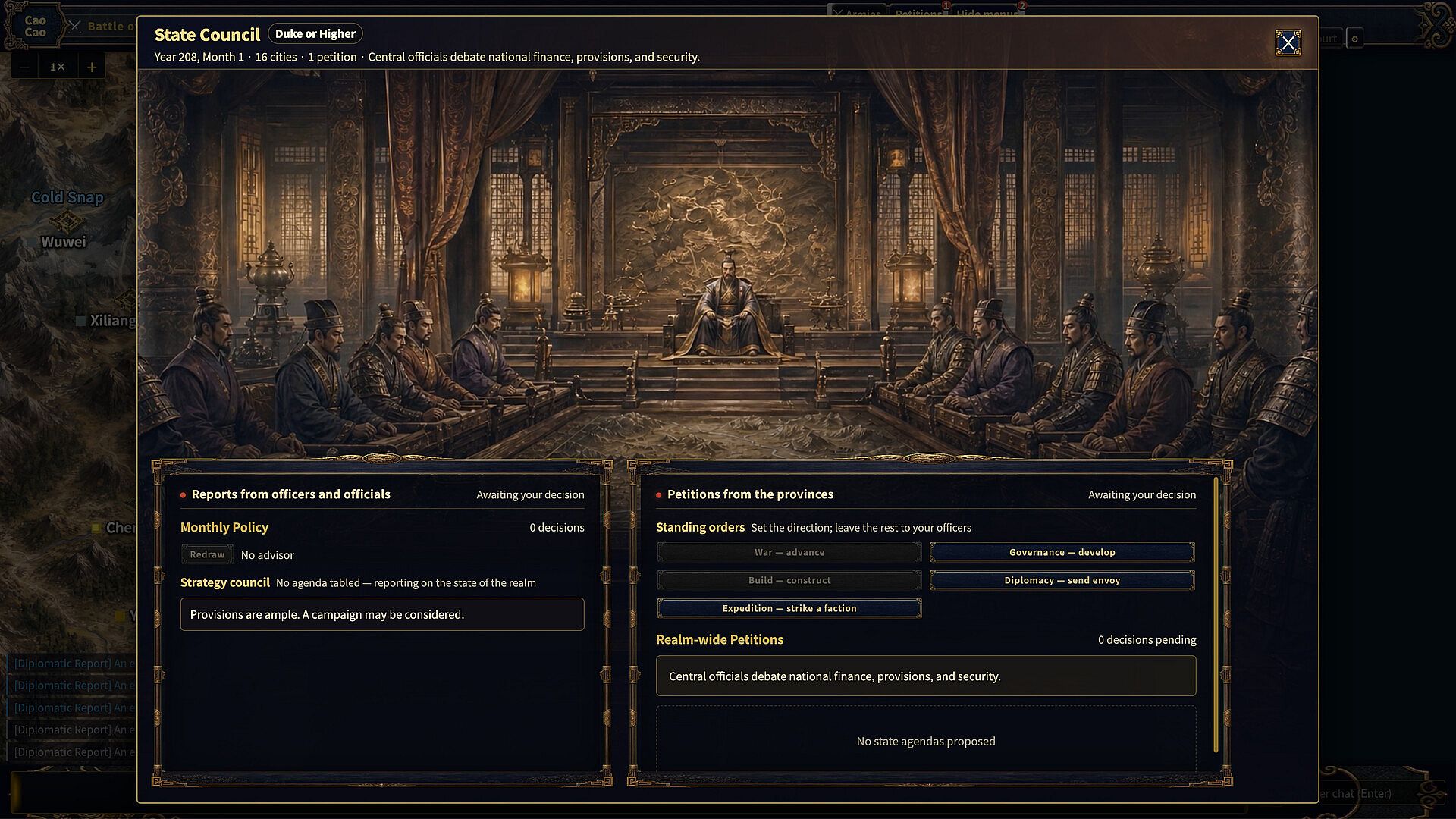
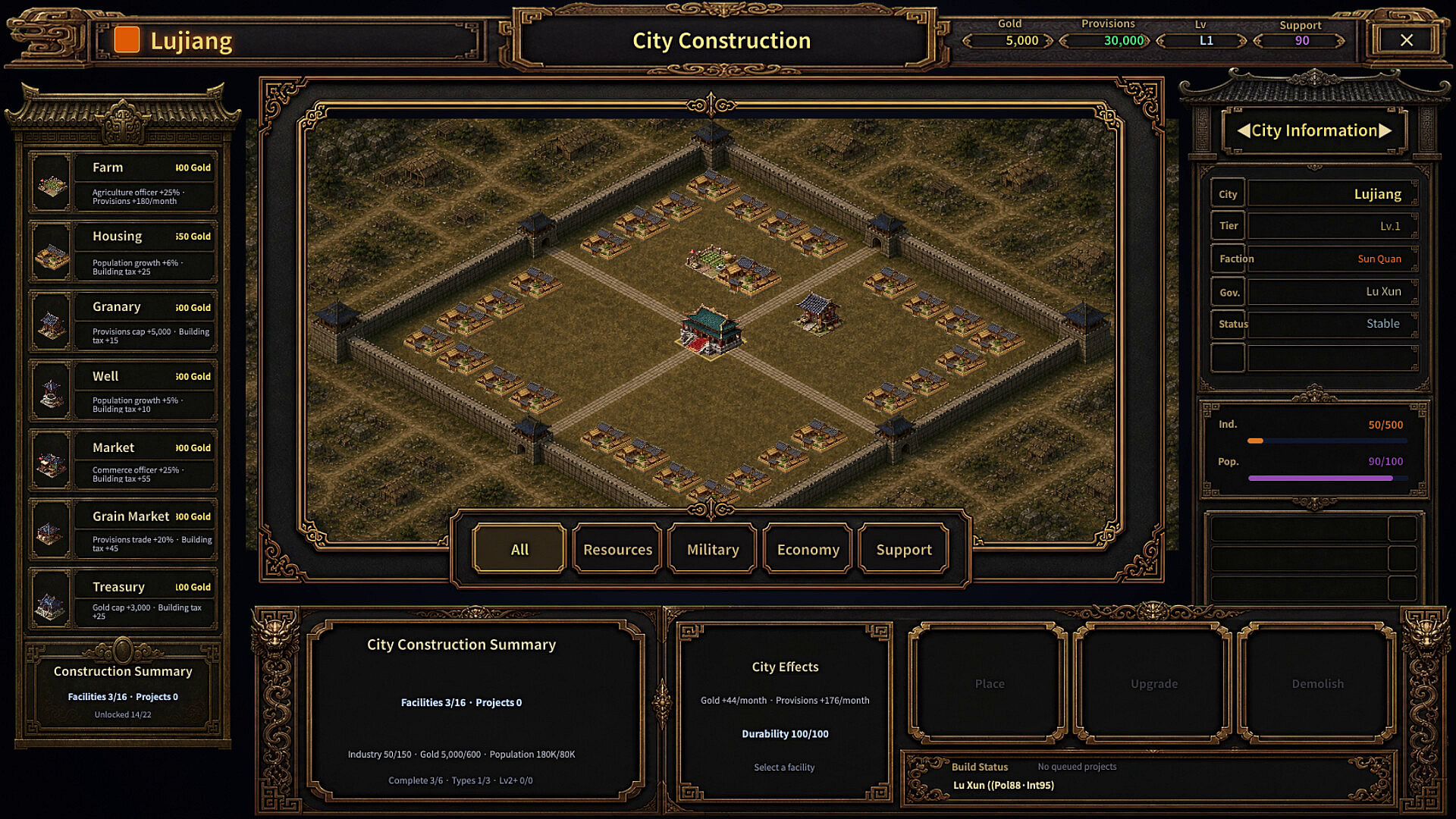
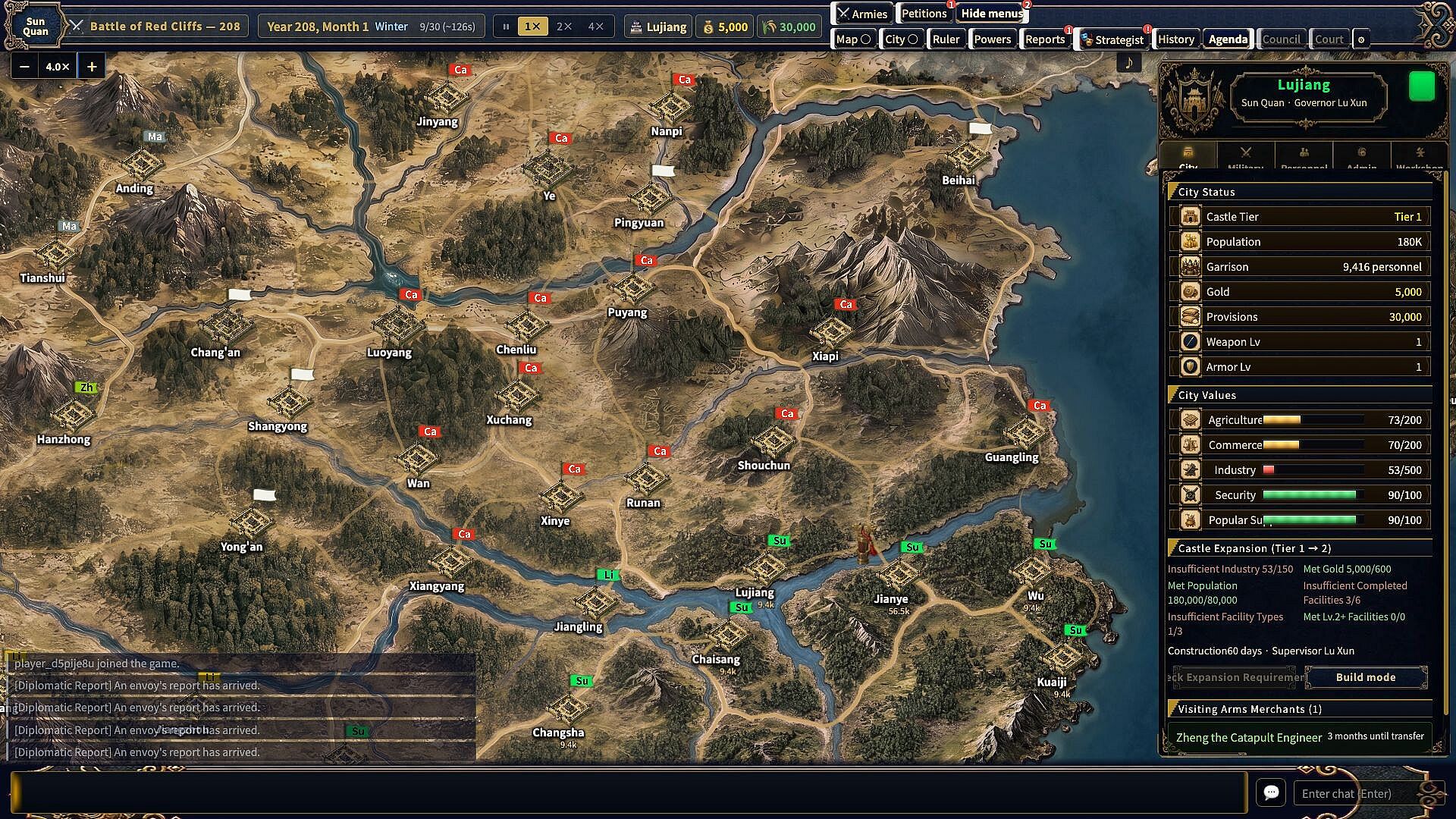
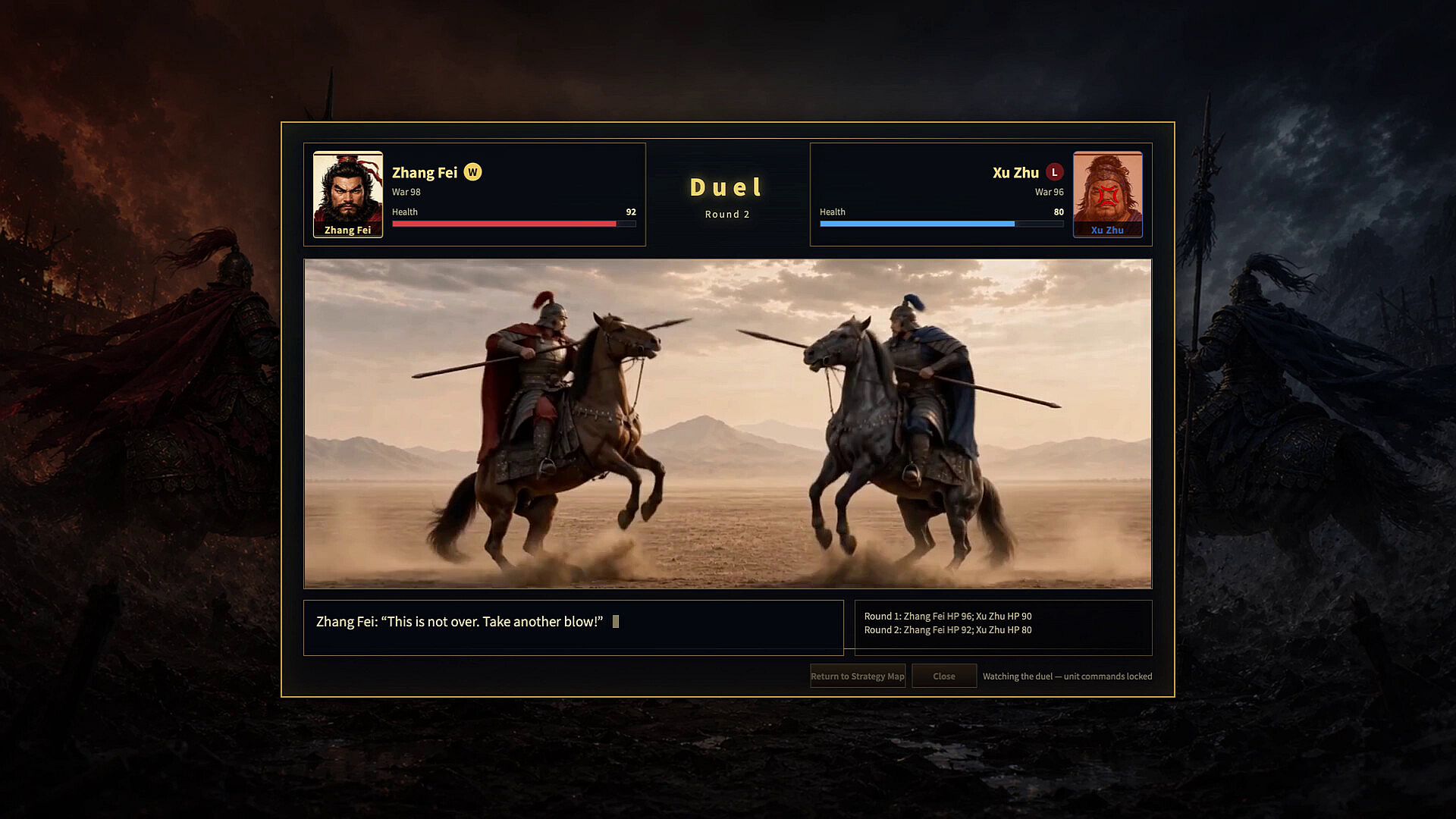
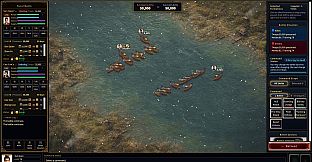
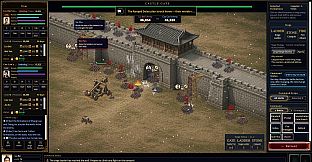
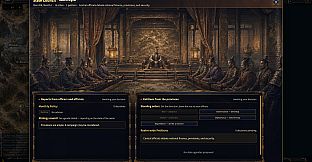
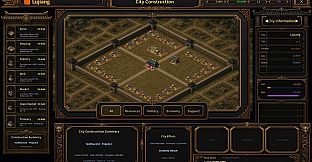
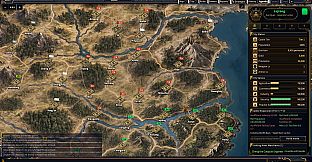
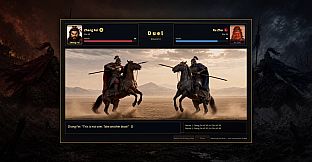
The core loop centers on constant decision-making across multiple fronts. Domestic management involves reviewing resources, overseeing construction projects, and handling court petitions to maintain stability. At the same time, military operations require responding to enemy movements in real time, as borders can be crossed while a player focuses on internal matters. Officers play a central role, with over a thousand available across scenarios, each contributing to battles through their stats and abilities. Naval engagements, sieges, and officer duels add variety to conflicts, while custom diplomacy lets players define exact terms for tribute, territorial concessions, or messages that can shift alliances or trigger immediate hostilities.
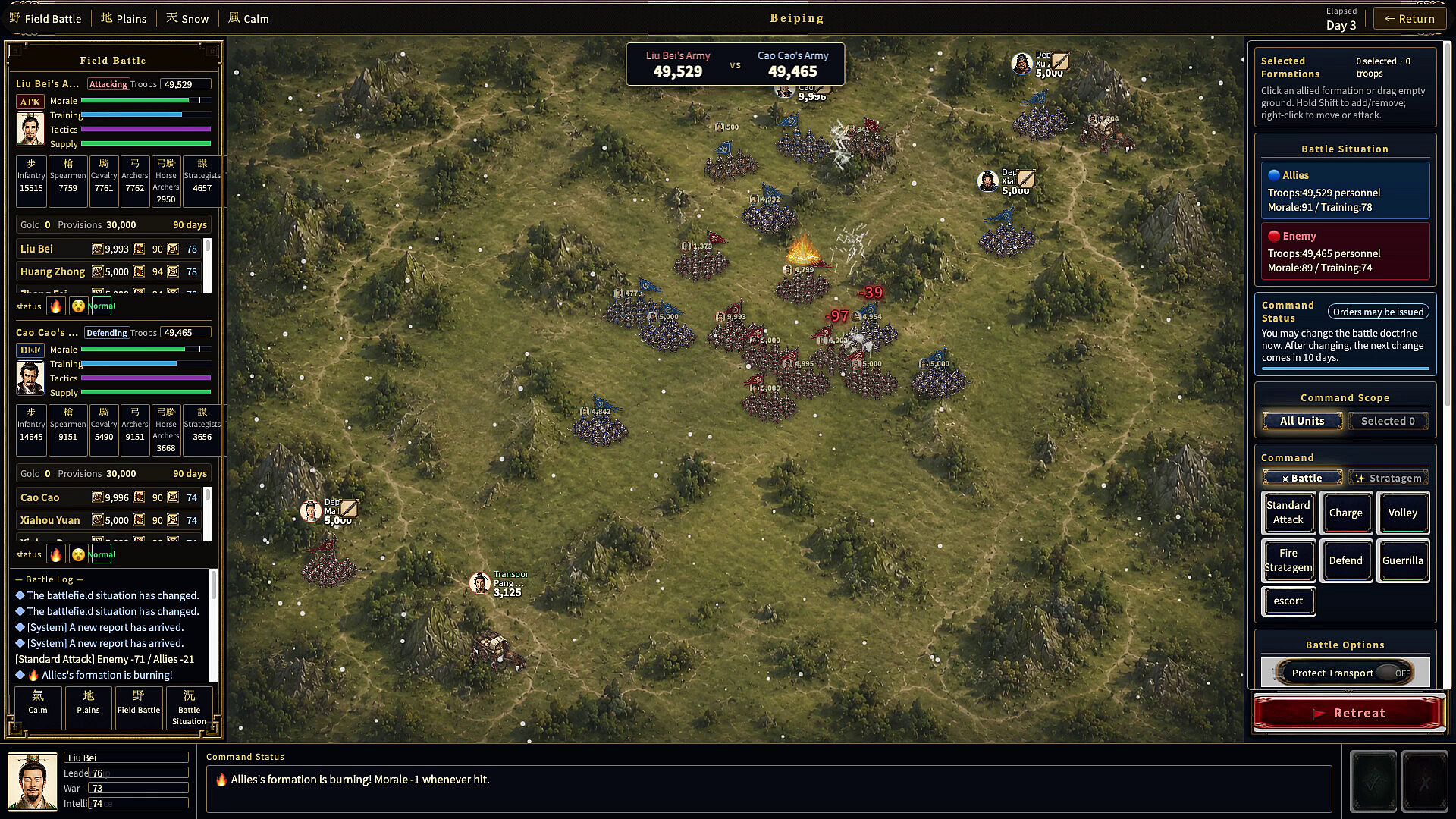
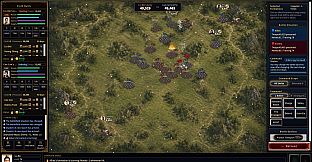
Unit control extends beyond automated AI responses. Players can intervene directly in field battles by issuing commands to squads, turning cautious AI behavior into aggressive maneuvers. A system of twelve counter-operations, including ambushes, lures, and charges, creates tactical layers where each choice has a direct response from opposing forces. This setup keeps the action fluid across an expanded map that includes Korean factions such as Goguryeo, Baekje, Silla, and Gaya alongside classic figures like Lü Bu, Guan Yu, and Zhang Fei.
Game Modes
Multiplayer supports up to eight participants in shared campaigns. Rooms can be created and joined via codes, with AI immediately assuming control of any faction whose player disconnects to prevent stalls. Campaigns can be saved and resumed later, allowing flexible scheduling. Single-player offers five distinct scenarios across four difficulty levels, emphasizing statecraft elements like public order management, riot suppression, and imperial court sessions within a world of 46 cities.
Both modes integrate the same underlying systems for consistency. Battles unfold in real time across field, naval, and siege formats, with officer duels providing personal-scale confrontations. The absence of turns means events progress continuously, forcing players to prioritize threats as they arise rather than sequencing actions in isolation.
Key Mechanics and Features
Diplomacy stands out for its flexibility. Envoys carry player-written proposals that specify tribute amounts, city transfers, and tone, with failed negotiations potentially escalating directly into conflict. The expanded officer roster draws from Korean historical records, adding 128 new characters that operate under the same rules as traditional Three Kingdoms figures without adjustments. Historical events tied to these additions further enrich the timeline.
Statecraft extends to long-term realm management. Players balance petitions, maintain order, and respond to internal unrest while external wars demand attention. The real-time nature means construction or treasury reviews occur alongside active threats, creating pressure that rewards proactive planning and quick adaptation.
Is It Worth Playing?
Three Kingdoms Online targets players who enjoy blending deep simulation elements with uninterrupted real-time strategy. Its simultaneous handling of domestic, diplomatic, and military layers suits those comfortable with multitasking across multiple systems rather than sequential turns. The multiplayer setup supports both short sessions and extended campaigns with friends, while the single-player options provide structured scenarios for solo play. With support for English, Korean, Japanese, and Simplified Chinese, the game reaches a broad audience interested in historical strategy on PC. Those drawn to faction management, custom negotiations, and fluid battles without downtime will find the mechanics align closely with the described systems. As the title remains in development, its final balance and polish will determine long-term appeal, but the core framework emphasizes continuous engagement over paused planning.