




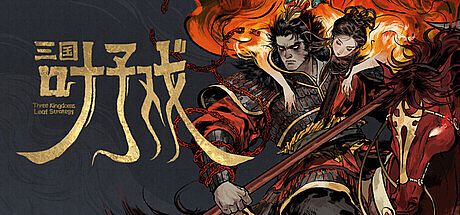


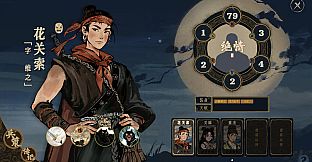
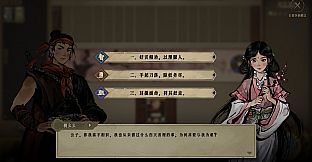
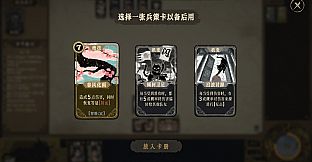
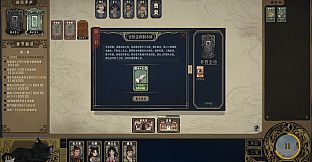
Three Kingdoms: Leaves and Empire is a strategy, indie, simulation, and adventure game set on PC that blends deck-building mechanics with tabletop simulation and narrative choices in a reimagined Three Kingdoms era.
Gameplay
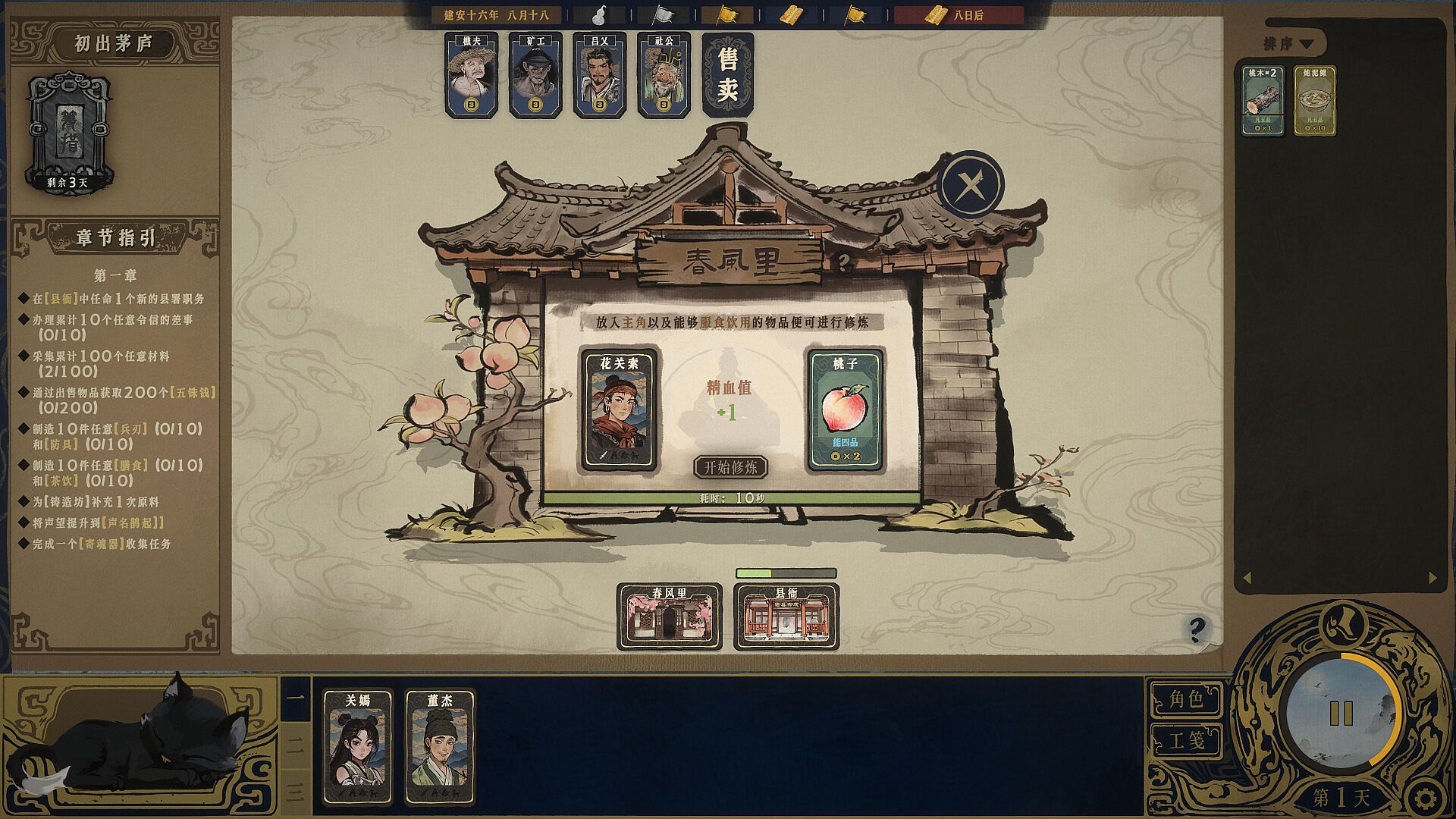
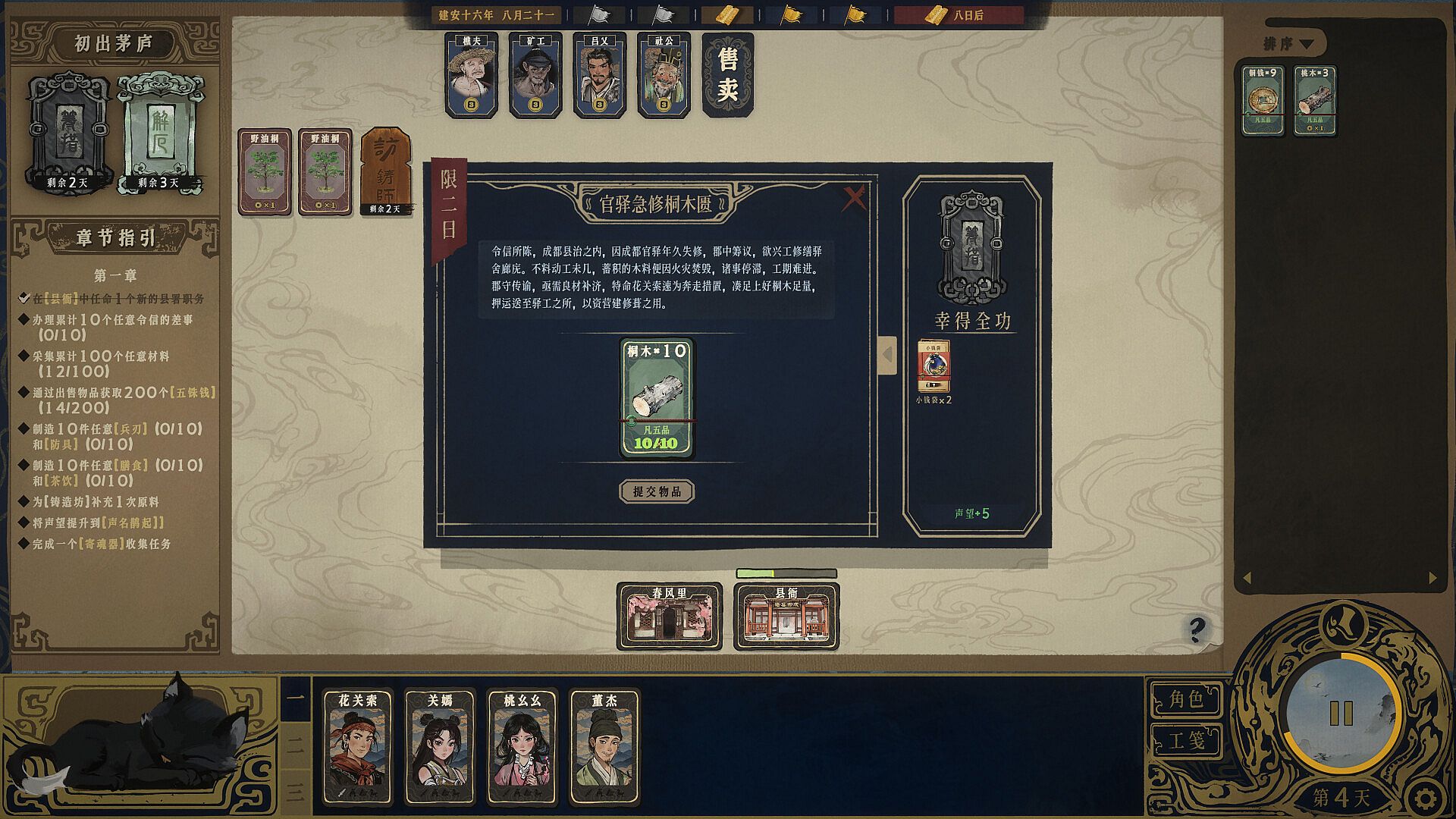
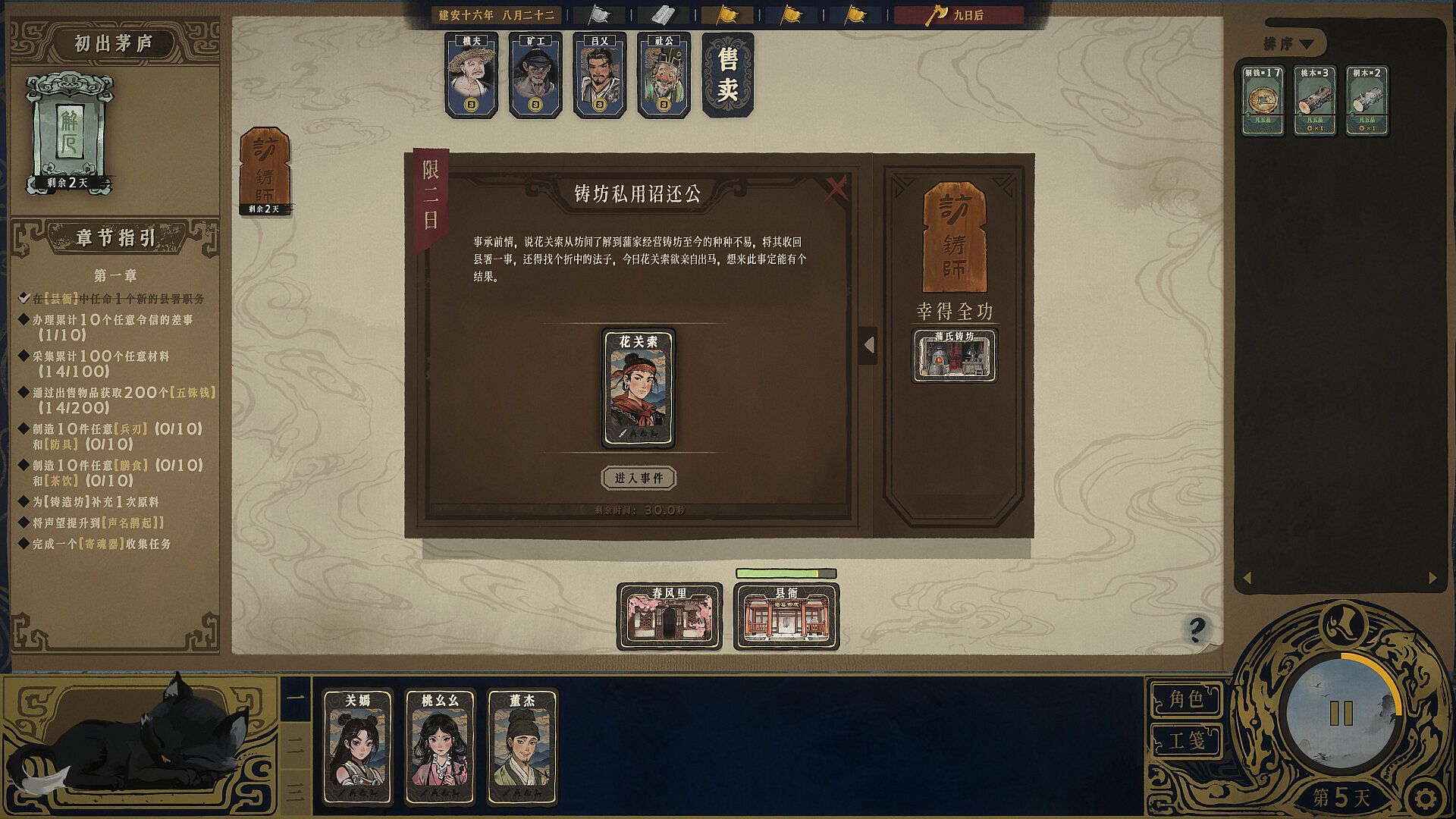
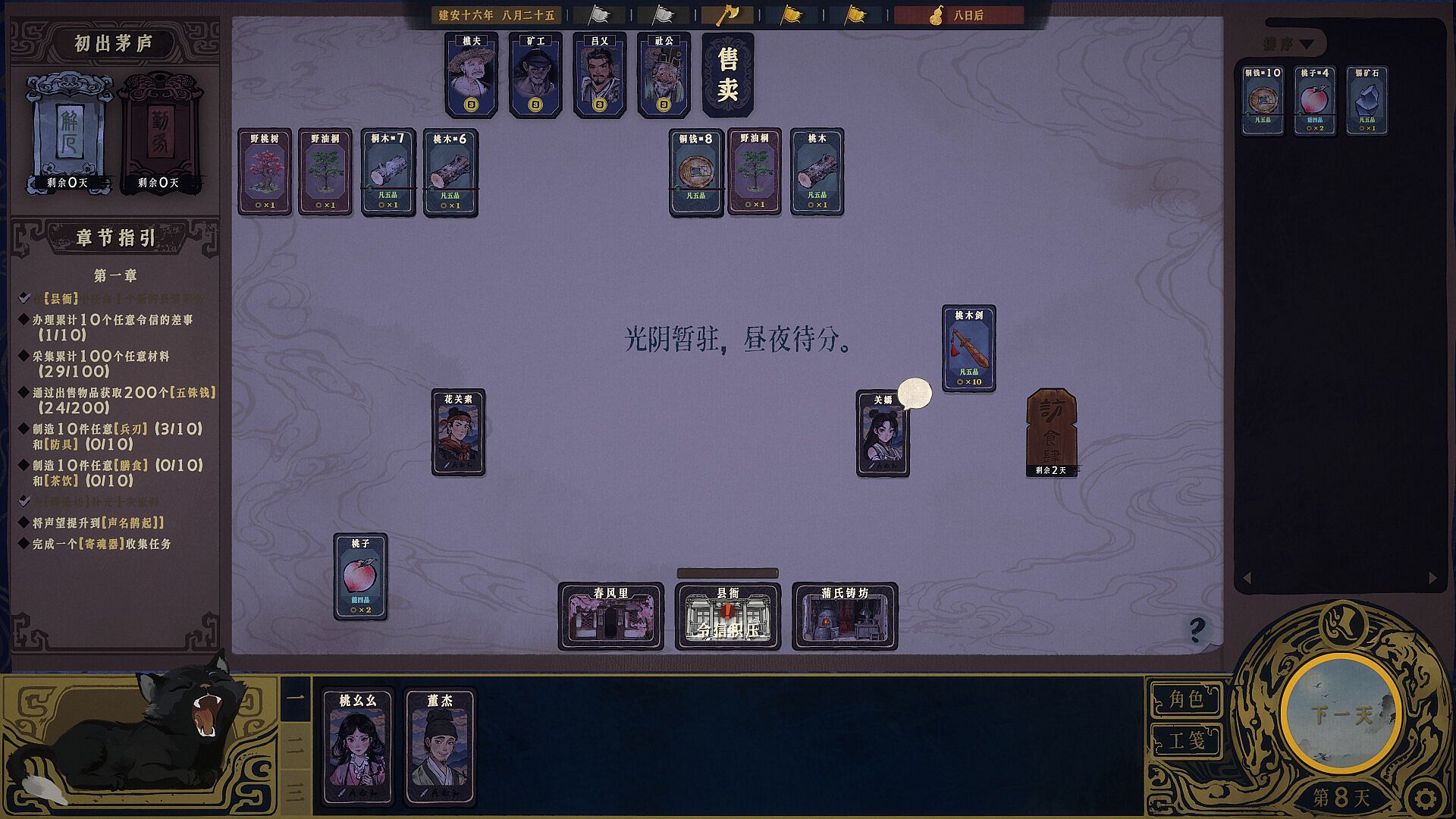
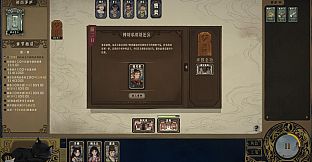
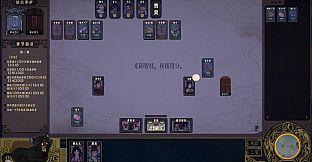
The core loop centers on a card-stacking system where resources, characters, buildings, and events appear as individual cards on a virtual tabletop. Players drag cards onto one another to combine effects, such as assigning a character card to a tree card to collect timber or placing a personal card on a shrine card to advance personal cultivation. This approach handles gathering materials, constructing improvements, exploring the world, and initiating conflicts through the same drag-and-stack actions.
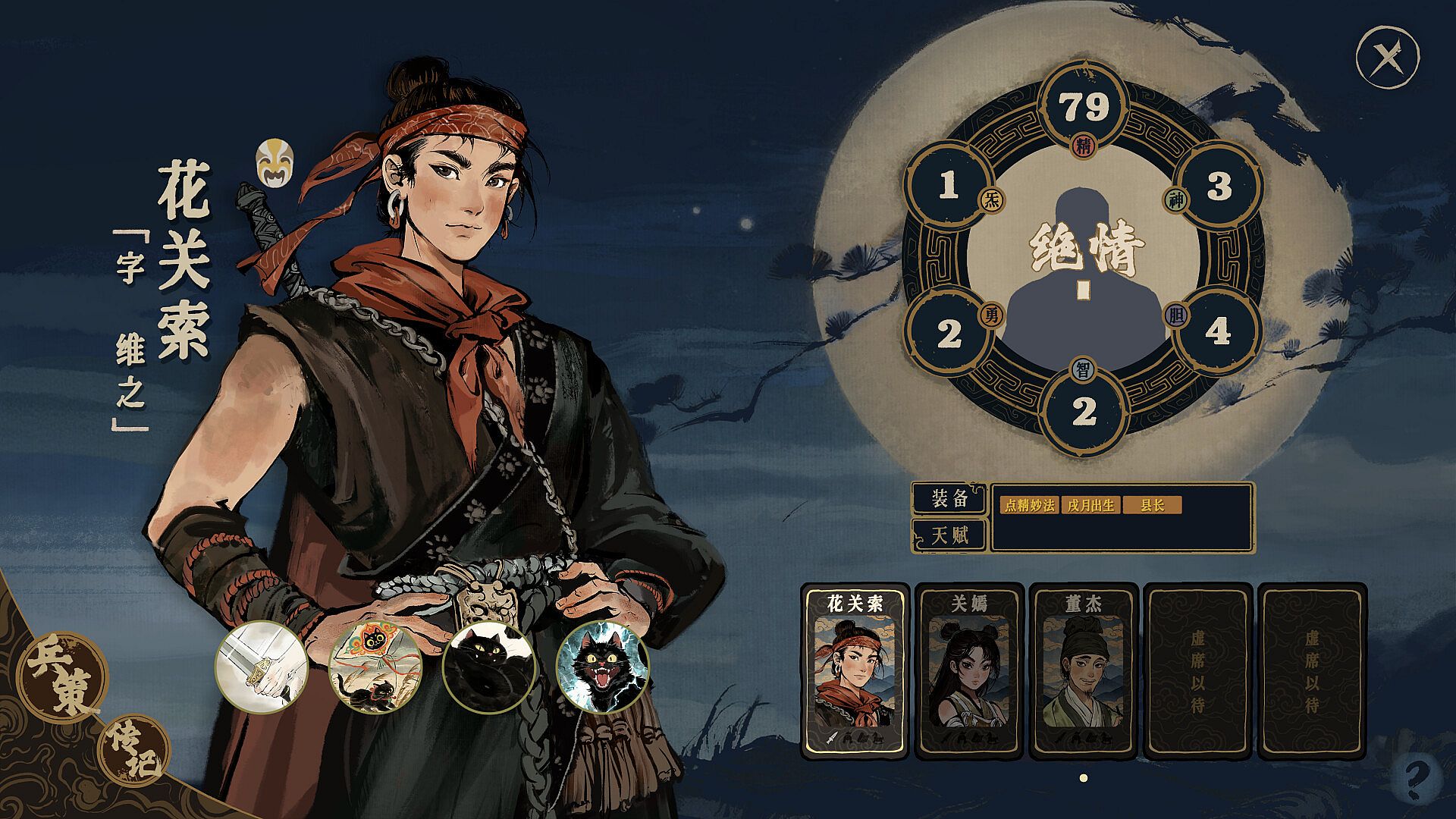
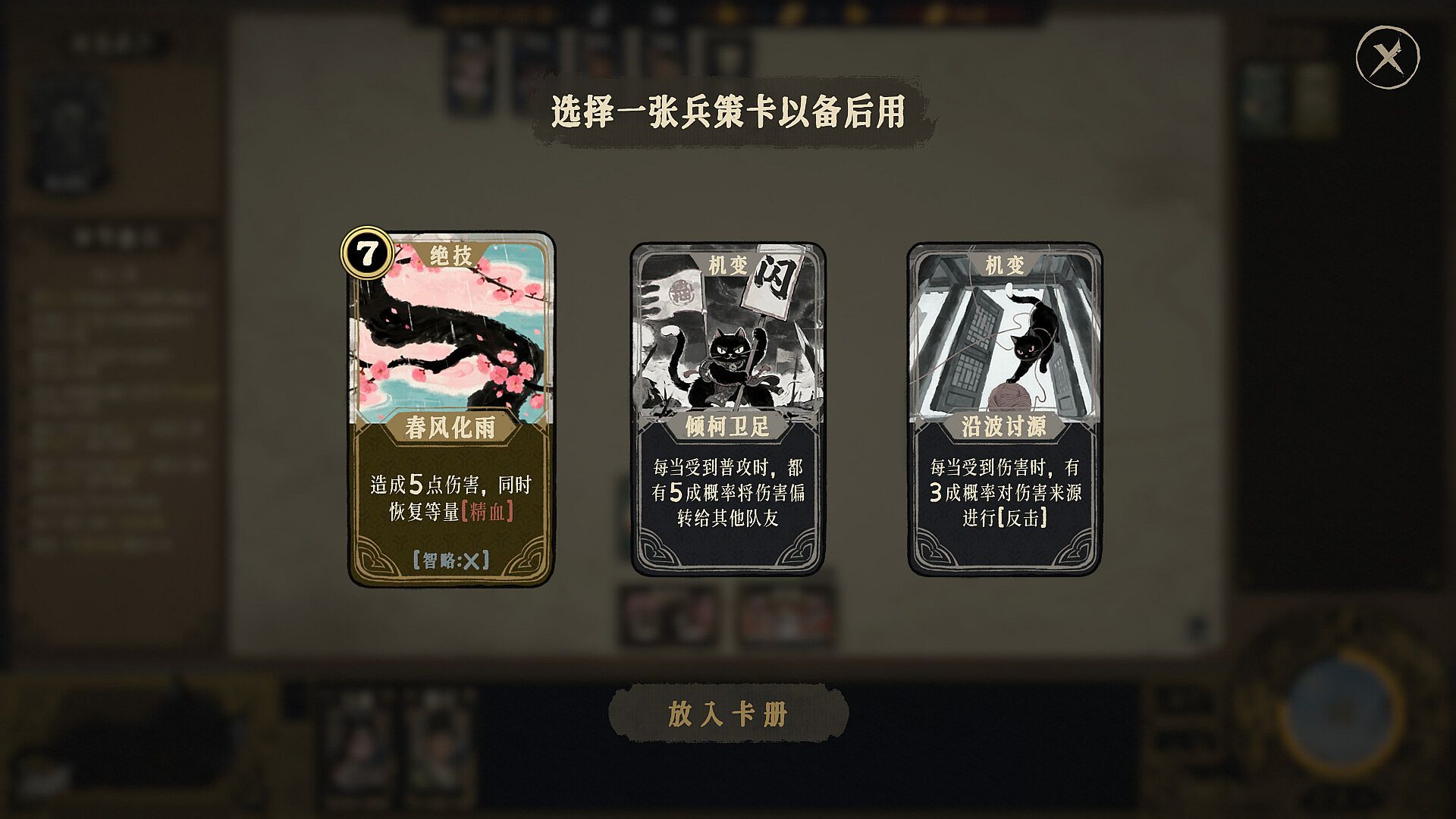
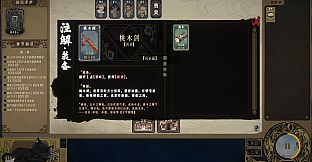
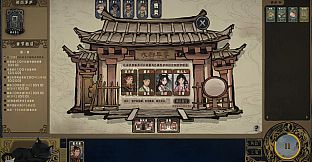
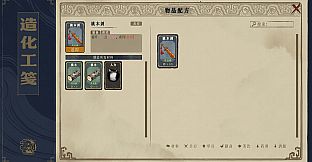
Combat occurs in a semi-realtime format once battles begin. Players arrange skill cards and equip historical-style weapons and gear obtained from collected blueprints to prepare companions for fights against mutated generals, beasts, immortals, and bandits. Up to twenty companions can be recruited, each with distinct personalities that allow them to manage businesses, investigate incidents, travel, or fight alongside the player.
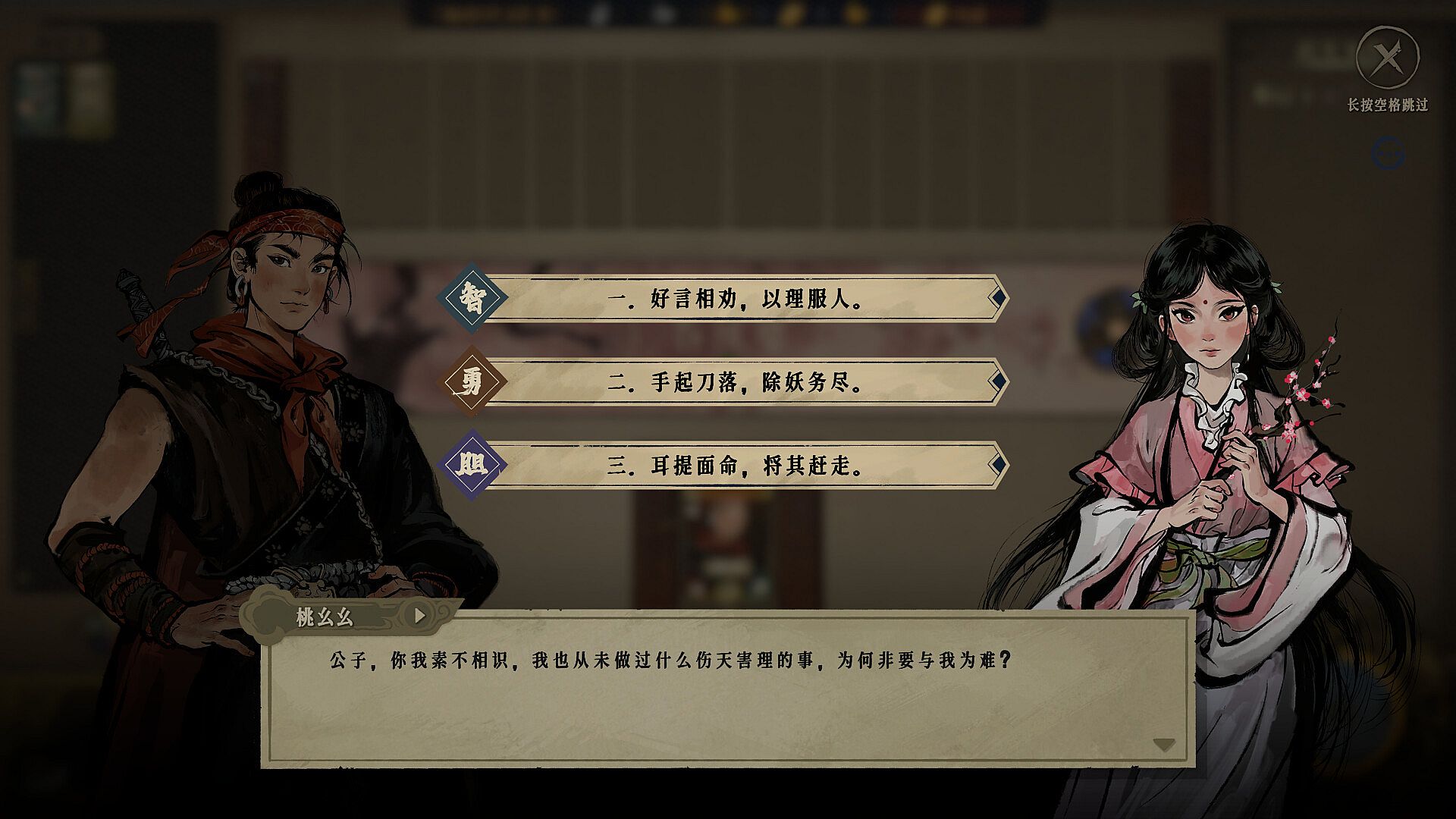
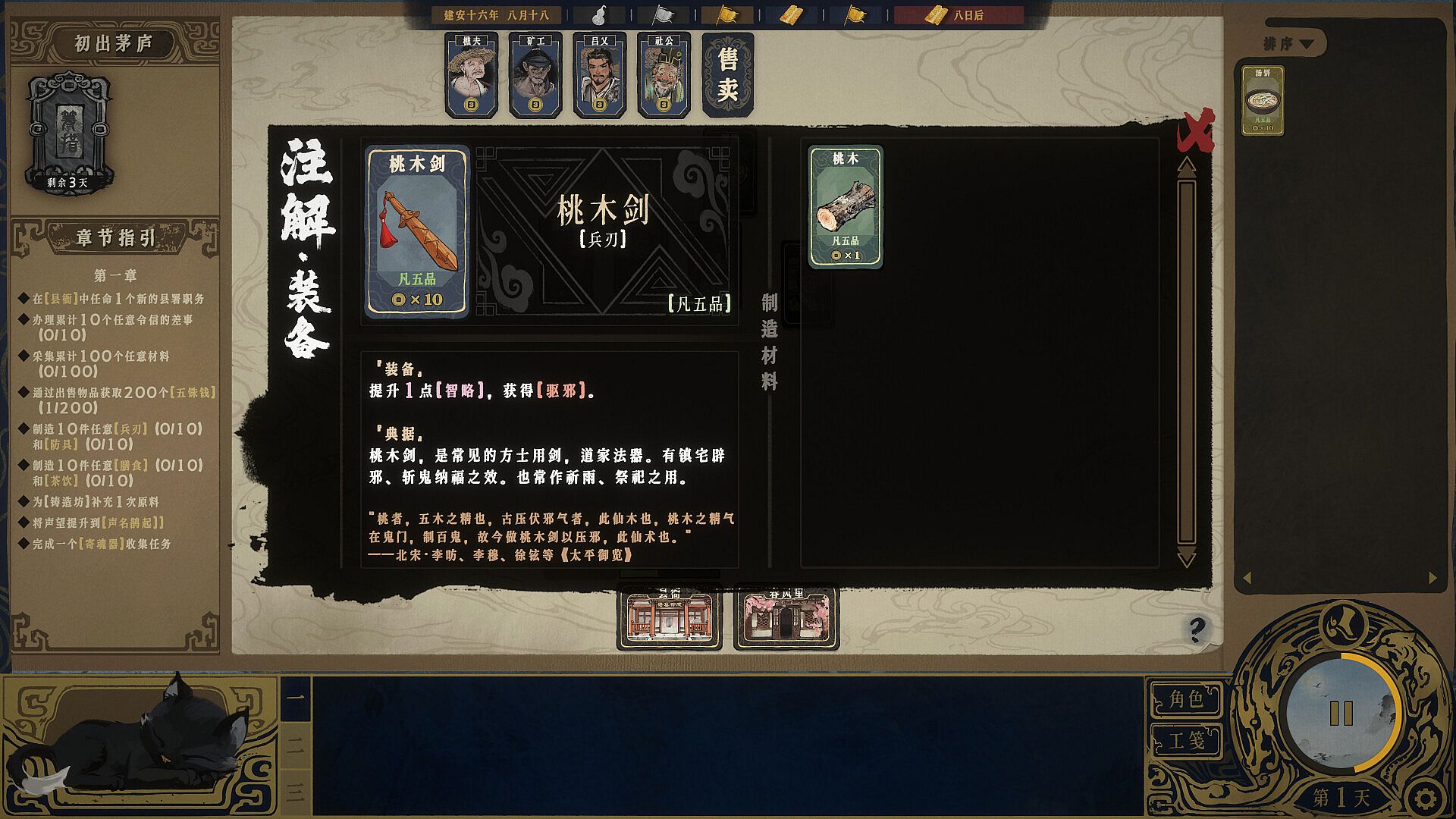
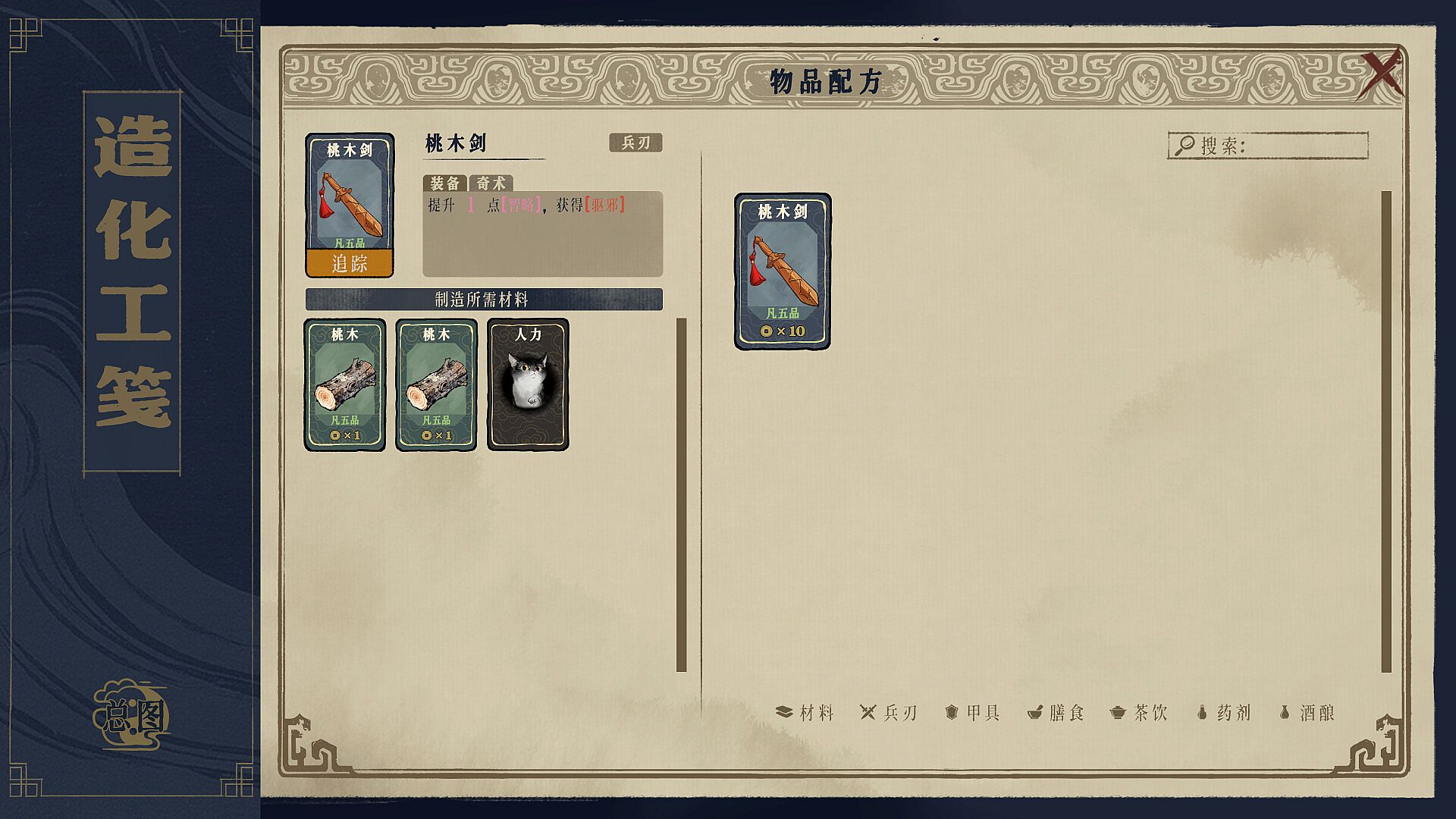
Progression involves learning numerous blueprints for crafting equipment that improves stats. Decisions during events steer the story toward different conclusions, with every session producing varied outcomes based on how cards are used and which paths are selected.
Game Modes
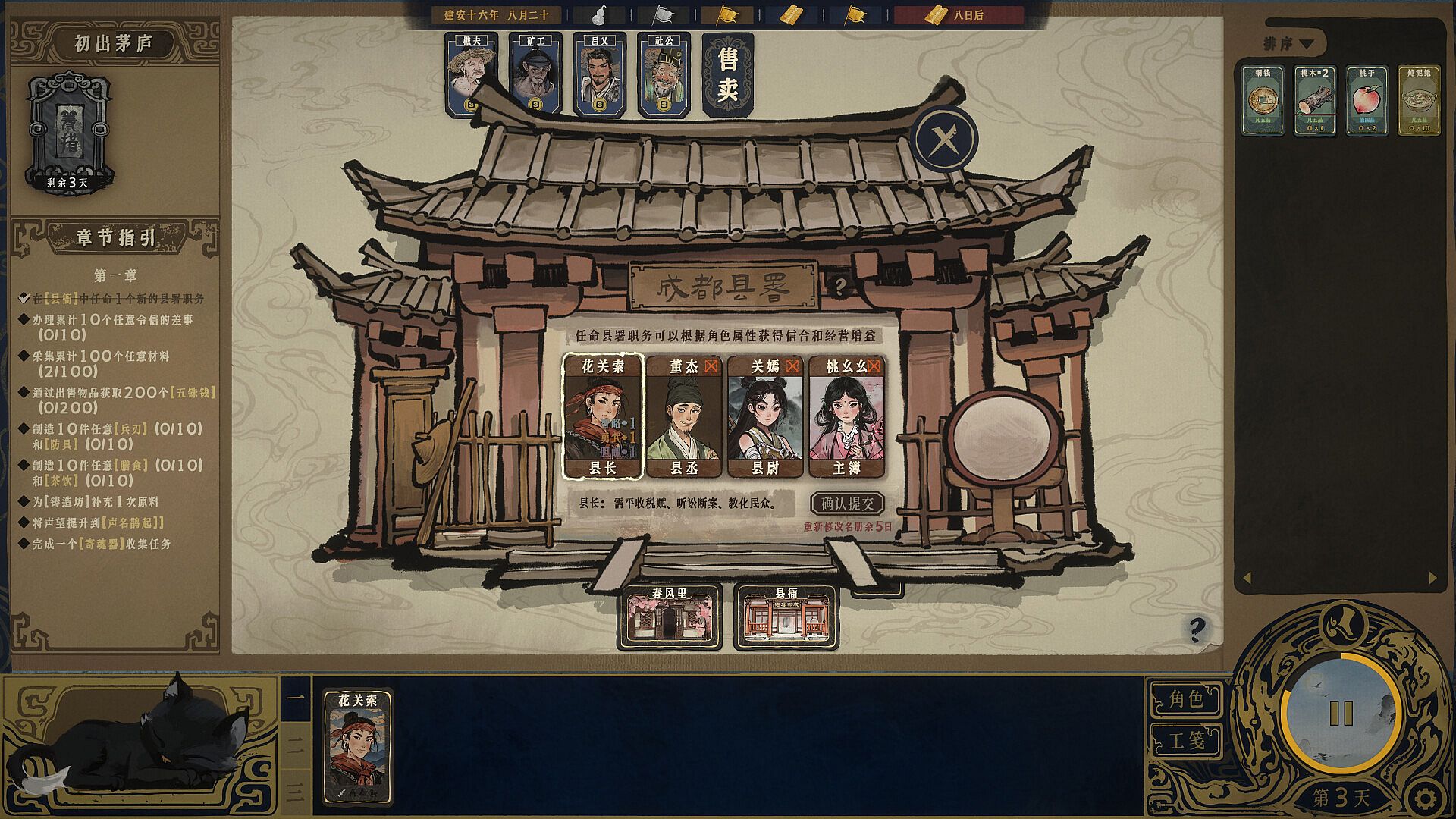
The game operates as a single-player experience focused on one continuous campaign. Players assume the role of a modern individual transported into the past and appointed as a county magistrate in Chengdu. The session unfolds through successive turns on the card table, where each interaction with cards advances resource management, companion development, and plot branches.
Branching narratives form the main structure. Choices made while stacking cards or responding to events lead to multiple possible endings. No separate competitive or cooperative modes exist; the emphasis remains on solo playthroughs that reward experimentation with card combinations and companion assignments.
Story and Setting
The narrative begins on August 18th in the sixteenth year of the Jian'an Era. An immortal's summoning ritual goes awry and pulls the player from the present day into the chaos of the Three Kingdoms period. Under guidance from the immortal and orders from Liu Bei, the player manages affairs in Chengdu while navigating a world filled with historical figures altered by mutations and supernatural elements.
Modern perspective influences how the player approaches tasks ranging from everyday administration to larger conflicts. The setting mixes familiar Three Kingdoms lore with unexpected twists, presented through card-triggered events that reveal both humorous and serious developments.
Visual Style
Hand-drawn 2D artwork in a stylized Chinese aesthetic defines the presentation. Cards and the tabletop environment feature detailed illustrations that emphasize human craftsmanship. The visual approach highlights Eastern motifs in a manner that feels distinctive rather than conventional.
Is It Worth Playing?
The game targets players who enjoy strategic card systems combined with simulation elements and story decisions. Its tabletop card-stacking method offers a compact way to handle complex interactions without traditional menus or maps. Since the title has not yet released and carries no player reviews, suitability depends on interest in deck-building TTRPG hybrids set against a Three Kingdoms backdrop with companion management and crafting layers. Those drawn to single-player campaigns with multiple endings and resource-focused strategy will find the described systems align closely with that preference. The hand-drawn art and companion personalities add further layers for repeated sessions.