




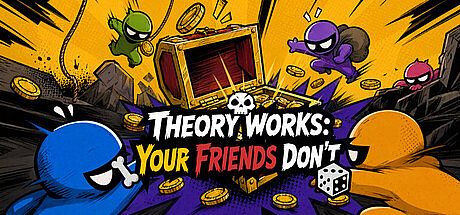





THEORY WORKS: YOUR FRIENDS DON'T is a strategy indie casual game for PC that puts 3 to 8 players into tense multiplayer sessions built around game theory concepts. Participants make choices about resources and information without needing mathematical expertise, focusing instead on predicting how others will act in shared scenarios. The experience centers on hidden decisions, shifting group dynamics, and direct interference that can upend expected outcomes across repeated rounds.
Gameplay
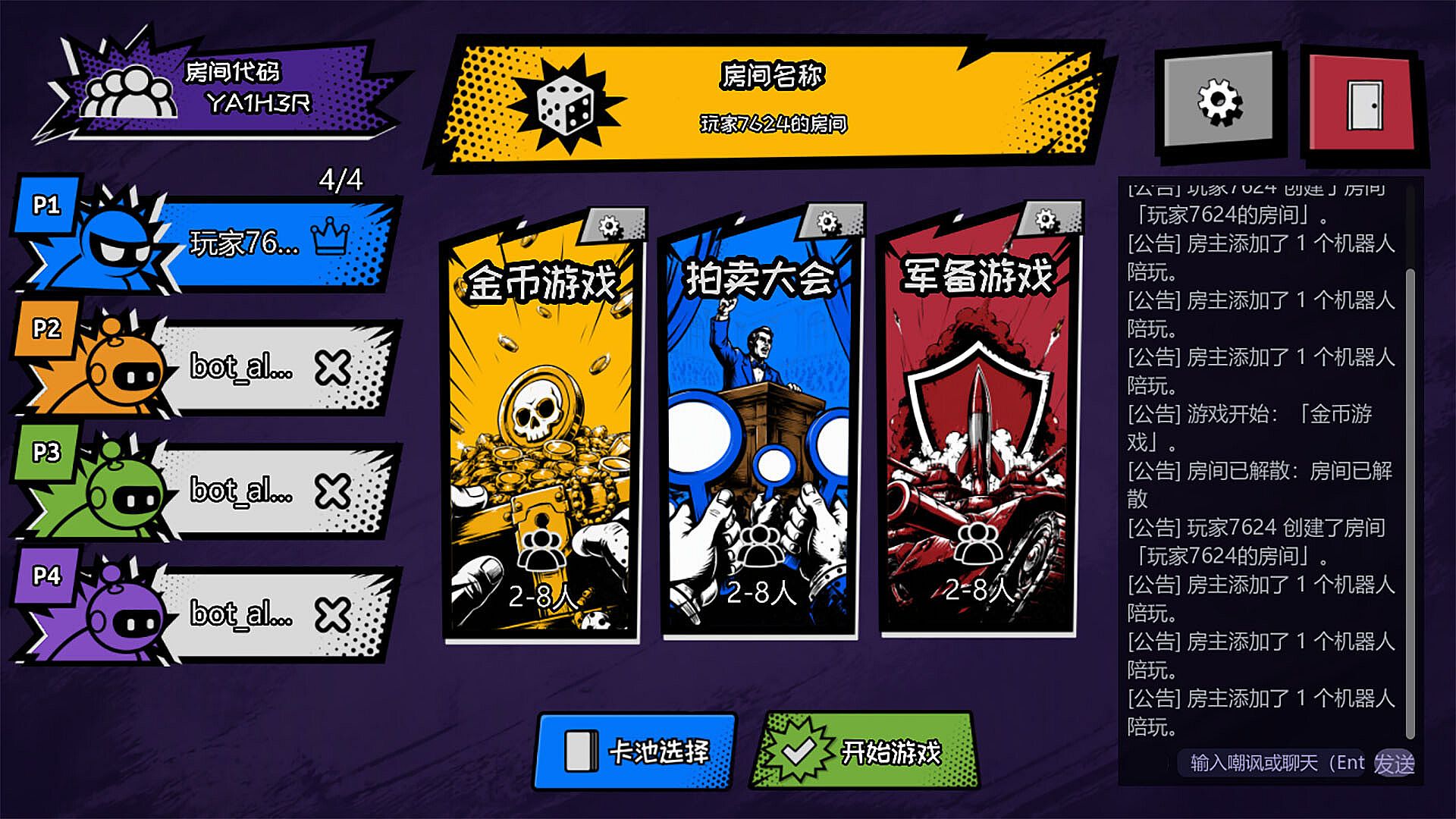
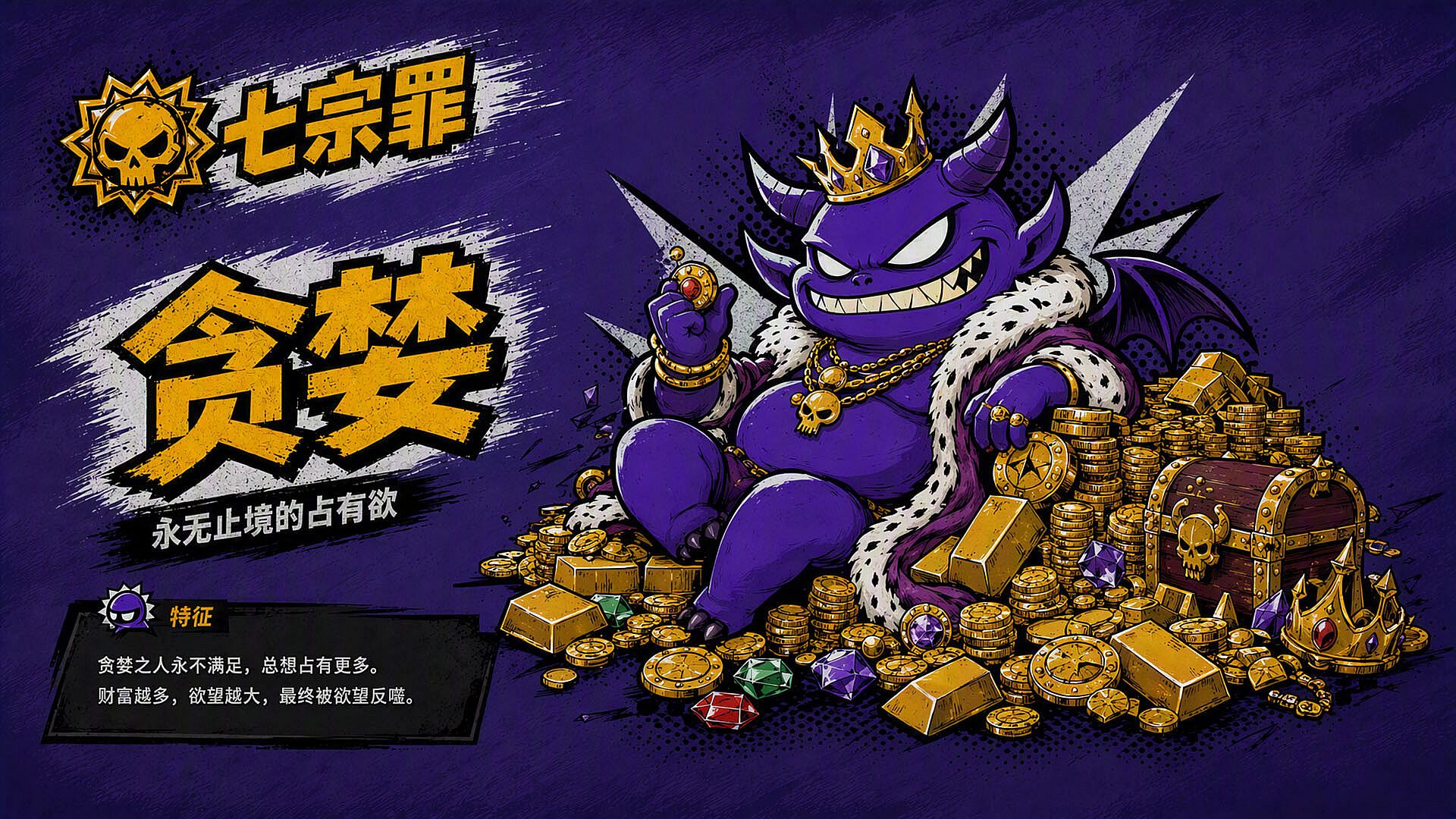
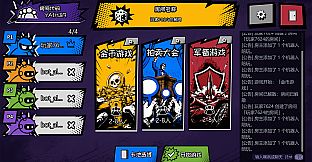
Core play revolves around shared resources and secret actions that force constant reassessment of strategy. Players interact through open or concealed selections, then apply targeted effects to alter the situation for everyone at the table. Alliances form temporarily before breaking apart when self-interest takes over. A host sets up sessions by selecting and ordering modes, adjusting parameters for each one, and tracking cumulative results on a shared leaderboard. Bots can join to complete groups, while chat tools and quick messages support table talk during matches. Visuals follow a comic style that keeps the focus on the decision-making rather than complex graphics.
Matches emphasize reading opponents over pure optimization. Limited information creates opportunities for bluffing and misdirection, while sabotage options introduce chaos that rewards adaptability. Sessions build tension through repeated rounds where early restraint or aggression influences later possibilities. The structure supports both quick testing of ideas and longer playlists that accumulate scores across different challenges.
Game Modes
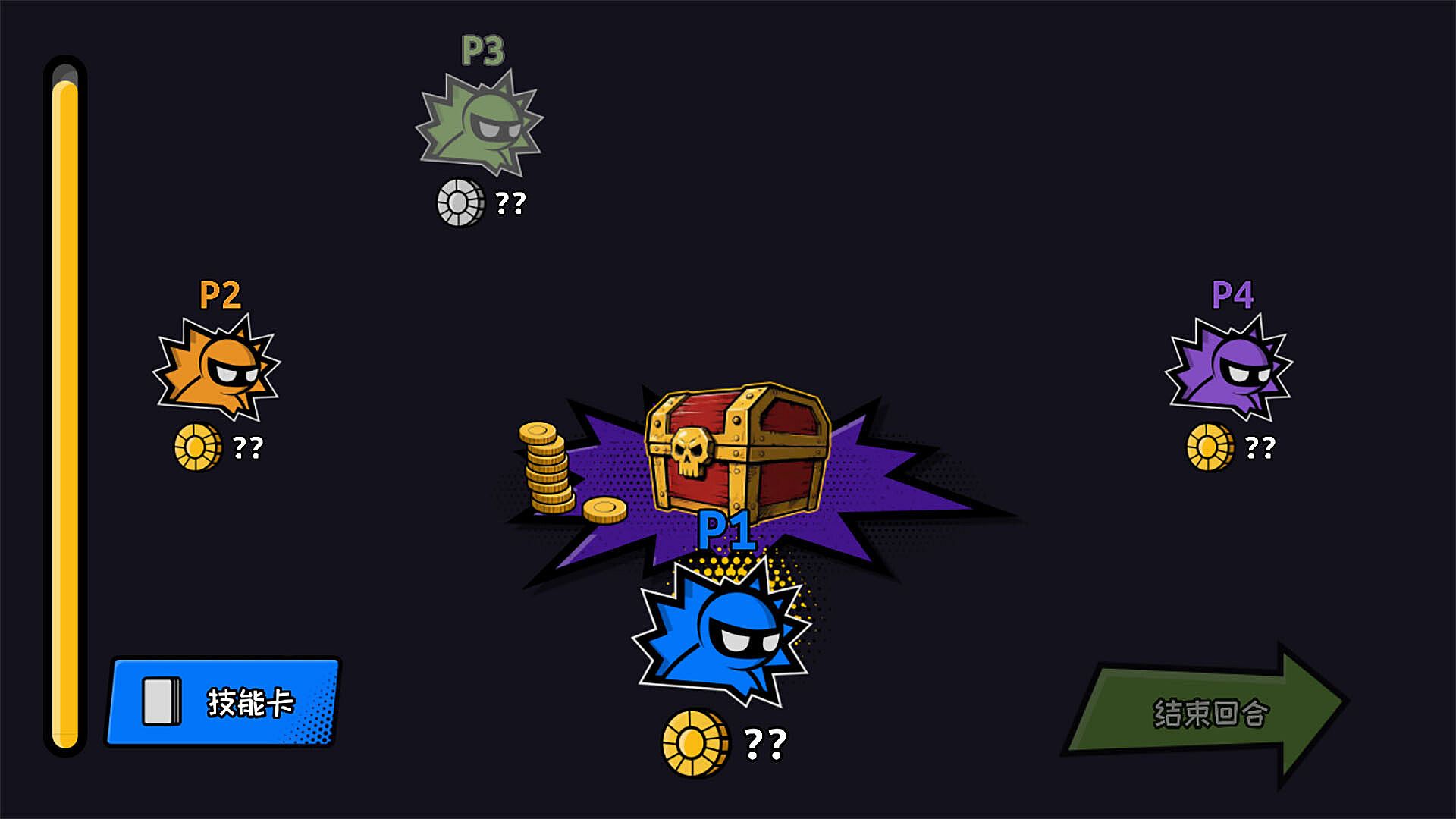
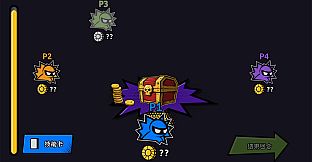
Three distinct modes form the foundation of play. In the Coin Game, a pool of one hundred coins sits at the center. Taking too many or too few at the end wipes out a player's score, pushing participants toward a middle path. Open or secret draws combine with cards that double holdings, steal from others, freeze actions, swap positions, or deploy bombs to disrupt plans. The mode highlights the risk of overreaching versus underperforming.
Arms Race requires splitting limited coins across development, defense, and invasion categories. Development gains value over successive rounds, while defense resets each time. An attack on one player can trigger an ambush from the rest of the group. Decisions balance protection against the potential gains of striking first in a setting where timing matters.
The Auction Game makes item appearance, quality, and listed prices visible to all, yet true values remain private to the owner. After purchase, players attempt to resell through sealed bids or open English auctions. Persuasion, doubt, and exaggeration become tools to influence outcomes, sometimes turning low-value items into high-stakes contests or vice versa.
Multiplayer and Customization
Support for three to eight participants includes online lobbies, friend connections, and local network options alongside dedicated servers. Playlists allow hosts to arrange modes in any order and fine-tune settings per round. Results feed into ongoing standings that span multiple sessions. Preset messages and in-room chat keep communication flowing without leaving the game. These elements make the title suitable for regular groups that want repeatable variety without identical matches each time.
Is It Worth Playing?
The game suits players who enjoy strategy party experiences that reward social awareness and quick thinking over reflexes or long campaigns. Its focus on 3 to 8 participants and customizable sessions fits groups looking for competitive yet light-hearted evenings built on prediction and interference. With no release date set and no reviews available yet, interest depends on whether the described mechanics around game theory and sabotage appeal directly. Those drawn to titles that turn simple rules into complex group interactions will find the core loop matches that description closely. Availability on PC through standard digital storefronts will determine access once it launches.