




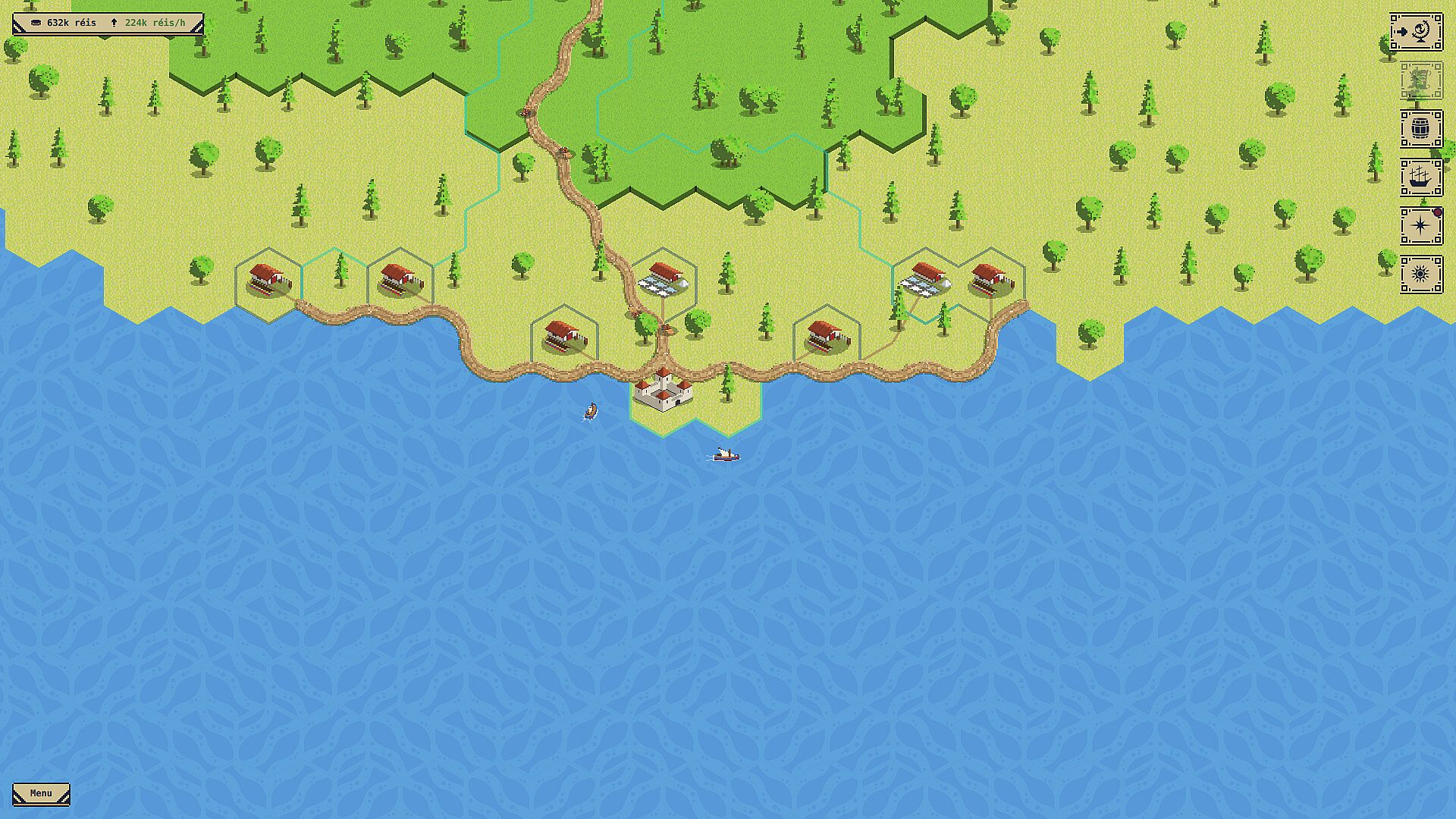
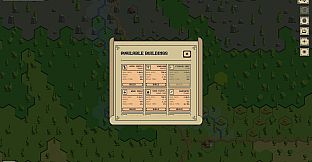
The Sugar Coast is a strategy indie game for PC that places players in 16th century Madeira, where the island remains largely forested and the task is to develop its economy through careful planning and resource management.
Gameplay
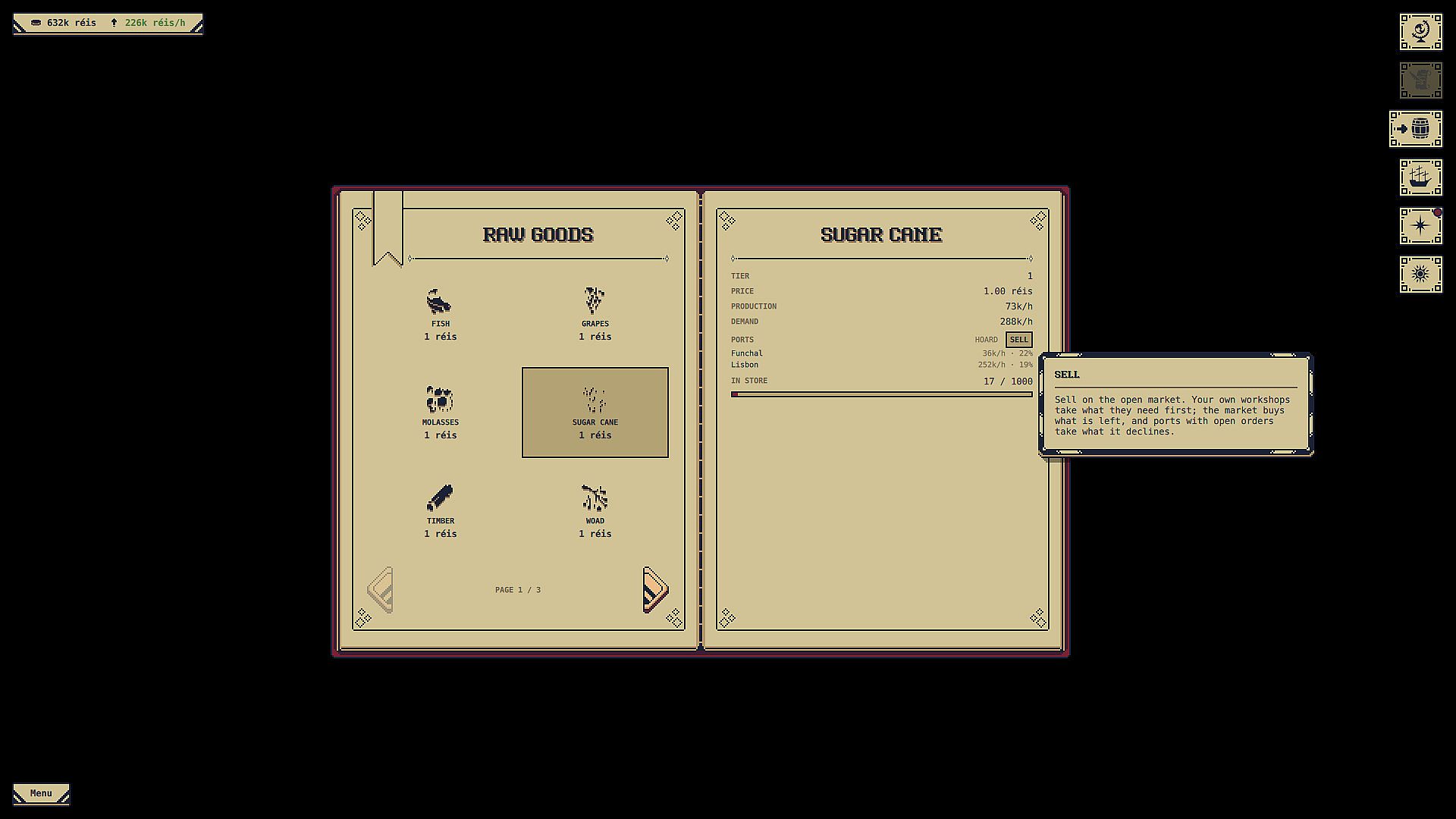
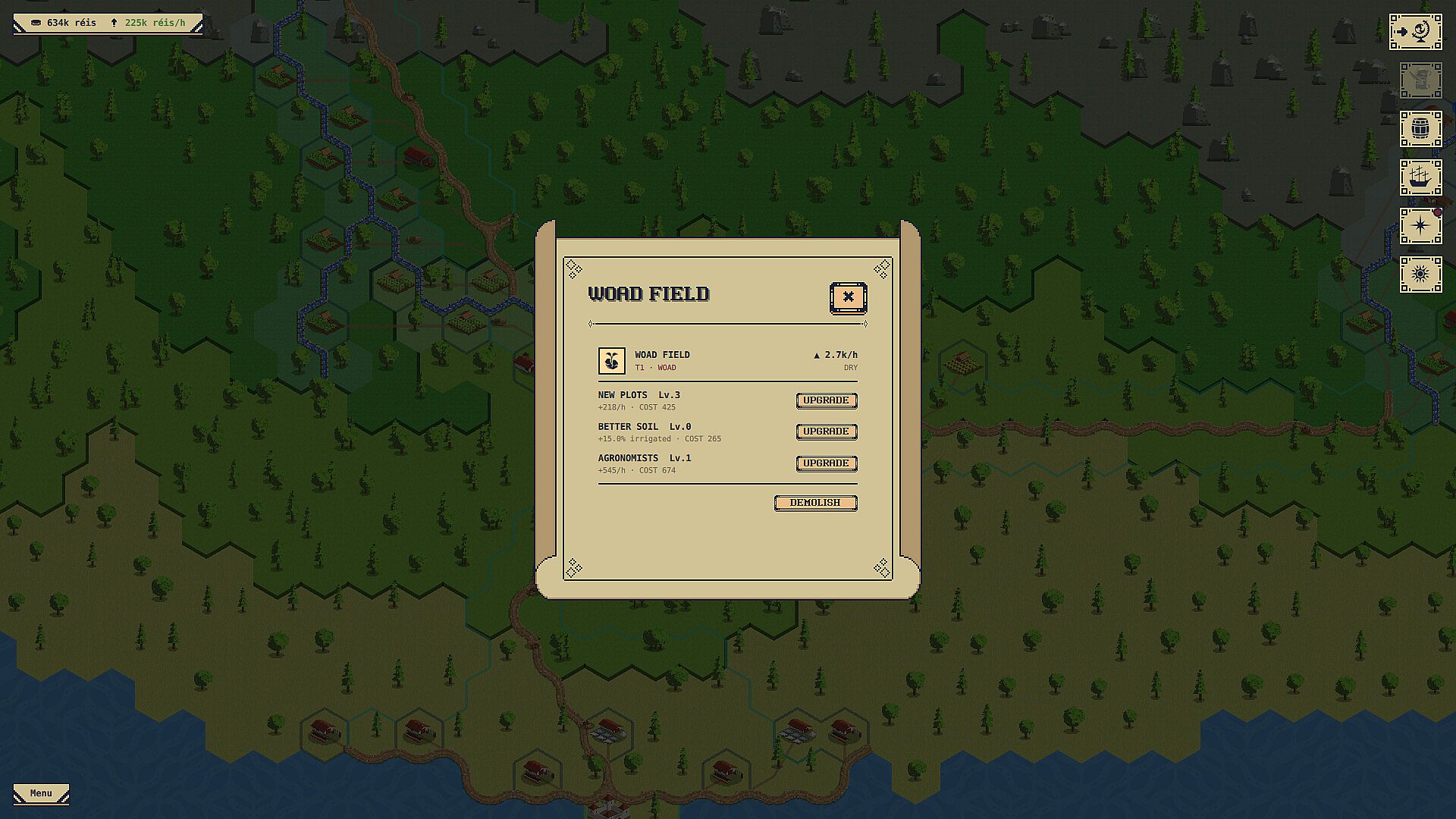
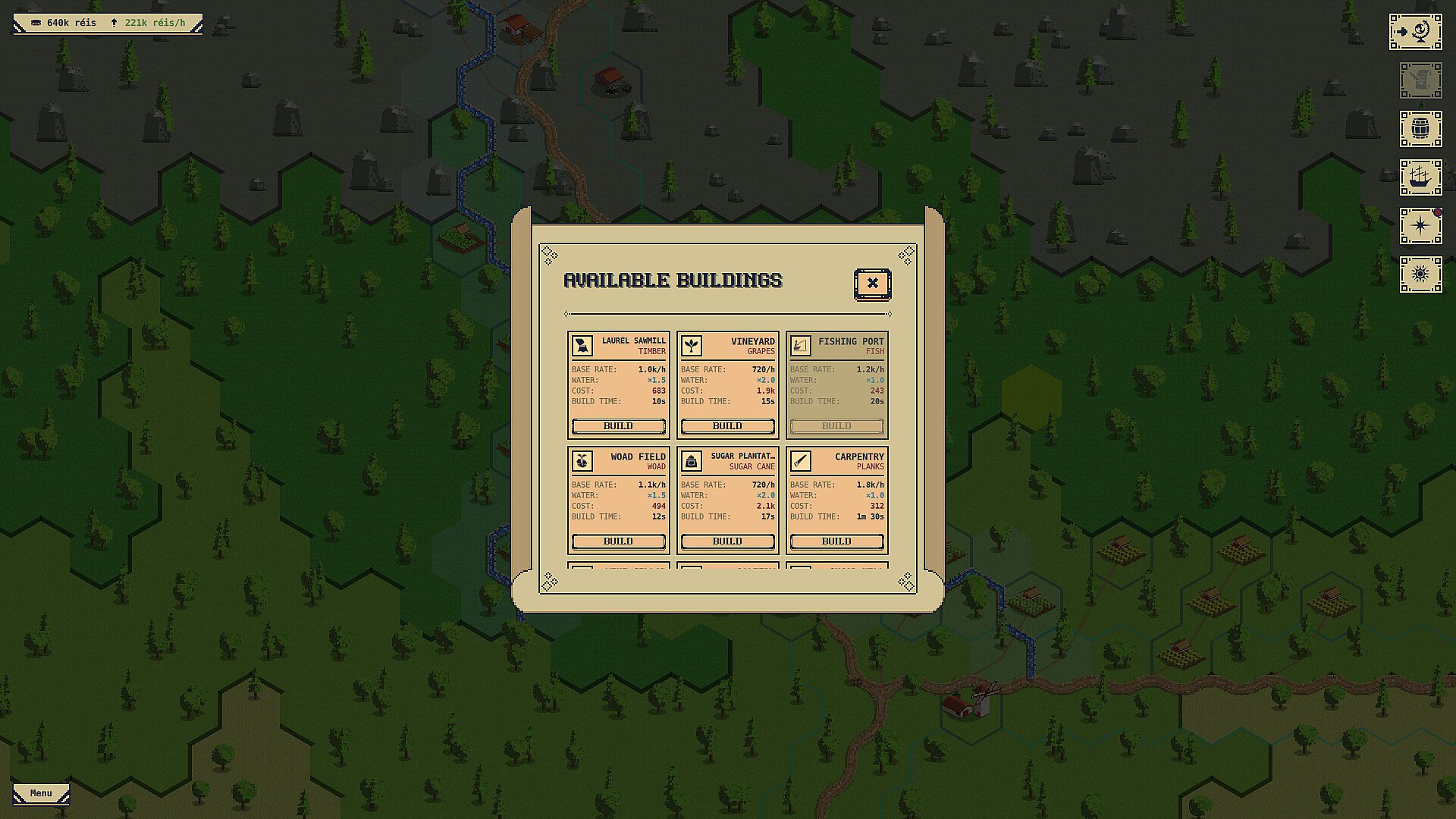
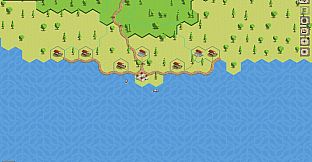
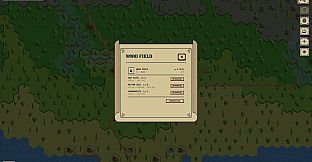
Players begin with a single laurel sawmill and a harbour at Funchal. The core loop involves harvesting timber, planting vineyards, salting fish, growing woad and cane, and selling these goods at the dock before reinvesting profits into further island development. Production chains link raw materials to workshops and ultimately to export goods. Timber turns into planks and pitch that feed shipbuilding, while cane processes through a sugar mill into molasses for the distillery to create aguardente. Wine and woad combine into indigo dye. Shortages in any building appear clearly on the map, allowing quick identification and correction of supply issues.
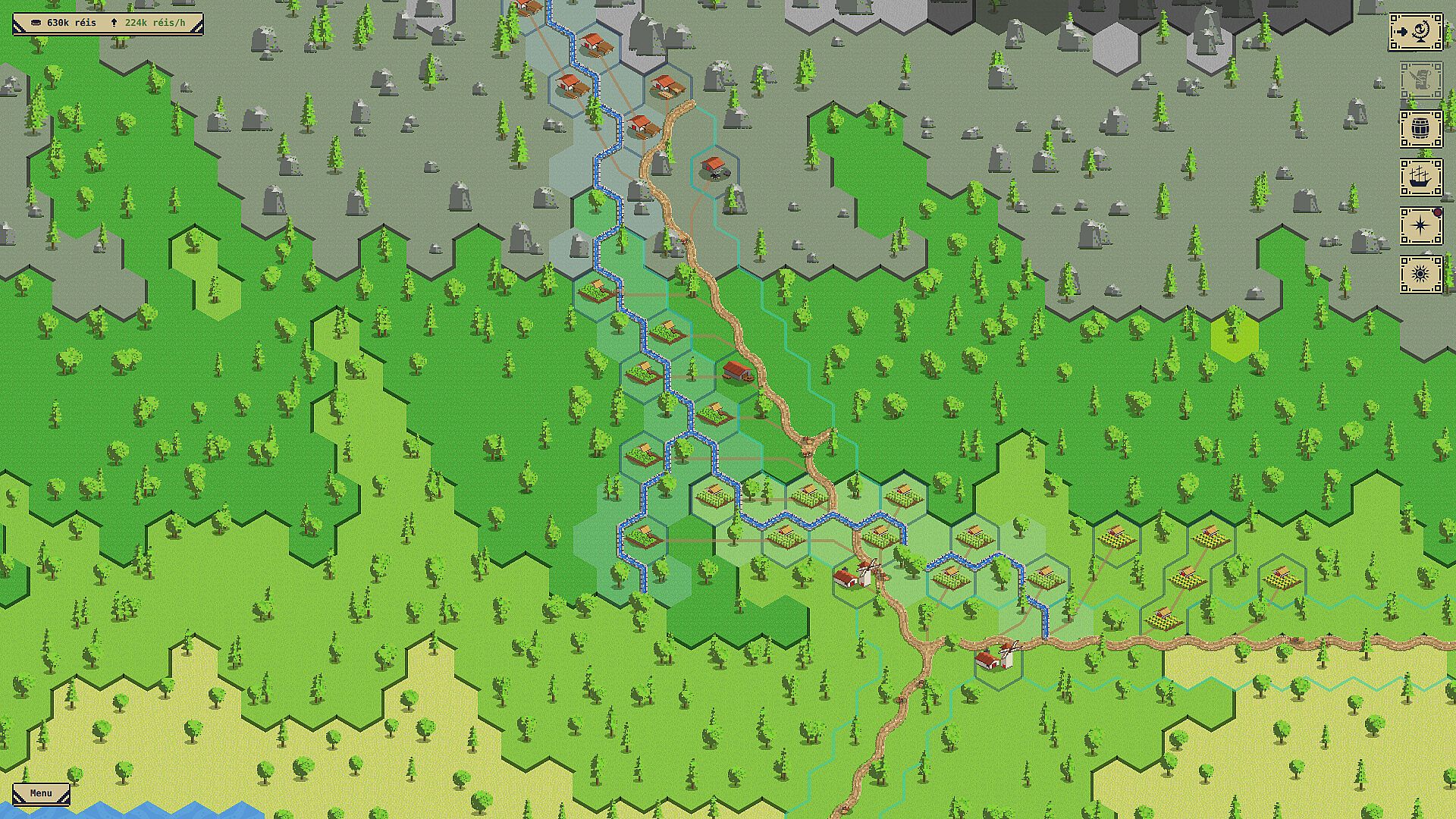
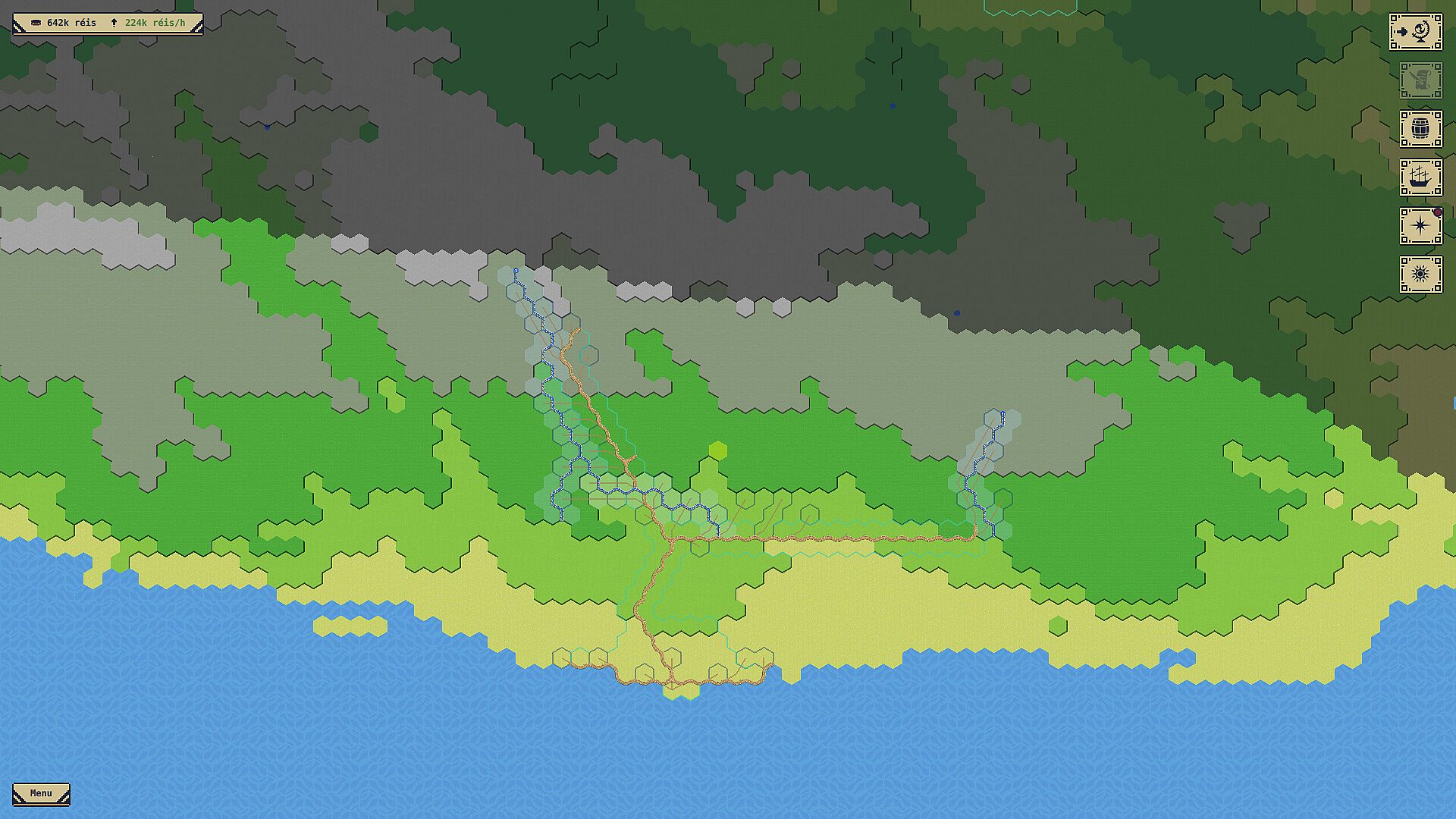
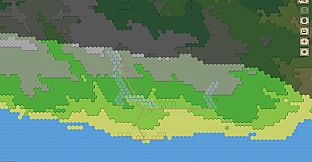
Madeira's steep and dry terrain requires strategic infrastructure. Players dig levadas, the island's historic irrigation channels, from mountain springs, with water flowing only downhill so route planning proves essential. Roads connect production sites to the port to minimize haulage costs that would otherwise reduce profits. Both levadas and roads persist across generations once constructed.
Trade expands beyond Funchal's limited demand. Trial cargoes earn royal charters starting with Lisbon, followed by Flanders, Genoa, and England. Each new charter unlocks larger markets and higher-tier buildings. Ports offer distinct premiums, and reputation earned with each trading partner carries forward between generations.
The game incorporates idle mechanics that respect player time. Construction and plantations continue in real time even when the application is closed. Returning players receive a summary of incoming resources. Sessions can last five minutes for quick checks or extend into longer planning sessions focused on channel layouts.
Game Modes
The Sugar Coast operates as a single-player strategy experience centered on long-term economic development and generational progression. No separate multiplayer or competitive modes appear in the design. The primary mode emphasizes building and optimizing production networks on the hex-based map of Madeira while balancing immediate resource needs against permanent infrastructure investments that benefit future runs.
Generations and Progression
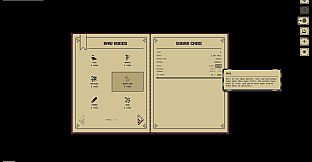
Once a sufficient fortune accumulates, players can start a new generation. Existing buildings remain on the map but decay over time and may be restored before collapsing into ruins. Mercês, royal favours gained through milestones, purchase permanent perks in a sky of upgrades that influence every subsequent playthrough. This system encourages repeated runs with evolving strategies as perks reshape available options and production efficiencies.
Is It Worth Playing?
The Sugar Coast suits players who enjoy deliberate strategy games with resource chains, infrastructure planning, and idle progression elements. Its focus on logical production flows, terrain-aware water and road systems, and multi-generational persistence creates a satisfying loop for those interested in economy builders. The idle features allow flexible play sessions without constant attention, while the charter and reputation mechanics add layers of long-term decision making. Fans of thoughtful indie strategy titles on PC will find the hex-based development and historical Madeira setting engaging for repeated play.