


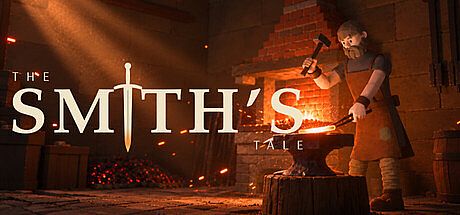


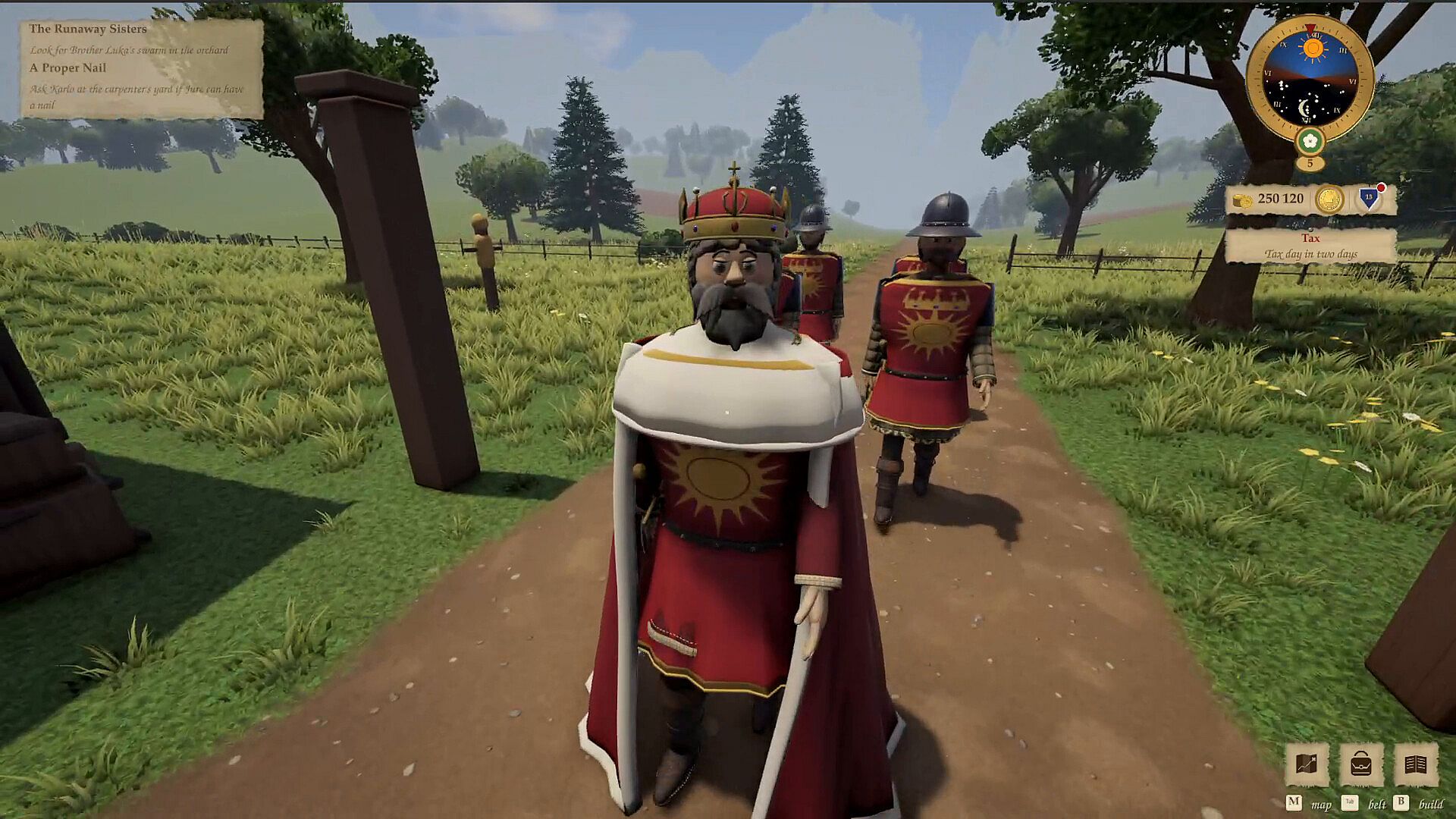
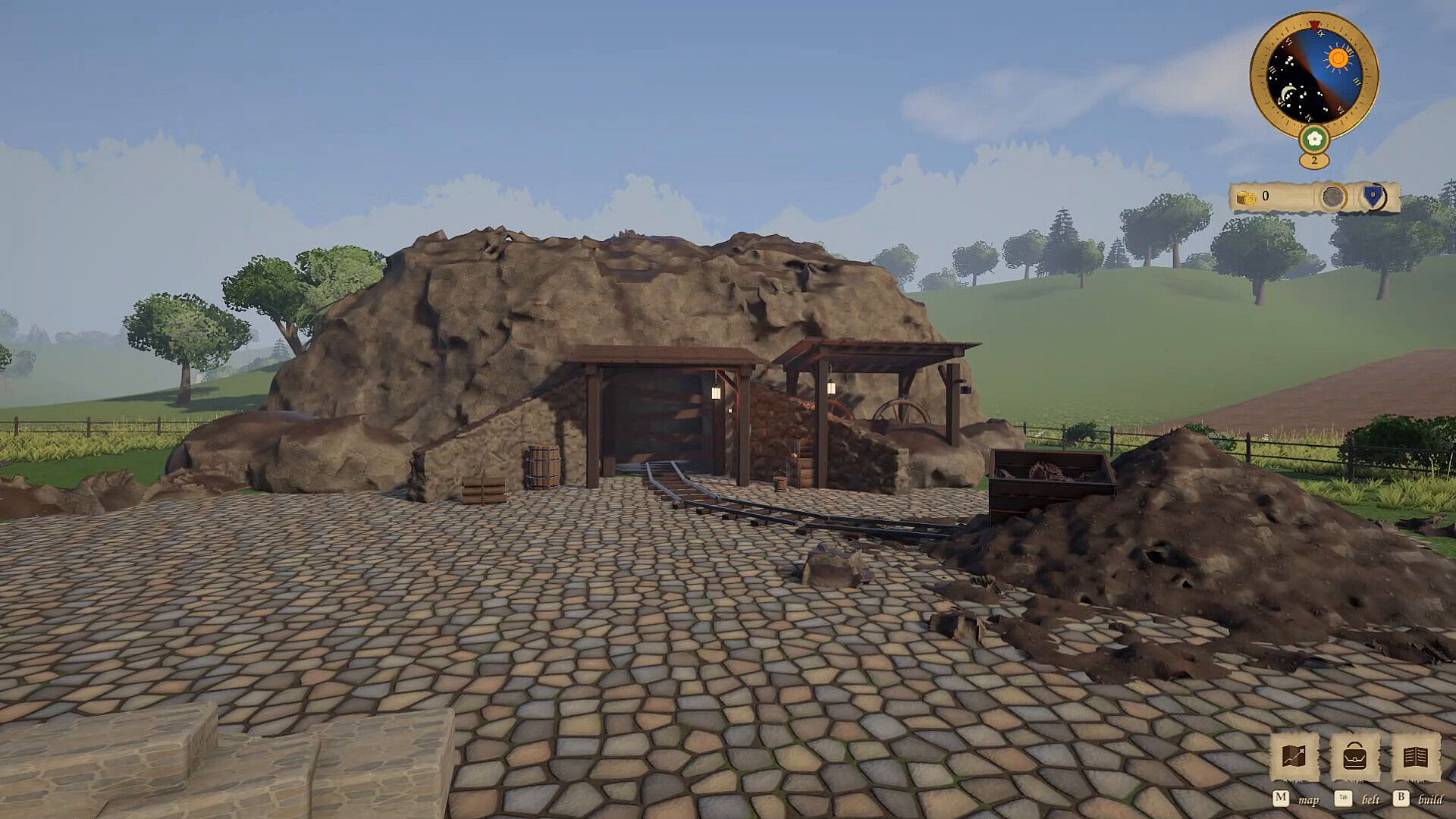


The Smith's Tale is an indie RPG simulation game set in a medieval-inspired world where players take on the role of a blacksmith building a reputation through meticulous crafting and community interactions on PC.
Gameplay
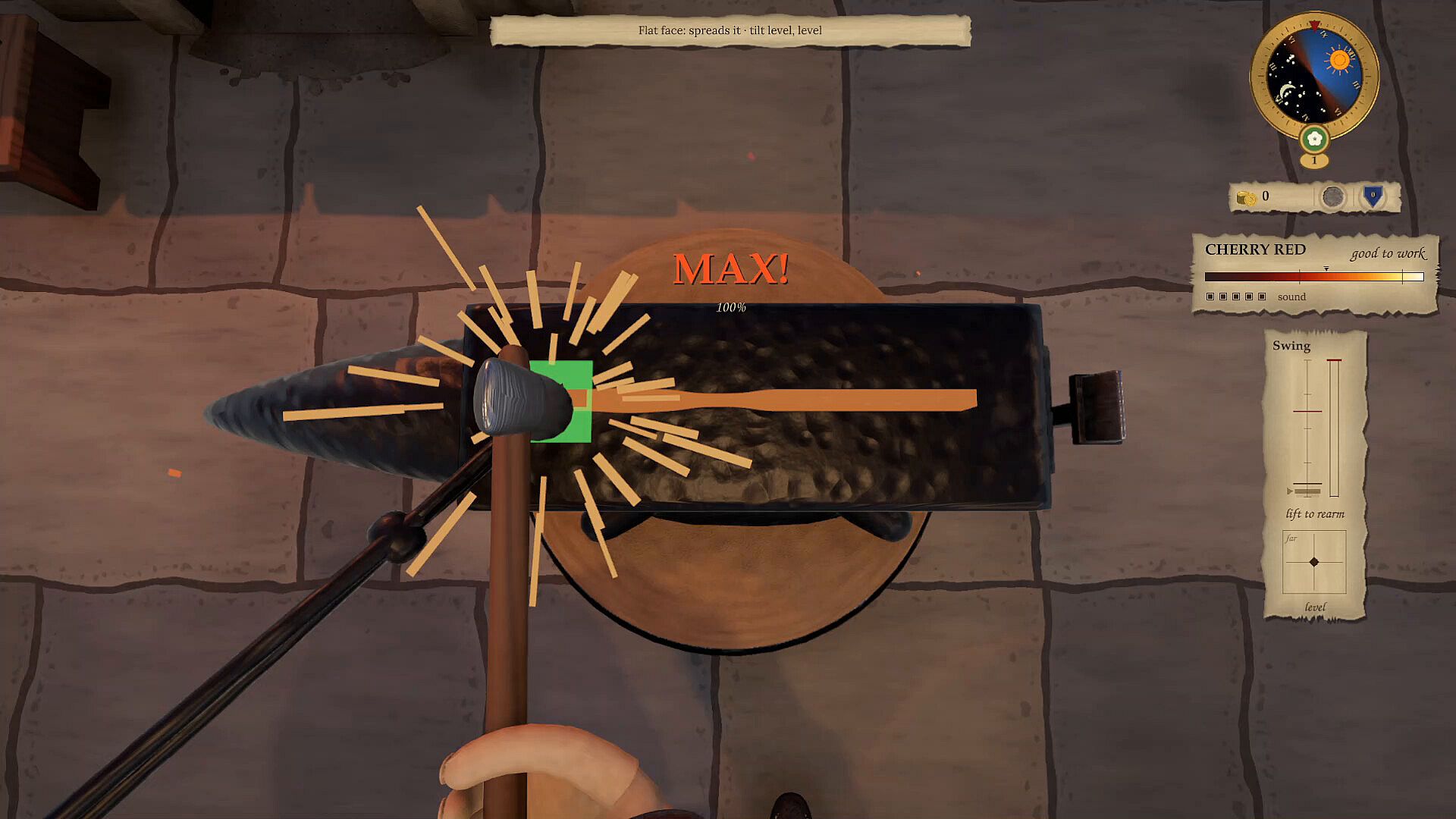
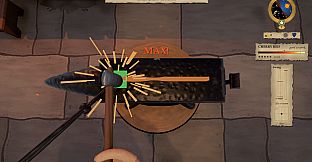
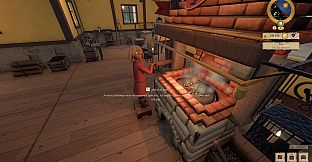
Core gameplay centers on hands-on blacksmithing without templates or automated progress. Every hammer strike shapes the metal directly, requiring players to manage heat, quenching, grinding, tempering, honing, and assembly steps for weapons, tools, and armor. Steel can be pattern-welded, etched, or marked with a personal maker's mark, while finishes range from polishing to gilding.
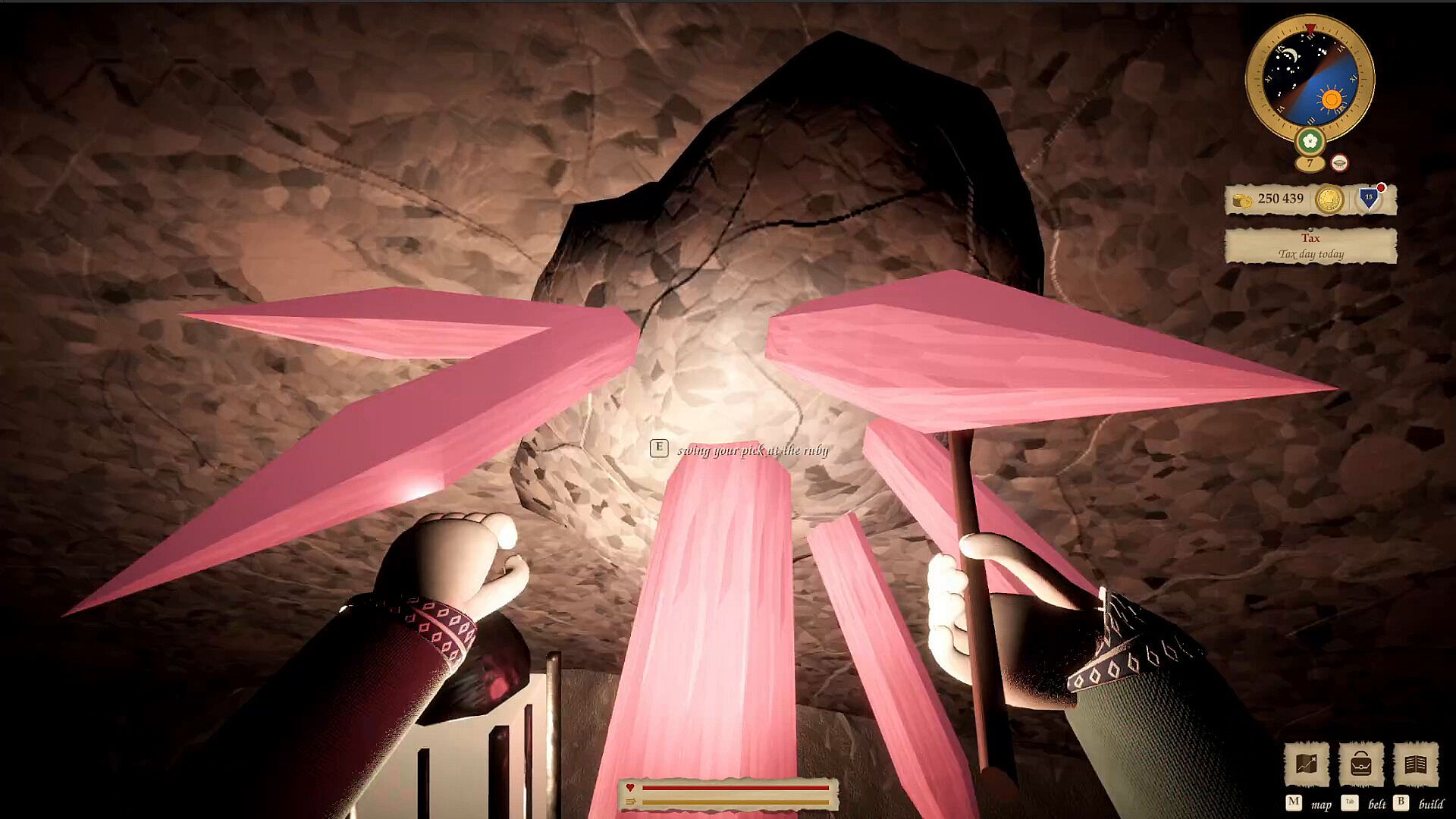
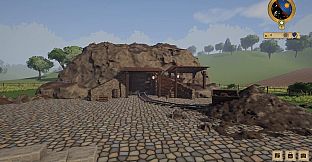
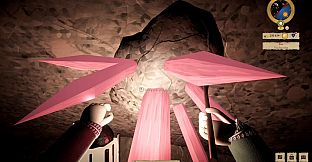
Resource gathering adds depth through mining ore, smelting it in a bloomery, and casting items like bells or pots in sand molds. Armor creation extends to raising plate pieces, linking mail rings, constructing shields, and painting heraldry. Players wear their own creations, which show wear from use in the mine and require repairs.
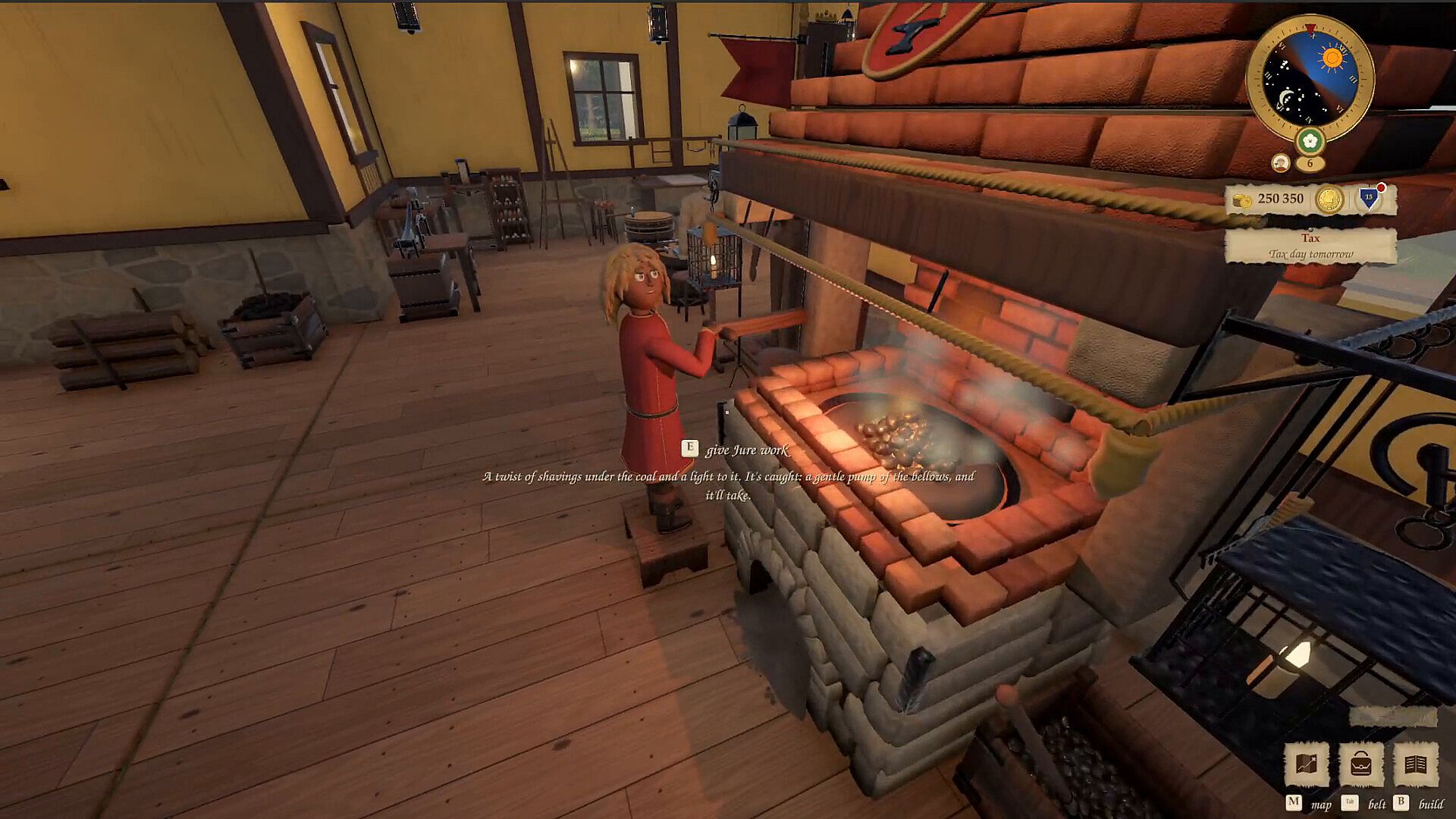
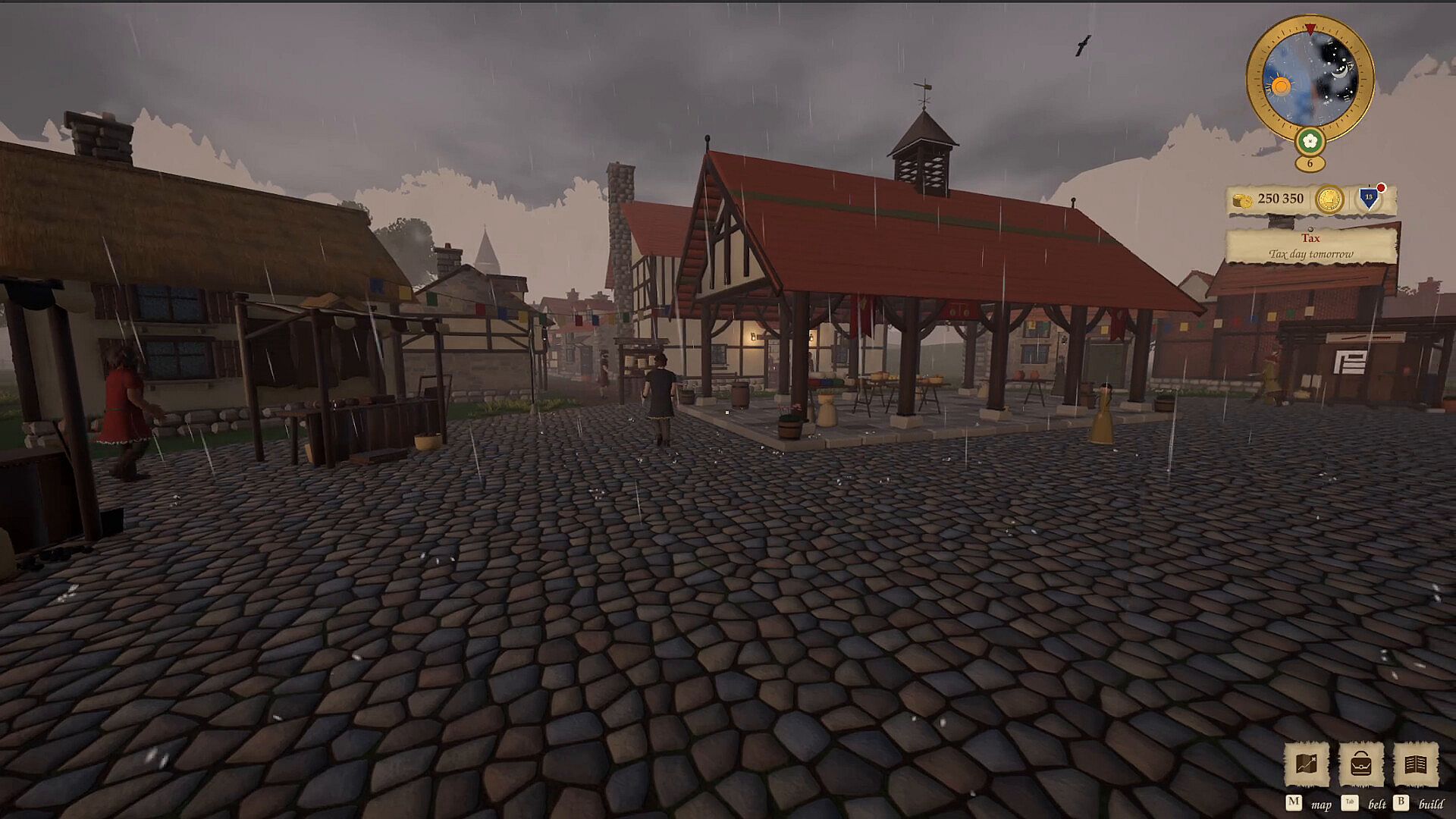
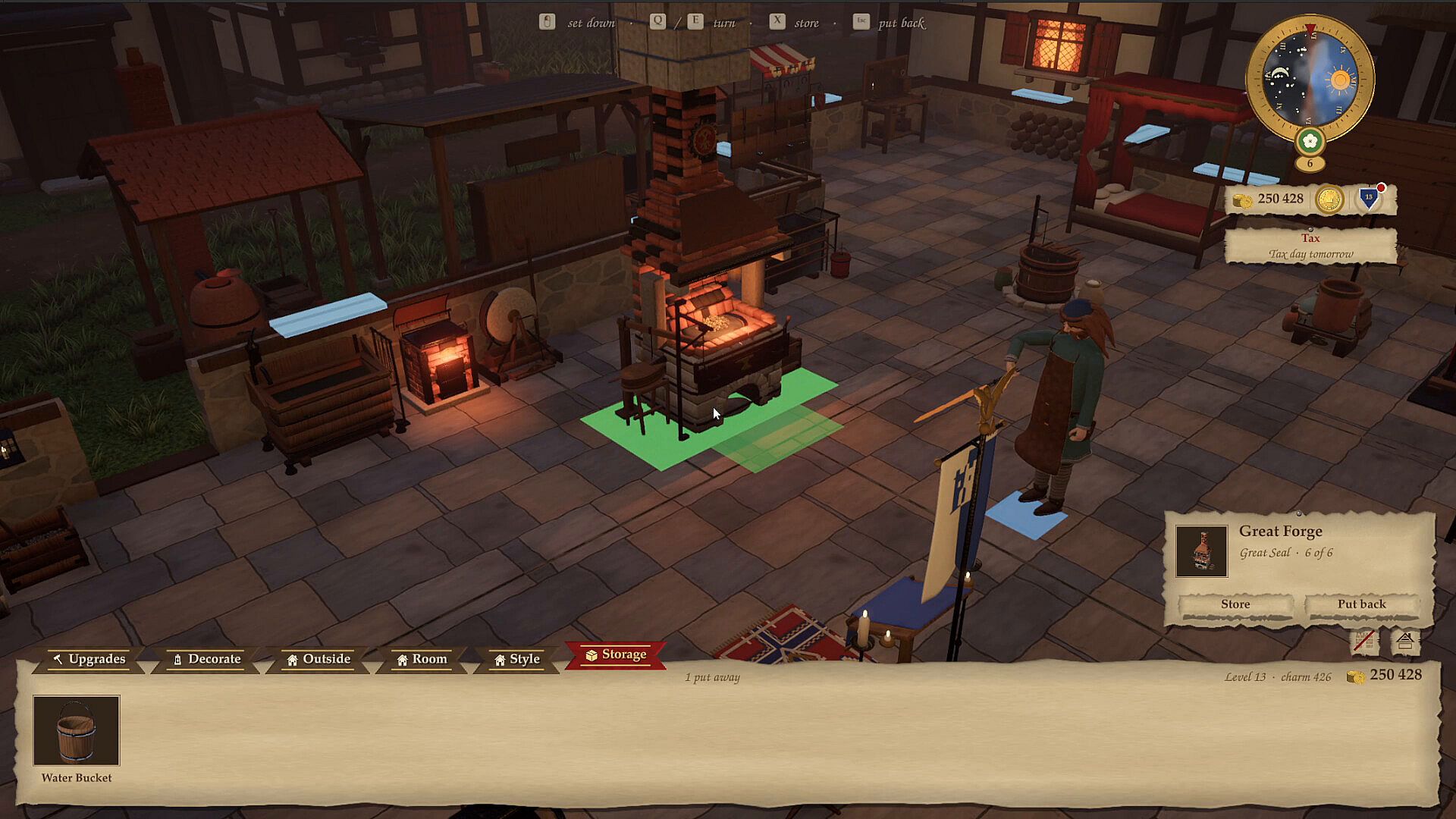
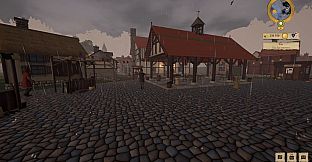
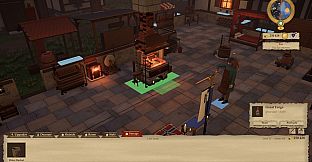
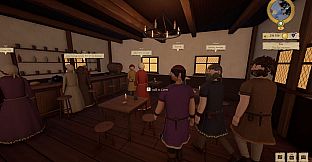
Village life in Emberford involves over eighty named errands tied to individual residents with trades, relationships, and memories. These tasks form small stories that build trust and unlock further opportunities. A journal tracks progress, folk details, skills, and active errands. The smithy starts small and expands with choices for walls, floors, and roofs, supported by more than 130 skills across six branches and over 30 stations that upgrade through five tiers. An apprentice named Jure can handle assigned work.
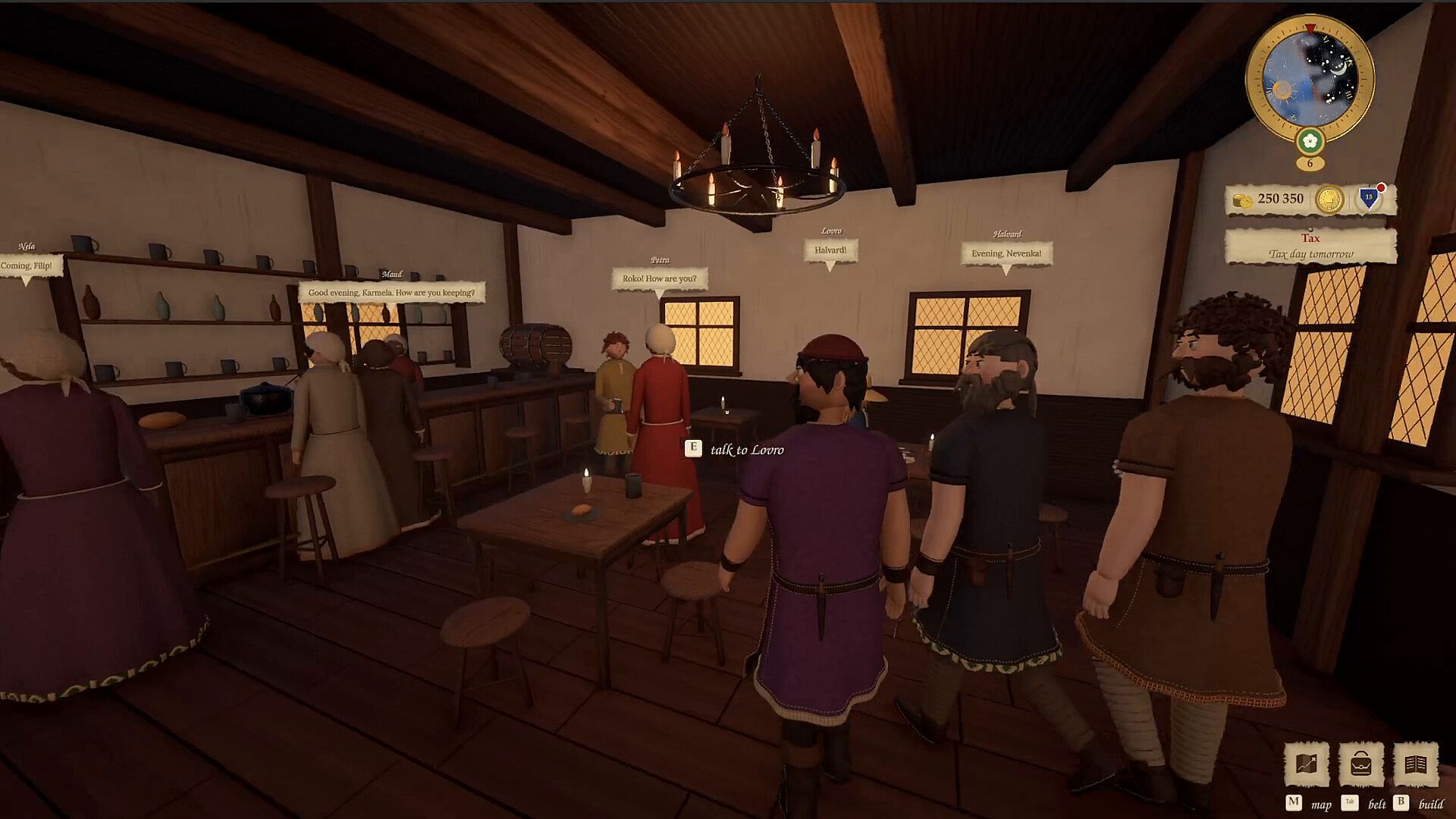
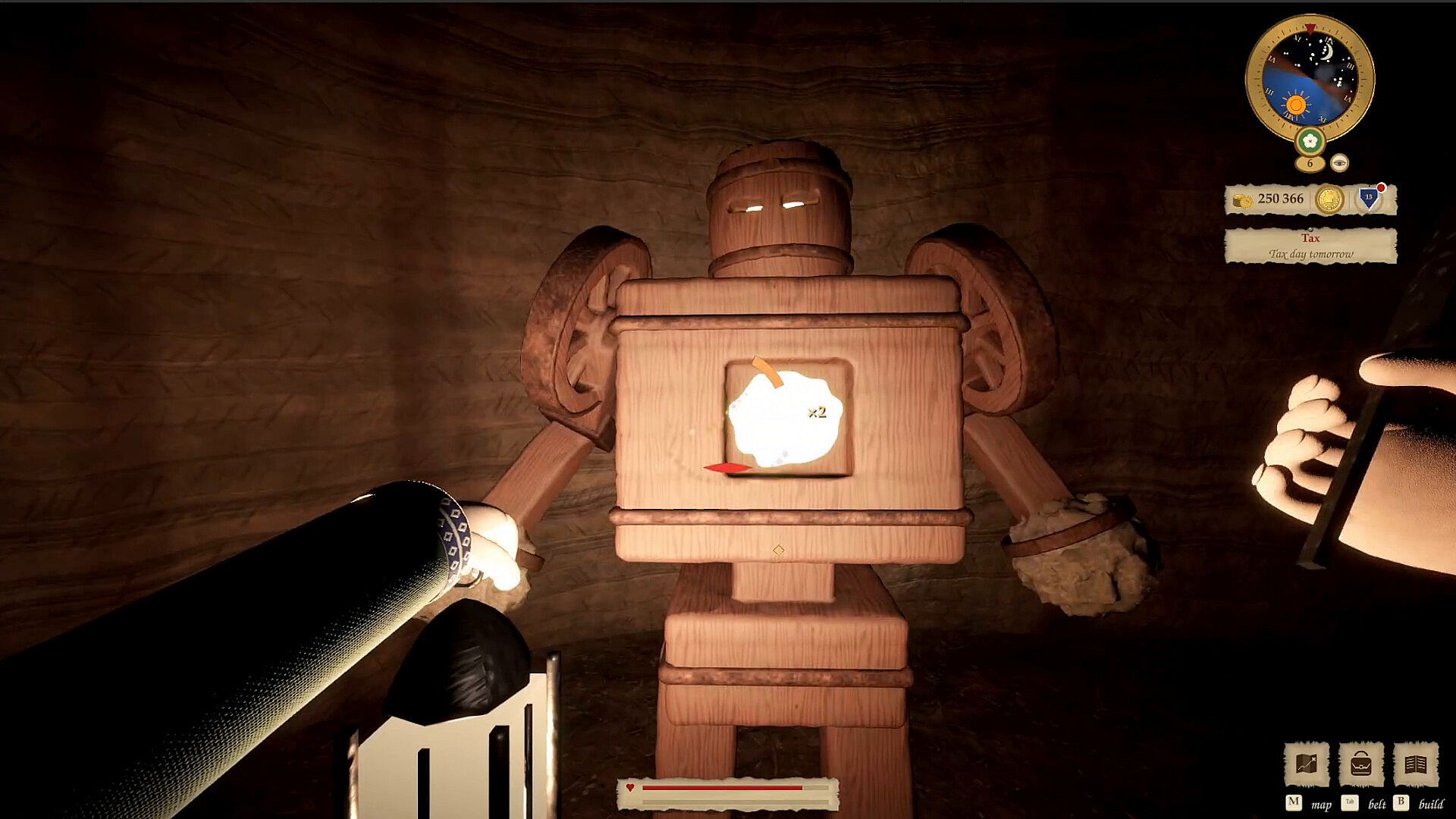
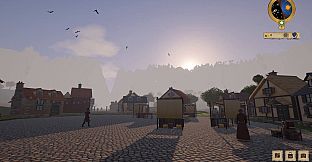
Exploration includes a 50-floor mine with distinct zones, creatures, and its own narrative thread. Additional activities encompass fishing, seasonal changes affecting the valley, weather events, tavern visits, and caring for a stray dog that becomes a companion. Controls support both mouse and keyboard or full controller use.
Game Modes
The Smith's Tale operates as a single-player experience focused on crafting progression, village management, and personal story development. There are no separate multiplayer or competitive modes. Activities integrate into one continuous playthrough where forging commissions, completing errands, and advancing patronage with three great houses form the primary structure. Players rise through ranks from Noticed to Sworn by fulfilling specific requests from Ashcombe, Valdren, and Morcant, each emphasizing different priorities like timeliness, durability, or aesthetic quality.
World and Progression
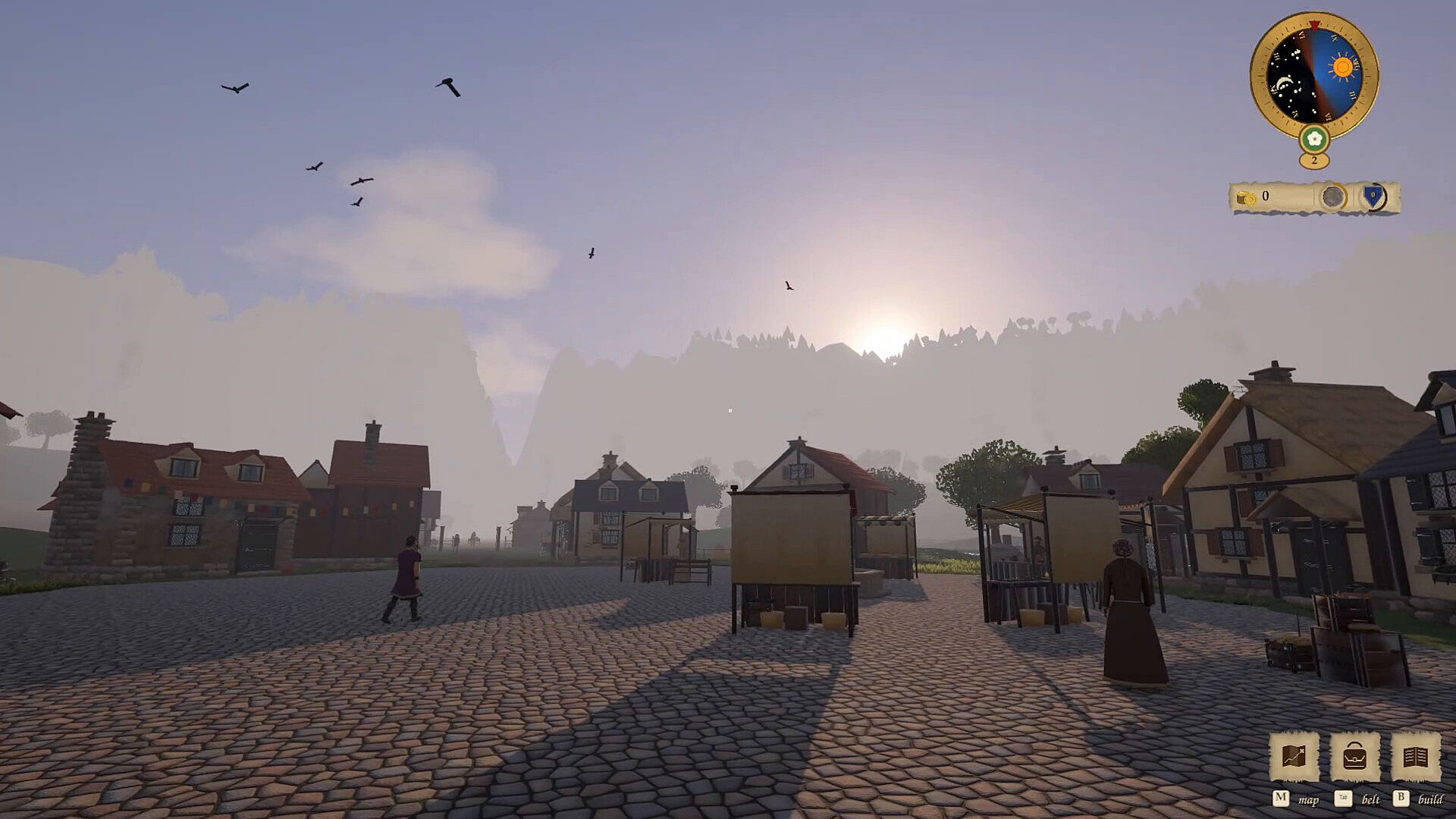
Emberford serves as the central hub with residents who remember past work quality and form ongoing relationships. Patronage systems allow favor to be spent on a dedicated tree, leading toward high-profile commissions including the path to the King's Blade. The mine beneath the hill provides rare materials and combat encounters while revealing backstory elements. Building upgrades and skill acquisition unlock advanced stations and techniques, encouraging repeated visits to refine processes and expand the forge into a larger hall.
Is It Worth Playing?
The Smith's Tale targets players who enjoy detailed simulation mechanics in a crafting-focused RPG. Its emphasis on precise, step-by-step forging and interconnected village errands offers a deliberate pace suited to those who appreciate methodical progression over fast action. With no reviews available ahead of release, interest depends on preference for single-player experiences involving resource management, narrative side tasks, and incremental smithy growth. The game stands out for its commitment to realistic metalworking processes and character-driven community elements within the indie RPG simulation genre.