




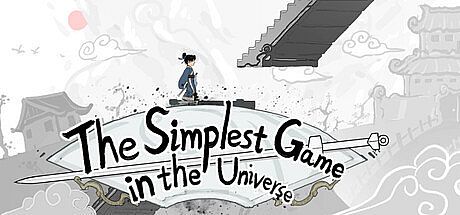


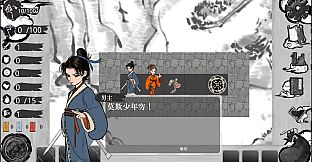
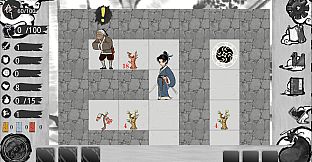
The Simplest Game in the Universe is a strategy indie RPG for PC that emphasizes minimal rules paired with layered decision making. Players control a character who grows through repeated encounters, where every choice in combat and progression shapes the outcome. The title draws from classic tower-style mechanics but expands them into a complete experience with hand-drawn visuals and concise yet dense storytelling.
Gameplay
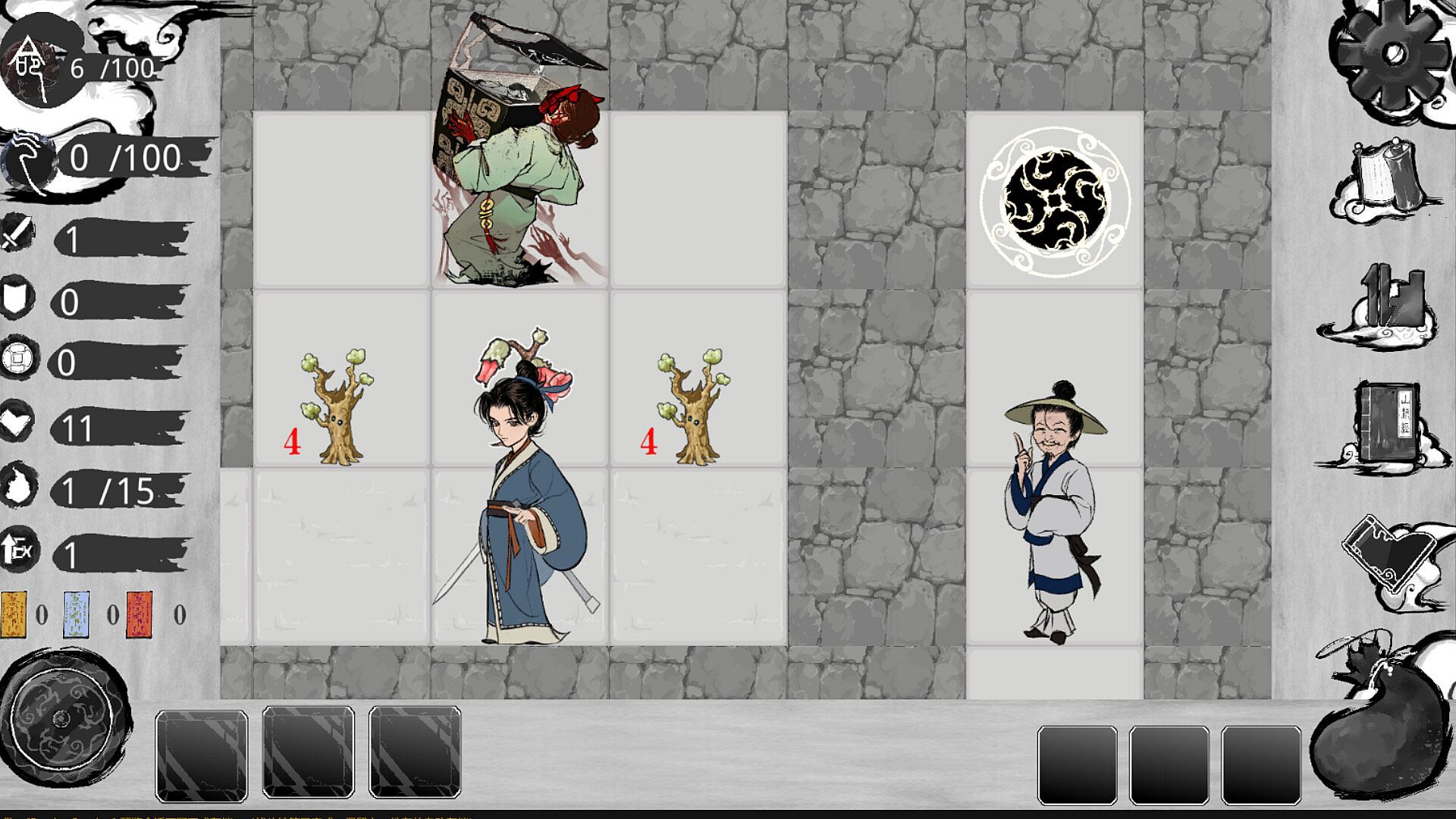
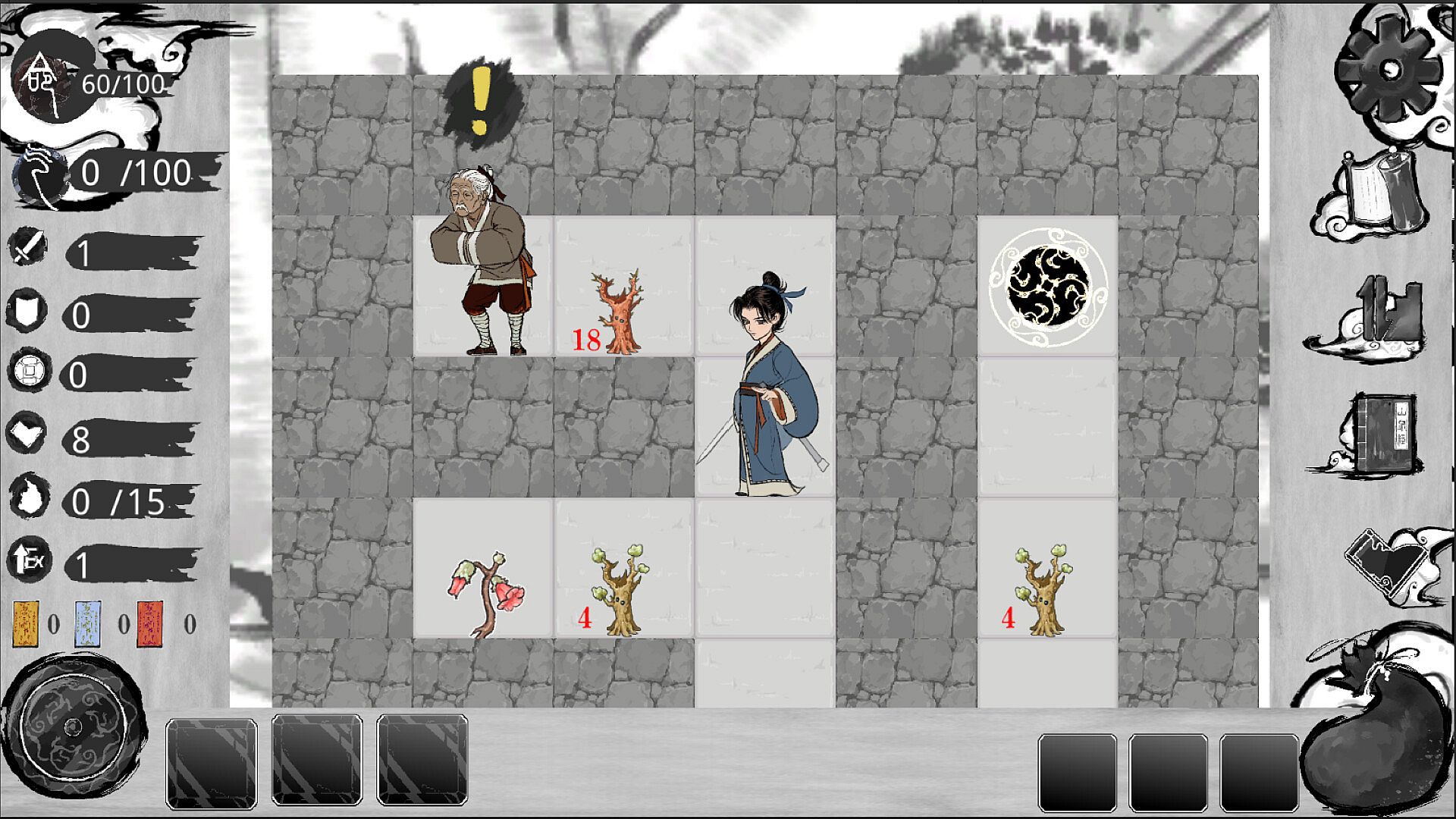
Combat resolves through direct interaction with enemies. Touching a monster triggers an automatic calculation where attack minus defense determines the damage dealt. The system uses only two core stats, keeping the interface clean while allowing steady advancement. Characters begin with 1 attack and 0 defense, and these values remain capped at 100 throughout the entire playthrough. This restraint creates constant feedback on progress even as the numbers stay small.
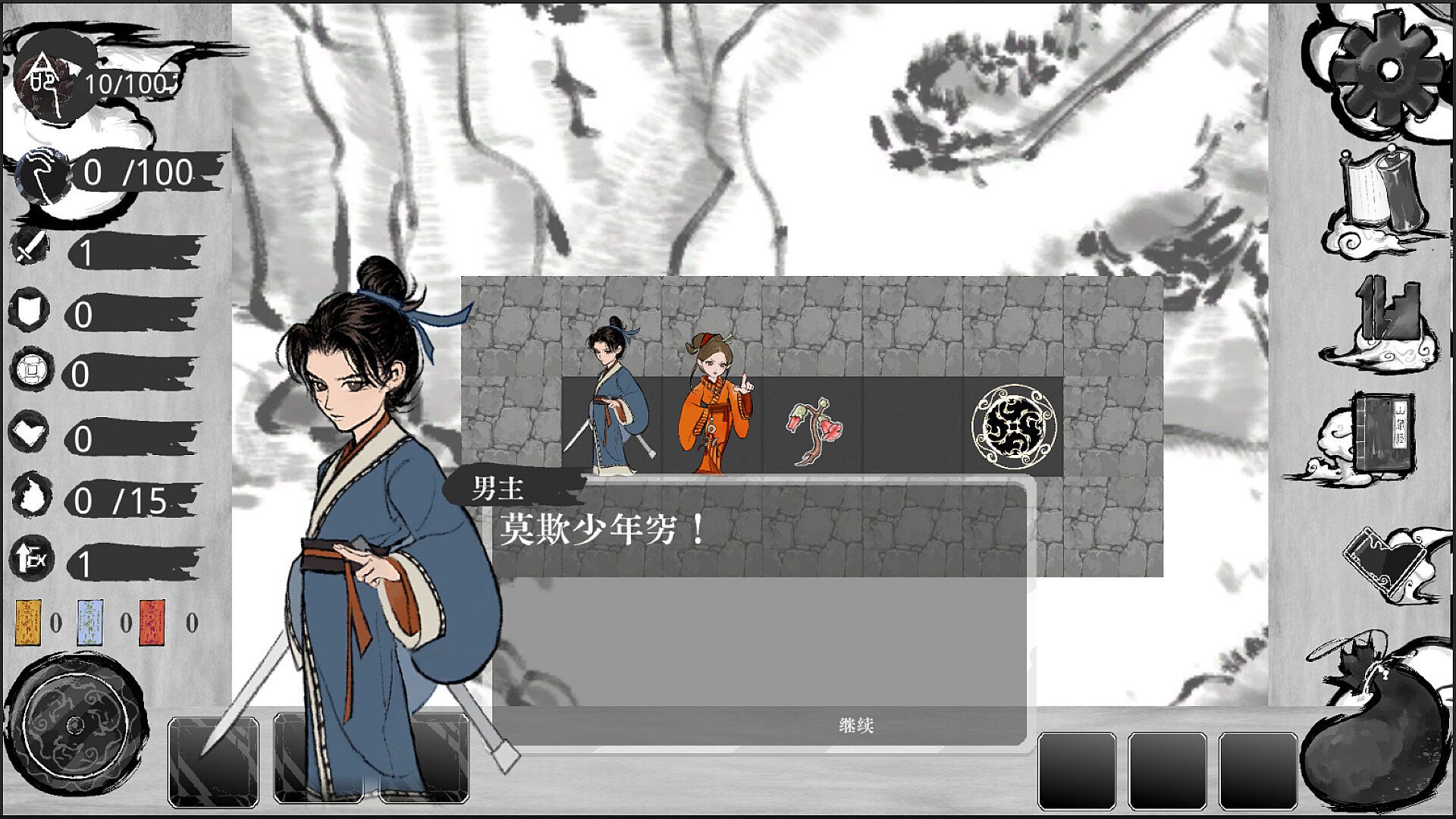
Story delivery follows the same principle of efficiency. The main narrative uses roughly 1,000 words yet conveys the scope and detail typically found in much longer works. Every line carries multiple layers of information, rewarding careful reading without requiring extensive text. All artwork is created by hand with no AI assistance, resulting in a consistent visual style that supports the minimalist design.
Game Modes
The experience centers on a single-player campaign that integrates combat, growth, and narrative progression. Choices during encounters and exploration influence multiple possible endings. The structure builds on straightforward tower-style loops but extends them with deeper strategic layers, allowing players to experiment with different paths and stat priorities over repeated sessions.
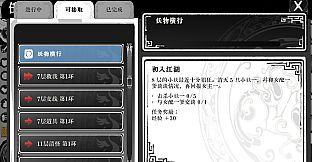
Leaderboards and achievement tracking provide additional goals for those who want to optimize their runs or compare results. The limited stat set encourages precise planning rather than broad customization, so each playthrough highlights different approaches to the same core loop.
Story and Presentation
Narrative content stays brief on the page while packing substantial plot weight. The writing style delivers world details, character motivations, and consequences in compact form, making every segment feel substantial. Hand-drawn assets reinforce this focus by keeping attention on the mechanics and text rather than visual spectacle.
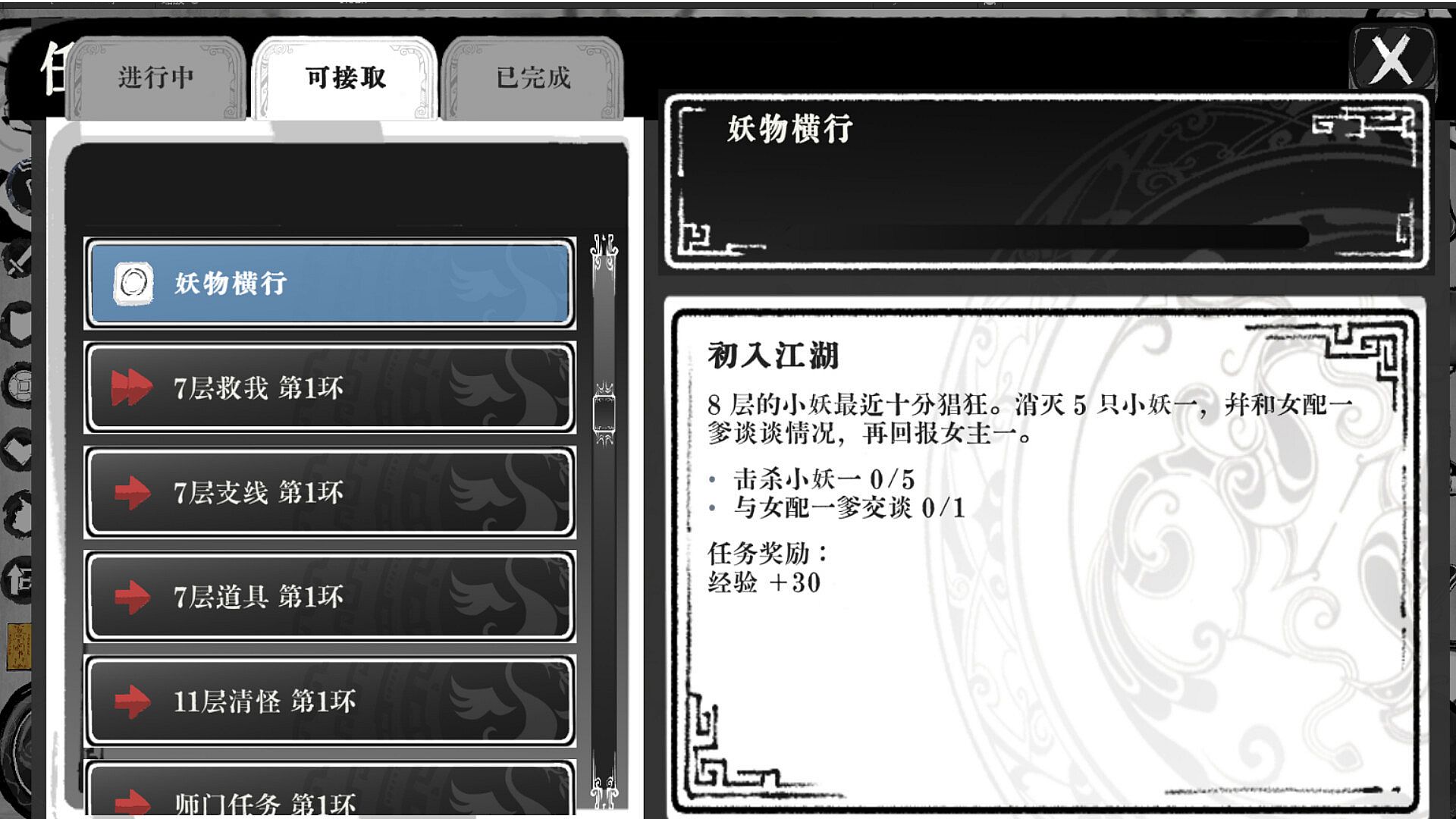
The overall presentation avoids unnecessary complexity. Menus and interfaces stay minimal, matching the combat rules and allowing the strategic depth to emerge naturally through repeated play.
Is It Worth Playing?
This title suits players who enjoy strategy and RPG elements delivered through simple systems that reward careful observation and planning. The capped stats and direct combat create a clear sense of growth without overwhelming numbers, while the dense story offers replay value through different endings. As an upcoming release with no user reviews available yet, it appeals most to those interested in hand-crafted indie experiences that prioritize mechanics over scale. Single-player focus and achievement support make it a self-contained option for sessions centered on optimization and discovery.