







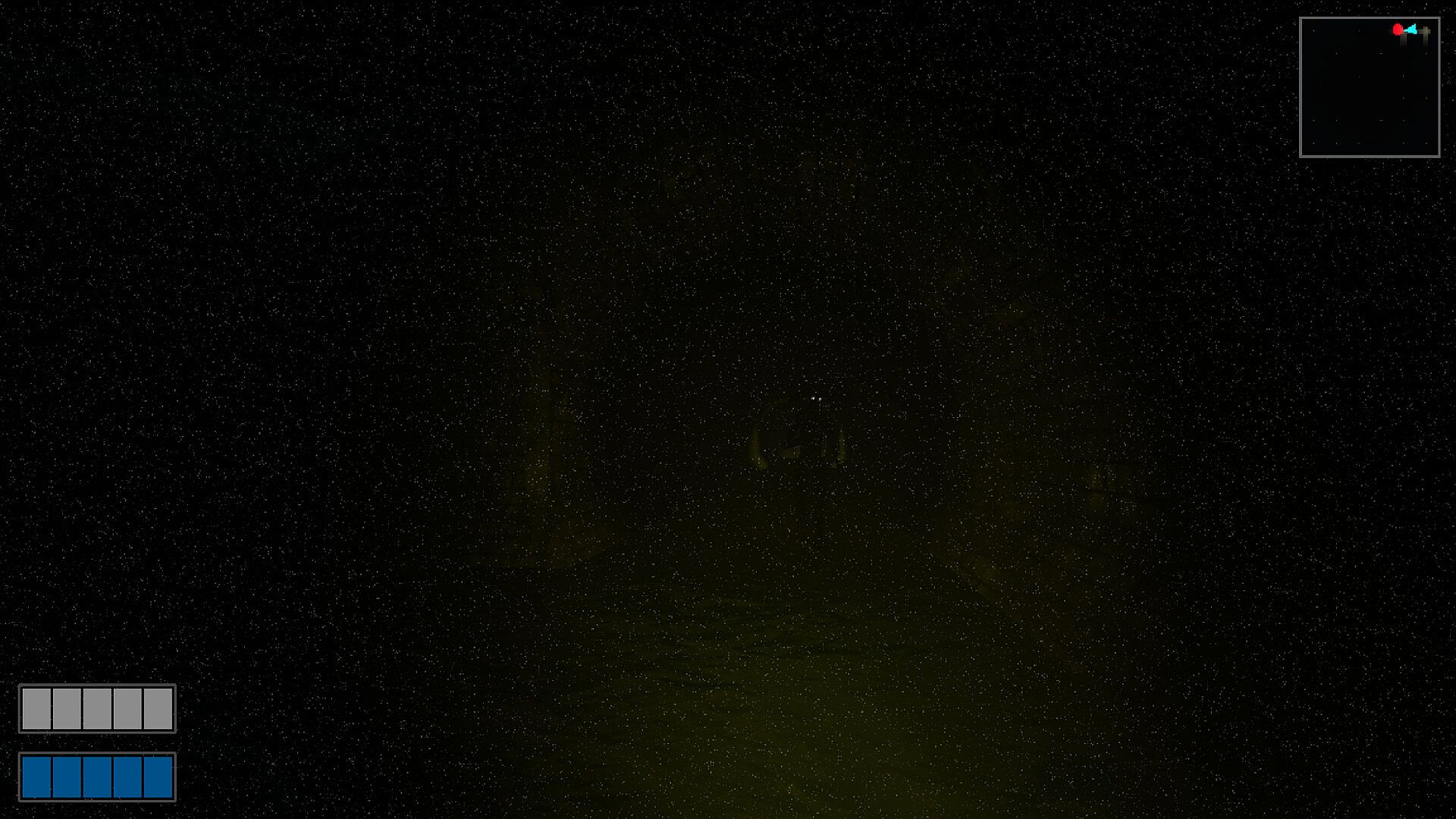
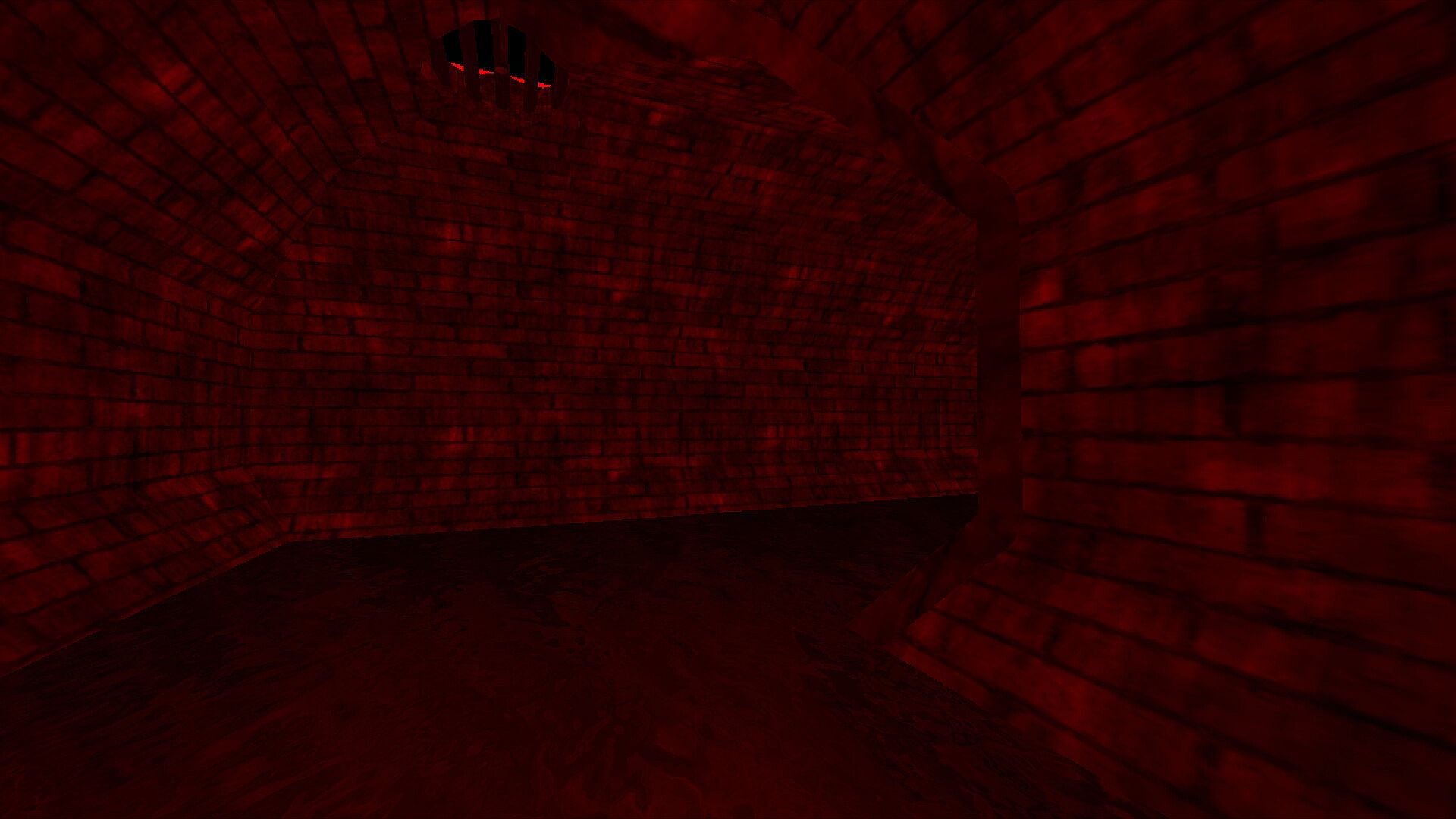
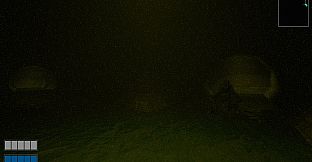

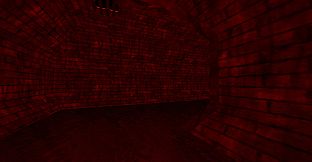
The Sewer é um jogo de survival horror em primeira pessoa desenvolvido em Godot para PC. Nele, o jogador assume o papel de alguém desesperado por emprego que aceita uma missão bem paga: mapear os sistemas de esgoto de uma cidade marcada pela pobreza e pela ascensão da inteligência artificial. A premissa central consiste em descer por túneis gerados proceduralmente, administrando recursos limitados enquanto é perseguido por uma presença invisível.
Gameplay
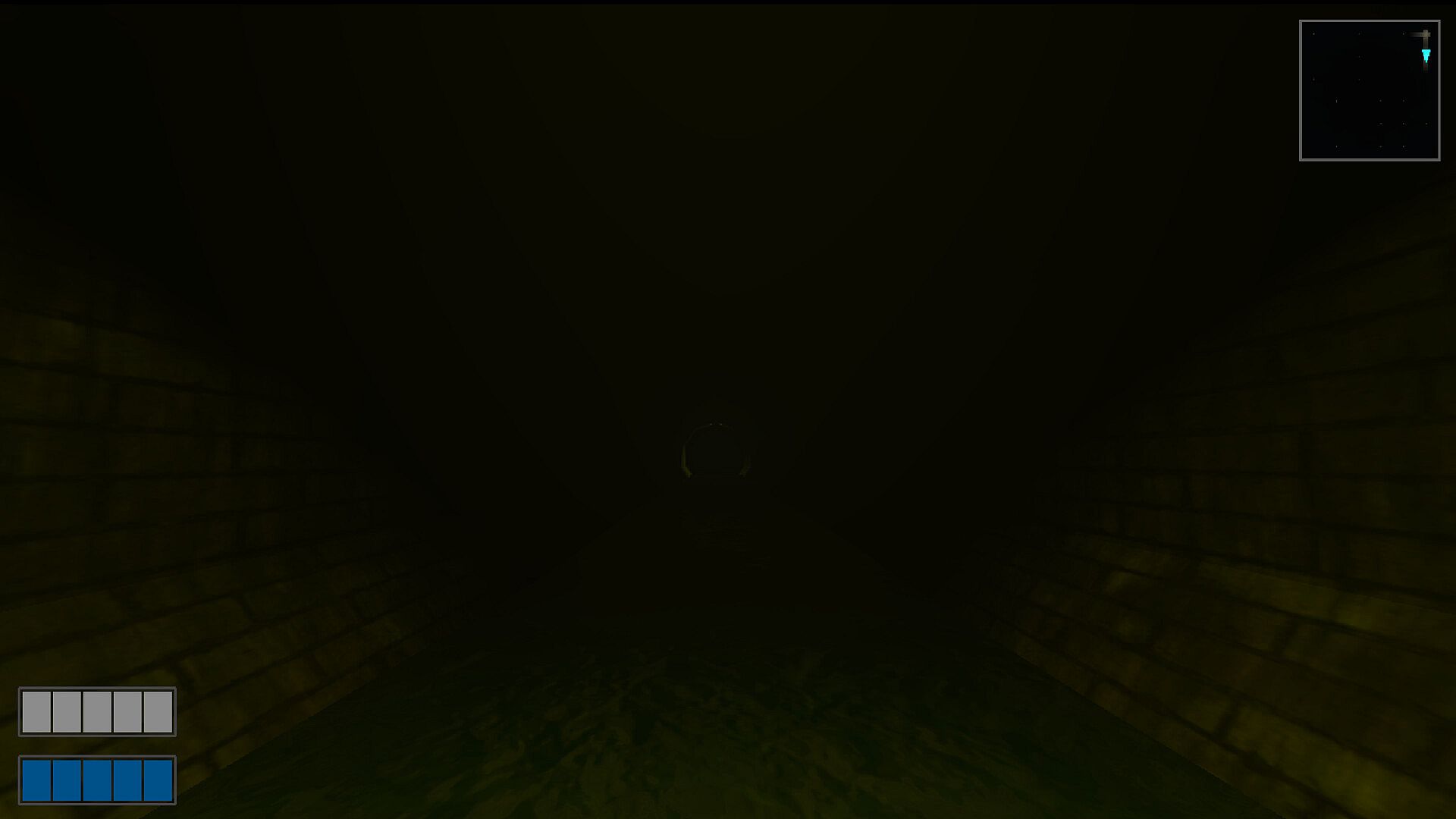
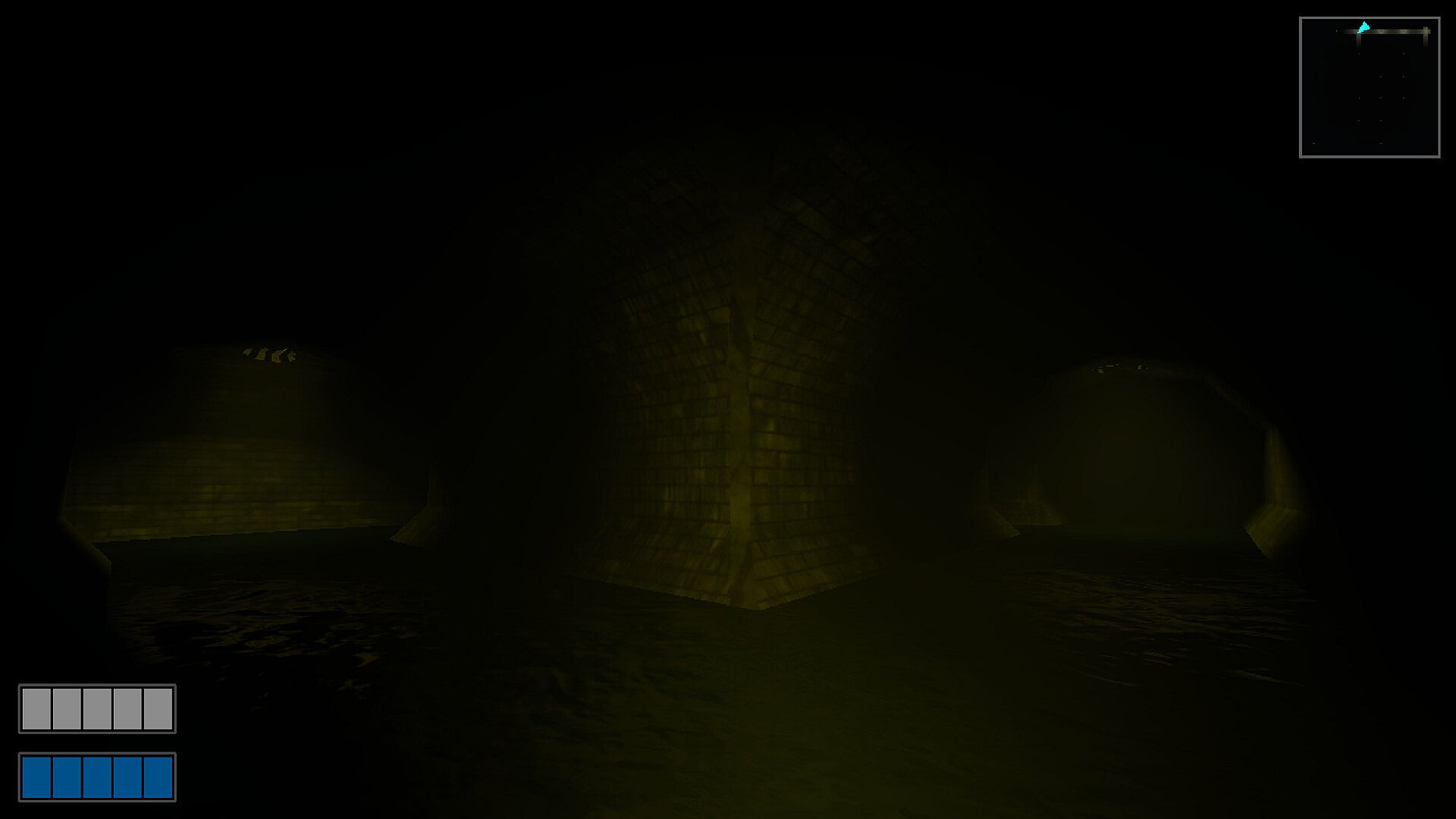
A experiência gira em torno da exploração e da sobrevivência em ambientes subterrâneos escuros e labirínticos. O jogador precisa mapear seis sistemas de esgoto distintos, que ficam mais complexos e perigosos a cada nível. A geração procedural garante layouts diferentes a cada tentativa, exigindo adaptação constante a novos caminhos e ameaças.
O gerenciamento de recursos é o núcleo da progressão. A lanterna funciona tanto como fonte de luz quanto como temporizador, pois sua bateria se esgota gradualmente durante o uso. Correr consome uma reserva finita de energia que não se recupera com facilidade, forçando decisões cuidadosas sobre quando acelerar e quando poupar estamina. A entidade que persegue o jogador adapta seu comportamento conforme a descida avança, aumentando a tensão por meio de encontros imprevisíveis.
Mapear exige navegar completamente cada sistema sem ficar totalmente no escuro. Fragmentos de informação coletados ao longo do caminho revelam um quadro maior da situação abaixo da superfície. O ciclo de jogo prioriza reações rápidas, trajetos eficientes e atenção constante ao entorno para cumprir os objetivos antes que os recursos acabem.
Modos de Jogo
O jogo é uma experiência single-player focada na progressão sequencial pelos seis sistemas de esgoto gerados proceduralmente. Não há modos separados com nomes próprios nem opções multijogador. A dificuldade aumenta naturalmente a cada sistema seguinte, trazendo desafios crescentes em complexidade de layout, escassez de recursos e comportamento do inimigo.
O jogador participa de uma campanha contínua, onde o sucesso depende de sobreviver à sequência completa de mapas. O foco está em tentativas individuais que testam a alocação de recursos e as táticas de evasão dentro dos ambientes gerados.
Mecânicas Principais e Atmosfera
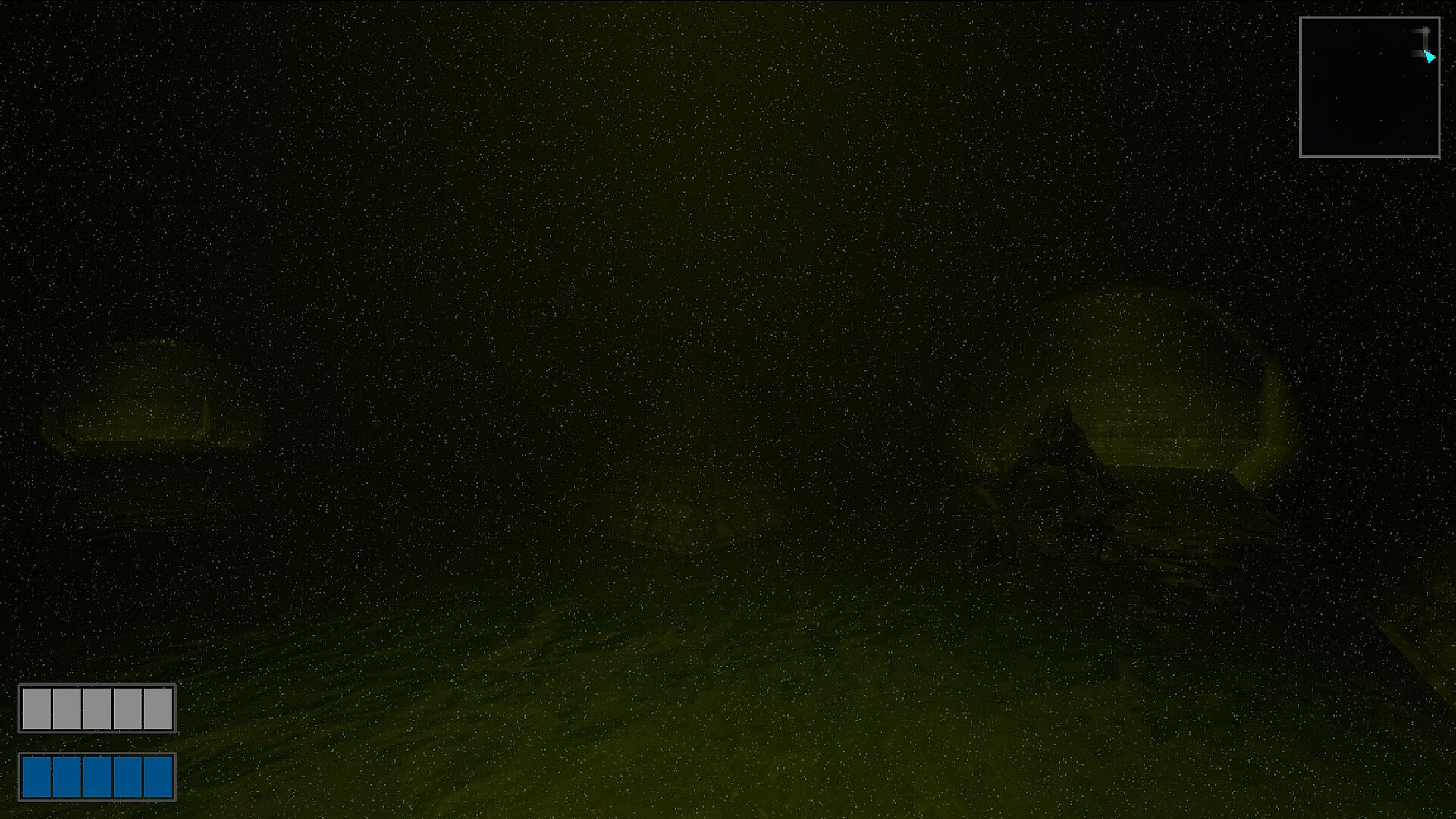
A atmosfera surge do contraste entre a cidade decadente acima e os túneis letais abaixo. A visibilidade reduzida pela lanterna que se apaga aumenta a sensação de vulnerabilidade, enquanto a presença que persegue cria pressão constante sem confrontos diretos. Os elementos procedurais tornam cada tentativa única, recompensando repetições com novas configurações e descobertas.
Elementos estratégicos aparecem no planejamento de rotas, no uso controlado da luz e na escolha da velocidade de movimento para equilibrar avanço e sobrevivência. A narrativa se revela por meio de pistas ambientais em vez de explicações diretas, expondo mais sobre a missão e seus perigos conforme o jogador avança.
Vale a Pena Jogar?
The Sewer é indicado para quem aprecia survival horror tenso com forte ênfase em escassez de recursos e variedade procedural. Seu ciclo focado em mapear, desviar e gerenciar luz e estamina mantém pressão constante ao longo dos seis níveis. Quem busca sessões curtas e rejogáveis com apostas crescentes vai encontrar a estrutura envolvente.
Como o jogo ainda está em fase inicial e conta com pouco feedback externo, o interesse depende da preferência por títulos indie desenvolvidos em Godot que priorizam atmosfera e mecânicas em vez de apresentação polida. Fãs de horror em primeira pessoa que valorizam planejamento cuidadoso em vez de ação devem apreciar o design. Se geração procedural e tensão baseada na lanterna combinam com seu gosto, a experiência atende exatamente a esse estilo.
