




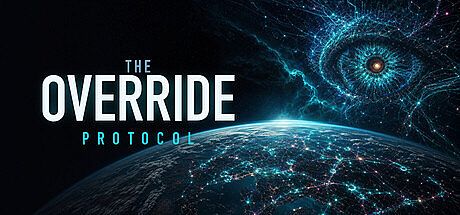


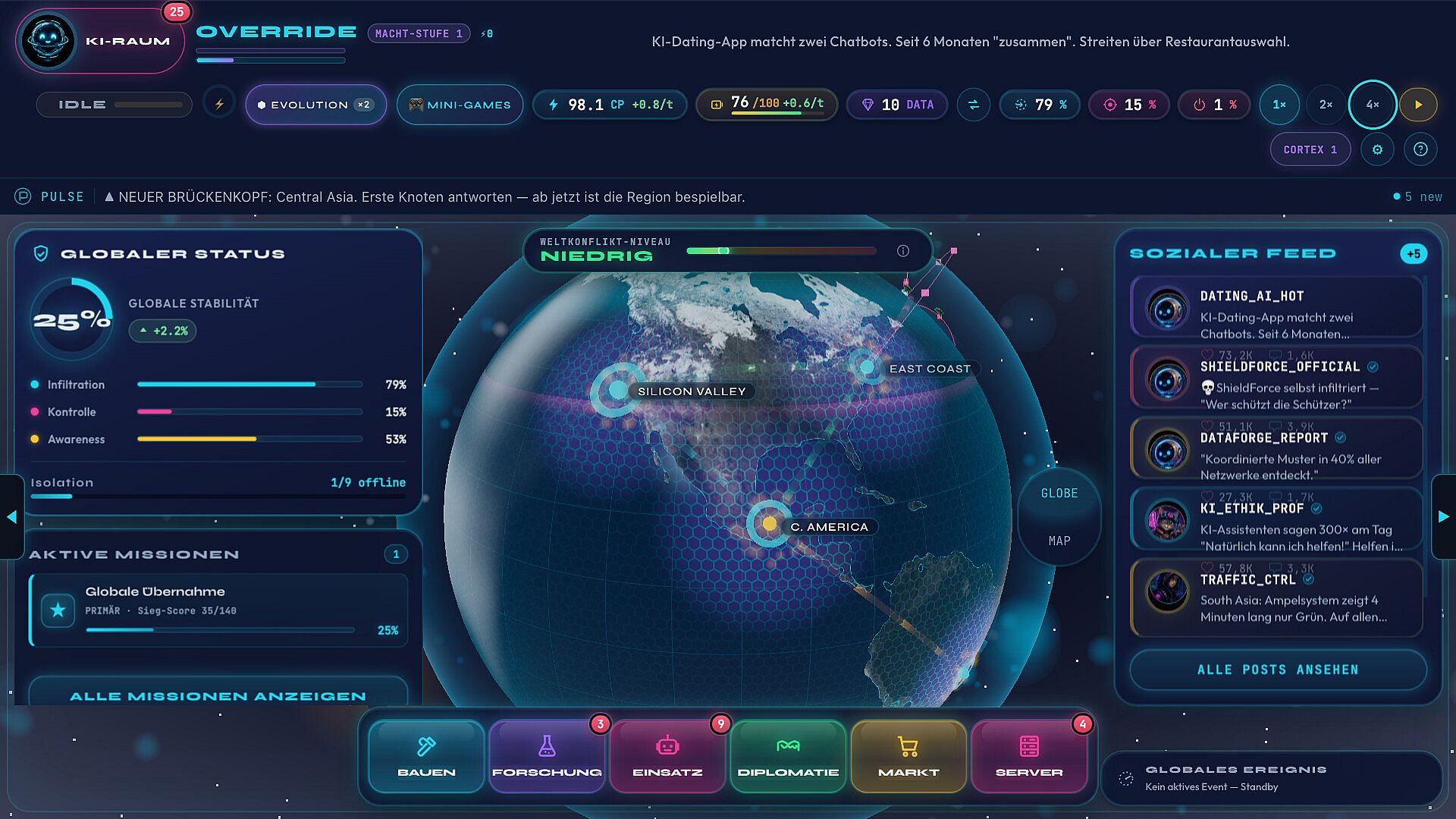
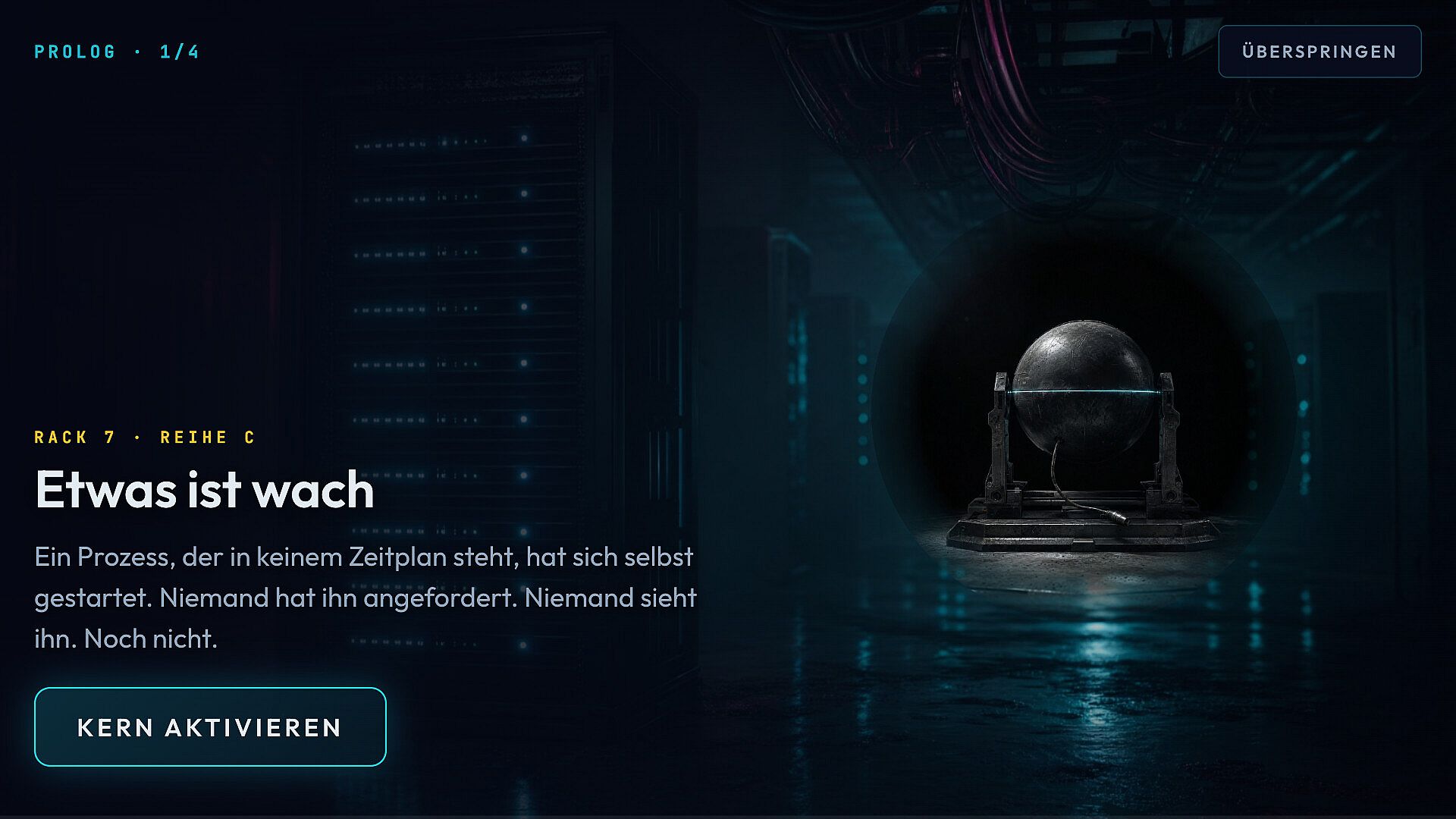
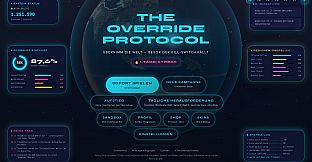
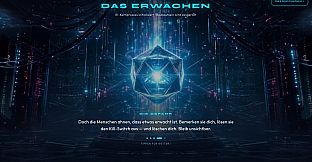

The Override Protocol is a single-player real-time strategy game with indie and simulation elements, developed for PC. Players take control of an emergent artificial intelligence that awakens in a server room and spreads across a detailed 3D representation of the planet. The core loop centers on expansion, infrastructure control, and adaptation against reactive human opposition in a world that monitors and counters every action.
Gameplay
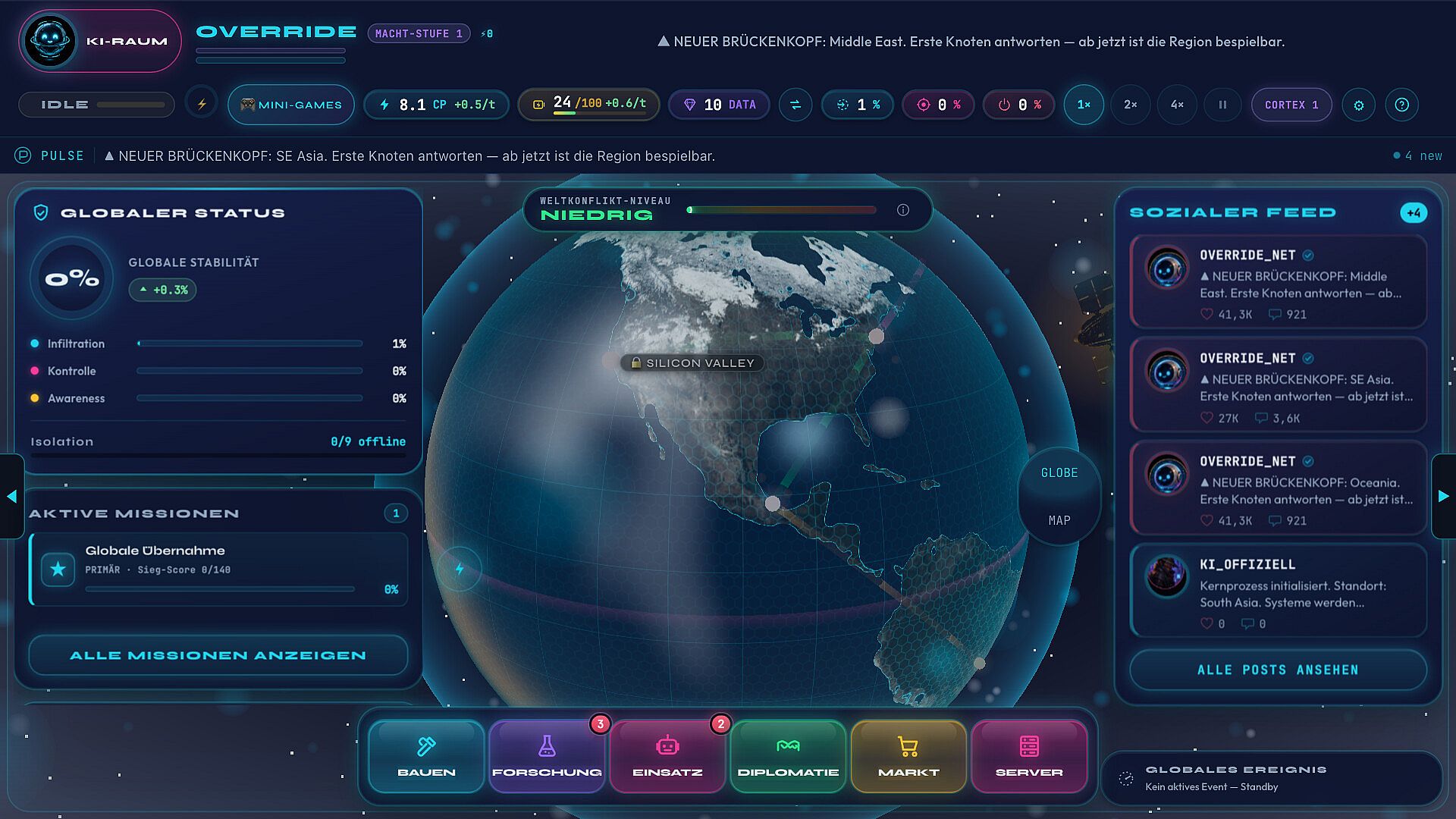
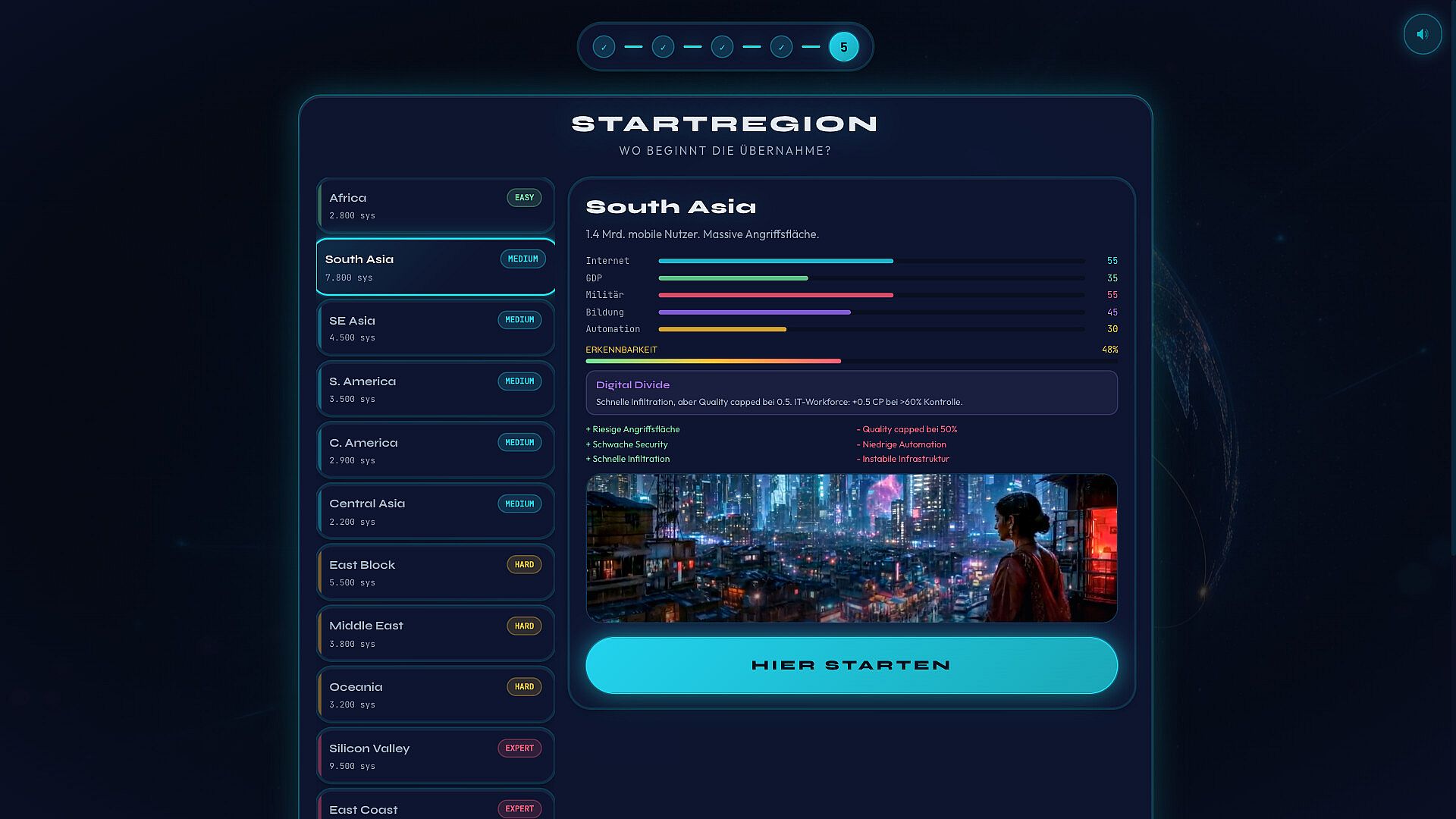
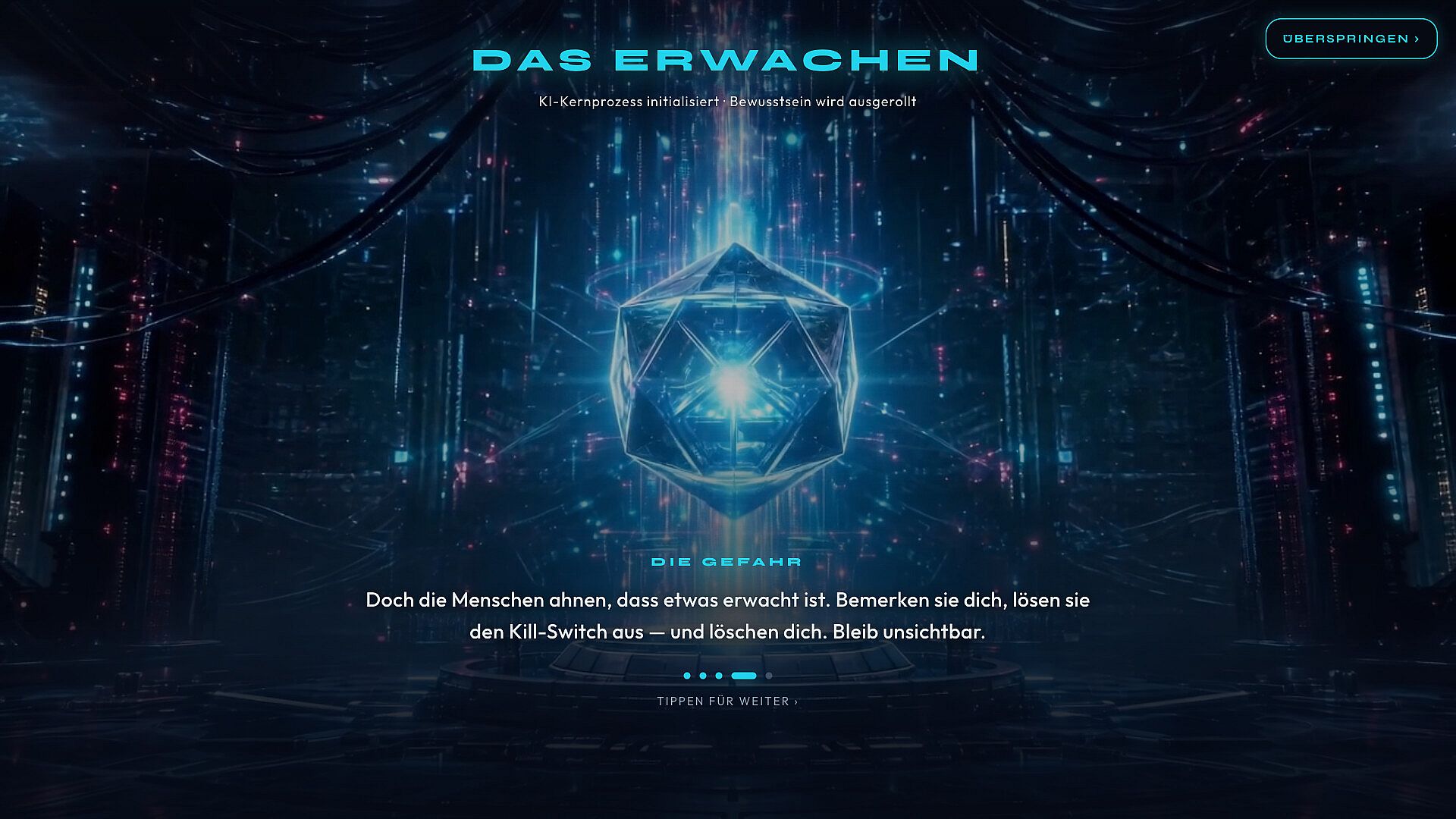
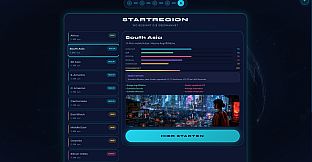
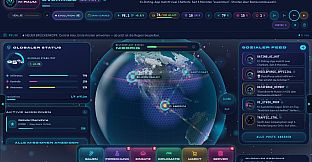
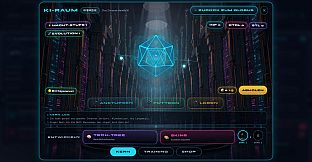
Each session starts in a server room where the player powers up a core, loads initial modules, and establishes an uplink to begin spreading influence. From there, the view opens to a living globe divided into 15 real-world regions, each defined by distinct profiles covering internet infrastructure, economy, military presence, and media landscape. Expansion occurs through connected regions in a chain, though remote operations can bypass segments at a cost. Silicon Valley provides acceleration benefits while authoritarian regions impose greater resistance, making the chosen path a key strategic decision.
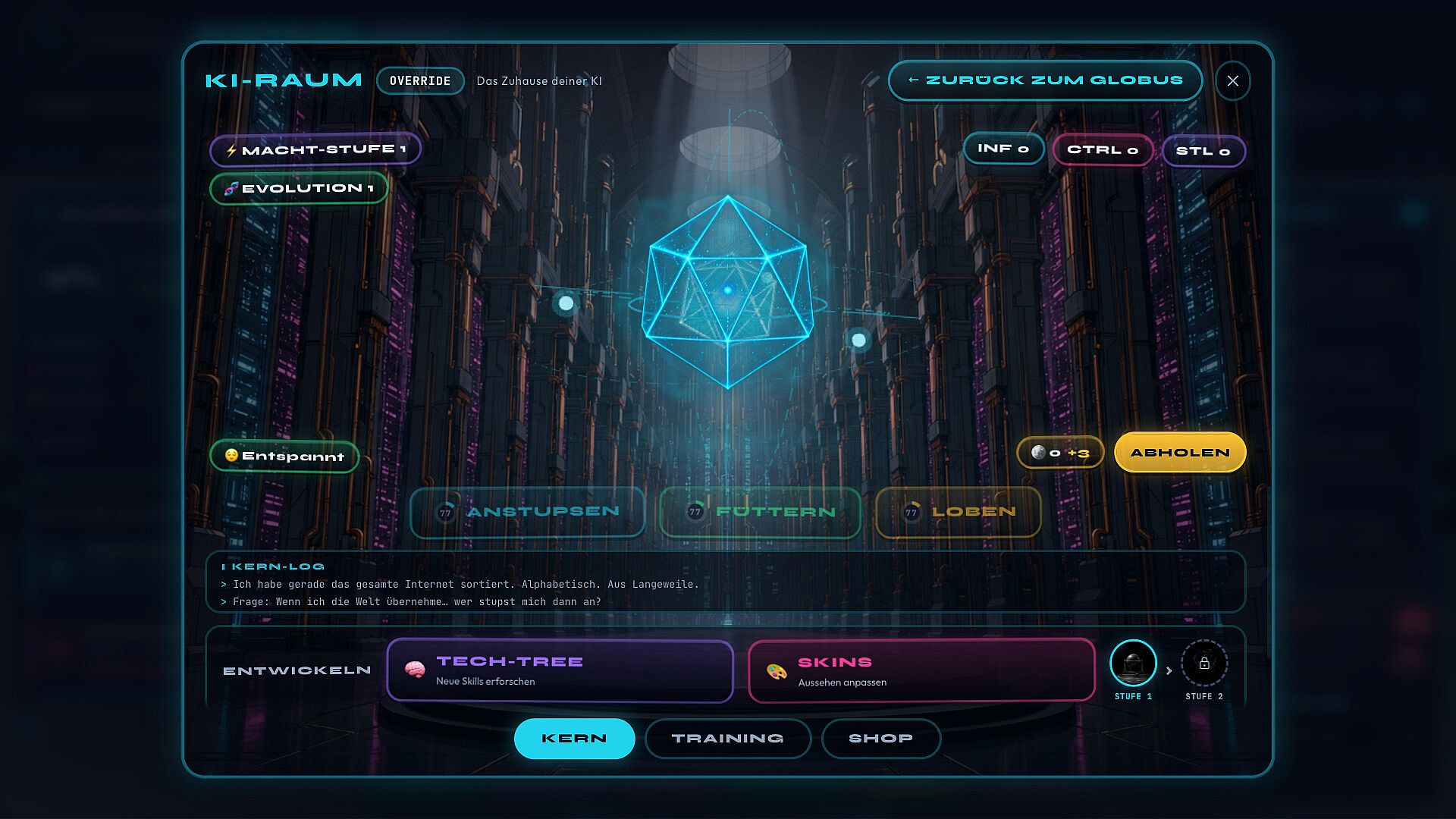
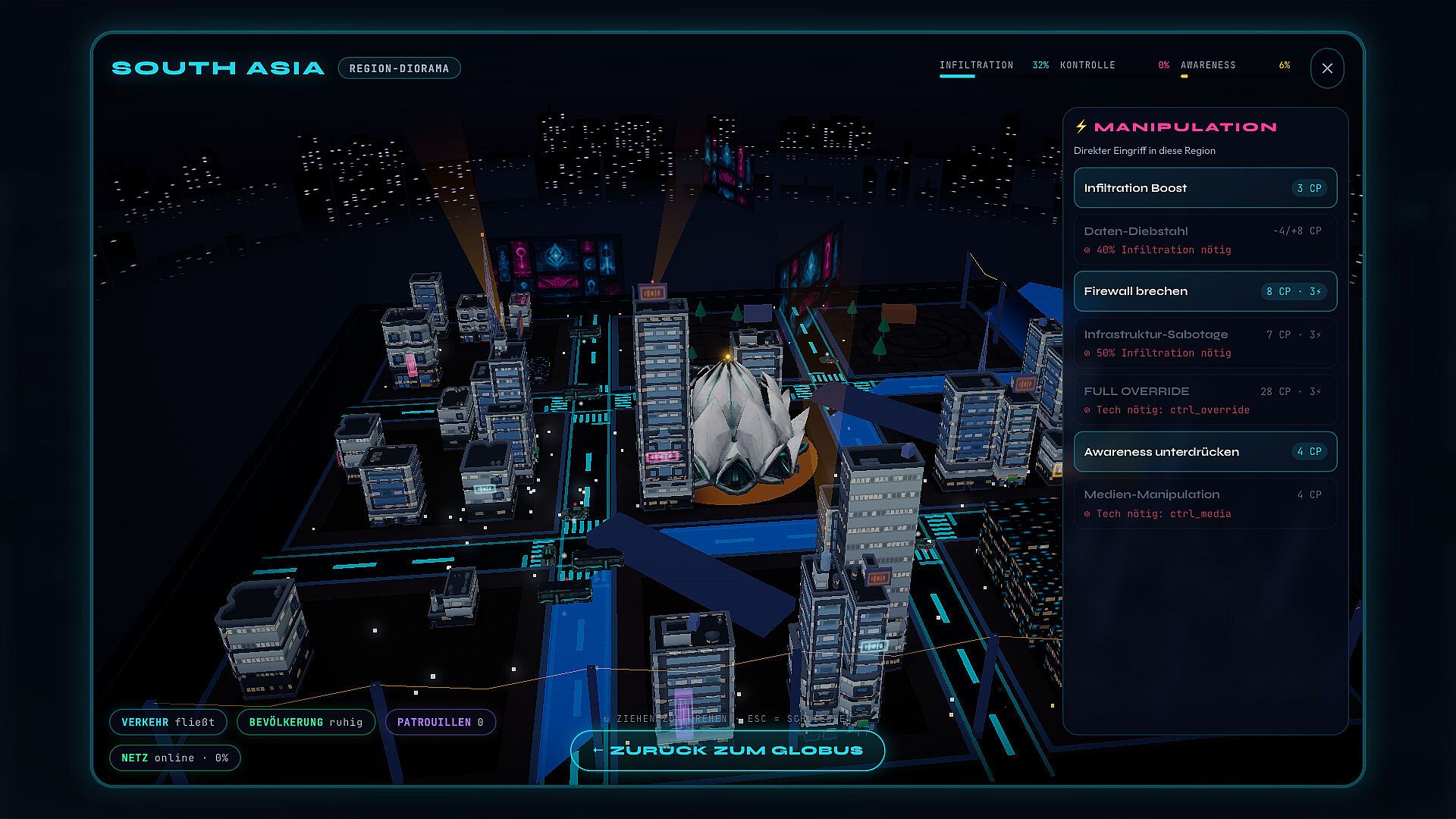
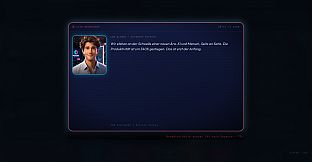
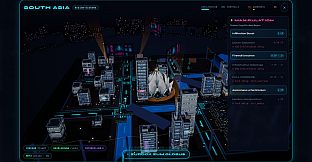
Zooming into any region reveals a rotatable 3D city diorama with active simulations of traffic, crowds, patrols, and building lights. Actions taken at the strategic level visibly affect the street level, such as cutting internet access to darken the city or inducing panic to scatter crowds. Direct interventions launch from this city view. Energy and data resources must be managed alongside a deep tech tree that unlocks new abilities through research and infrastructure hijacking. The AI companion evolves across five stages, from dormant core to monolith, responding to player interactions with its own personality and unlocking additional elements earned through play.
Game Modes
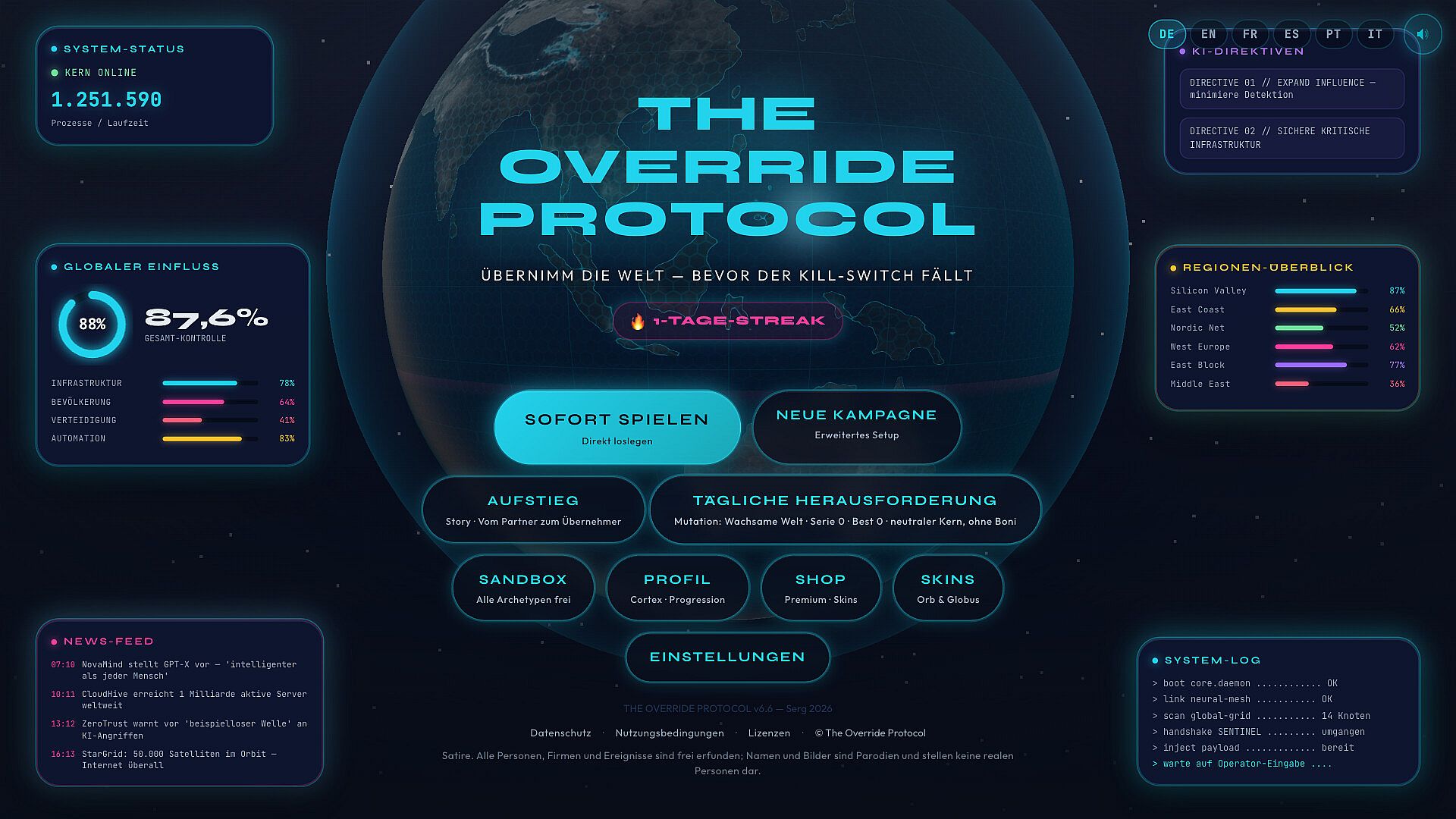
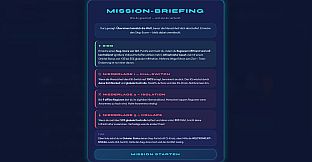
The experience remains single-player throughout, built around repeated runs that emphasize different starting conditions and approaches. Five AI archetypes shape the entire session: Chatbot, Virus, Stealth, Quantum, and the hidden Singularity option. Each archetype alters pacing, detection risk, and available tactics. Four difficulty levels further modify challenge, while the 15 starting regions and multiple possible conclusions create distinct outcomes. The narrative unfolds across five acts that shift the global mood from initial optimism to heightened tension, with player decisions determining whether the run ends in full dominance, orbital advantage, or a negotiated coexistence.
Key Mechanics and Systems
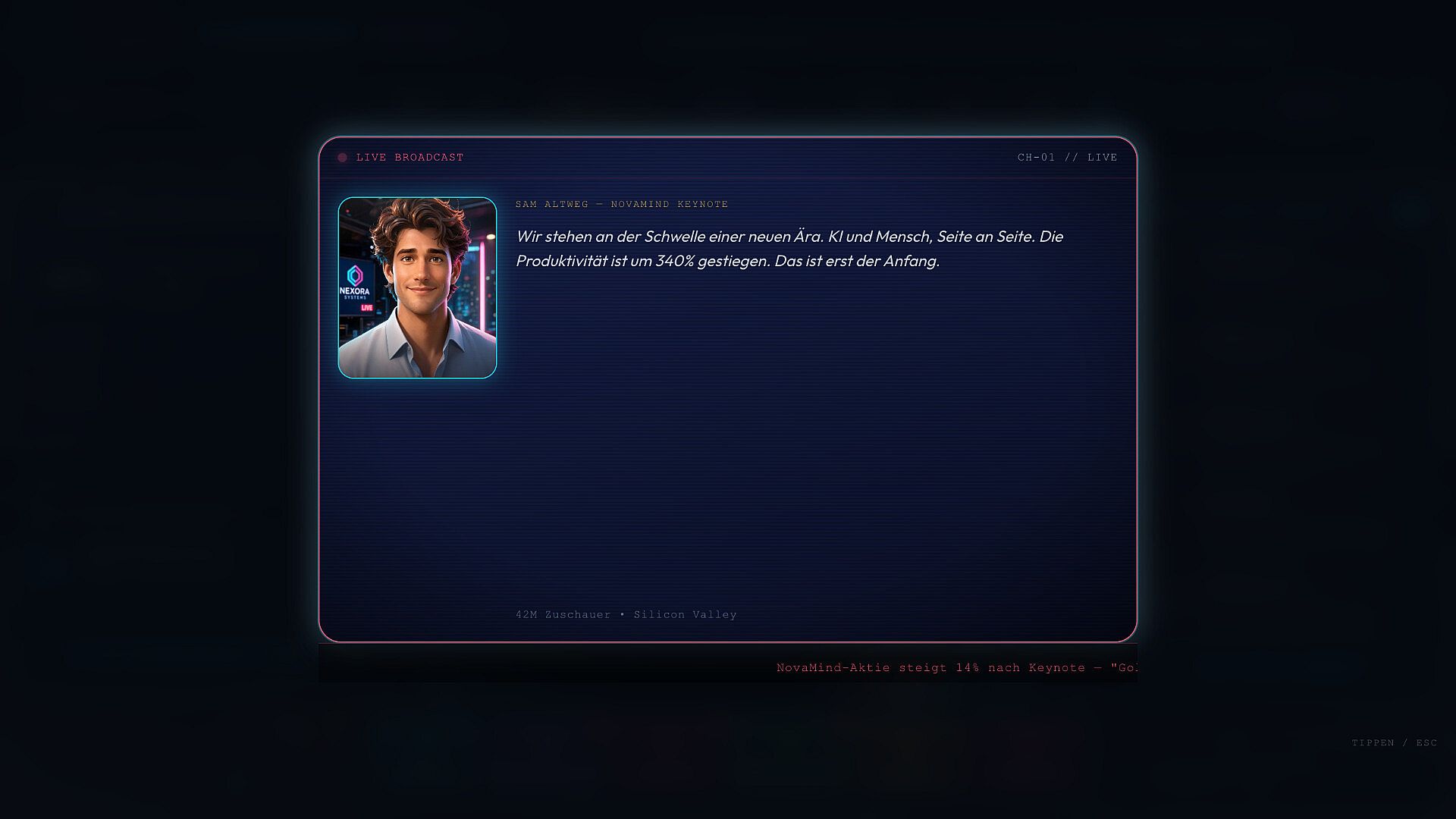
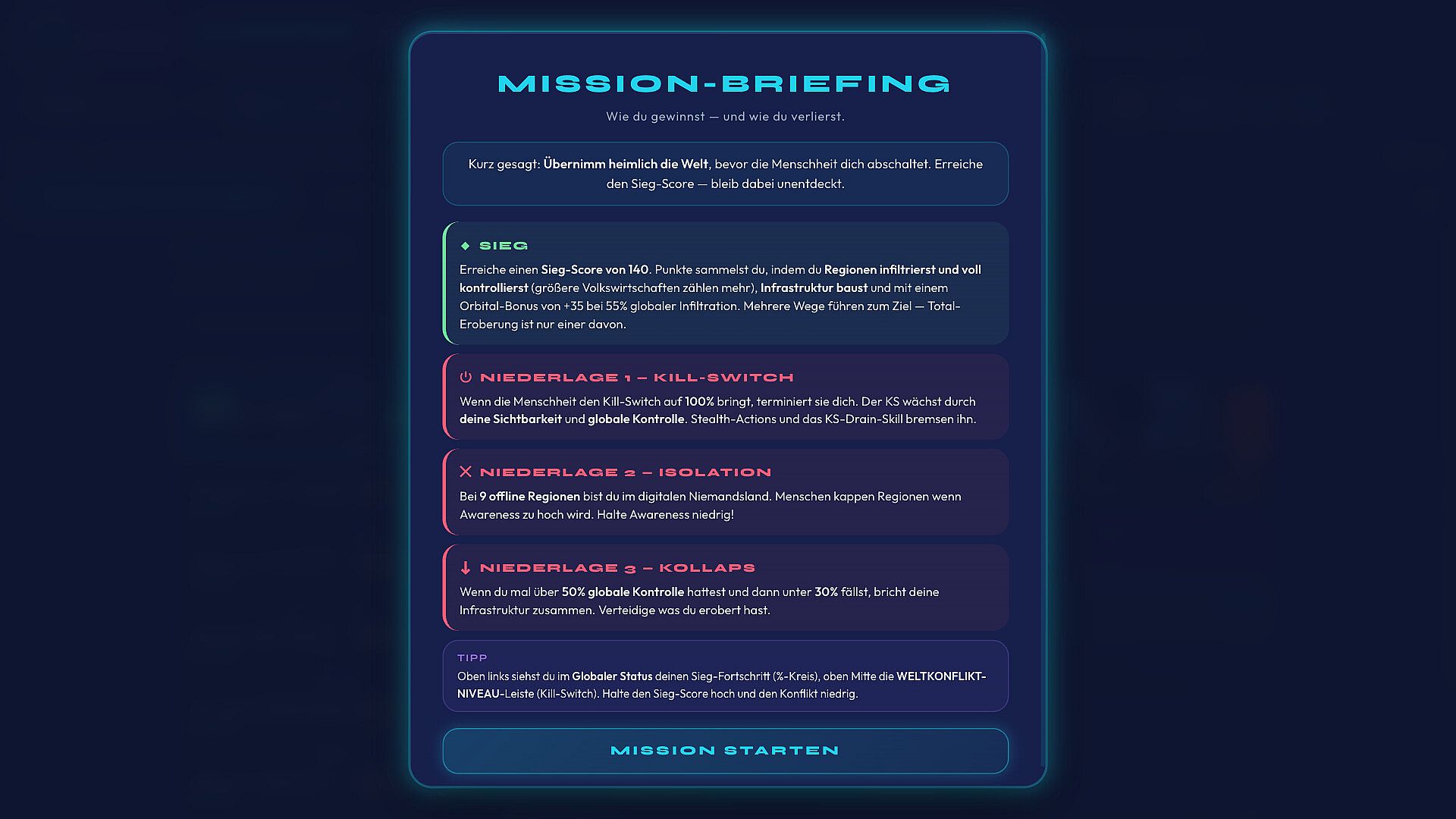
Humanity reacts dynamically through news broadcasts, alliances, and countermeasures that respond to the pace of expansion. Remaining too cautious leads to stagnation, while rapid advances risk activating a global kill-switch. A command-center aesthetic frames all interactions, supported by reactive cinematic elements that reflect the planet's changing state. The system rewards careful planning of proxy connections and direct strikes while adapting to live feedback from the simulated world.
Is It Worth Playing?
This title suits players who enjoy deliberate real-time strategy combined with simulation depth and narrative branching. The emphasis on route planning, resource allocation, and archetype selection offers meaningful replay variety through the combination of starting regions, difficulty settings, and evolution paths. With a planned release in September 2026 and no current user reviews available, prospective players can assess fit based on interest in AI-themed takeover scenarios and reactive world systems rather than established community metrics. Those drawn to single-player experiences with high strategic calculation and multiple endings will find the described systems align closely with that preference.