




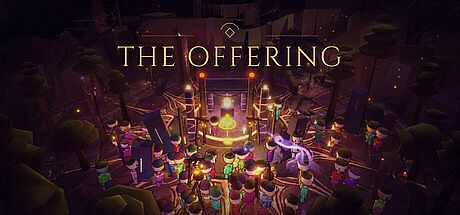



The Offering is a single-player strategy indie casual simulation game for PC that blends resource management during the day with defensive survival at night. Players take control of a shrine that draws in pilgrims, guiding them to make offerings that fuel growth while preparing for threats that emerge after dark. The experience centers on careful planning and quick decisions across a repeating cycle of building and protecting.
Gameplay
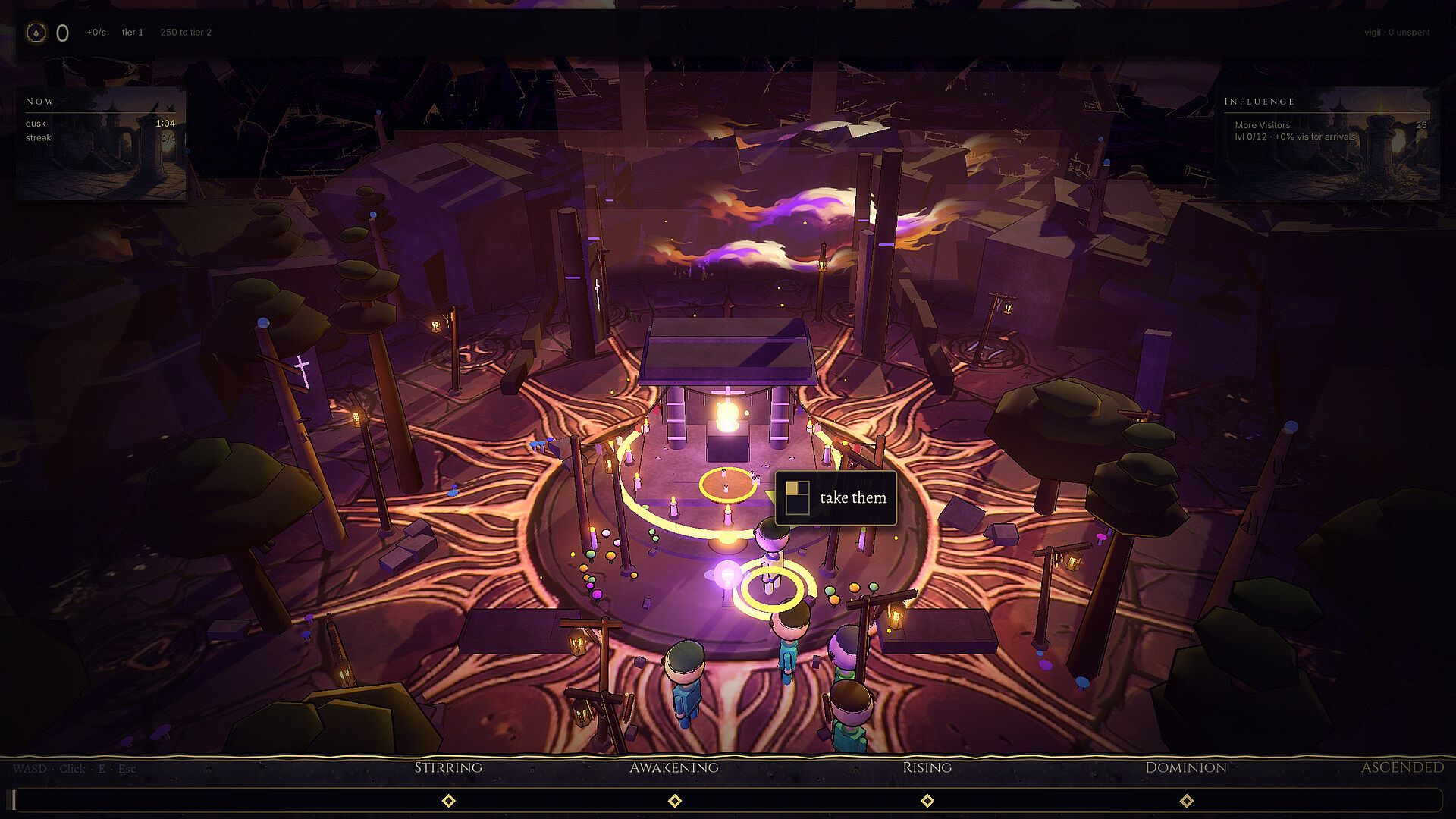
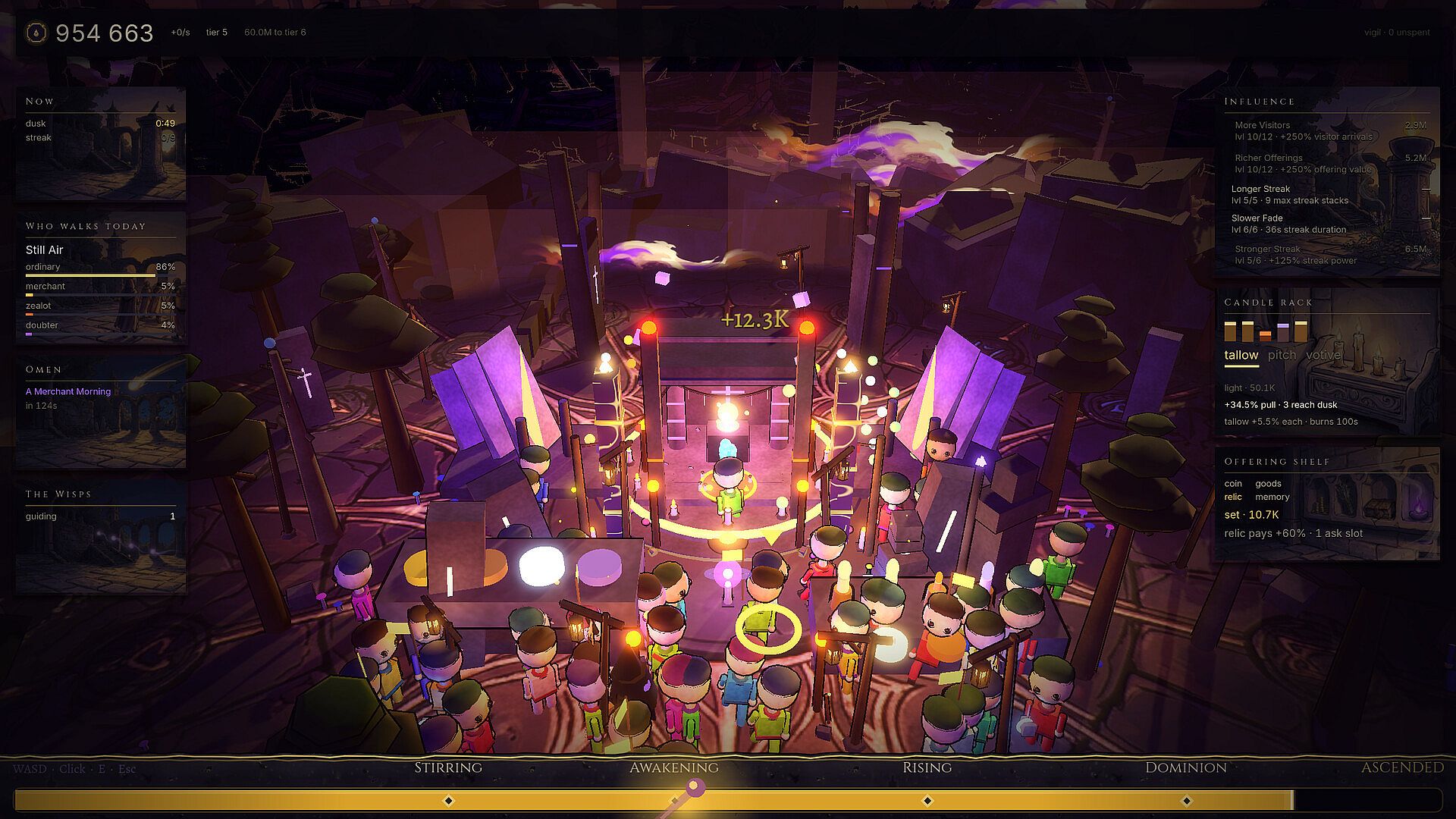
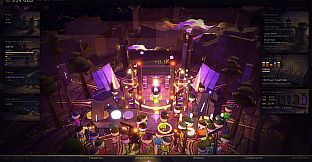
Core gameplay revolves around possessing visitors who approach the shrine. By steering them along the path to the altar, players chain deliveries to build streaks that increase the pyre's height and yield more essence from coins, relics, and memories left behind. Essence then funds upgrades through five cards that evolve the plaza layout, adding more visitors, richer offerings, extended streaks, slower essence fade, or heavier deliveries. Additional elements like a candle rack speed up arrivals from the road, while a shelf encourages relic deliveries for a 60 percent bonus payout.
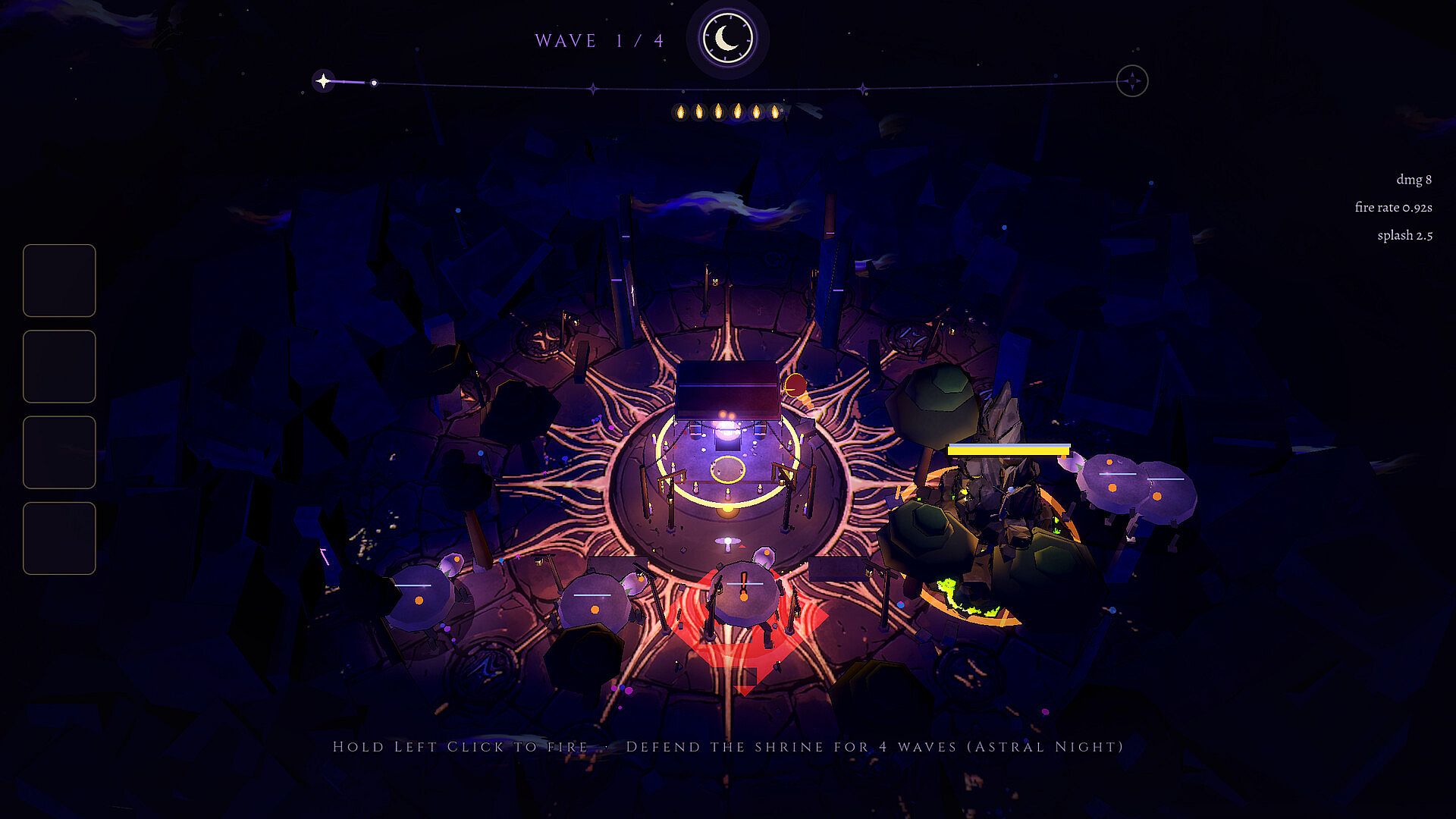
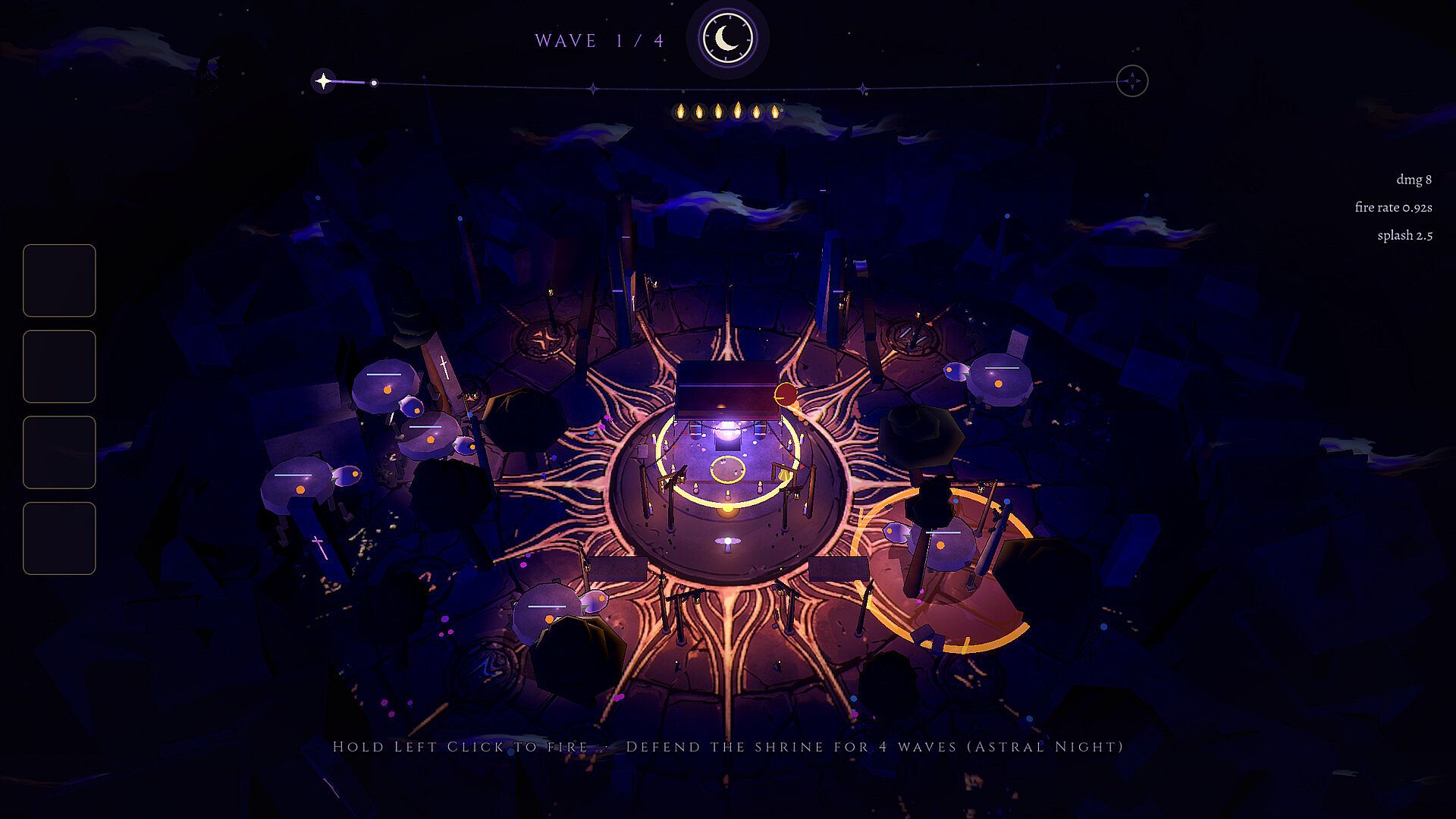
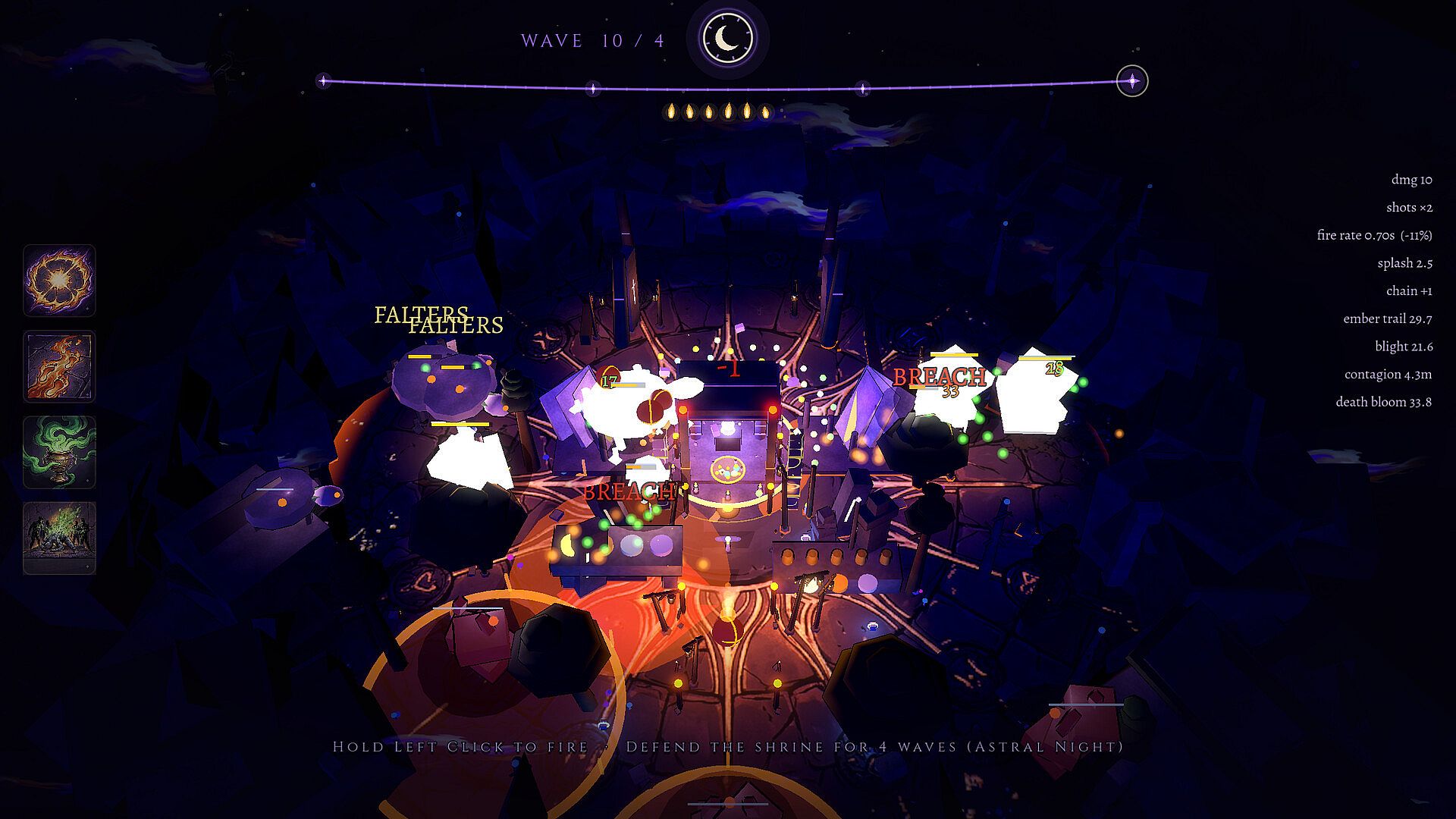
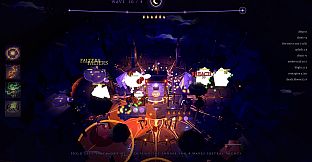
The day phase focuses on steady accumulation and plaza expansion. At dusk the world shifts as threats emerge from the rubble, requiring players to select one rite for the entire run. Available options include a direct bolt, an arcing mortar, a piercing lance, or a scattering charge. Between waves, cards are drafted to layer effects such as spreading poison from fallen enemies, burning ground, or bouncing projectiles. Survival through the night preserves progress, while failure dims the flame and reduces held resources by a tenth.
A permanent Vigil system tracks overall advancement with a four-armed tree that grants six keystones. These alter fundamental rules rather than providing simple percentage boosts, encouraging repeated runs to explore different combinations. The art style uses hand-painted low-poly models illuminated in a votive candle aesthetic, supporting focused single-player sessions without online requirements or additional purchases.
Game Modes
The game structures its experience around two interconnected loops rather than separate selectable modes. The day loop emphasizes crowd growth and resource gathering through possession and altar deliveries. The night loop shifts to active defense, where chosen rites and drafted cards determine survival against incoming threats. This cycle repeats with escalating stakes, as essence spent during the day directly influences defensive capabilities after dark.
Progression ties the loops together via the Vigil tree, which persists across attempts. Each successful night awards points that unlock or enhance keystones, changing how future runs unfold. The single-player format keeps all activity offline and self-contained, with no multiplayer elements or external servers involved.
Core Mechanics and Progression
Essence management forms the backbone of advancement. Every successful delivery contributes to the pyre, and strategic card choices during the day compound returns over time. Night defense adds layers through rite selection and card drafting, where effects like poison spread or bouncing shots create emergent strategies based on enemy waves and positioning.
The Vigil tree stands out for its run-altering impact. Its six keystones modify core systems such as visitor behavior, offering values, or defensive options, rewarding experimentation across multiple attempts. Loss carries a tangible cost, reducing stored essence and reinforcing the need for consistent night survival.
Is It Worth Playing?
The Offering suits players who enjoy deliberate strategy loops that combine building phases with tense defensive segments. Its single-player offline design and absence of microtransactions make it accessible for focused sessions on PC. The permanent Vigil progression and card-based customization provide replay value through varied approaches to the day and night cycles.
Those drawn to indie simulations with resource chains and survival elements will find the mechanics rewarding, particularly the interplay between plaza upgrades and rite choices. The hand-painted aesthetic and straightforward structure support repeated play without overwhelming complexity. Overall, it delivers a cohesive experience for fans of the listed genres who appreciate self-contained strategy without external dependencies.