




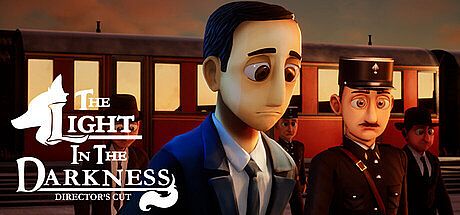


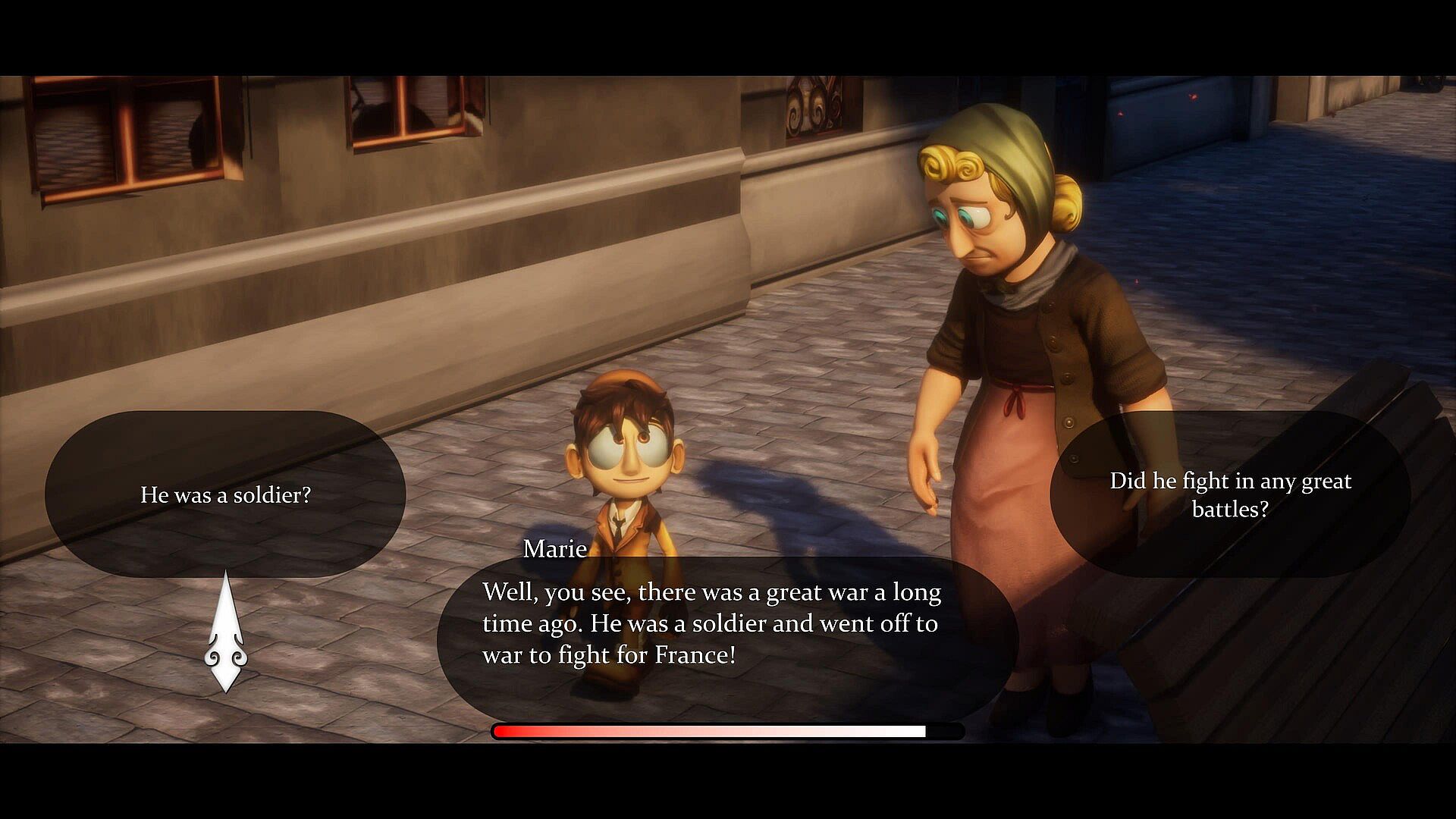
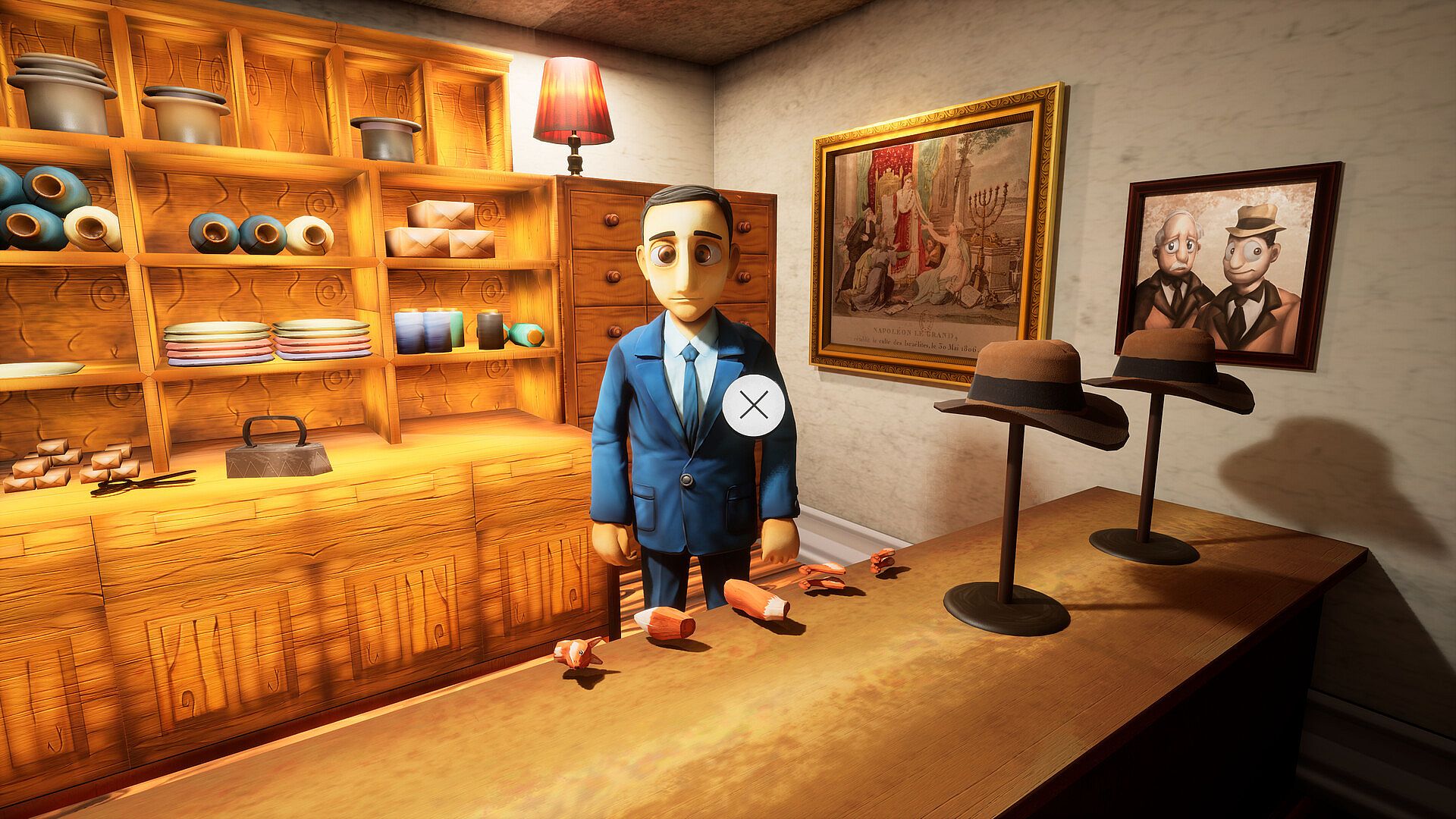
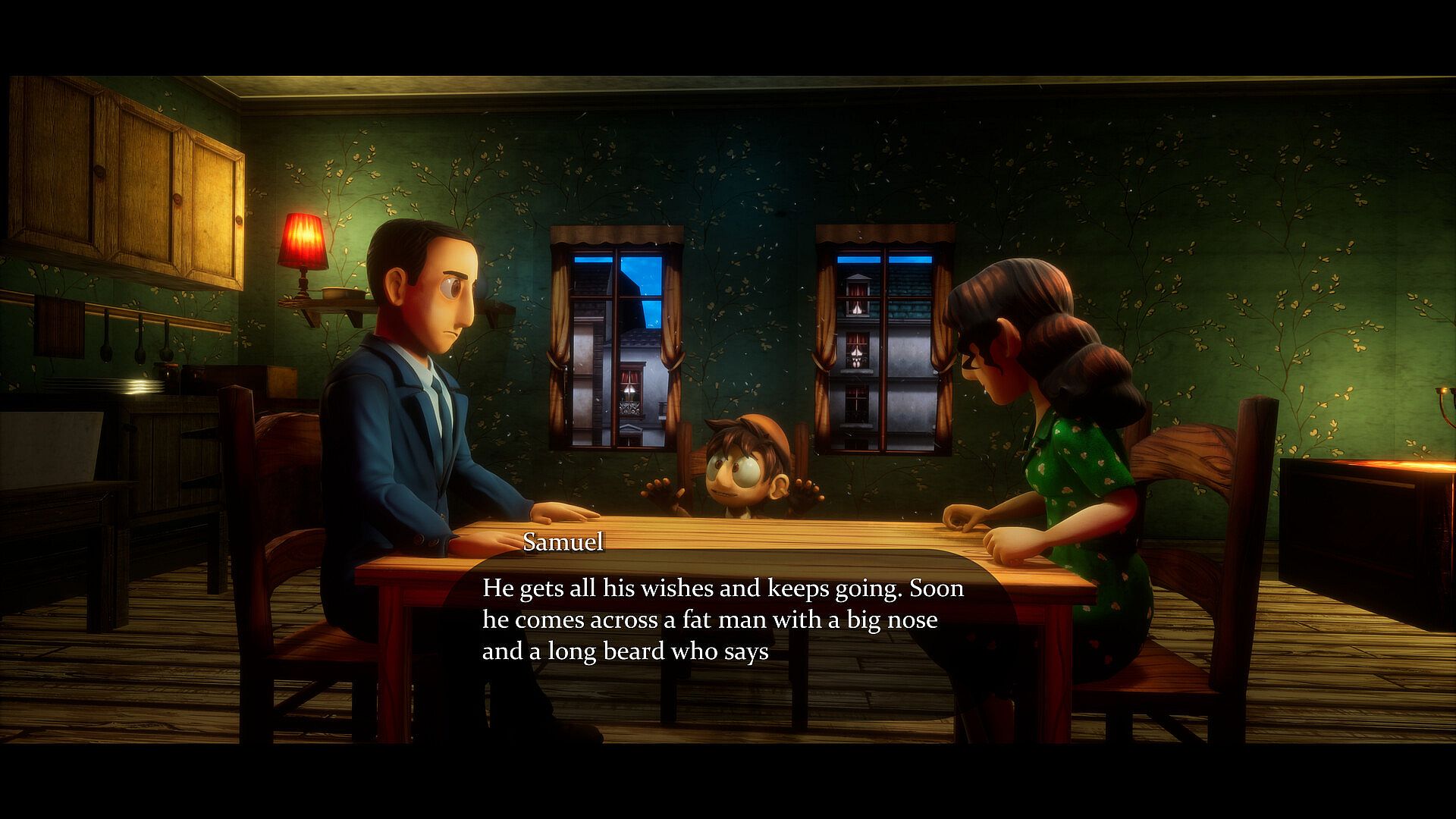
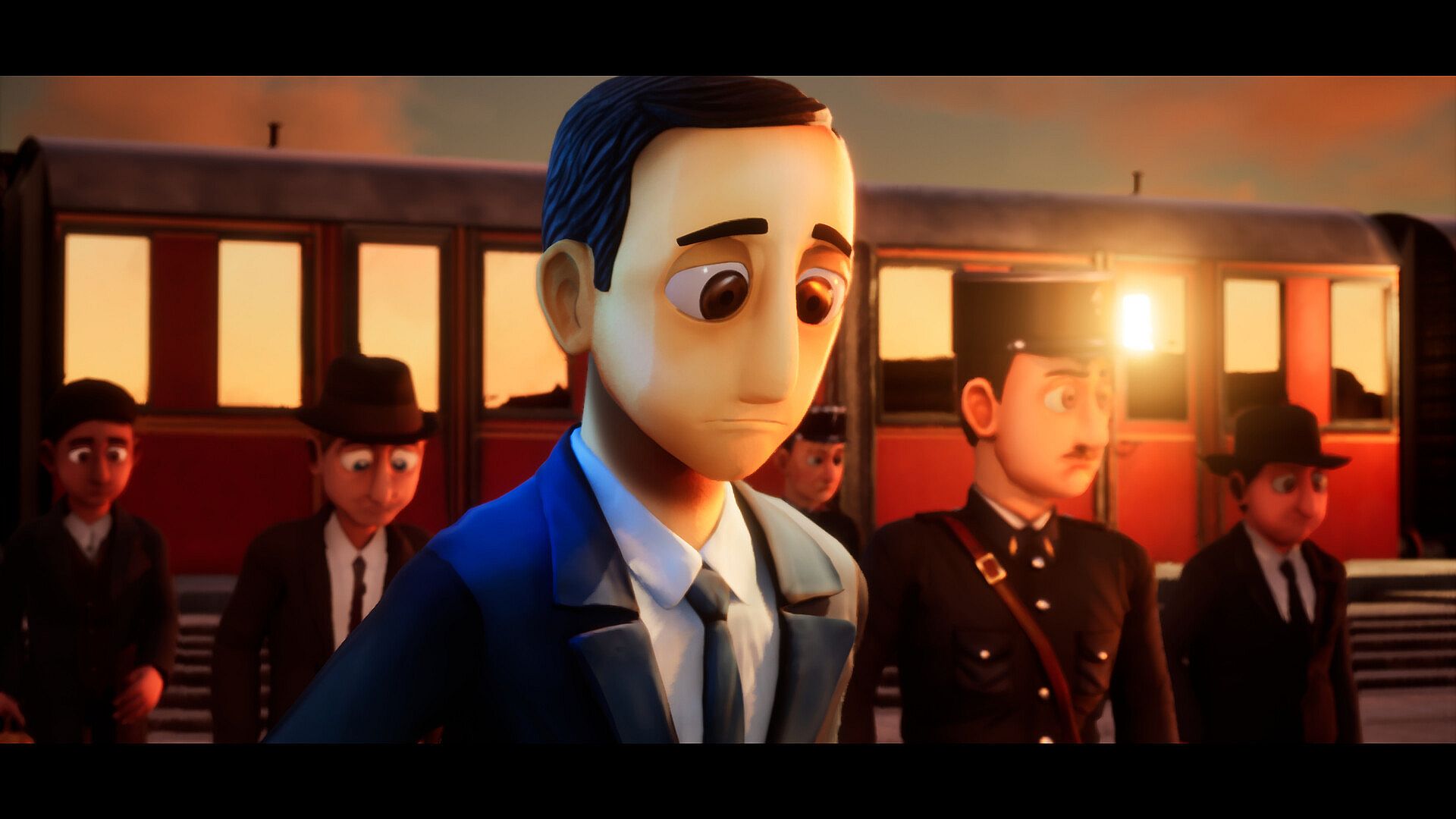
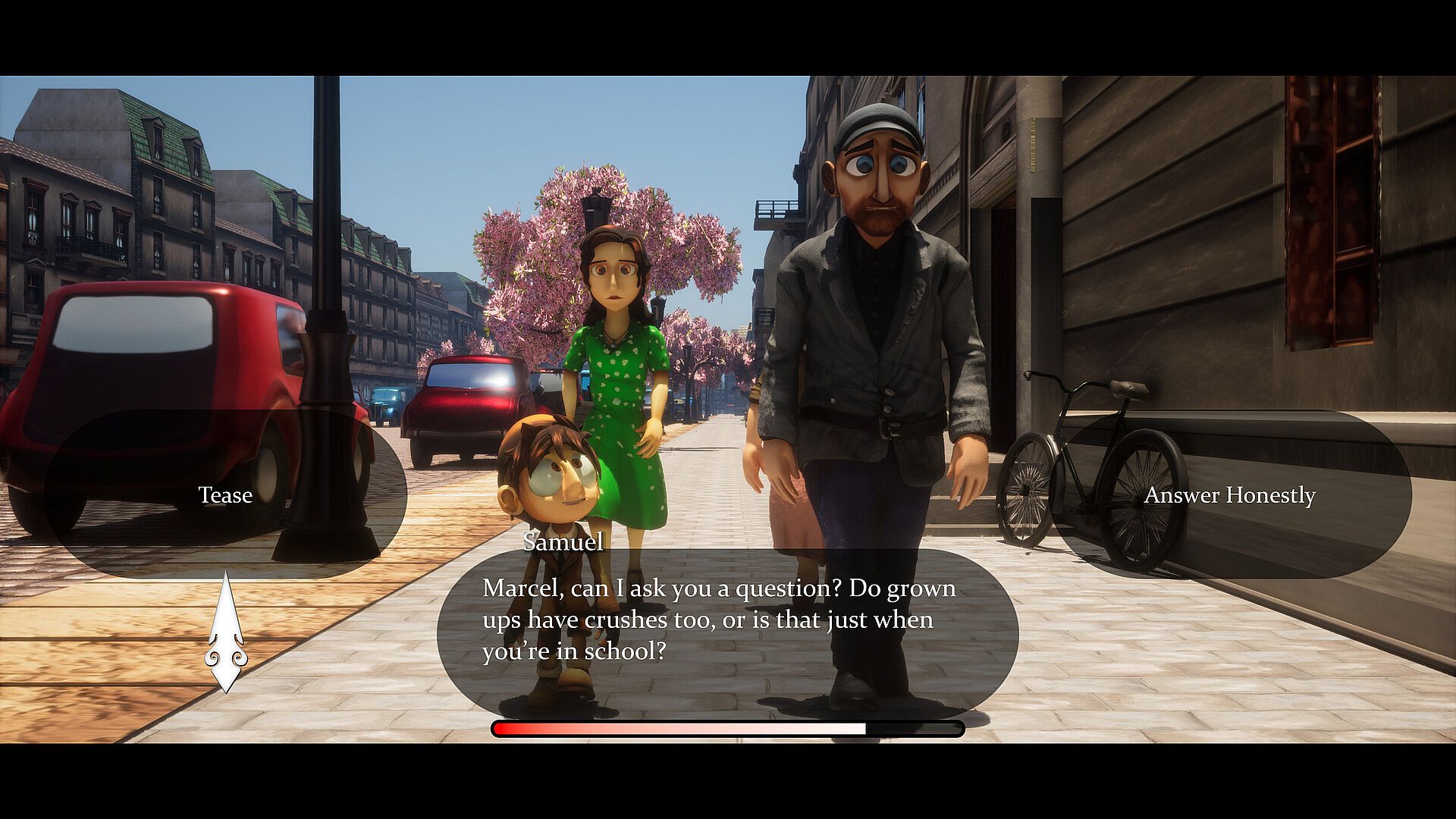
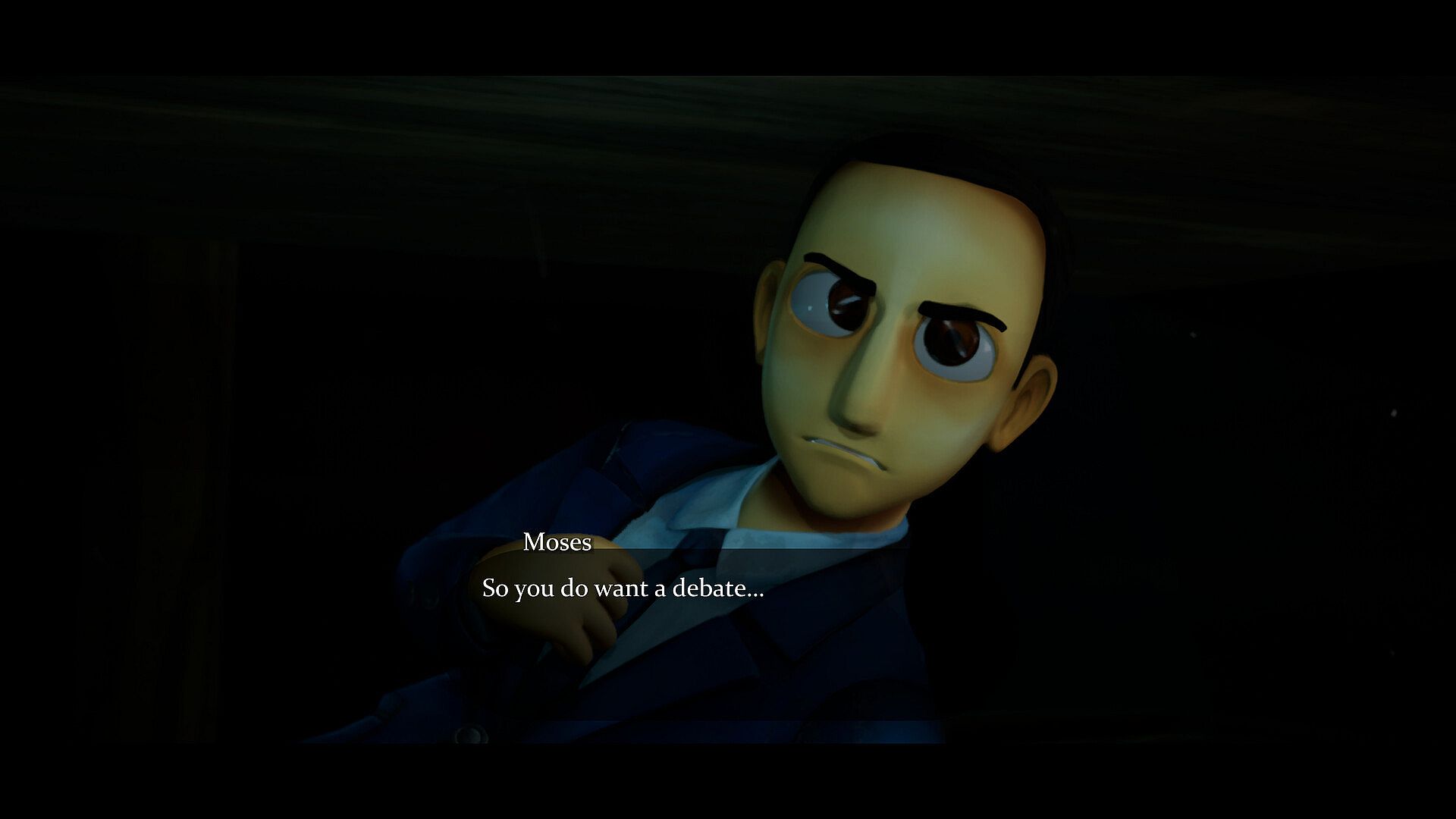
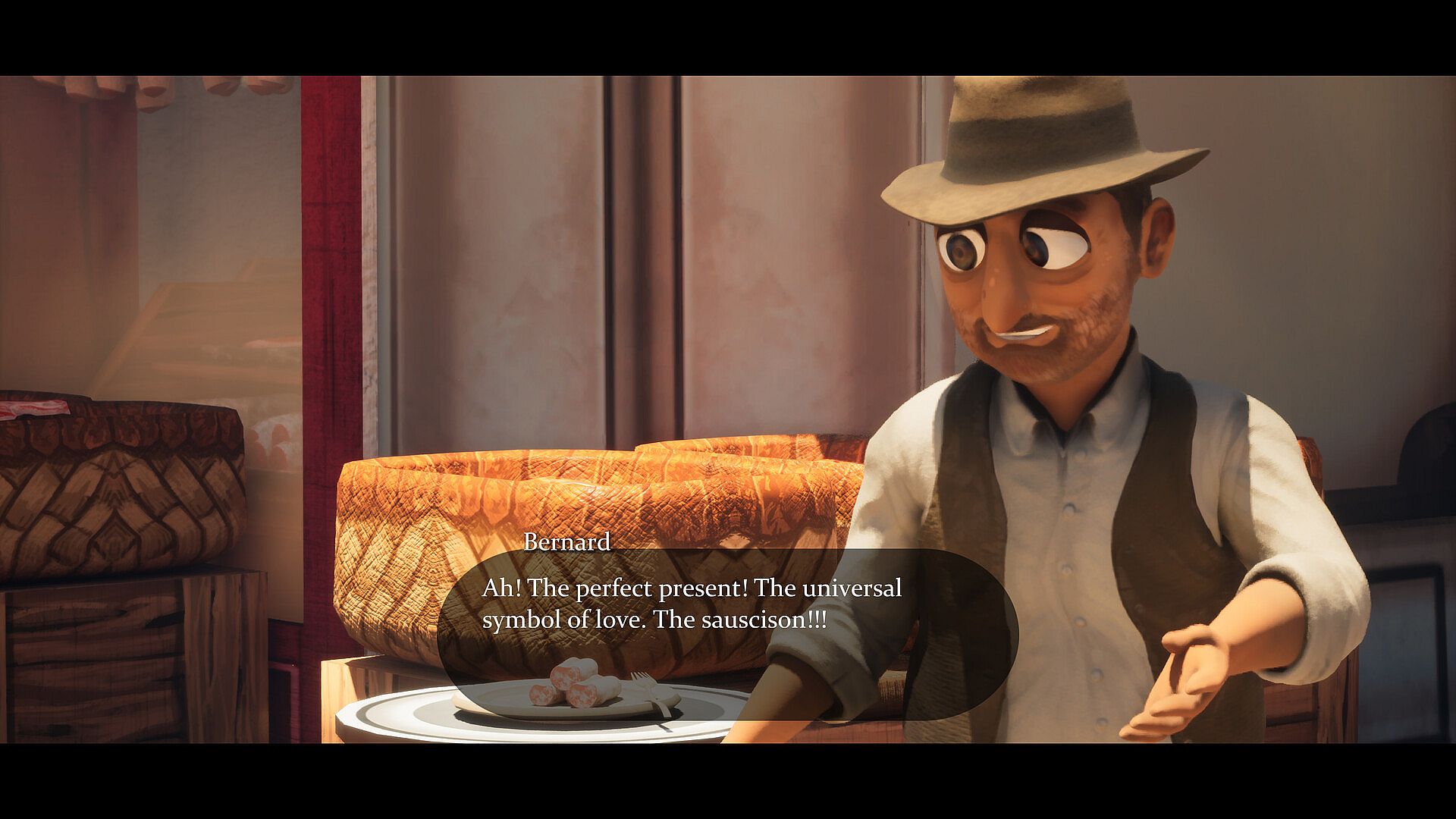
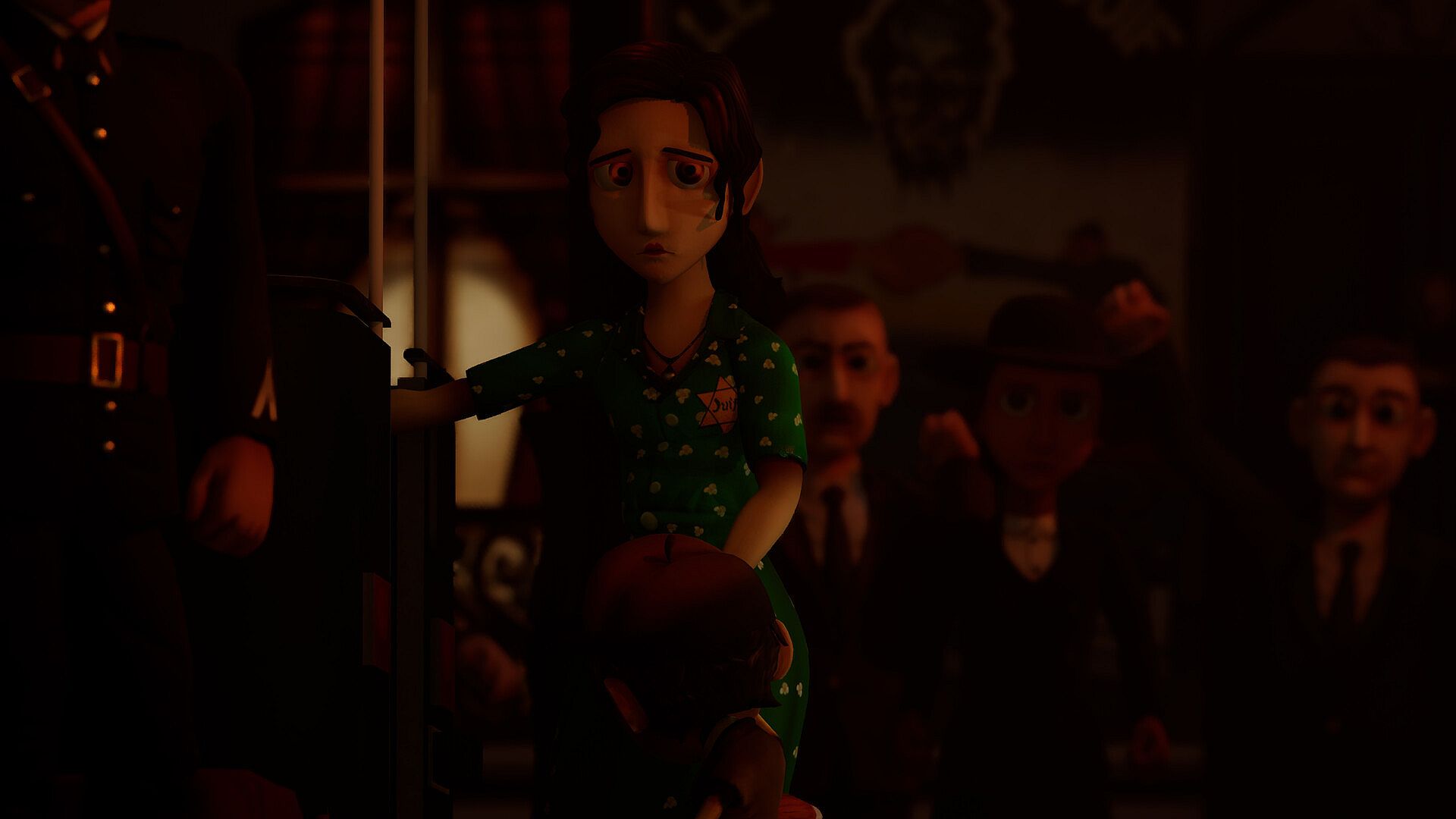
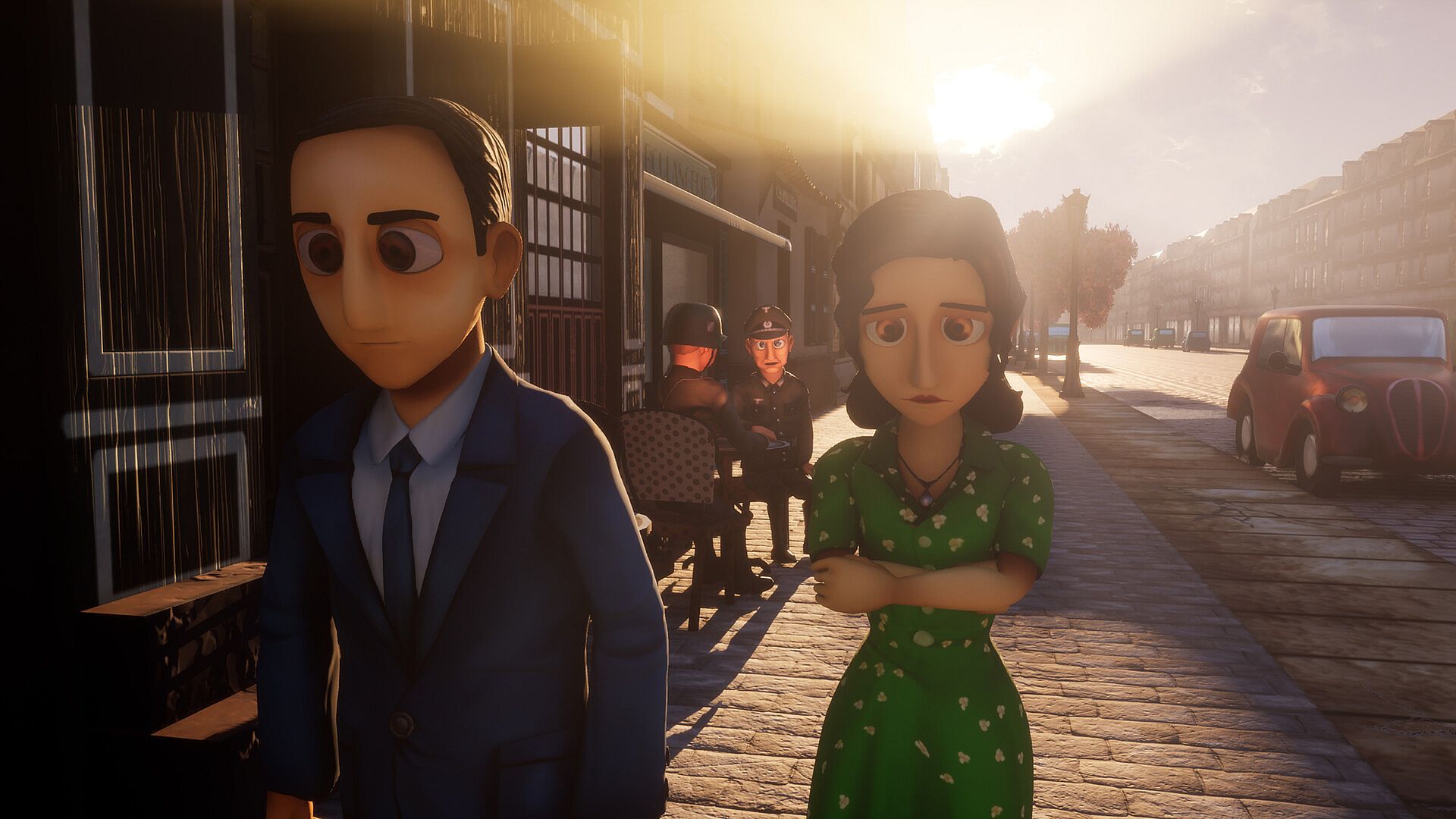
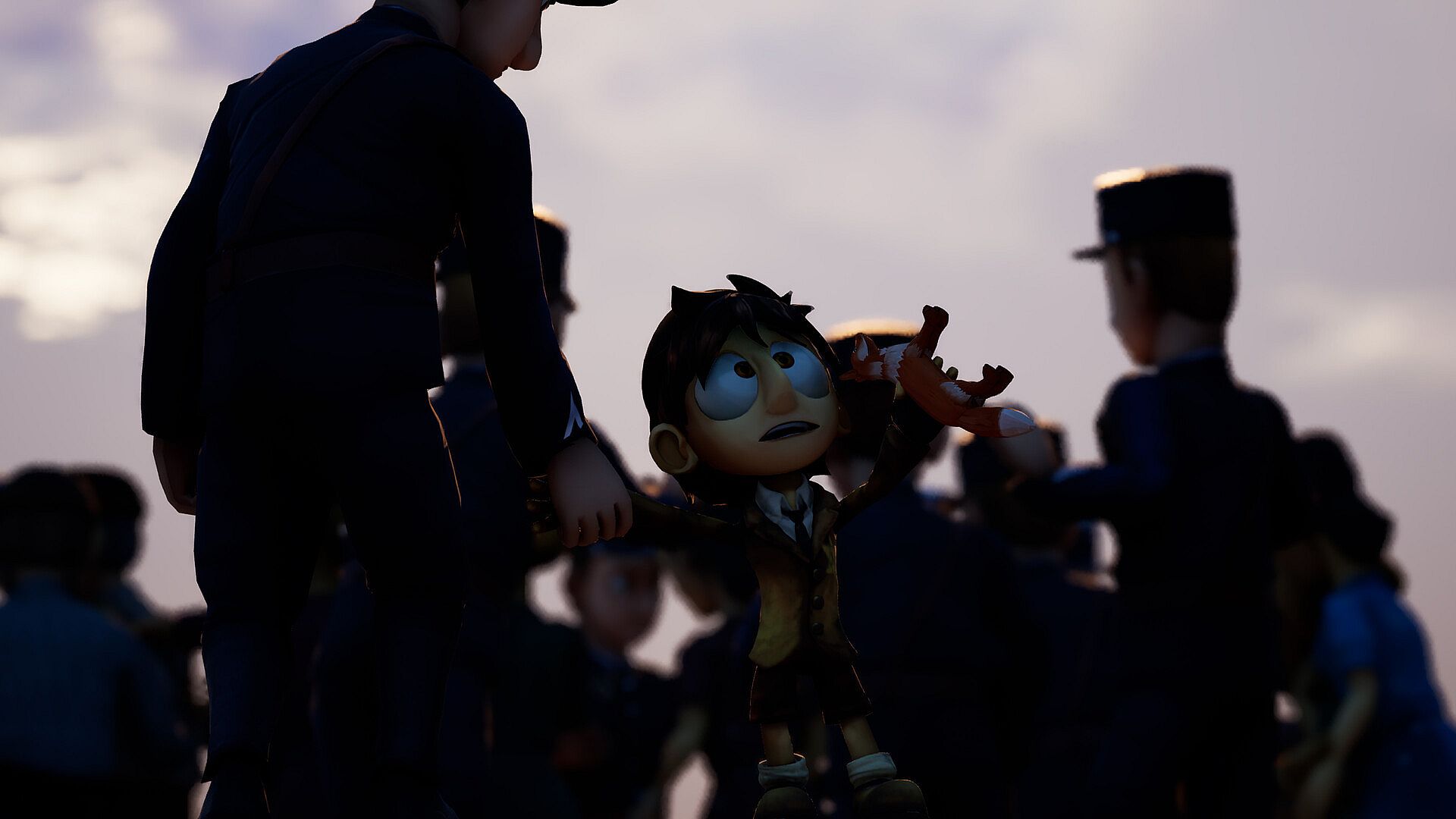
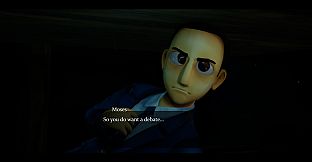
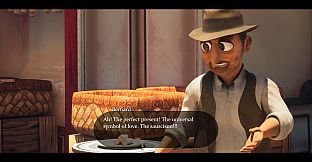
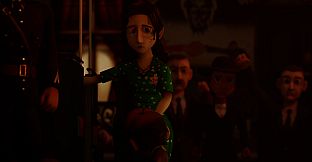
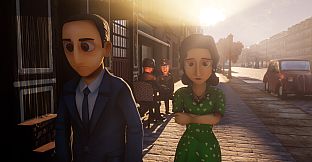

The Light in the Darkness: Director's Cut stands as a free-to-play indie narrative adventure and RPG that places players inside the daily existence of a Polish-Jewish family in Nazi-occupied France. This single-player experience unfolds through intimate scenes of ordinary life disrupted by persecution, collaboration, and deportation, drawing on real historical events without any combat or heroic intervention.
Gameplay
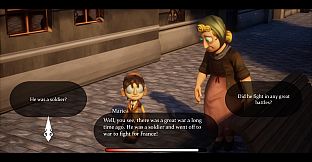
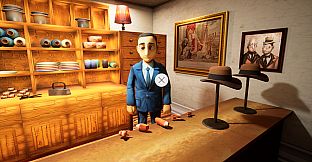
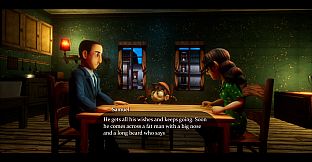
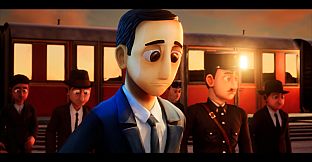
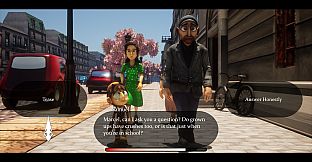
Players move through reconstructed environments that mirror specific locations and periods from the 1930s and 1940s. Interaction centers on conversations with family members, observation of changing surroundings, and participation in simple activities that reflect the era. The Director's Cut incorporates full voice performances to heighten the immediacy of these exchanges. Additional layers include viewing an in-game presentation of the classic stop-motion film Le Roman de Renard and examining integrated historical documents that ground the personal story in documented facts. Controls and pacing have been adjusted for handheld play on devices such as the Steam Deck, with text scaling and performance tuning to maintain clarity on smaller screens. The overall loop emphasizes presence and reflection rather than progression systems or resource management.
Game Modes
The title offers a single continuous narrative experience designed for one player. This linear structure follows the family across multiple years, incorporating expanded story segments and a concluding sequence set at Auschwitz that the original release could not fully realize. No separate modes exist for competitive play, branching paths, or repeated runs; the focus remains on witnessing events as they unfold according to historical record. The experience runs approximately one to two hours in its base form, with the Director's Cut extending that duration through new animation, dialogue, and atmospheric detail while preserving the compact, reflective pace.
Historical Accuracy and Presentation
Every location, date, and policy referenced aligns with archival material from the period, including the defeat of 1940, Vichy collaboration, and specific round-ups. The game integrates scanned documents and period footage alongside the fictional family to illustrate how broader state actions affected individuals. Full voice acting brings the cast to life, featuring performers such as Alanna Ubach, Paul Roffman, Melissa Weisz, and Ido Samuel in key roles. The Director's Cut rebuilds environments, refines lighting and sound, and adds new narrative material to match the creator's original intent, all while remaining free through support from organizations dedicated to Holocaust remembrance.
Is It Worth Playing?
Reception highlights the emotional weight of the story and its careful handling of difficult material, with many players noting strong reactions to the family's portrayal and the inclusion of authentic historical elements. User ratings on major platforms sit in the mid-range, reflecting appreciation for the writing and presentation alongside criticism of movement and interaction feel. The game suits those seeking a focused historical narrative rather than action or extensive systems. Its free availability removes any financial barrier, and the short length makes it accessible for reflection afterward. Those drawn to serious, documentary-style storytelling in games will find value here, while players expecting traditional RPG progression or varied challenges may prefer other titles. The Director's Cut represents the most complete version currently available on PC and console platforms.