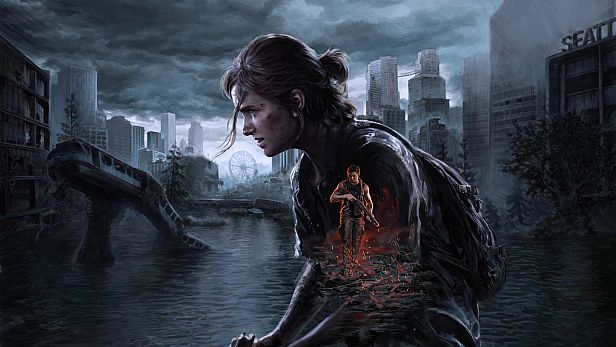








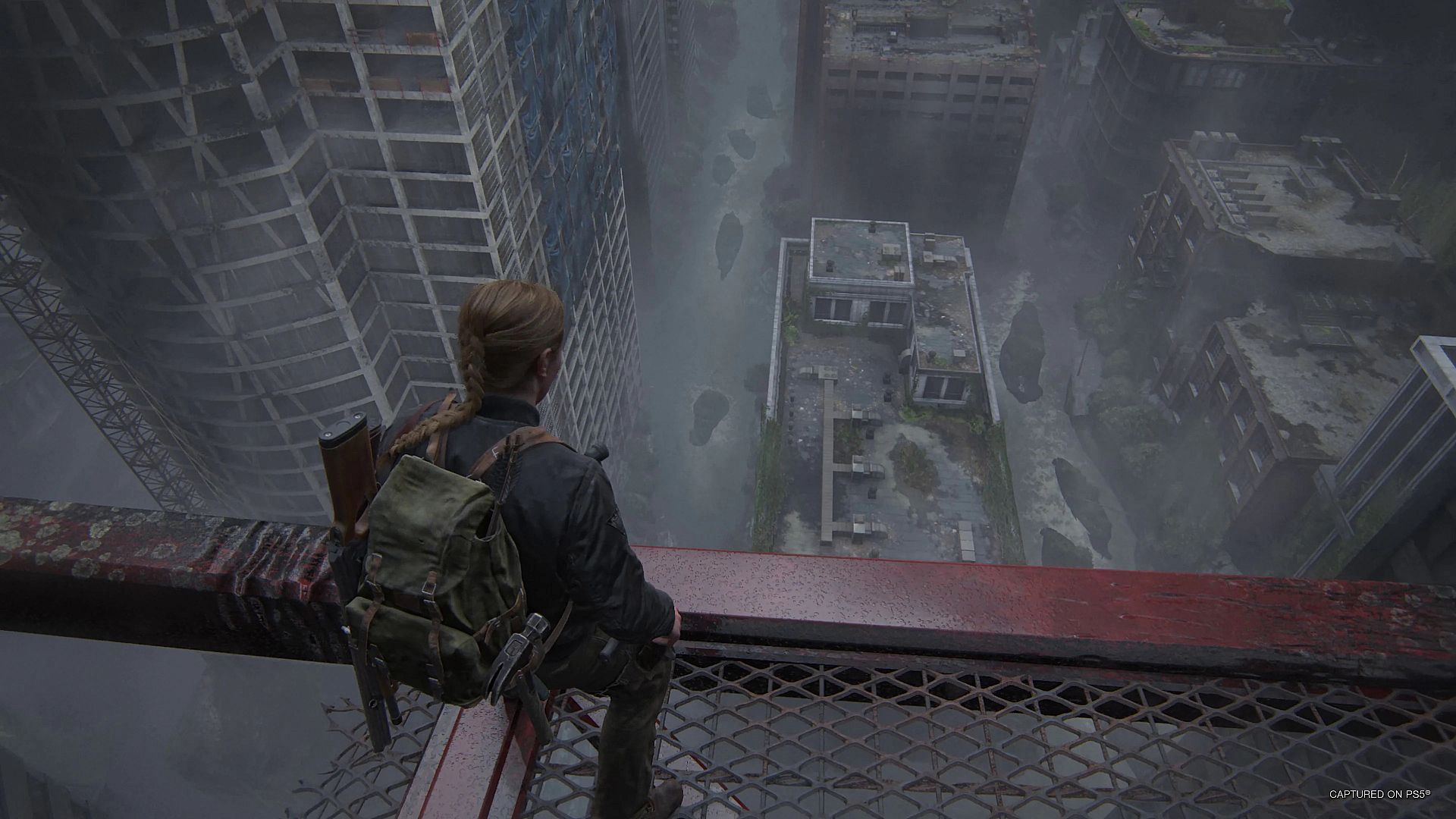
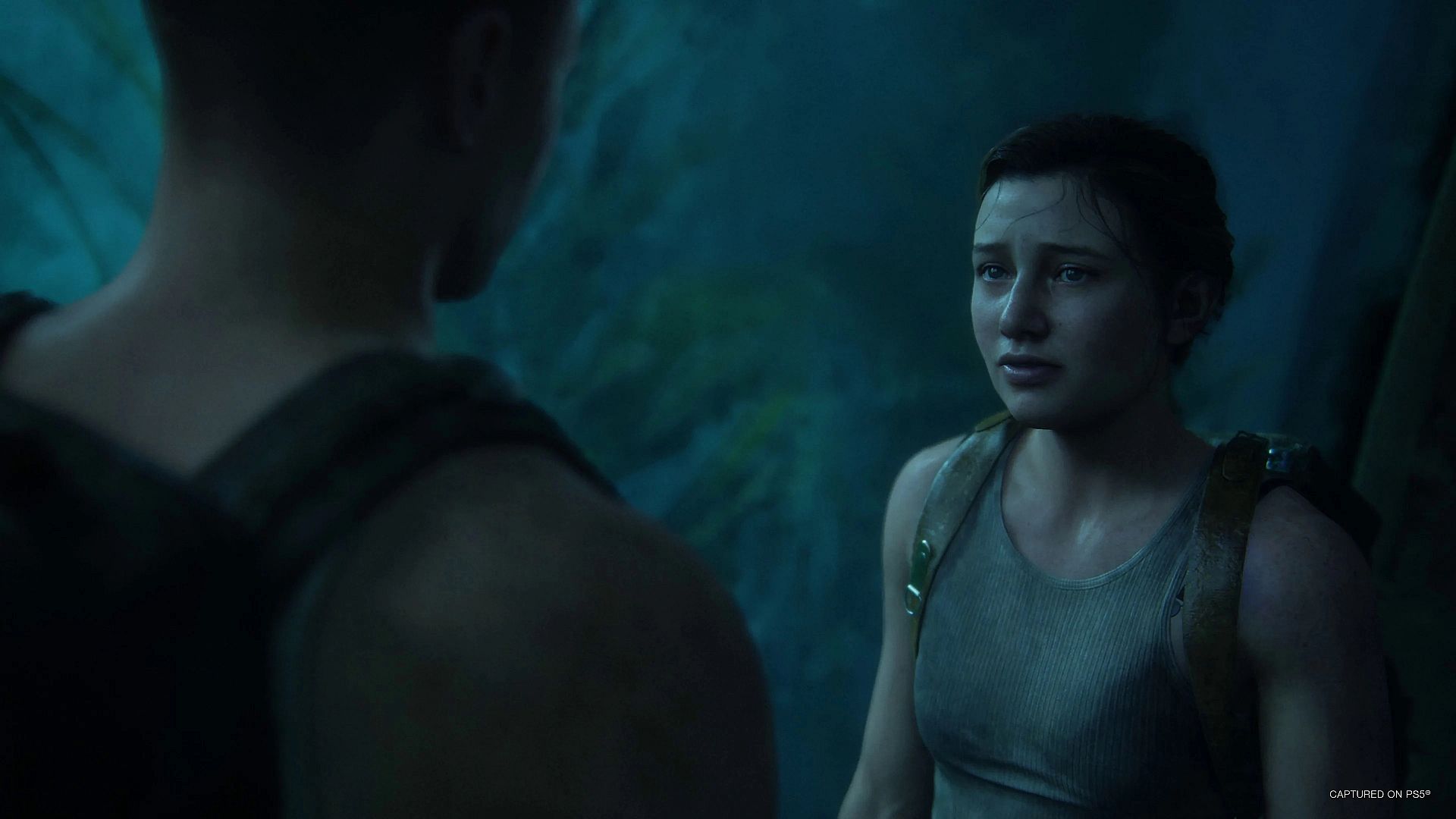
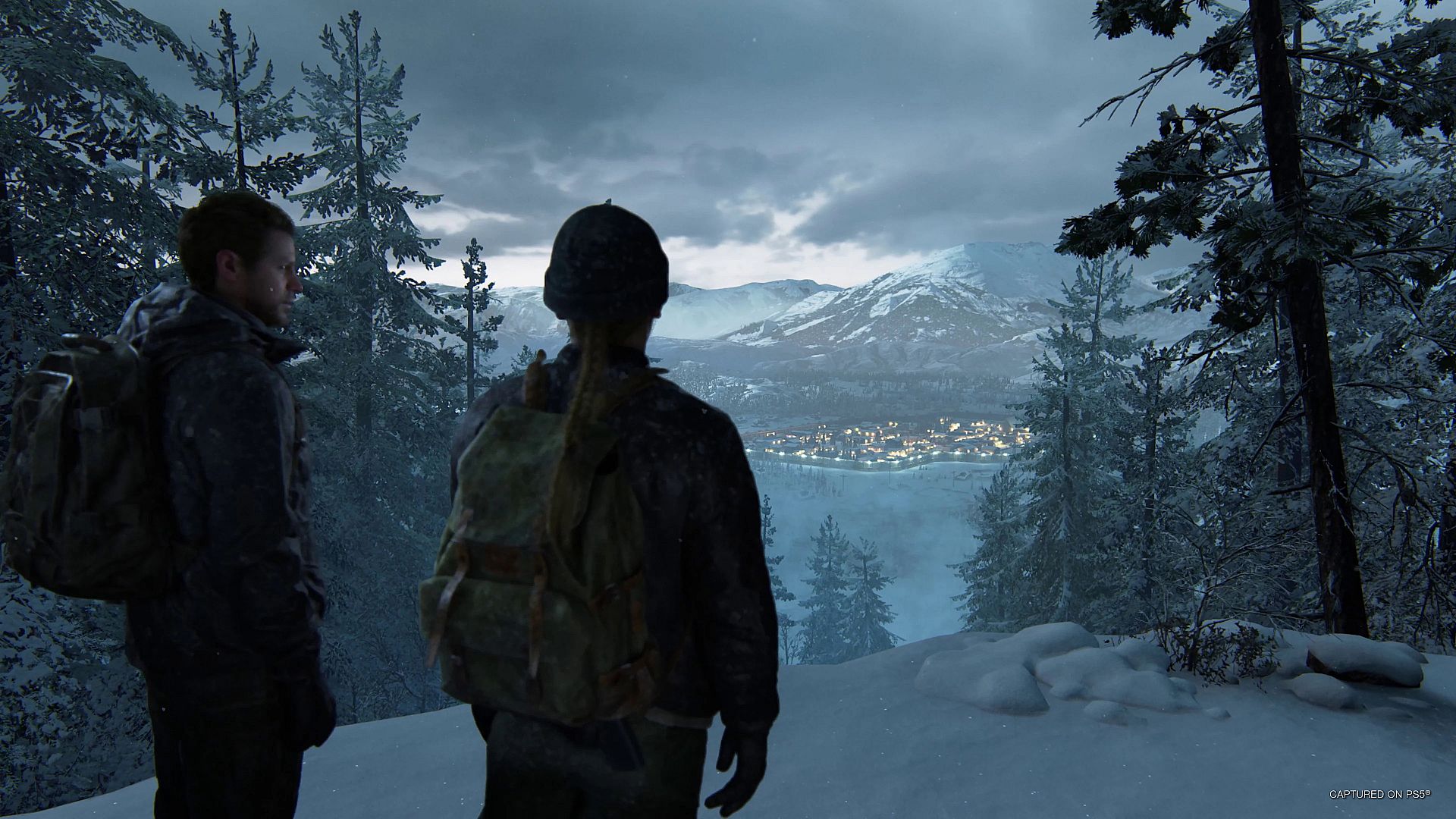

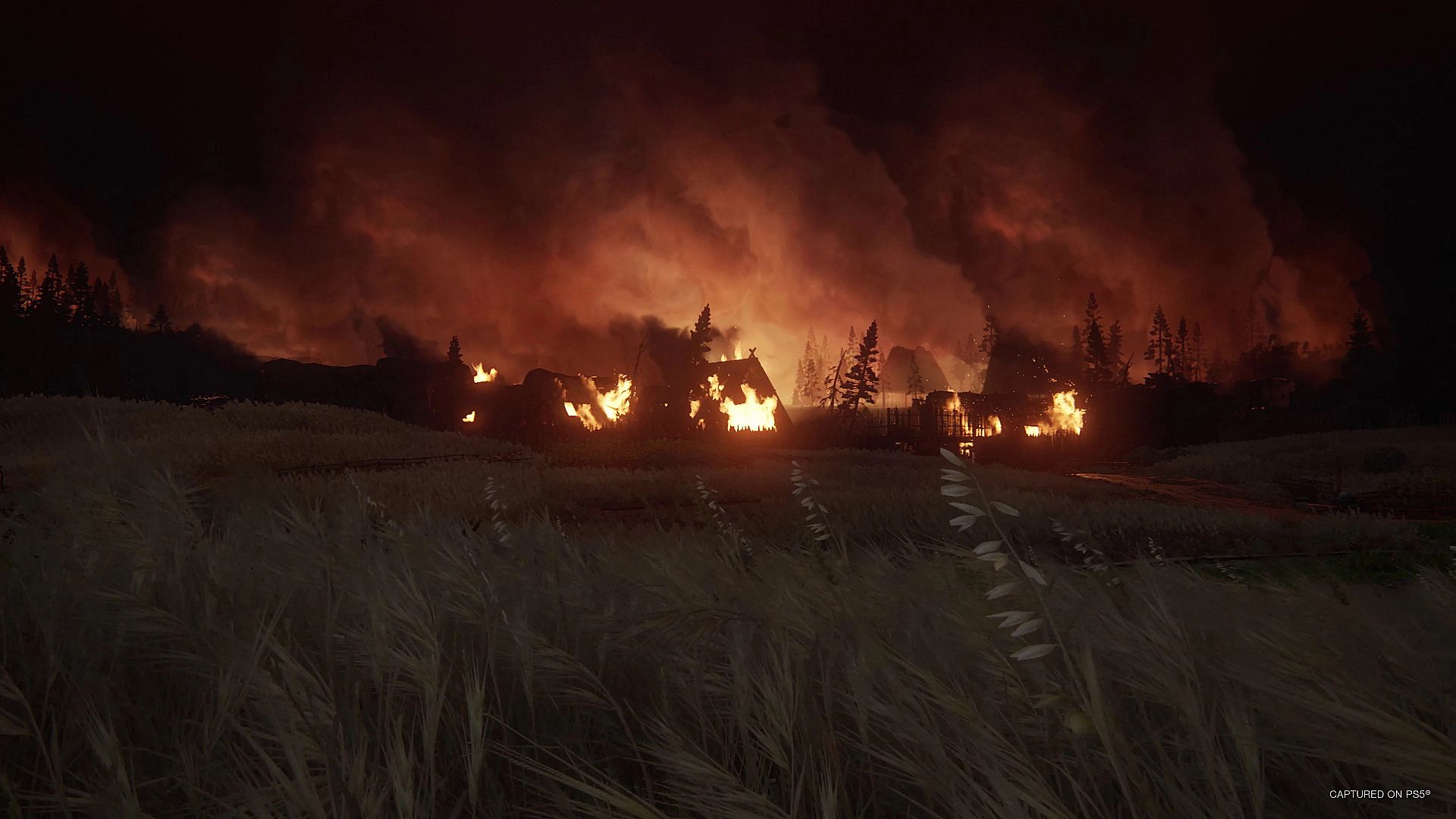







The Last of Us Part II é um jogo de ação e aventura em modo single-player que mistura elementos de survival horror. O jogador explora um mundo pós-apocalíptico habitado por criaturas infectadas e facções humanas hostis, tendo de administrar recursos escassos e tomar decisões táticas tanto no combate quanto na exploração.
Gameplay
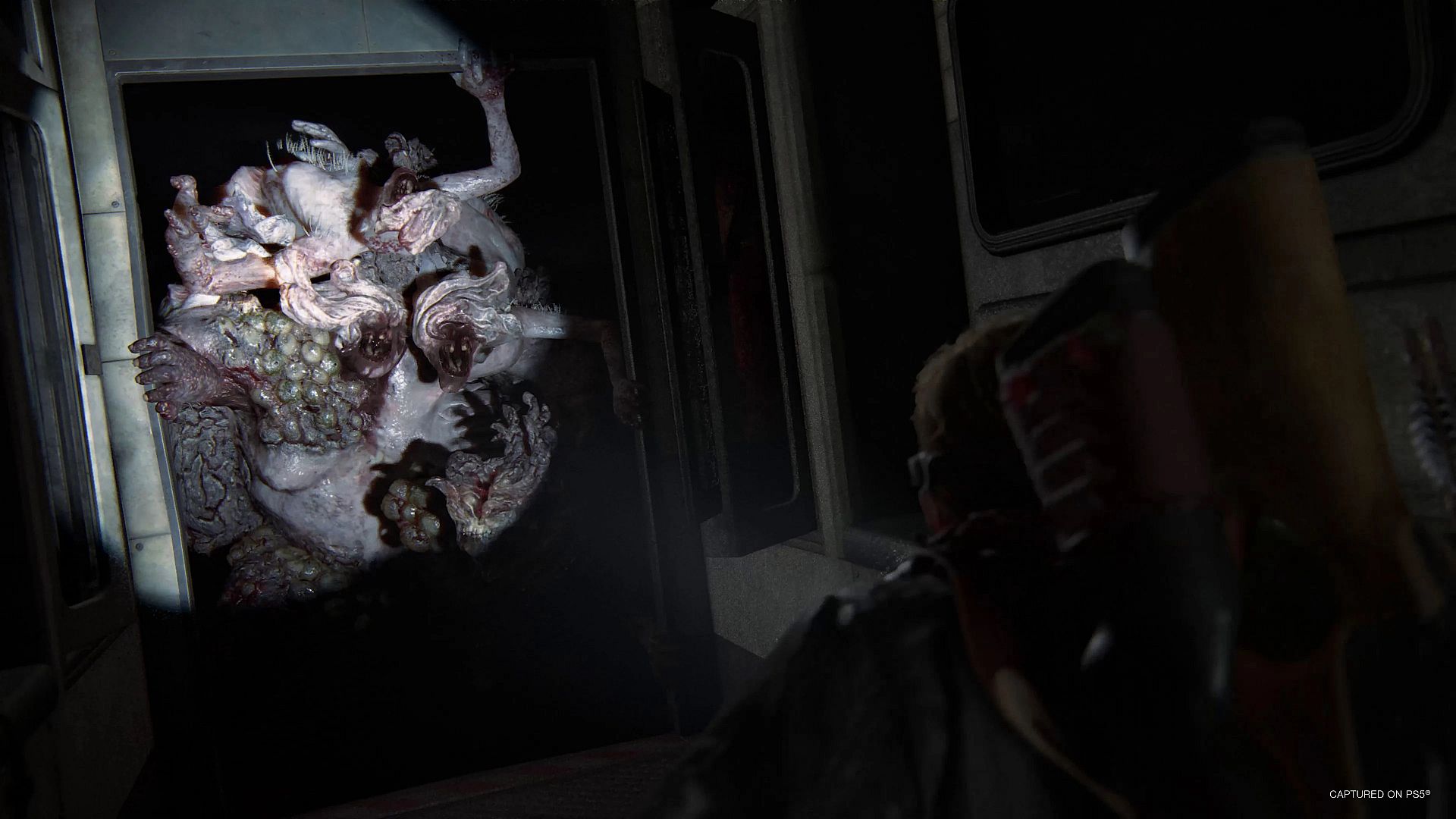
O combate combina furtividade com confronto direto. É possível usar armas de fogo, arcos, armas improvisadas como canos ou garrafas e perigos do ambiente para eliminar ameaças. Um sistema de cobertura permite agachar-se ou deitar-se para evitar detecção, enquanto o Modo Escuta destaca inimigos próximos através de paredes e obstáculos. A IA reage de forma dinâmica, buscando proteção, chamando reforços ou aproveitando distrações do jogador. Cães de guarda acrescentam um desafio extra ao rastrear trilhas de cheiro que aparecem no Modo Escuta.
A locomoção inclui mecânicas de plataforma: os personagens escalam, saltam entre vãos, usam cordas para subir ou balançar entre pontos e quebram vidros para acessar novas áreas ou recolher suprimentos. Algumas sequências permitem montar a cavalo ou em barcos por ambientes maiores. A gestão de recursos continua essencial, com a criação de itens como kits de saúde ou estiletes a partir de materiais recolhidos. Os níveis de dificuldade vão desde Muito Leve, que prioriza a história com recursos de assistência, até Grounded, que remove grande parte dos auxílios e limita severamente os recursos. Opções personalizadas permitem ajustar elementos específicos, como assistência de mira ou percepção dos inimigos.
A alternância entre as protagonistas Ellie e Abby altera as ferramentas e estilos de jogo disponíveis. Ellie privilegia agilidade e ferramentas de furtividade, enquanto Abby destaca-se pela força em combates corpo a corpo. Companheiros podem ajudar ocasionalmente, marcando alvos ou eliminando ameaças.
Modos de Jogo
A experiência principal segue uma campanha narrativa linear dividida em capítulos que alternam perspectivas. A exploração oferece colecionáveis opcionais e histórias secundárias que aprofundam os personagens e o mundo sem alterar o caminho principal.
No Return é o principal modo adicional. Trata-se de uma experiência de sobrevivência roguelike com sequências aleatórias de encontros baseadas em locais da campanha. O jogador escolhe caminhos entre diferentes tipos de desafio, como ondas de Assault, objetivos de Capture para garantir suprimentos em cofres vigiados, temporizadores de Hunted contra reforços constantes e defesas de Holdout ao lado de um companheiro controlado por IA contra enxames de infectados. Cada tentativa culmina num confronto contra um chefe. Personagens desbloqueáveis trazem características próprias, como o acesso de Bill a uma espingarda de bomba personalizada e resistência em combate corpo a corpo, ou o rifle de assalto personalizado de Marlene e a capacidade de alterar rotas uma vez por tentativa. Modificadores e gambits variam ainda mais as partidas, e atualizações recentes adicionaram novos mapas e personagens para aumentar a variedade.
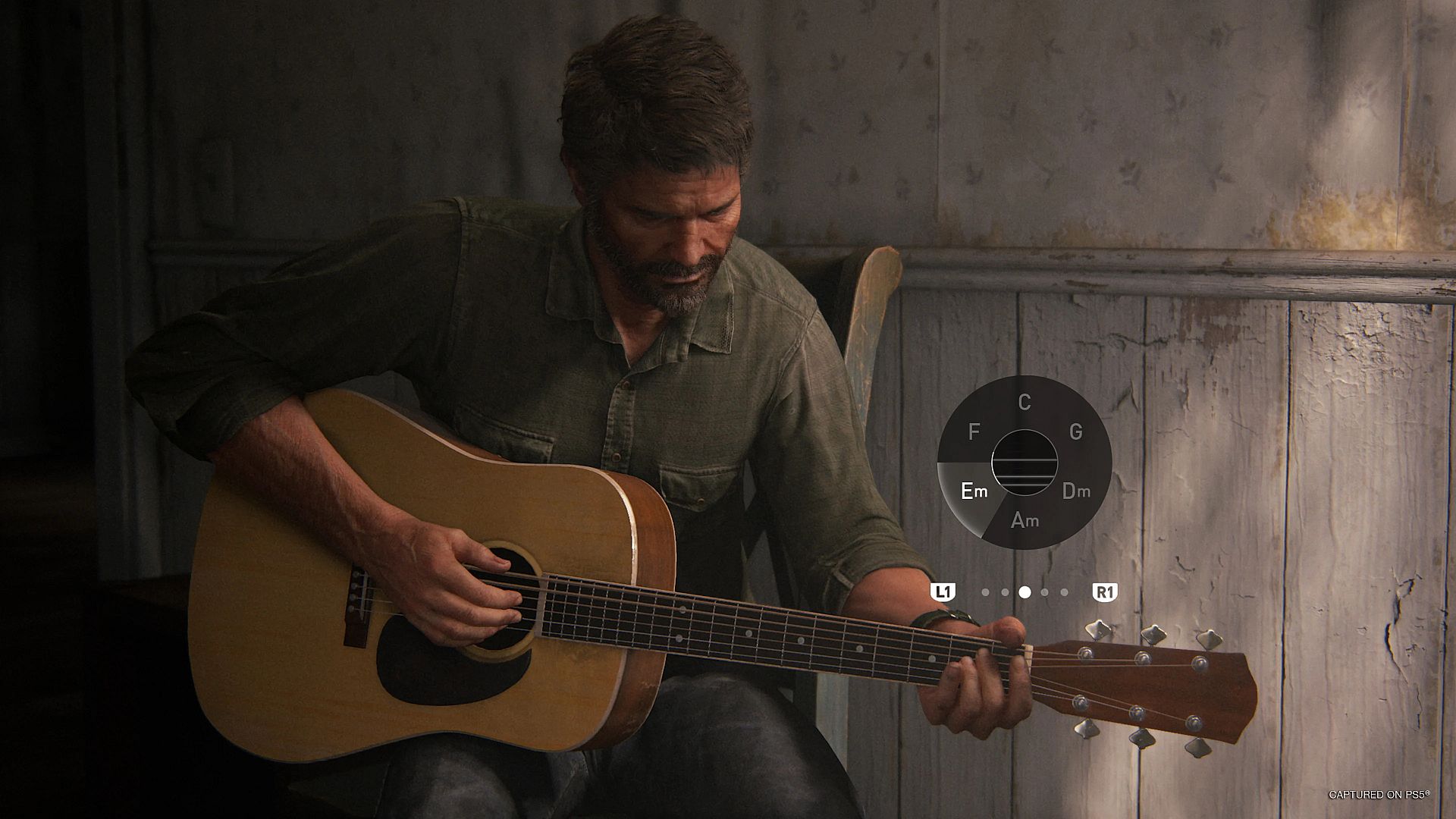
A versão remasterizada inclui ainda Lost Levels com versões iniciais de algumas áreas, Guitar Free Play para praticar o instrumento e Speedrun Mode para desafios cronometrados após desbloqueio.
Recursos Técnicos e de Acessibilidade
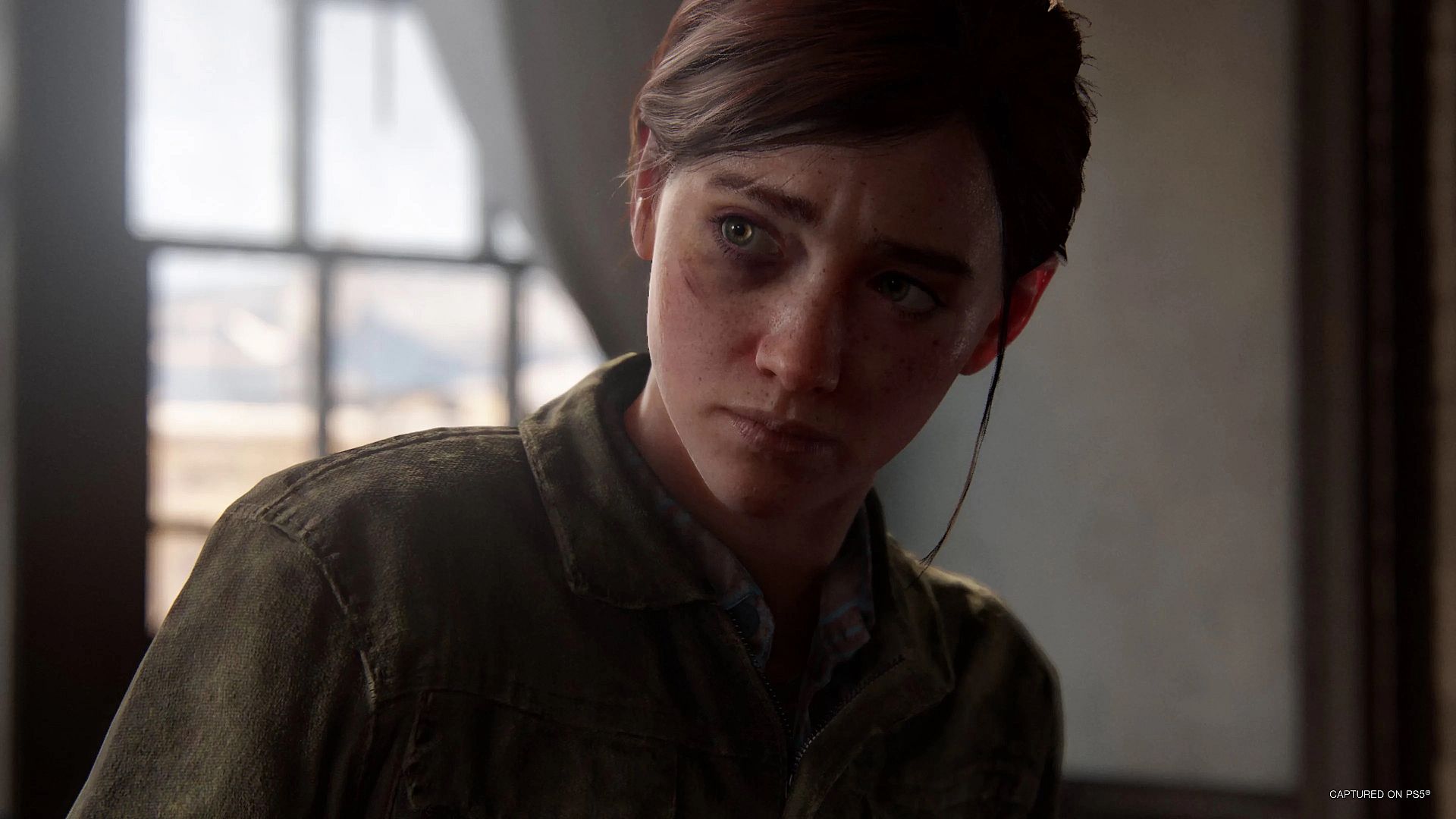
O remaster para PS5 traz melhorias nativas, como saída em 4K no Fidelity Mode, tempos de carregamento mais rápidos e suporte completo ao DualSense com feedback háptico e gatilhos adaptativos. Refinamentos gráficos melhoram a iluminação, texturas e fidelidade geral nos ambientes hostis. Entre os recursos de acessibilidade estão o Áudio Descritivo para idiomas suportados e Speech to Vibrations, que converte diálogos falados em feedback no controle. Novas skins desbloqueáveis para personagens e armas permitem personalização visual sem alterar a mecânica.
Faixas de comentários dos criadores oferecem informações durante as partidas, e o histórico de atualizações inclui correções de equilíbrio e adição de conteúdo como mapas extras e figuras jogáveis de entradas anteriores da série.
Vale a Pena Jogar?
Quem procura uma narrativa single-player focada, com combates tensos baseados em recursos e escolhas significativas de abordagem, encontrará grande valor aqui. A edição remasterizada reúne a campanha original com opções de replay expandidas através de No Return e conteúdo por trás das câmeras, tornando-a o pacote mais completo disponível no PS5. A crítica destacou os sistemas de gameplay refinados e a apresentação técnica, enquanto as respostas do público variam conforme as reações individuais aos arcos dos personagens e aos temas. O suporte contínuo por meio de patches mantém o modo roguelike atualizado com novos personagens e mapas. Quem aprecia ritmo deliberado, encontros de alto risco e exploração num cenário hostil tende a voltar para múltiplas partidas, especialmente em dificuldades mais altas ou em No Return para desafios procedurais. A disponibilidade tanto no PS4 quanto no PS5 amplia o acesso, embora a versão aprimorada maximize a experiência.