











The Last Few is a strategy simulation game set during a zombie apocalypse. Players take on the role of the chief of a survivor base, relying on a walkie-talkie as the primary tool for directing operations across an urban environment.
Gameplay
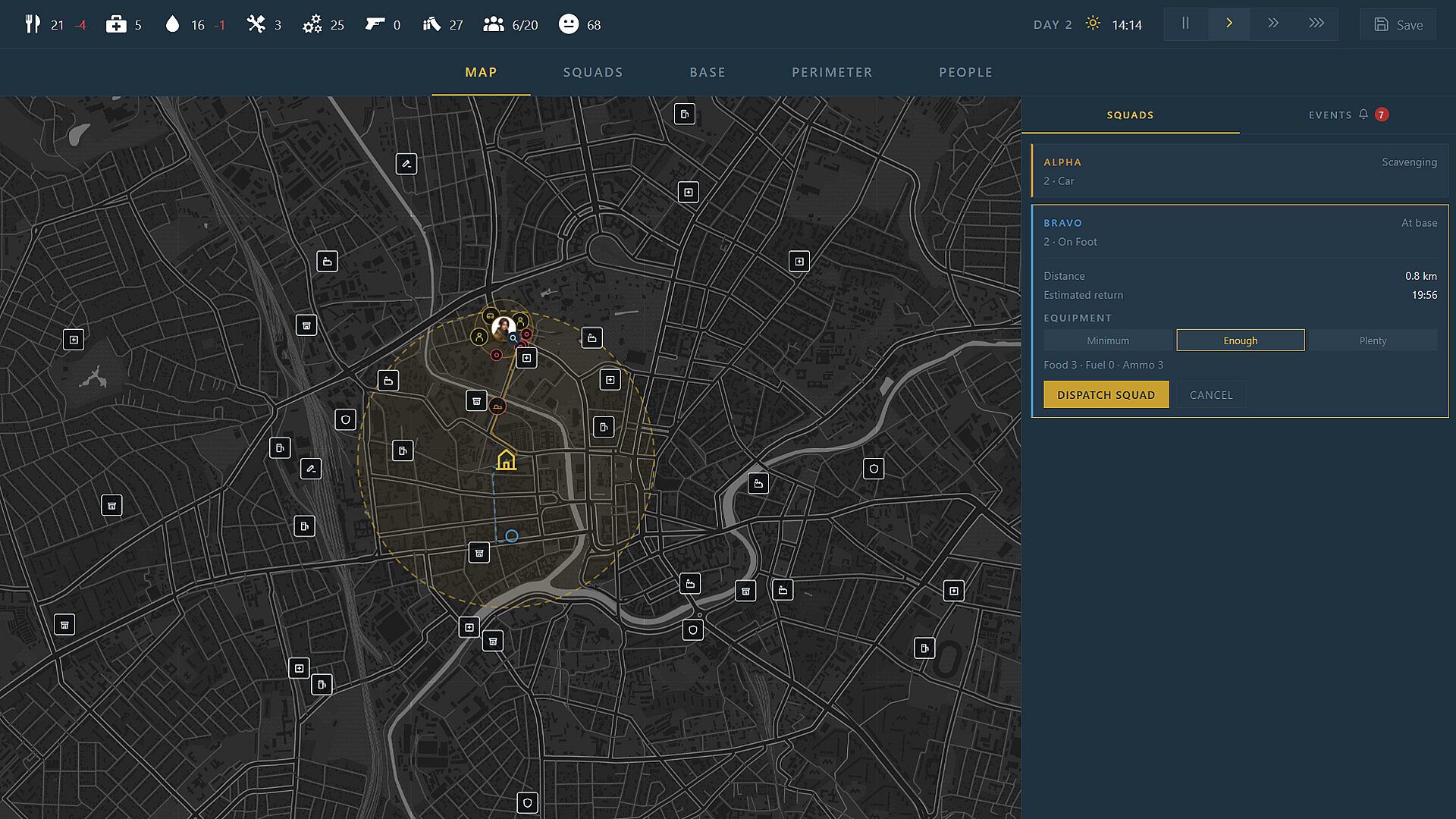
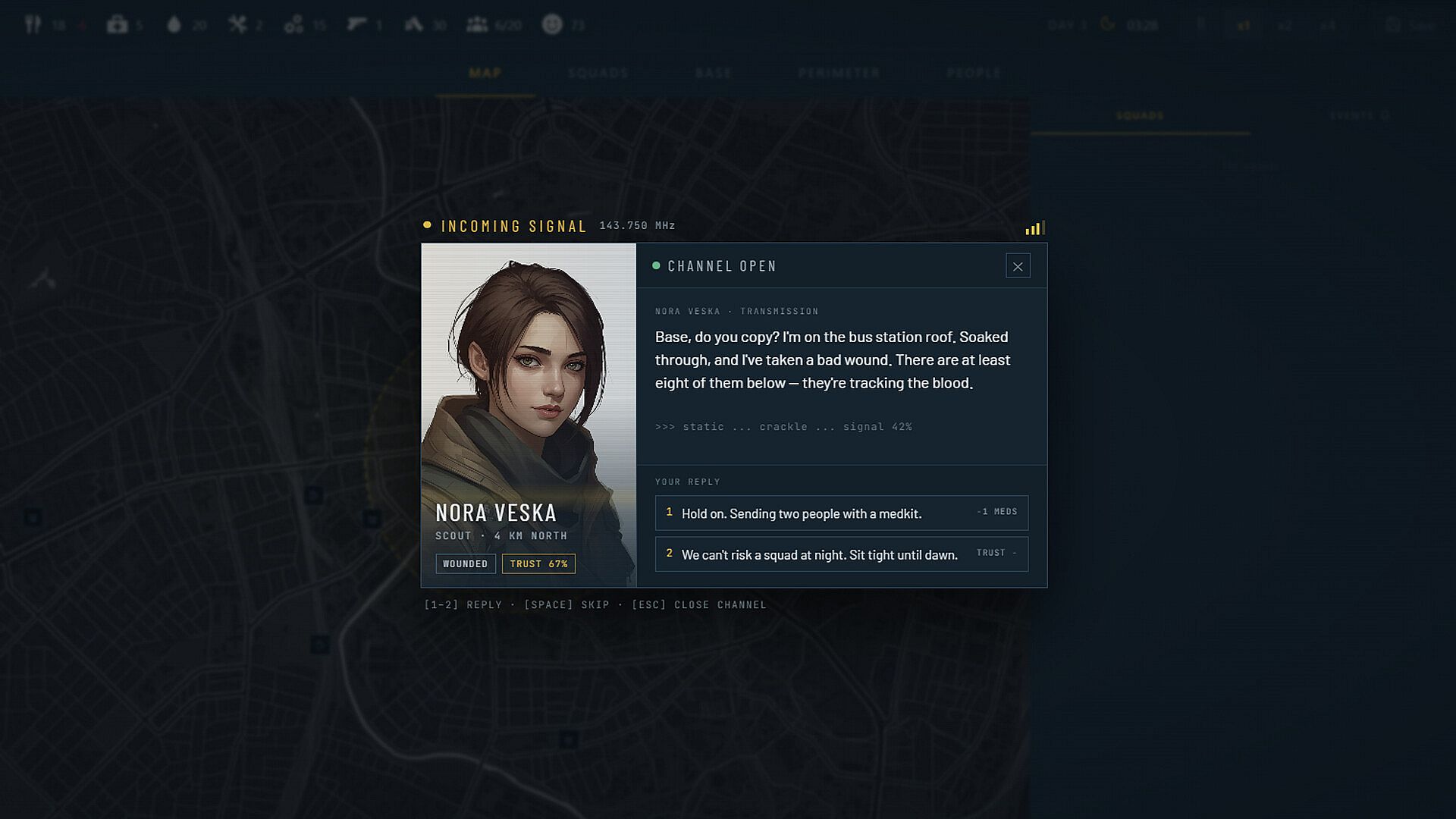
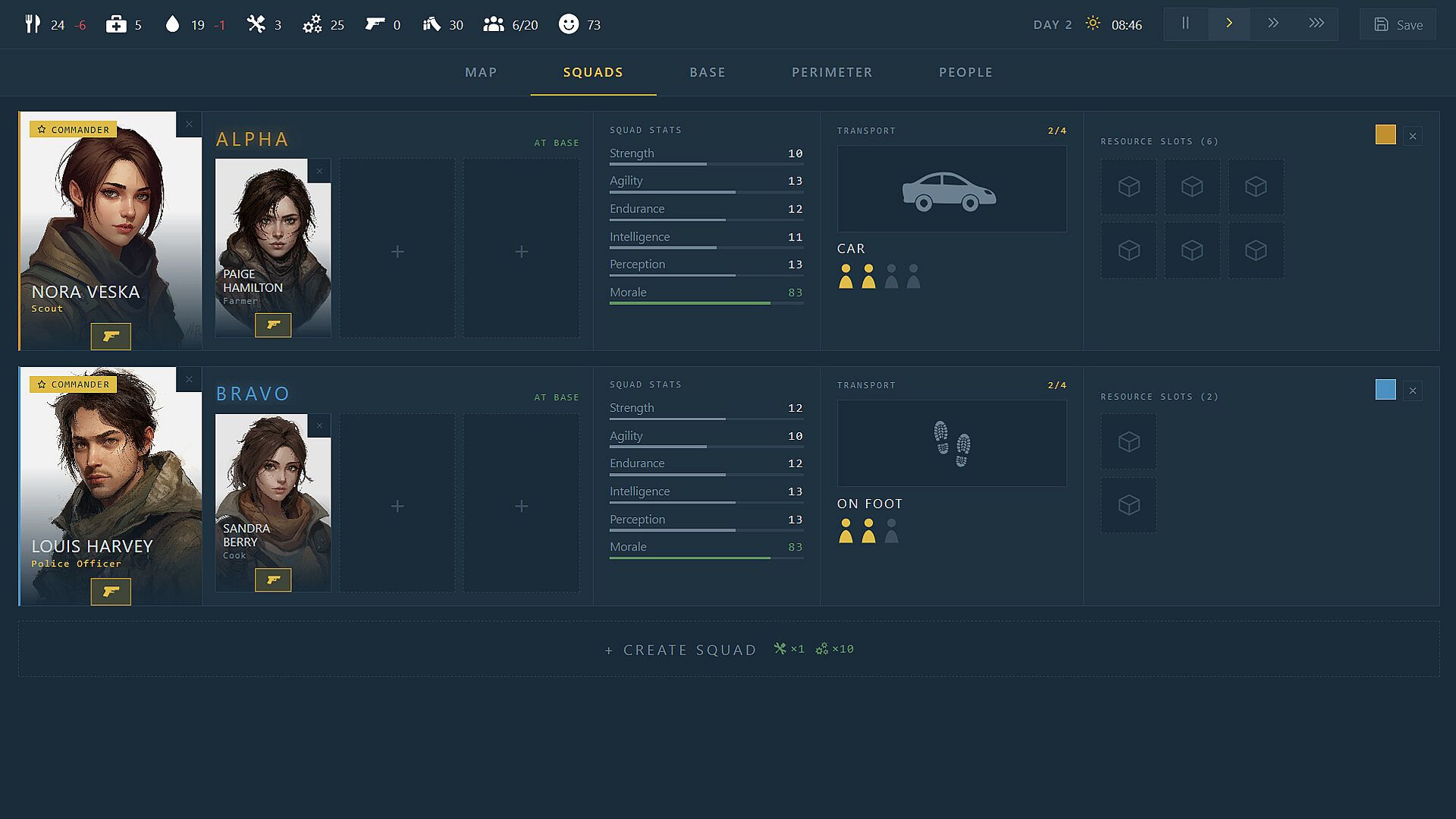
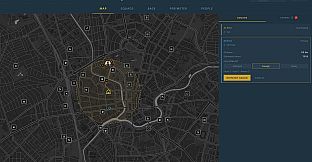
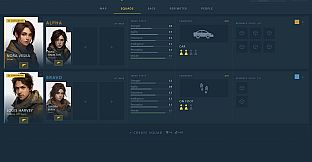
The core loop centers on sending squads of survivors on missions through a detailed city map that incorporates real streets, buildings, and obstacles. Within the walkie-talkie signal range, full control is possible, allowing precise commands for movement and actions. Once squads move beyond the communication zone, the squad leader operates independently based on experience and morale levels. This creates tension around decisions that affect outcomes in unpredictable ways.
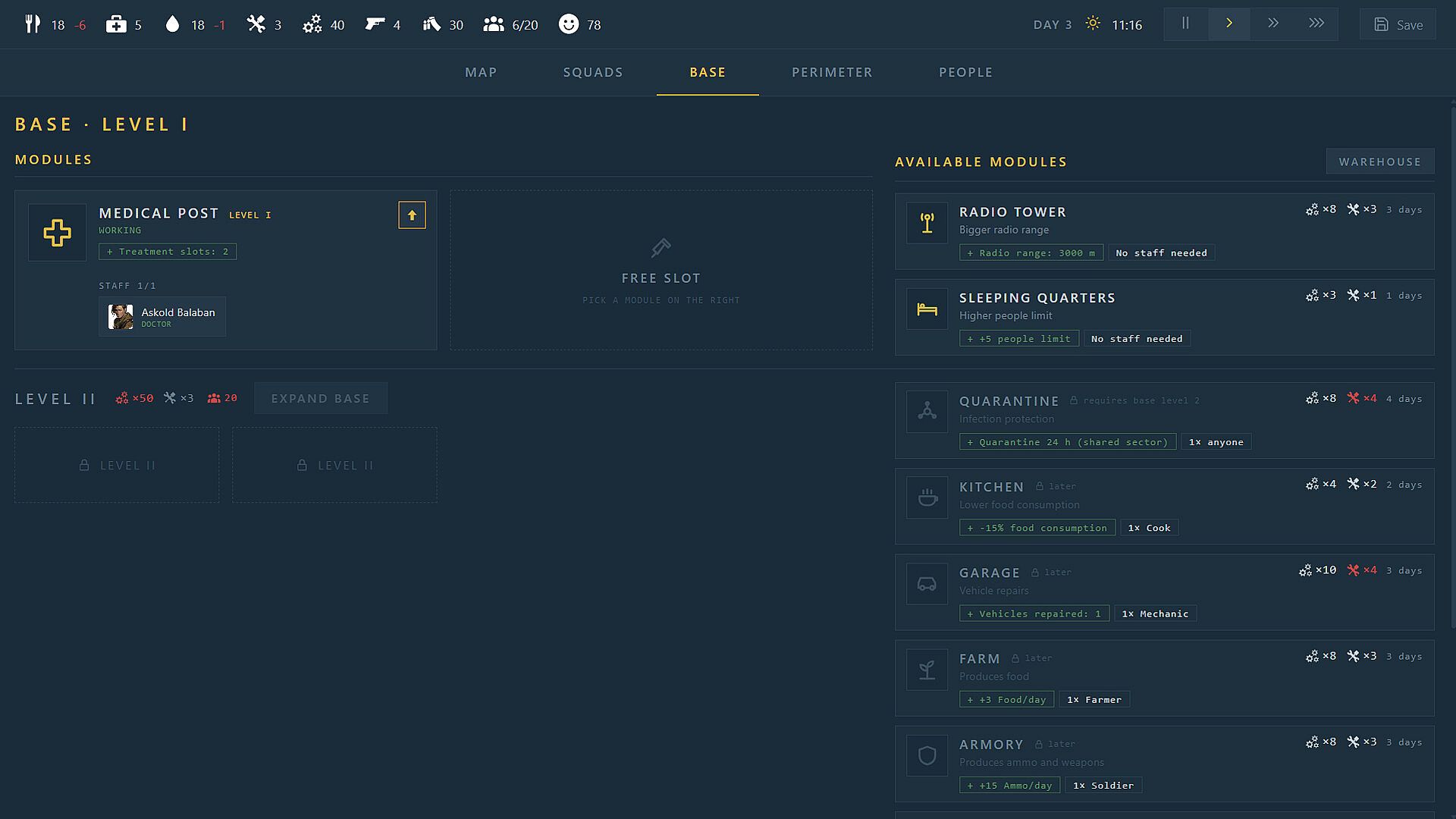
Base management forms another key pillar. Players construct modules to expand capabilities, fortify the perimeter against external threats, and allocate limited resources carefully. Threats include roaming zombie hordes, marauder camps, outbreaks of disease, and shortages of food. Exploration of key sites such as supermarkets, hospitals, and police stations yields both valuable supplies and additional risks. Every choice carries consequences, from rejecting potential recruits that lowers overall morale to launching nighttime operations that heighten danger for the entire group.
Game Modes
The experience revolves around a single-player campaign focused on sustaining the base over time. Sessions involve planning sorties, monitoring limited radio contact, and responding to emerging crises on the map. The system emphasizes strategic oversight rather than direct combat, with the unknown elements outside radio range introducing variability in how missions unfold.
Progression ties directly to base expansion and resource handling, where players balance immediate survival needs against long-term development. The requirement for an internet connection supports loading free maps of actual city layouts, enhancing the sense of operating in a tangible environment.
Key Mechanics and Features
Walkie-talkie control defines the unique tension in operations. Squads remain fully responsive inside the signal area but shift to autonomous behavior farther out, testing the leader's preparedness and mental state. Base modules provide specialized functions that support defense and resource processing, while external dangers demand constant vigilance.
Location exploration rewards careful planning with opportunities to gather gear and intelligence, yet each site presents its own hazards. Resource scarcity forces trade-offs, and internal issues like infection can escalate rapidly without timely countermeasures such as quarantine facilities.
Is It Worth Playing?
This title suits players who enjoy deliberate strategy and simulation elements with layers of uncertainty. The focus on indirect command through limited communication channels offers a distinct approach to base defense and scavenging in a zombie setting. As the first project from a small development team, it appeals to those interested in supporting indie efforts that prioritize thoughtful mechanics over spectacle. Availability on PC makes it accessible for those drawn to management sims that incorporate exploration and risk assessment.