




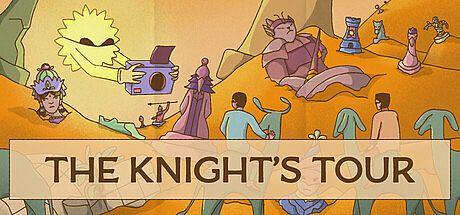


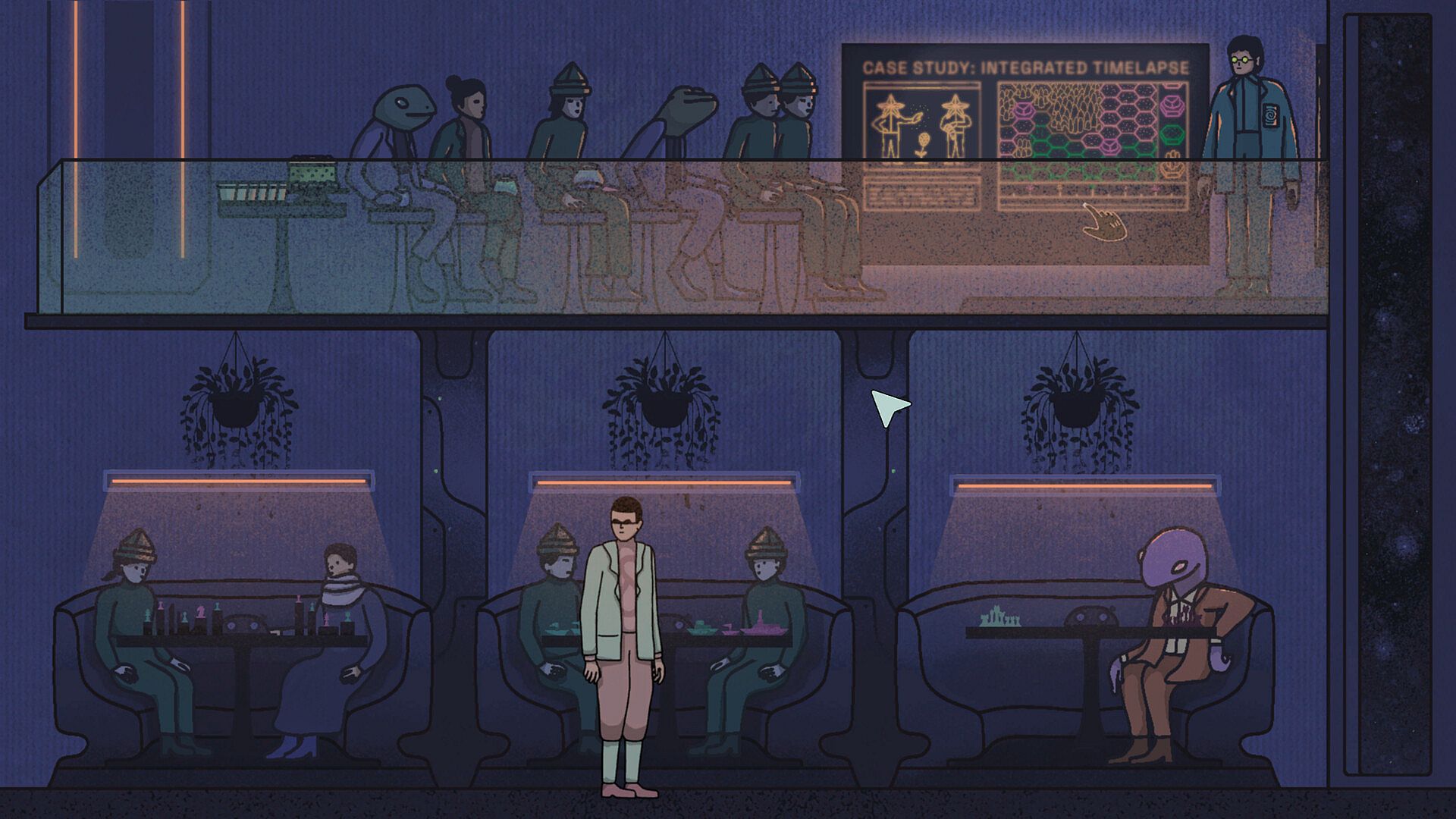
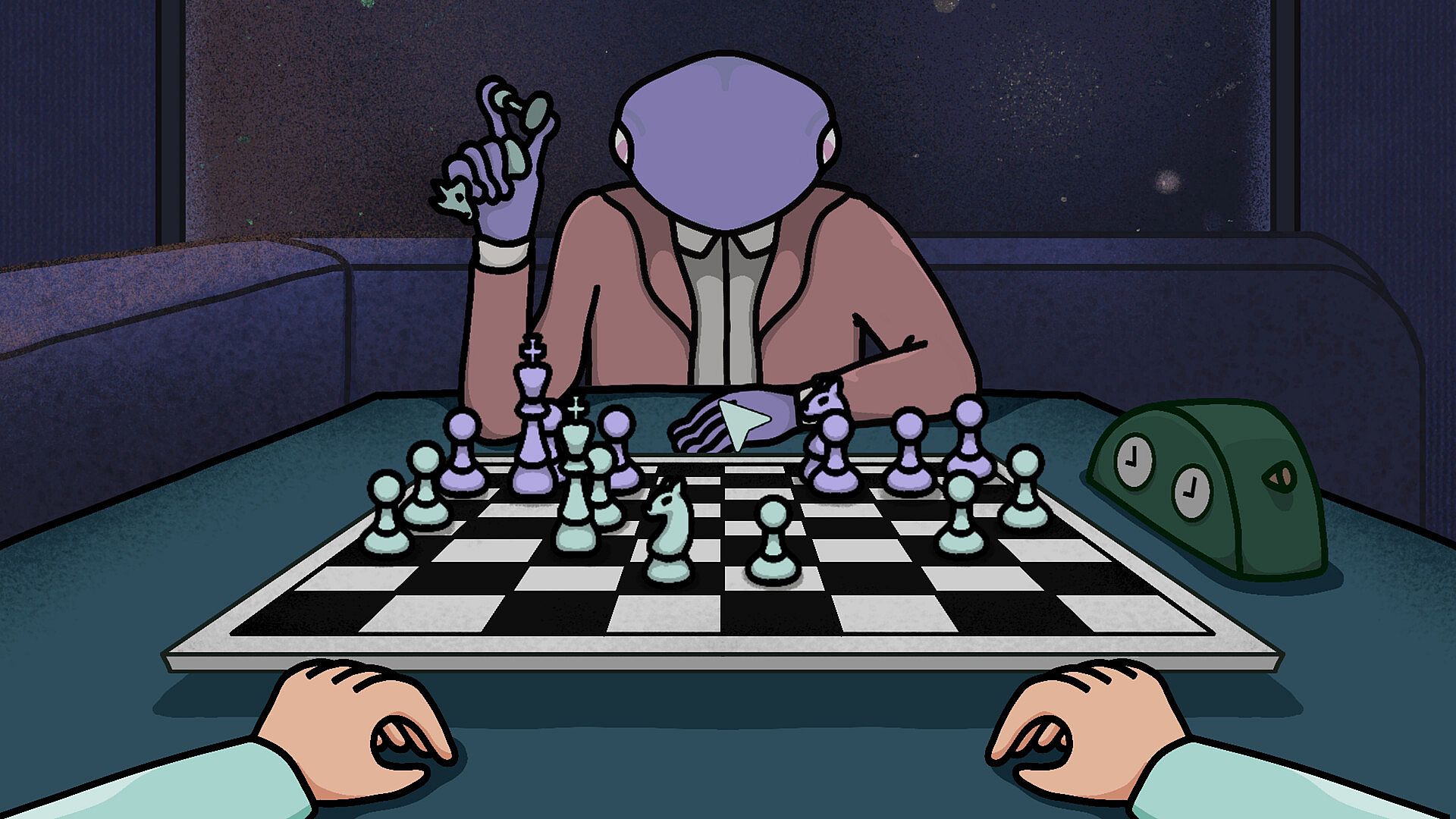
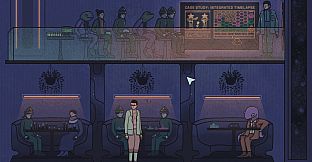
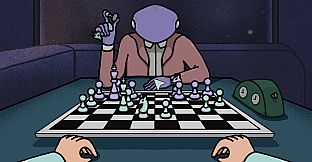
The Knight's Tour is an indie logic puzzle game for PC that reimagines the rigid rules of chess as a starting point for creative experimentation. Players engage with a series of variant board games born from deliberate alterations to the classic chess framework, turning precise mechanics into flexible systems open to unusual interpretations.
Gameplay
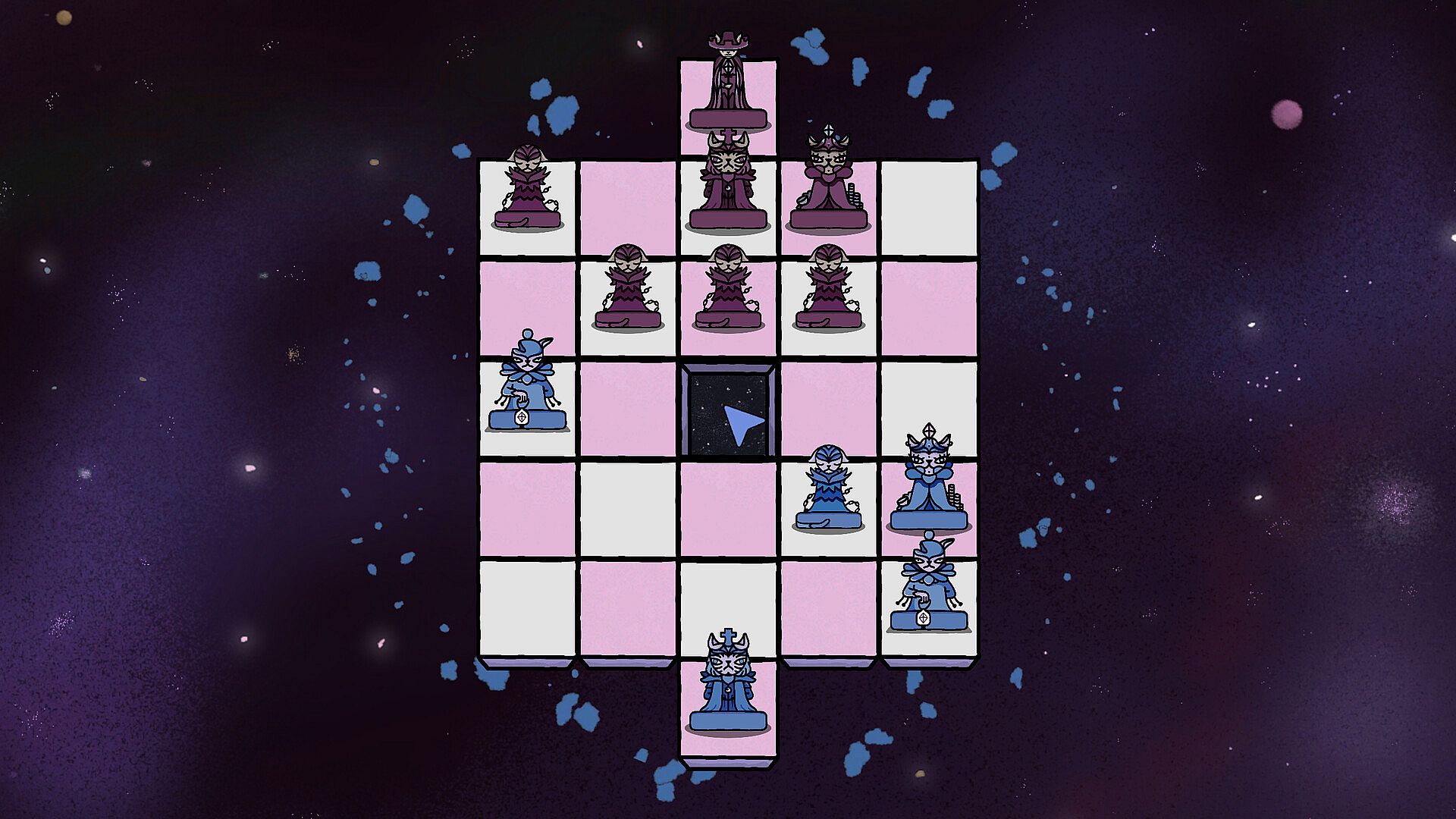
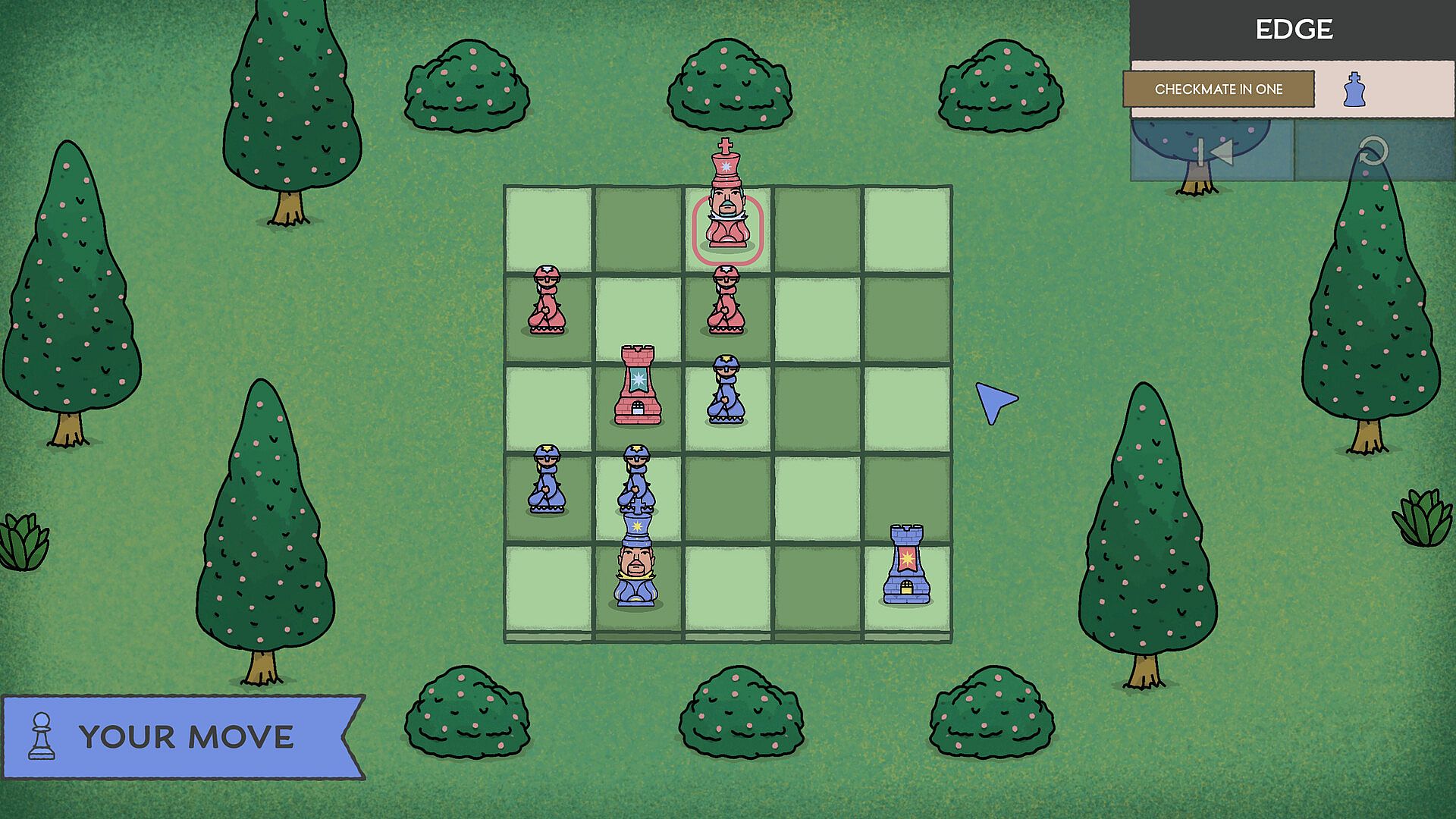
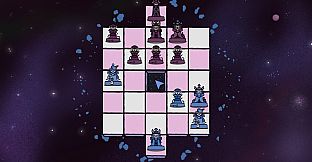
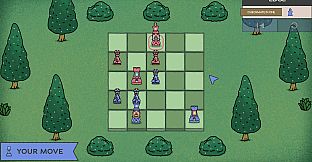
The core loop centers on exploring altered chess environments where standard movement and victory conditions shift in response to new constraints. A player begins with familiar elements such as the knight or rook and then encounters modifications that change how pieces interact with the board. These changes range from adjustments to board geometry to the addition of entirely new piece behaviors, each creating a self-contained ruleset that must be understood through direct interaction.
Progression involves testing these altered systems one after another, observing how small rule tweaks produce different strategic possibilities. The experience emphasizes careful observation rather than speed, as each variant demands attention to its internal logic before patterns become clear. No prior chess expertise is required, since the game presents each setup with enough context to reveal its unique constraints through play.
Game Modes
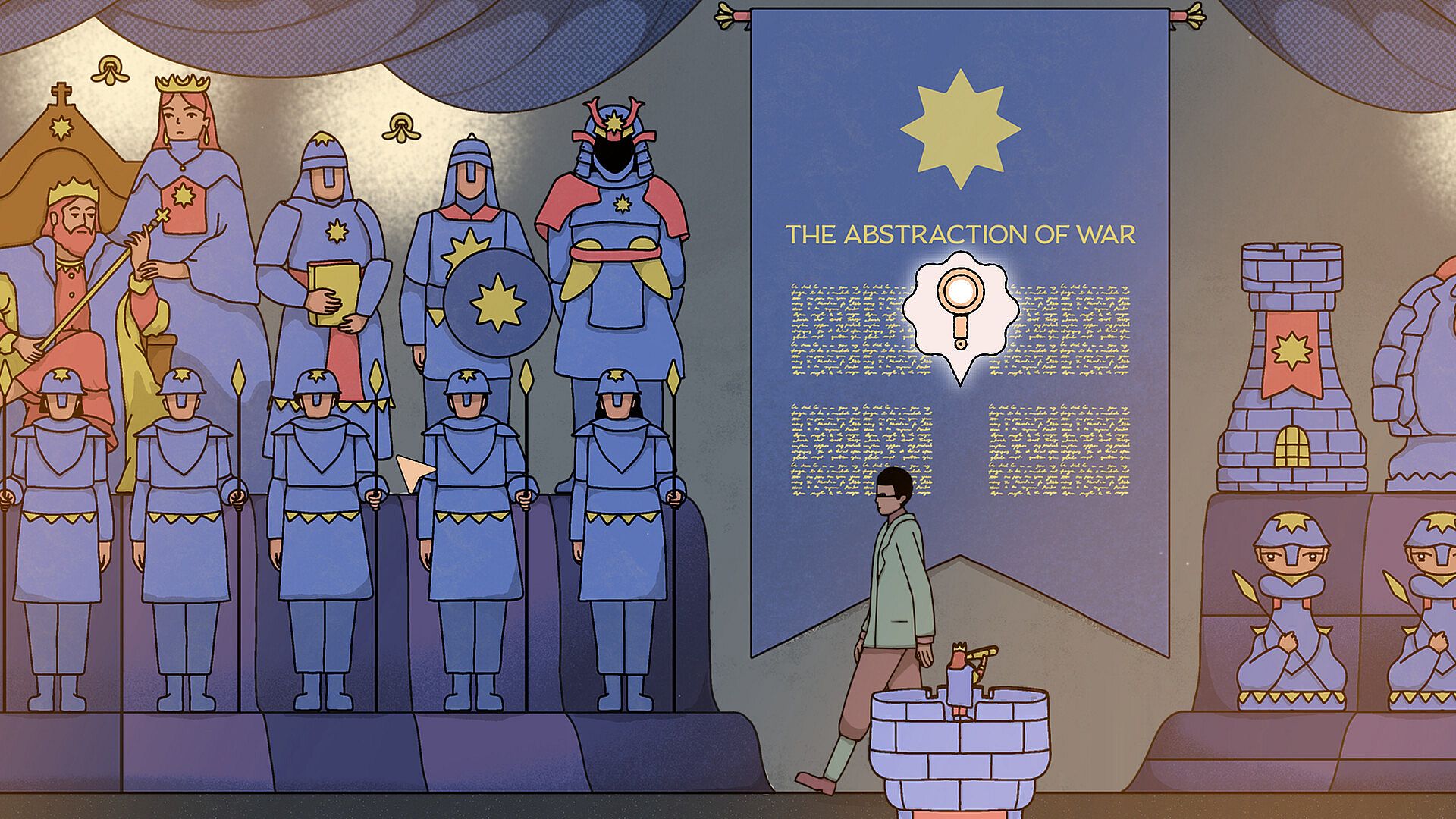
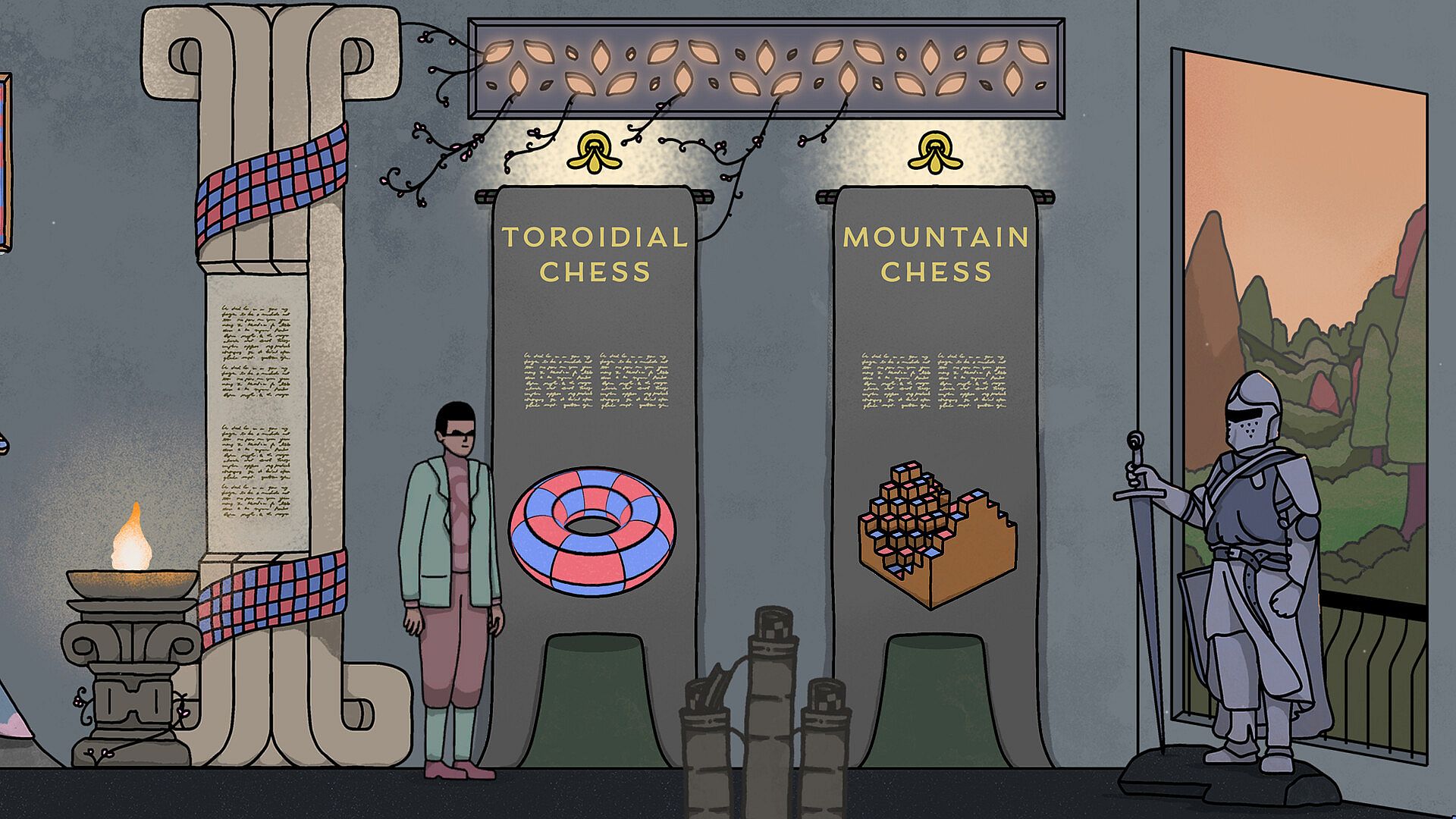
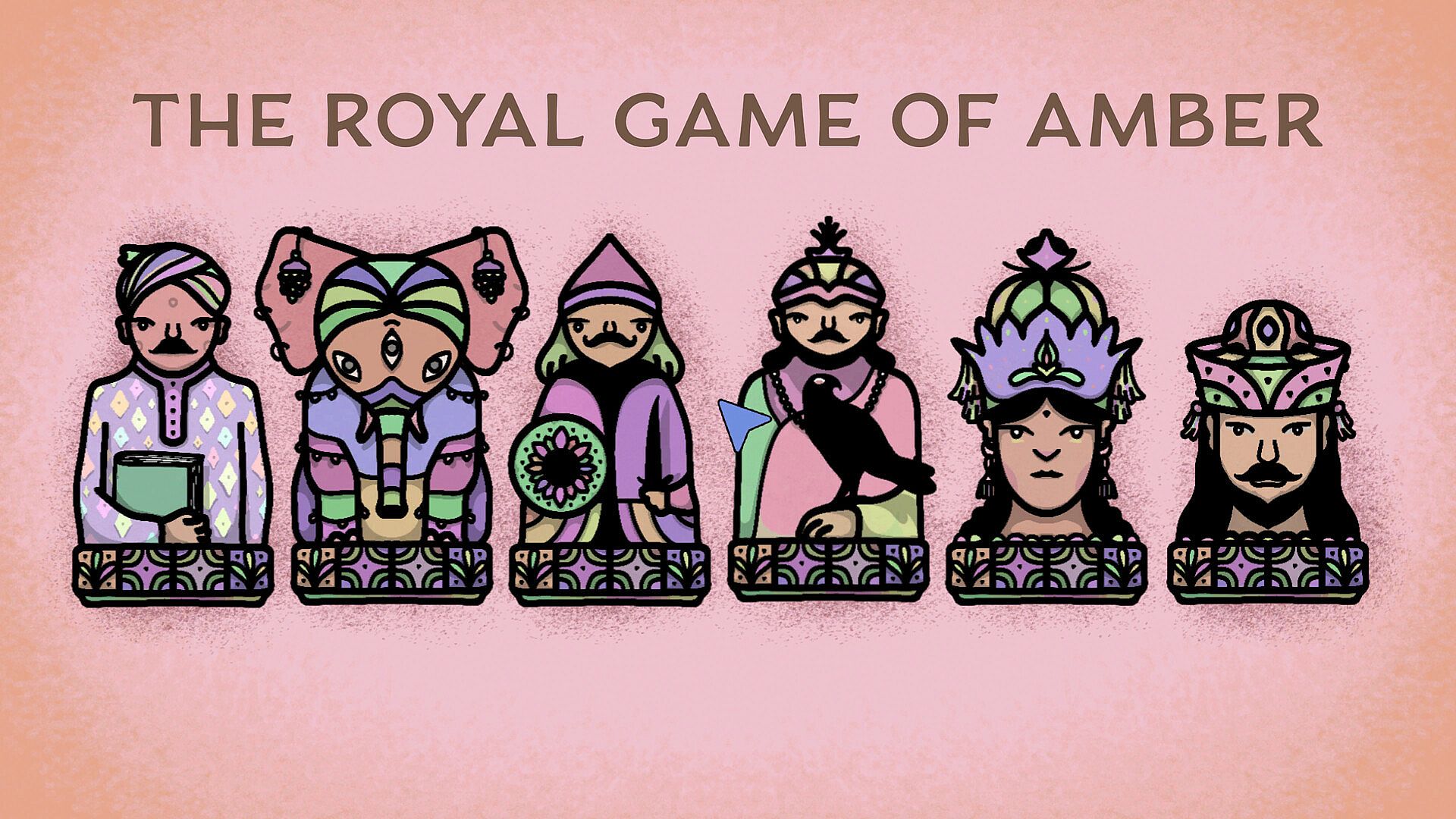
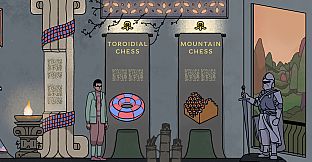
The game organizes its variants into thematic groupings that highlight particular kinds of rule changes. One grouping focuses on modifications to board shape and connectivity, producing environments where movement paths behave differently than on a standard grid. Another collects variants that introduce new piece types capable of actions outside traditional chess movement, such as ranged attacks or protective carries.
Additional groupings explore changes to end conditions or turn structures, allowing victory to depend on factors other than checkmate or permitting asymmetric turn limits between participants. Each grouping functions as a separate area of discovery, encouraging players to sample variants according to the type of alteration that interests them most.
Variant Design and Exploration
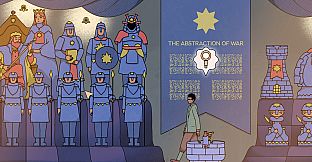
Every variant functions as a contained experiment in rule revision. The knight might gain extended reach, rooks could move along new angles, or entirely invented pieces could appear with abilities like carrying other units or traversing altered terrain features such as rivers. Boards themselves may wrap around their edges or adopt non-rectangular forms, forcing players to reconsider spatial relationships that feel automatic in standard chess.
The design treats these revisions as opportunities to catalog responses rather than as competitive challenges. Players examine how the original chess ruleset adapts when one element is nudged, producing a range of playable systems that remain internally consistent even as they diverge from expectations. This approach turns each session into an exercise in understanding emergent behavior from limited changes.
Who the Game Appeals To
The experience suits players who enjoy methodical puzzle solving and abstract systems thinking. Those interested in chess variants or mathematical recreations will find familiar territory, while newcomers encounter accessible entry points that do not assume knowledge of opening theory or endgame tables. The single-player focus keeps attention on personal discovery rather than competition against others.
Because the game presents its content as a collection of self-contained experiments, sessions can be short or extended depending on how deeply a player wishes to examine any given variant. The structure supports repeated visits, as each grouping offers multiple examples that reward closer inspection over time.
Is It Worth Playing?
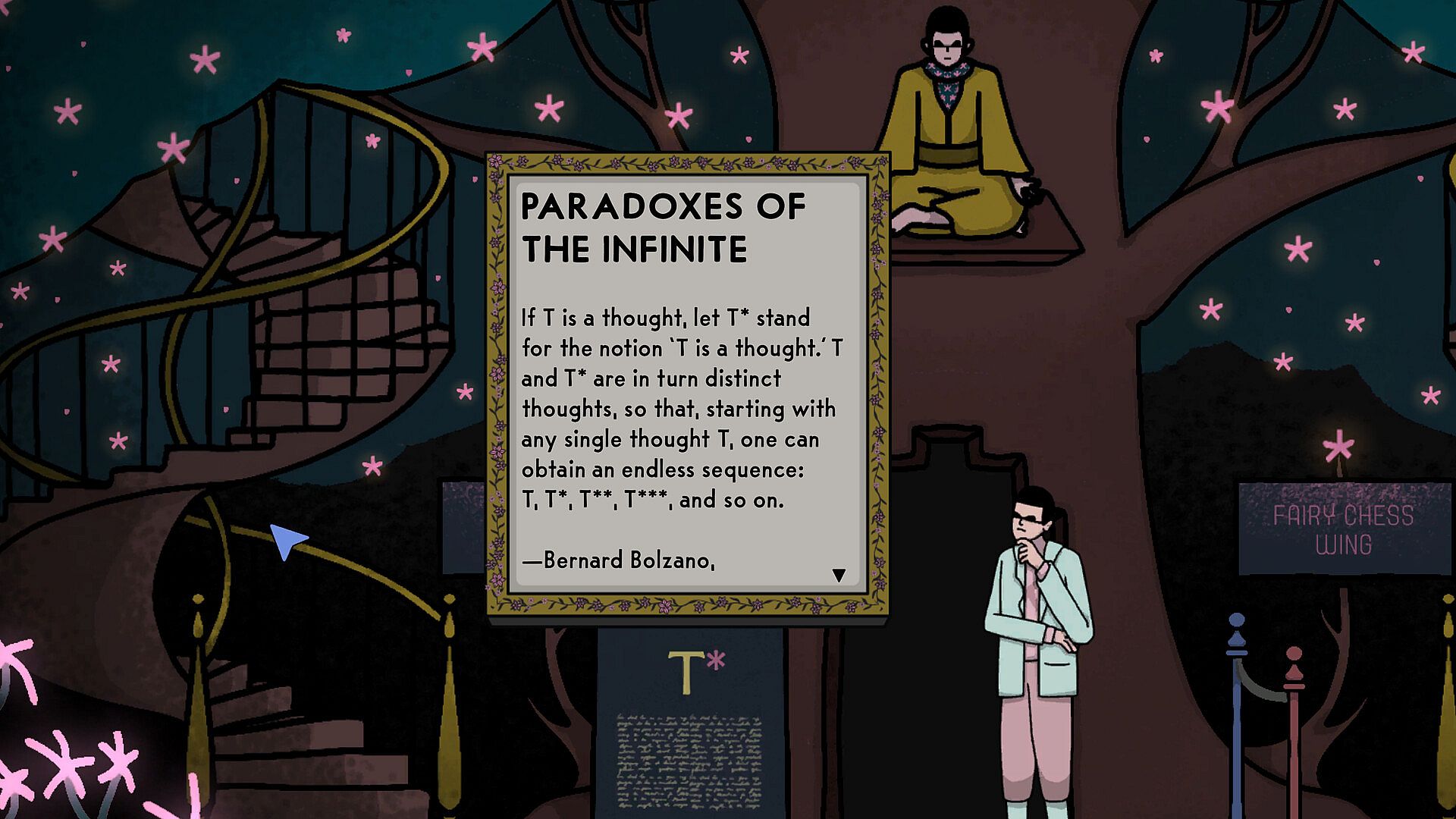
The game delivers a focused exploration of chess rule modifications without relying on external competition or progression systems. Its value lies in the clarity with which it demonstrates how small alterations produce distinct play patterns, making it suitable for anyone curious about the boundaries of familiar abstract games. Players who prefer structured experimentation over narrative or action elements will find the catalogue format rewarding, while those seeking conventional chess matches or multiplayer modes will encounter something narrower in scope. The current state remains consistent with its described purpose as a museum-like presentation of imaginary variants, with no additional layers of seasonal content or live updates altering the core offering.