




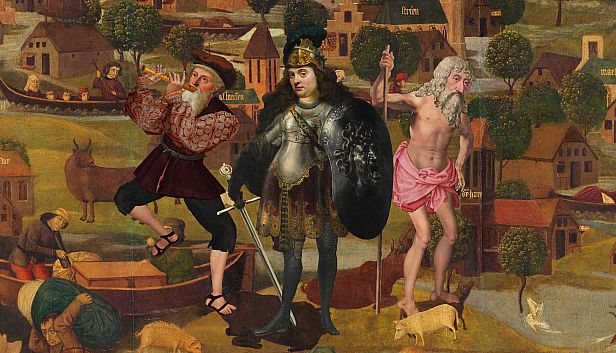


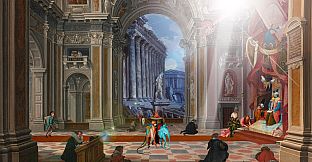
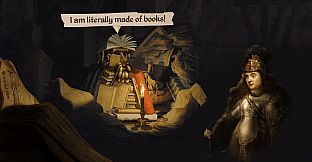
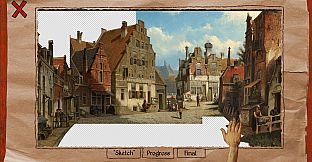
The Immortal John Triptych is a point-and-click adventure game anthology that collects three interconnected titles from developer Joe Richardson into a single package. Built entirely from Renaissance paintings and accompanied by classical music, the experience blends exploration, puzzle-solving, and dialogue across a world where everyday tasks quickly veer into the ridiculous. Players navigate sin, death, judgment, heaven, and hell through three distinct yet linked stories that emphasize absurd humor alongside sharper philosophical moments.
Gameplay
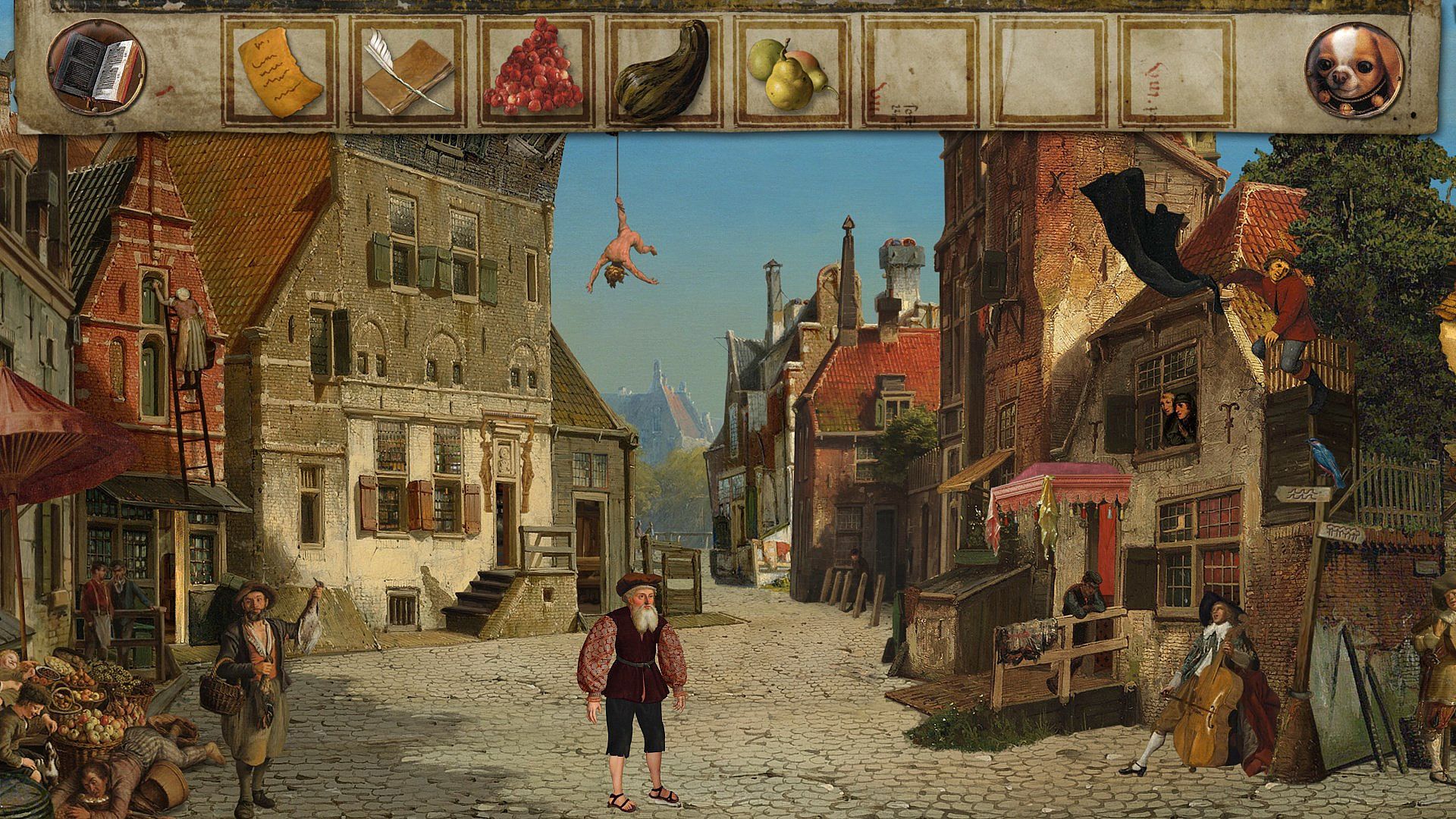
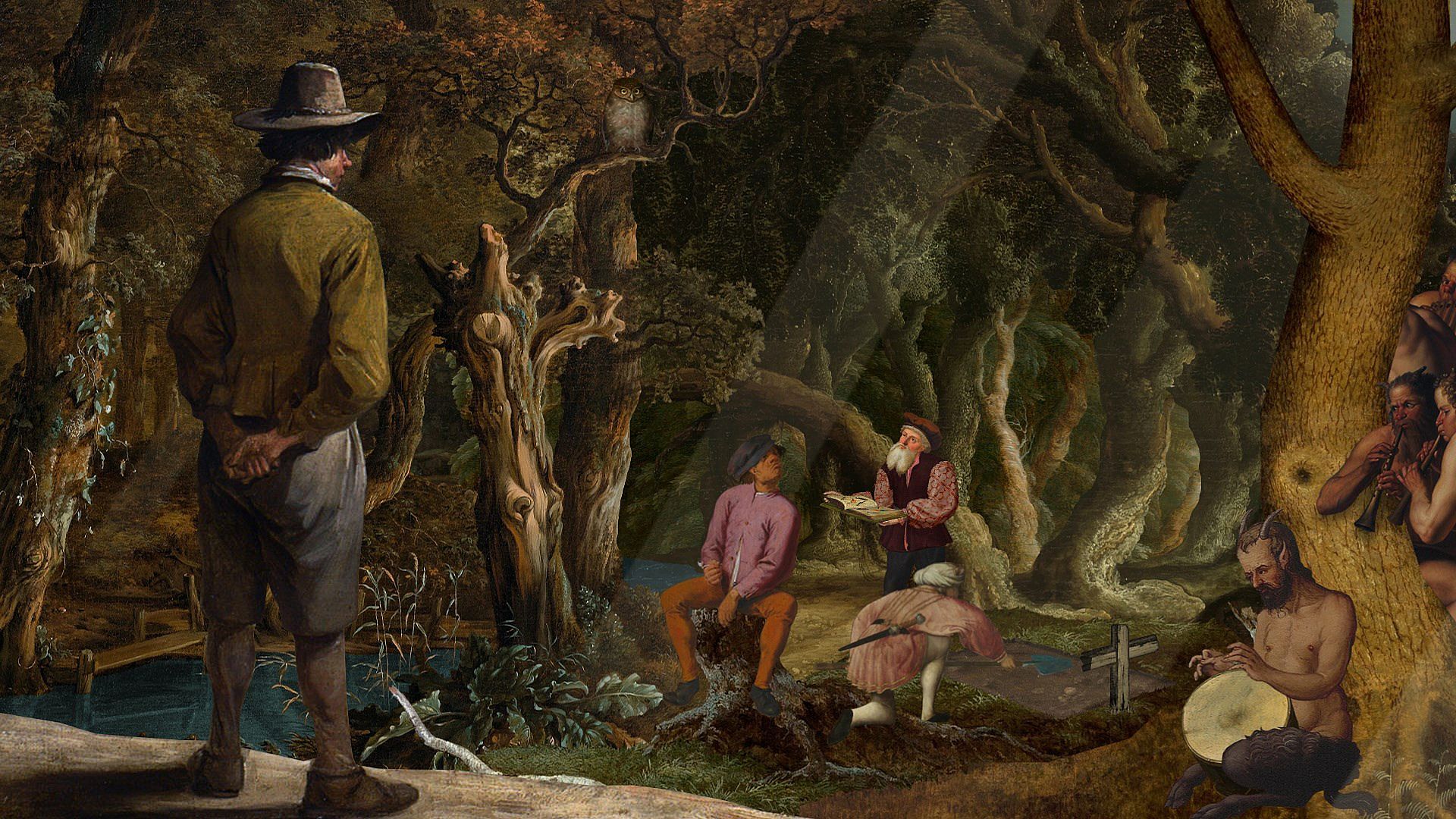
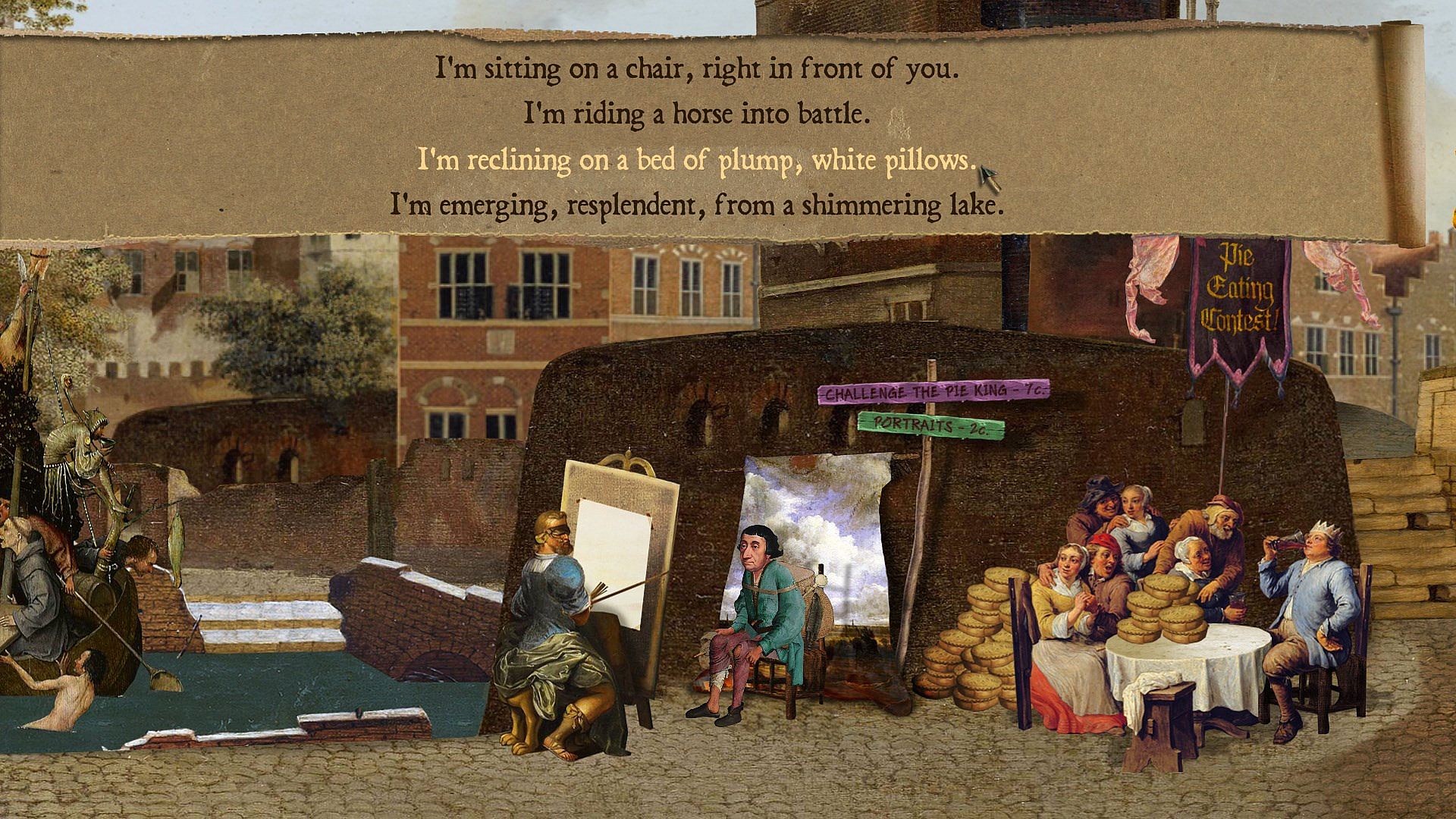
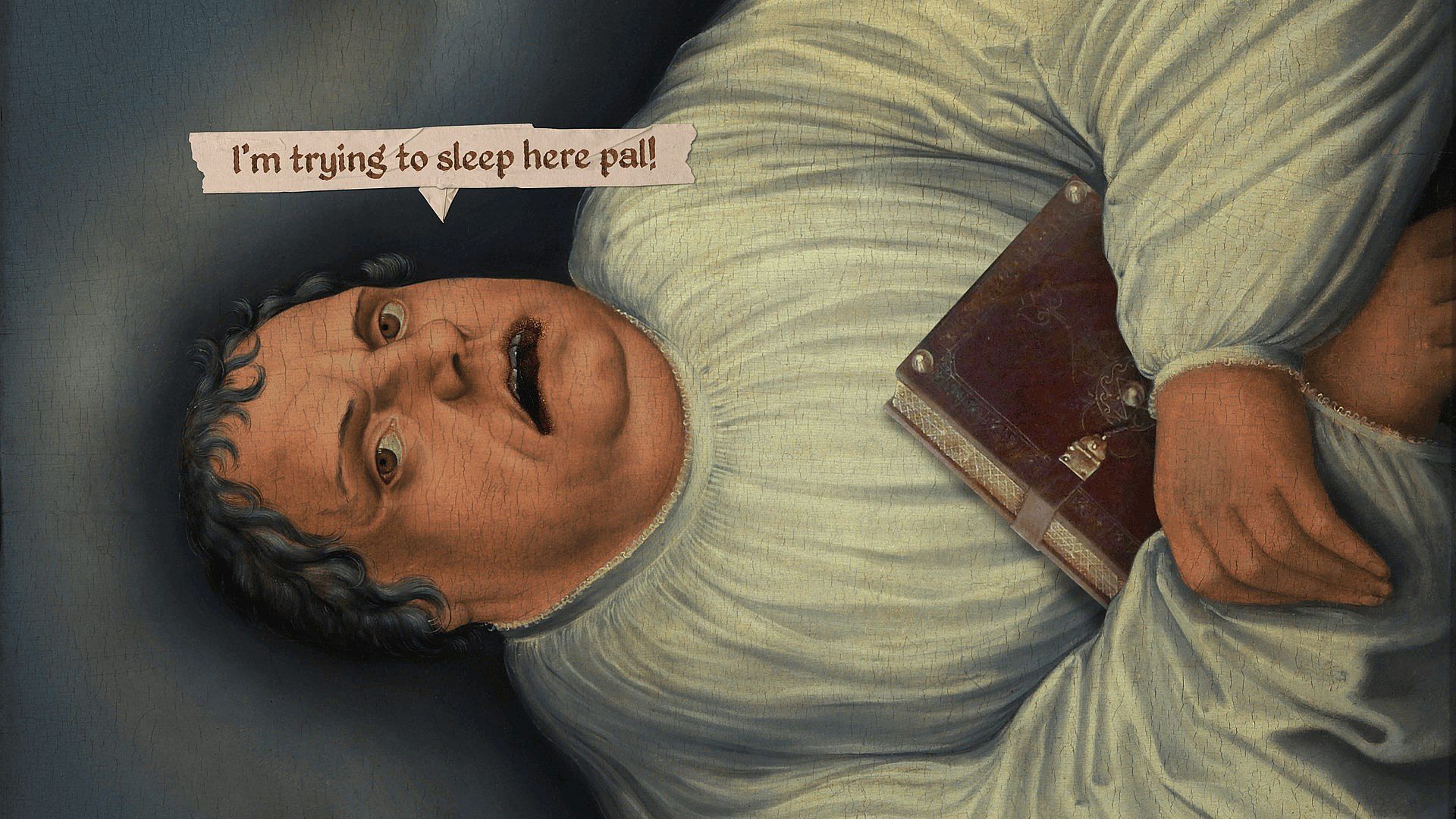
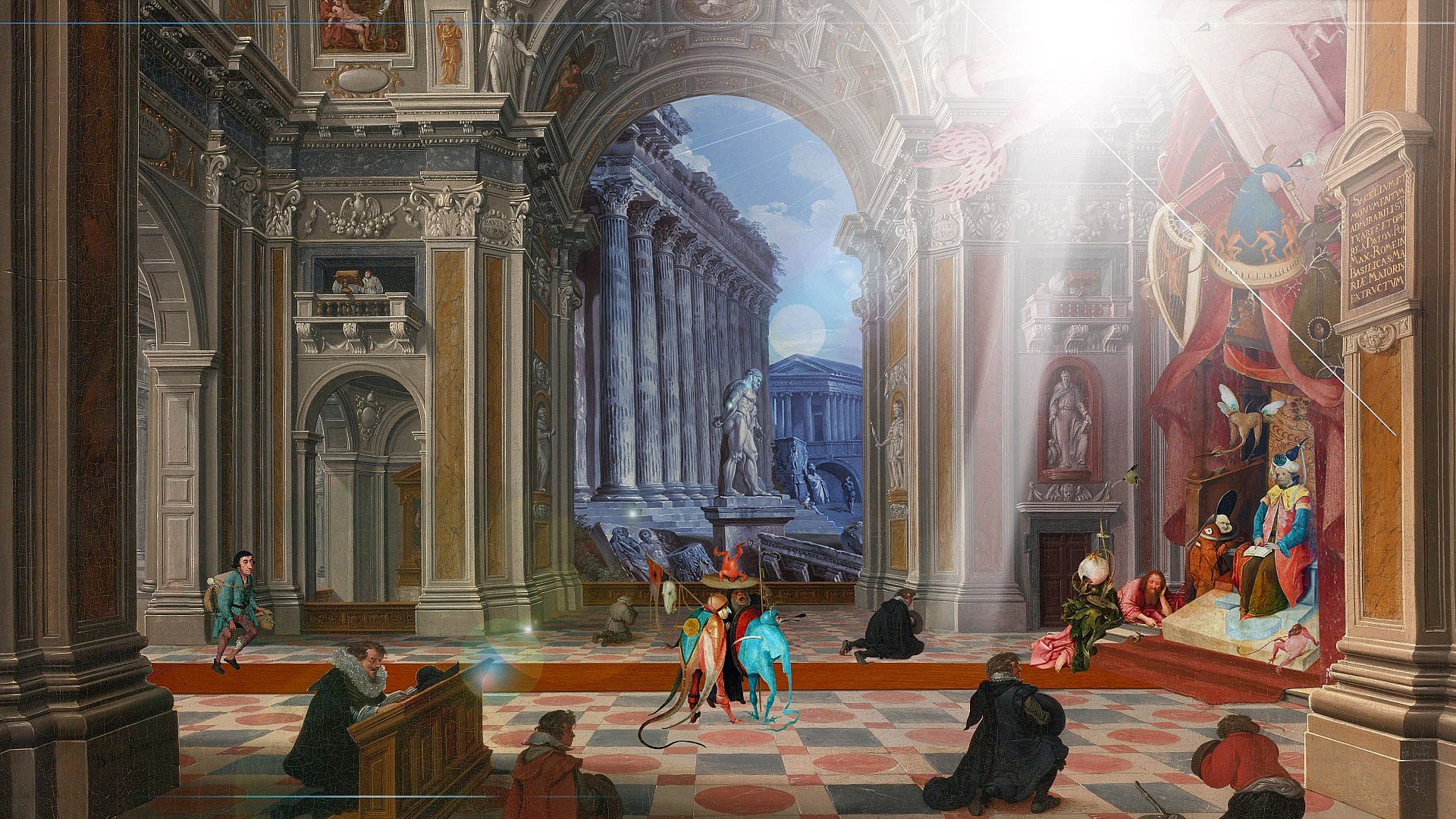
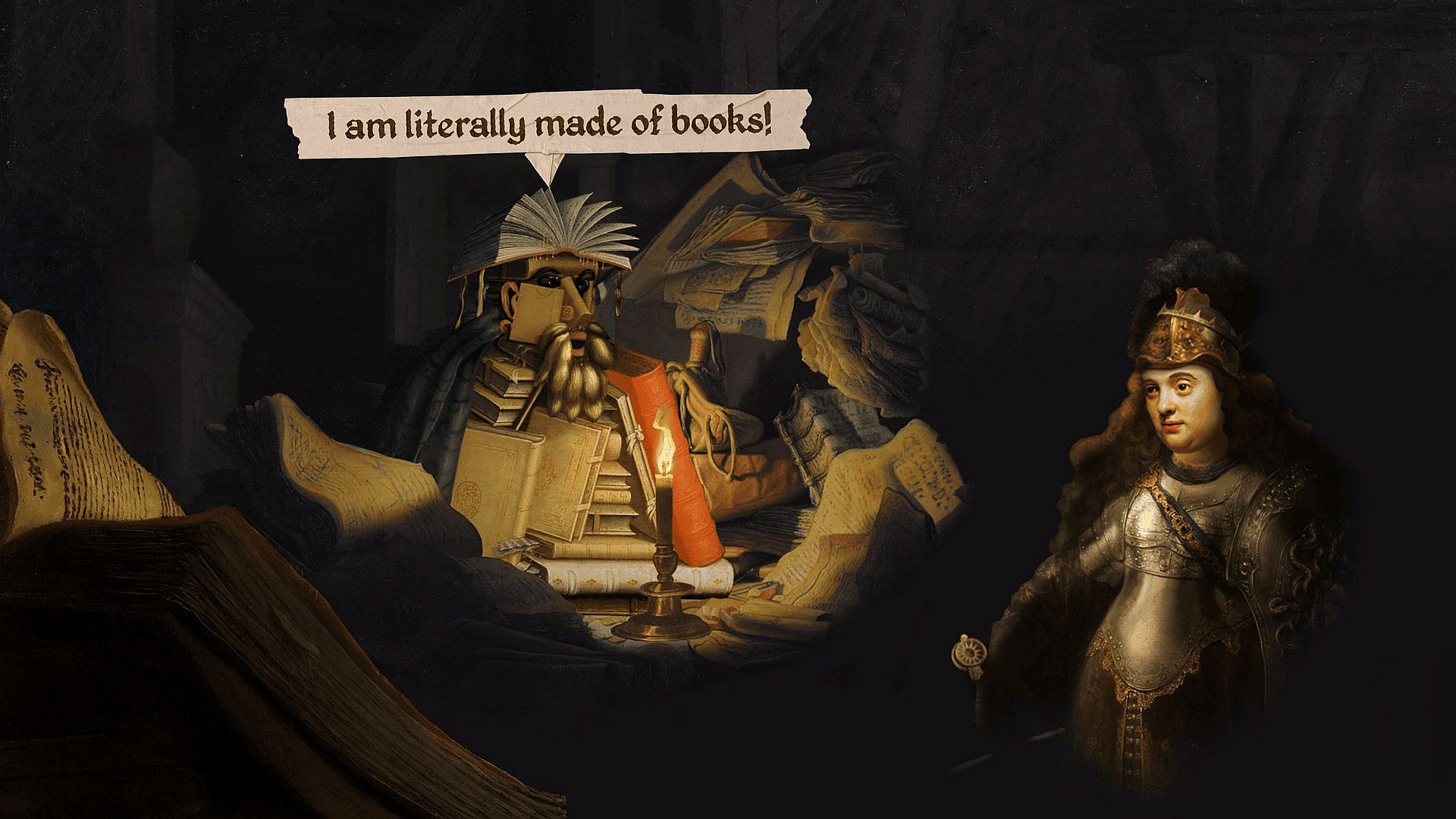
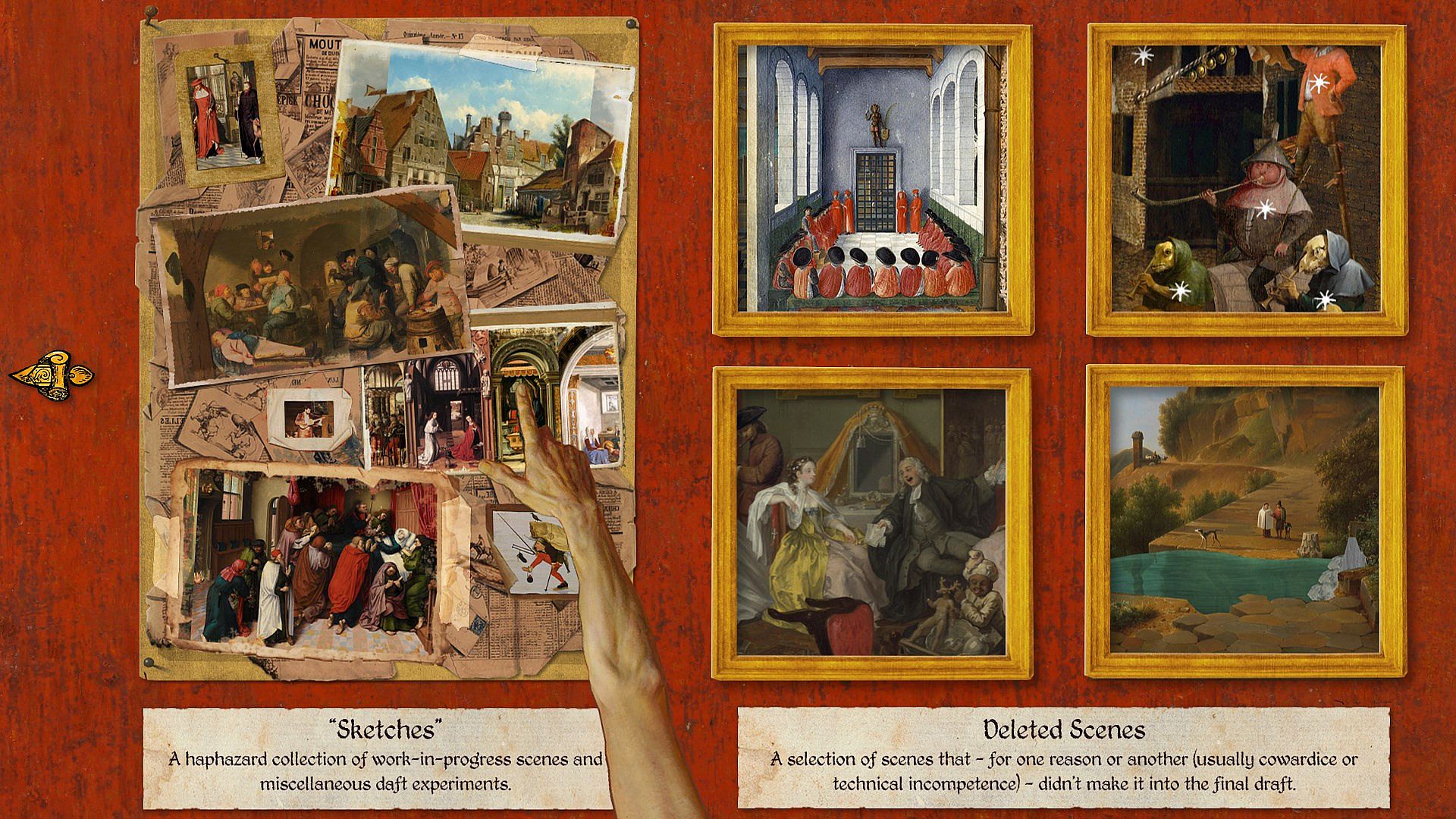
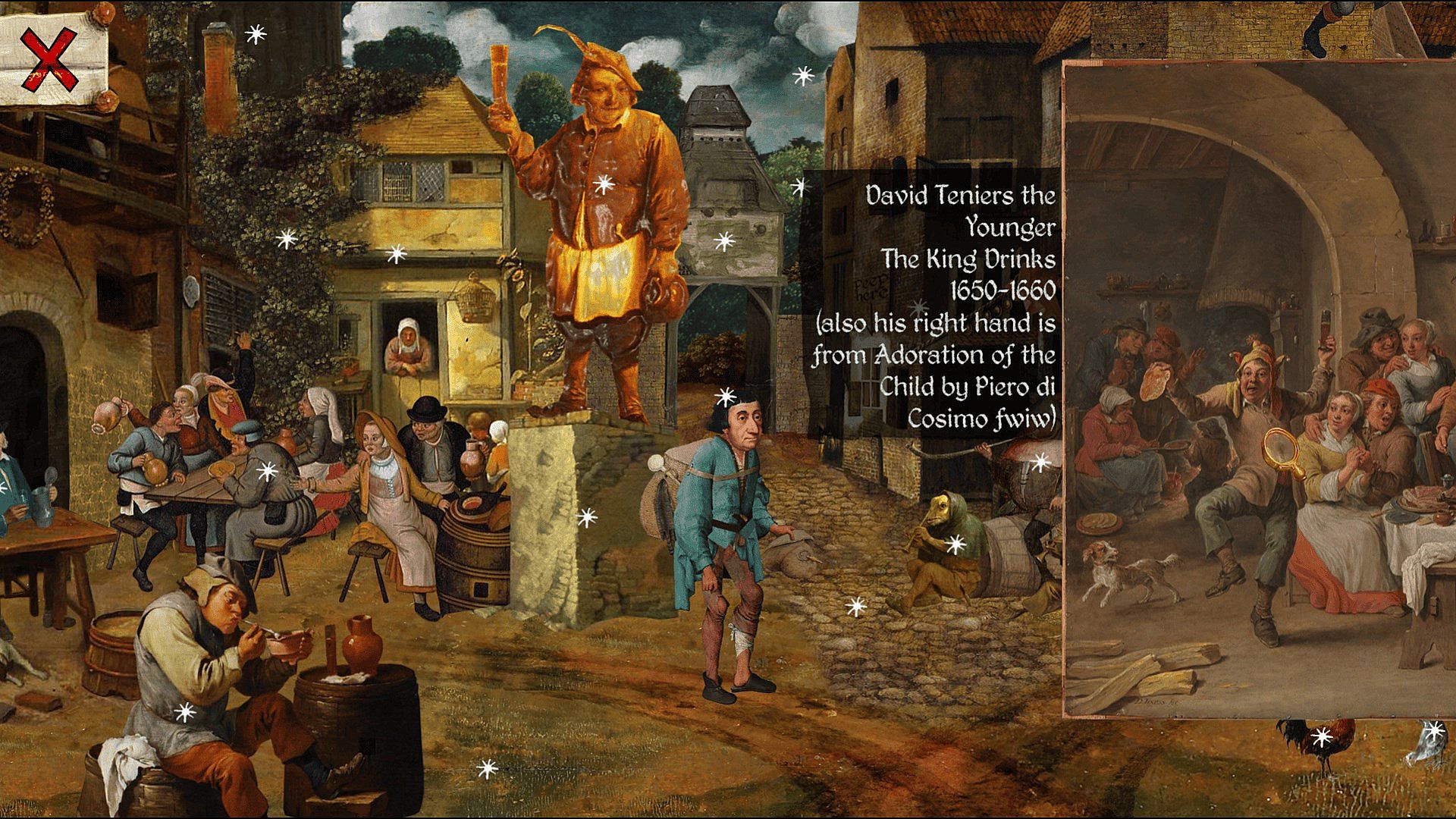
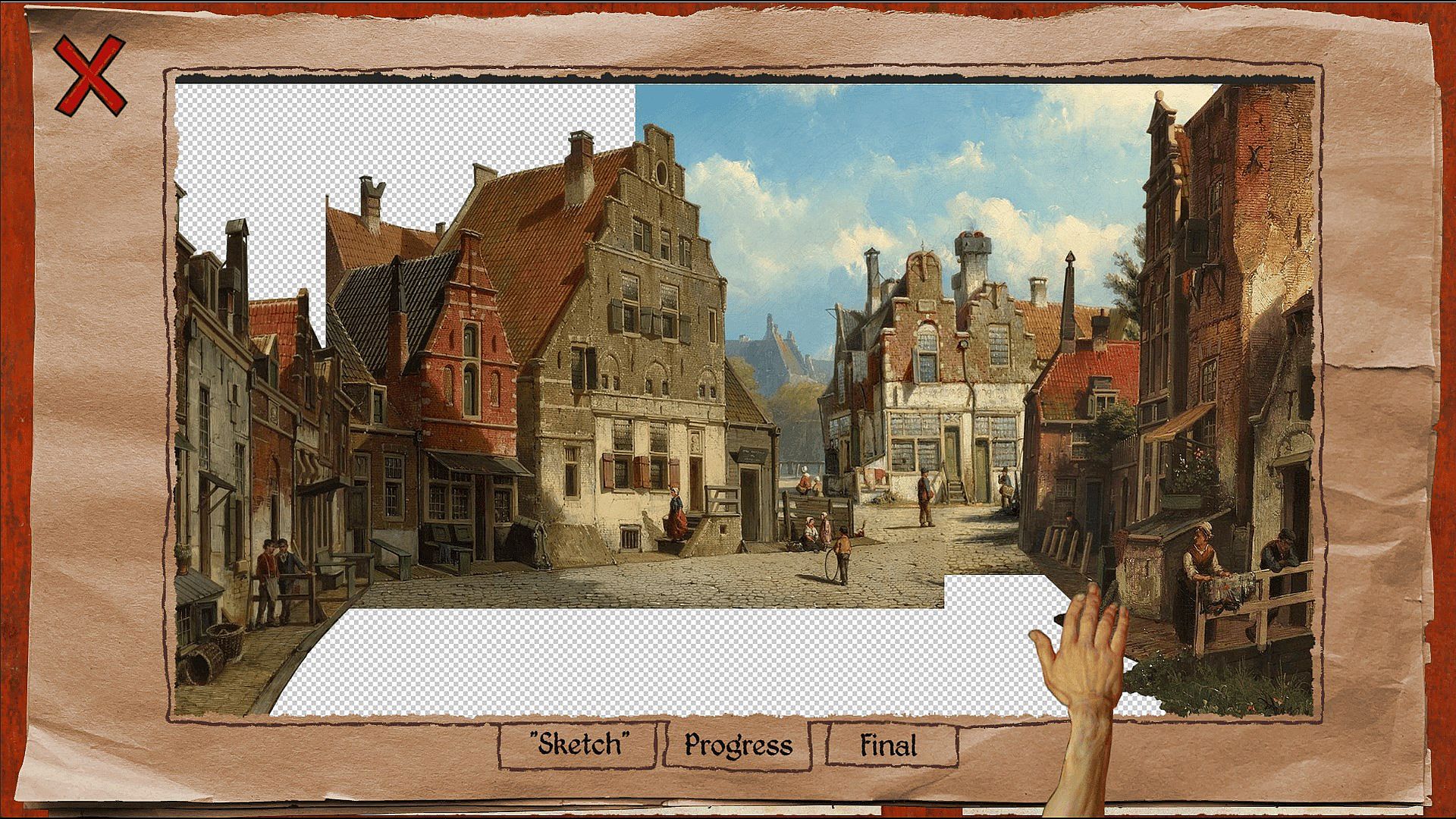
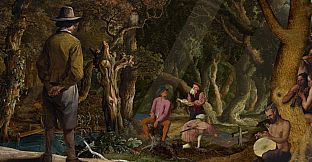
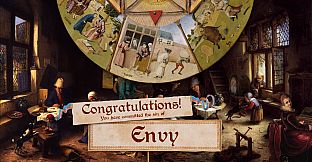
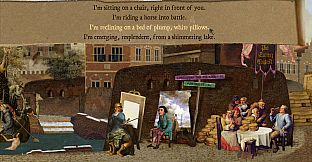
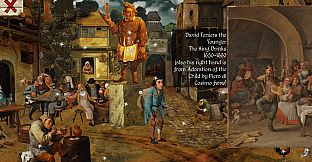
Core gameplay revolves around direct character control combined with a verb coin interaction menu for examining objects, talking to characters, and using items. A simple drop-down inventory allows players to drag and drop or hoard collected objects, which often serve unexpected purposes in puzzles. The visual style draws from hundreds of historical paintings spanning Renaissance, Rococo, and Romantic periods, creating a consistent painted world that feels both familiar and surreal. Sound design features an expanded soundtrack with new original recordings layered over classical pieces performed on period instruments.
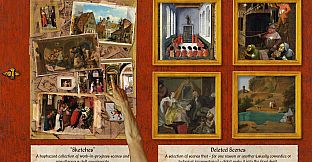
Progression involves helping locals with daily tasks that spiral into larger conflicts, such as locating the Devil in the shadows or negotiating directly with divine figures. Puzzles follow consistent internal logic even when the situations themselves turn comical, rewarding careful observation and experimentation. Quality-of-life additions include manual saves in one section, character backflips in another, and an optional button that plays a trumpeted fanfare for moments of celebration. Deleted scenes and time-lapse videos of the artistic process provide additional layers without altering the main narrative flow.
Game Modes
The collection presents three standalone stories that share recurring characters and themes within the same painted universe. Each tale functions as its own narrative adventure, allowing players to experience them in sequence or revisit individual chapters. No separate multiplayer or competitive modes exist; the focus remains on single-player exploration and puzzle resolution across the interconnected tales.
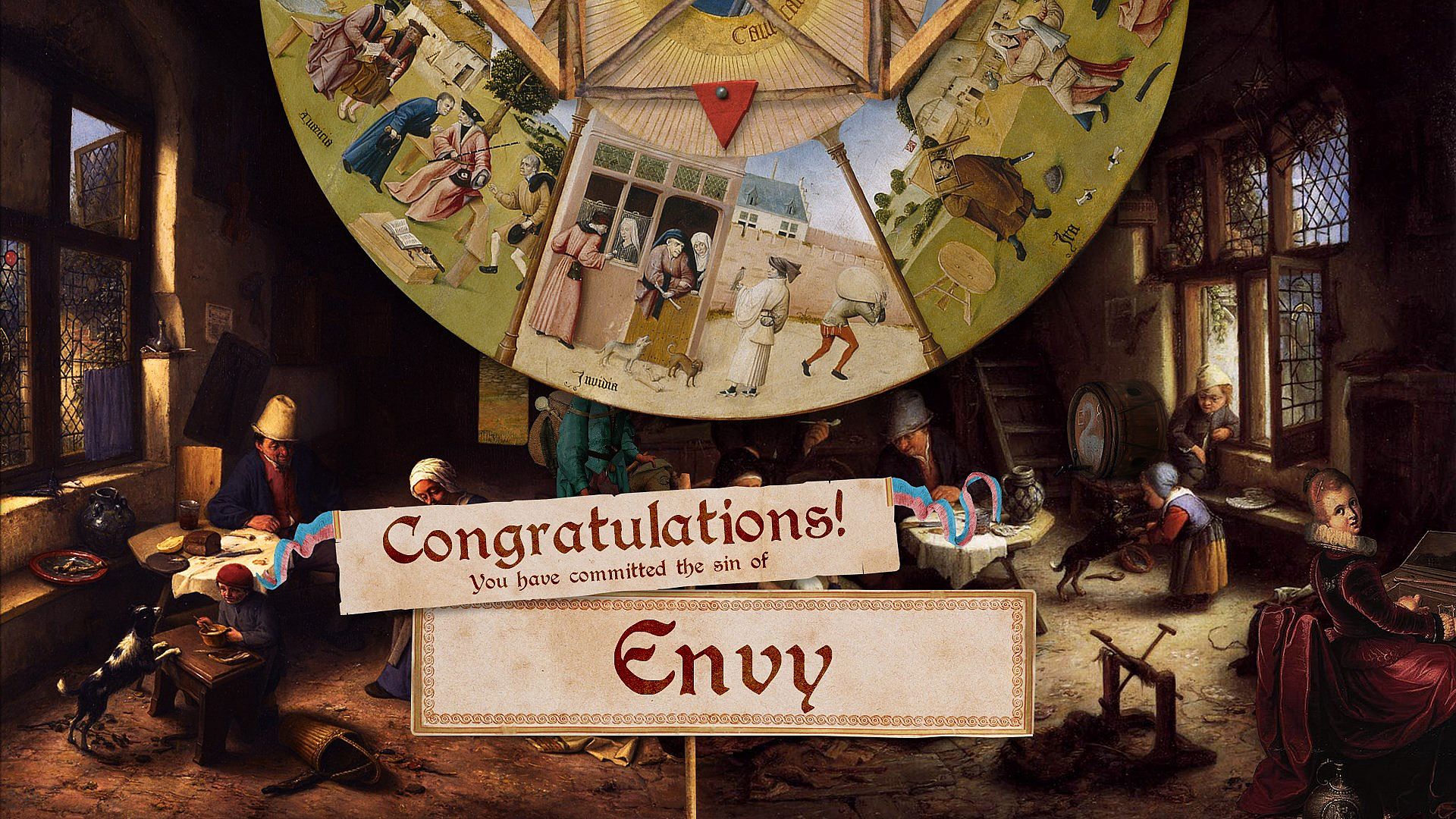
One story follows a sinner seeking redemption through repeated acts of vice within a specific parish. Another tracks a tyrant racing to complete good deeds before sunset to secure an inheritance. The third involves chasing authority figures across kingdoms while dealing with inept magicians and higher powers. These modes emphasize narrative progression over combat or resource management, with humor arising from the clash between lofty subject matter and gleeful flippancy.
Story and Setting
Immortal John lies dying as a holy war collapses into chaos, prompting sin to demand its due. Three tales unfold across kingdoms rendered in classical art, where quiet countryside kindness descends into madness and holy vengeance arrives wrapped in absurdity. Recurring elements tie the chapters together, creating a cohesive world built from real Renaissance canvases rather than original illustrations. Classical music underscores every scene, shifting between serene passages and more chaotic arrangements that match the tone of each encounter.
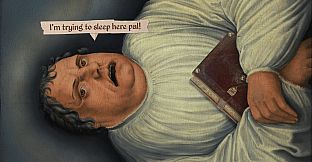
Dialogue and events treat profound topics with deliberate irreverence, from negotiating with God to confronting cosmic judgment. The setting avoids traditional fantasy tropes in favor of historical art references twisted into playful scenarios, such as slapping unsuspecting cows or bishops during pilgrimages. This approach keeps the experience grounded in its visual source material while delivering consistent comedic payoffs.
Is It Worth Playing?
The Immortal John Triptych suits players who appreciate point-and-click adventures that prioritize clever puzzles and sharp writing over action sequences. Its unified interface and controller support make the original experiences more accessible on console, while added deleted scenes and soundtrack expansions enhance replay value for those already familiar with the individual titles. The absurd tone and artistic presentation distinguish it from more conventional narrative games, appealing especially to fans of Monty Python-style humor mixed with Renaissance aesthetics.
Original entries in the series earned strong critical notice for balancing intelligence with silliness, and the remastered collection preserves that balance with modern conveniences. Those seeking light-hearted single-player experiences with memorable characters and consistent puzzle logic will find the package rewarding, particularly if they enjoy games that reward clicking on everything just to see what happens next. The release on Xbox platforms provides a complete entry point without requiring prior ownership of the separate games.
