




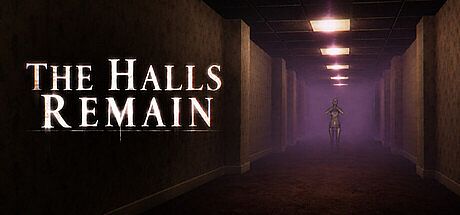


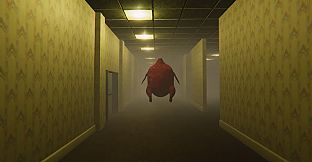
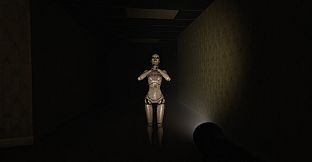
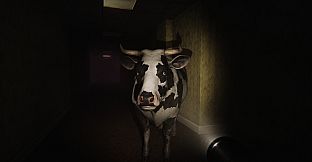
The Halls Remain is a first-person atmospheric horror adventure game centered on free exploration through shifting, liminal corridors. Players navigate repeating hallways and rooms that grow increasingly distorted, uncovering environmental clues and anomalies along the way. The experience emphasizes personal discovery over guided objectives, with the environment itself acting as the primary storyteller through subtle changes and unsettling encounters.
Gameplay
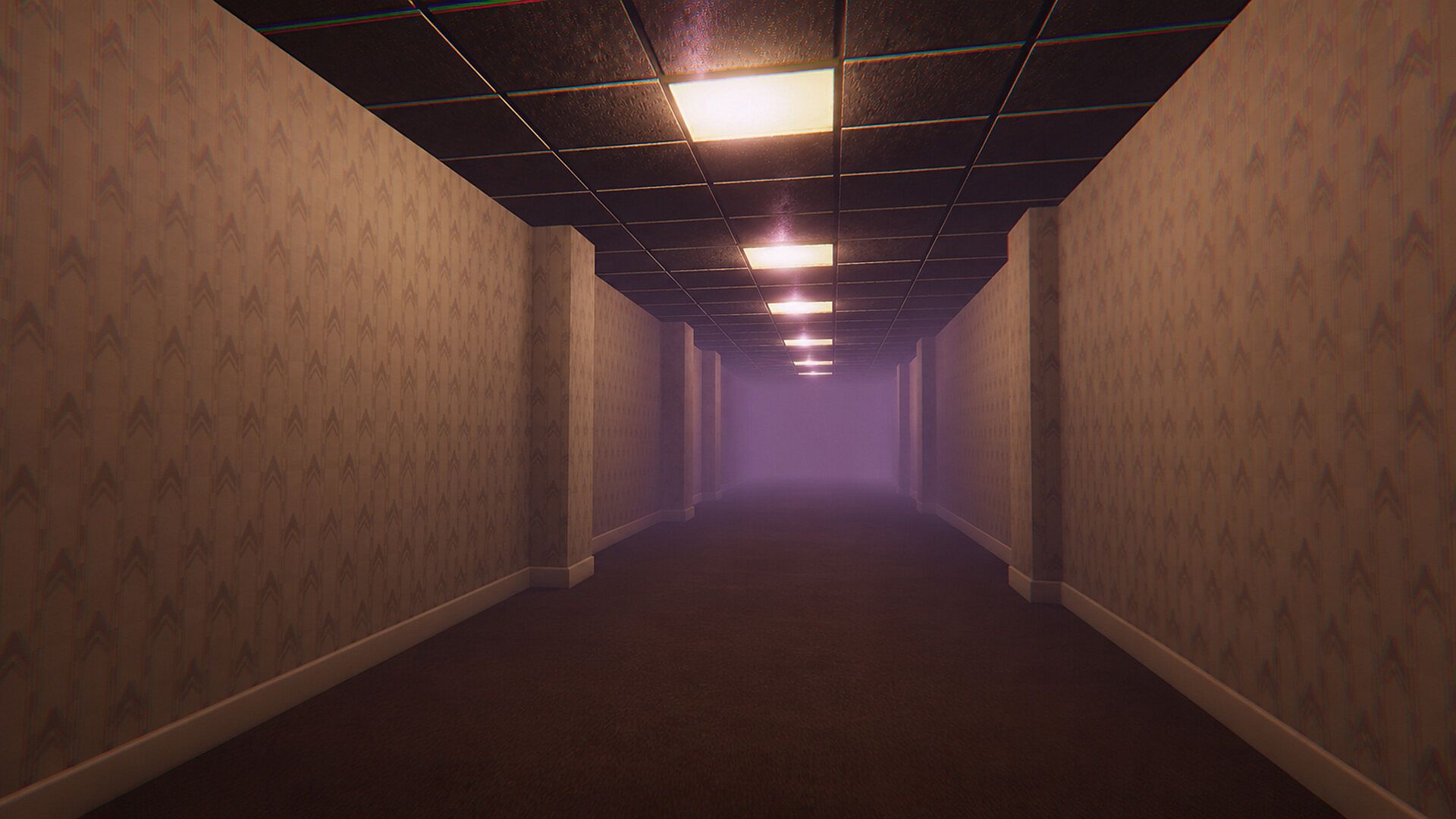
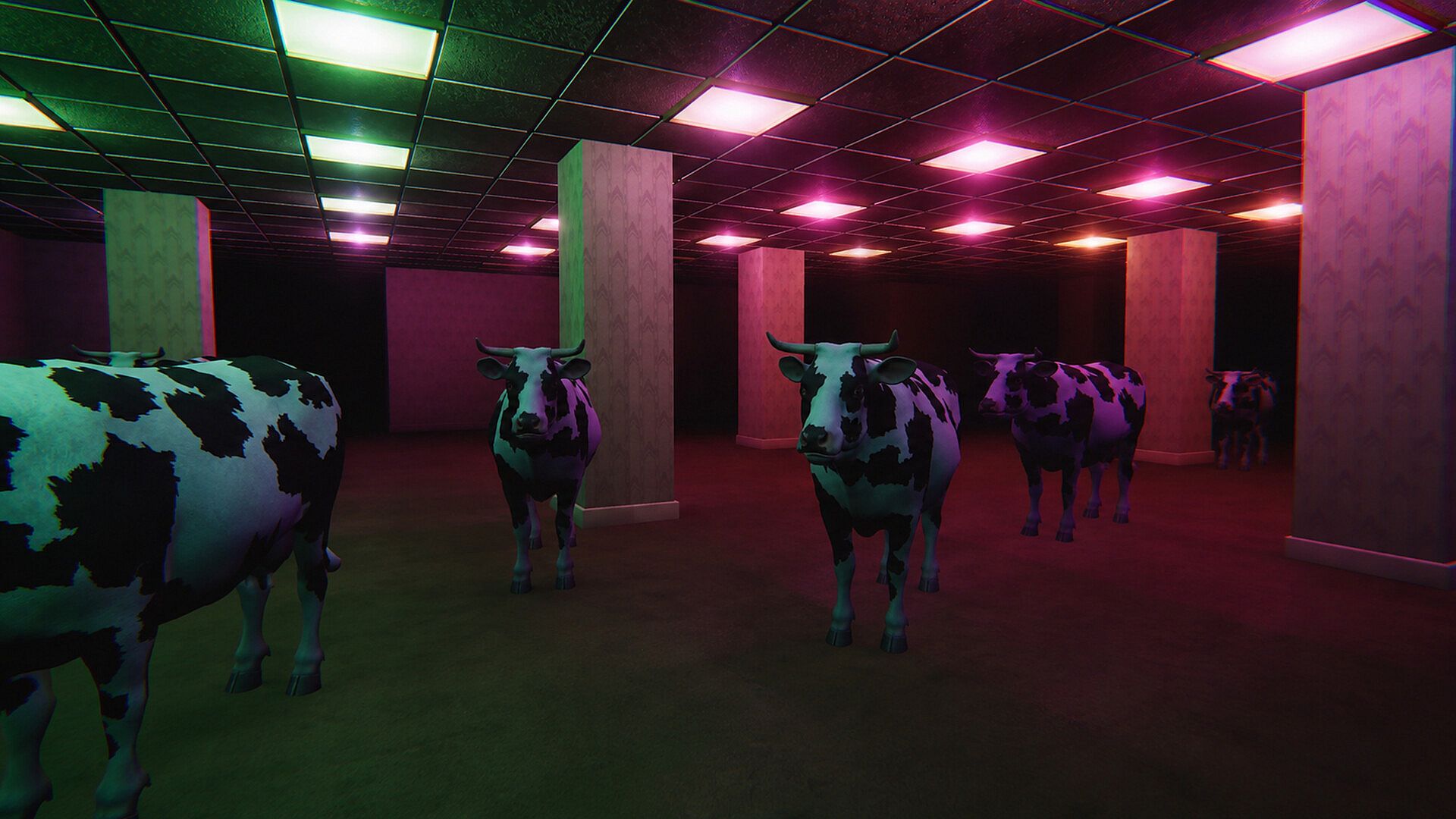
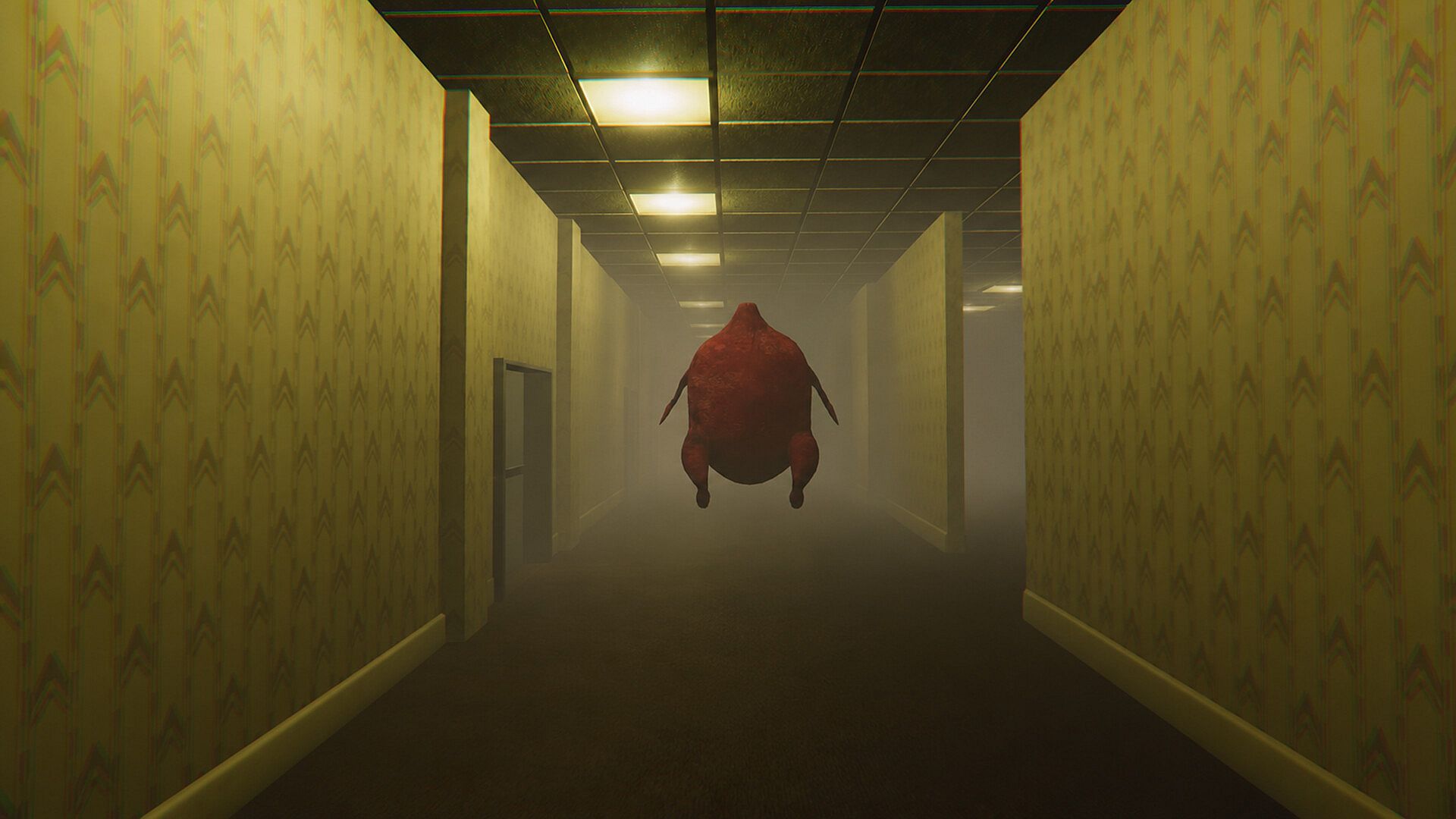
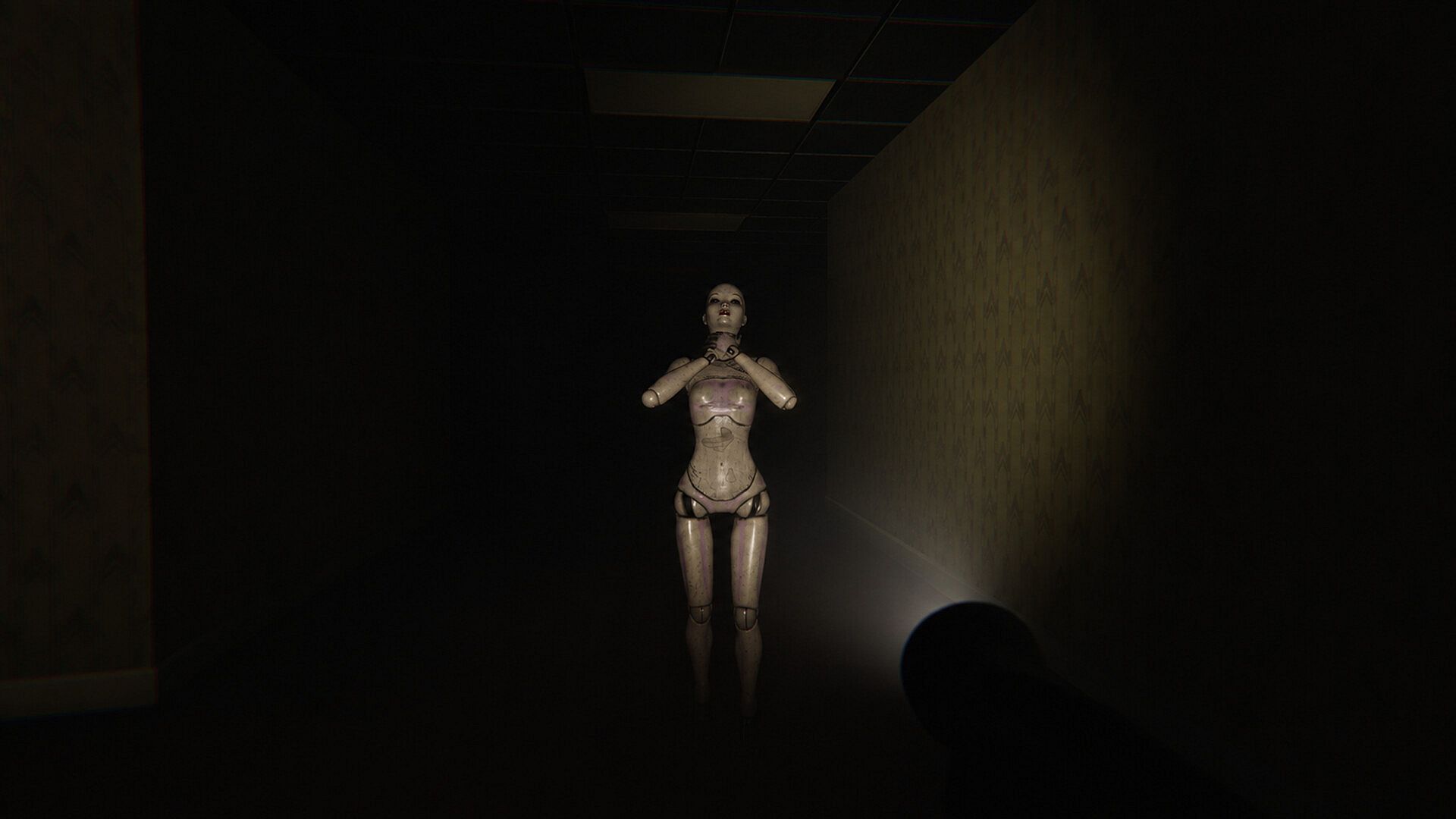
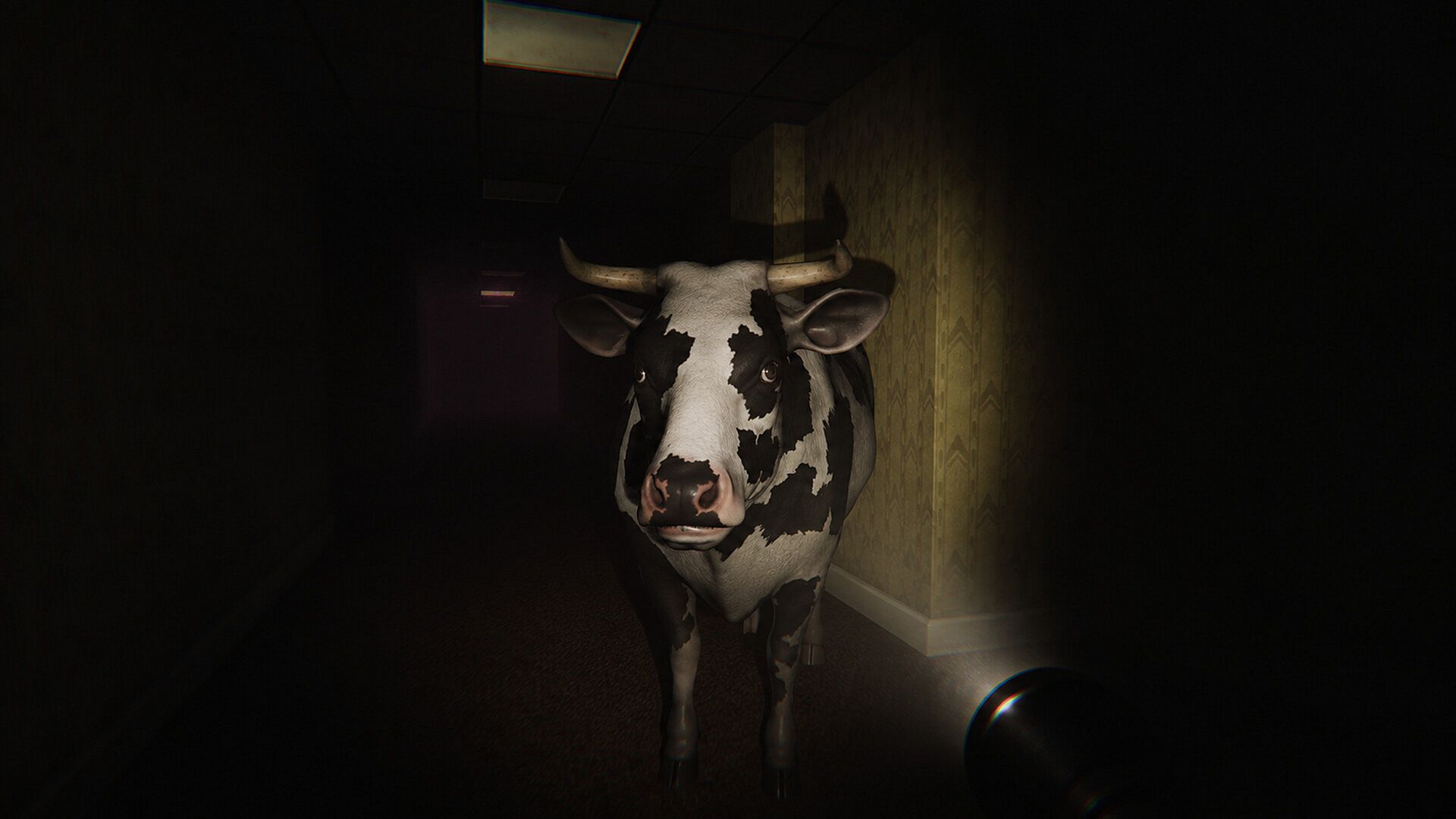
Core play involves waking in a hallway with no clear exit and choosing which doors to open next. Movement feels deliberate as ordinary corridors give way to fog, color shifts, and repeating spaces that erode any sense of reliable navigation. Attention to detail matters because rooms and anomalies do not remain fixed between visits. Thirteen distinct anomalies populate the halls, each operating under its own rules. Some observe silently, others follow or chase, and a few alter the surroundings without direct confrontation. Examples include unattached moving footprints, a breathing radio in empty space, repositioned mannequins, rapid movement in darkness, and a rabbit whose intentions remain ambiguous. These elements create tension through uncertainty rather than constant pursuit.
Progression occurs by descending deeper layers where light fades and the architecture turns more surreal. Reaching Terminal triggers a collapse into darkness, after which the player wakes again at the start. Each loop preserves some familiarity while introducing variations in layout, anomaly placement, and discovered details. Story fragments emerge from these inconsistencies, the objects left behind, and the anomalies encountered, rewarding repeated exploration of overlooked paths or different doors. The process encourages curiosity over efficiency, as no checklist directs the next action.
Game Modes
The game supports two presentation options that deliver the same core experience. Standard screen play maintains a traditional first-person perspective with mouse and keyboard or controller input for navigation and interaction. VR mode places the player directly inside the halls, using head tracking and hand controls for opening doors, examining objects, and moving through the spaces. Both versions feature identical content, including the full set of anomalies, looping structure, and environmental storytelling. There are no separate difficulty settings or additional named modes beyond these two formats.
Exploration and Story
Without linear quests, the narrative builds through the places visited and the anomalies observed. Clues appear in the form of altered rooms, strange sounds, and objects that shift position across loops. Players decide their own routes, whether following an unusual noise, entering a door that feels out of place, or investigating a space that seems newly appeared. The halls respond by revealing or withholding information based on these choices. Over multiple descents, patterns emerge that raise questions about the nature of the place and the reason for repeated returns. This approach suits players who enjoy piecing together atmosphere and implication rather than receiving explicit exposition.
Is It Worth Playing?
The Halls Remain targets those drawn to compact, atmospheric horror focused on exploration and repetition. A single descent through the layers can finish in under an hour, yet the looping structure and shifting details invite multiple returns to uncover new combinations of encounters and clues. The thirteen anomalies provide variety without following predictable patterns, and the VR option adds physical presence for those equipped for it. Reception centers on the unsettling liminal design and the way the environment notices the player, though the absence of traditional objectives or combat may limit appeal for players seeking directed progression or action. The game remains in a state where its core loop of descent, Terminal, and return forms the complete experience, with no confirmed seasonal updates or expansions at this time. It fits best for solo players comfortable with ambiguity and willing to chart their own path through the halls.