








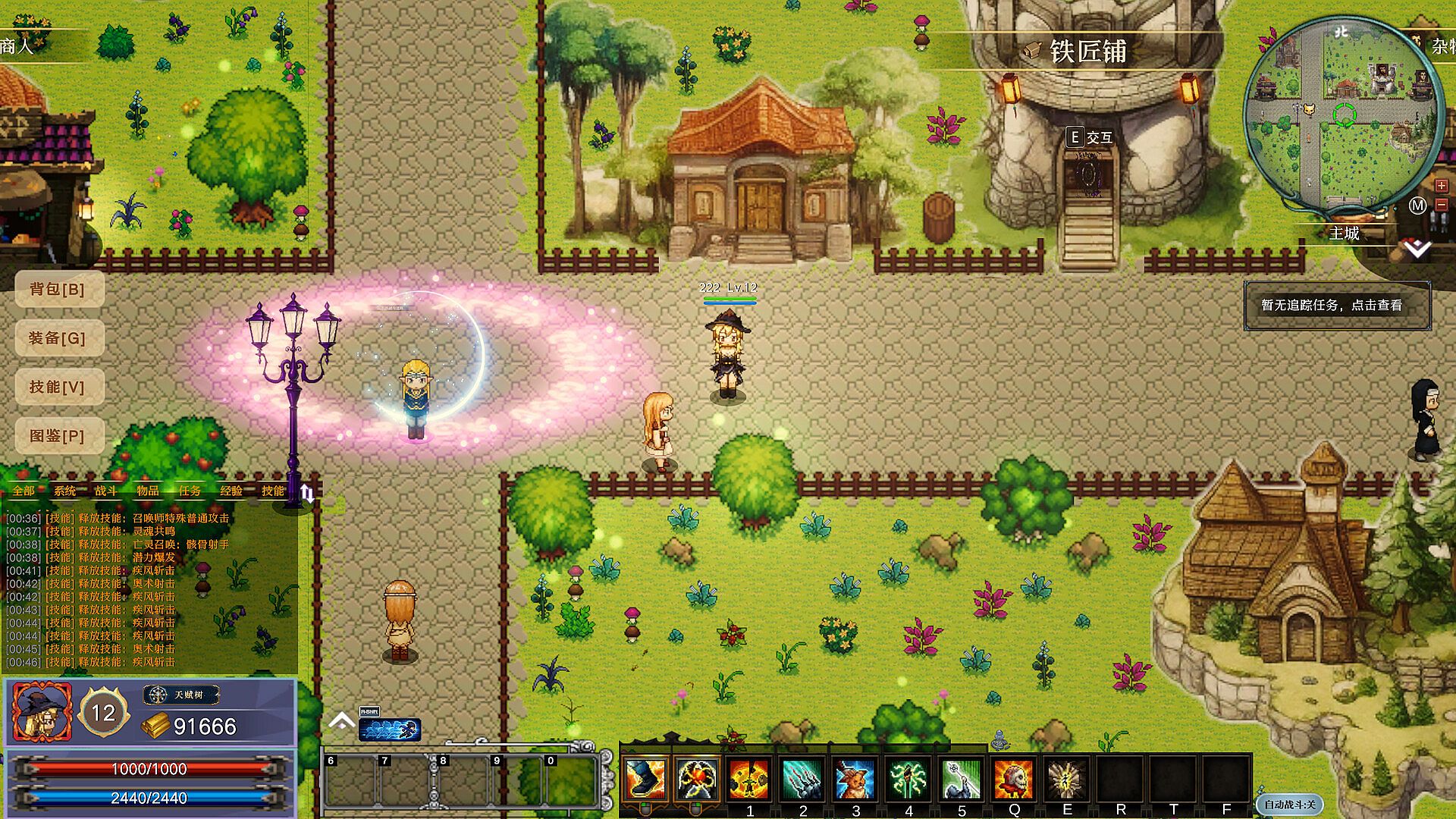
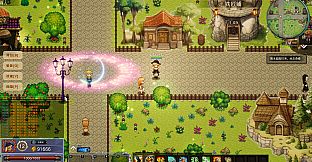
O Grande Mundo do Tempo e do Espaço é um RPG indie gratuito para PC. Nele, o jogador assume o papel de um aventureiro em um mundo aberto de pixel art 2D visto de cima, conhecido como Chrono Realm. A jogabilidade gira em torno da exploração, do combate com companheiros invocados, do desenvolvimento de talentos, da gestão de equipamentos e da coleta em um continente fantástico.
Gameplay
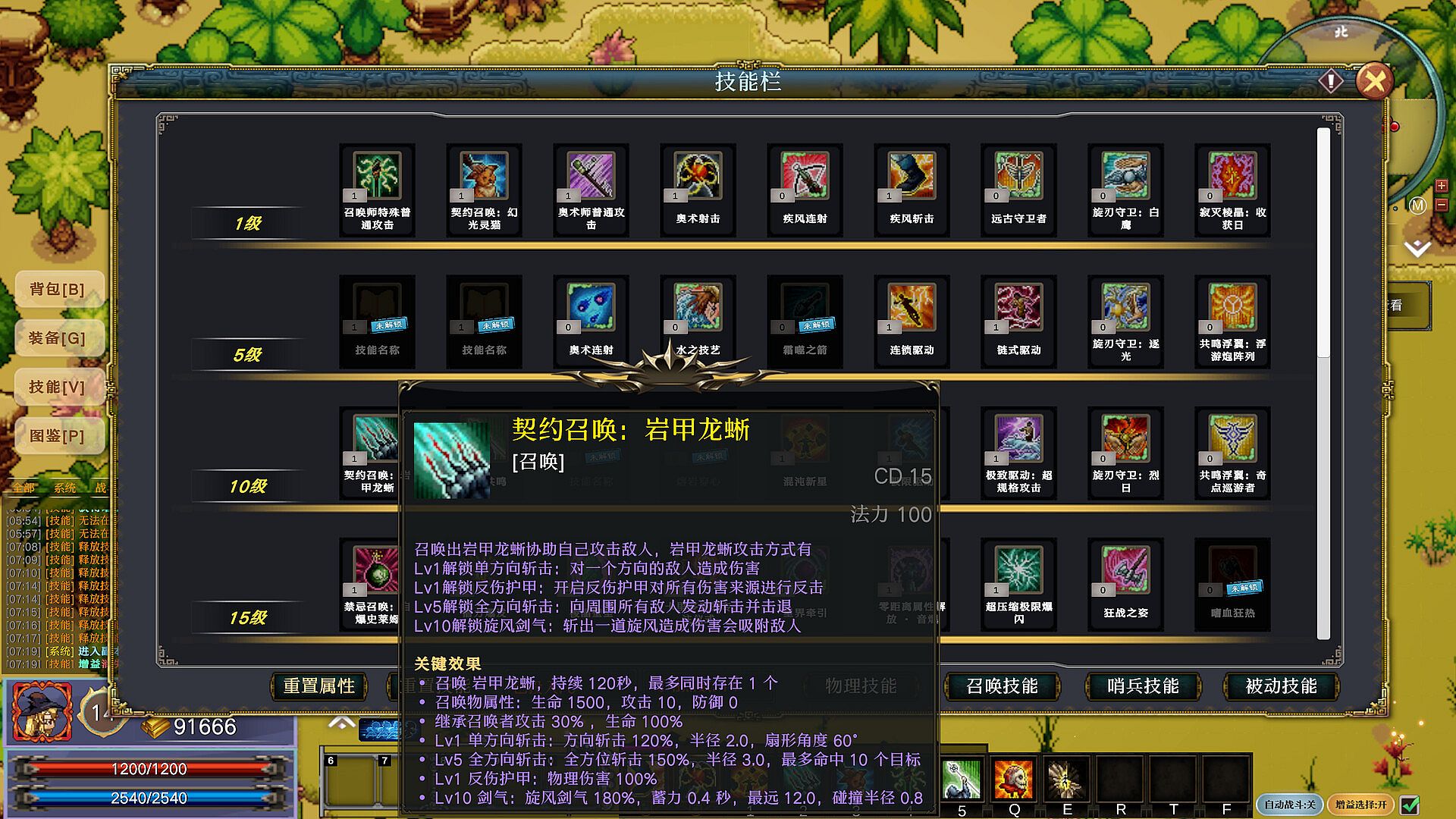
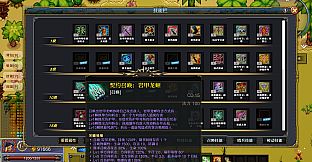
A exploração começa em uma vila inicial e se estende por planícies, florestas e cidades antigas. O movimento e a descoberta são a base da progressão, que se aprofunda ao desvendar mistérios maiores ligados ao espaço e ao tempo. O combate utiliza contratos de invocação, permitindo que o jogador crie laços com criaturas como o Gato da Luz Fantasma e o Dragão Lagarto de Casco Rochoso. Esses companheiros sobem de nível e desbloqueiam novas habilidades, evoluindo de ataques direcionais básicos para efeitos de área avançados, como tempestades de lâminas em círculo completo.
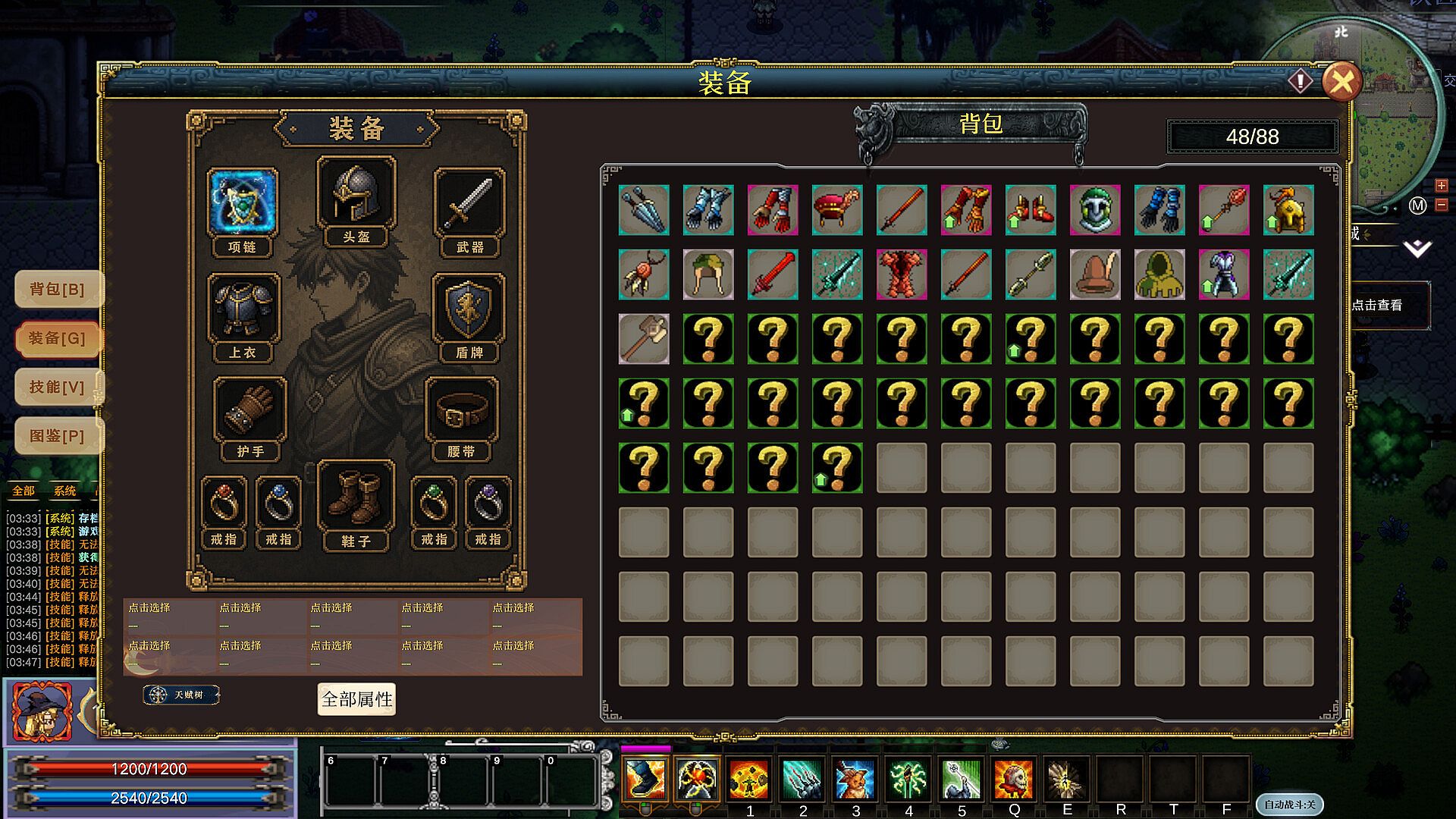
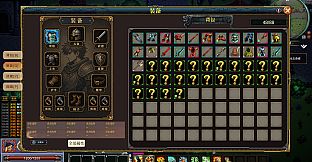
Três árvores de talentos abrangem Combate, Exploração e Magia. Os pontos podem ser distribuídos livremente entre elas, permitindo builds puras ou mistas que combinam dano, mobilidade e feitiços. O equipamento ocupa vários slots, como cabeça, pés, pescoço e dedos, e varia em qualidade e afixos que influenciam os atributos. O gerenciamento do inventário exige escolhas estratégicas sobre o que guardar ou equipar.
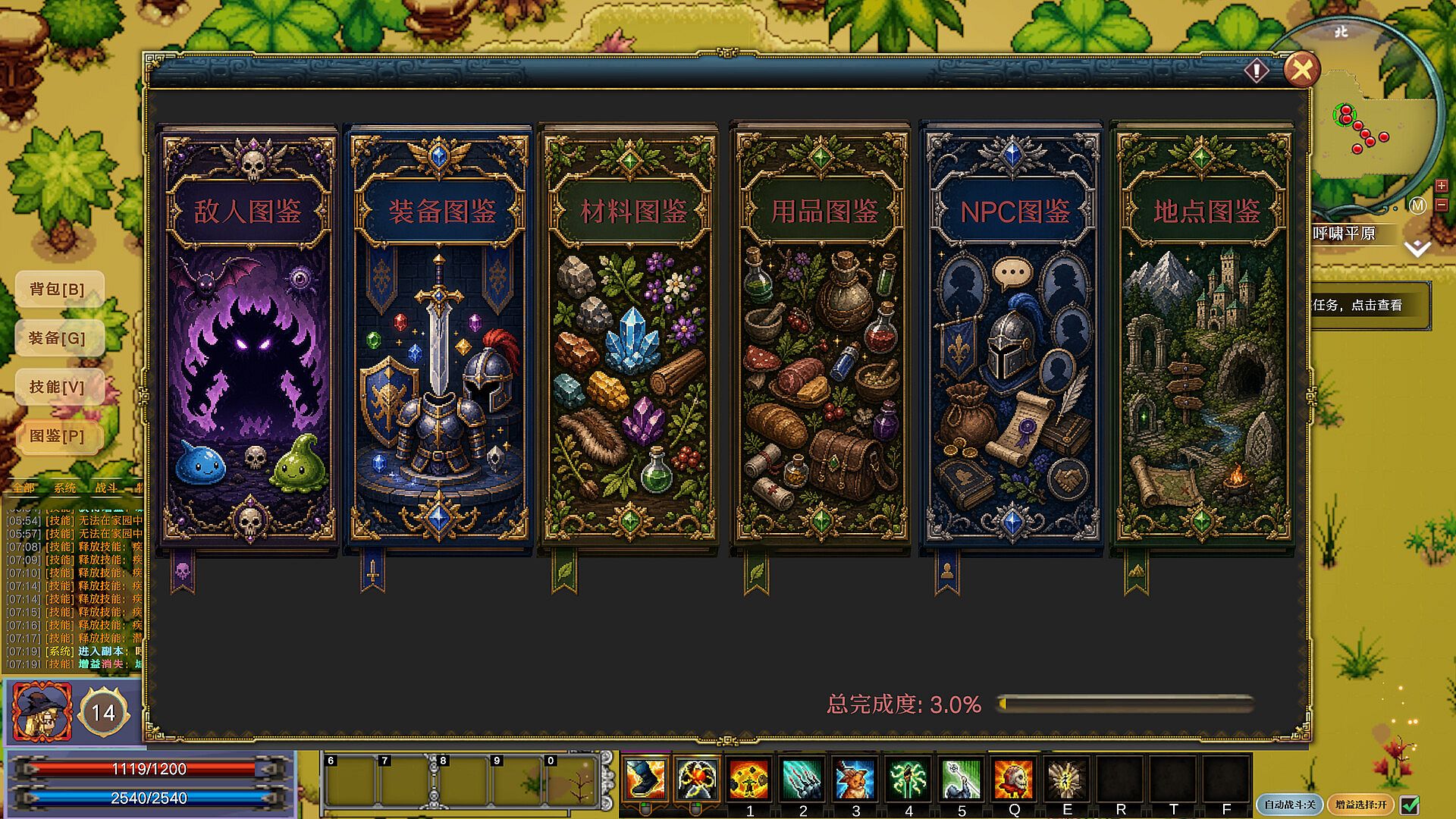
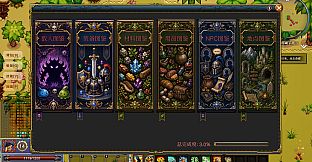
As habilidades se expandem conforme o personagem sobe de nível, incluindo opções como Tiro Arcano e Disparo Rápido de Vendaval. Uma hotbar personalizável permite o controle manual, enquanto o sistema de batalha automática e a seleção de buffs possibilitam a progressão em idle. A enciclopédia registra seis categorias: inimigos, equipamentos, materiais, itens, NPCs e locais, com o objetivo de longo prazo de completar todas as entradas.
Modos de Jogo
O foco principal está na progressão single-player em mundo aberto, com elementos opcionais de multiplayer e MMO indicados nas tags do jogo. As atividades principais misturam exploração e combate em tempo real com sistemas que suportam tanto o controle ativo quanto o avanço automatizado. A distribuição de talentos e o desenvolvimento dos invocados permitem abordagens pessoais variadas dentro da mesma estrutura de mundo, enquanto os sistemas de coleta e equipamento adicionam camadas de engajamento contínuo sem modos dedicados separados.
Sistemas Principais e Progressão
As invocações por contrato evoluem de forma independente por meio de árvores de habilidades que recompensam o uso contínuo em batalhas. Os drops de equipamento trazem variedade por meio de variações de atributos e tiers, incentivando sessões repetidas focadas em otimização. A enciclopédia de seis categorias recompensa a interação completa com o mundo ao registrar descobertas e medir a porcentagem de conclusão. O recurso de batalha automática permite avanço constante durante jogadas menos intensas, complementado por combinações manuais de habilidades para quem prefere controle direto.
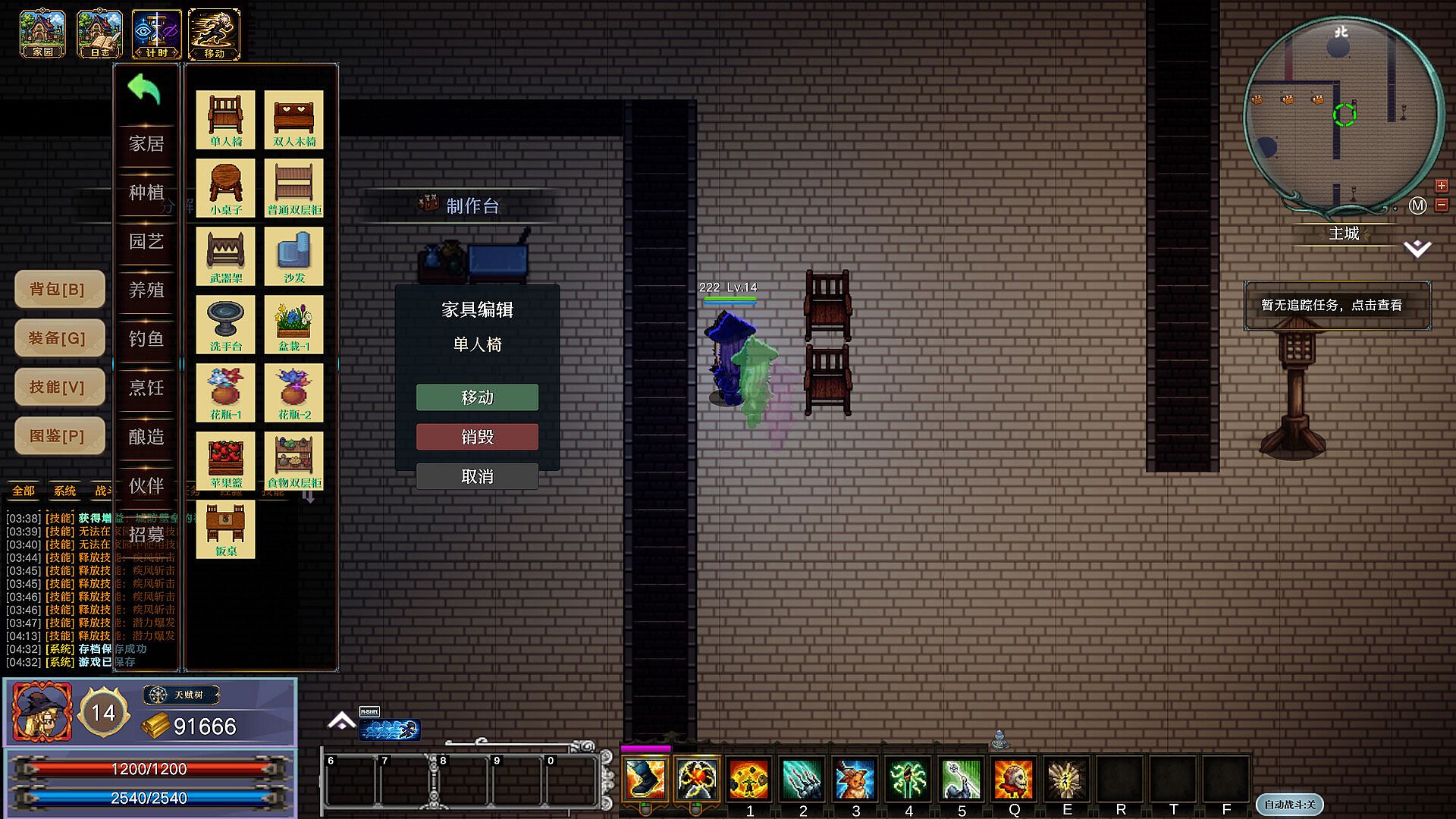
Os ecossistemas das cidades contam com NPCs que contribuem para a sensação de vida nos assentamentos, fornecendo contexto para quests e interações. As regiões possuem temas distintos que diferenciam os tipos de travessia e encontros à medida que o mapa se expande.
Vale a Pena Jogar?
O jogo ainda não foi lançado, com previsão para o primeiro trimestre de 2027, e atualmente não possui avaliações de usuários. Seu modelo free-to-play e o foco single-player com tags de multiplayer o posicionam para jogadores interessados em RPGs de mundo aberto em pixel art que enfatizam companheiros invocados, builds flexíveis de talentos e mecânicas de coleção. Quem aprecia sistemas amigáveis ao idle junto com opções de combate manual pode achar a combinação atraente após o lançamento, especialmente se os recursos verificados em torno de invocações, árvores de talentos e rastreamento da enciclopédia entregarem a profundidade descrita.
