




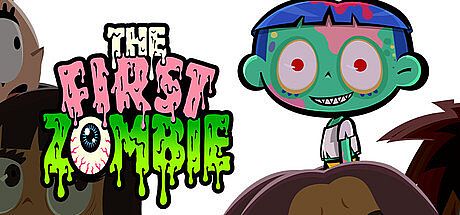


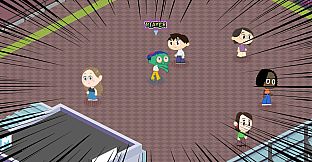
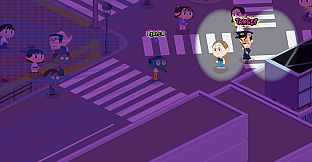
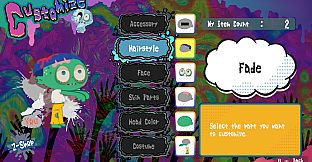
The First Zombie is an action and casual simulation game for PC in which the player controls humanity's very first zombie. The core premise flips traditional zombie narratives by positioning the undead as agents of change rather than threats to eliminate. Set across the streets of Tokyo, the experience centers on building an expanding undead presence through nonviolent interactions with everyday citizens.
Gameplay
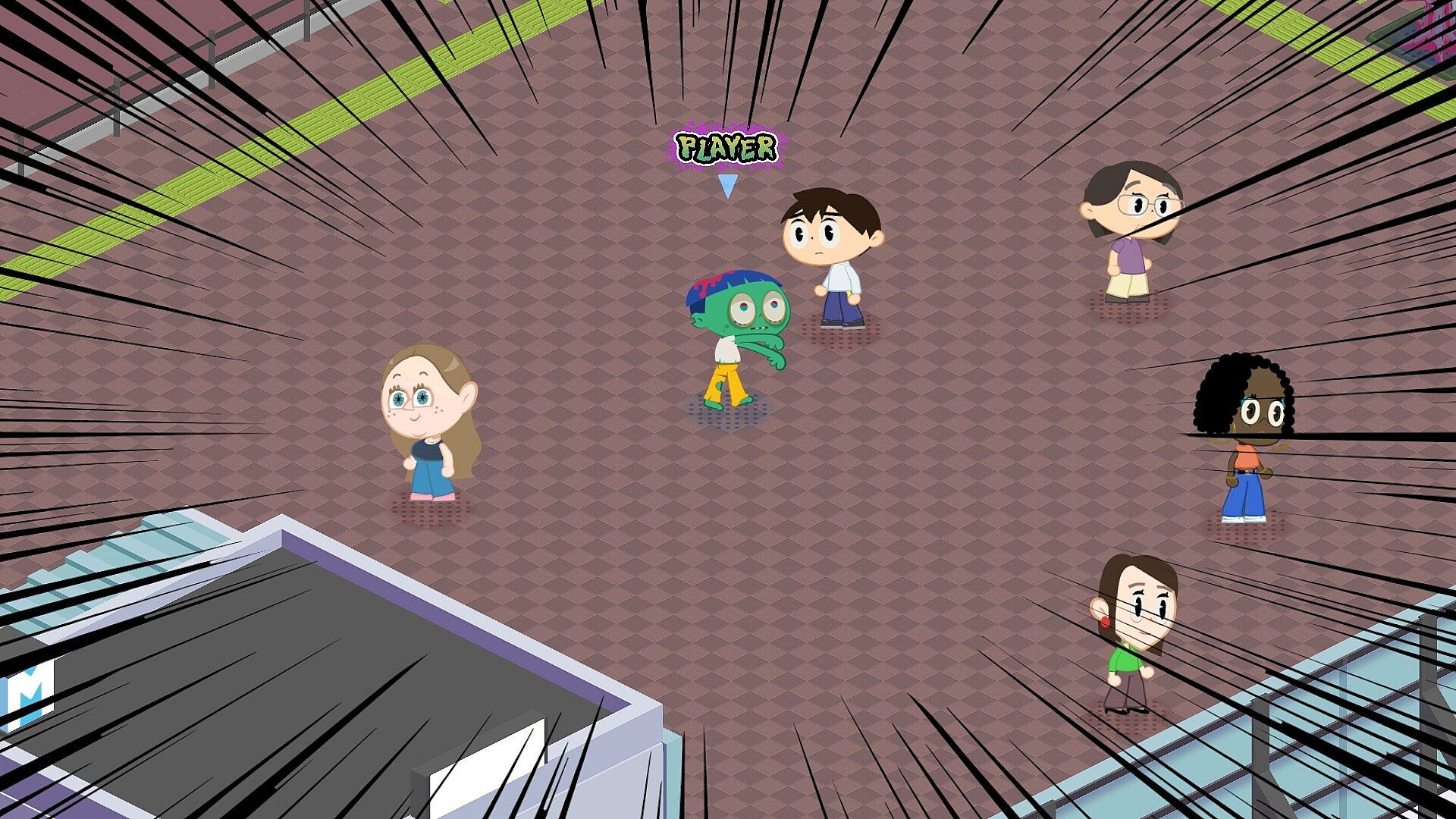
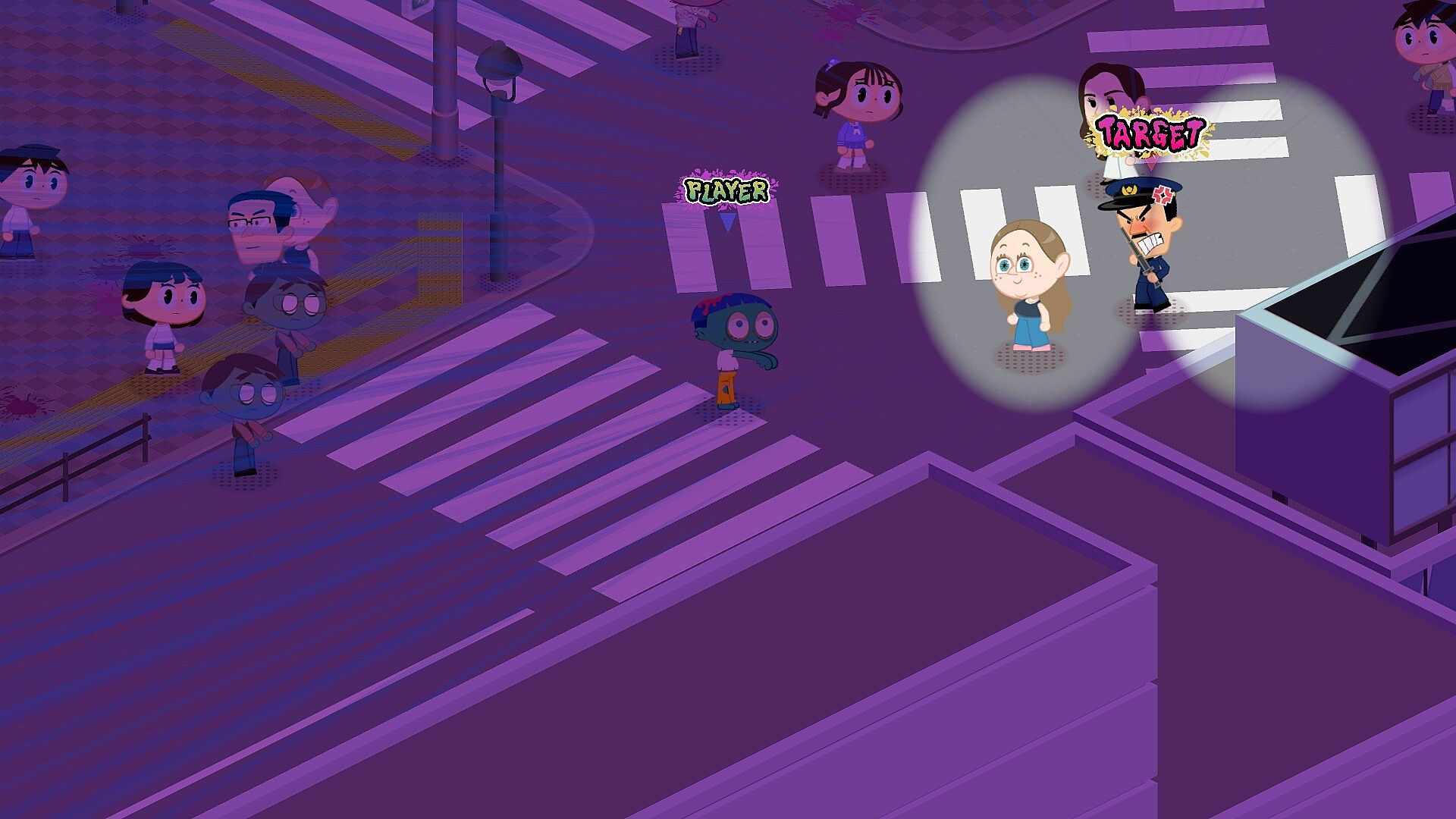
Players begin as a lone zombie with the goal of multiplying numbers rather than reducing them. The central activity involves moving through populated areas and initiating contact with humans going about routine activities. These encounters use a friendship mechanic that converts targets into new zombies, steadily increasing the size of the controllable group.
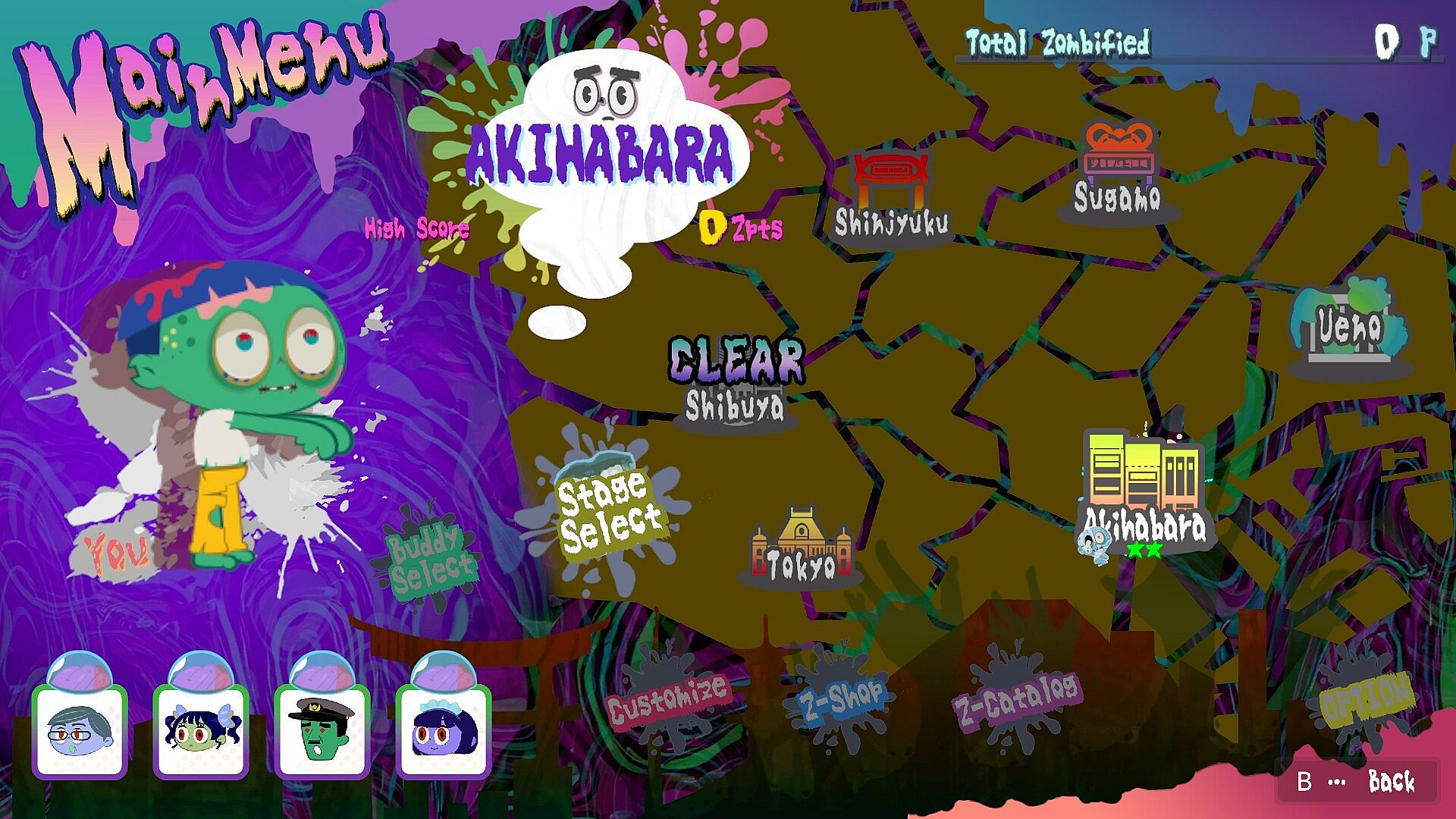
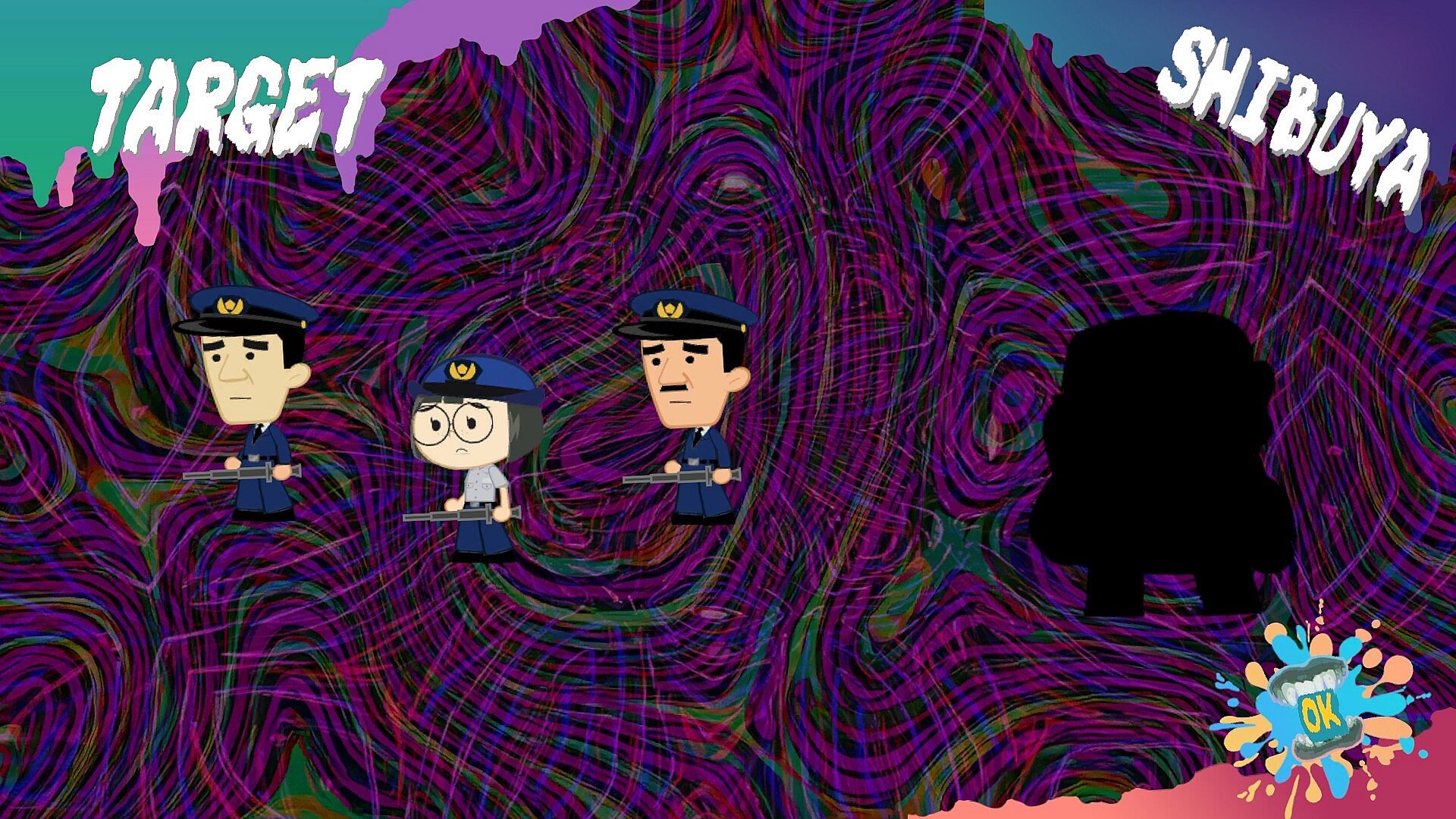
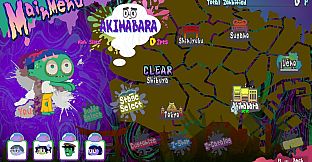
Success depends on efficient navigation and timing as the horde grows. Larger groups allow players to cover more ground and influence additional districts. The urban layout features recognizable Tokyo locations including Shibuya, Shinjuku, and Ueno, each serving as a distinct area to transform through repeated conversions. Progression occurs naturally as the undead population spreads and claims territory, turning ordinary city blocks into zones dominated by the new companions.
Controls emphasize approach and interaction over combat, aligning with the casual action focus. The simulation elements come into play through horde management, where the player must guide the growing mass without scattering or losing momentum. Visual feedback shows the city changing as more residents join the ranks, creating a sense of cumulative impact across multiple neighborhoods.
Game Modes
The game is built as a single-player experience with no multiplayer components. All activity takes place in one continuous campaign structure centered on Tokyo's districts. Players advance by systematically converting humans in each area until the horde reaches sufficient size to claim the location as a zombie town.
Within this framework, the emphasis remains on exploration and incremental growth. There are no separate competitive or cooperative modes. The entire session revolves around the conversion loop, with district conquest serving as the primary milestone system. This unified approach keeps the focus on the reverse zombie concept without branching into unrelated activities.
Setting and Objectives
Tokyo functions as both backdrop and objective map. Each named district presents its own density of potential converts and layout challenges. The overarching mission ties directly to the producer's vision of leading humanity toward a new stage, achieved solely through the multiplication process rather than destruction.
Environmental details reflect daily life in the city, with humans following predictable patterns that players must observe and intercept. The absence of combat mechanics shifts attention entirely to positioning, timing, and horde cohesion. As districts fall under undead control, the visual and spatial changes reinforce the central theme of transformation through numbers.
Is It Worth Playing?
The First Zombie appeals to players interested in unconventional mechanics and light simulation elements within an action wrapper. Its single-player design suits those who prefer solo progression through a clear, repeatable loop of growth and territorial expansion. The concept stands out for its reversal of standard zombie gameplay expectations, offering a fresh angle on horde building without reliance on violence.
Because the title remains in pre-release stages with no user reviews or completed play sessions available, any assessment rests on the announced systems. Fans of casual action titles that reward patience and strategic positioning may find the district conquest loop engaging once it launches. Those seeking traditional survival or combat-focused zombie experiences will encounter a deliberate departure from those conventions.
The game supports both English and Japanese, broadening accessibility for a wider audience upon release. Its emphasis on a single cohesive experience rather than multiple modes keeps the scope focused and approachable for players who enjoy methodical expansion in an urban setting.