




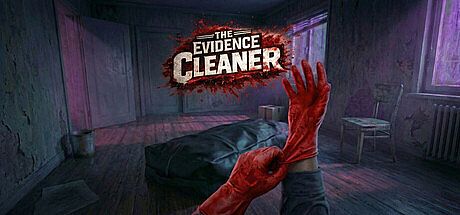


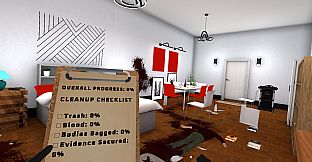
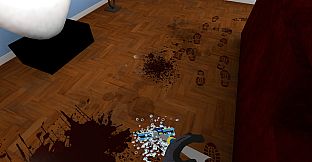
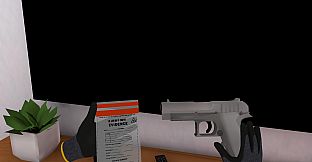
O Evidence Cleaner é um jogo indie de simulação focada na limpeza de cenas de crime. O jogador assume o papel de um operador discreto responsável por eliminar vestígios de operações de sindicatos no PC, usando controles tradicionais ou controladores de movimento em VR para interações físicas.
Gameplay
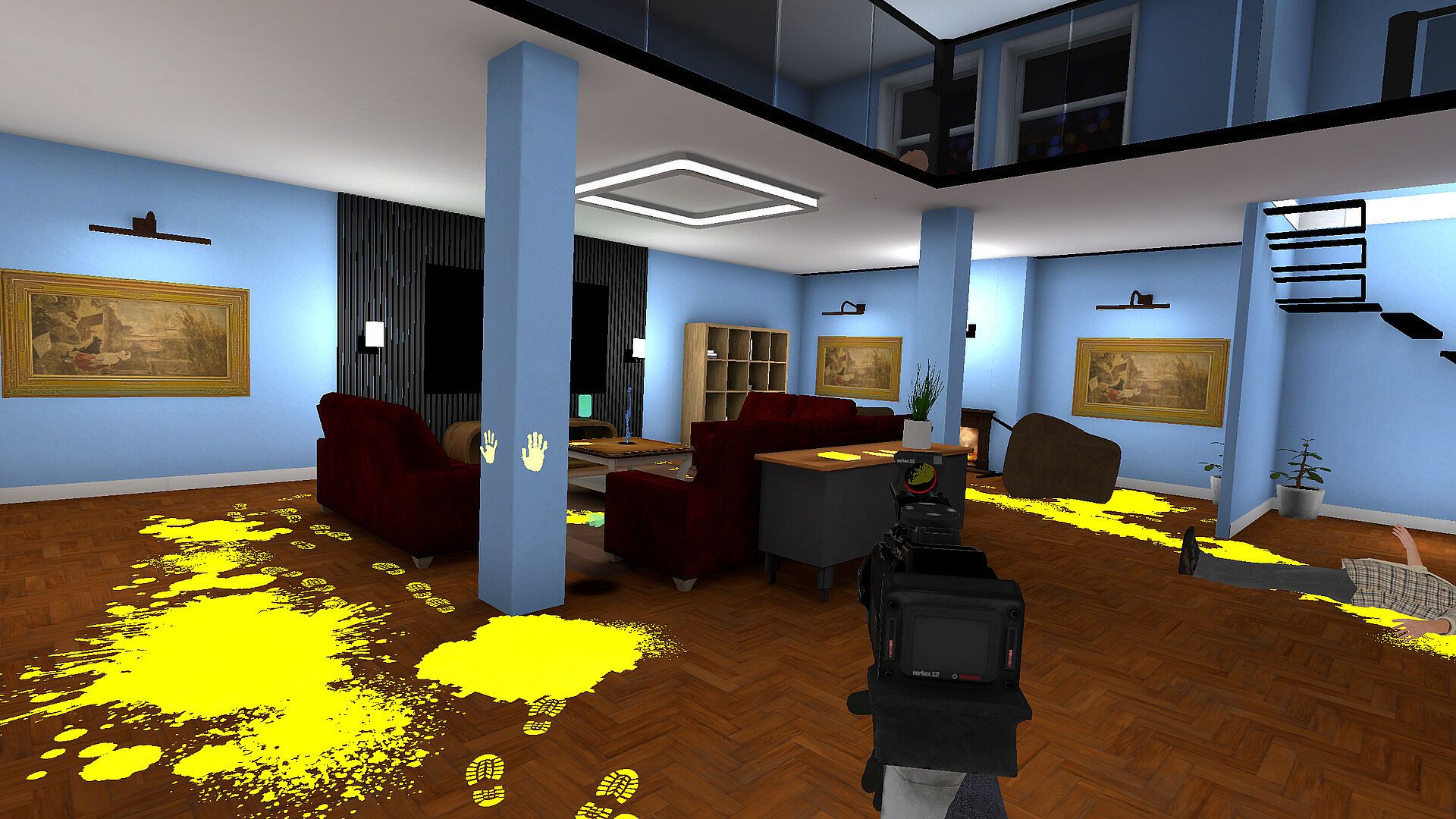
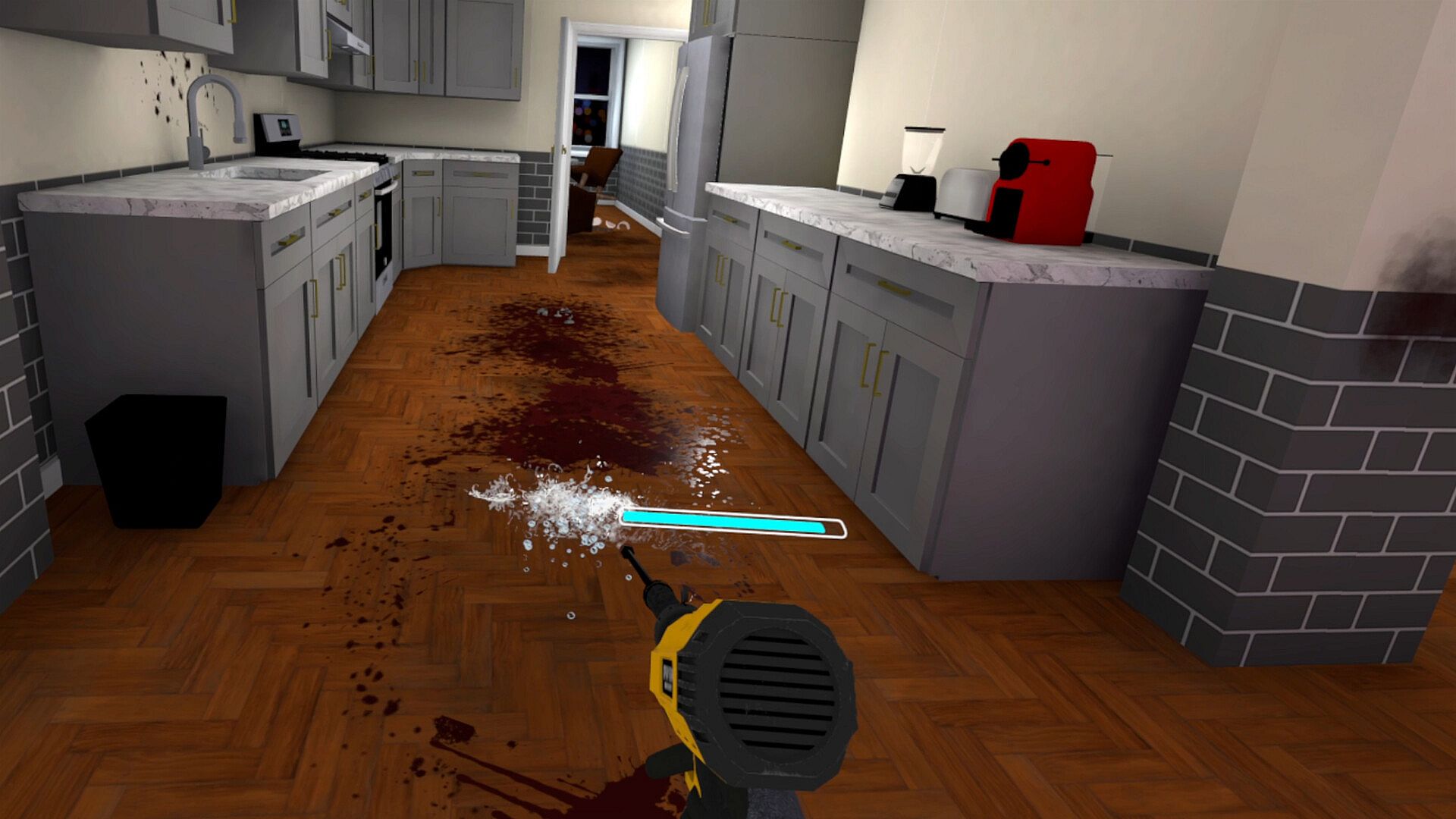
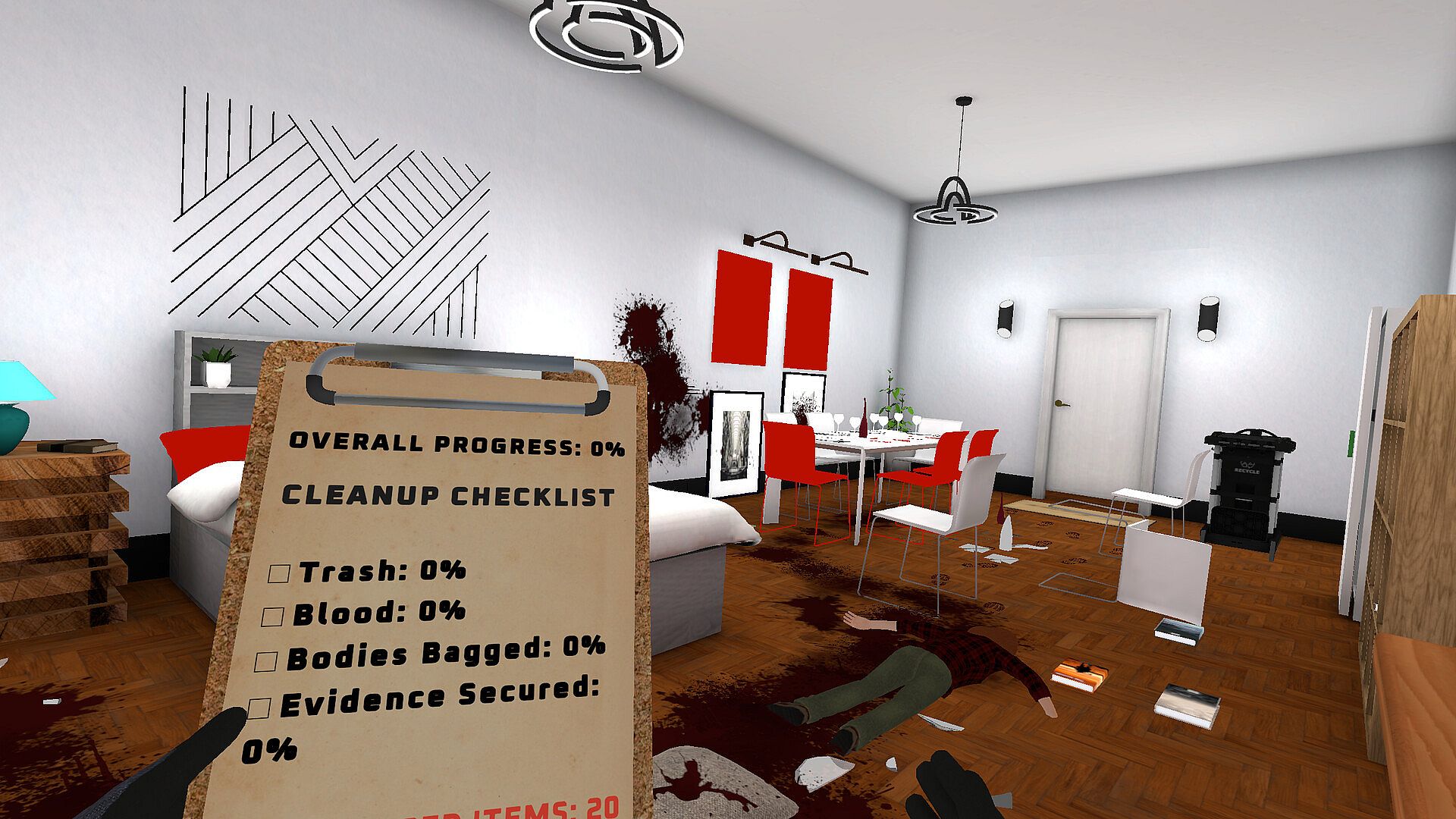
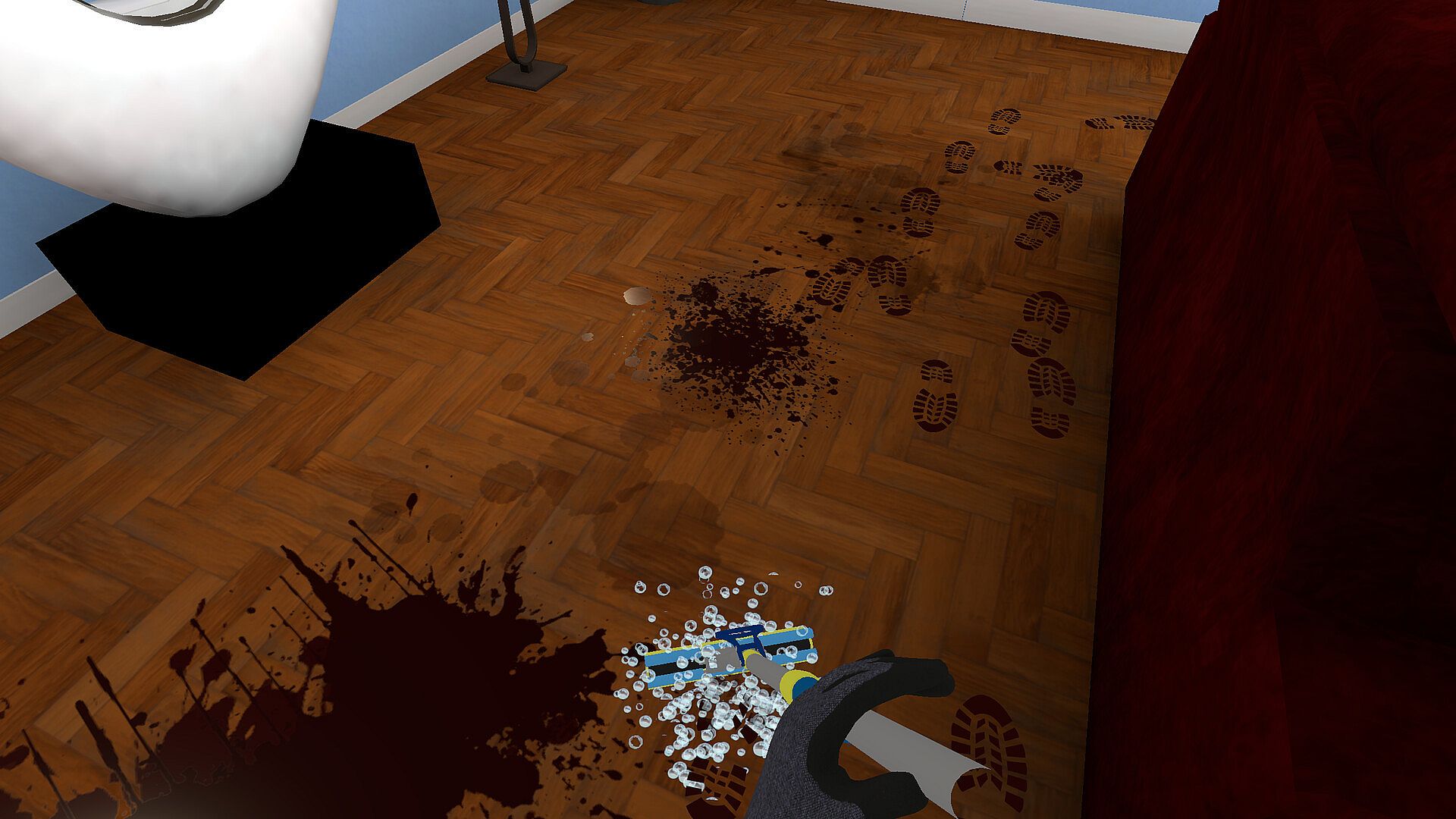
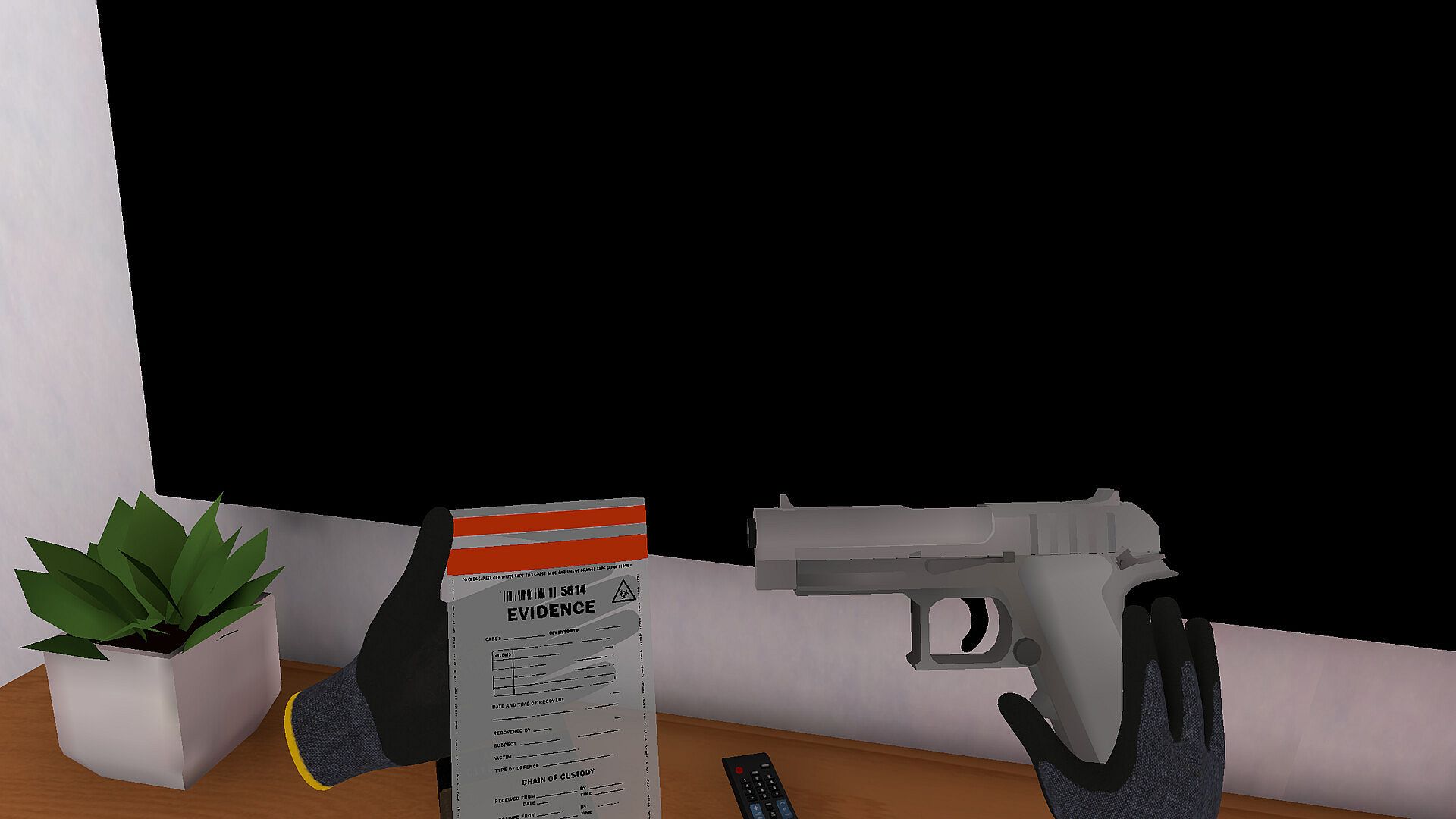
O ciclo principal gira em torno da remoção metódica de evidências sob pressão crescente das autoridades. As tarefas incluem fechar sacos para corpos, arrastar restos até os pontos de descarte e aplicar produtos químicos para decompor material orgânico. Manchas de sangue exigem esfregação cuidadosa, enquanto cápsulas e outros detritos precisam ser recolhidos e embalados. Um scanner UV revela vestígios ocultos, como respingos microscópicos ou impressões digitais que passam despercebidos a olho nu.
A física realista torna cada ação palpável, seja ao carregar cargas pesadas ou ao movimentar equipamentos pelo local. Unidades industriais de descarte permitem queimar ou dissolver os itens coletados, eliminando qualquer rastro. A tensão aumenta conforme as sirenes se aproximam, exigindo que o jogador equilibre velocidade e precisão para evitar ser descoberto.
As interações priorizam sequência e atenção aos detalhes. É preciso identificar pistas ocultas antes de removê-las e transportar tudo até as unidades especializadas para destruição final. O processo se repete em diferentes locais, cada um com disposição única de evidências e obstáculos que exigem estratégias adaptadas.
Modos de Jogo
O jogo é inteiramente single-player. Cada sessão coloca o jogador em uma cena de crime isolada, com o objetivo de eliminar todas as evidências antes da chegada de forças externas. A progressão acontece ao completar cenários com níveis variados de complexidade na distribuição de evidências e obstáculos ambientais.
Limites de tempo e alertas de proximidade formam a principal estrutura de desafio. Não há elementos competitivos ou cooperativos, mantendo o foco no desempenho individual e nas decisões sob pressão. O jogador pode revisitar as cenas para aprimorar técnicas ou tentar tempos menores.
Controles e Plataformas
A compatibilidade com VR e tela plana oferece flexibilidade. No VR, os controladores de movimento permitem manipular objetos diretamente, como fechar sacos ou esfregar superfícies com gestos naturais. Teclado e mouse ou controles tradicionais executam as mesmas ações por meio de comandos mapeados.
Os requisitos de sistema são acessíveis, rodando em máquinas Windows com hardware intermediário. A compatibilidade com VR abrange headsets que seguem o padrão OpenXR, com opções para áreas sentadas ou em pé. O design de dois modos garante que a simulação permaneça acessível independentemente do método de entrada preferido.
Vale a Pena Jogar?
O título é indicado para quem aprecia simulações deliberadas e manuais, com tensão gerada pela pressão do tempo. O foco em tarefas físicas de limpeza e gerenciamento de evidências cria um loop concentrado que recompensa atenção aos detalhes e planejamento eficiente. A estrutura single-player mantém a experiência consistente, sem variáveis externas.
A disponibilidade no PC com suporte a VR amplia o alcance para quem busca imersão ou jogabilidade tradicional. Como lançamento recente sem agregadores de crítica consolidados, a recepção depende da tolerância individual a temas gráficos e mecânicas repetitivas, porém precisas. Quem valoriza resolução metódica de problemas em cenários de alta pressão encontrará sistemas que correspondem exatamente à proposta descrita.