




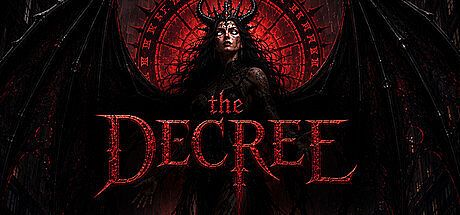


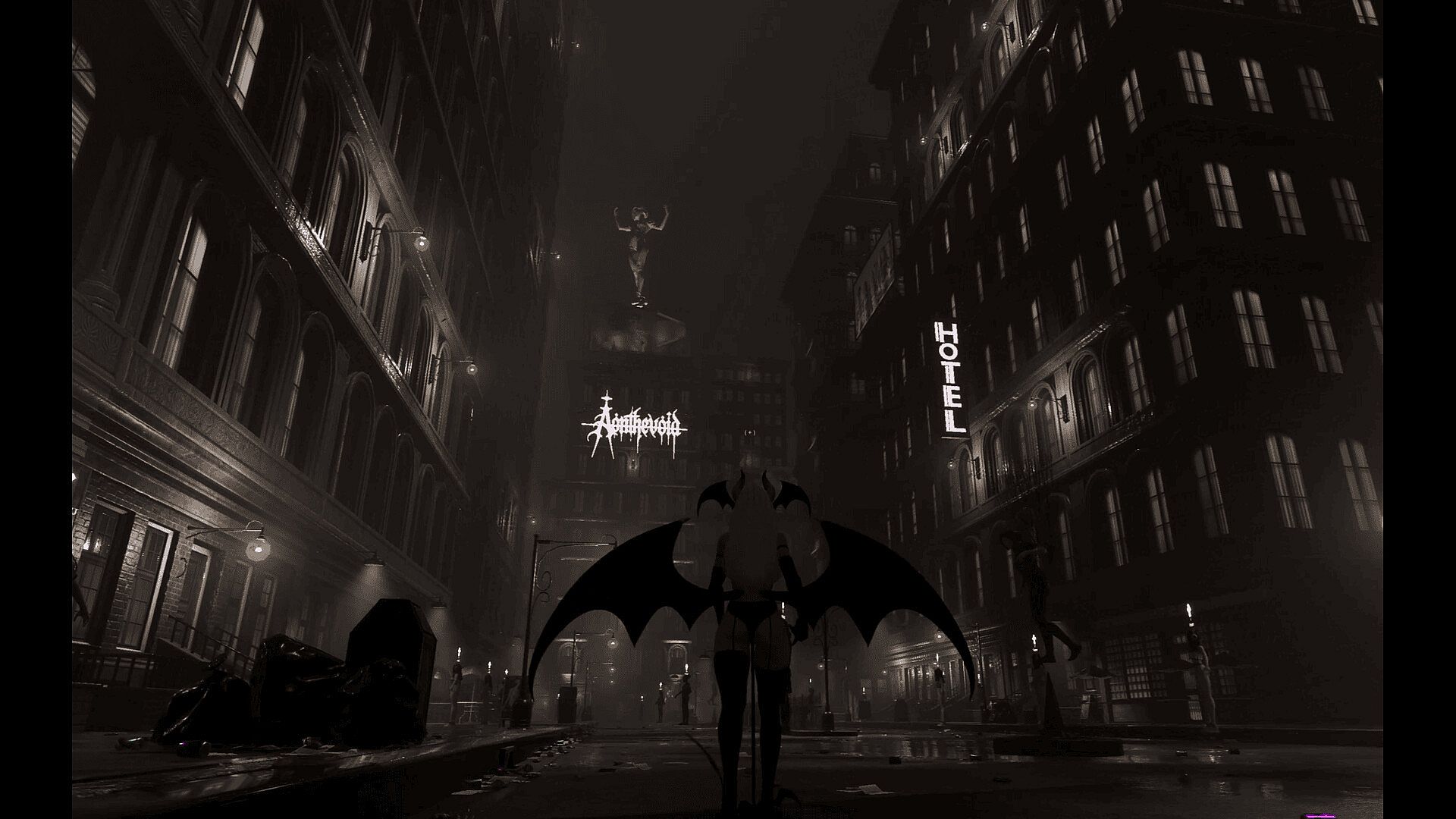

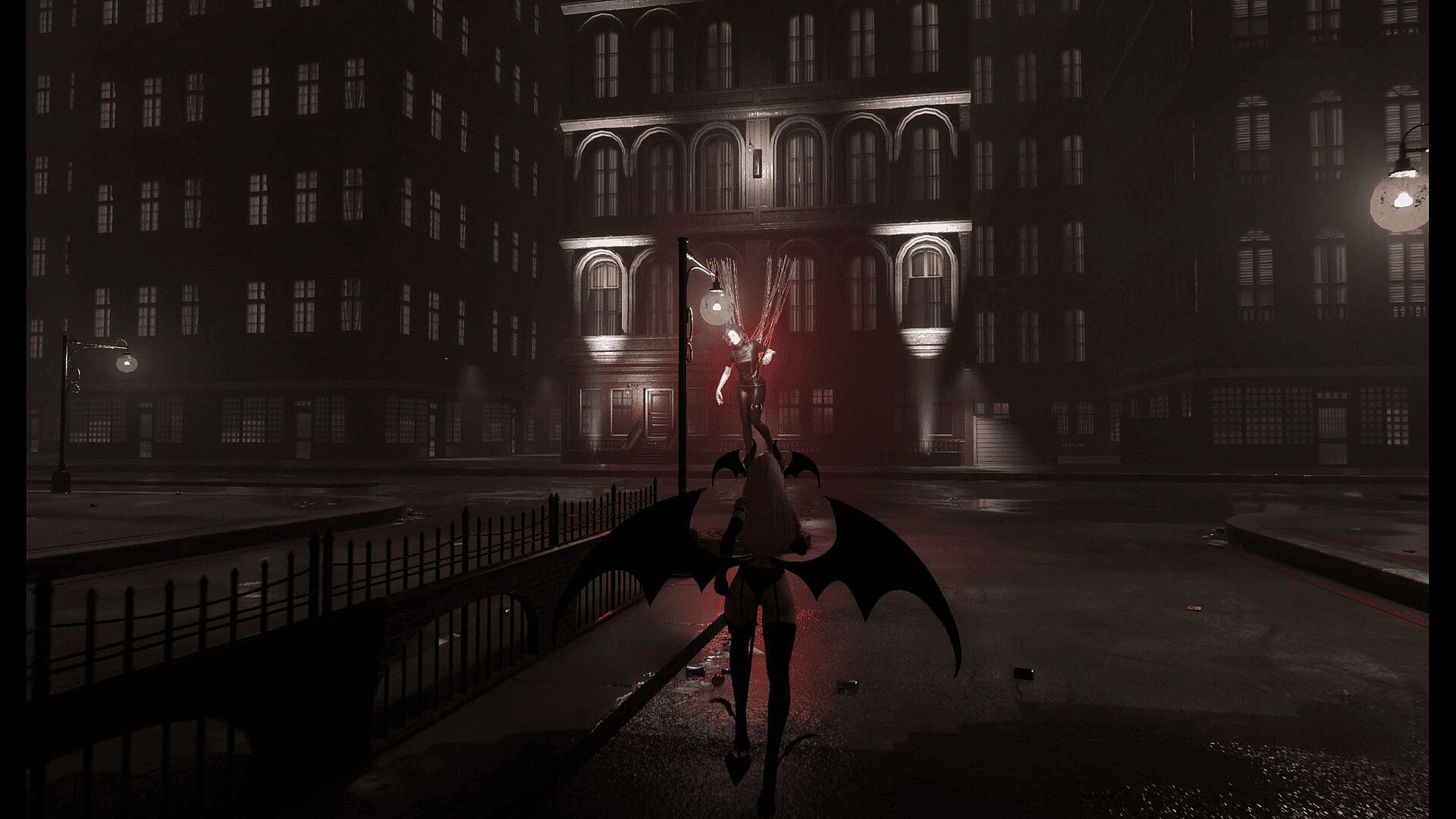





The Decree is a three player cooperative indie horror game for PC where teams hunt wandering souls in a city under constant time pressure. Players work together to fulfill a decree by tracking, predicting, and capturing souls of varying rarity while managing threats that appear during each run. The experience blends pattern recognition, quick typing challenges, and split second decisions in a setting where failure compounds quickly across repeated attempts.
Gameplay
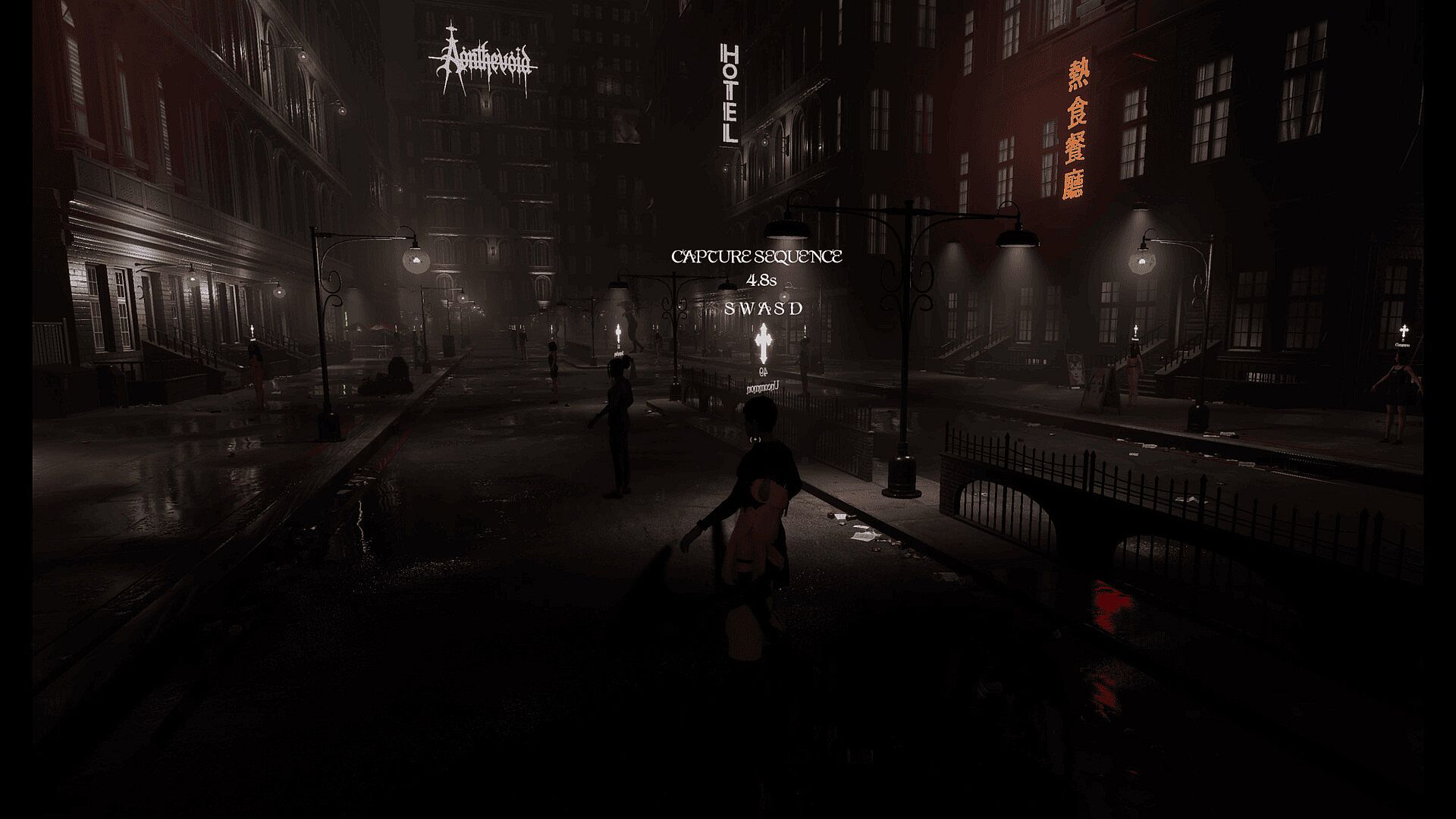
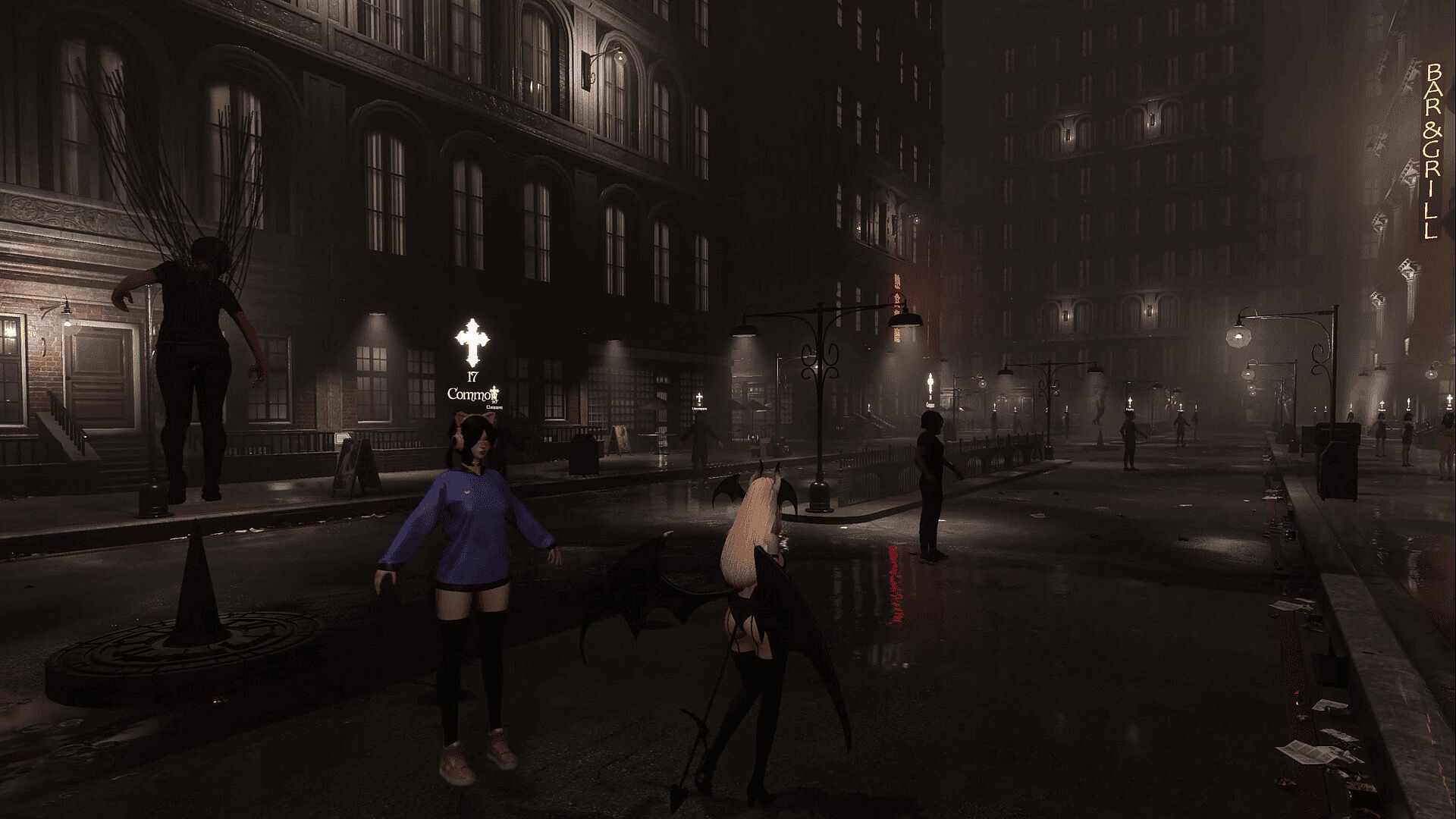
Core play revolves around locating and securing souls that move through the environment according to observable patterns. Teams observe movement, learn routines, and position for captures before the timer expires. Souls fall into four categories, with common ones requiring simple sequences and legendary ones demanding precise five word sentences typed under tight constraints. Mistakes allow the target to escape, ending that opportunity without any health or damage system to buffer errors.
Additional pressure comes from Soul Drainers that surface at intervals. Teams must weigh the cost of ignoring them against the time lost to confrontations, with roles shifting naturally among the three sisters as one player tracks high value targets, another clears threats, and the third handles complex captures. Communication and role swapping keep the group adaptable as conditions change within the ninety second window of each order.
The loop emphasizes prediction and efficiency rather than combat or exploration. Success depends on learning soul behaviors across attempts and coordinating captures before the clock hits zero. Extracting early preserves progress toward personal records, while continuing pushes the run further into escalating difficulty.
Game Modes
The primary experience centers on completing a sequence of orders that steadily raise the stakes. The first six orders build pressure through tighter timing and more demanding soul types. Completing this initial set does not conclude the session. Instead, the challenge intensifies further without a fixed endpoint or return to a lobby, allowing runs to extend as long as the team maintains consistency.
Failure occurs only after three consecutive unsuccessful orders, at which point the run ends. Players receive immediate retries on individual orders but accumulate risk with each miss. This structure supports both focused attempts to clear the baseline six orders and longer endurance sessions aimed at beating prior distances. The absence of assigned classes encourages flexible playstyles where any sister can pivot between hunting, defense, and typing tasks based on the moment.
Progression and Replayability
Each completed order contributes to an overall run score that the game tracks for future comparison. Teams decide when to extract once the initial six orders are finished, creating natural stopping points while still permitting continued play into harder phases. The system rewards pattern mastery and coordinated execution, with value scaling sharply from common souls to legendary ones that test typing speed and accuracy under duress.
Replay value stems from the procedural nature of soul movements and the need to adapt strategies across different order difficulties. Short sessions focus on efficient captures within the time limit, while extended runs test endurance against rising demands and intermittent drainer appearances. The cooperative format supports varied group compositions, as players rotate responsibilities to optimize for specific soul rarities or threat management.
Is It Worth Playing?
The Decree suits players who enjoy cooperative timing challenges and pattern based decision making in a horror atmosphere. Its emphasis on observation, quick execution, and group coordination appeals to those comfortable with short, high pressure rounds rather than open ended exploration or narrative focus. The indie scope keeps mechanics streamlined around the core soul hunting loop without extraneous systems.
Availability on PC allows straightforward access for three player groups seeking a distinct co op experience. The escalating order structure provides clear goals for new teams while offering depth for those chasing longer survival records. Those drawn to precise inputs and adaptive teamwork will find repeated value in refining capture techniques and role assignments across sessions.