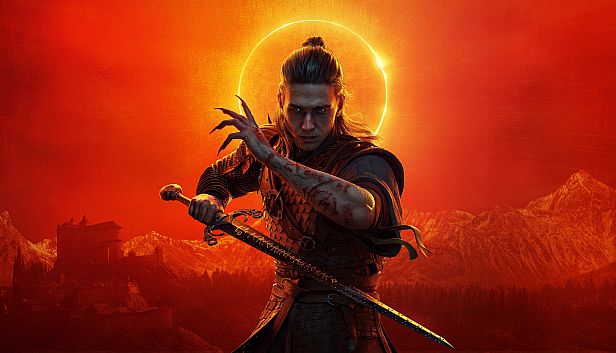















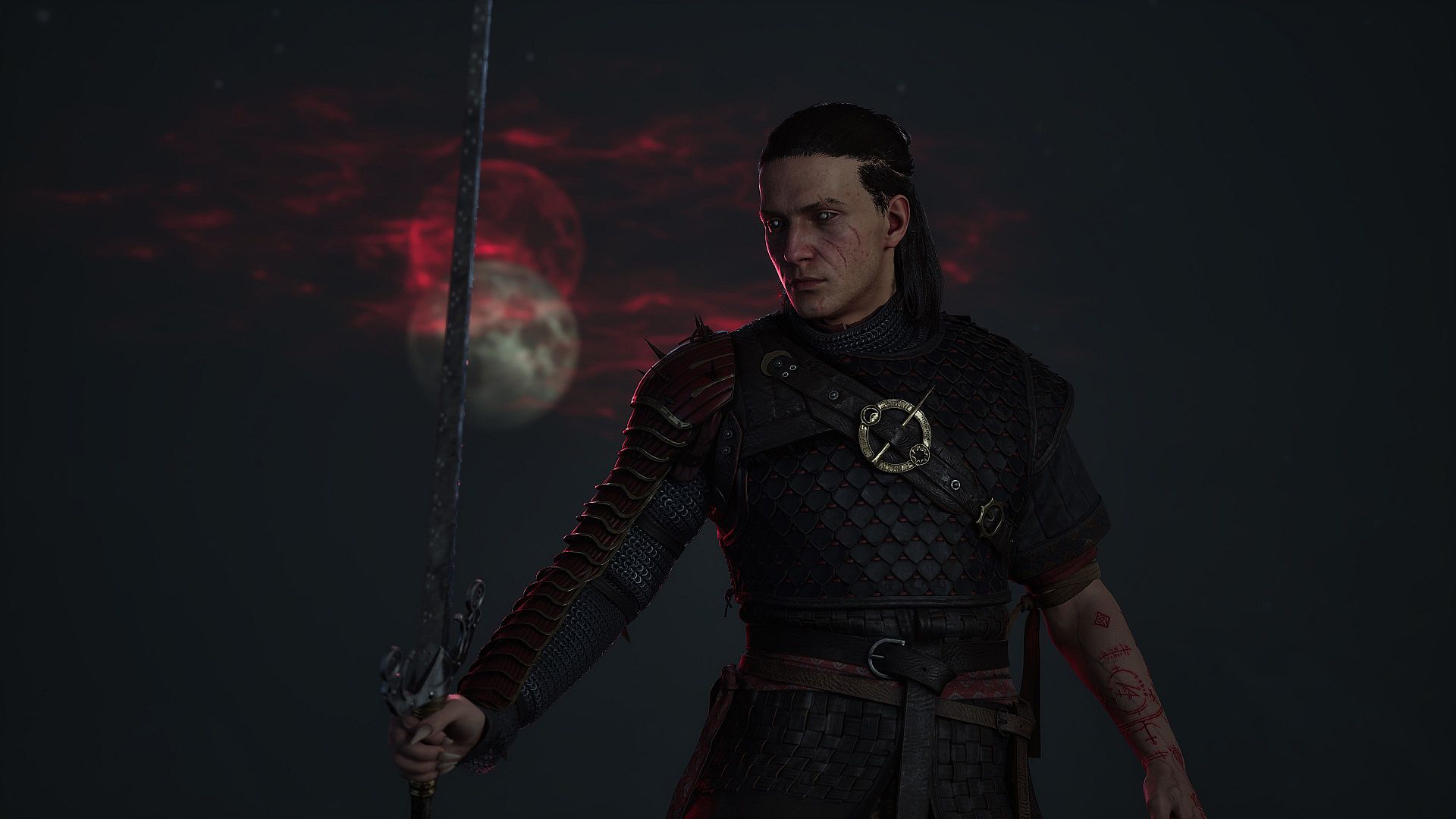
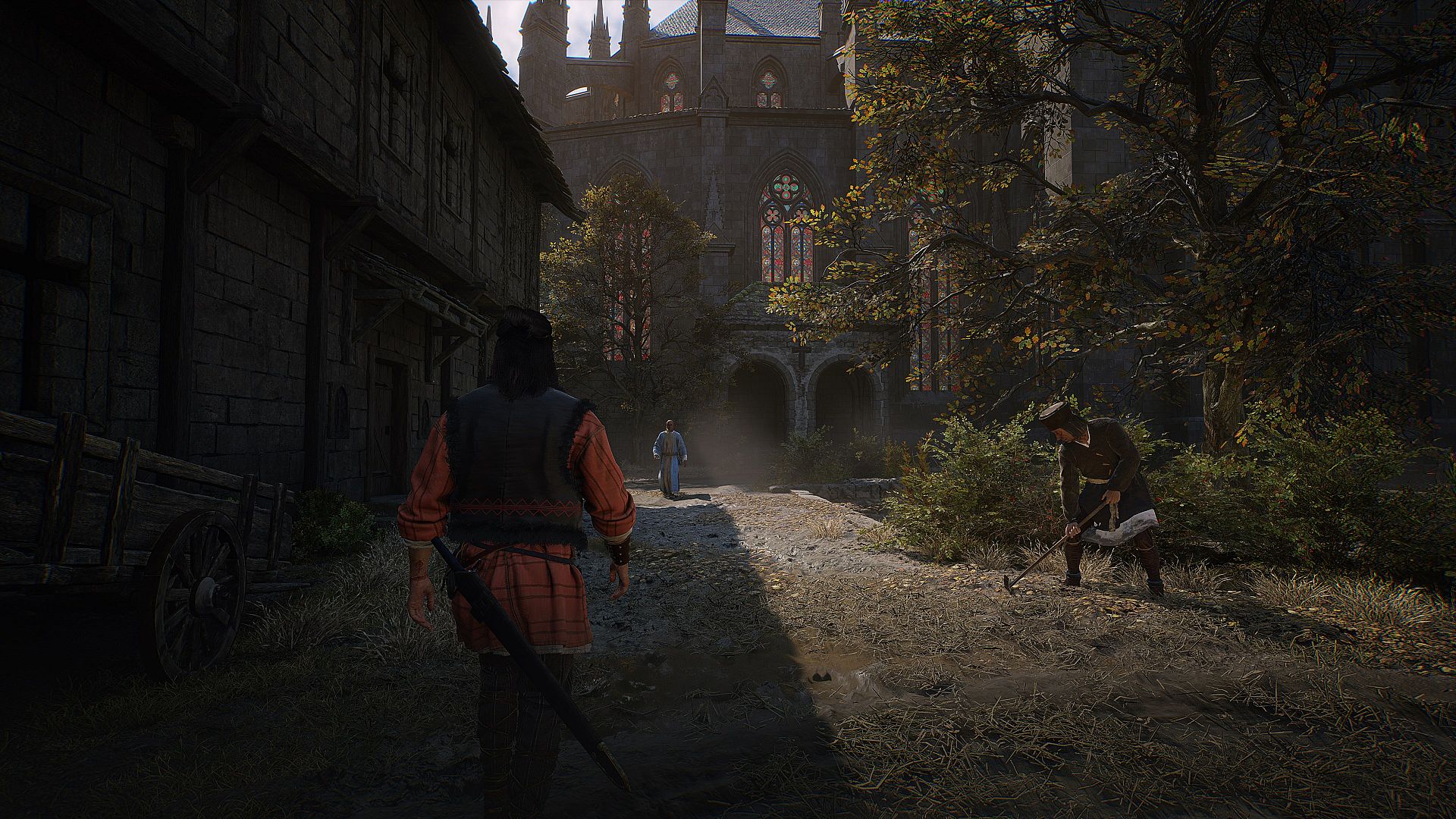
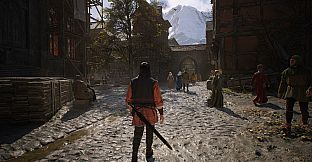
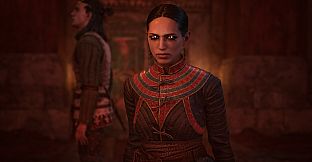
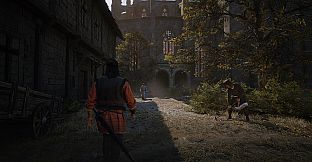
The Blood of Dawnwalker é um RPG de ação em mundo aberto para um jogador ambientado numa Europa do século XIV reimaginada. O jogador assume o papel de Coen, um jovem transformado em Dawnwalker que alterna entre a forma humana e a vampírica conforme o ciclo do dia. A história passa-se num período marcado por conflitos generalizados e pela Peste Negra, quando vampiros e outras criaturas noturnas surgem para desafiar a ordem estabelecida. As escolhas ao longo da narrativa determinam se Coen luta para preservar a sua humanidade ou se entrega às suas habilidades amaldiçoadas para proteger a família.
Jogabilidade
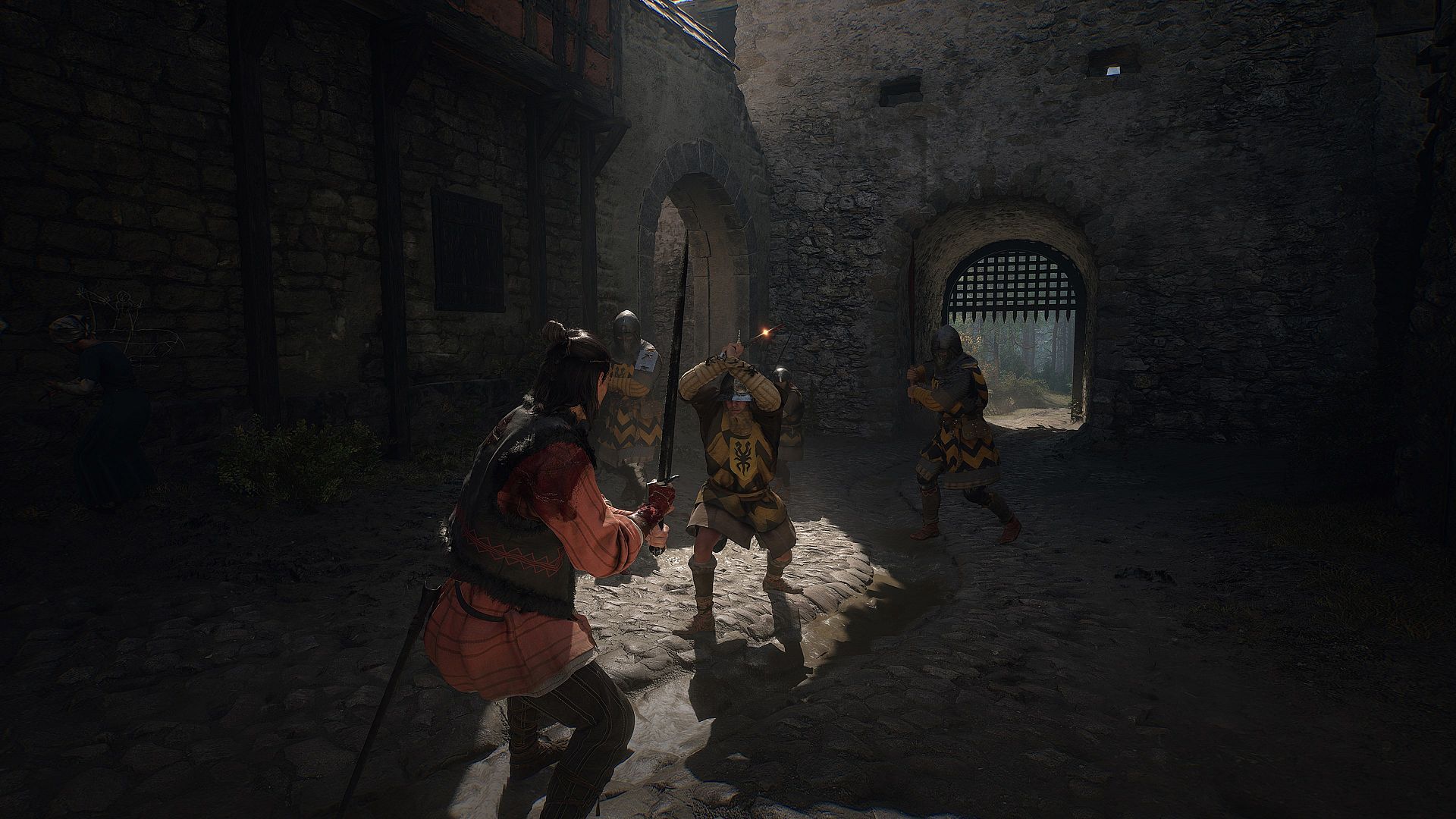
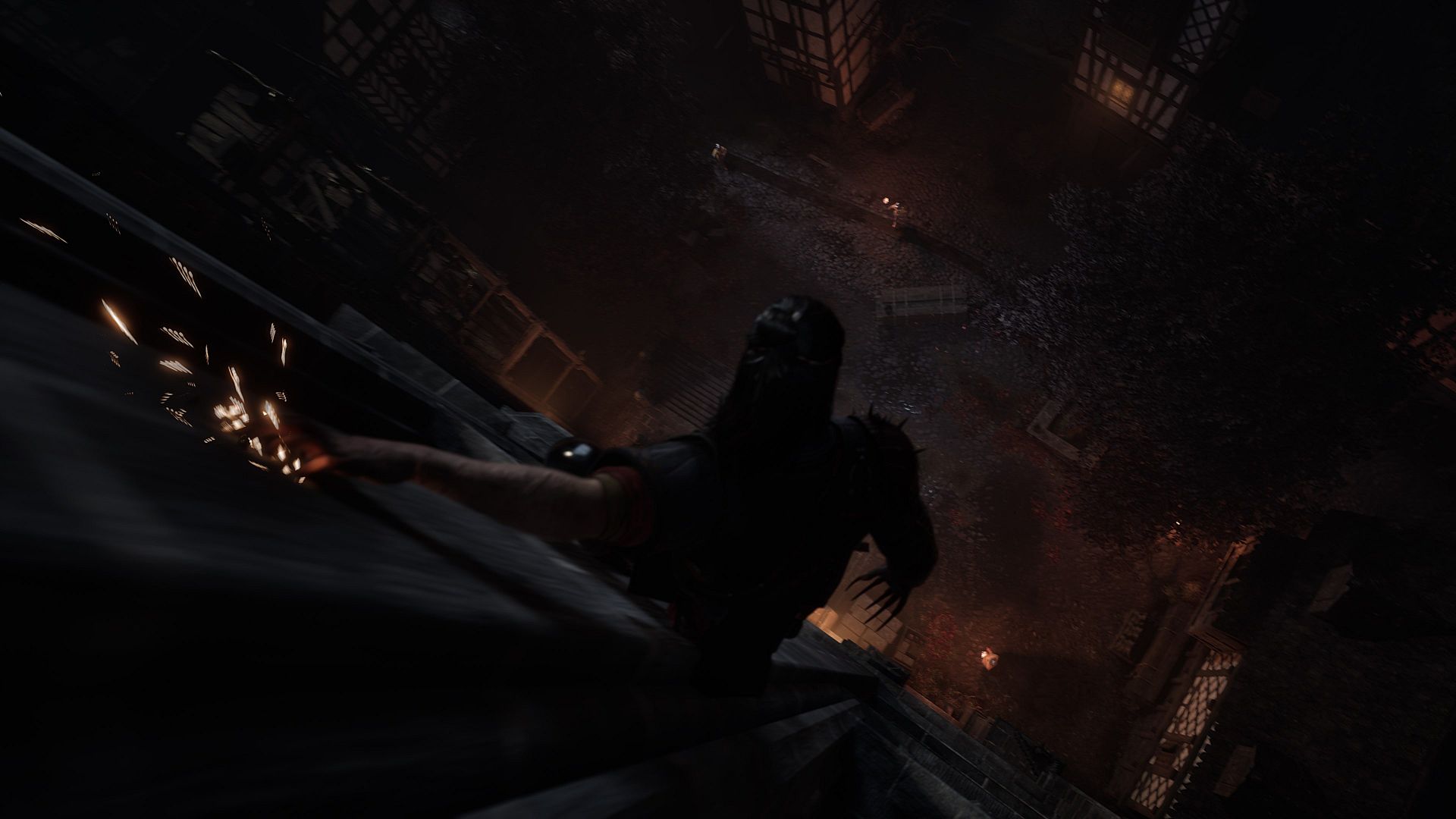
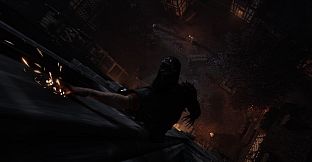
O núcleo da jogabilidade assenta no contraste entre as atividades diurnas e noturnas. Durante o dia, Coen atua como humano, utilizando combate com espada e habilidades emergentes de magia de sangue. Ataques direcionais e bloqueios sincronizados formam a base dos combates, enquanto os ataques inimigos imparáveis exigem esquivas. À noite, a forma vampírica concede opções de movimento sobrenaturais, como caminhar pelas paredes, reorientação da gravidade e passos curtos através das sombras, úteis tanto para exploração como para posicionamento em combate. Cada forma influencia a eficácia em combate e a exploração, apresentando vantagens e limitações distintas que o jogador deve equilibrar ao abordar os objetivos.
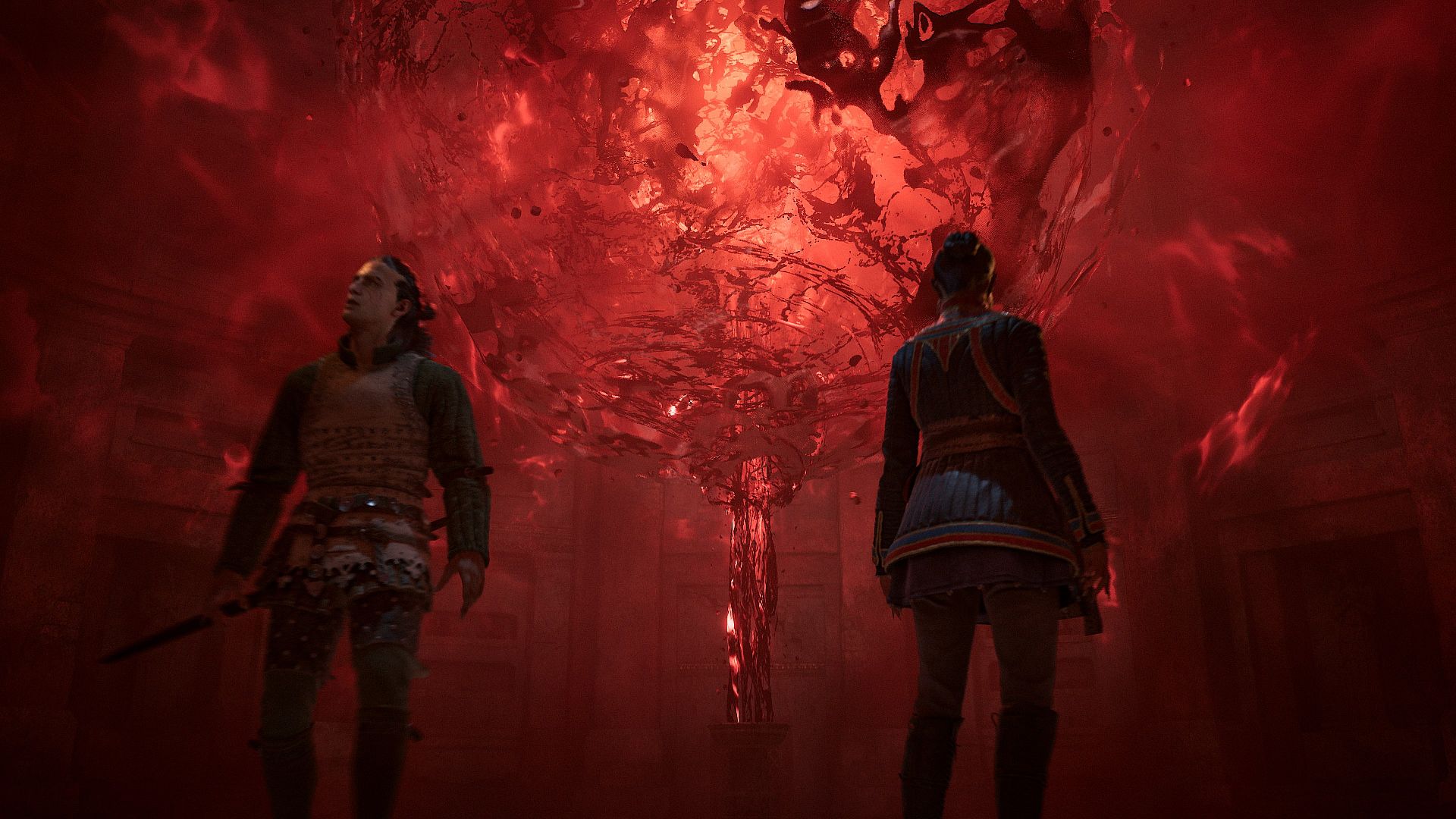
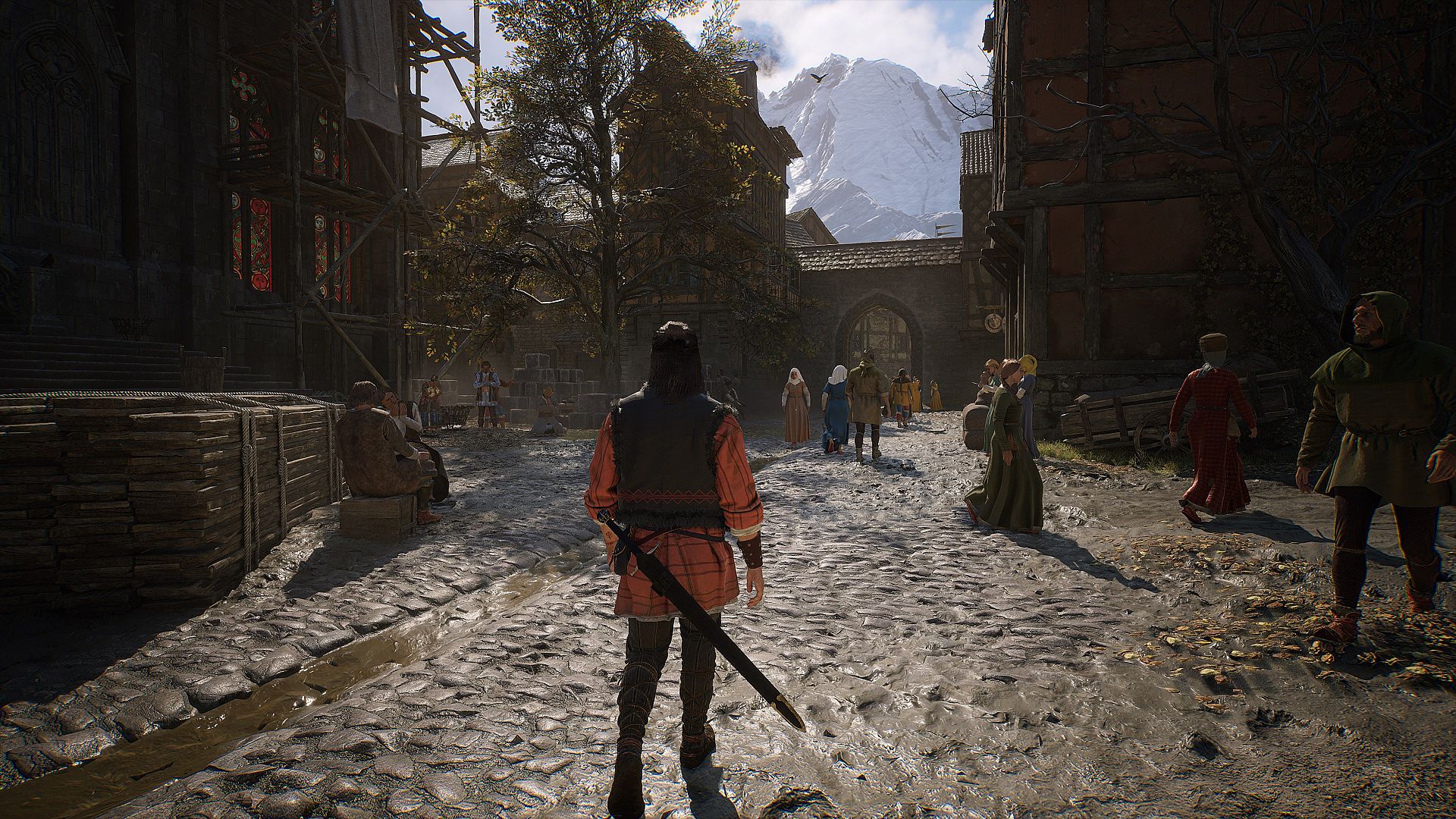
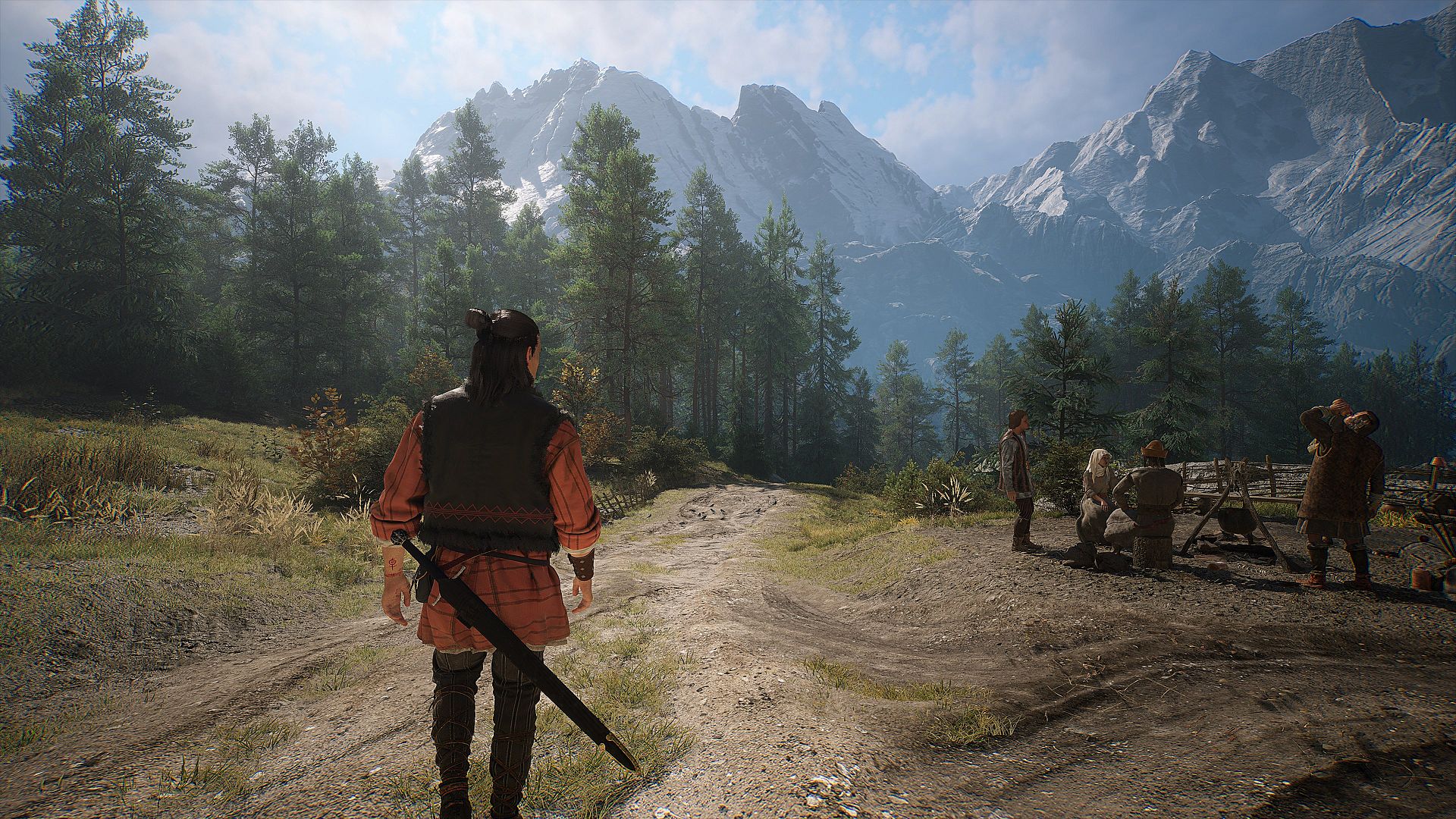
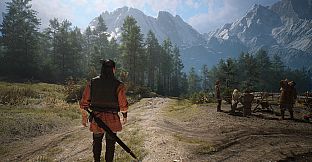
O mundo aberto é composto por regiões artesanais que incluem florestas, planícies, pântanos, montanhas e povoações medievais. A exploração revela ruínas antigas e conhecimento oculto ligado ao conflito maior. O tempo avança principalmente ao concluir missões, o que obriga o jogador a priorizar tarefas sem impedir o livre movimento entre os momentos da história. Um sistema de infâmia regista as mudanças de reputação mais amplas, enquanto as relações com personagens individuais evoluem conforme as escolhas de diálogo e ação. O combate e a locomoção evoluem à medida que Coen adquire habilidades através de percursos de progressão separados para humano, vampiro e partilhados.
Modos de Jogo
A experiência centra-se numa campanha narrativa para um jogador. O jogador molda a história através de decisões que ramificam os resultados, como optar por resgatar a família ou vingar-se do vampiro que transformou Coen. Atividades secundárias e alianças opcionais expandem a linha principal de missões sem exigir a conclusão de todos os elementos disponíveis. O ciclo dia-noite cria dois percursos distintos para alcançar os mesmos objetivos, incentivando a experimentação com abordagens diferentes em jogadas subsequentes ou dentro do mesmo ficheiro de jogo.
A estrutura de missões valoriza as consequências e os recursos de tempo limitados. Aceitar ou ignorar determinadas tarefas faz o mundo avançar, fechando algumas oportunidades e abrindo outras. Esta abordagem permite múltiplos caminhos através do conflito central, sem incluir modos multijogador ou competitivos tradicionais.
História e Mundo
O cenário inspira-se nos tumultos históricos do século XIV na Europa, combinando eventos documentados como a Peste Negra com elementos sobrenaturais. Os vampiros exploram o caos para conquistar poder, enquanto a natureza dual de Coen o coloca entre a sociedade humana e as criaturas noturnas emergentes. Segredos antigos espalhados pelo vale fornecem contexto para a saga maior, que os criadores indicam que continuará em futuras entregas ambientadas em épocas e regiões diferentes.
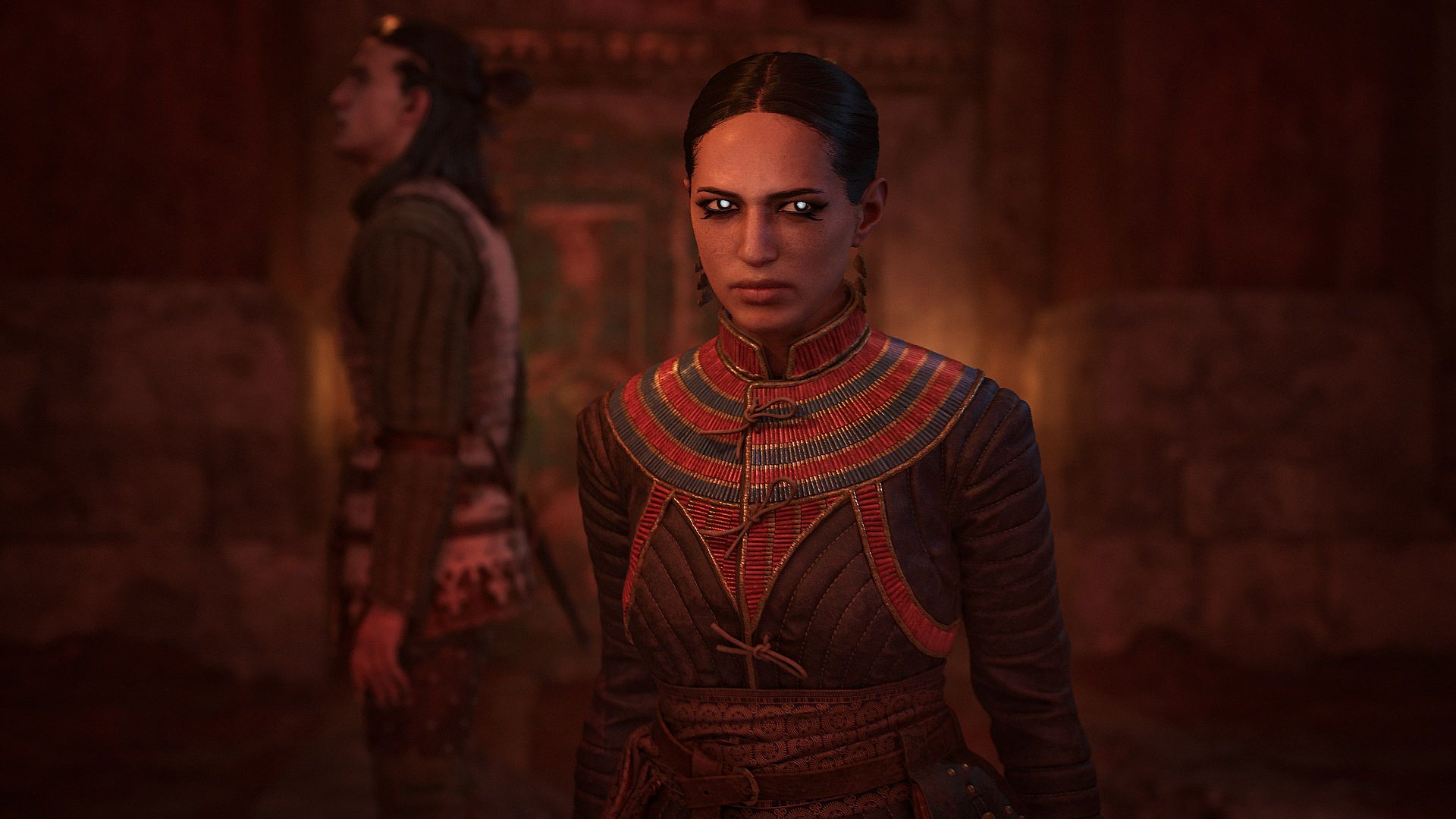
A agência do jogador estende-se a dilemas morais e práticos. Ajudar uma facção ou indivíduo pode prejudicar relações noutros pontos, e o prazo limitado antes dos eventos-chave da história obriga a uma participação seletiva. O diálogo e a narrativa ambiental revelam como as ações se propagam, afetando tanto as relações pessoais como o equilíbrio mais amplo de poder.
Vale a Pena Jogar?
The Blood of Dawnwalker dirige-se a fãs de RPGs para um jogador centrados em escolhas que apreciam a combinação de profundidade narrativa com variedade mecânica. A dualidade dia-noite e o sistema de consequências distinguem-no dos títulos convencionais de mundo aberto, enquanto a mistura de combate preciso com espada e habilidades vampíricas fluidas oferece valor de rejogabilidade através de diferentes construções. As pré-reservas estão disponíveis antes do lançamento a 3 de setembro de 2026 para Xbox Series X|S e PC, com o jogo desenvolvido em Unreal Engine 5 para visuais de nova geração.
As prévias destacaram o forte potencial narrativo da equipa Rebel Wolves, muitos dos quais trabalharam em The Witcher 3. Quem procura histórias ramificadas, ambiguidade moral e jogabilidade híbrida entre humano e sobrenatural encontrará mais para explorar. Jogadores que procuram experiências puramente focadas em ação ou elementos multijogador podem preferir analisar mais imagens mais perto do lançamento antes de decidir.