




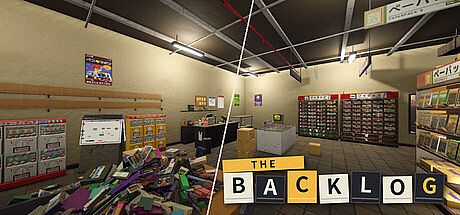


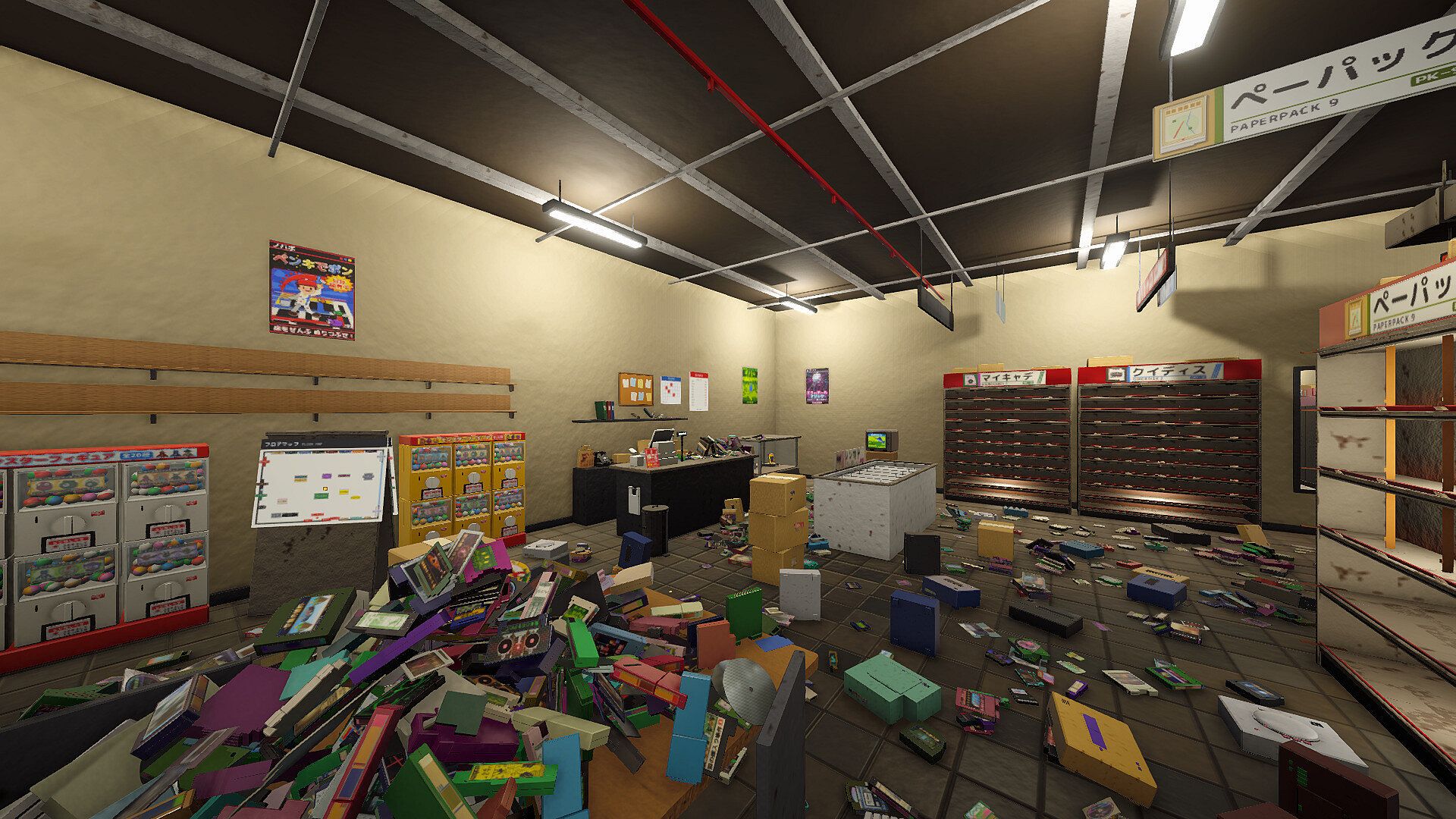
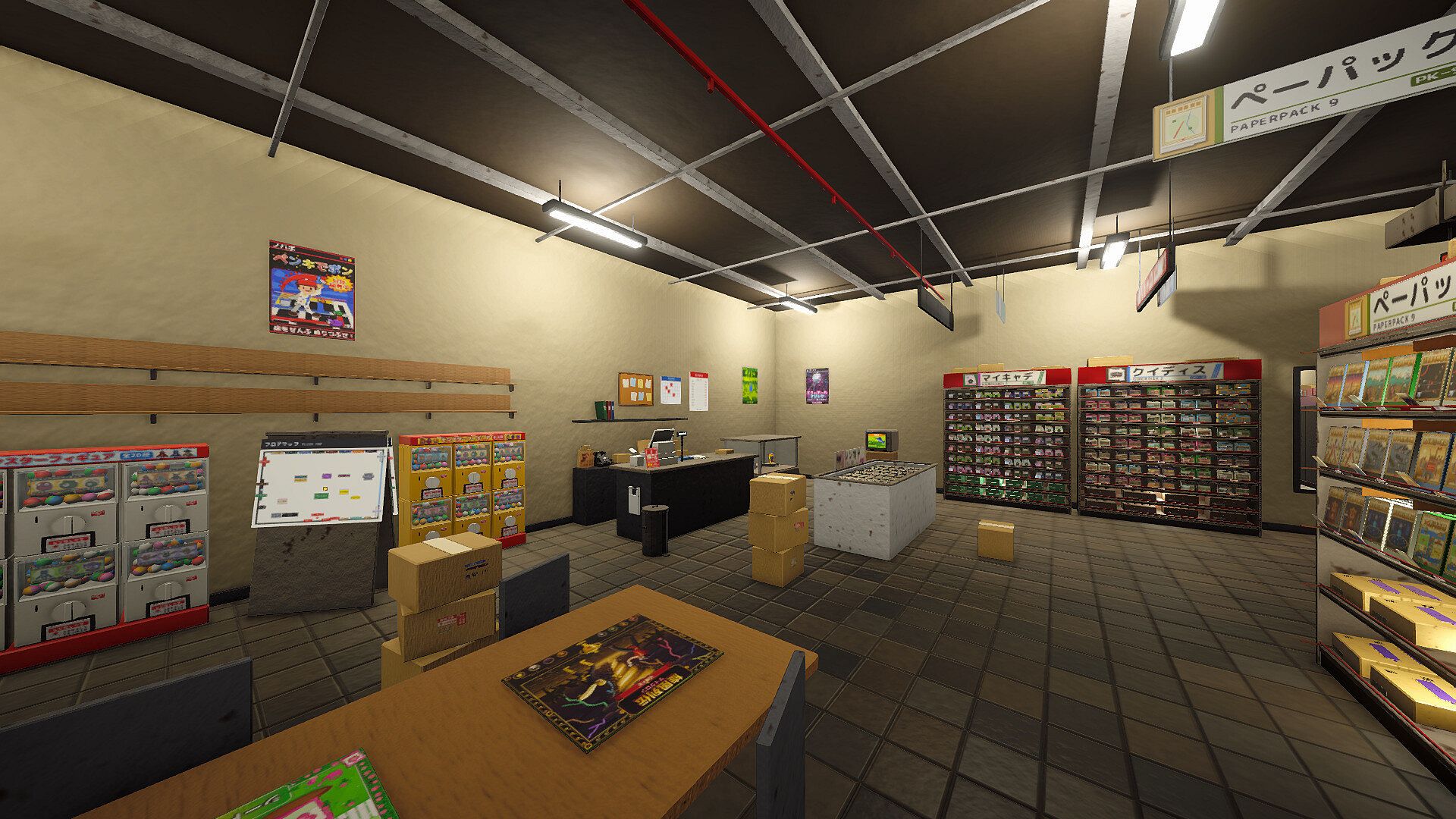
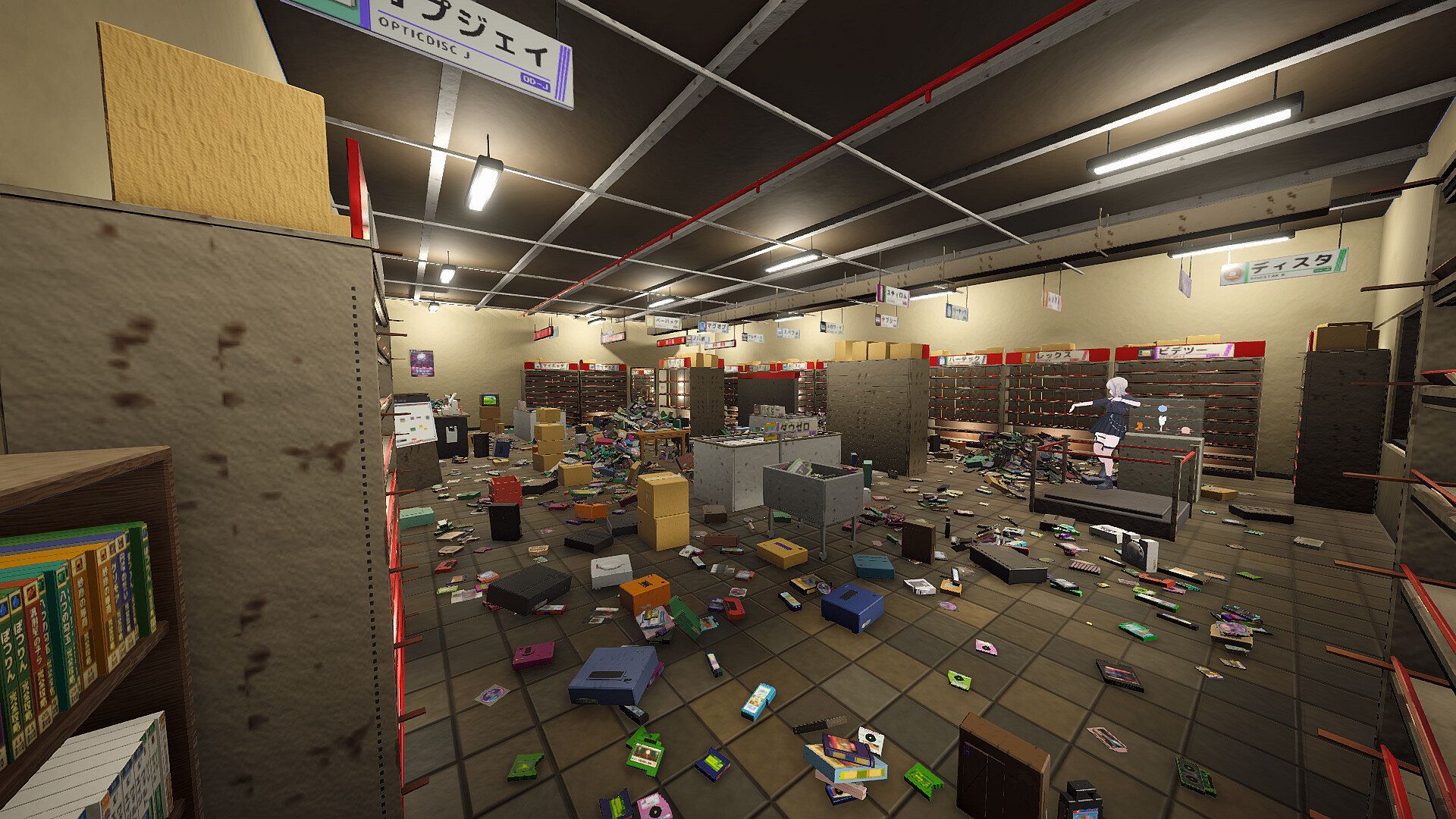
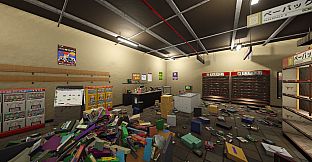
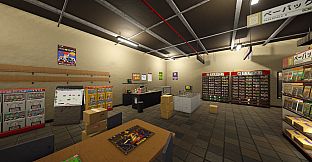
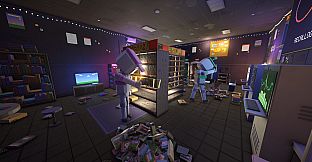
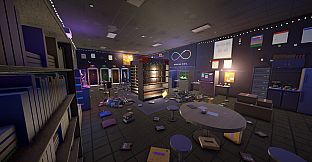
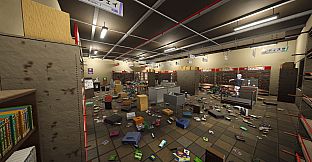
The Backlog is an indie casual simulation game on PC where players restore order to a cluttered used-game shop by sorting retro cartridges, discs, and boxes onto the correct shelves. The premise centers on the quiet satisfaction of tidying a space filled with fictional retro consoles, turning a simple organizing task into a relaxing yet engaging experience that rewards careful attention and personal strategy.
Gameplay
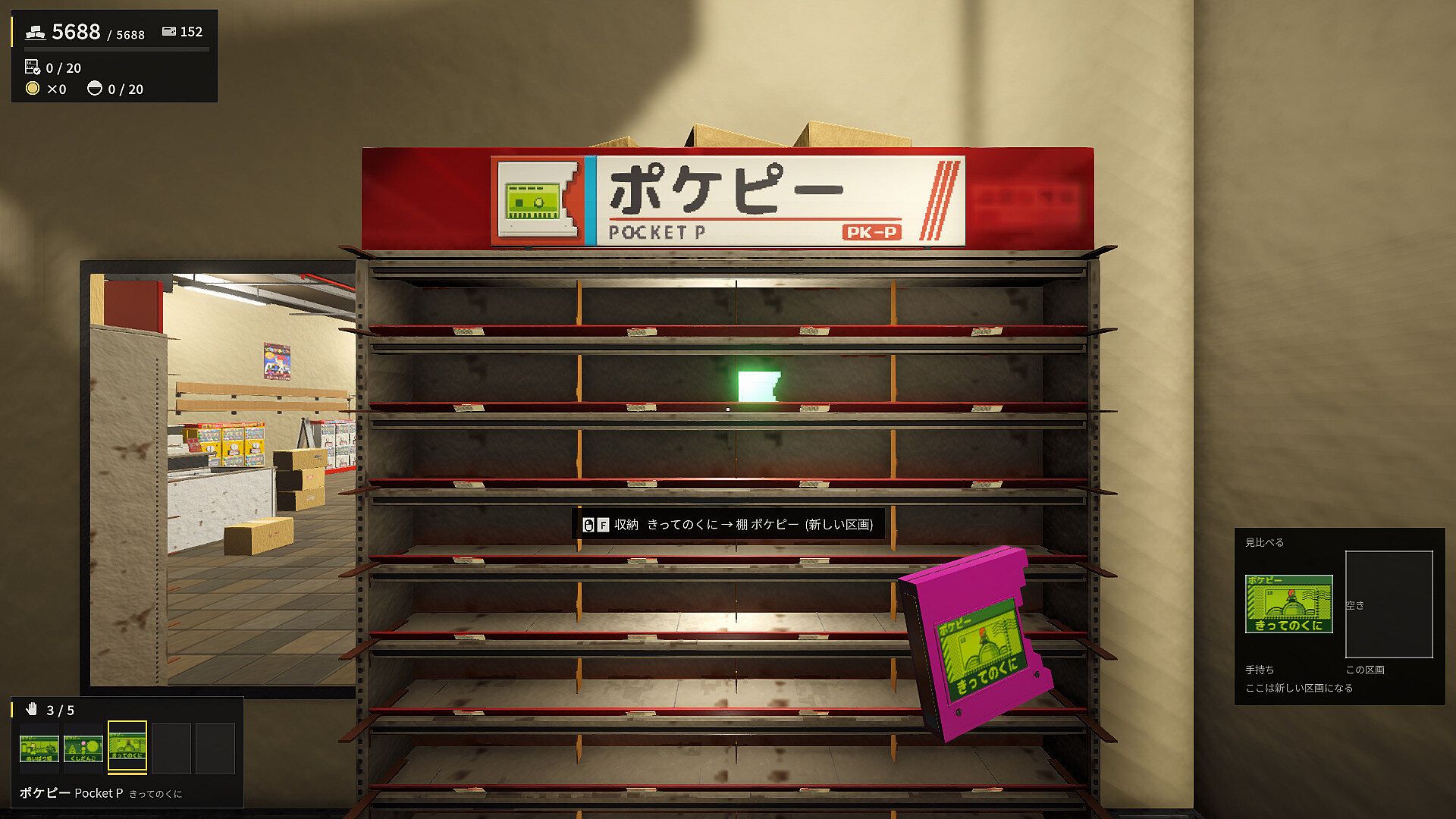
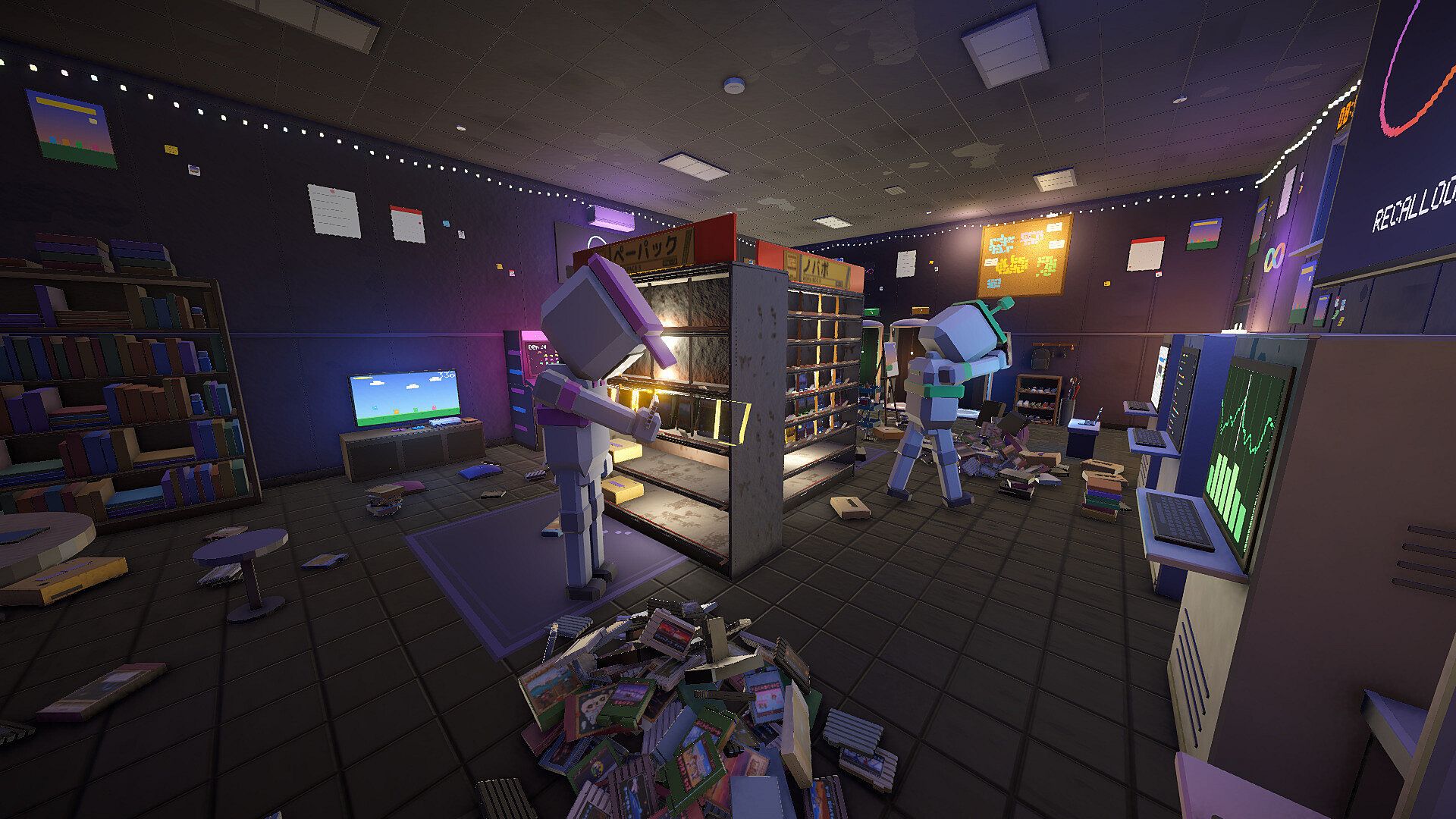
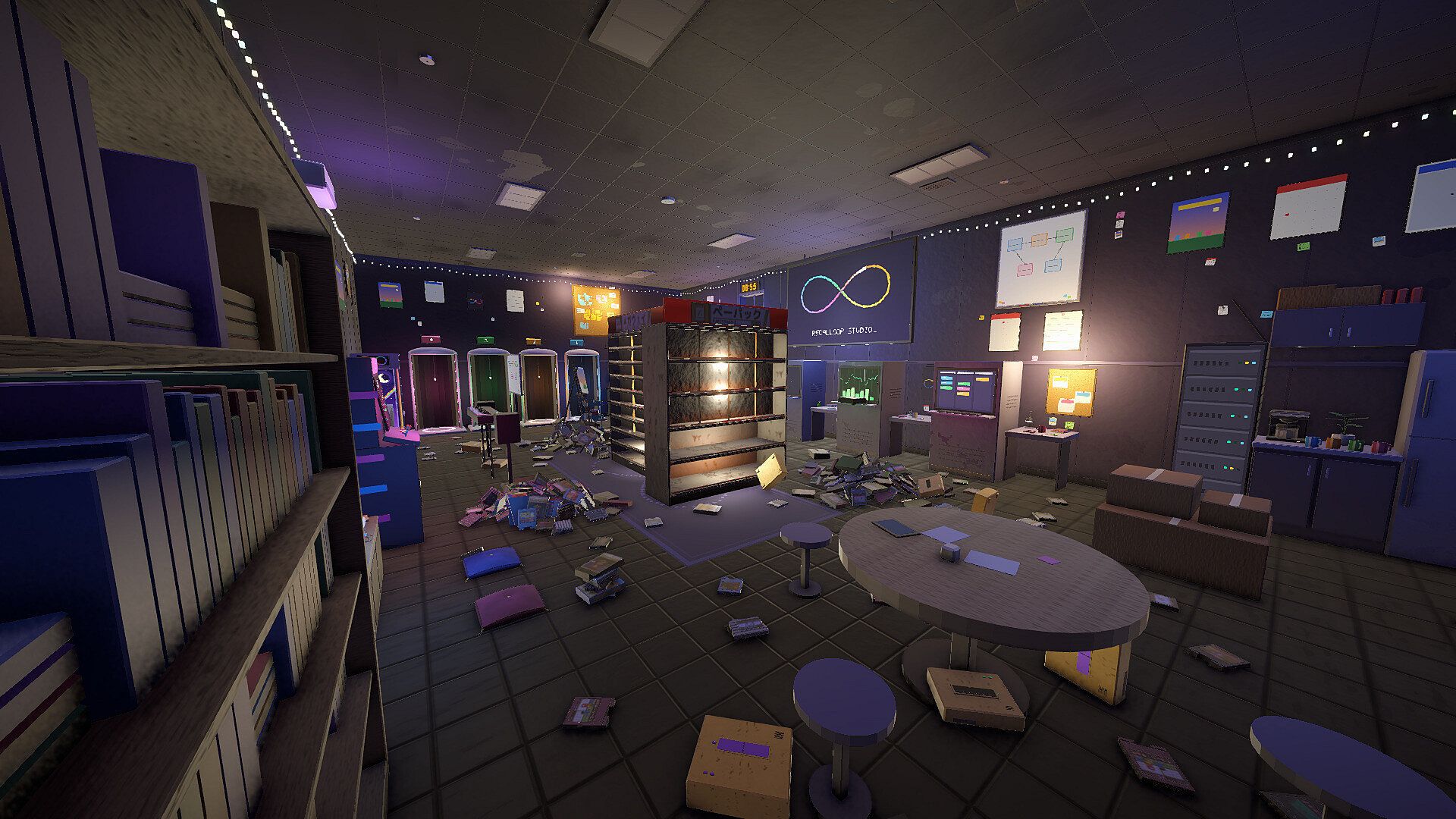
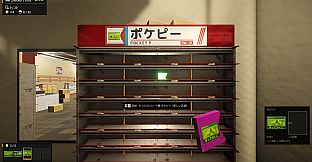
Core gameplay revolves around picking up individual items from the shop floor after closing time, examining their labels to identify the matching console shelf, and placing them in the right spot. Every cartridge, disc, and box features unique shapes and sizes, so visual matching and label reading guide placement without any timers or failure states. Shelves that fall out of order highlight themselves with a glow, offering helpful visual cues during longer sessions. Progress feels deliberate and methodical, with the environment gradually clearing as items find their homes.
Two distinct skill tracks develop through repeated play. One track improves physical handling, allowing players to carry more items at once, bundle identical copies together, reach farther across shelves, and eventually toss games directly into position. The second track emphasizes precision and pattern recognition, where filling a shelf slot with a single title triggers matching highlights, automatic grouping of duplicates, and glowing guidance toward the correct location. These systems evolve naturally with each completed item, encouraging players to experiment with different approaches to the same tidy-up task.
Small collectibles appear beneath the piles in the form of 100-yen coins. Gathering three of them lets players operate a capsule-toy machine near the register, yielding one of twenty monster figures that display in a counter showcase. Every completed title records in a personal Game Catalog, where clear times can be compared and sped-up videos of the shop transformation can be saved. Steam achievements unlock additional cosmetic hats and visual effects for the player character.
Game Modes
The game supports both solo and shared sessions. In single-player, the focus stays on personal pacing and skill growth across the main shop floor. Up to three friends can join in local or online co-op, dividing the workload by tossing items to one another, using pings and emotes for coordination, and chatting while the in-store radio plays the same track for the entire group. Changing the station happens at the register, adding a light social layer to the organizing process.
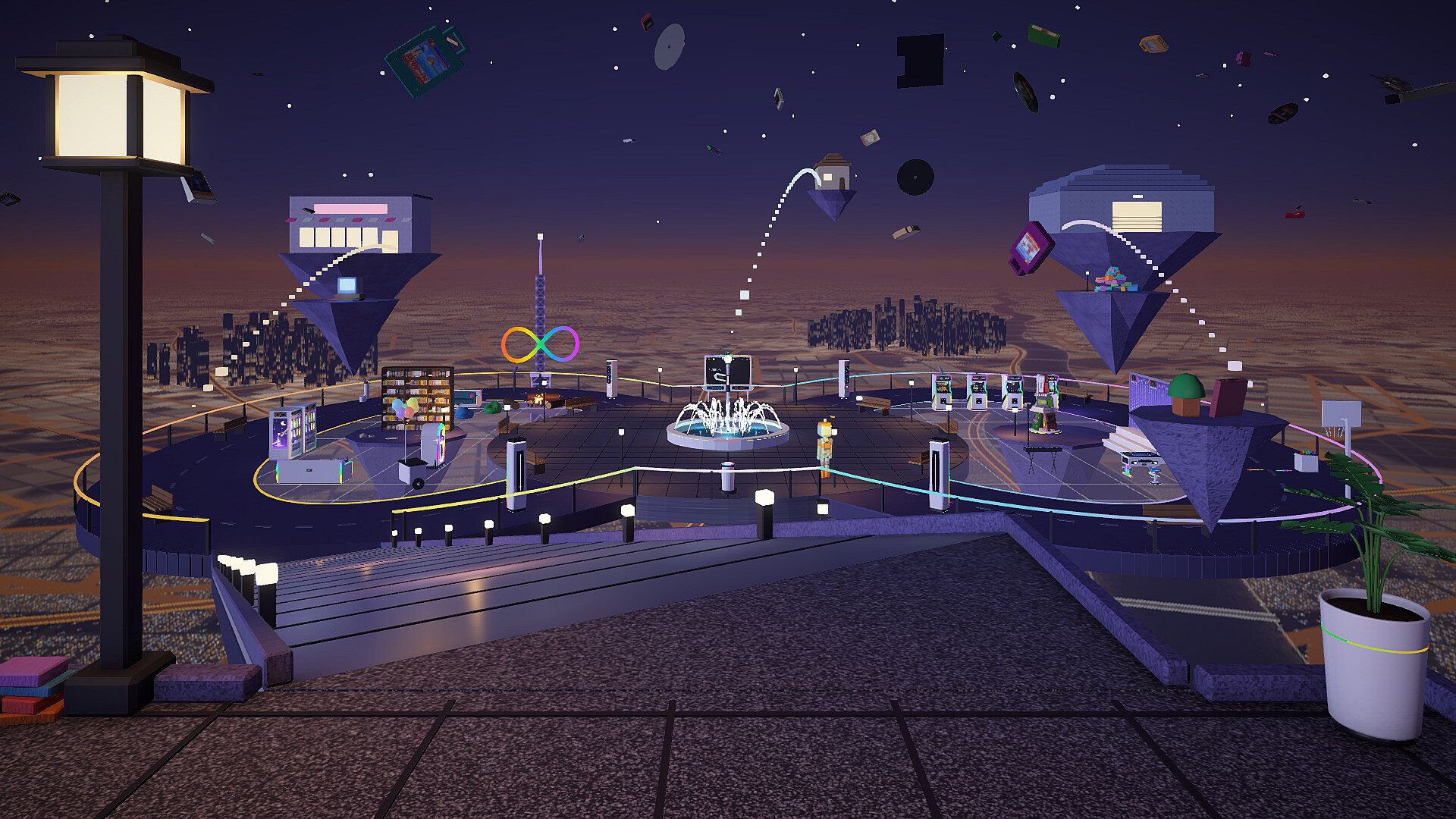
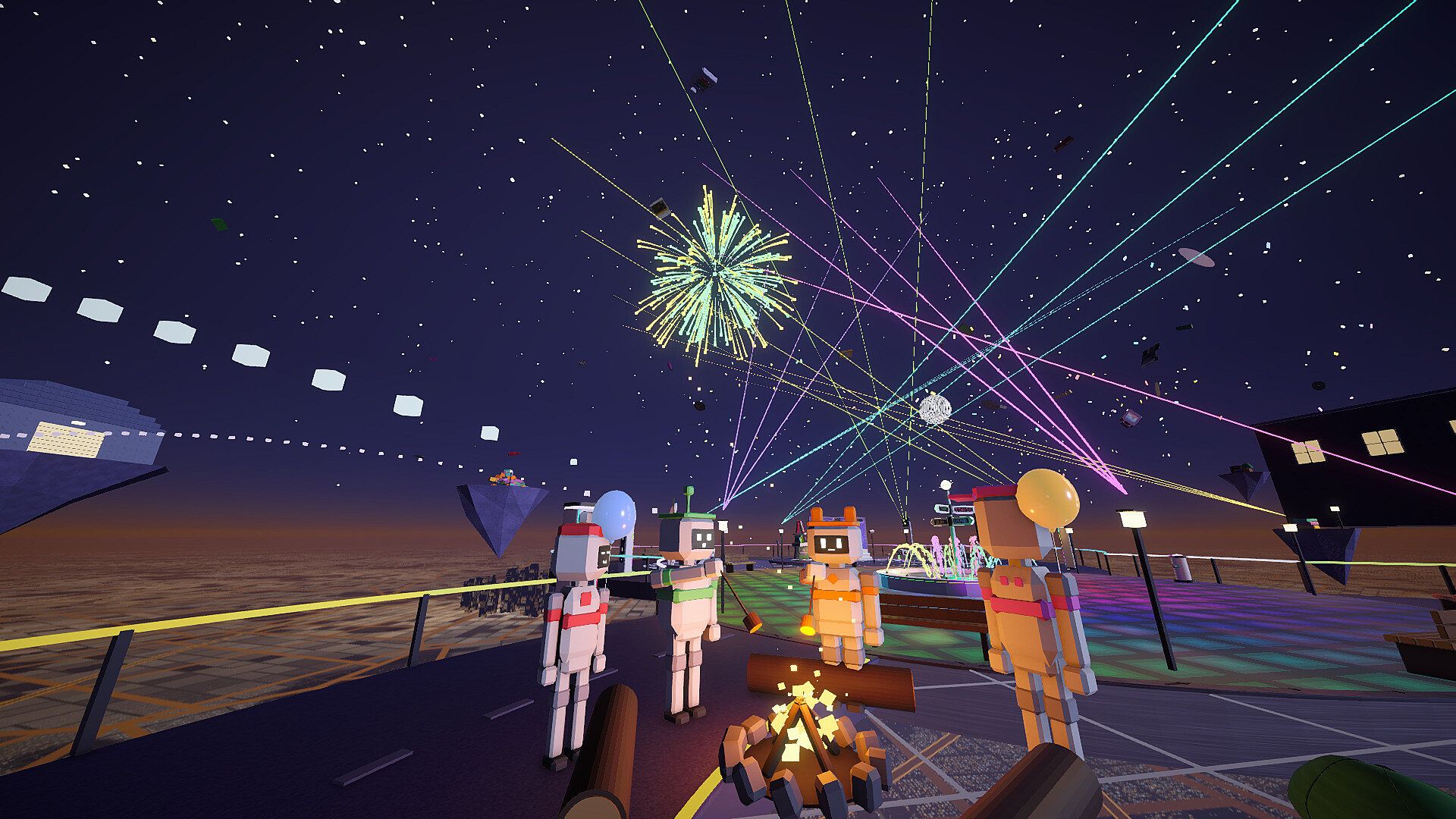
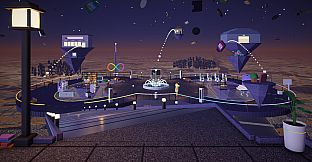
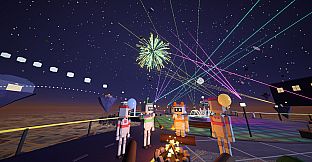
A separate plaza area serves as a social lobby accessible from the title screen. Up to thirty-four players who share the same language can gather in a floating night-sky environment. Activities include sitting on sofas, fishing into the clouds, roasting marshmallows at a campfire, launching fireworks, adjusting the jukebox, or posing for group photos against a backdrop. Players who connect can form parties and enter the shop together or create private plazas limited to friends or invited guests only.
Progression and Features
At launch, two primary locations are available: the Studio for a quick introductory run and the Shop floor for the full experience. A built-in tutorial covers controls and the skill systems. Automatic saving allows players to pause and resume at any point. Post-launch updates are planned to add the Warehouse and the Room as new areas. The overall loop emphasizes steady improvement through repetition, with no pressure to finish quickly or meet external goals.
Is It Worth Playing?
The Backlog appeals to players who enjoy cozy simulation experiences centered on organization and incremental progress. Its relaxing pace, absence of failure conditions, and focus on tactile sorting make it suitable for short sessions or extended play without stress. Multiplayer options expand the appeal for those who like collaborative tasks, while the plaza adds a low-key social hub. The skill progression and collectible systems provide gentle long-term engagement. Anyone drawn to indie casual simulation games that reward patience and attention to detail will find a consistent, satisfying loop here, particularly if they appreciate the theme of restoring order to a retro gaming environment.