






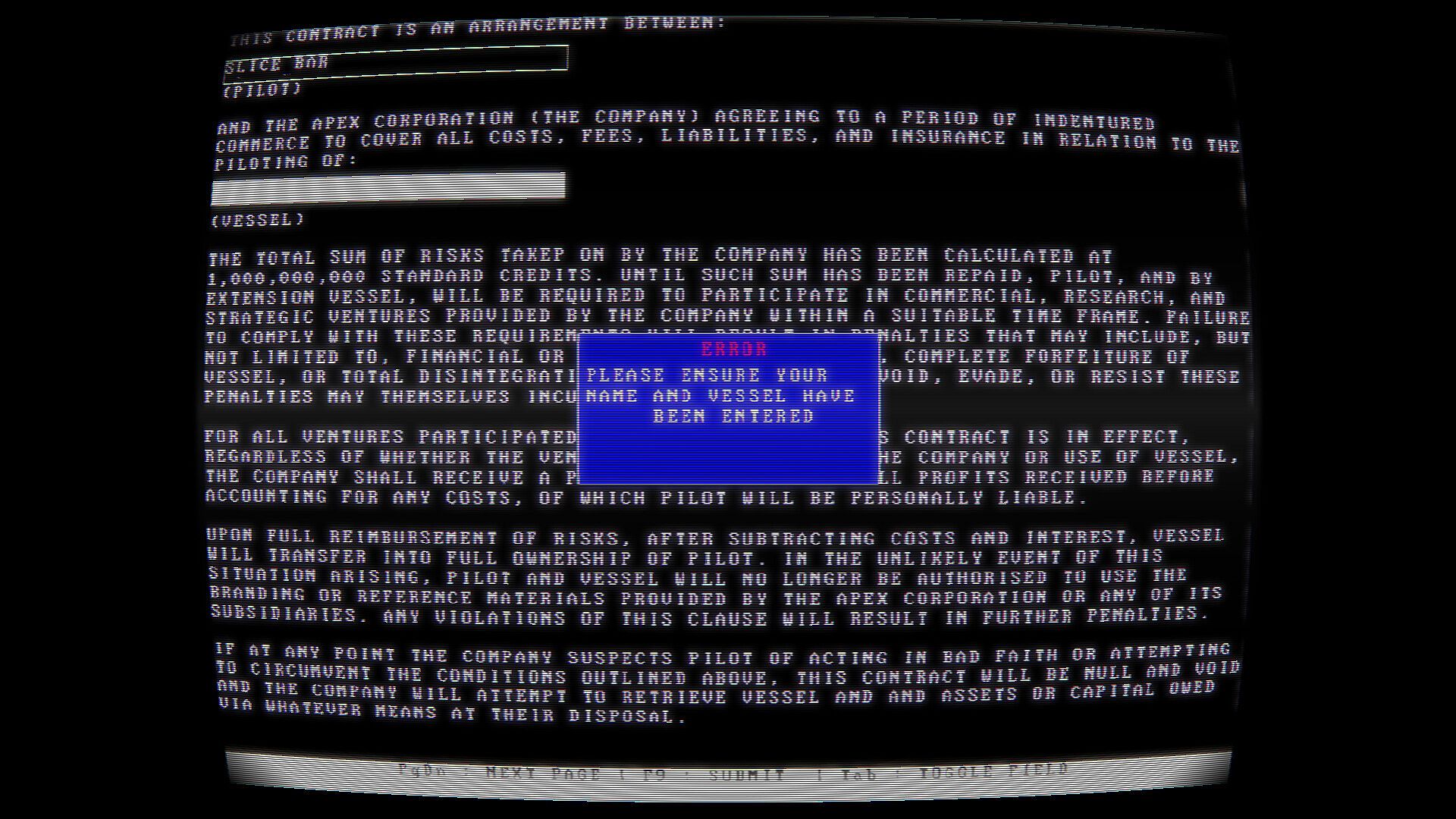
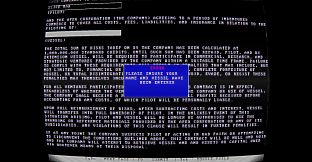
The Astra Protocol is a cassette-futuristic space simulator for PC that places players in the role of a starship captain investigating a mysterious transmission about betrayal and a long-forgotten warning. Players sign a demanding contract with the Apex Corporation to access off-world travel, then balance corporate obligations with personal investigation across thousands of star systems.
Gameplay
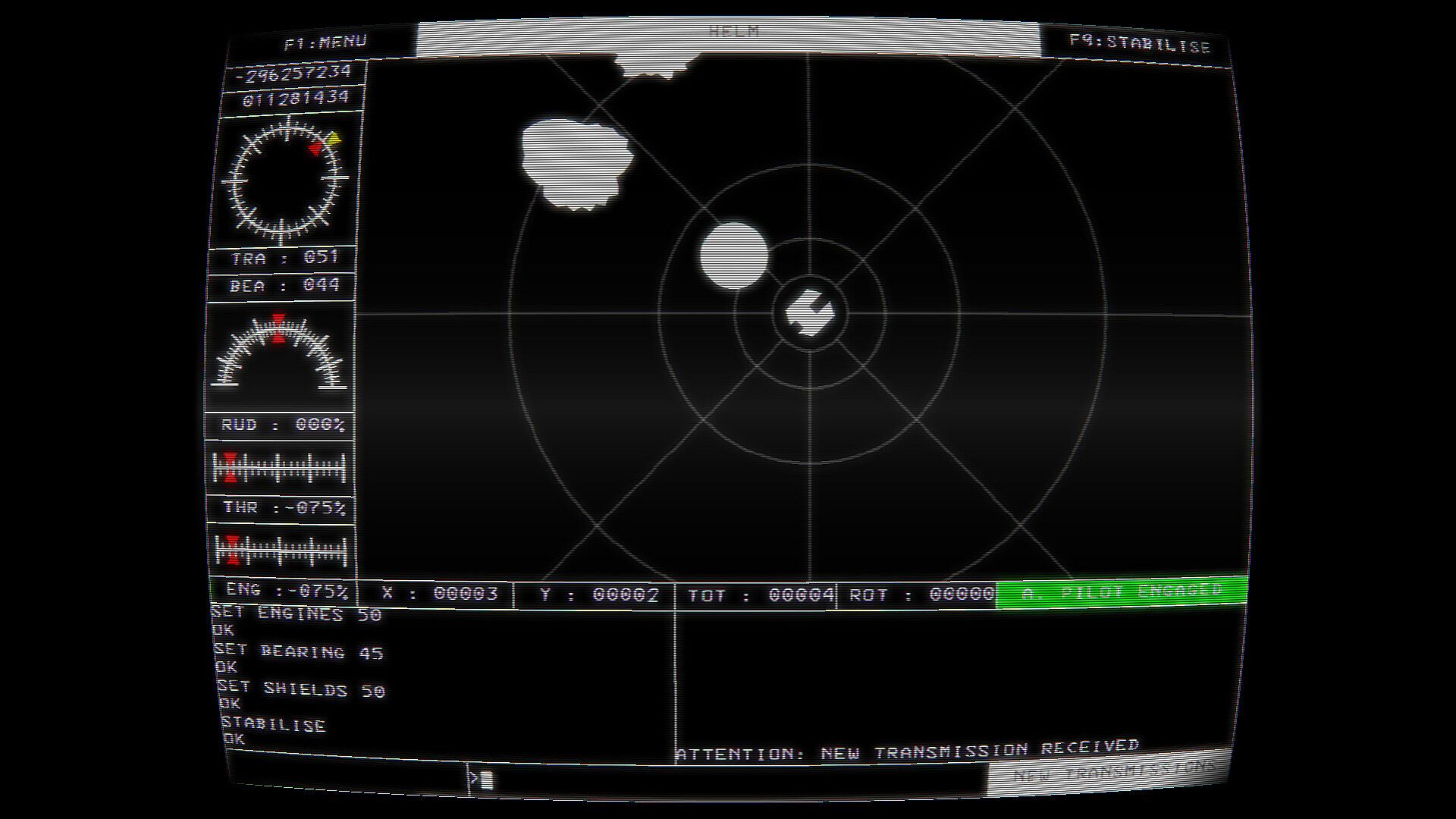
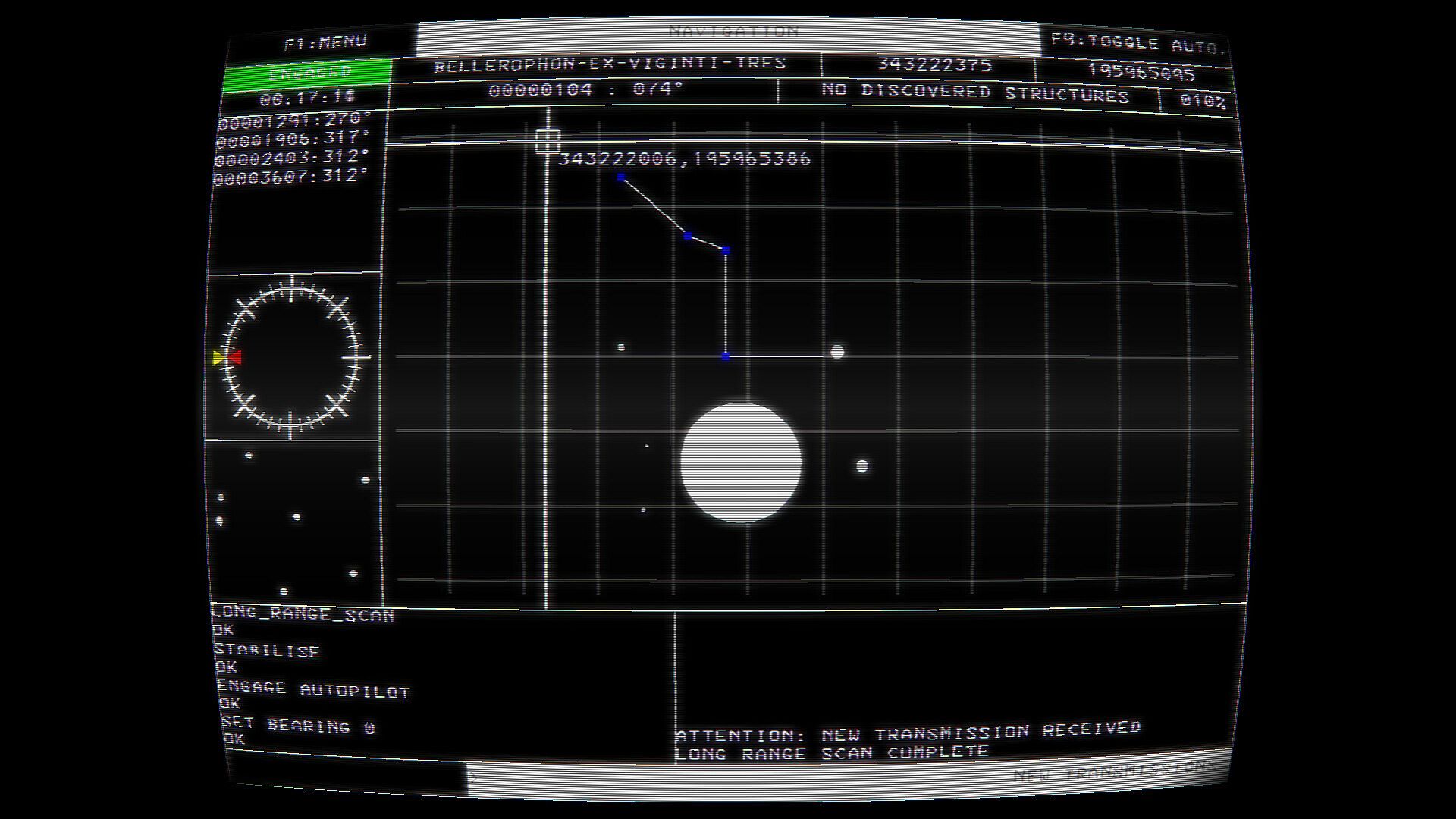
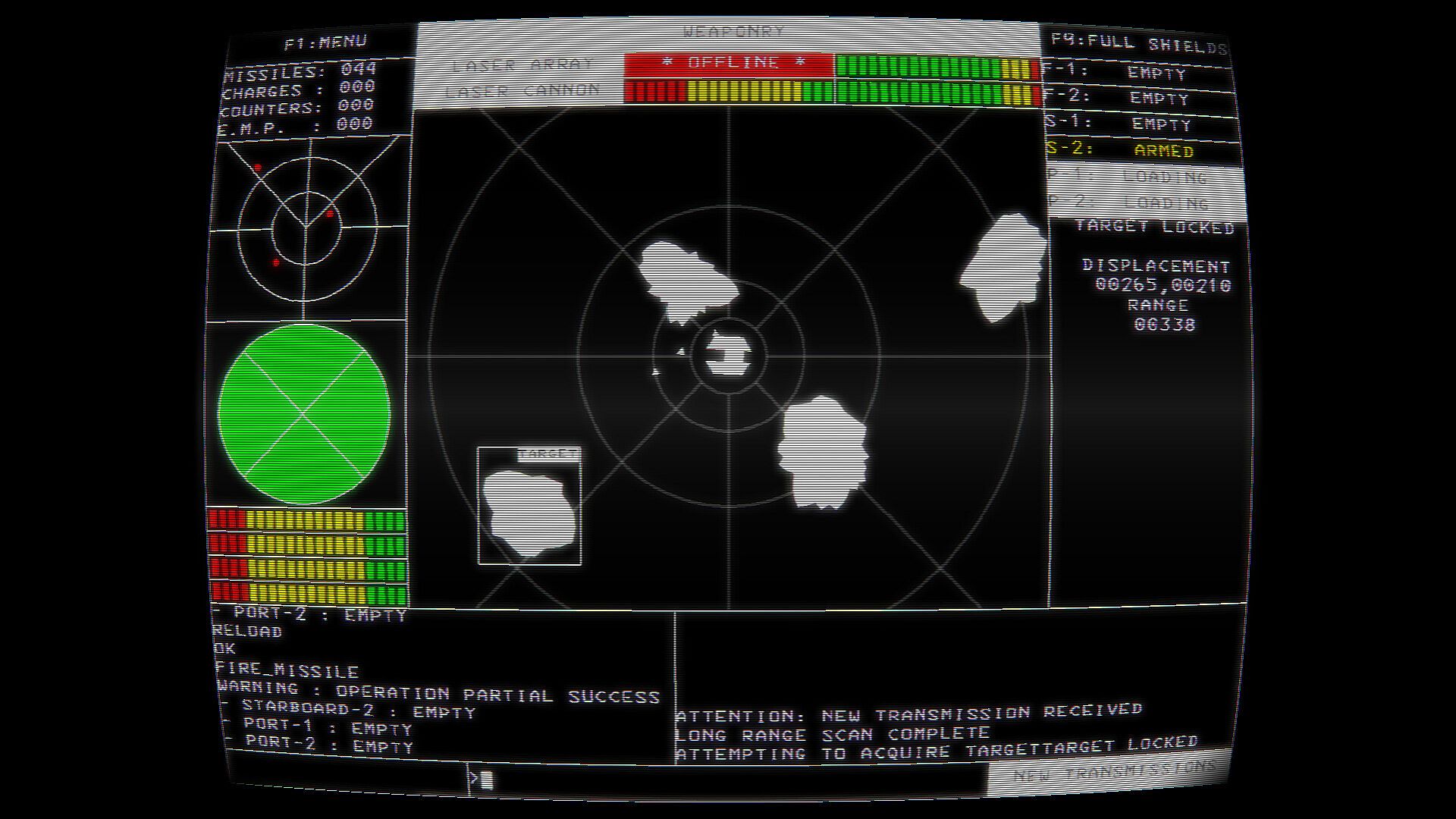
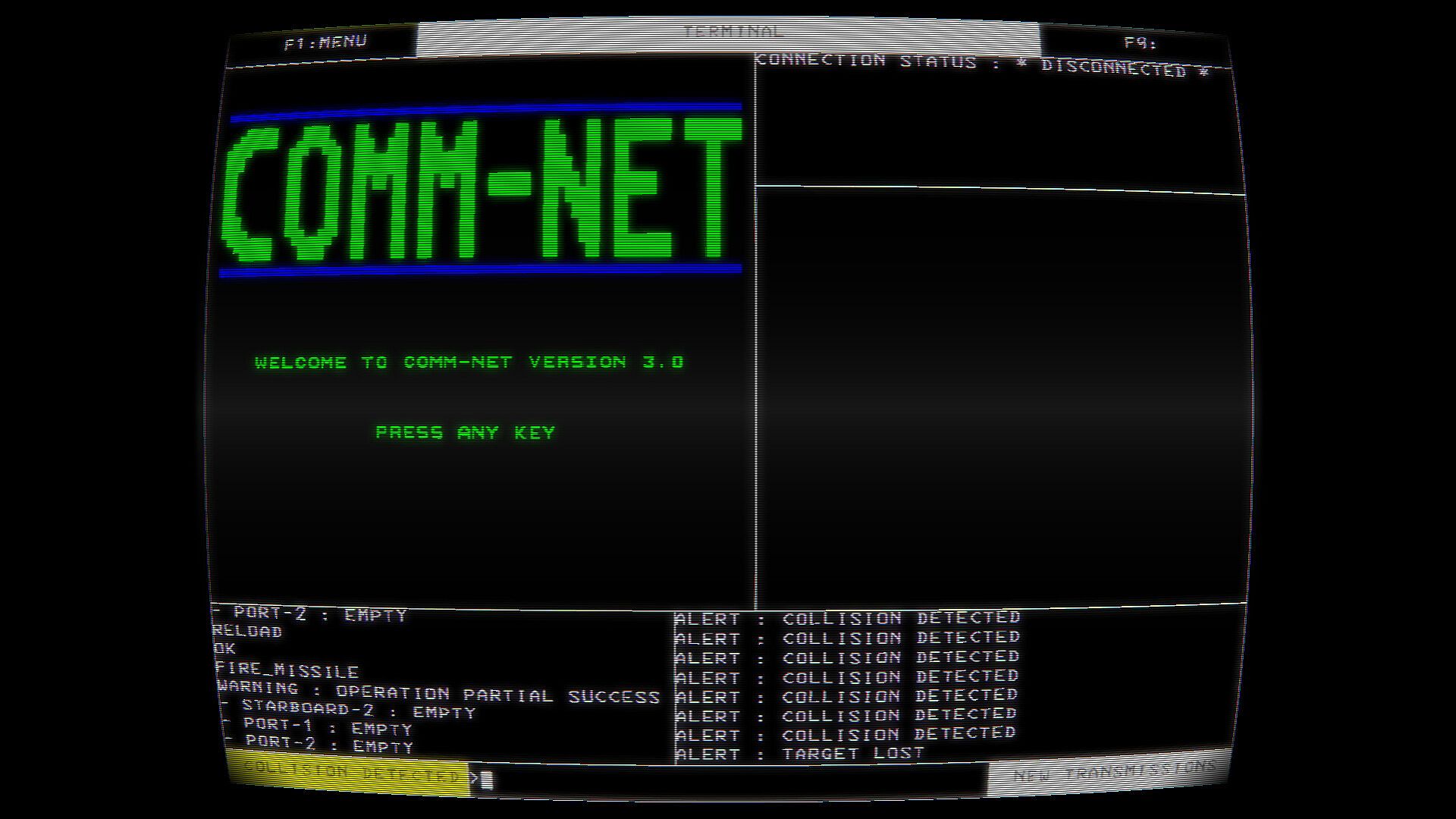
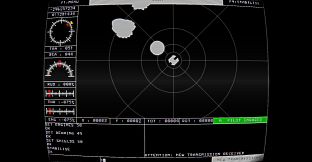
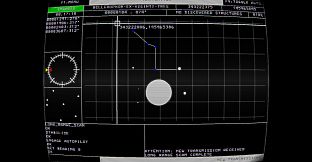
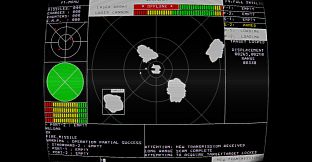
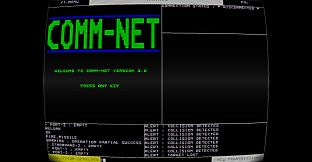
Control occurs from a first-person perspective through a multi-screen retro interface that requires typed text commands. A physical user manual supports the system, forcing players to reference real documentation for module operations. Core systems include helm for navigation and thrust, engineering for reactor and power management, science for scanning and probing, ordnance for weapons and shields, navigation for pathfinding, and operations for broader ship functions. Newtonian gravitational physics governs movement, while limited information requires constant monitoring to prevent reactor meltdowns, hull breaches, or collisions with planets and debris. Ship components can be upgraded, and the cassette-futuristic visuals emulate period hardware aesthetics.
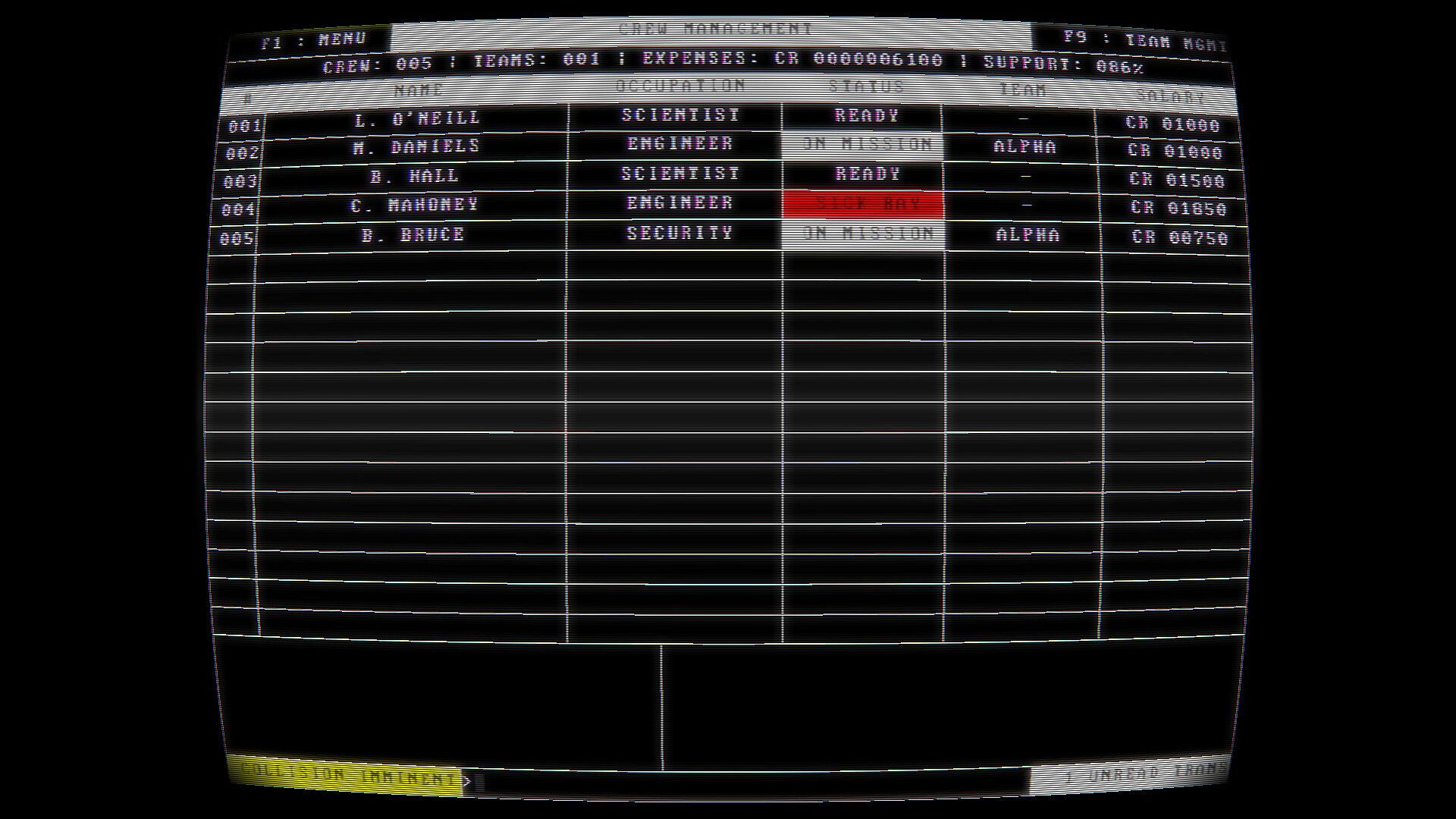
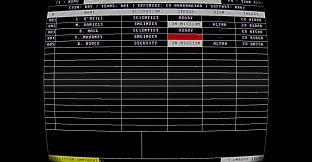
Resource and crew management form the backbone of progression. Contracts, cargo loads, shipping manifests, and crew assignments generate income while carving out time for exploration. Combat arises during encounters with hostile elements, demanding precise system allocation under pressure. The absence of a complete overview means players must anticipate issues across disconnected readouts and act on incomplete data.
Game Modes
The experience centers on singleplayer progression through contract fulfillment and open-ended investigation. Exploration spans vast procedural star systems with real-time travel and encounters. No separate named modes such as dedicated survival or competitive arenas appear in available details. Multiplayer elements remain unconfirmed for this title, though prior entries in the series introduced optional terminal-based co-op support in updates.
Core Systems and Mechanics
Mastery demands understanding each module's limitations and interactions. Power distribution affects everything from propulsion to defense, while cargo and crew decisions influence available time for the central mystery. Commerce and contract work provide the economic layer that funds ship improvements and sustains operations. The real-world manual integration extends beyond in-game help, encouraging players to keep printed or digital references nearby during sessions.
Upgradable components allow gradual specialization, whether prioritizing defensive shields, scientific instruments, or cargo capacity. Gravitational effects and sensor limitations create tension during approach to unknown bodies or during evasion maneuvers.
Is It Worth Playing?
This title suits players who enjoy methodical ship simulation, text-driven interfaces, and layered resource management without hand-holding tutorials. The demanding command system and requirement for external documentation reward patience and system knowledge, appealing to fans of retro hardware aesthetics and realistic space operations. Those seeking fast-paced action or guided narratives may find the deliberate pace and information gaps challenging. The standalone story setup allows entry without prior series experience, and the focus on personal investigation alongside corporate duties creates a distinct loop. Availability on PC supports the hardware integration features described.