


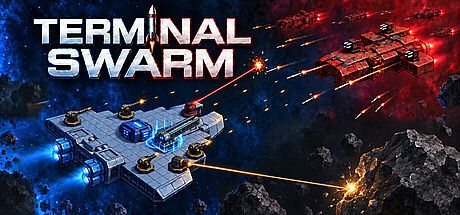


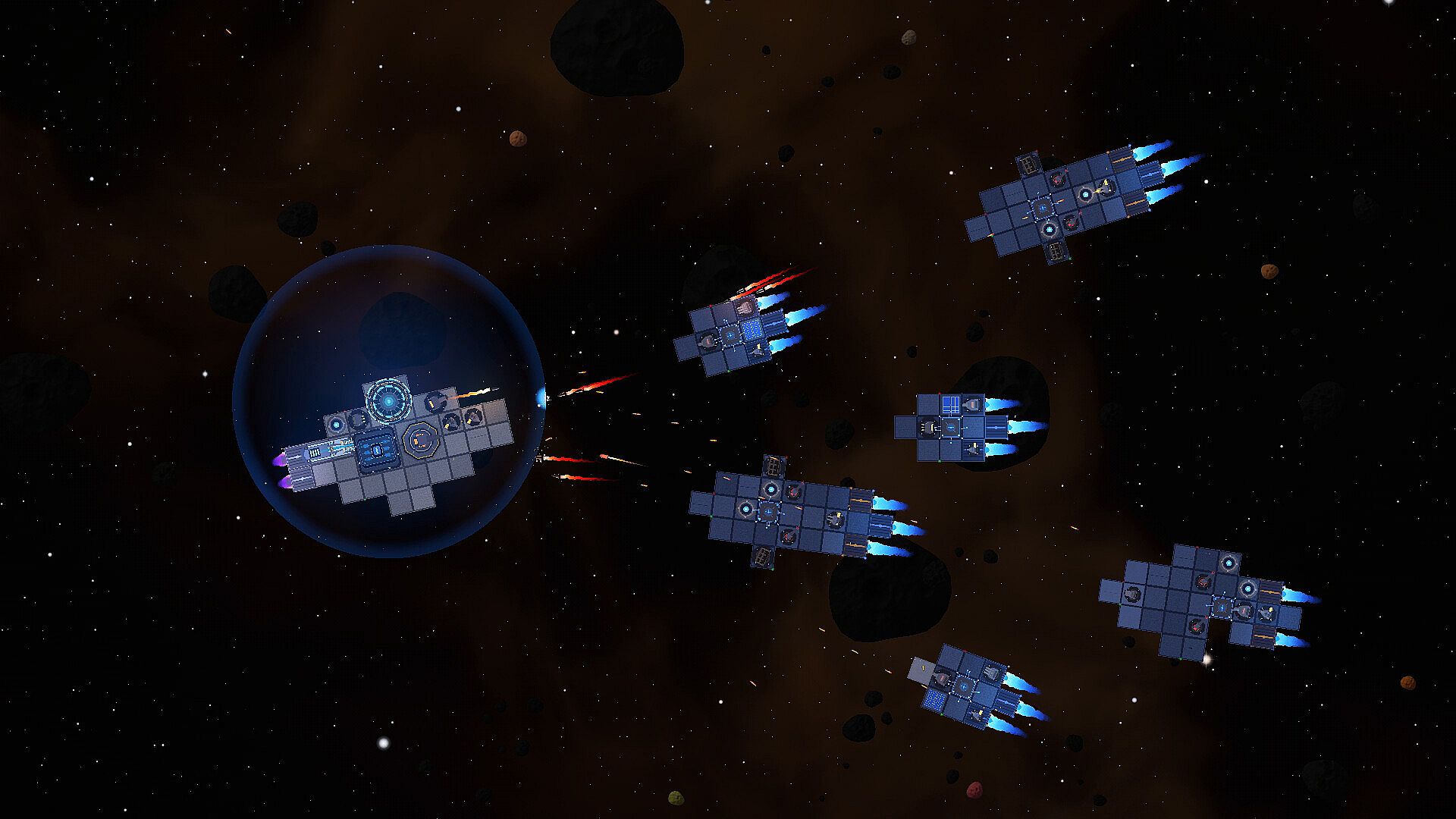
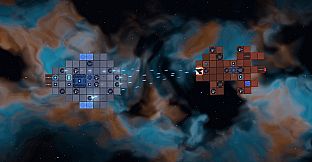
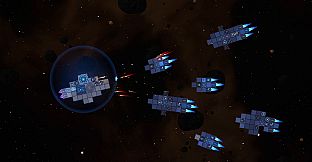
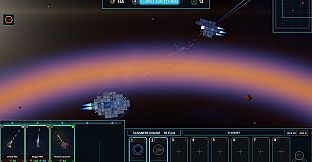
Terminal Swarm is a single-player tactical roguelite that blends action and strategy on PC. Players build and command a modular warship through real-time space battles against the Terminal Swarm, using time-slowing mechanics to manage intense combat situations and protect the vessel from destruction.
Gameplay
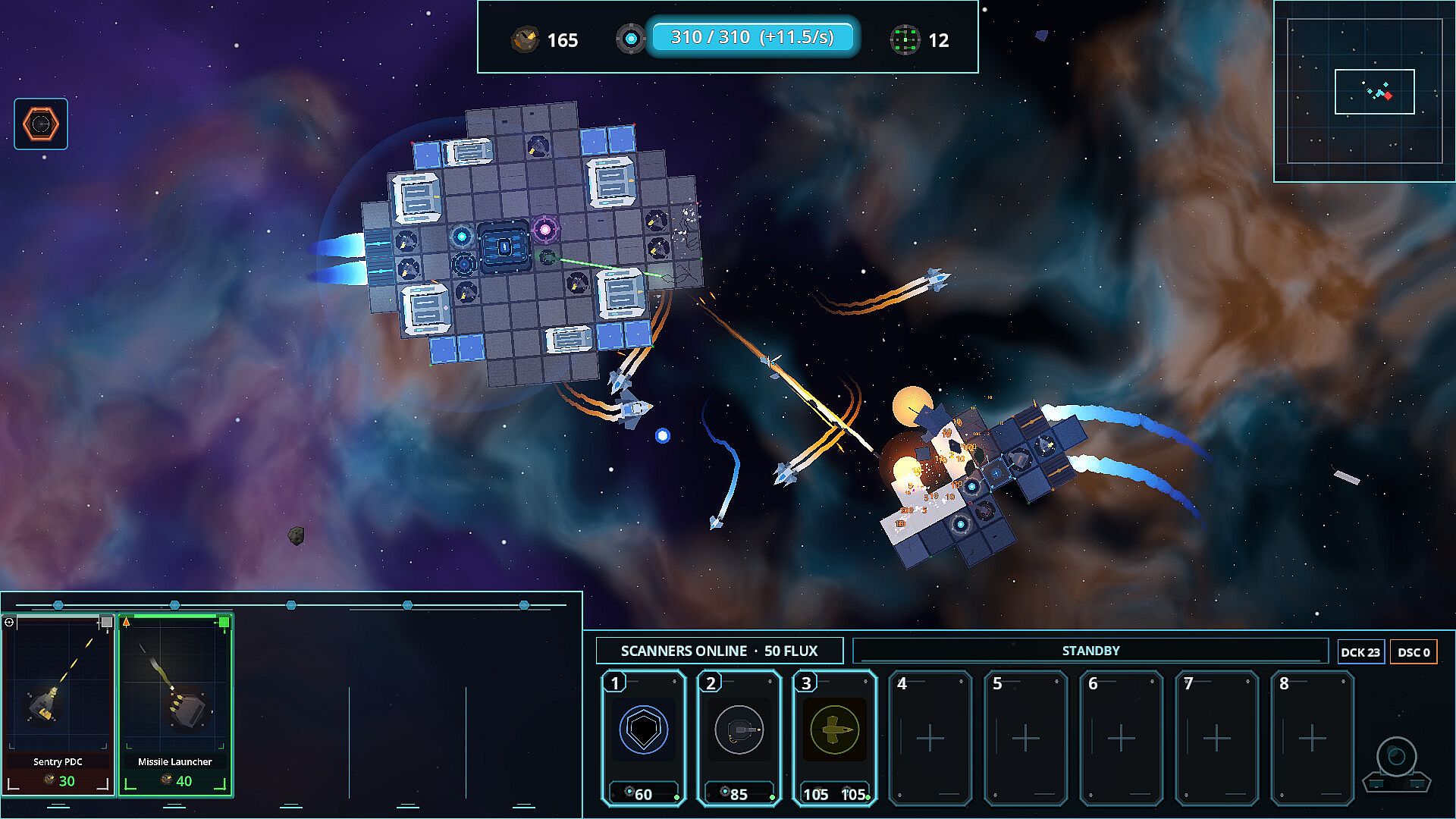
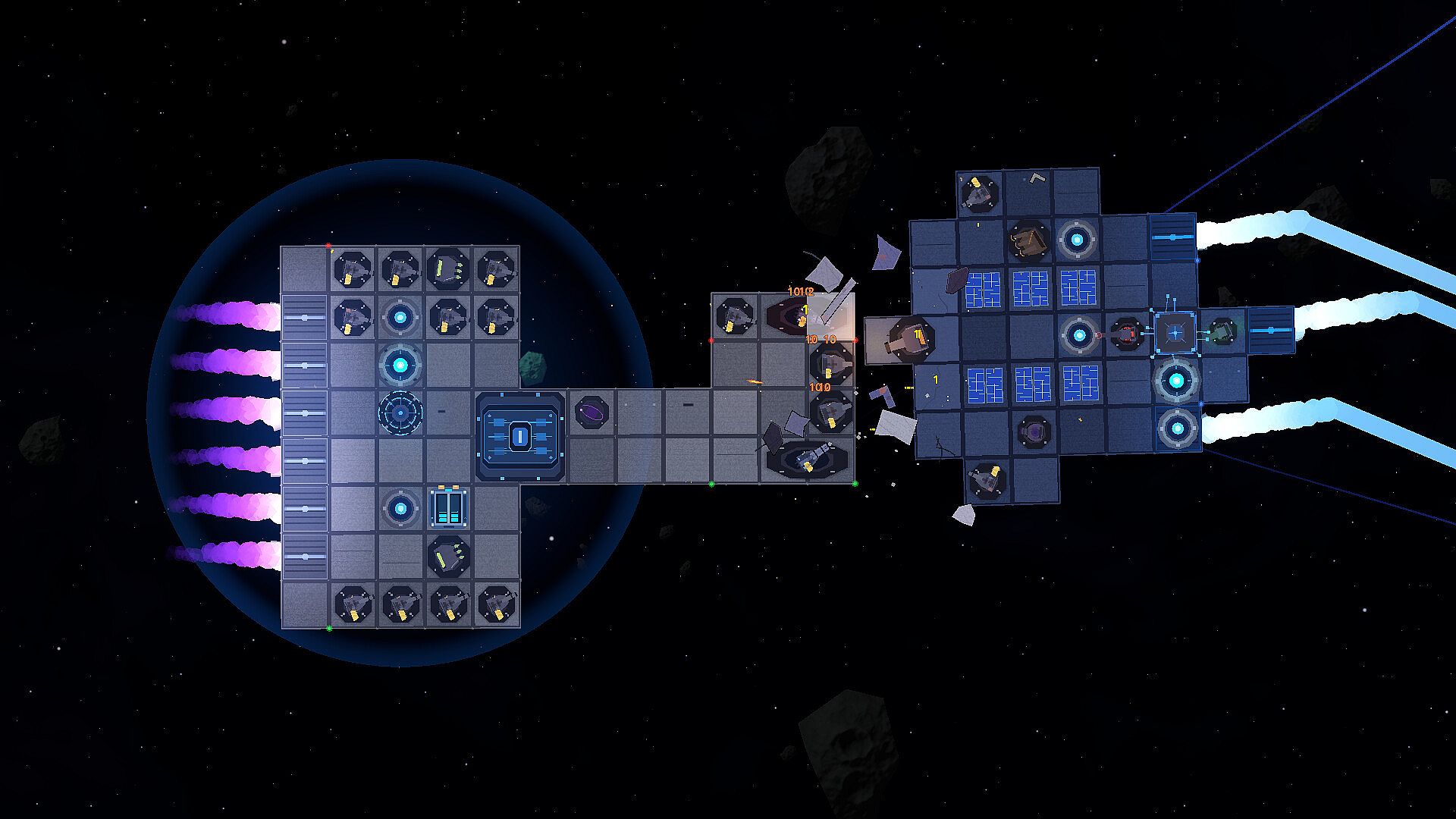
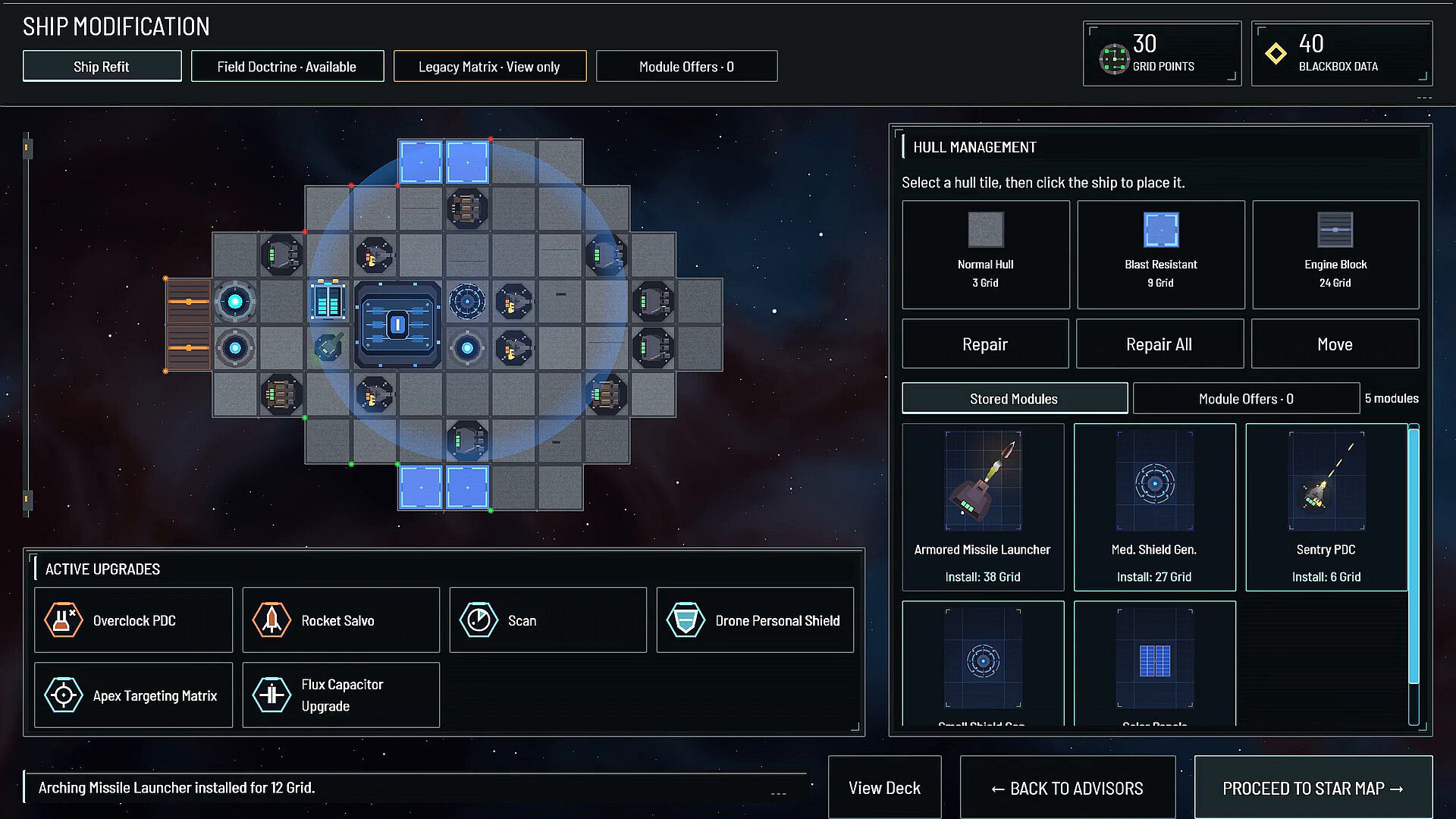
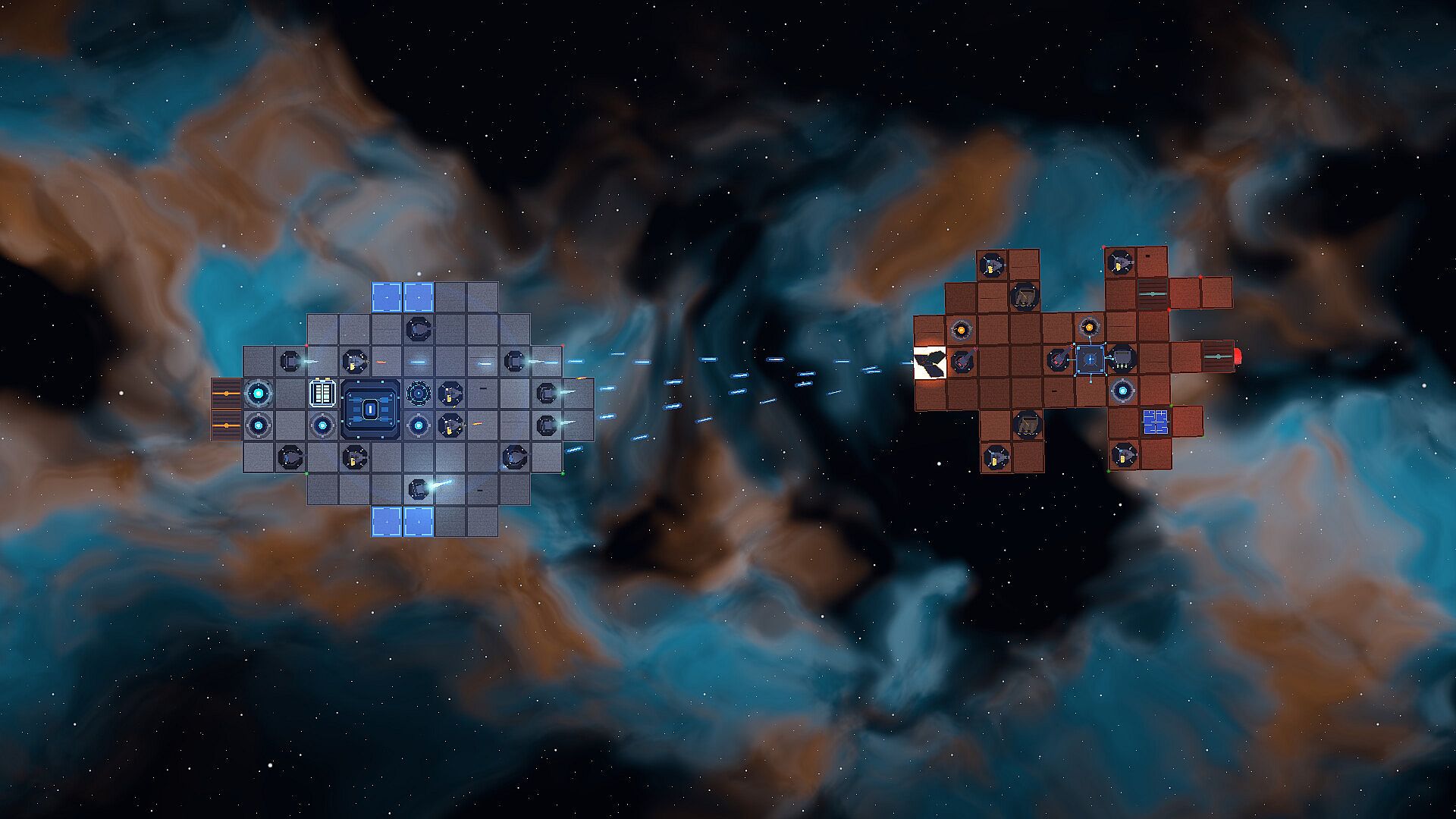
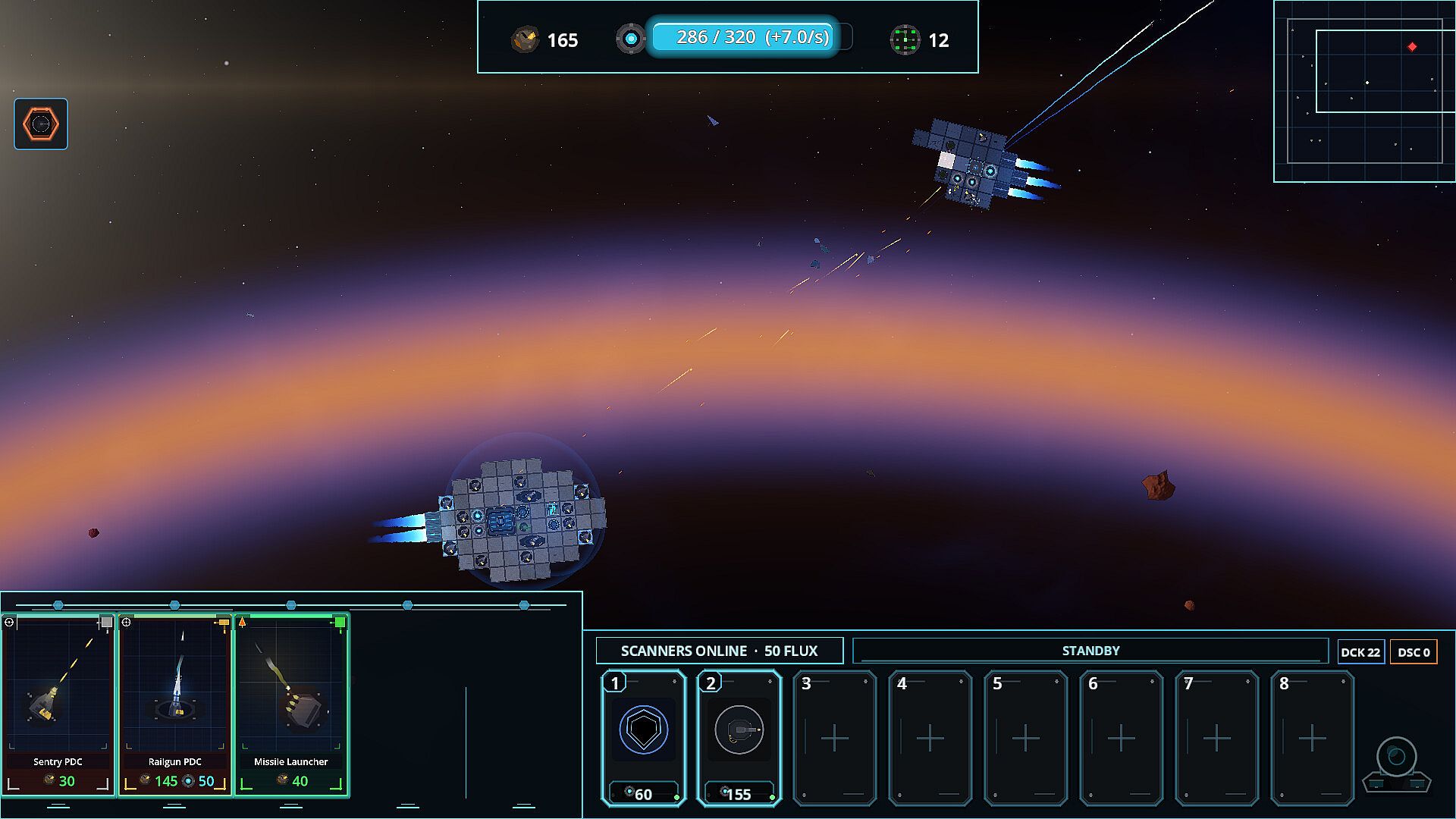
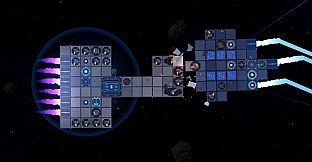
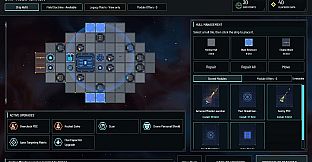
The core loop centers on constructing a customizable warship by placing weapons and support systems onto a hull that can break apart during fights. Players launch missile barrages, fire railguns at range, or deploy fighters to engage threats. Equipment combines in different ways across runs to create varied builds, while the ability to slow time allows precise activation of abilities such as intercepting missiles or shielding the hull.
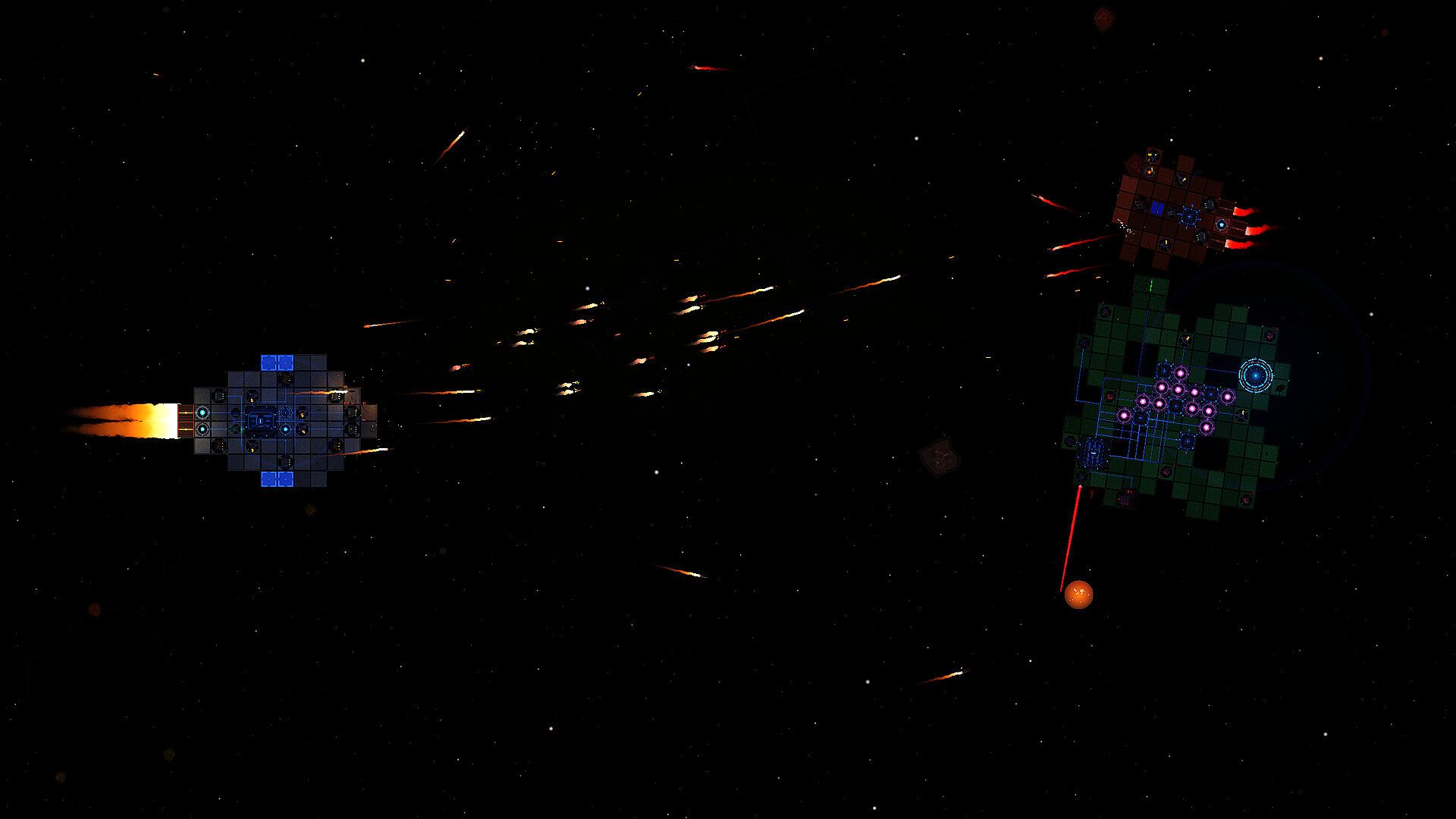
Combat emphasizes tactical decisions in real time. Both the player and enemies can shoot down incoming projectiles, so attacks must penetrate defenses. An electromagnetic pulse can disable barrages, after which the player presses forward. Collisions with asteroids or gravity anomalies can tear hull sections from enemy ships, adding layers of environmental interaction to each encounter.
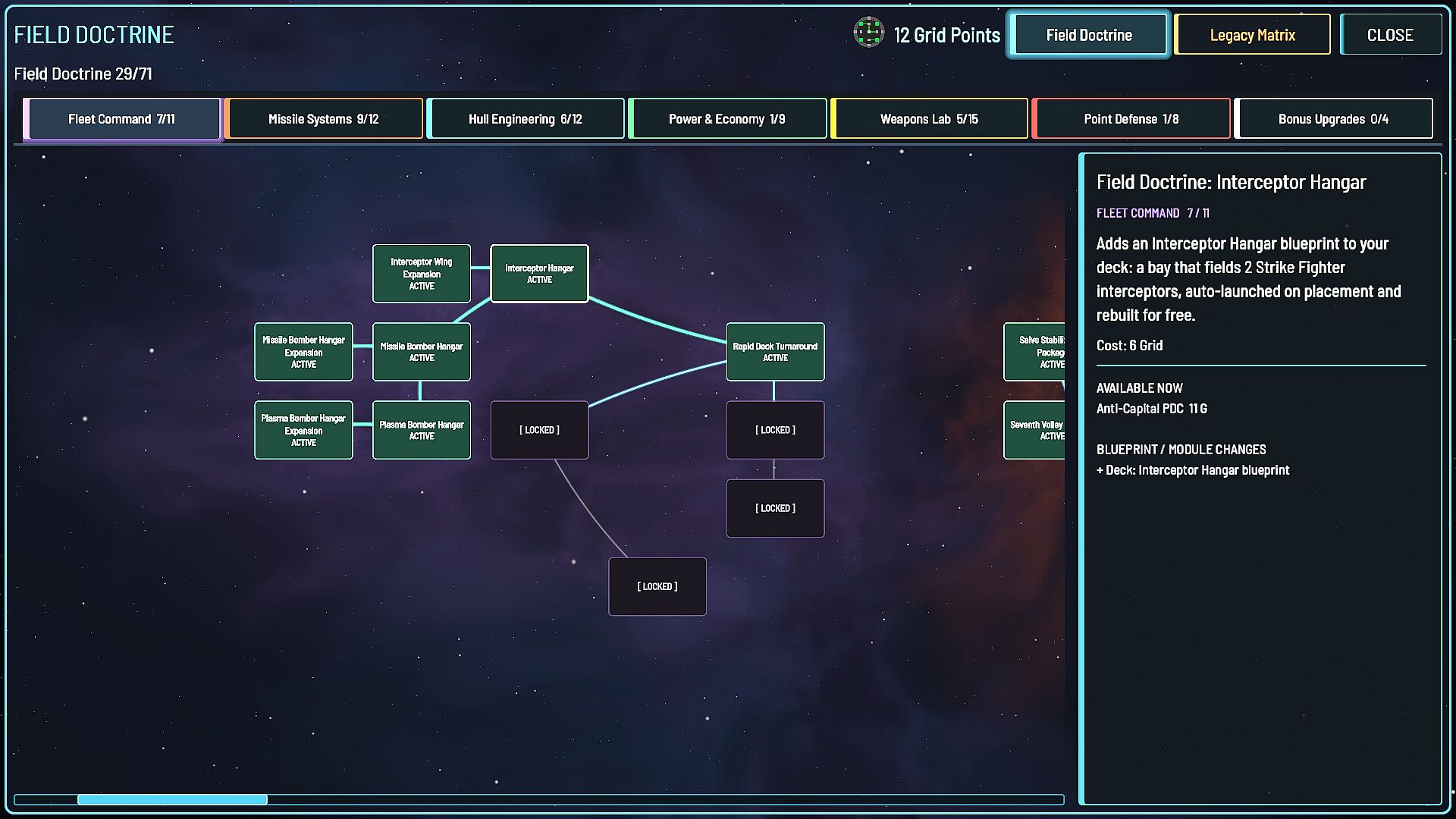
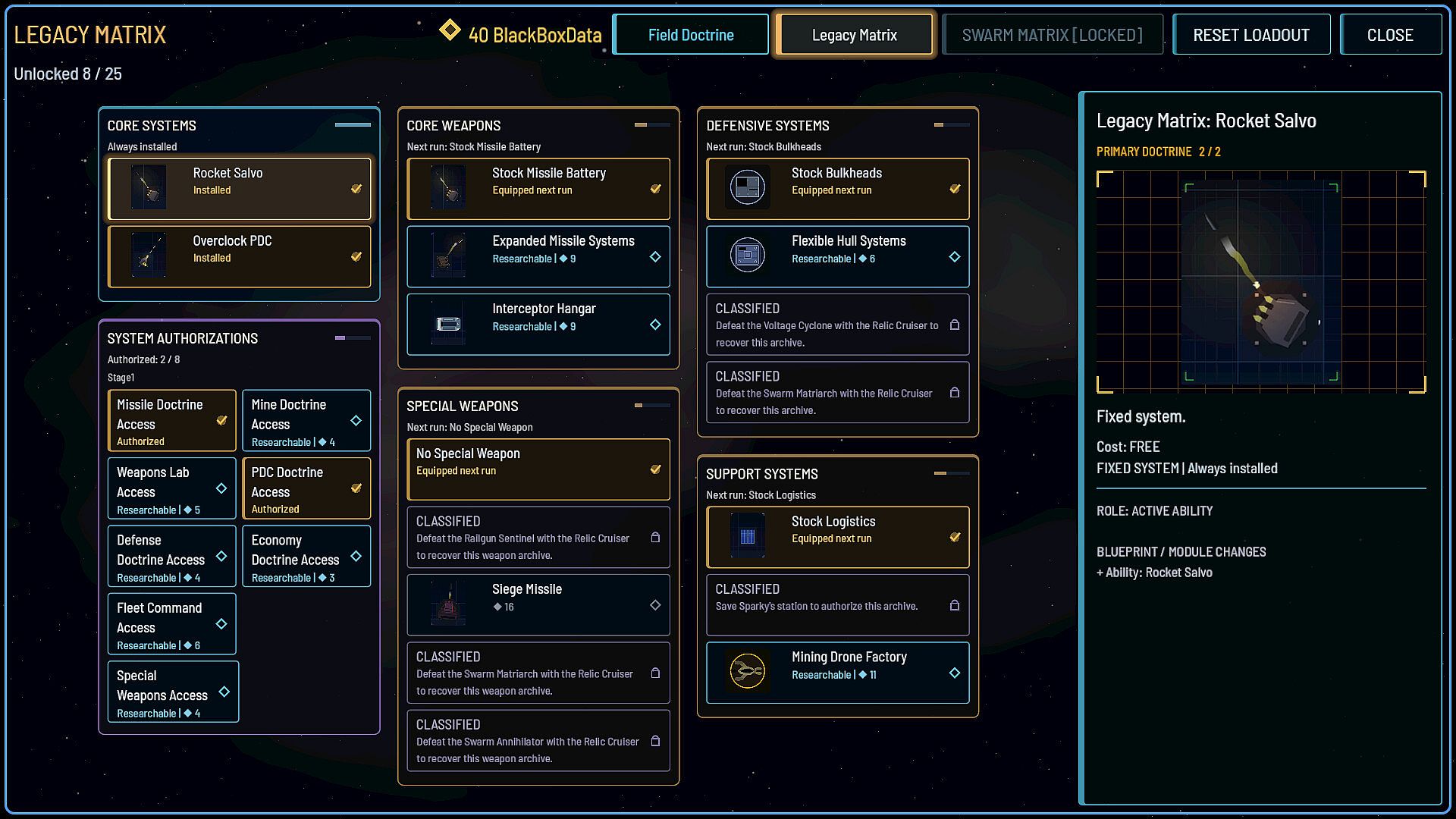
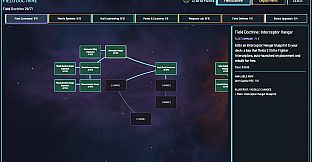
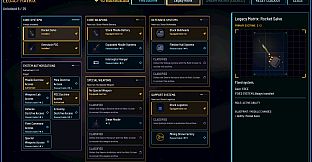
Between battles, the ship expands to accommodate new systems. Research branches called Field Doctrine let players unlock weapon blueprints and strengthen relied-upon equipment during a run. Permanent unlocks through the Legacy Matrix provide future attempts with additional starting ships and loadouts, earned by defeating specific enemies for weapon archives.
Game Modes
Terminal Swarm operates entirely as a single-player experience. Runs consist of sequential space battles where the player manages ship construction, ability timing, and defensive positioning against escalating enemy forces. The roguelite structure means each attempt builds on prior progress through permanent unlocks while resetting the current ship configuration for fresh strategic choices.
No separate multiplayer or co-op modes exist. The focus remains on iterative single-player sessions that reward experimentation with modular builds and time-slowing tactics to survive longer against the swarm.
Ship Building and Progression
Modular design forms the foundation of every run. Players select hull sections and attach combinations of offensive and supportive gear, adapting to threats as the battle unfolds. Damage can detach pieces, forcing quick adjustments to maintain fighting capability.
Progression splits between temporary and lasting improvements. In-run choices through Field Doctrine tailor the current ship to a preferred style. Across runs, the Legacy Matrix expands available starting options, allowing players to begin with different equipment sets after targeted victories.
Characters and Narrative
Four companions accompany the player: an admiral, an engineer, a cyborg, and a coffee maker. Decisions during runs influence their individual stories and loyalties. The overarching goal involves protecting these characters while pushing back the Terminal Swarm, with outcomes shaped by how the player prioritizes survival and tactical options.
Is It Worth Playing?
Terminal Swarm suits players who enjoy tactical roguelites that combine real-time action with deliberate decision-making. The modular ship building and time-slowing mechanics create opportunities for repeated attempts with meaningful variation in strategy. Those drawn to single-player space combat focused on positioning, ability timing, and incremental unlocks will find a consistent loop here. The game remains available on PC with its core systems intact as described.