


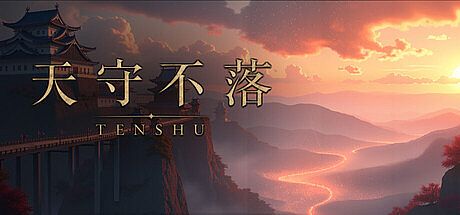


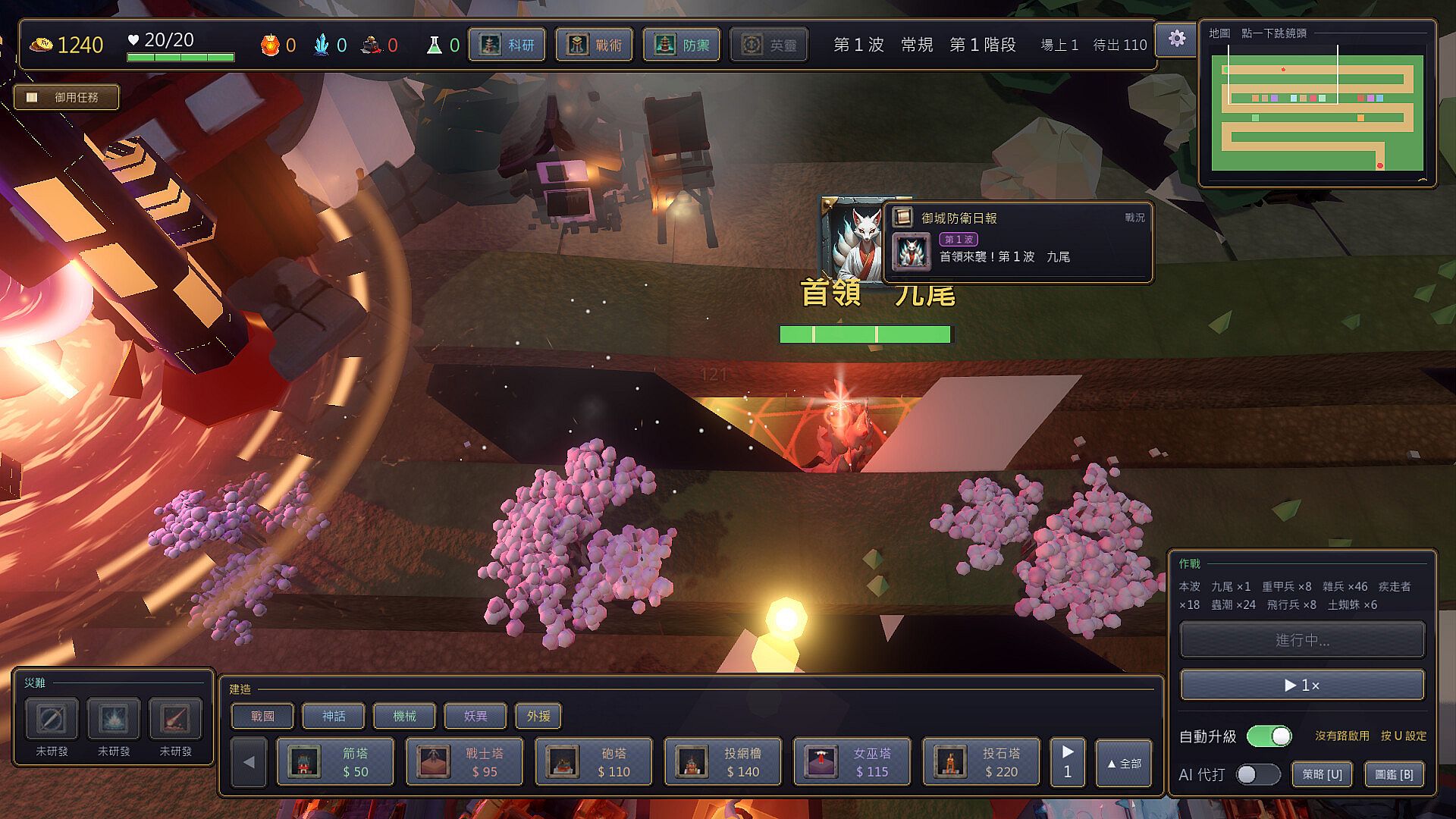
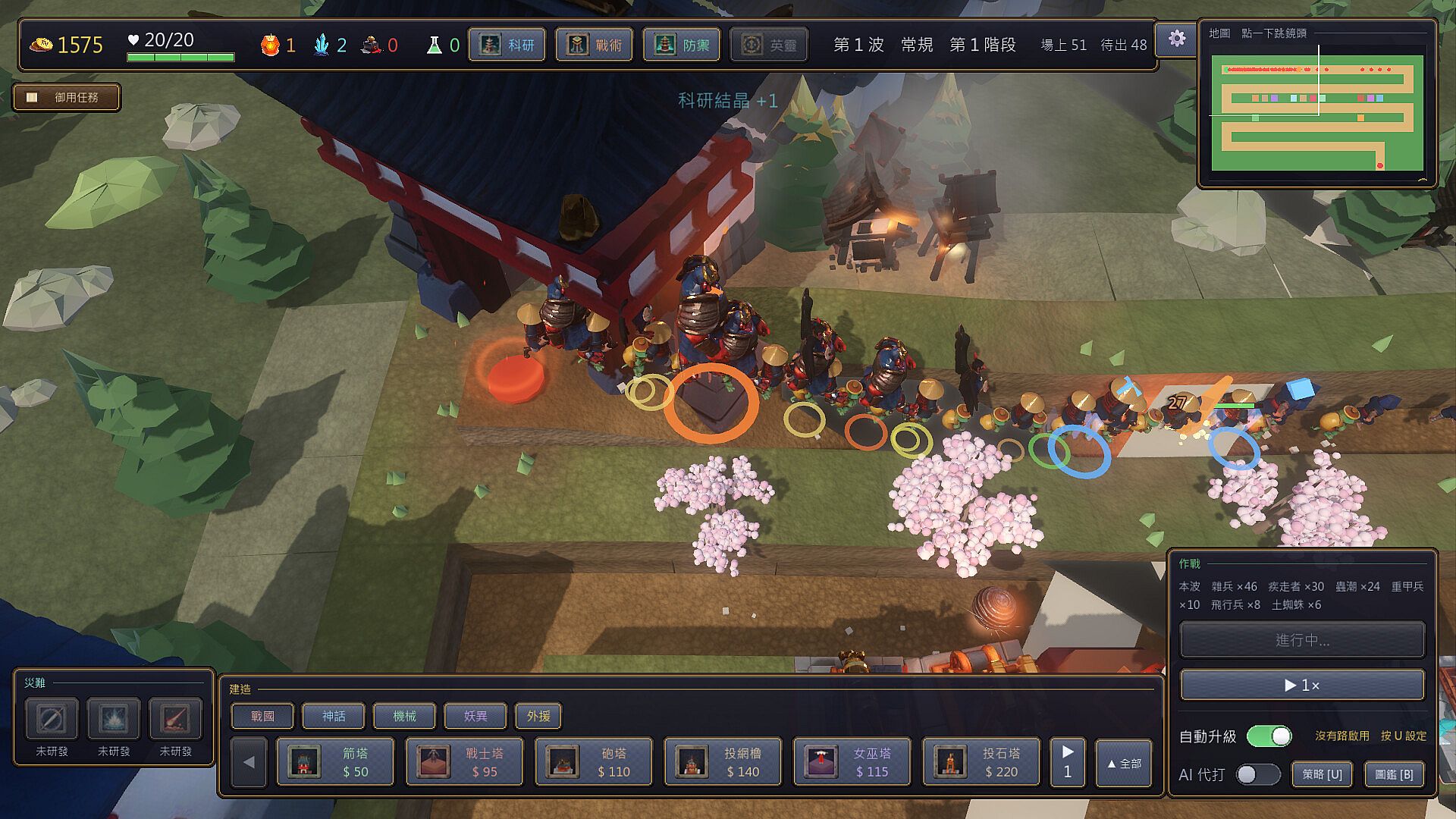
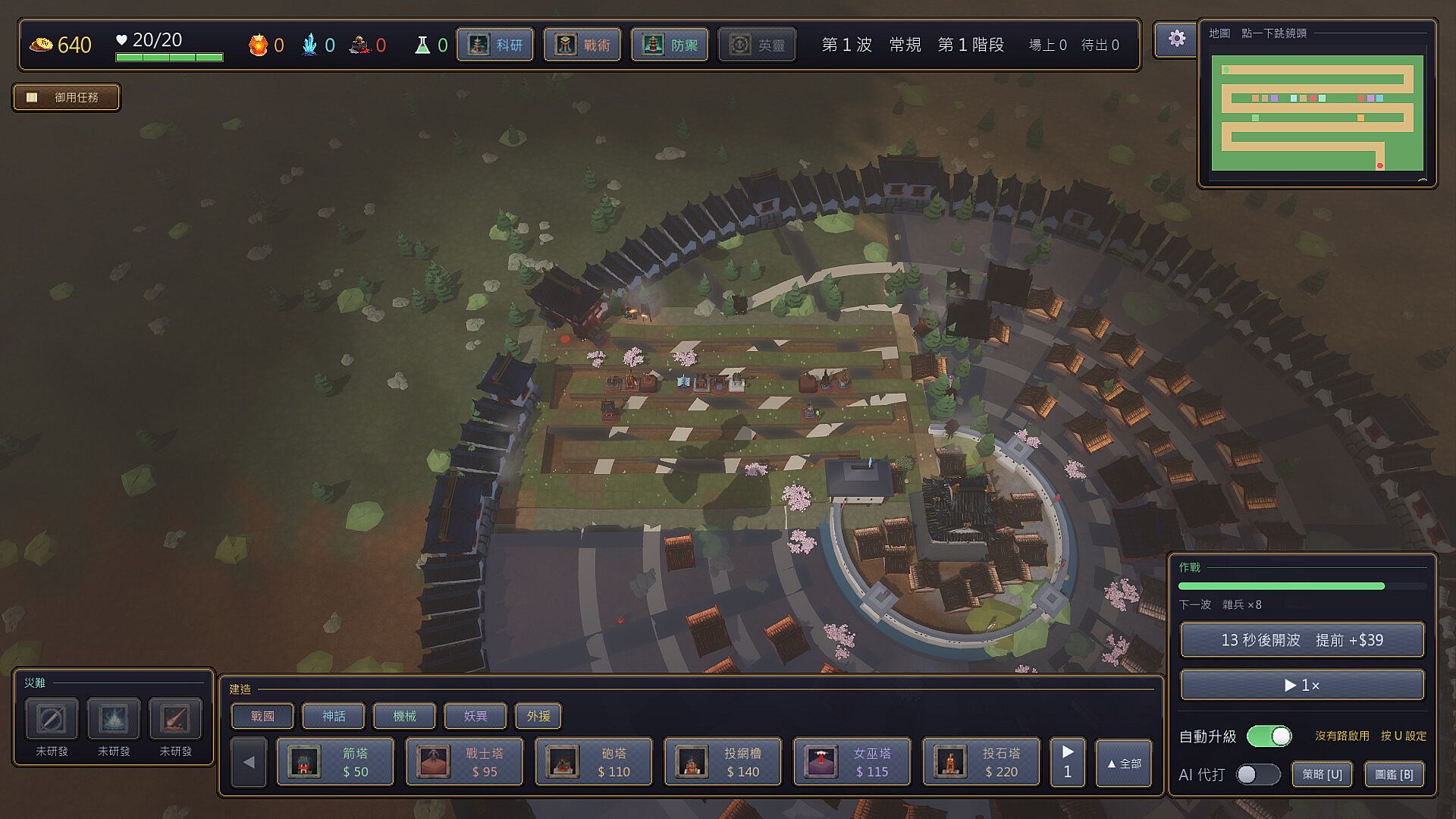
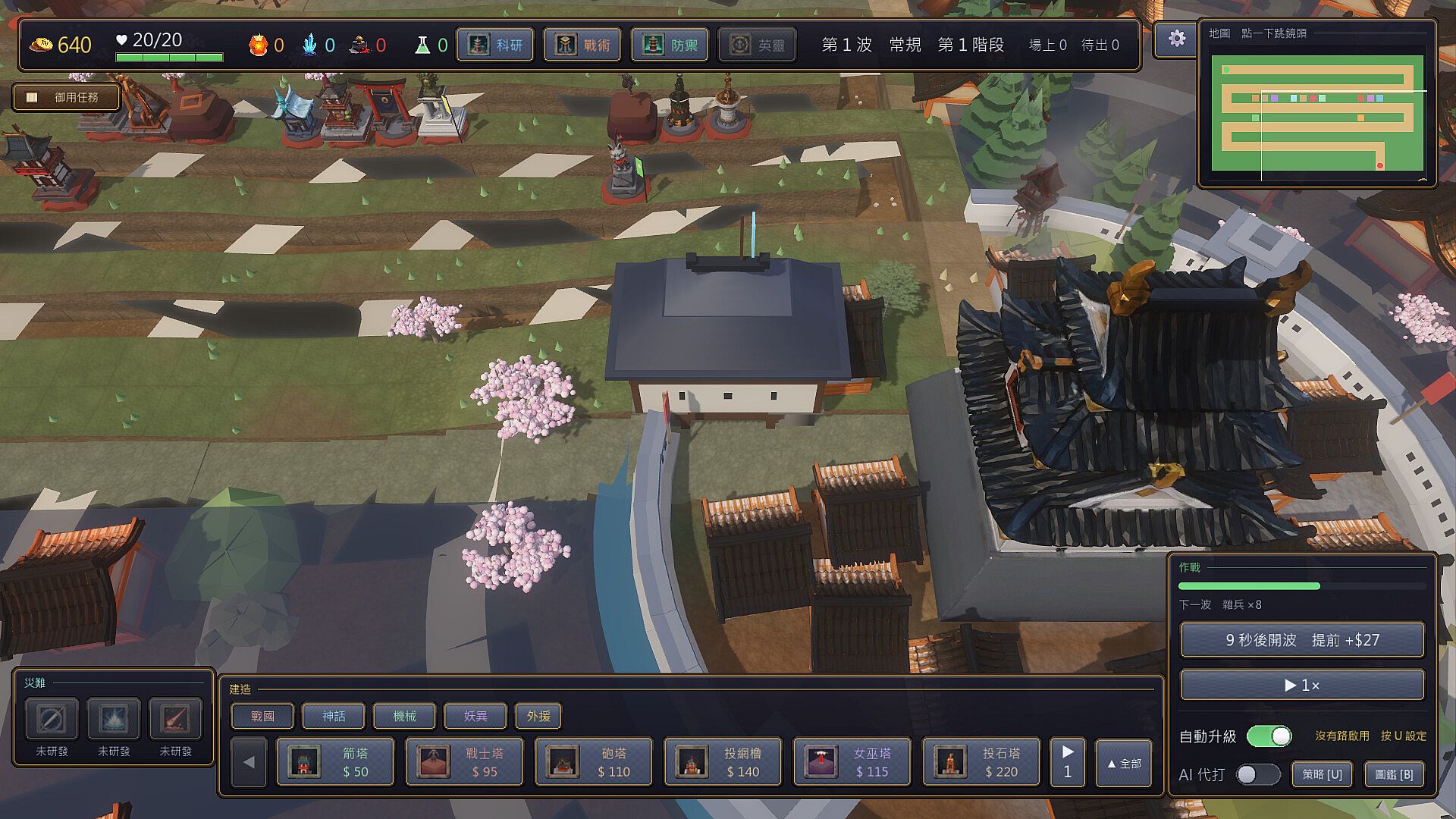

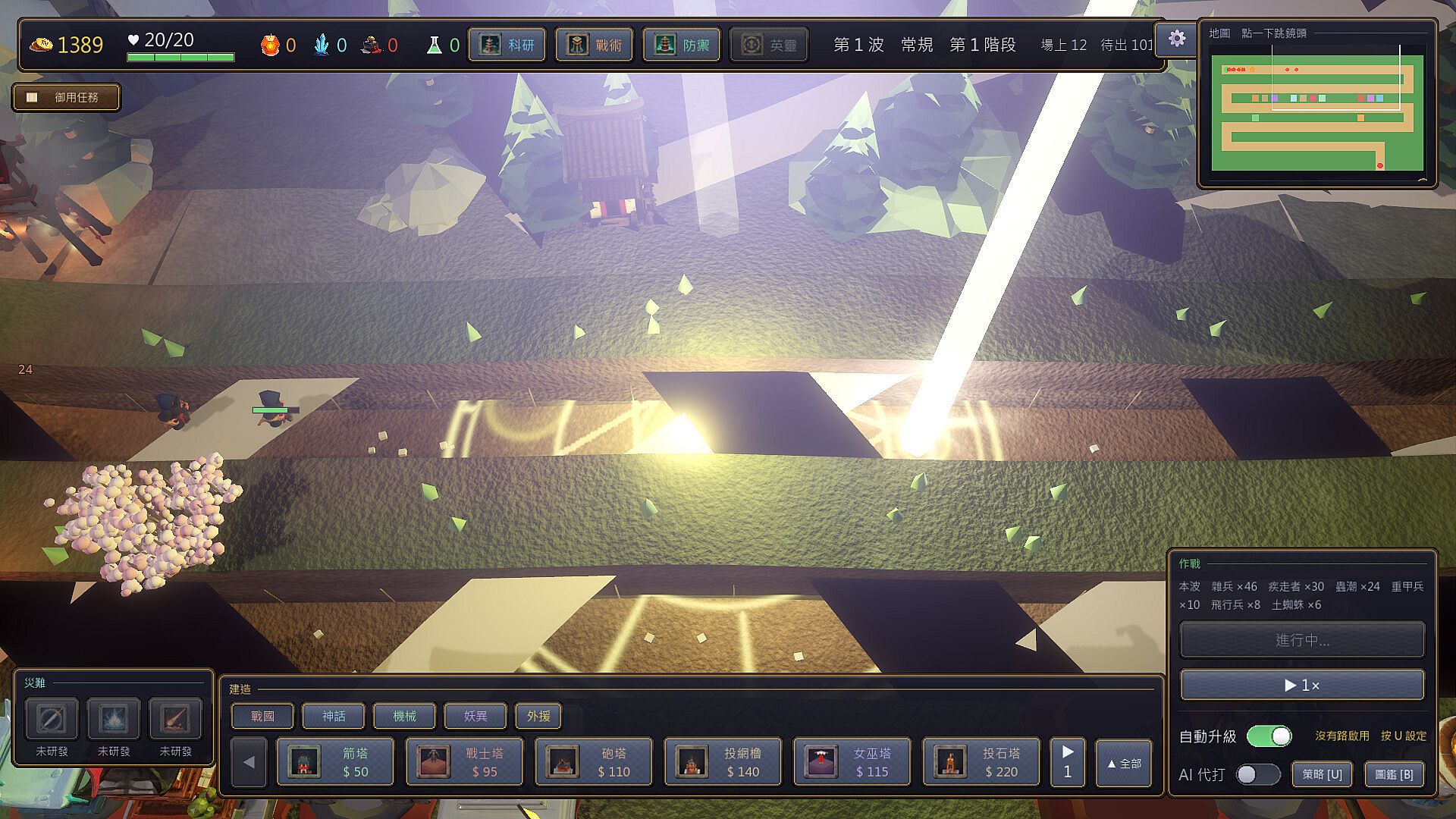
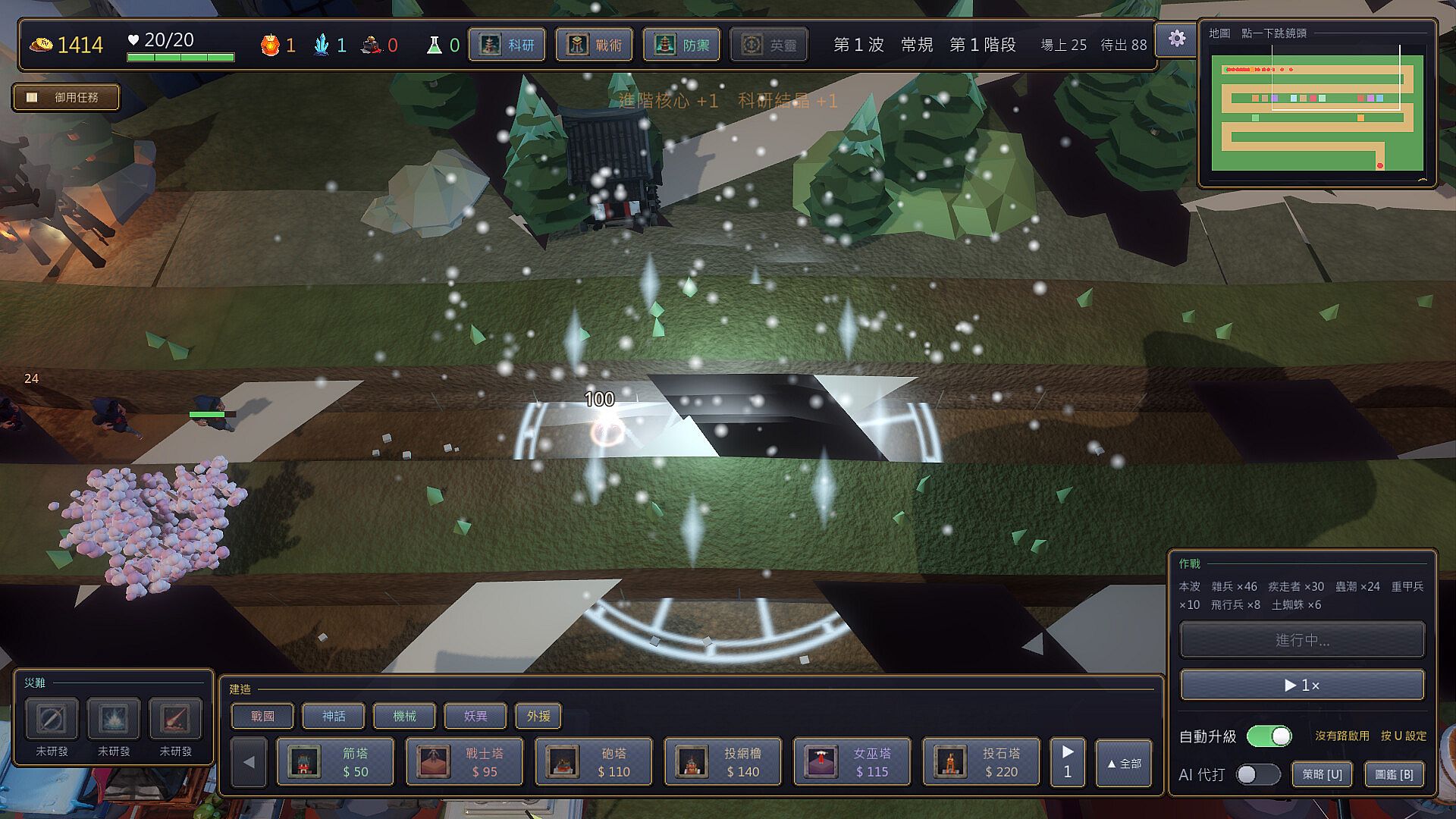
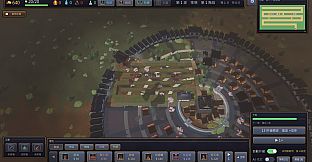
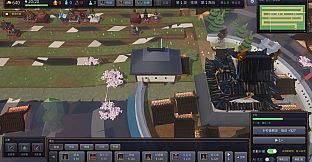
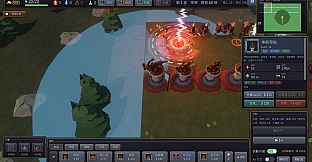
Tenshu: The Keep Must Hold is a strategy tower defense game for PC that places players in command of a central keep under siege. The map features one circular city divided into four wards, each with its own seasonal terrain and a dedicated road for enemy advances. Players begin with control of a single ward while the others remain shrouded, and they must survive successive waves of attacks to unlock additional fronts.
Gameplay
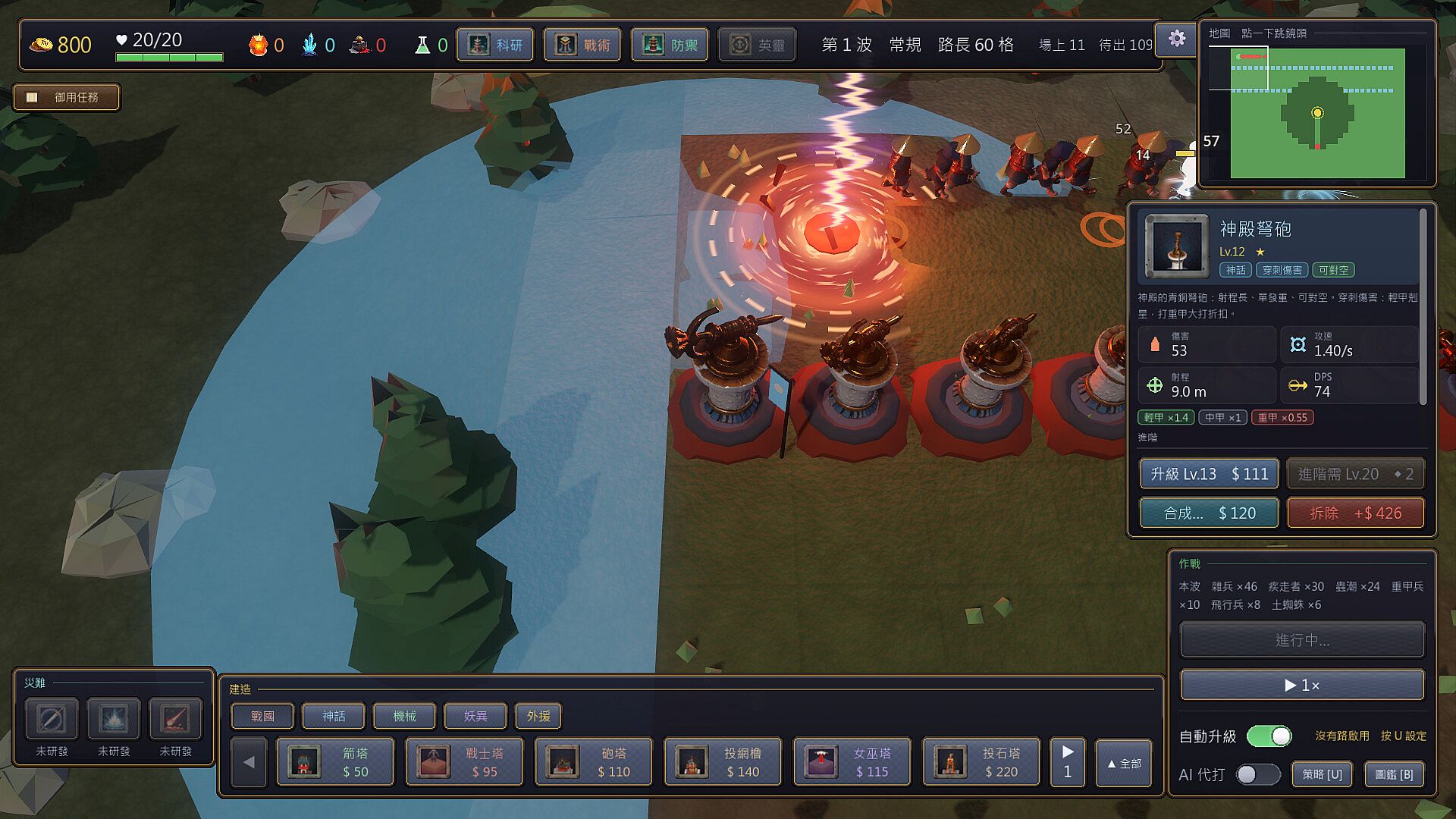
The core loop revolves around placing and upgrading towers along roadsides to stop waves of enemies from reaching the keep. Four distinct tower schools operate in their own districts: Sengoku focuses on arrows, cannons, and warriors; Myth emphasizes ballistae, lithobolos, and thunder gods; Machine deploys gatlings, mortars, and lasers; and Yokai uses bone bows, oni drums, and foxfire. Towers from one school can support another only after alliance research unlocks the option.
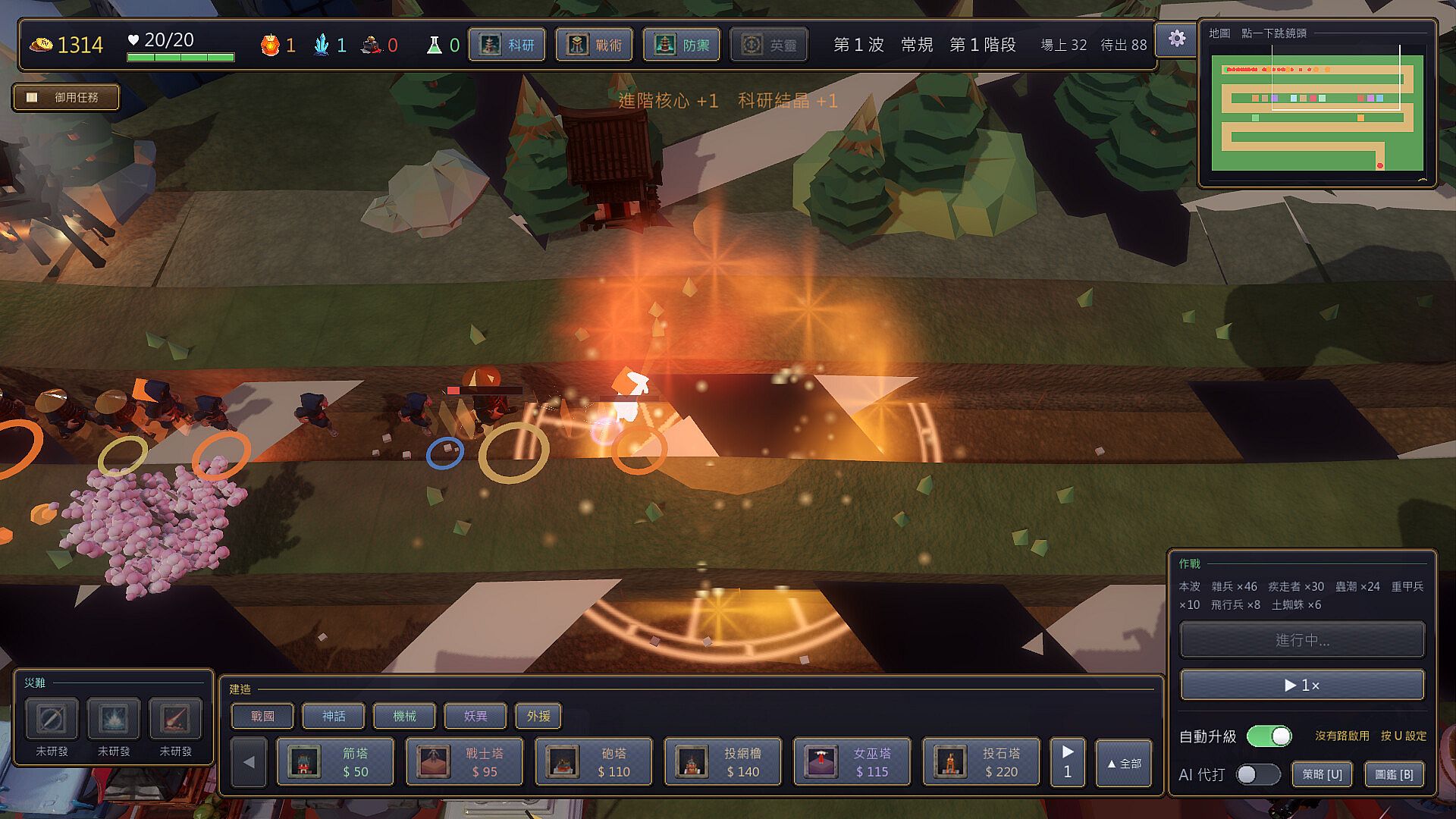
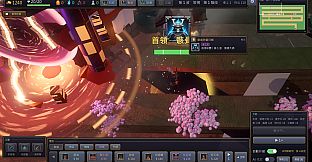
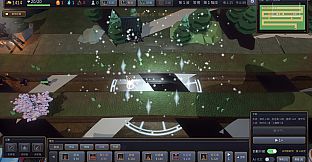
Control effects matter as much as raw damage. Towers deliver knockback, stun, root, slow, and freeze through abilities such as net casts, petrifying gazes, EMP pulses, and frost shrines. Ultimate weather events extend these effects over time once certain mastery thresholds are reached. Fusion combines two towers into stronger variants through specific recipes, while repeated fusion of identical towers raises rank and unlocks choices for elements, shot styles, or summoned warlords.
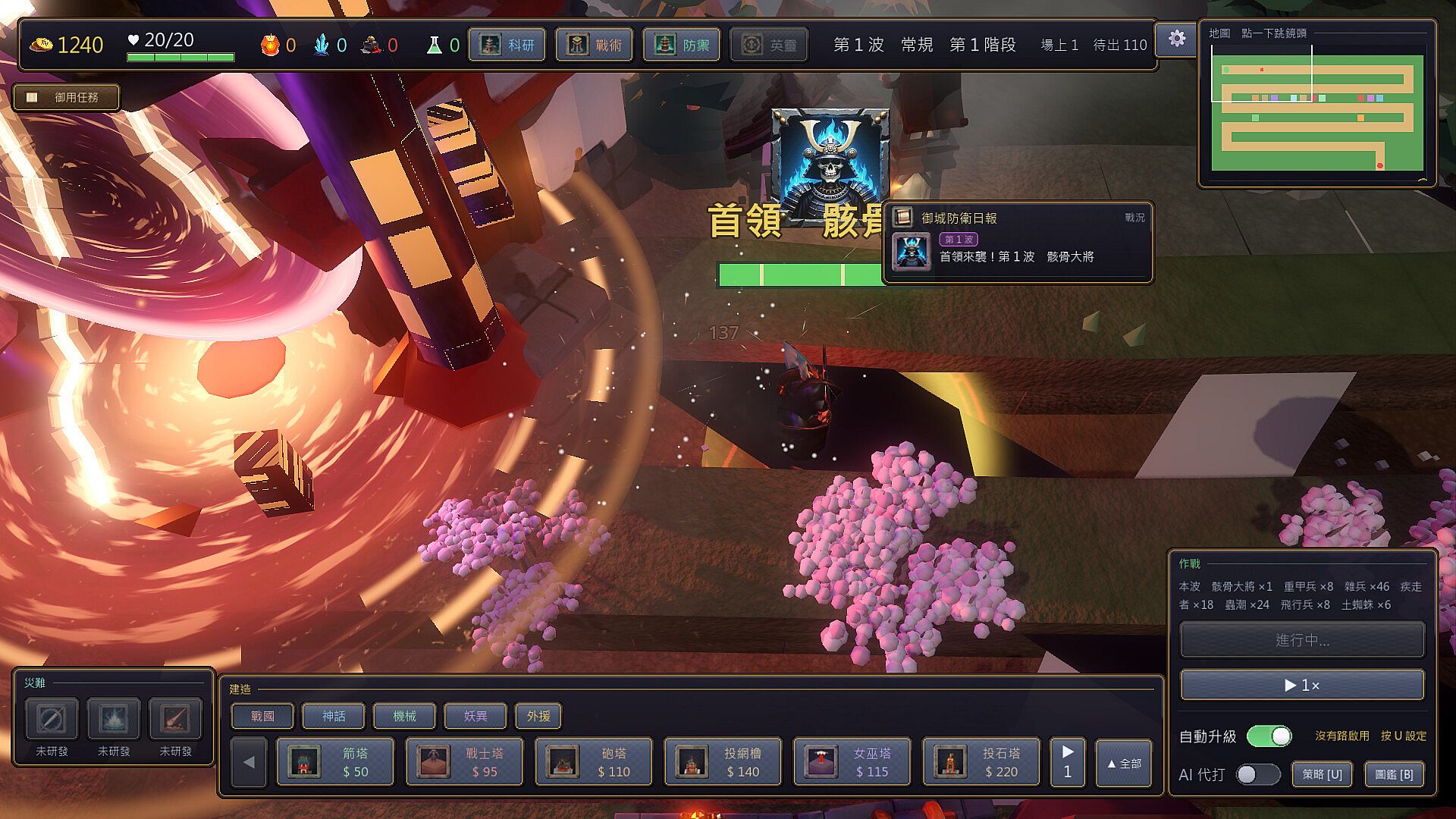
Three research trees cover Science, Tactics, and Defense. Crystals and research points unlock new towers, support slots, and passives. Tactics research also grants access to calamities that alter the battlefield, such as earthquakes that open new enemy paths. Enemies include standard infantry plus elites with auras, flying units that charge long distances, and over twenty unique types with distinct models, animations, and behaviors like ignoring slows or splitting on death. Bosses arrive every ten waves and transform at health thresholds, while giants such as the Gashadokuro and Hellhound demand dedicated attention because they occupy large stretches of road and allow followers to slip past.
Game Modes
Campaign mode runs ten waves on a single castle and serves as the entry point. Endless mode expands the map every ten waves and opens a new district with its own enemy route every twenty waves, scaling up to four districts and four simultaneous attack paths while tracking survival on leaderboards. Free Formation removes fixed roads entirely, letting players wall off entire fields into mazes across seven arenas that each impose different starting conditions and enemy modifiers.
Online co-op supports one to four players. Each participant claims a district with its own towers and road, though gold and research remain shared. In Free Formation co-op, players instead select tower schools and build anywhere on the shared field. A war council interface displays avatars and allows quick communication through samurai stickers or map signals. Alliance Quests require the team to meet collective and individual kill thresholds before special Goblin Treasure Gang waves appear. A shared Merchant Guild lets players trade goods whose prices shift after each wave or bank gold for interest.
Tower Progression and Customization
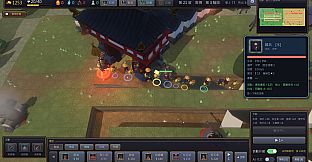
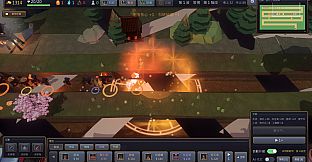
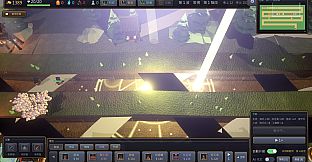
Every tower levels and ranks with distinct visual presentations, including golden rings for level-ups and ground sigils with light pillars for rank-ups. Hero towers walk the roads in melee and gain experience directly. Warrior towers summon warlords upon ranking, with rerolls available for undesired results. Research also expands the number of support slots and passive bonuses available across schools.
Is It Worth Playing?
Players who enjoy tower defense with layered control mechanics, tower fusion, and variable arena rules will find a focused experience here. The game supports both solo campaigns and up to four-player co-op sessions with shared objectives and a merchant system that adds light economic decisions. Twenty-six achievements and separate leaderboards for each mode and arena provide clear progression targets. Auto-upgrade and AI autoplay options allow hands-free management of districts when attention is needed elsewhere. The combination of seasonal map variety, distinct enemy behaviors, and co-op coordination suits those seeking strategic depth without requiring constant manual intervention.