






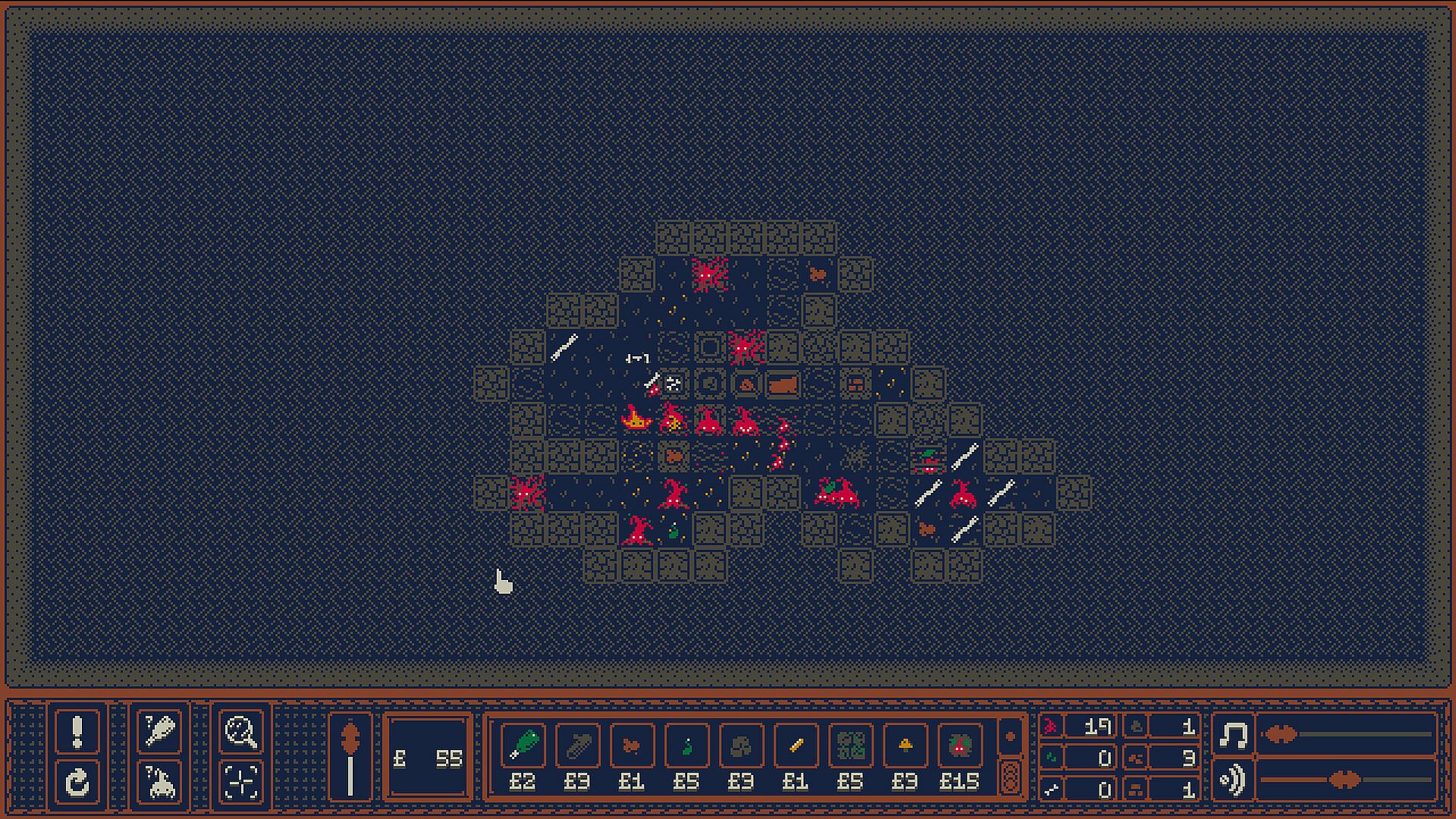
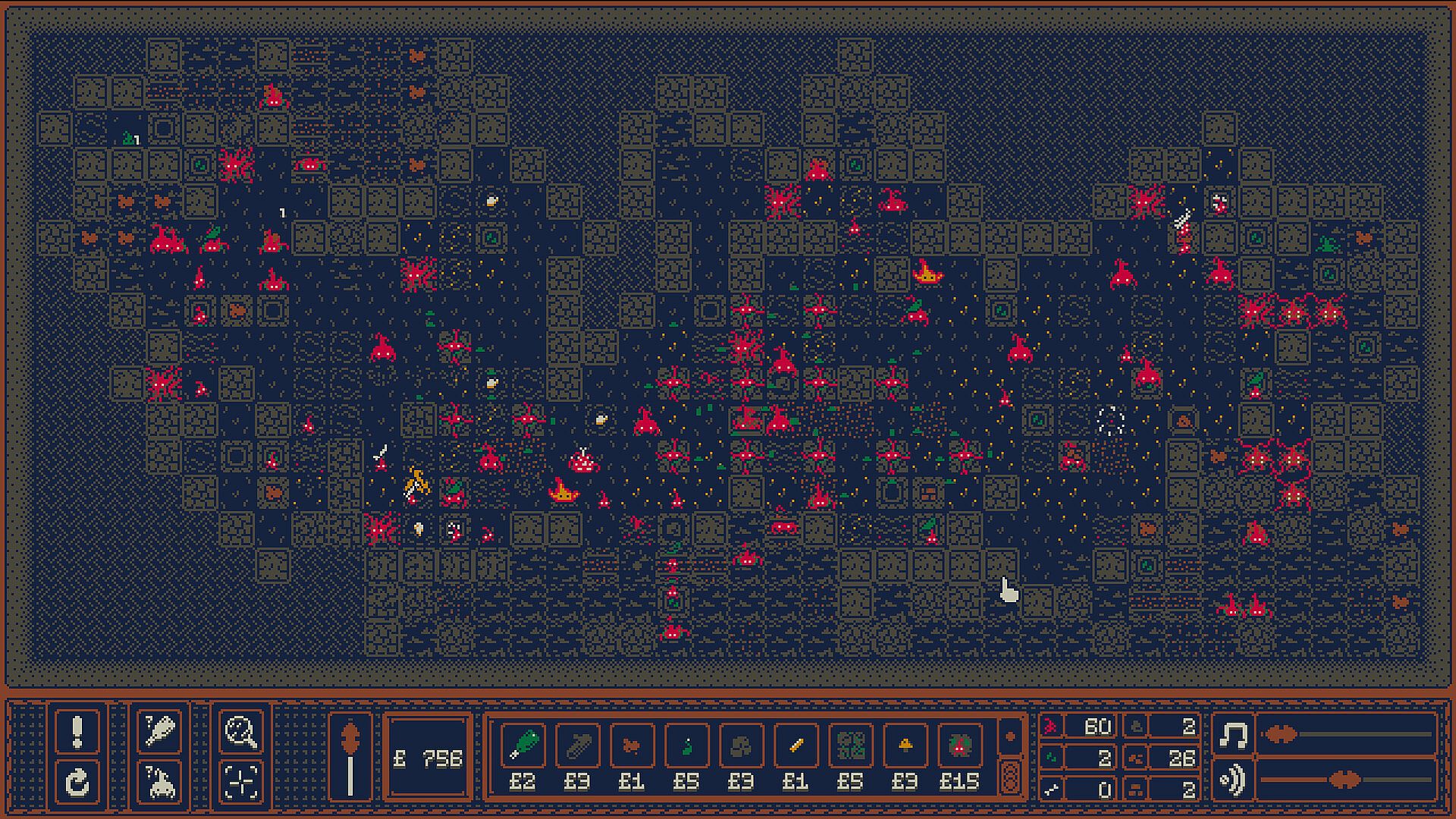
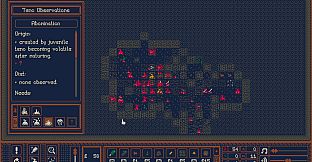
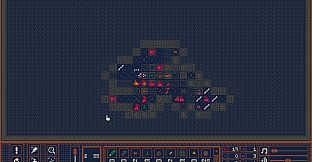
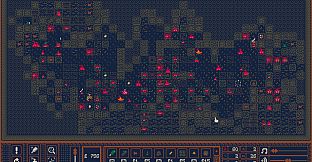
Tenebrarium é um simulador indie de gerenciamento de colônia para PC. Nele, o jogador assume o papel de observador, posicionando recursos para orientar o desenvolvimento de um assentamento alienígena sem lidar com sistemas complexos ou curvas de dificuldade acentuadas. O ciclo principal gira em torno do estudo dos Teno, uma espécie instável cujos comportamentos variam desde a fusão inteligente com o ambiente até a desintegração explosiva em ossos.
Gameplay
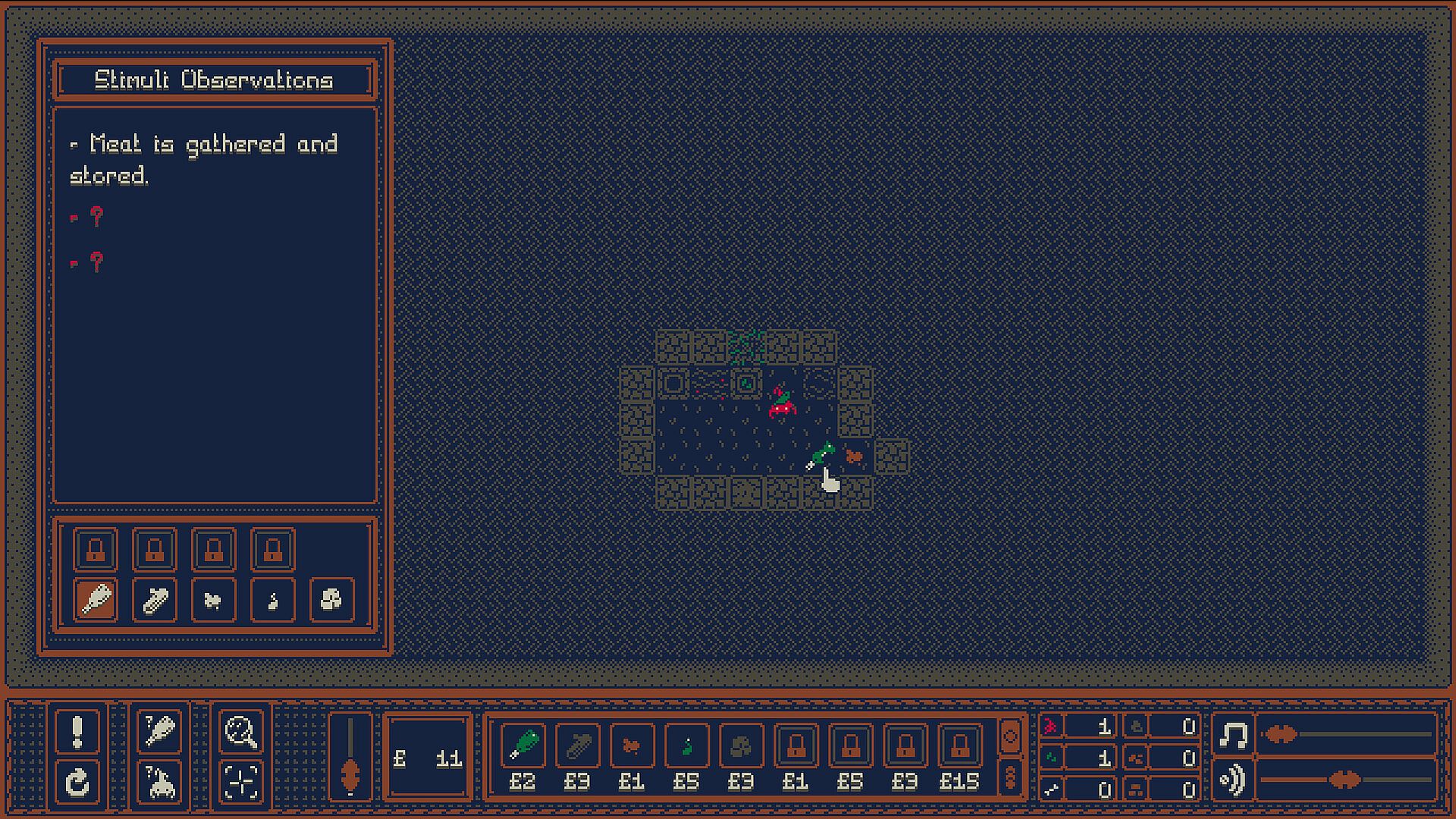
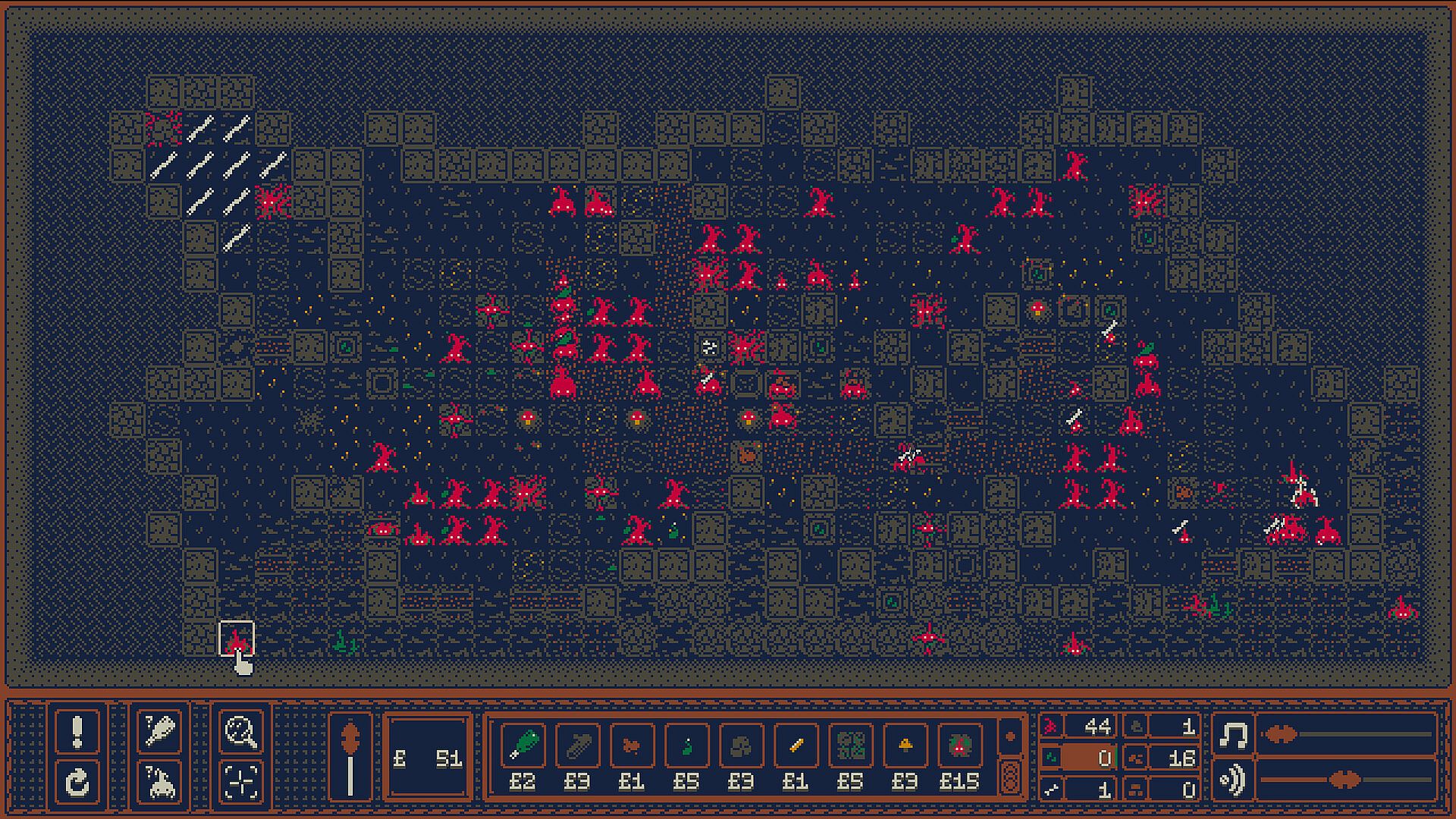
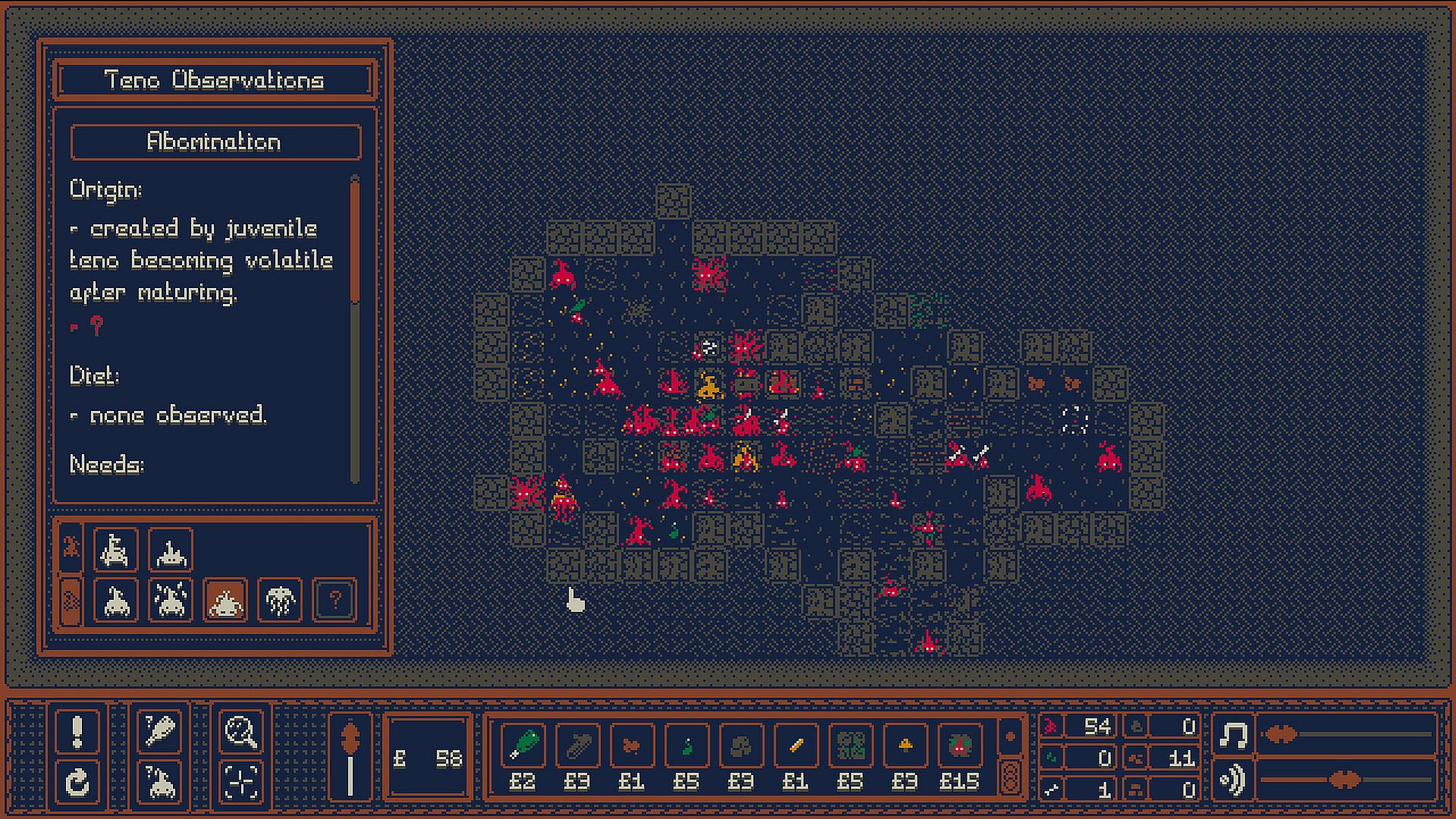
O foco está na observação passiva após a colocação inicial dos recursos. O jogador posiciona materiais no ambiente e acompanha a interação dos Teno com essas escolhas, observando novos padrões surgirem com o tempo. O aprendizado acontece por meio da repetição dessas interações, que liberam novos recursos e permitem expansões mais elaboradas da colônia. A volatilidade dos alienígenas é tratada como ferramenta, e não como obstáculo: o jogador testa formas de canalizar ou conter suas explosões enquanto explora os limites de sua inteligência adaptativa.
A progressão depende da descoberta, não do controle direto. Cada novo comportamento revelado abre opções para o desenvolvimento da colônia, gerando um fluxo constante de pequenas revelações que incentivam novos experimentos. A simulação utiliza mecânicas simples que recompensam paciência e ajustes graduais em vez de intervenção constante.
Modos de Jogo
Tenebrarium é uma experiência single-player centrada exclusivamente no ciclo de simulação da colônia. Não há modos competitivos, cooperativos ou de desafio, mantendo o foco na observação e expansão. O design permite sessões repetidas no mesmo estilo sandbox, onde diferentes arranjos de recursos geram comportamentos variados na população Teno.
Visuais e Áudio
O jogo apresenta pixel art retro feita à mão, conferindo à colônia alienígena um charme distinto em baixa resolução. Cada criatura e elemento do ambiente recebe atenção individual, resultando em figuras únicas e excêntricas que habitam o assentamento. Uma trilha sonora lo-fi sci-fi acompanha os visuais, criando um fundo calmo e atmosférico que combina com o ritmo idle do gameplay.
Essas escolhas estilísticas reforçam a sensação íntima e de pequena escala do projeto. O trabalho em pixel destaca as transformações físicas dos Teno sem depender de efeitos de alta fidelidade, enquanto o áudio mantém um clima consistente durante longos períodos de observação.
Desenvolvimento e Lançamento
Tenebrarium foi criado por um desenvolvedor solo que cuidou de todos os aspectos da produção sem uso de IA generativa. O projeto ainda está em desenvolvimento, com lançamento previsto para o Q4 de 2026 no Windows. Os requisitos são modestos: processador i3 ou equivalente, 4 GB de RAM e 150 MB de espaço em disco, tornando-o acessível em uma ampla variedade de máquinas.
O escopo contido permite que a simulação entregue a experiência pretendida sem complexidade desnecessária. O suporte a compartilhamento familiar está entre os recursos, alinhado ao foco single-player.
Vale a Pena Jogar?
Tenebrarium é indicado para quem aprecia simuladores de colônia relaxados, priorizando a observação de comportamentos emergentes em vez de micromanagement. Quem gosta de estética retro e trilhas sonoras discretas encontrará uma apresentação coerente com o estilo de gameplay. Como o jogo ainda não foi lançado, não existem avaliações ou notas disponíveis.
A ausência de curva de aprendizado íngreme e a promessa de novas descobertas comportamentais o tornam uma opção de baixa pressão para quem se interessa por mecânicas de simulação alienígena. Os jogadores podem adicionar o título à lista de desejos na plataforma para receber notificações quando estiver disponível. A abordagem solo e a menção explícita contra o uso de IA podem atrair quem valoriza projetos indie artesanais. No geral, o jogo mira um público nichado em busca de uma experiência simples e observacional, sem elementos intensos de estratégia ou ação.