







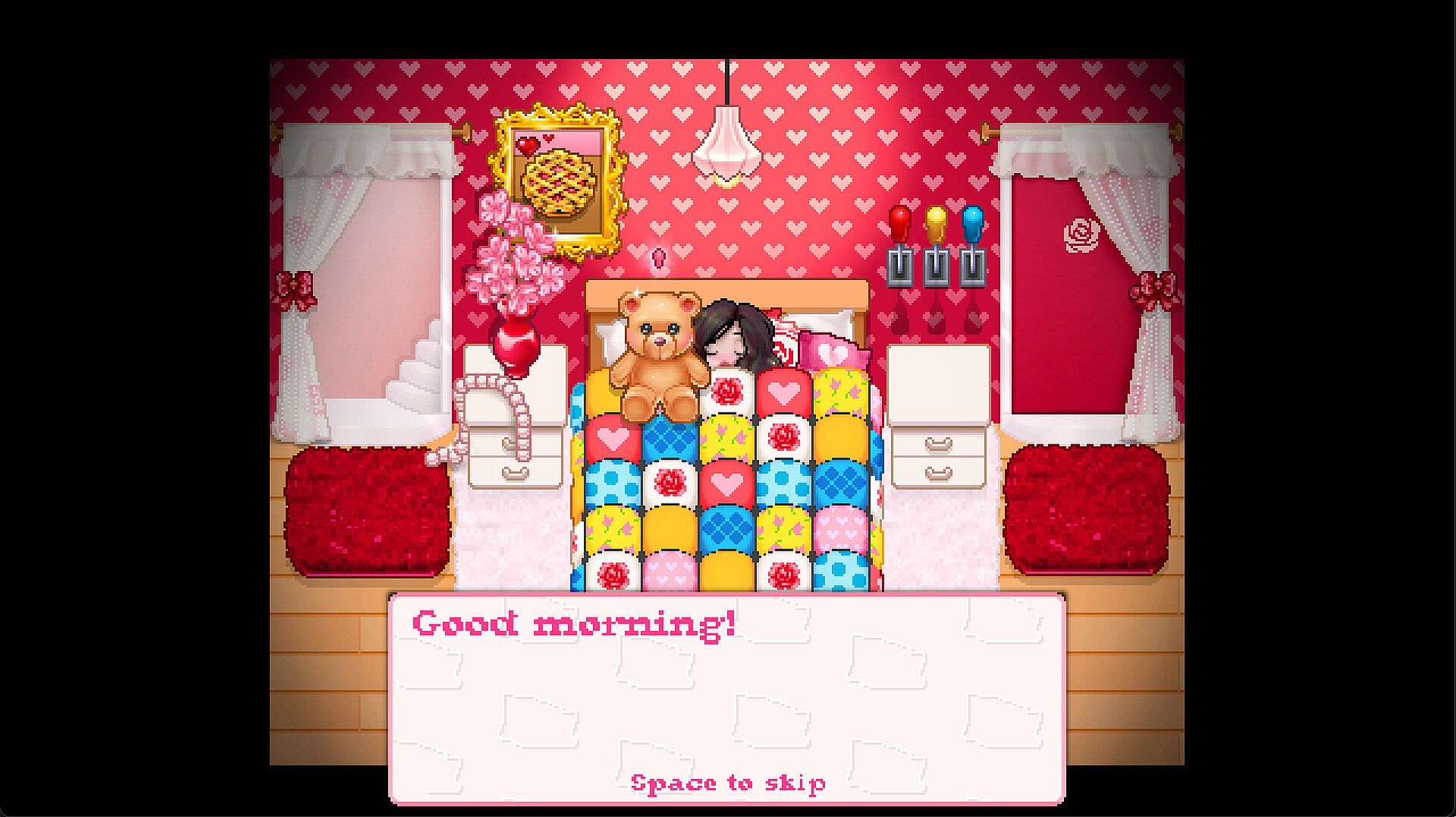

Tea Party For 4 is an indie adventure game developed for PC that blends cozy visuals with psychological horror through anomaly detection and puzzle mechanics. Players navigate a retro-styled environment while identifying subtle changes and following precise instructions to progress through layered routines. The experience emphasizes careful observation and decision making in a single-player format that mixes lighthearted presentation with unsettling twists.
Gameplay
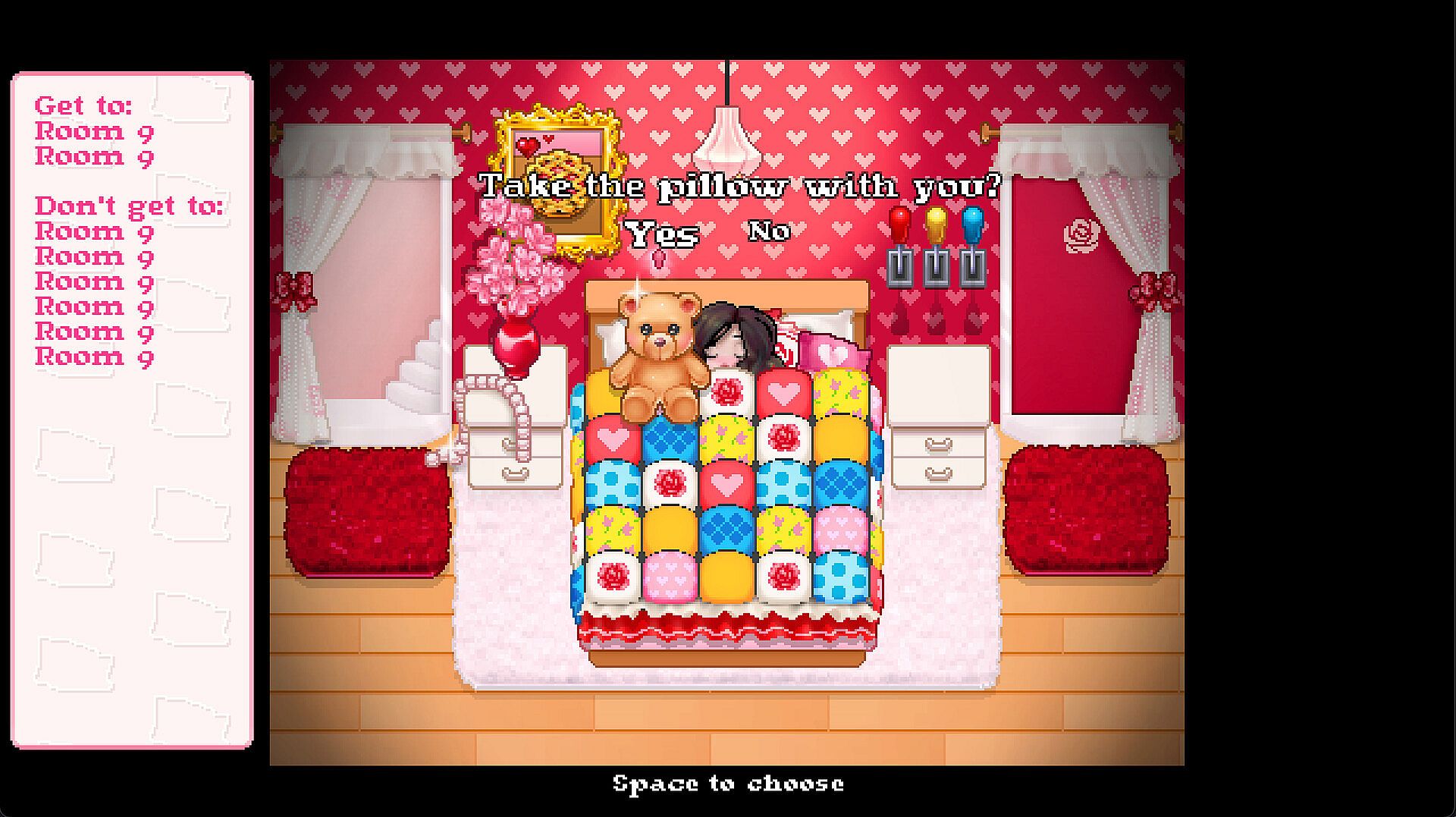
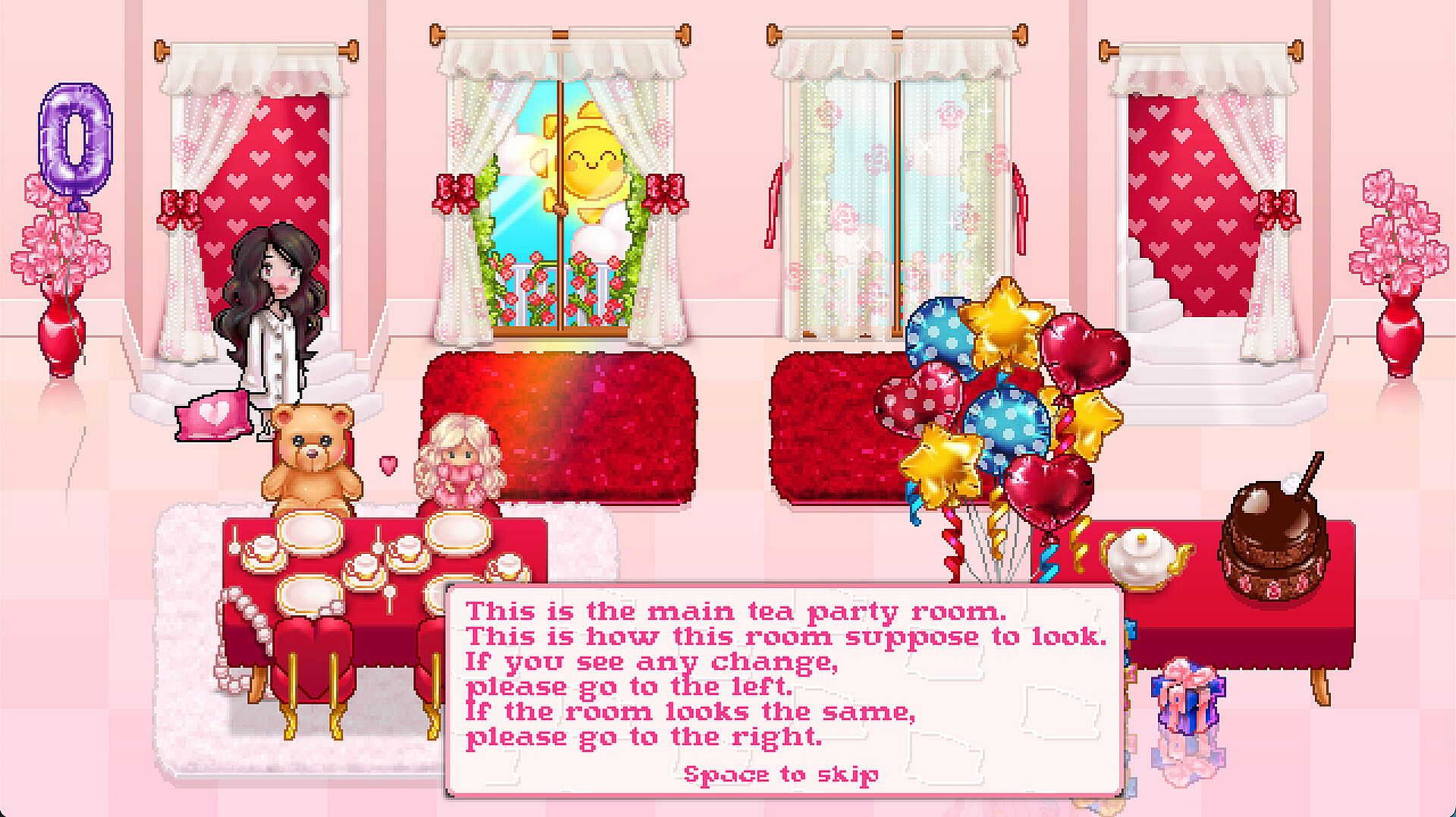
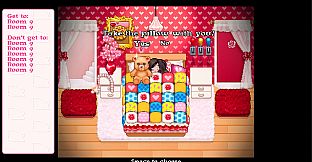
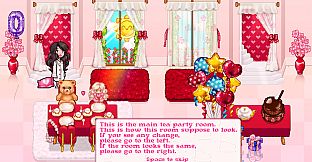
The core loop centers on exploring interconnected rooms while scanning for anomalies that alter the expected layout or objects. Players must reach room 9 under specific conditions, such as carrying or omitting a pillow on separate attempts, and collect keys scattered throughout the space. Failure occurs when the character ends up asleep in the bedroom, resetting progress and signaling an incorrect path. Movement feels deliberate and retro-inspired, with attention focused on visual details rather than fast action. The design encourages multiple passes through the same areas to spot differences that were not apparent on the first try.
Keys serve as essential items that unlock further access, while the anomaly spotting requires comparing current scenes against an internal sense of what should appear normal. This creates a steady rhythm of exploration, observation, and correction. The cozy aesthetic softens the tension at first, yet the psychological horror elements emerge through the consequences of missing a change or following the wrong sequence. All artwork, music, and development come from a single creator, resulting in a consistent handmade feel without external tools or assistance.
Game Modes
Progression unfolds through a series of routines that build on the initial task of reaching room 9. One variant requires the pillow, while another forbids it, forcing players to adapt their approach and notice how small choices affect later outcomes. Additional secret routines expand the challenge after the basic paths are completed, leading toward a final sequence that ties the experience together. These layers function as distinct playthrough styles rather than separate modes, each demanding fresh attention to anomalies and key placement.
The structure rewards replaying sections with new goals in mind. Early routines focus on the room 9 objective, while later ones introduce more complex patterns that test memory and precision. No multiplayer or competitive elements exist, keeping the focus entirely on solitary puzzle solving and atmosphere.
Visual Style and Atmosphere
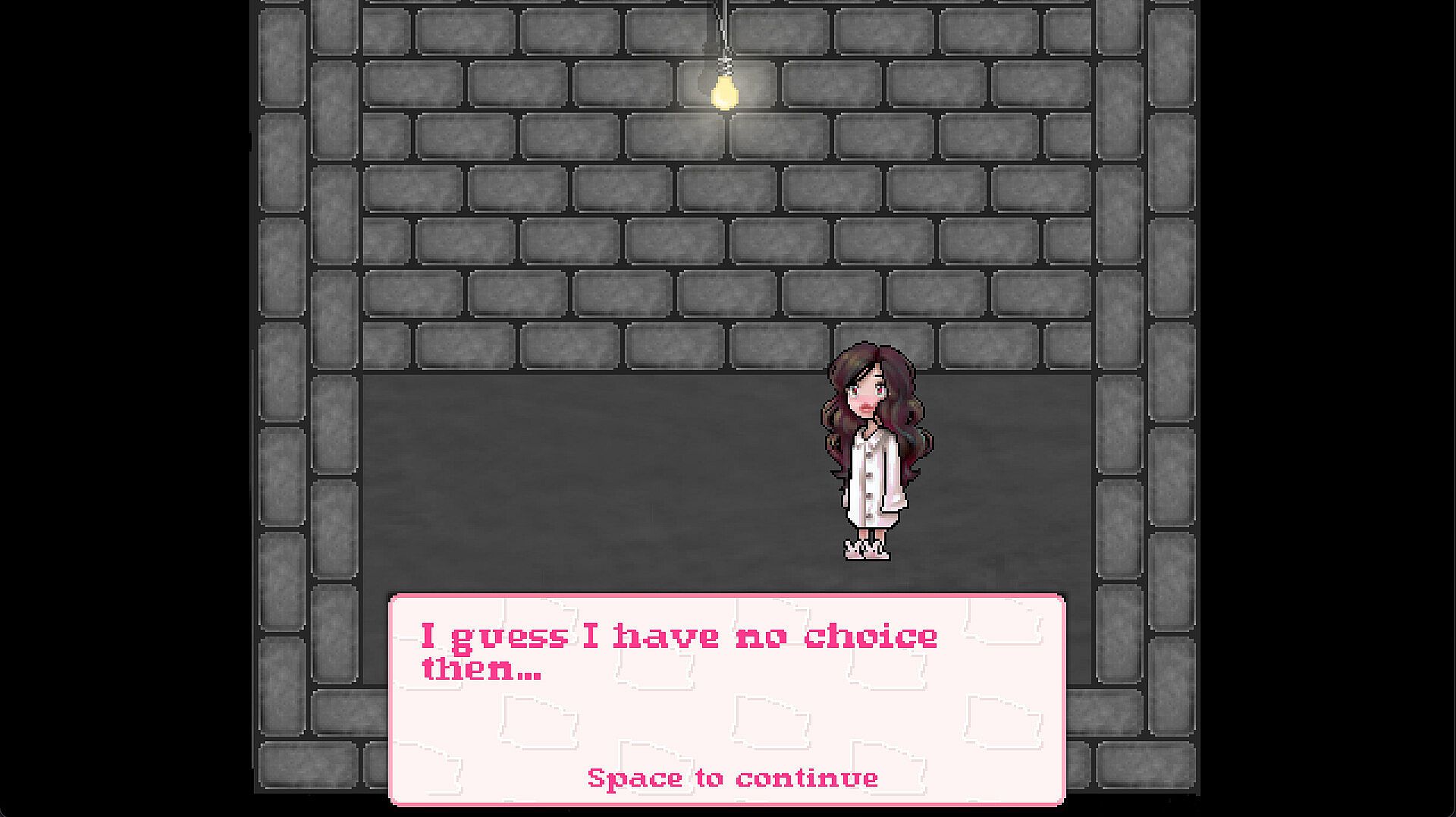
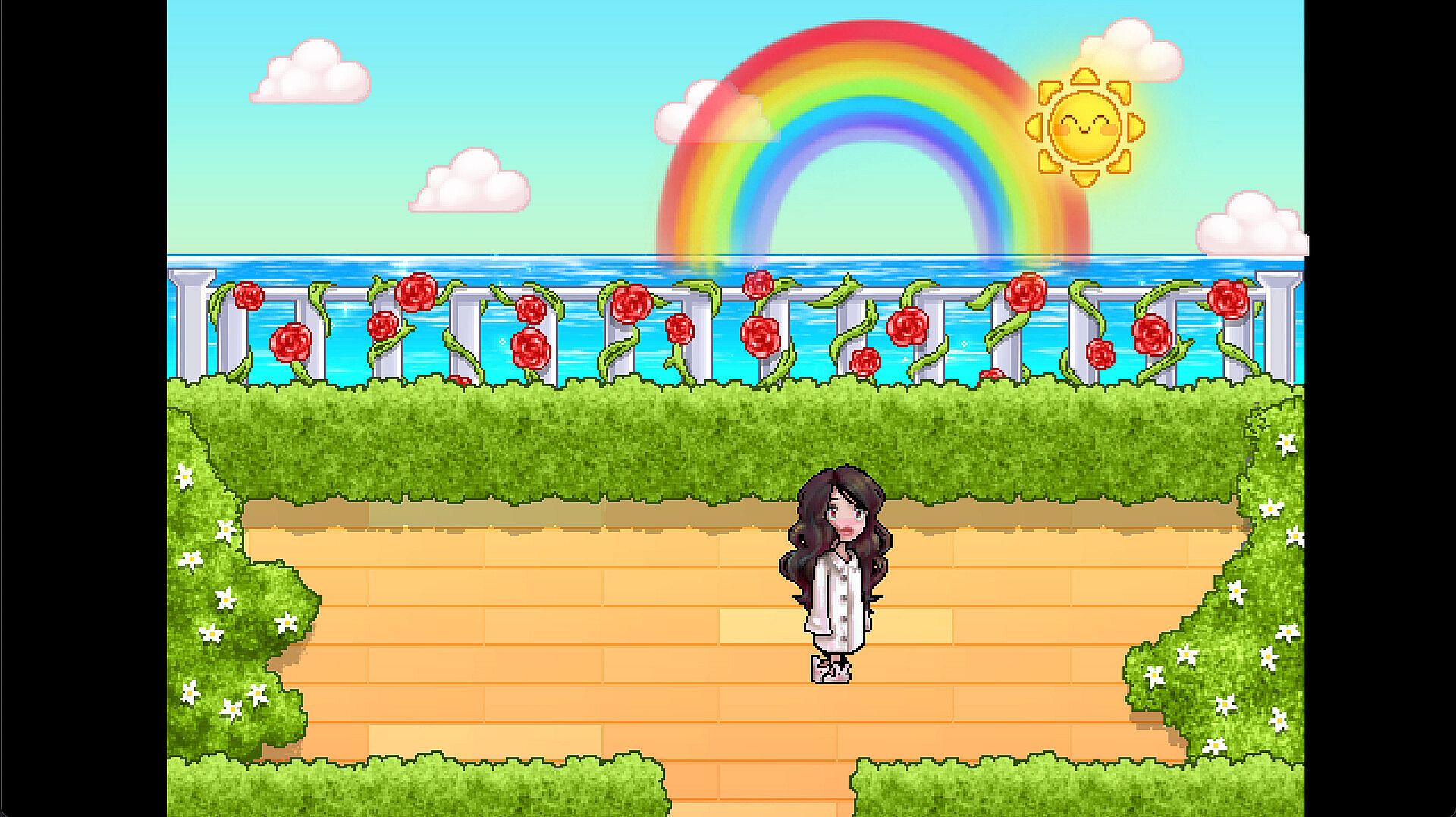
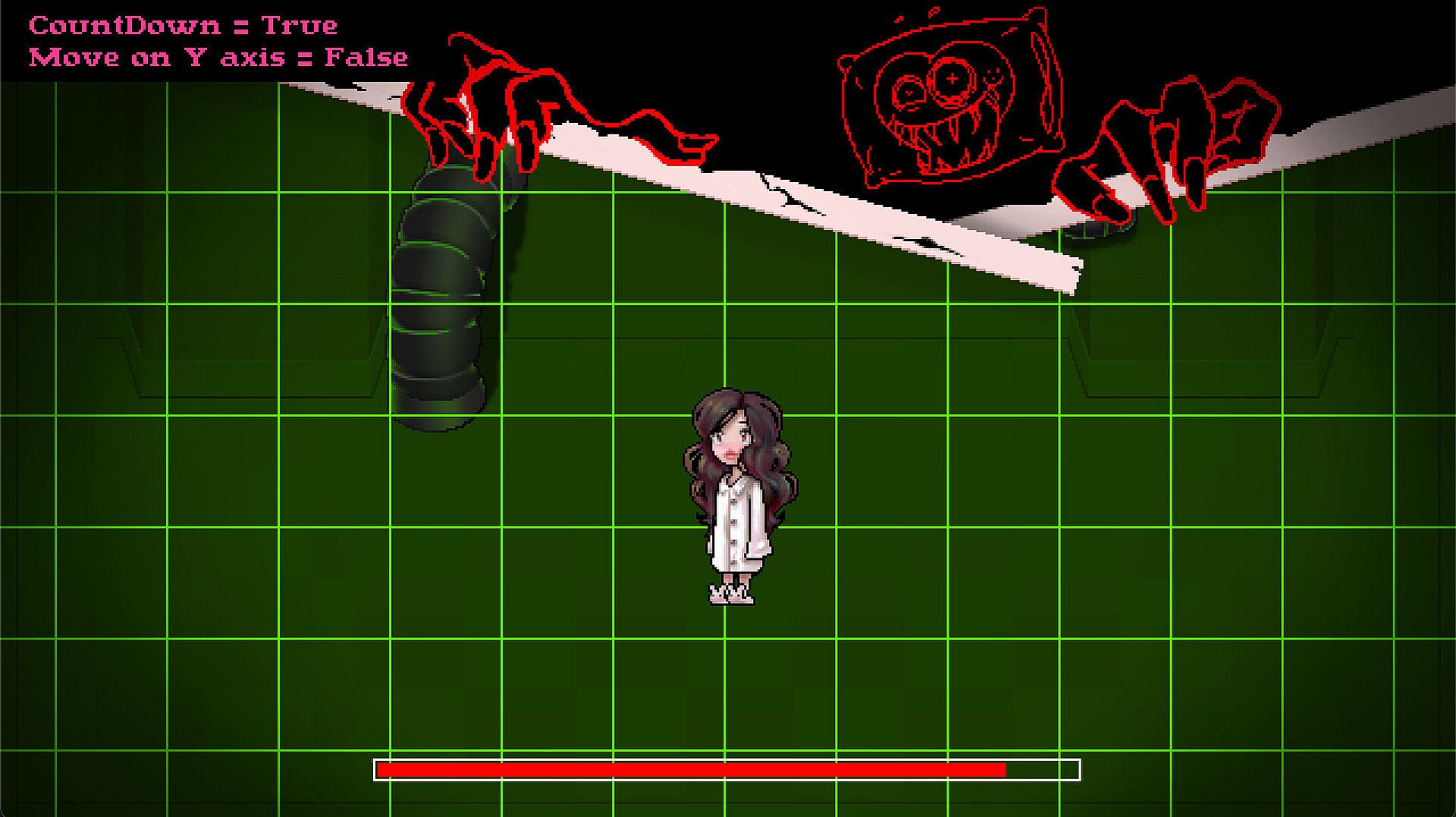
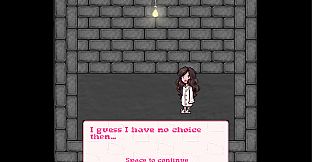
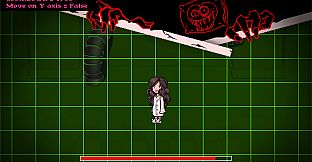
Retro pixel or hand-drawn aesthetics define the look, pairing bright, inviting colors with the creeping dread of psychological horror. The cozy tone appears in everyday objects and room layouts, yet anomalies disrupt that comfort by introducing unexpected shifts. Sound design supports the mood through simple, effective music and effects that heighten tension during key moments of discovery. The overall presentation stays intimate and personal, reflecting the solo development process.
Is It Worth Playing?
Tea Party For 4 suits players who enjoy short, focused indie experiences centered on observation and light puzzle solving within a horror framework. Its anomaly mechanics and routine-based structure deliver a clear sense of progression without overwhelming complexity. The game remains in an early complete state with version 0.1.0 available, and its single-creator origin highlights a deliberate, unpolished charm that appeals to fans of niche psychological titles. Those seeking cozy horror mixed with spot-the-difference gameplay will find a concise package that matches the listed genres of adventure, puzzle, and retro styling. If the premise of checking rooms for changes and managing specific conditions resonates, the game offers a direct and personal experience worth trying.