




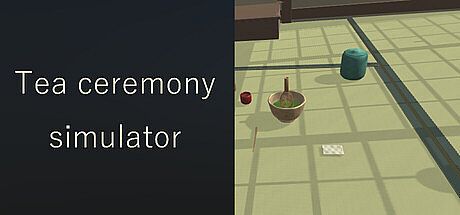




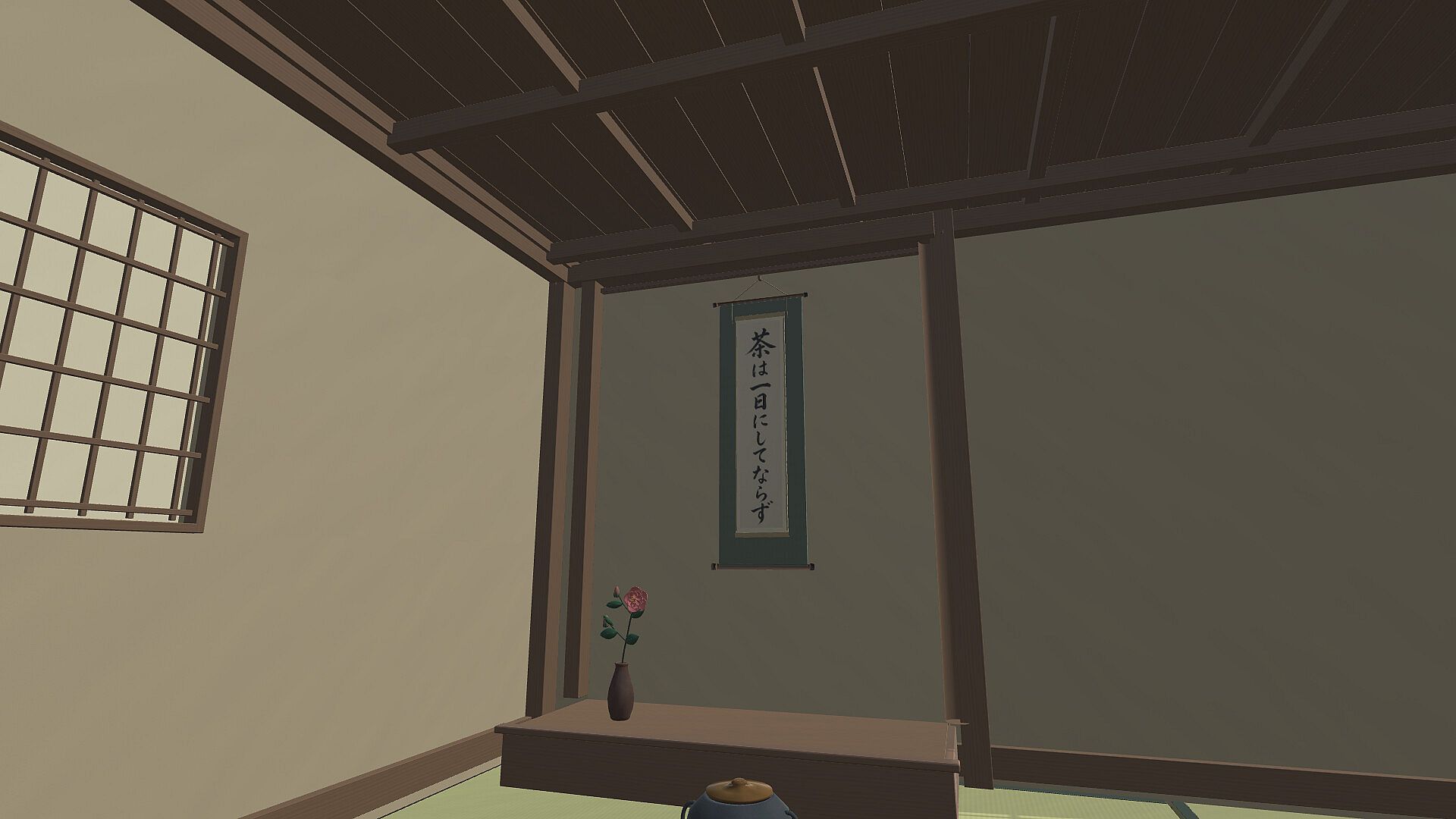
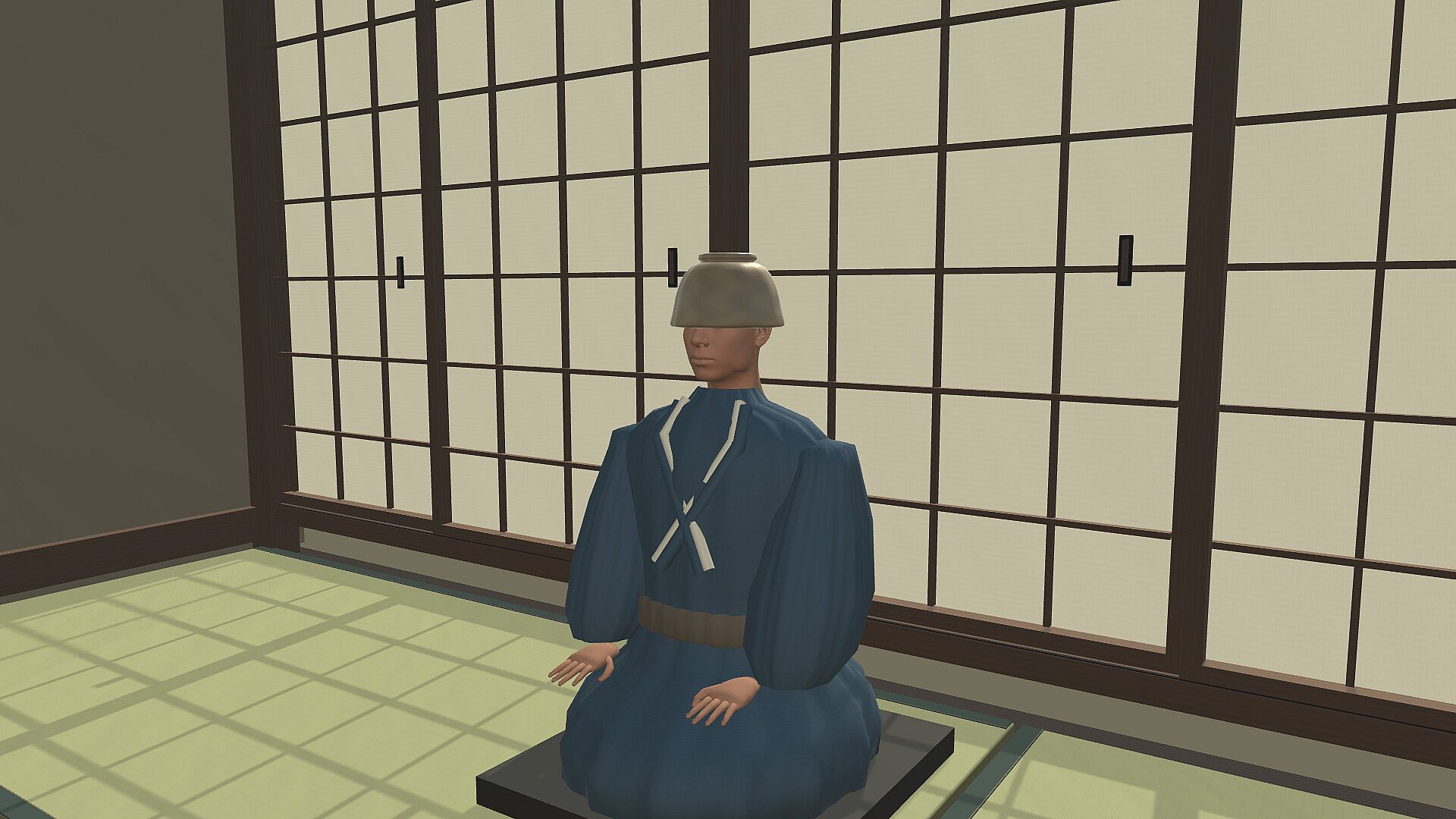
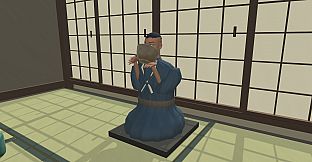
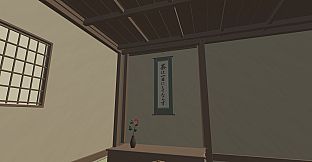
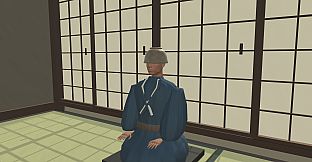
Tea Ceremony Simulator is a single-player casual simulation game for PC that puts players in the role of a host performing a traditional Japanese tea ceremony. Seated in a detailed tearoom, the focus stays entirely on precise manual actions to prepare and serve matcha to a seated guest. Every step requires direct control over utensils, with no automated shortcuts, making the experience a test of dexterity and attention to detail rather than fast-paced action or exploration.
Gameplay
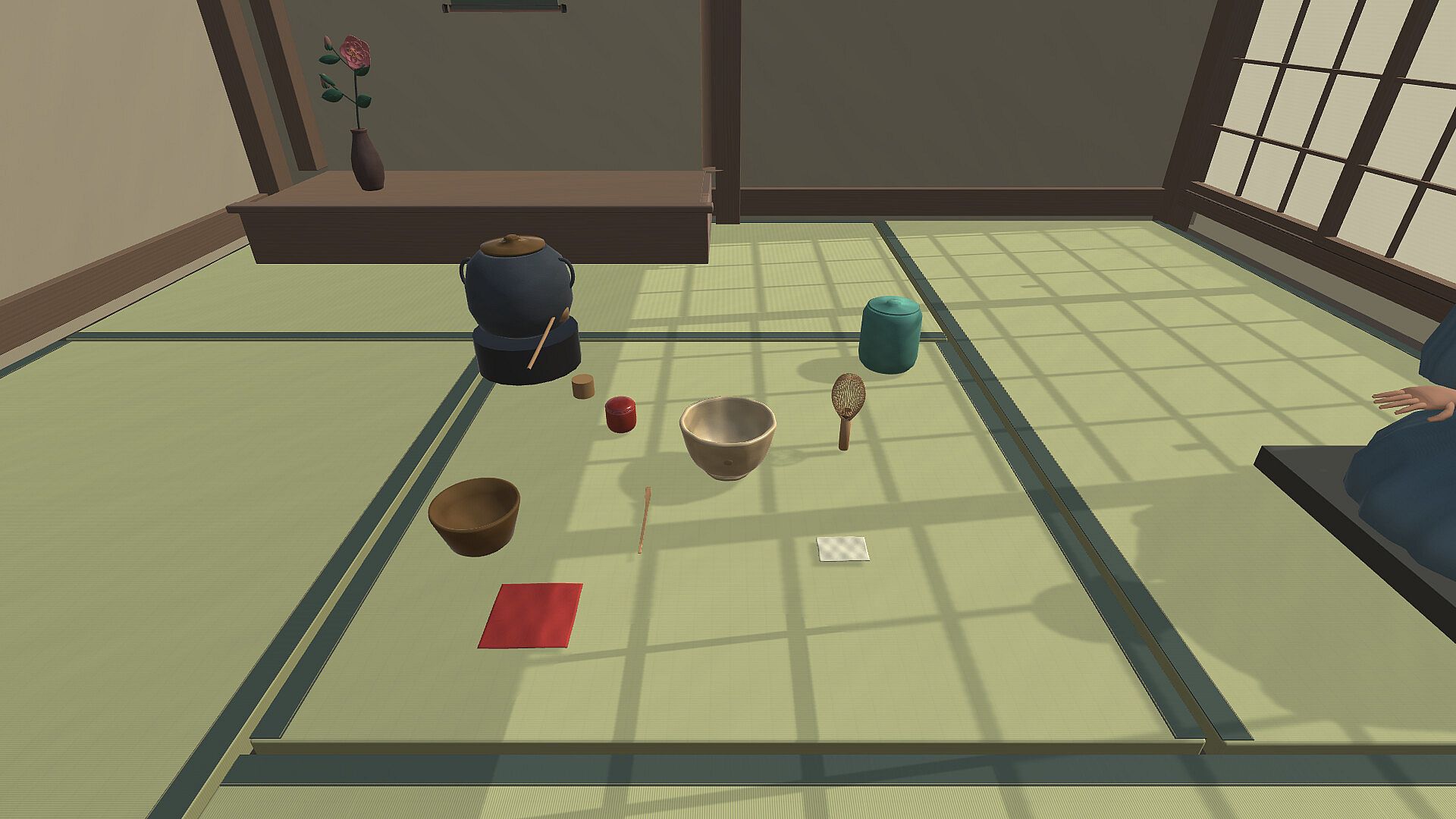
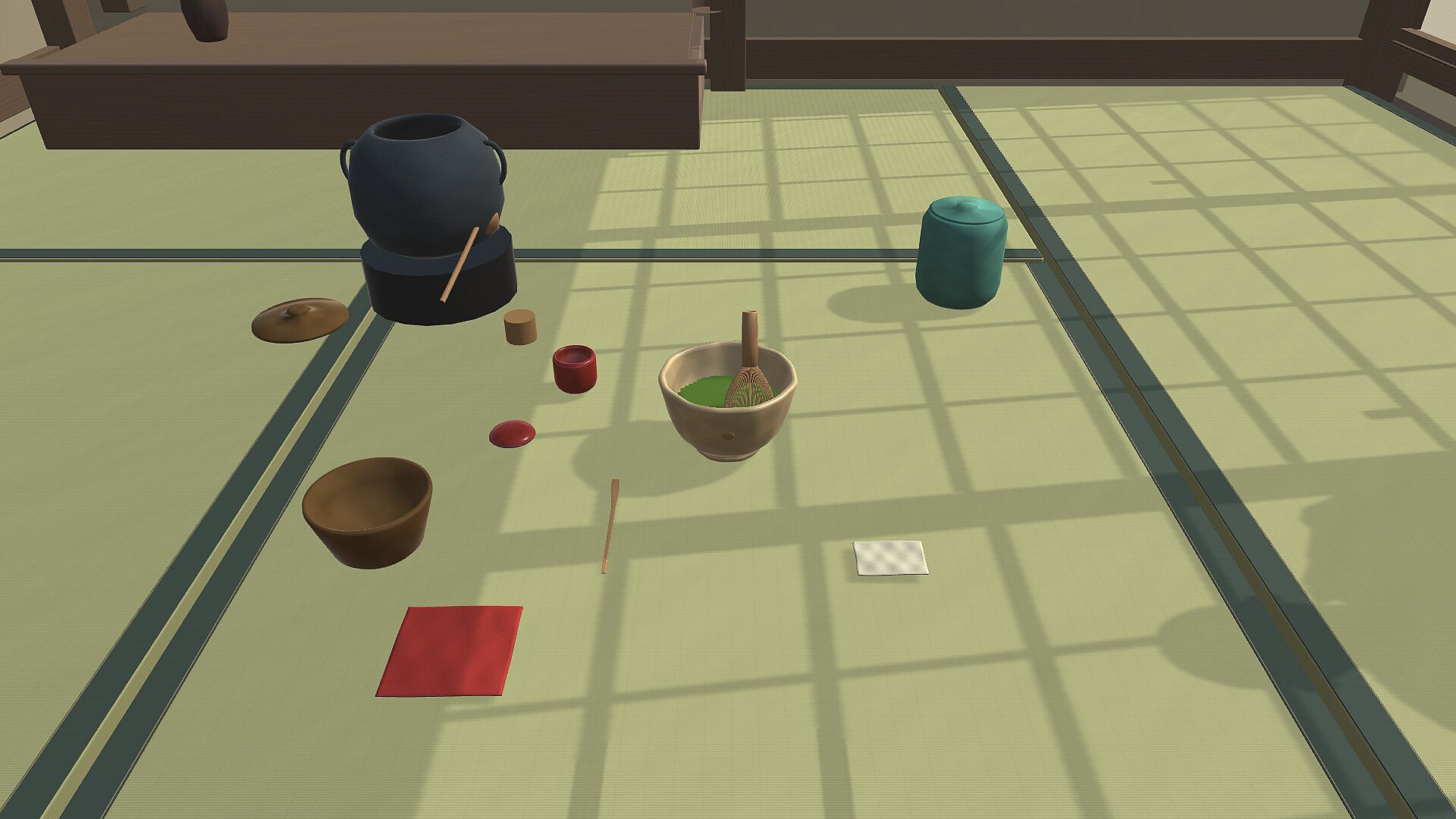
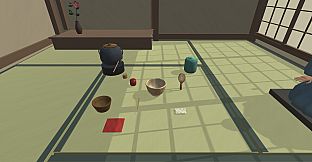
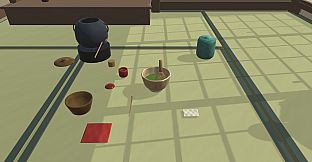
The core loop centers on preparing a bowl of matcha using fully manual controls. Players lift the kettle lid, scoop hot water with the ladle, measure matcha from the tea caddy, and whisk the mixture with the bamboo tool. Height, angle, and presentation all affect the outcome, and actions continue even if the sequence is imperfect. Spills reduce the volume in the bowl, while the amount of water, matcha quantity, froth level, and overall etiquette contribute to the final score. Liquid physics allow ripples and spills if the bowl tilts too far, requiring careful shaking motions to create froth without overflow. Any water spilled onto the tatami remains visible as a puddle, drawing the guest's attention to mistakes.
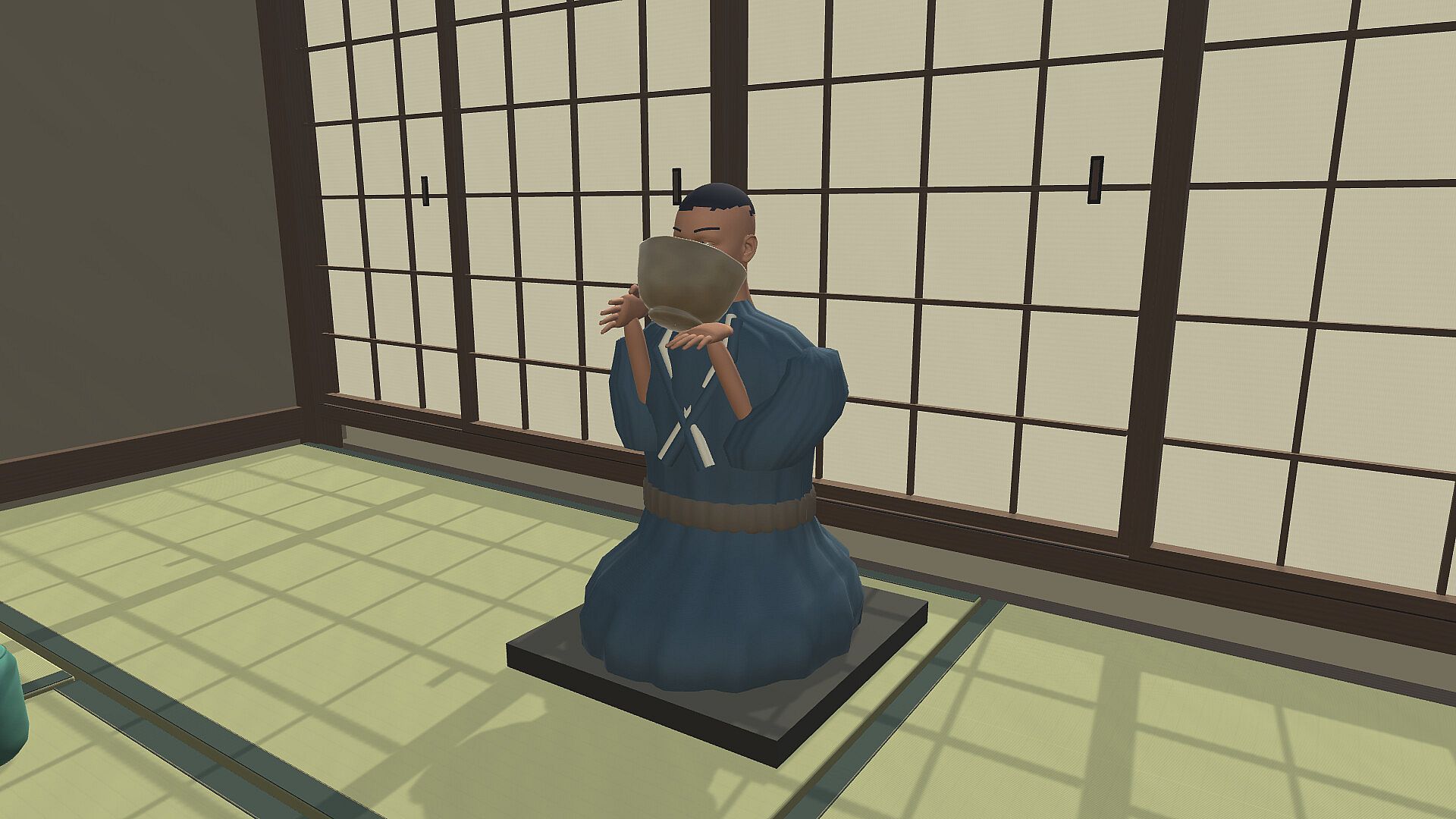
Mouse-centric controls handle all interactions, with scroll wheel or middle button options available alongside keyboard alternatives like Space plus mouse movement. The environment includes authentic details such as woven tatami, timber framing, shoji screens, a tokonoma alcove, hanging scrolls, and camellias, accompanied by ambient sounds of wind, water, birds, and a shishi-odoshi. A guest with an eccentric appearance reacts to each preparation, adding a layer of slapstick humor to the otherwise meticulous process.
Game Modes
The game offers a single-player offline experience built around repeated tea preparation sessions. Regular guests allow players to toggle choreography guides and numerical navigation on or off, restart the current preparation, or reset utensil placement. A masterclass replay provides a 100-point example performance viewable in 3D, with 13 selectable steps that support pausing, half-speed slow motion, and zooming. The main session pauses during replay viewing and resumes exactly where it left off. Each session records score, amount spilled, time taken, and contributes to a maximum 500-point Wabi Index. Procedures represent simplified versions of basic usucha etiquette designed for gameplay rather than formal instruction.
Visuals and Atmosphere
The tearoom features high-detail modeling of traditional Japanese elements that remain consistent across sessions. Ambient audio layers create a calm backdrop interrupted only by the guest's reactions and any spills or missteps. Character creation for the guest emphasizes quirky design choices that contrast with the precise ceremony mechanics, resulting in moments of unintended comedy when polite intentions lead to visible errors.
Customization and Settings
Players can adjust volume levels, mouse sensitivity, display mode, resolution, and subtitle options. Japanese and English interfaces and subtitles are supported, along with Japanese voice acting for the guest. Progress tracking covers session statistics without any online components or additional content layers.
Is It Worth Playing?
This title suits players who enjoy deliberate, hands-on simulation experiences focused on procedural accuracy and consequence. The emphasis on manual dexterity and visible mistakes creates a satisfying loop for those drawn to precise control systems in a relaxed single-player setting. Sessions remain self-contained, with replay tools supporting practice and improvement at any pace. Availability is limited to PC with offline play, making it a straightforward choice for anyone seeking a niche casual experience centered on Japanese tea preparation without broader management or multiplayer elements. The simplified etiquette and original scoring system keep the focus on entertainment rather than educational replication.
