




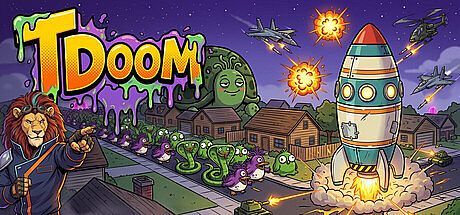


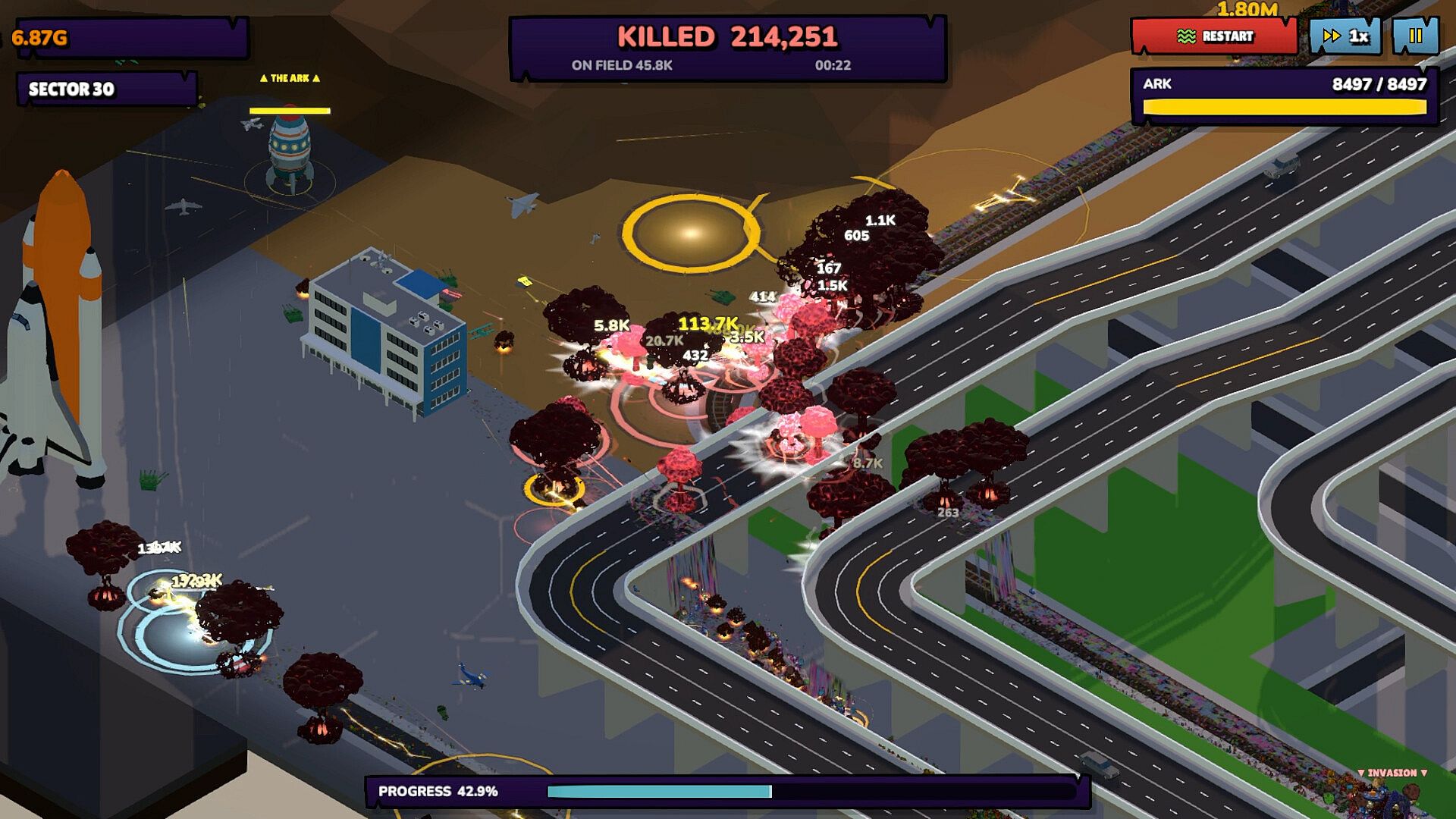
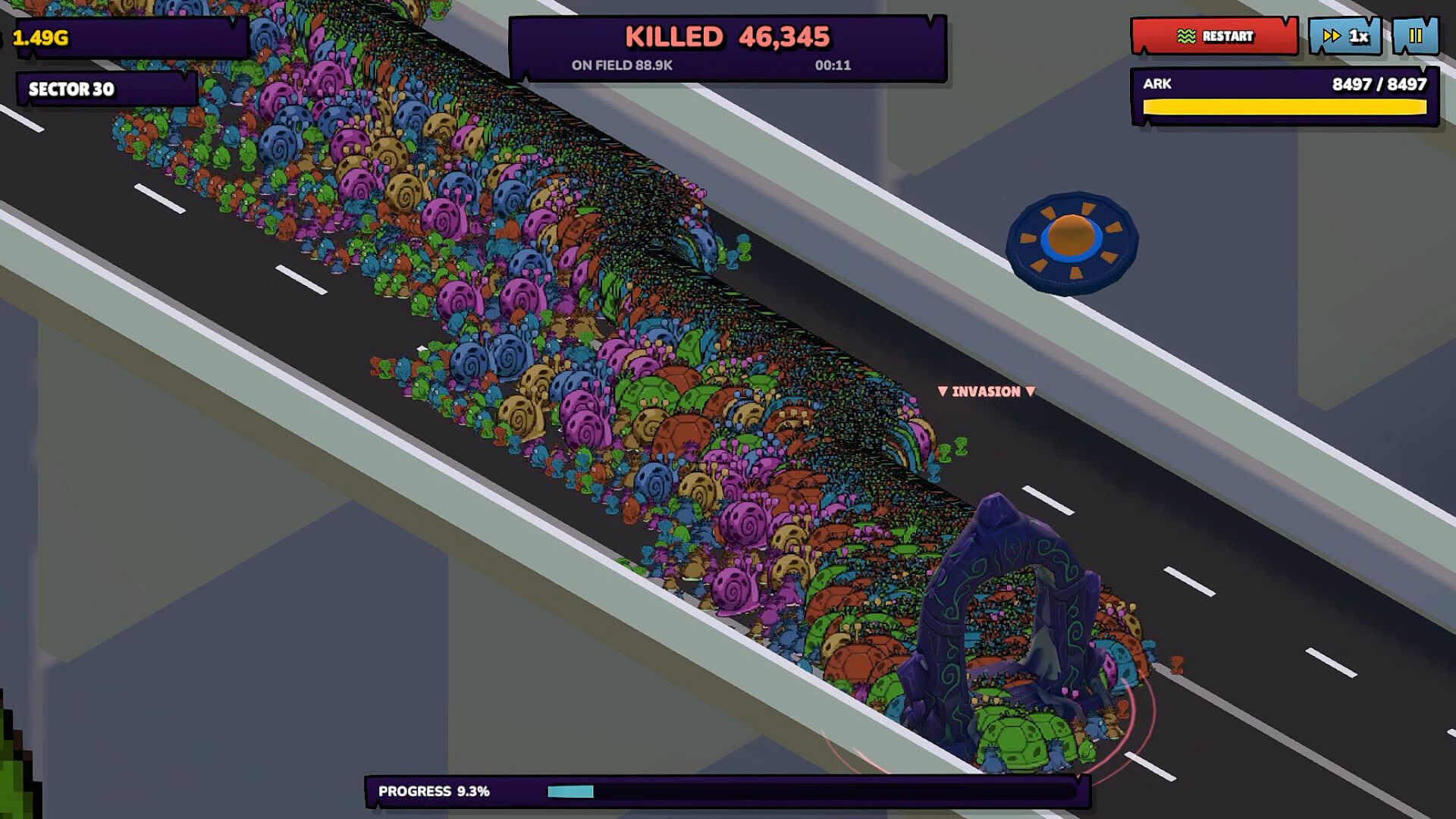
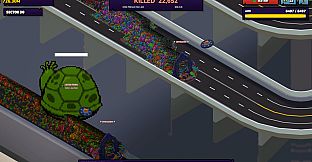
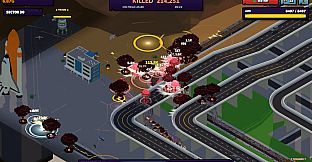
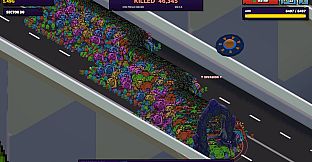
TDoom is a strategy indie game for PC in which players command the last defenses of humanity against an overwhelming alien invasion. Set in 2094 after the Kthar have overrun Earth in just 72 hours, the core premise centers on protecting evacuation rockets known as the Ark Protocol. As a tactical AI, the player must position limited forces to shield these rockets until they can launch with civilian survivors. Every point of damage sustained by an Ark represents lives lost, which adds weight to each placement decision in this single-player experience.
Gameplay
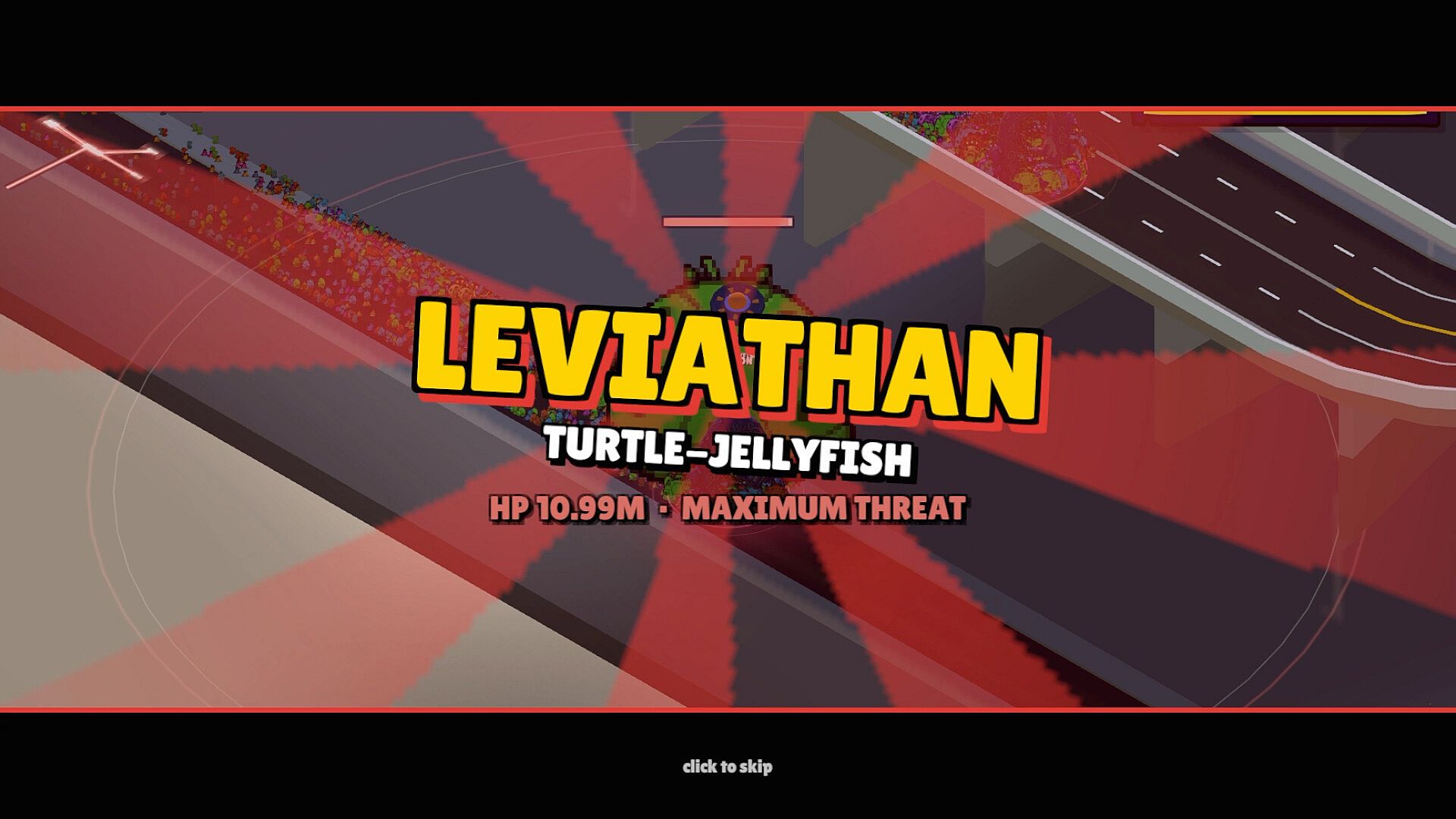
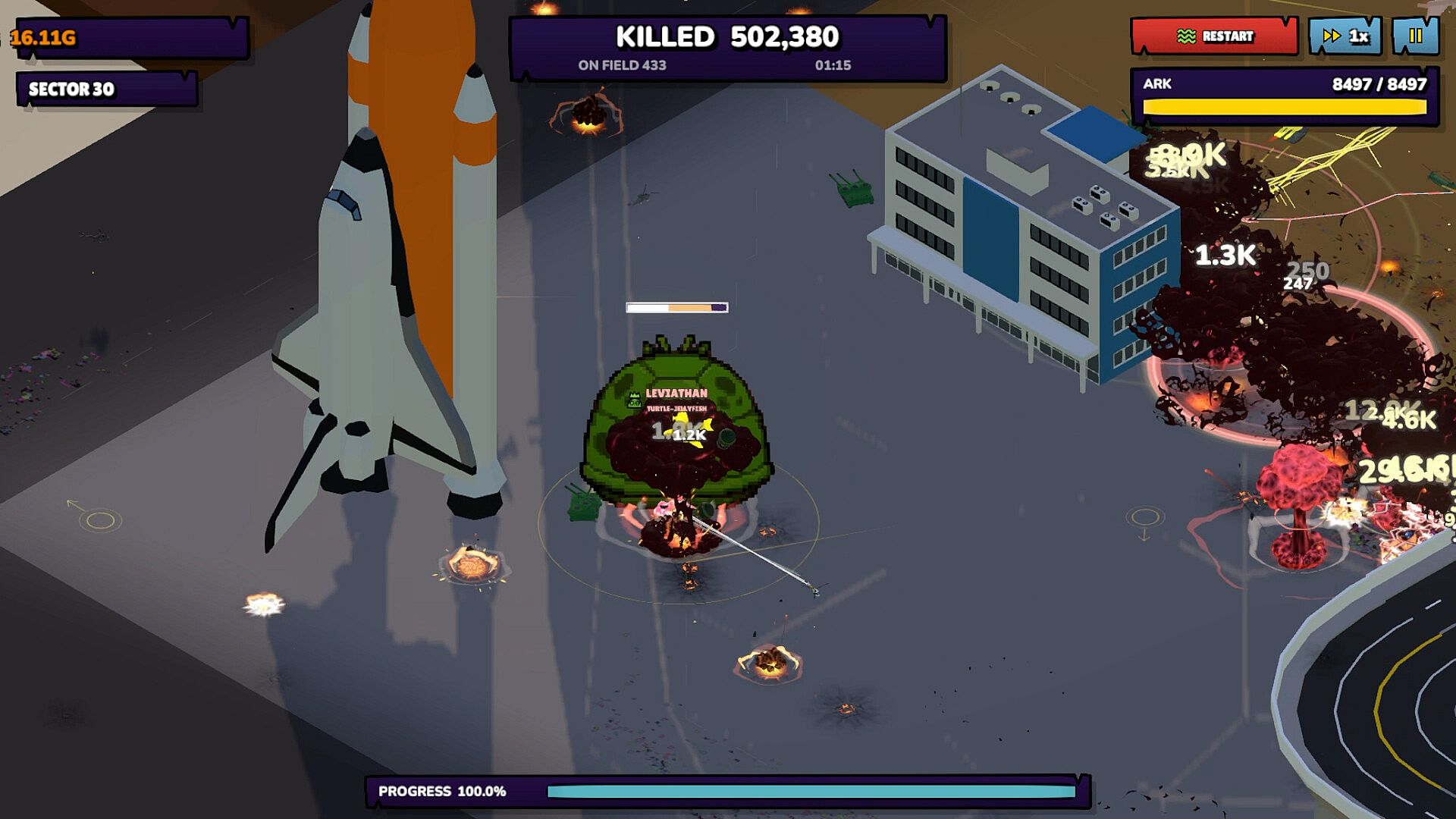
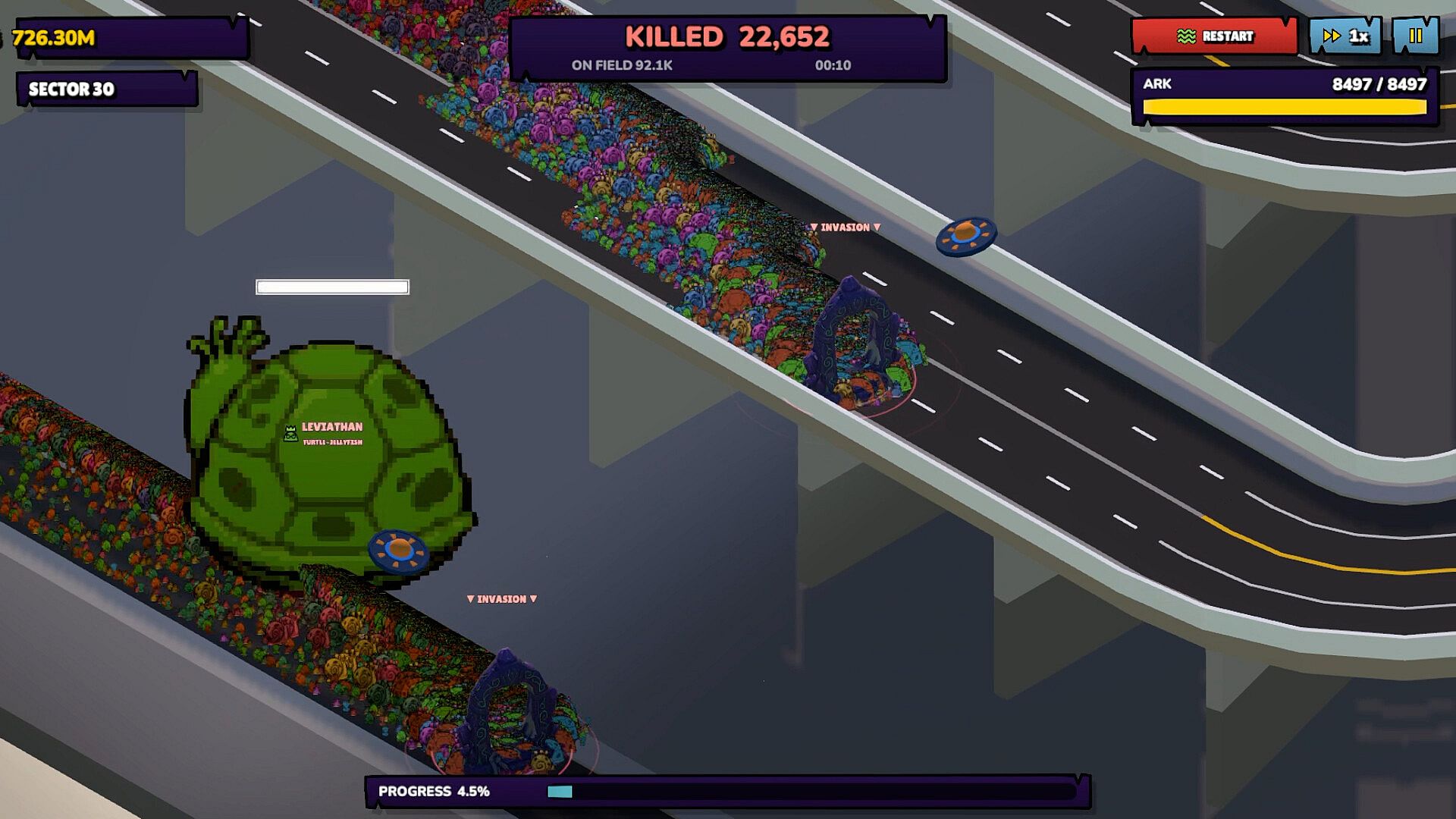
The gameplay loop splits into two distinct phases. Before each battle begins, players deploy and orient a selection of units across the map. Tanks have facing that determines their firing arcs, fighter jets receive headings that dictate bombing runs, and helicopters are assigned patrol zones. Once deployment finishes, the simulation starts and waves of aliens advance in increasing numbers. Up to 500,000 enemies can appear on screen in later stages, beginning with roughly 2,000 in the opening sector. Combat features status effects including fire, electricity, radiation, and slow, which combine into advanced reactions such as Plasma, Fusion Storm, and EMP Pulse. Thirty different units across tanks, jets, and helicopters each carry unique abilities. A permanent 500-skill tree spread across ten branches unlocks progressively with credits earned from failed attempts, allowing players to return stronger on subsequent tries. Thirty sectors present distinct city layouts with their own streets, entry points, and pathing considerations. Leviathan bosses appear with extra rewards for successful holds. Supporting tools include smart auto-deploy, undo functions, coverage heatmaps, and five saved loadouts to streamline repeated sector attempts. Visual feedback emphasizes screen shake, flashes, explosions, and accumulating corpses on the ground.
Game Modes
TDoom operates as a single continuous campaign without separate named modes. All play occurs through the thirty sectors of besieged cities, where the objective remains consistent: hold the perimeter around each Ark until liftoff. Progression relies on the roguelike structure of repeated attempts that fund upgrades rather than on distinct multiplayer or alternative rulesets. Accessibility options allow adjustment of screen shake, flash intensity, horde density, colorblind support, UI scale, and key rebinding to suit different play styles within this unified format.
Core Mechanics and Progression
Every run emphasizes pre-battle planning over real-time control. Unit placement and rotation dictate coverage and effectiveness once the horde arrives, forcing players to anticipate invasion routes and balance firepower across multiple threats. Defeat is expected and built into the design, with credits from each attempt feeding the skill tree for incremental power gains. This creates a loop of study, adjustment, and gradual improvement across the campaign. The scale of enemy numbers grows dramatically from early sectors to the final ones, testing how well prior upgrades and loadouts adapt to escalating pressure. Boss encounters with Leviathans provide occasional high-value targets that reward careful positioning.
Is It Worth Playing?
TDoom suits players who enjoy deliberate strategy games with roguelike progression and large-scale defensive scenarios. The emphasis on planning before watching automated battles unfold appeals to those who prefer thoughtful setup over constant input. Permanent upgrades that carry forward after losses provide a sense of steady advancement despite frequent setbacks. Accessibility features make the intense visuals and horde sizes adjustable, broadening appeal for different comfort levels. The game remains available on PC as a complete indie title with no additional seasons or updates required for the core experience. Those drawn to tactical placement, status-effect combinations, and overcoming overwhelming odds through iteration will find the systems rewarding. Players seeking fast-paced action or multiplayer options may prefer other genres instead.