




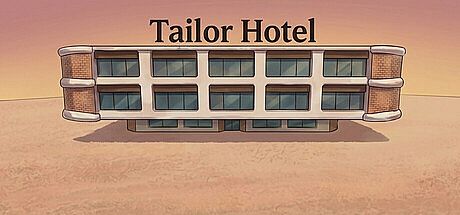


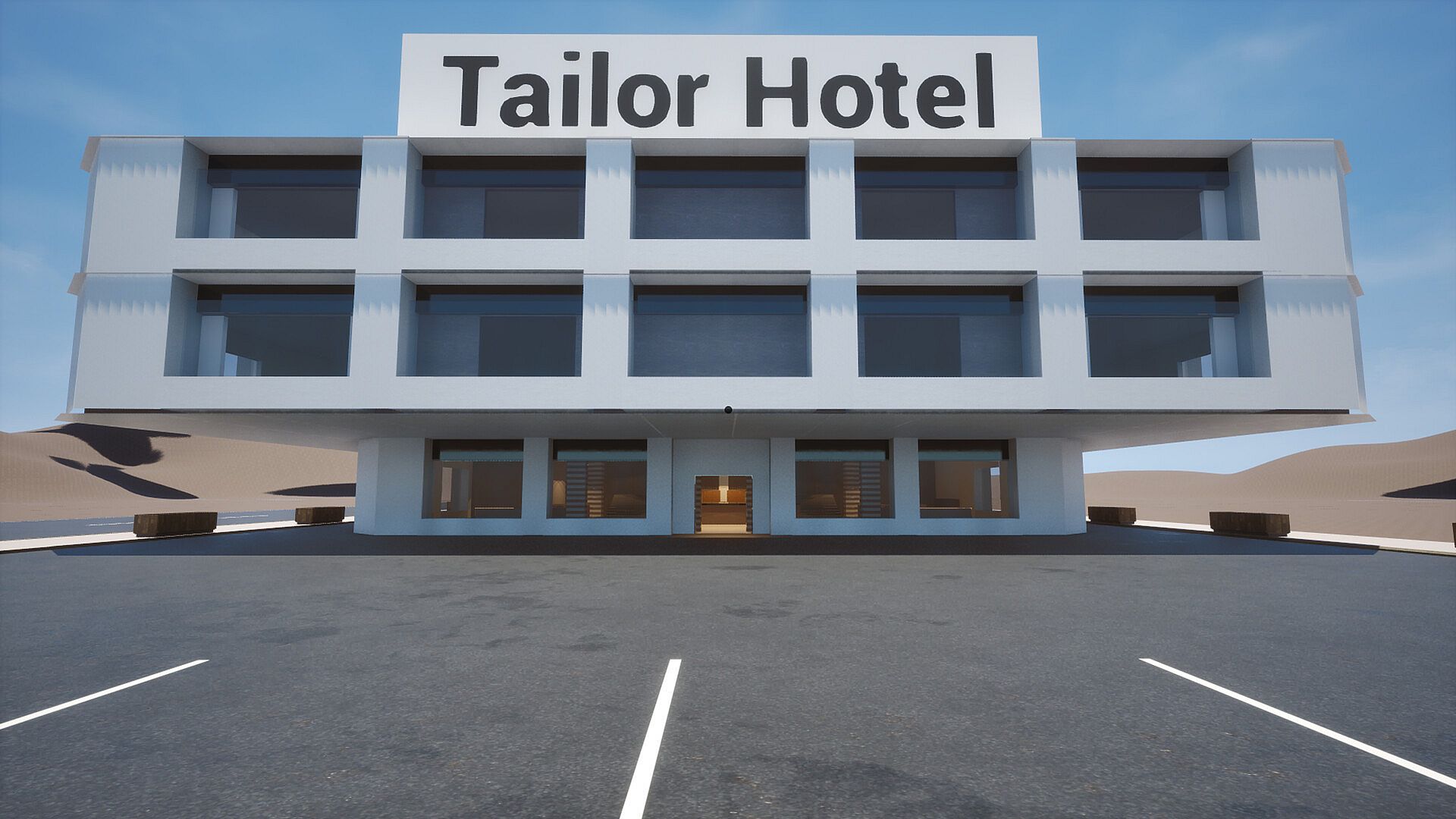
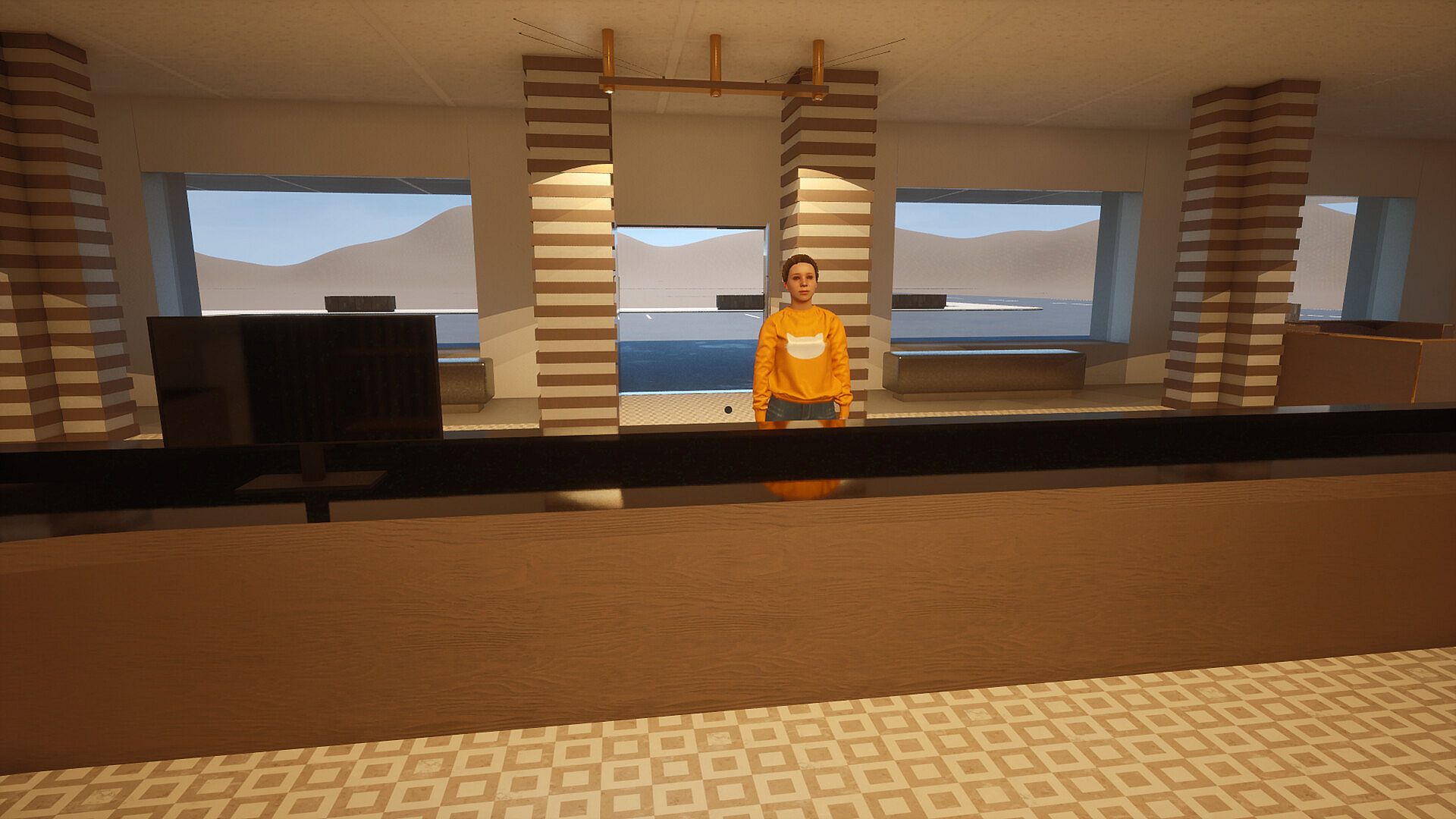
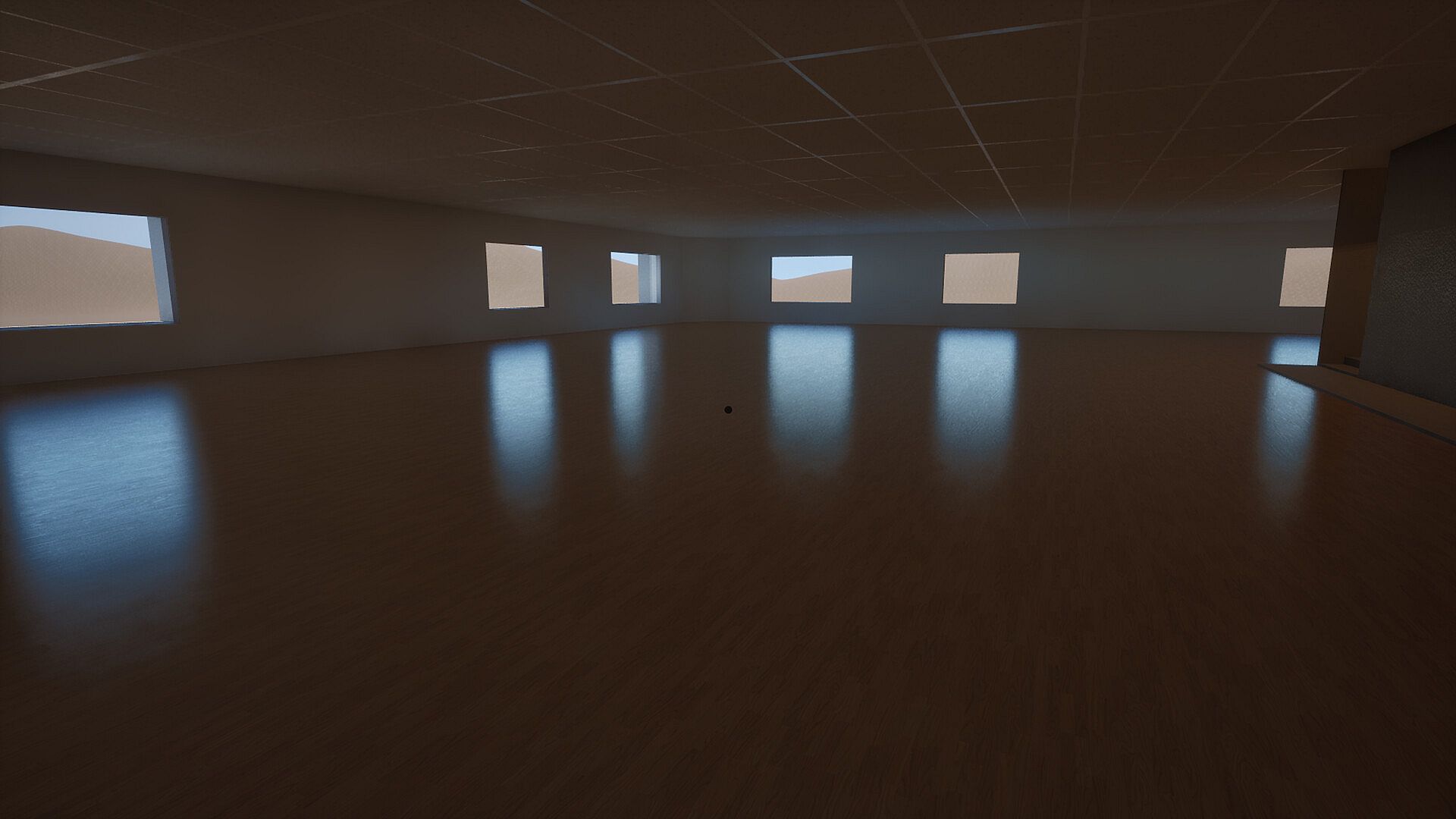
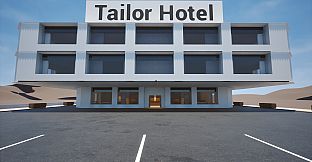
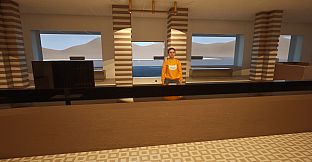
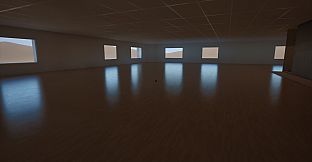
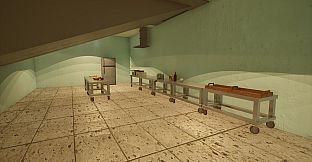
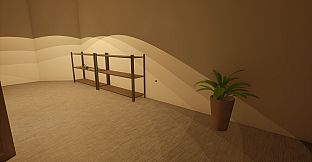
Tailor Hotel is an indie management simulation game for PC that puts players in charge of building and operating a distinctive hotel from the ground up. The experience centers on transforming an initial setup with a first-floor lobby and empty upper floors into a thriving destination through careful planning, customization, and daily operations.
Gameplay
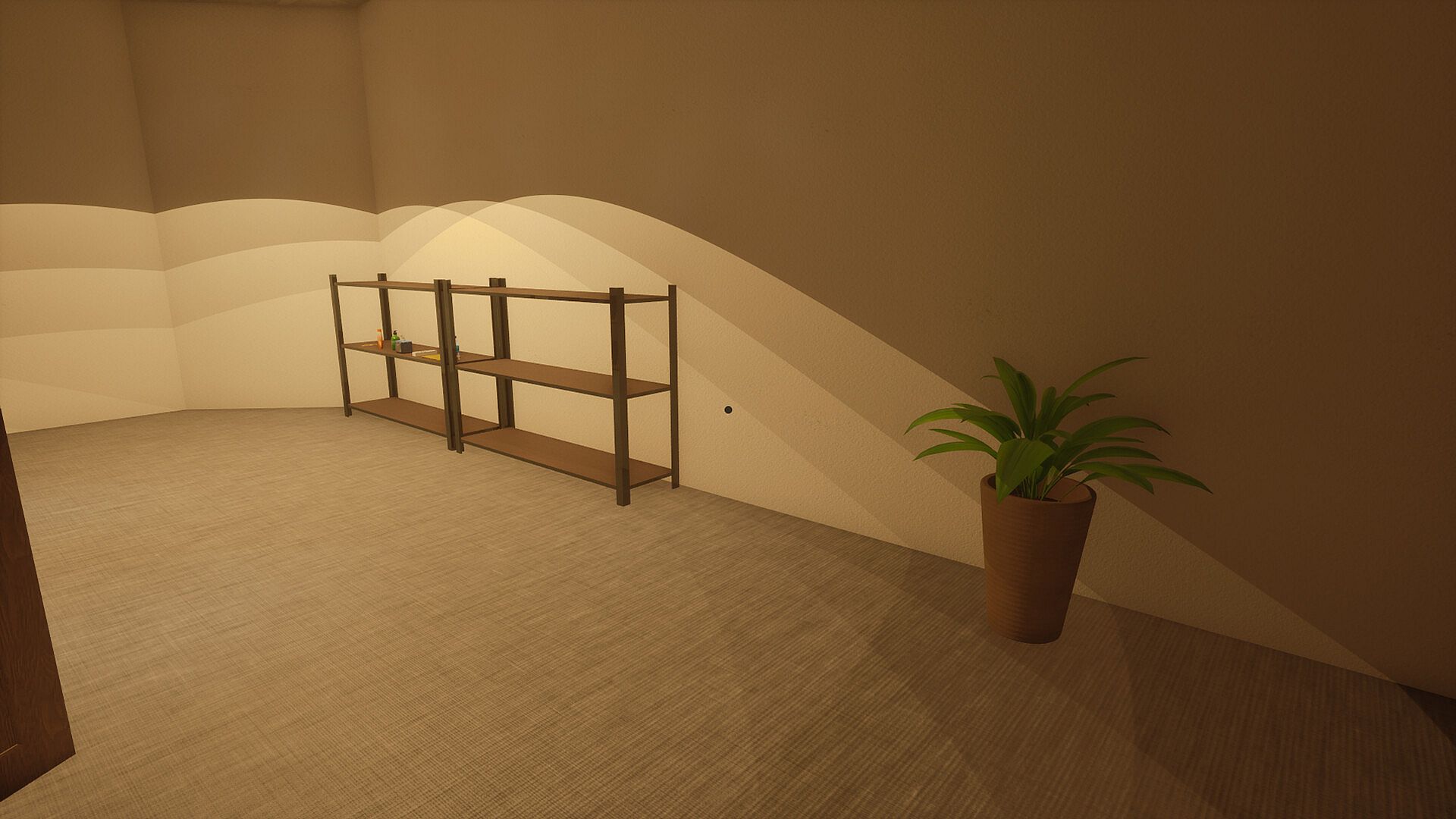
The core loop revolves around hotel construction and guest management. Players begin by shaping the available spaces, starting with the lobby area and expanding into the second and third floors. Room design forms a central activity, where each guest room is created individually by selecting and positioning essential items such as beds, chairs, and various decorative elements. The goal is to match the preferences of visitors who arrive with distinct requirements, which directly influences their overall satisfaction levels.
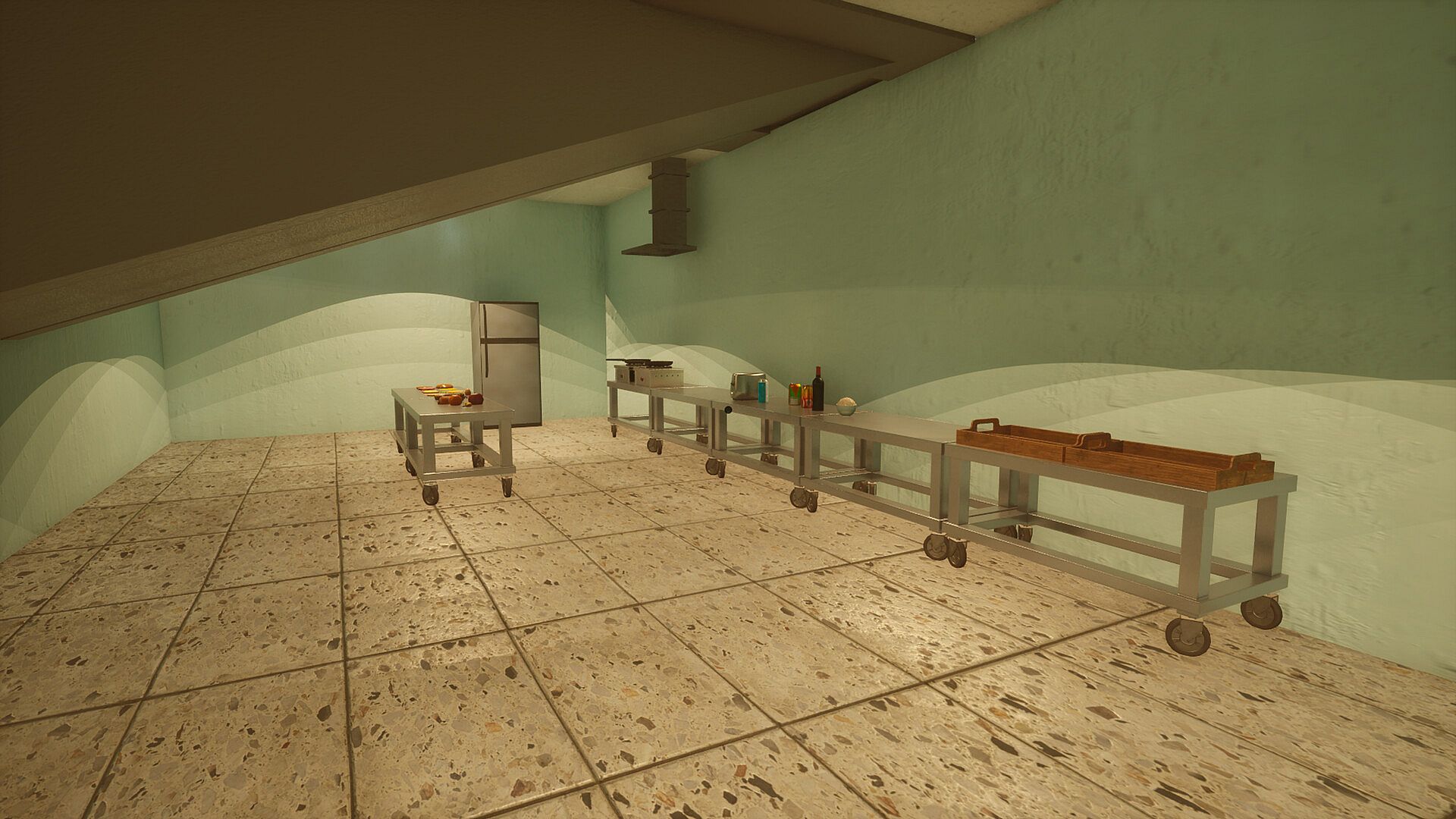
Operations extend beyond layout work into food preparation. In the kitchen, players prepare room service orders that feature colorful presentations, with an emphasis on timely delivery to maintain high guest approval. Profits generated from successful stays and services are then directed back into the business. This reinvestment supports layout expansions, access to higher-end furniture options, and the addition of specialized amenities designed to improve the hotel's standing.
Progression feels steady and interconnected, as better room arrangements and faster service lead to increased earnings that unlock further upgrades. The simulation rewards attention to detail in both the creative placement of objects and the efficient handling of guest needs throughout each cycle of arrivals and departures.
Game Modes
Tailor Hotel operates as a single-player management simulation without separate named modes. The entire experience unfolds through one continuous campaign of hotel development and operation. Players manage the full cycle of construction, customization, service, and expansion in sequence, building toward a more established establishment over time.
This unified structure keeps the focus on iterative improvement. Each session involves reviewing current guest demands, adjusting room setups accordingly, handling kitchen tasks, and deciding how to allocate newly earned resources for growth. The absence of distinct modes means the gameplay remains consistent, allowing steady refinement of strategies around room layouts and service speed.
Building and Expansion Systems
Expansion mechanics encourage long-term planning. Initial profits fund the addition of new areas within the building, while also opening catalogs of upgraded furniture and amenities. These elements help elevate the hotel's appeal, attracting a wider range of visitors and supporting higher revenue streams. The process creates a clear sense of progression as the property evolves from basic accommodations to a more polished operation.
Customization extends across multiple floors, giving players freedom to experiment with different configurations. Success depends on balancing aesthetic choices with practical guest requirements, ensuring that each room contributes positively to satisfaction metrics. This layer adds depth to the management side, as poor placements can reduce earnings and slow overall advancement.
Is It Worth Playing?
Tailor Hotel suits players who enjoy deliberate, creative management simulations focused on hotel operations. The combination of room-building freedom and hands-on service tasks provides a steady rhythm of planning and execution that rewards careful observation of guest preferences. Those interested in indie simulation titles with an emphasis on customization and incremental growth will find the systems align closely with that style.
The game remains in a state where its core features deliver a complete single-player experience centered on turning an empty structure into a functional business. Without additional modes or external elements confirmed, it appeals most to individuals seeking a self-contained loop of design, service, and reinvestment rather than competitive or multiplayer elements.