


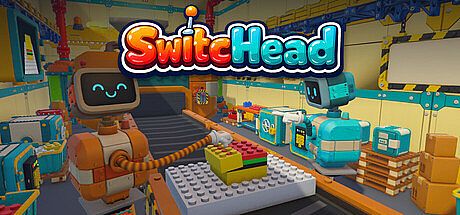


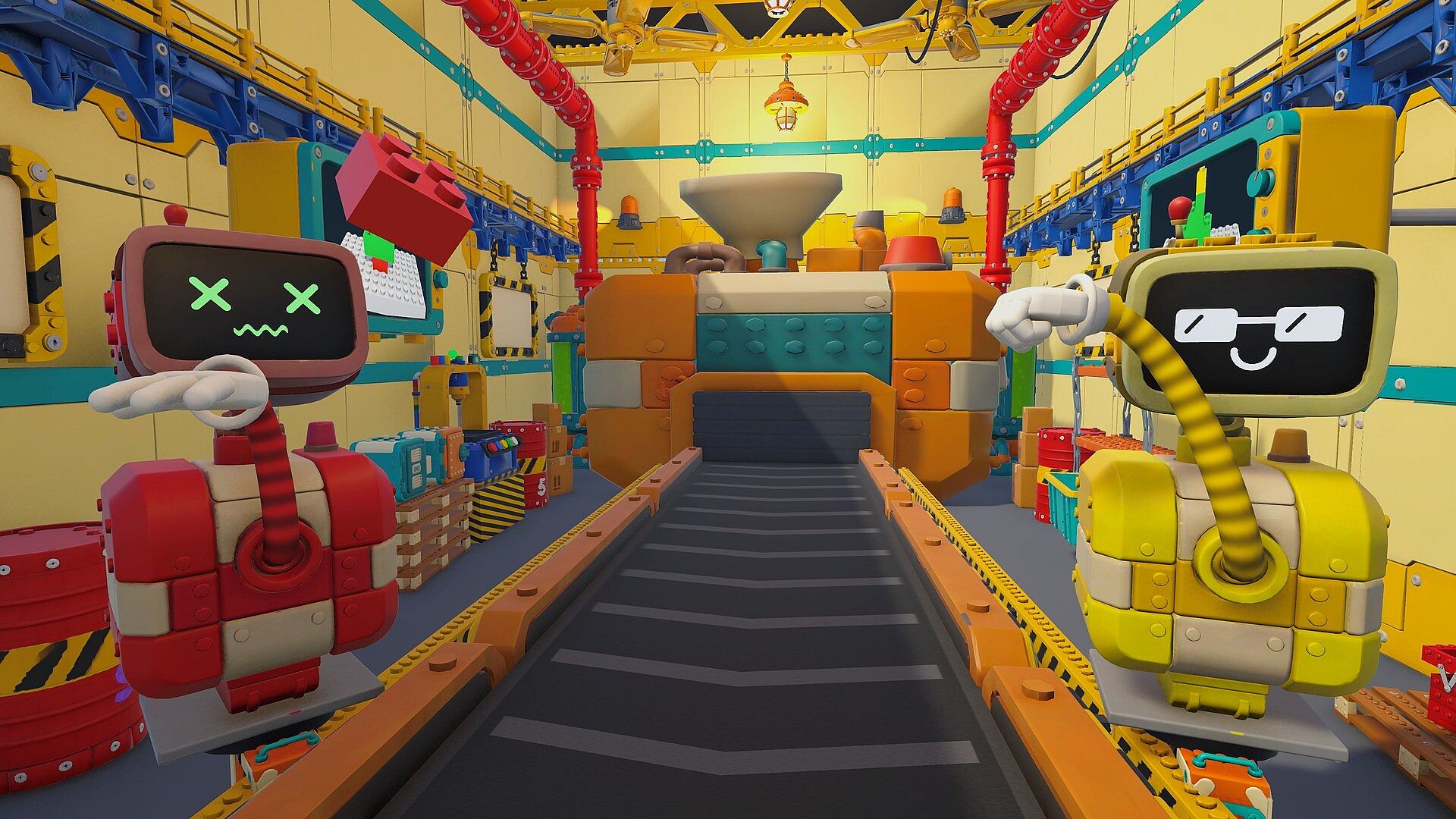
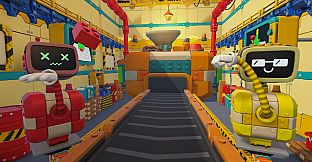
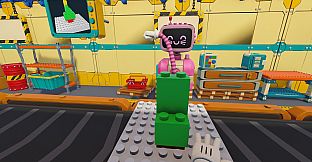
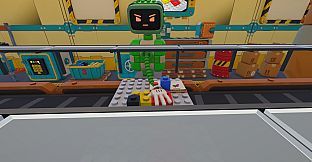
SwitcHead is a casual indie co-op game for two players on PC. In this online experience, two factory robots must assemble brick toys on a moving conveyor belt while their heads remain swapped, forcing constant verbal coordination to succeed.
Gameplay
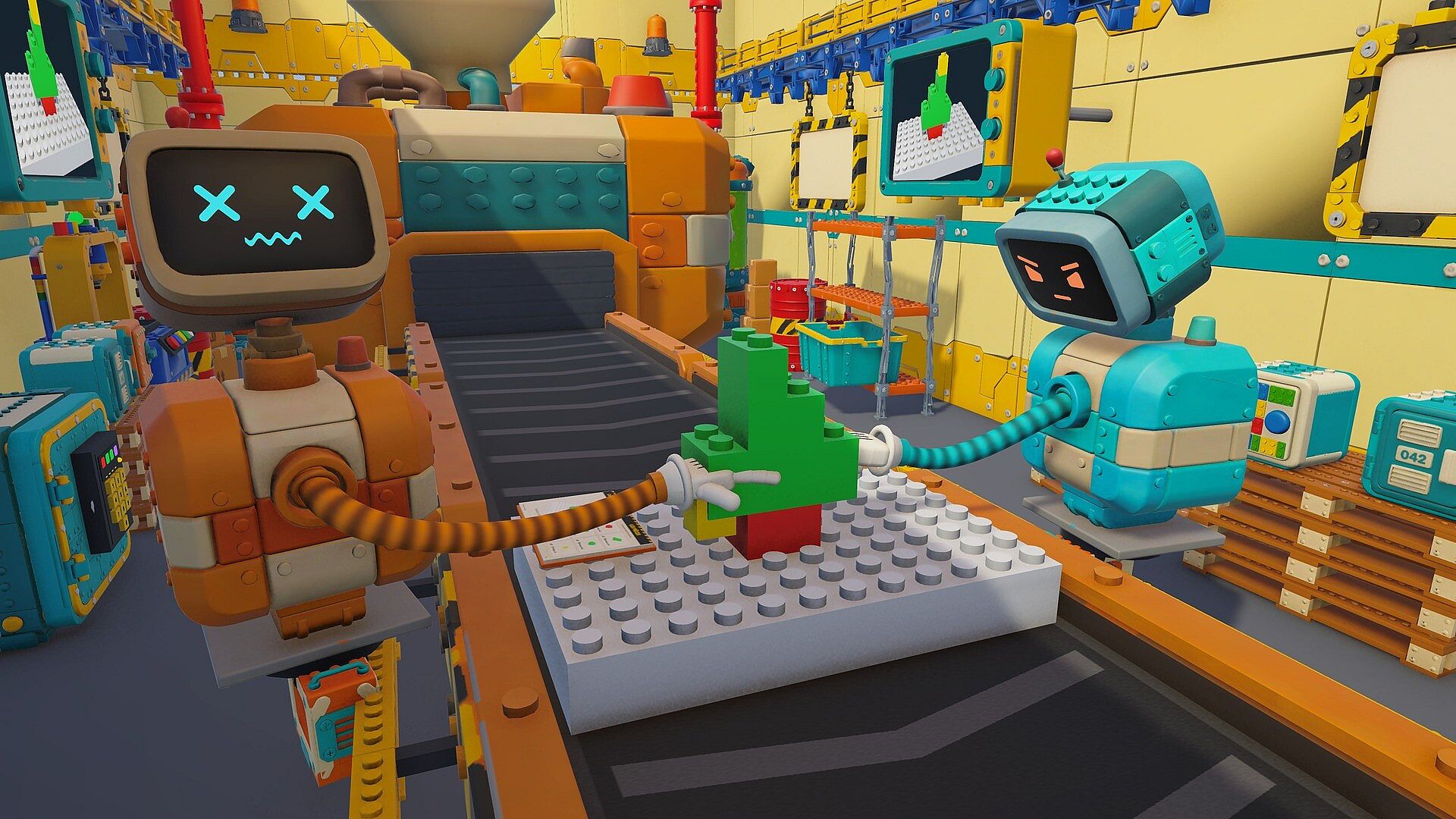
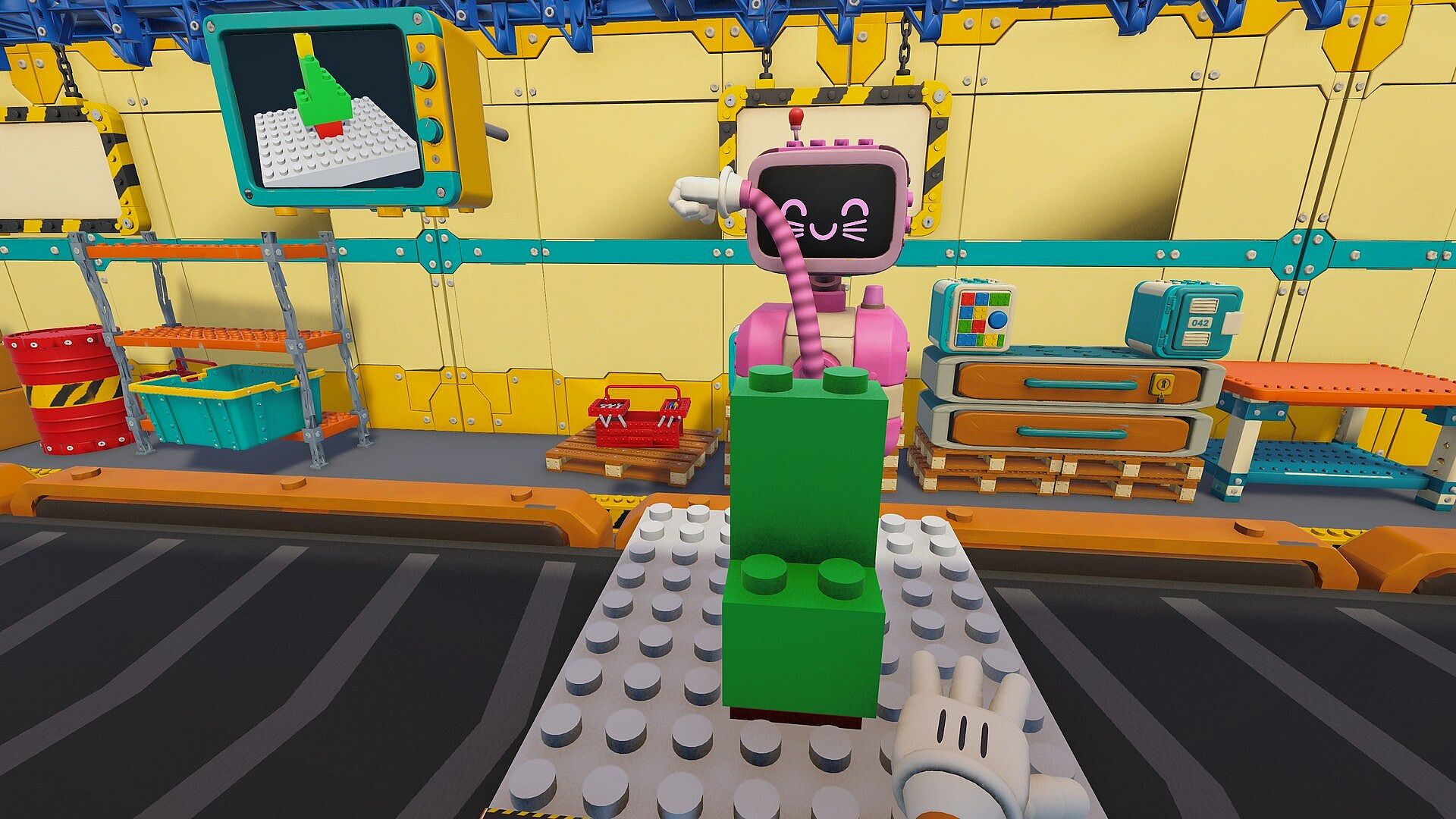
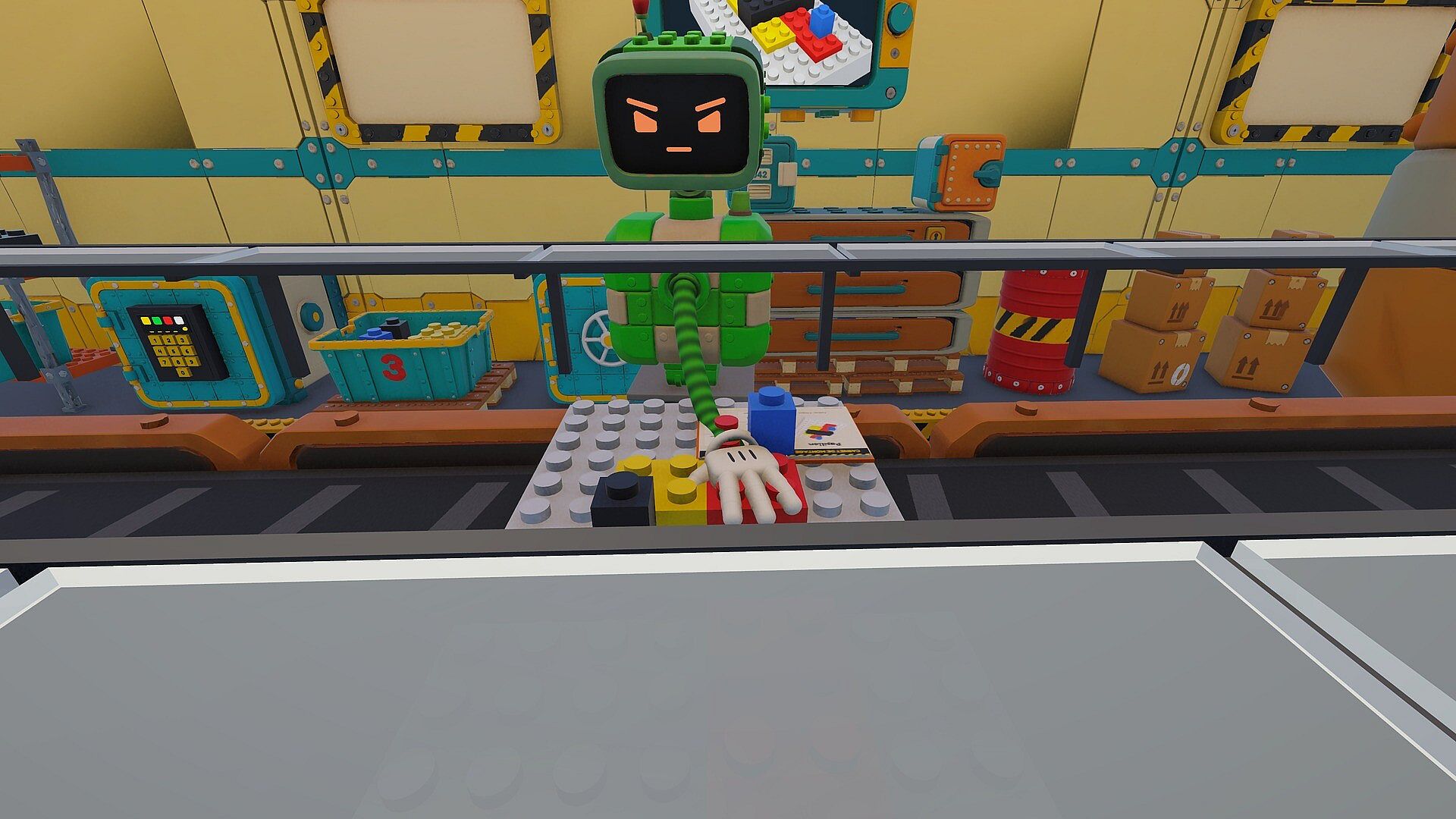
The core loop centers on building models shown on a television screen before the belt carries unfinished work away. One player controls their own robot's arms but sees through the partner's eyes, while steering the partner's head in return. This inversion turns every action into a shared task that requires clear instructions and quick adjustments.
Players search factory furniture for the correct bricks among many decoys. Drawers, lockers, bins, and shelves contain the needed pieces, though their contents and positions shift with each attempt. Safes hold additional items, and codes appear painted on walls or objects that the partner must locate visually. When a required brick sits on the opposite side of the belt, players toss it across, with results that can land correctly or miss entirely.
Communication drives progress. Phrases such as directional corrections fill the session as players guide each other's limited view. The setup rewards patience and humor, turning potential frustration into shared laughter during repeated attempts.
Game Modes
Levels introduce fresh constraints that alter the basic assembly process. Emergency levers require simultaneous pulls from both players, or the belt accelerates dramatically. A paint machine adds color requirements to bricks. Blackouts plunge the area into darkness while the belt behaves erratically. Televisions can switch off, forcing assembly from memory alone. Frosted glass sometimes divides the build plate, hiding one player's half from their own view but revealing it to the partner.
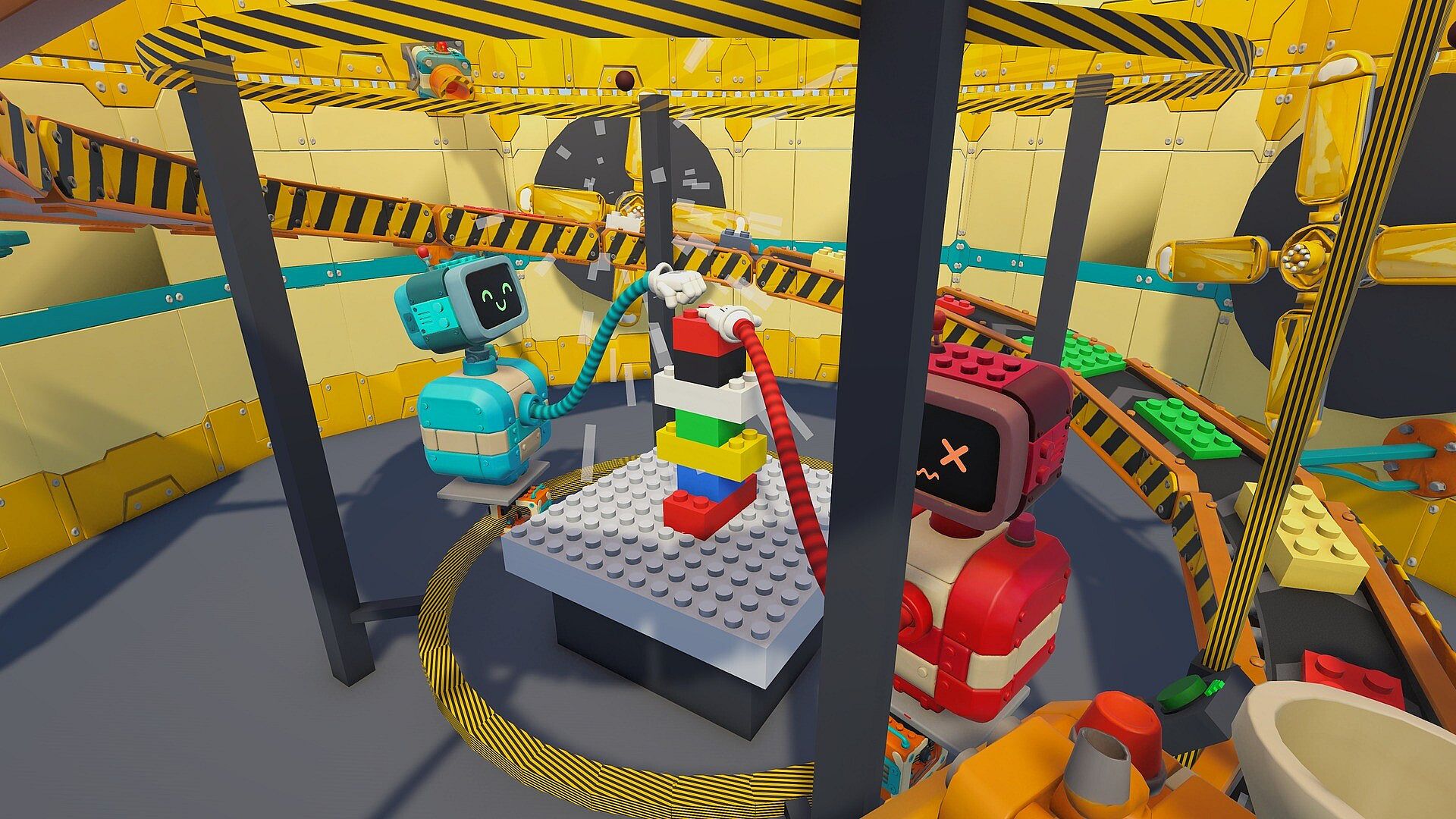
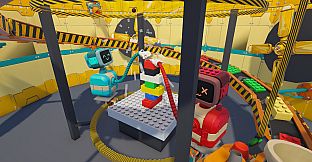
One distinct setup replaces the straight belt with a round room featuring a spiral conveyor. Foam ball cannons fire at the structure, and a tower must remain upright against wind. Both players use their hands to stabilize it amid the chaos.
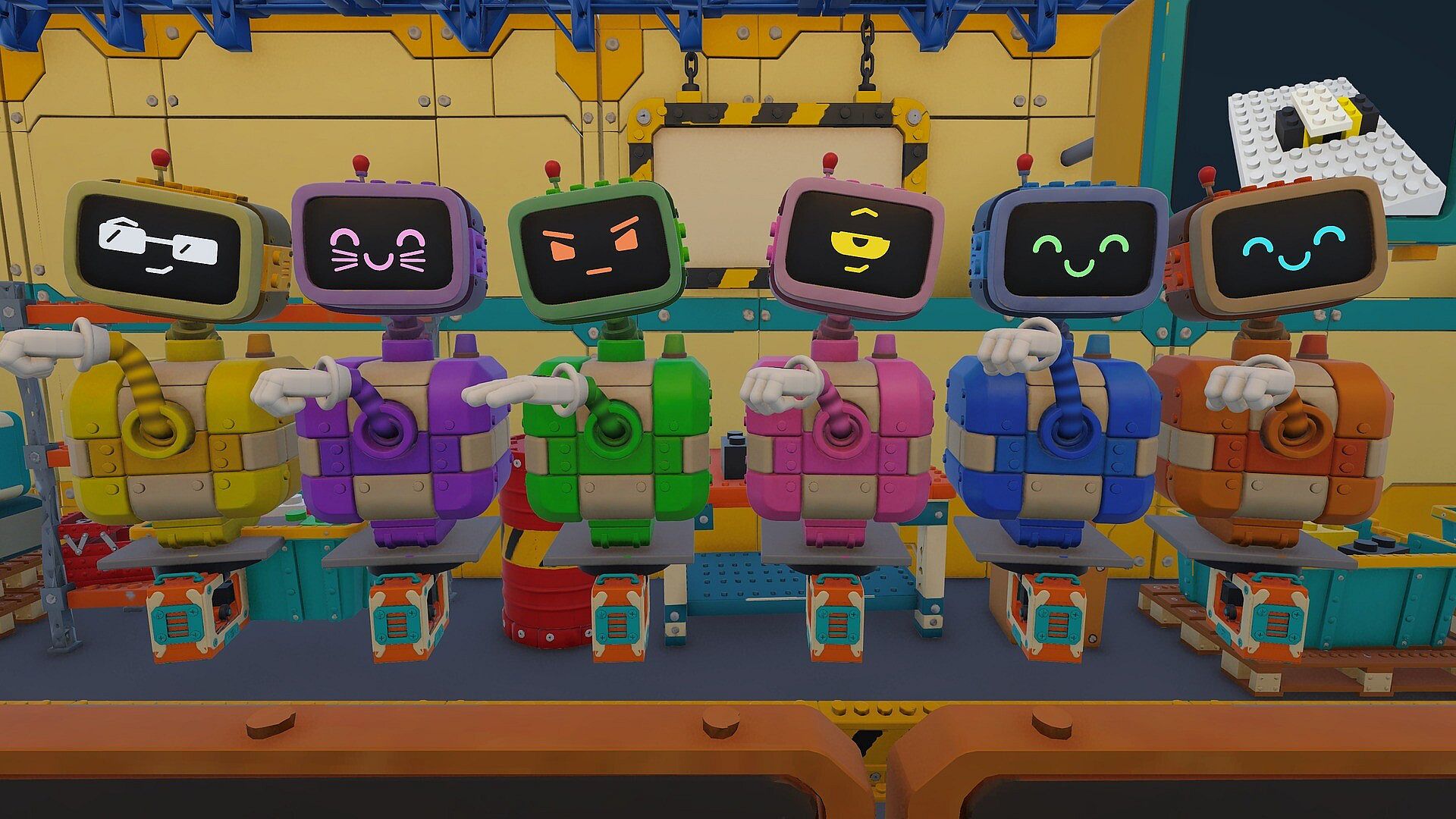
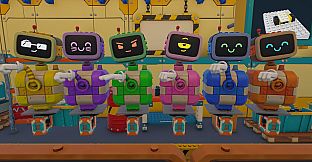
Customization options appear in the lobby. Six faces and eight colors let players personalize their robots. A cartoon glove performs gestures including thumbs up, waves, and points to aid nonverbal cues during play.
Key Mechanics and Features
The head-swap system creates the central challenge. Arm control stays with the owner, yet vision belongs to the partner, so locating and grabbing objects demands precise spoken guidance. Throwing mechanics allow cross-belt transfers when direct access fails. Environmental changes, such as moving furniture or sudden speed increases, keep each run distinct.
Progression relies on repeated attempts rather than permanent unlocks. Each failure rearranges elements, encouraging new search patterns and communication strategies. The two-player online focus means sessions depend entirely on pairing with another person who shares a microphone for real-time talk.
Is It Worth Playing?
SwitcHead suits players who enjoy cooperative puzzle games built around verbal teamwork and lighthearted mishaps. The mechanics emphasize conversation over reflexes, making it ideal for friends or partners seeking a shared challenge rather than competitive play. Limited to exactly two participants, the experience stays intimate and focused.
With a planned release in December 2026 and no reviews available yet, the game remains untested by a broader audience. Those drawn to casual indie titles that reward clear instructions and adaptability will find the described systems appealing. Others preferring solo options or larger groups may want to wait for more information after launch.