




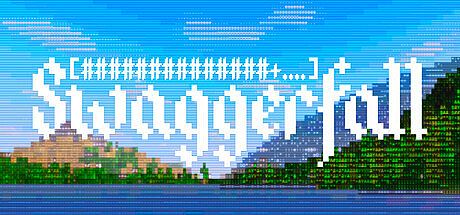


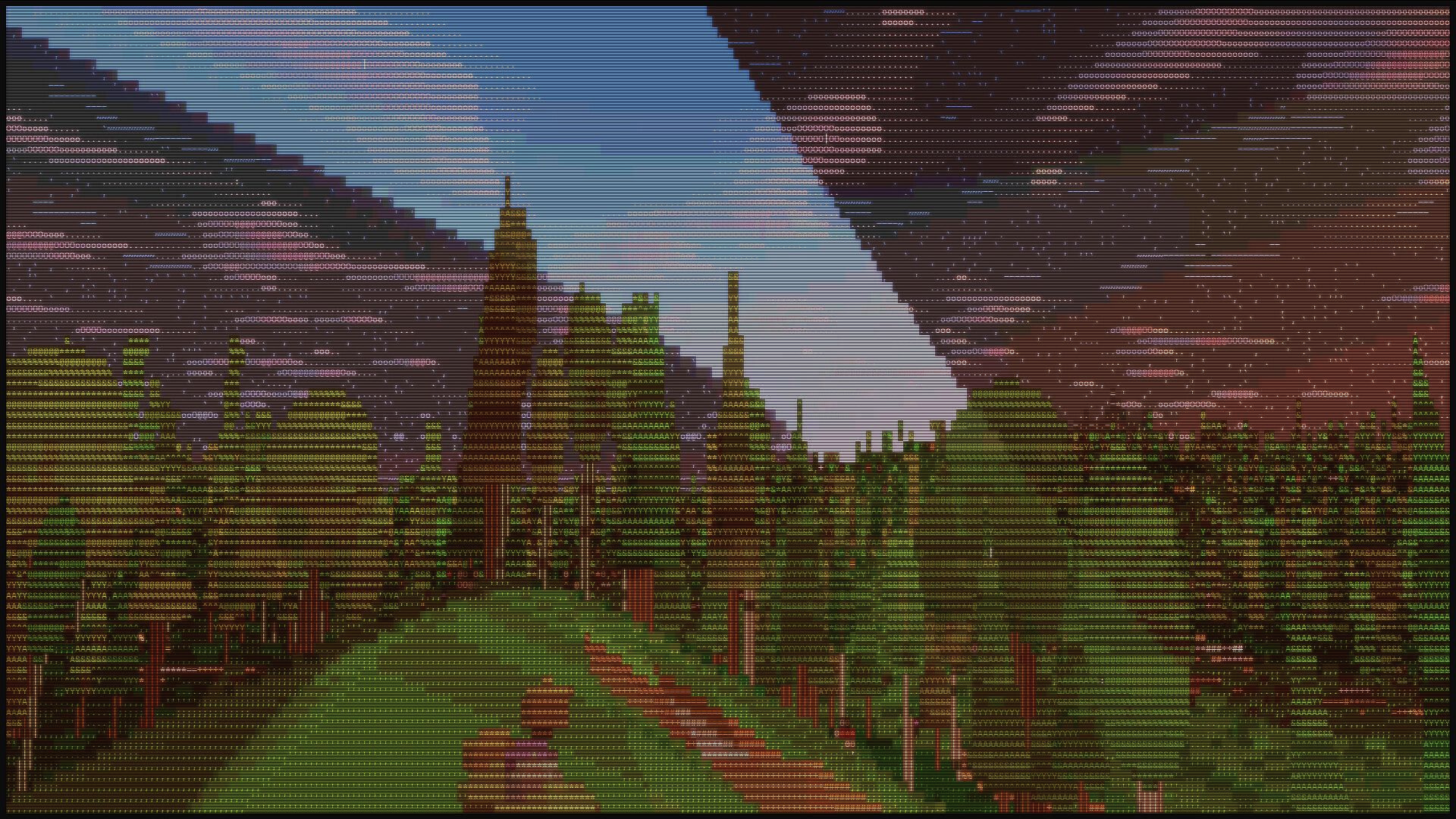
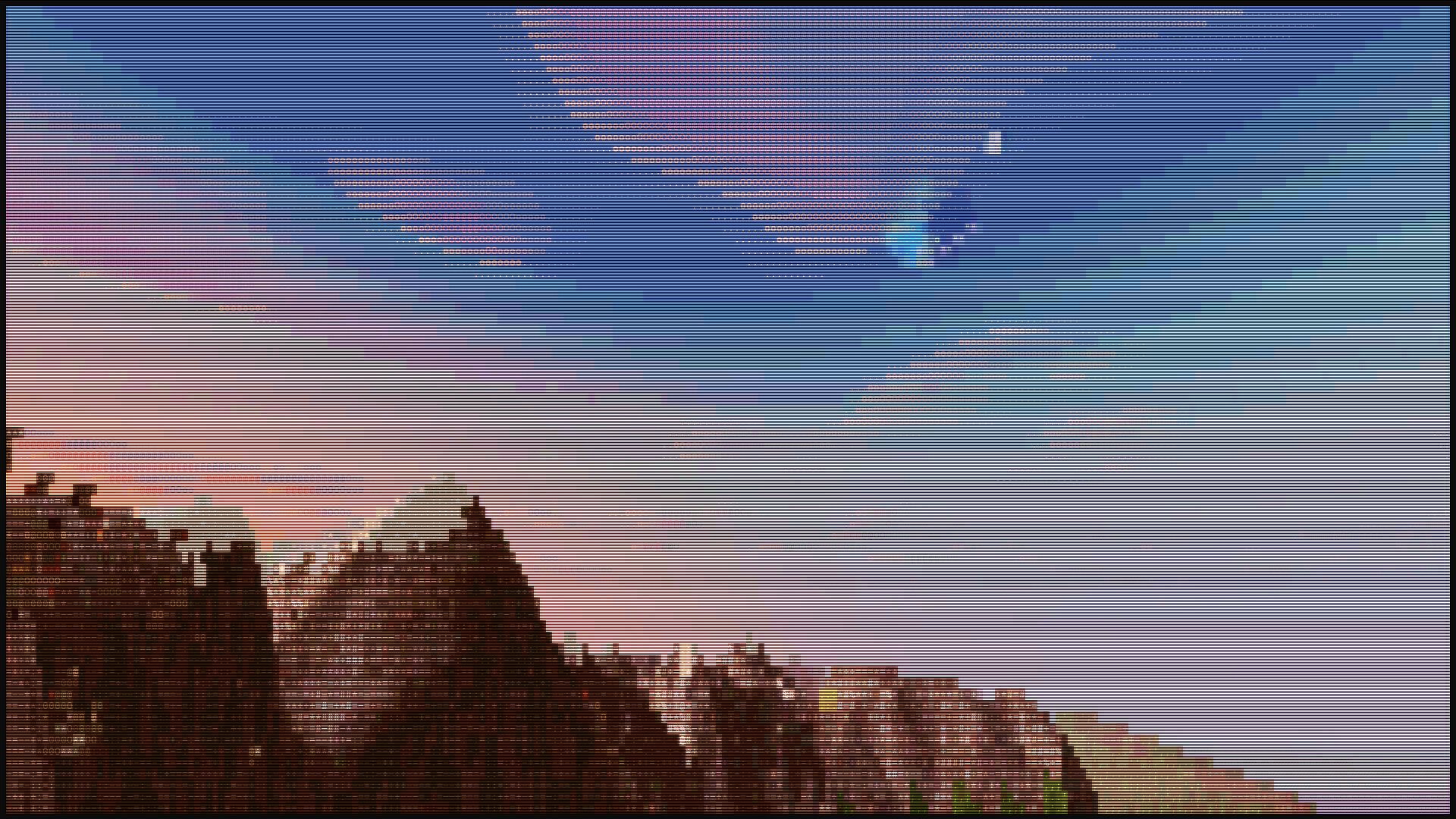
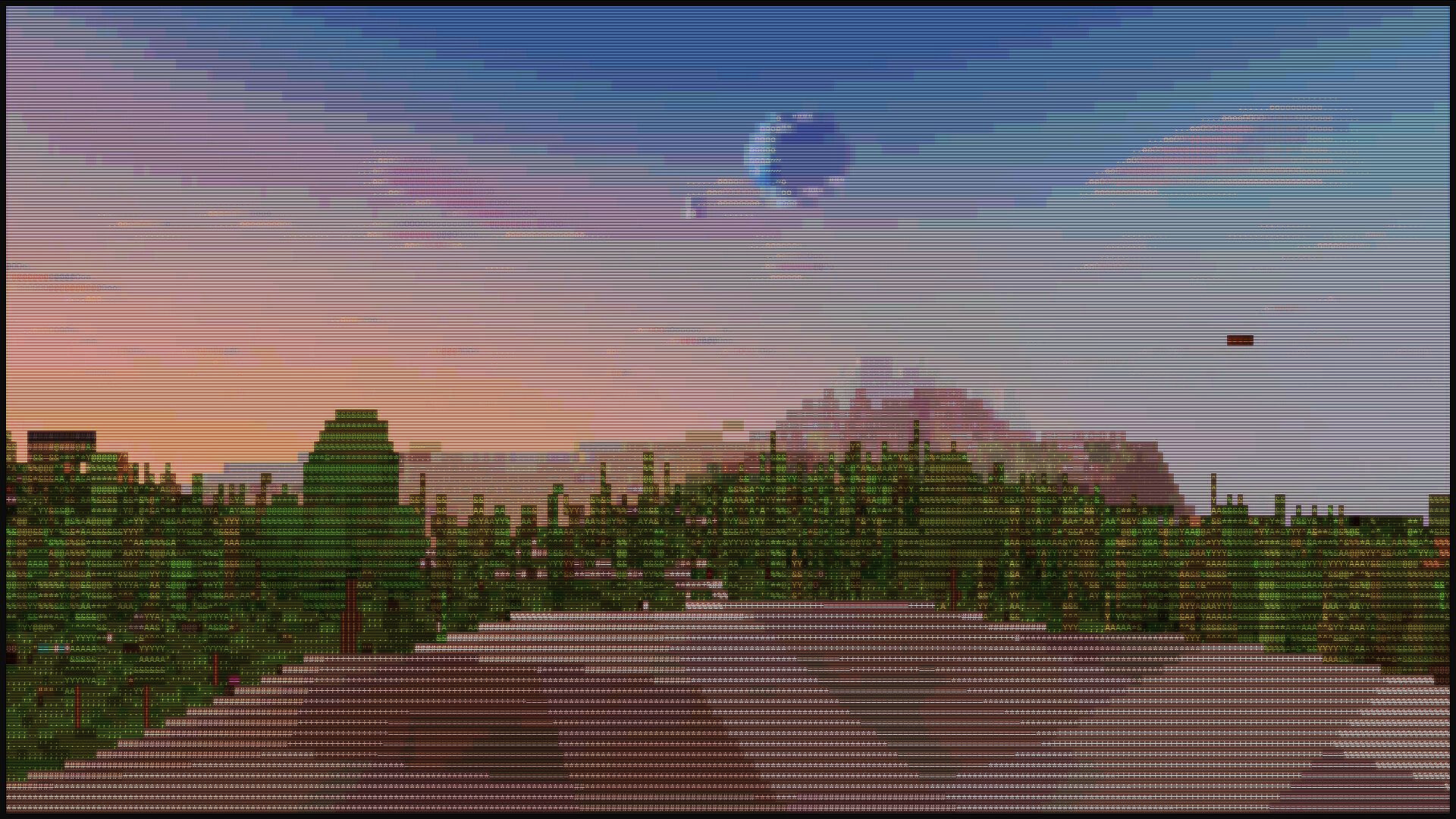
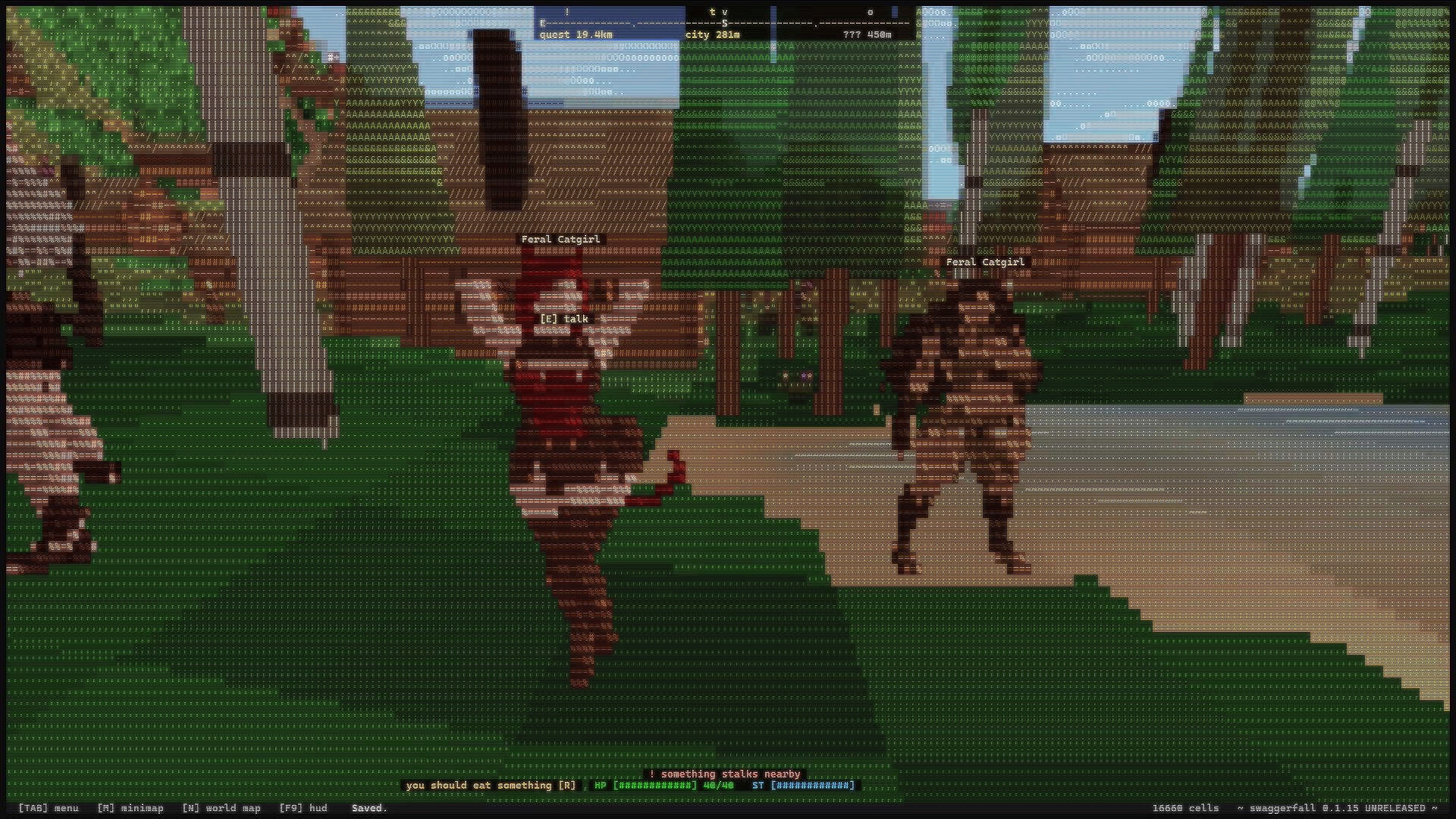
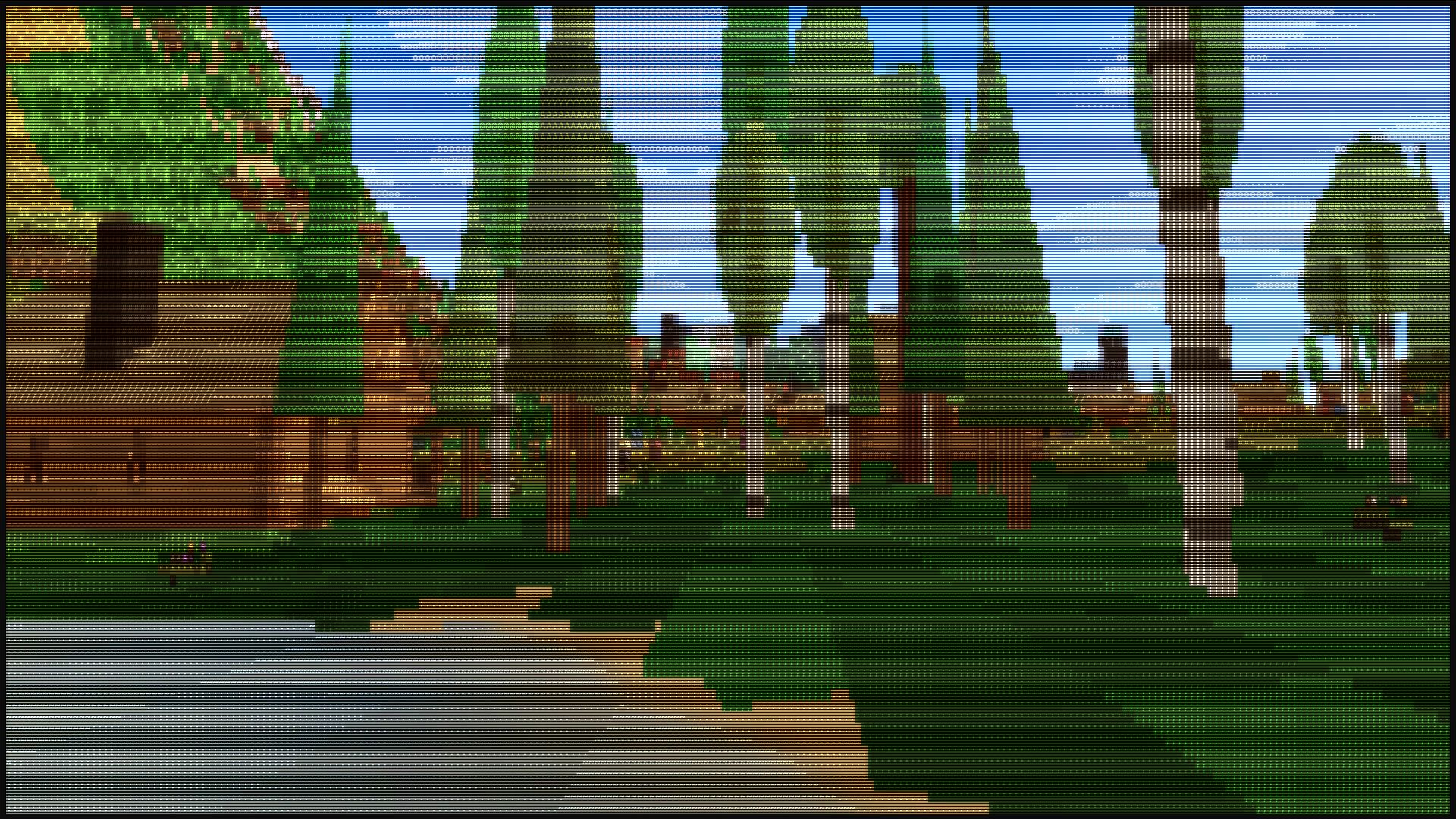
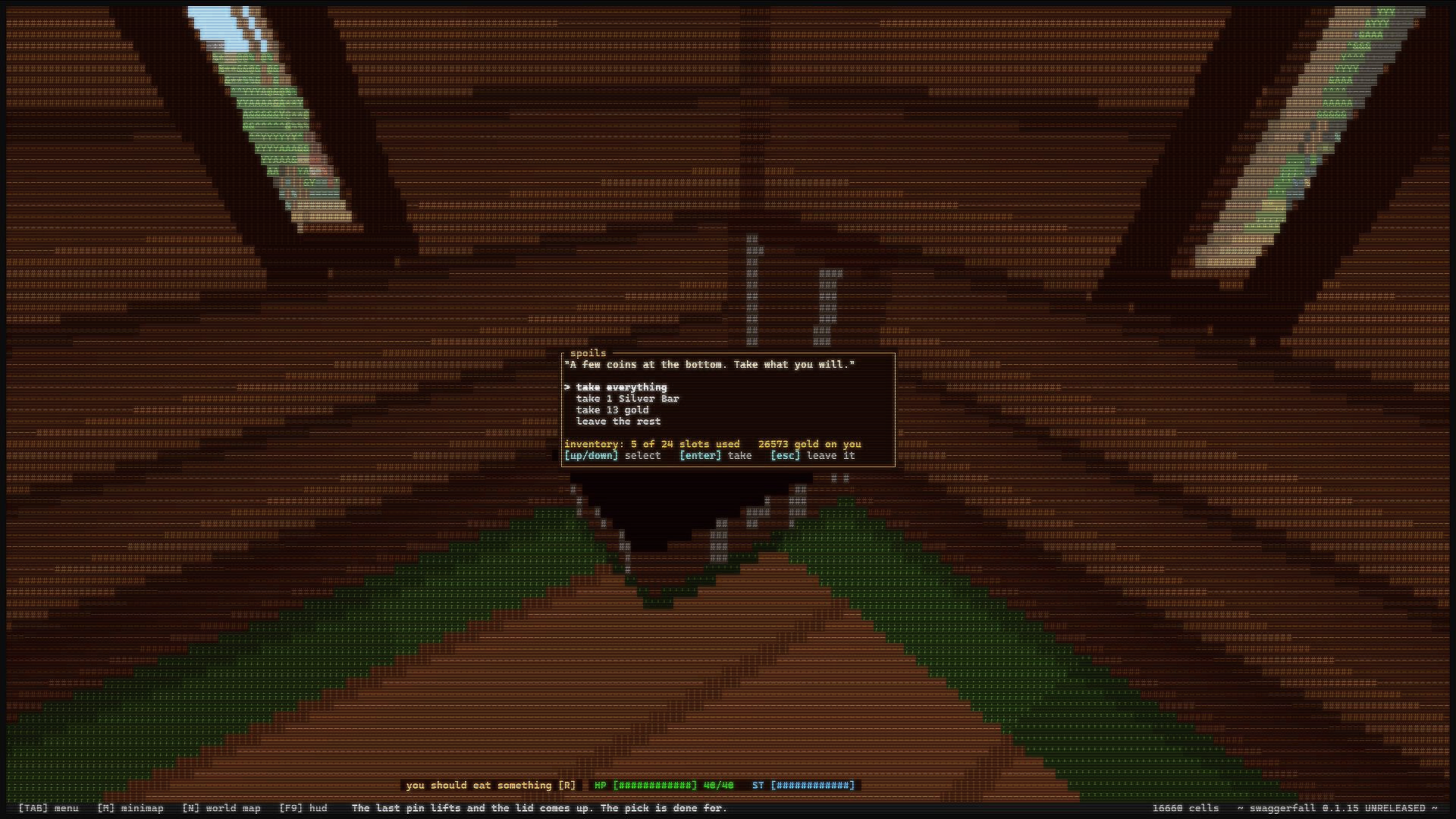
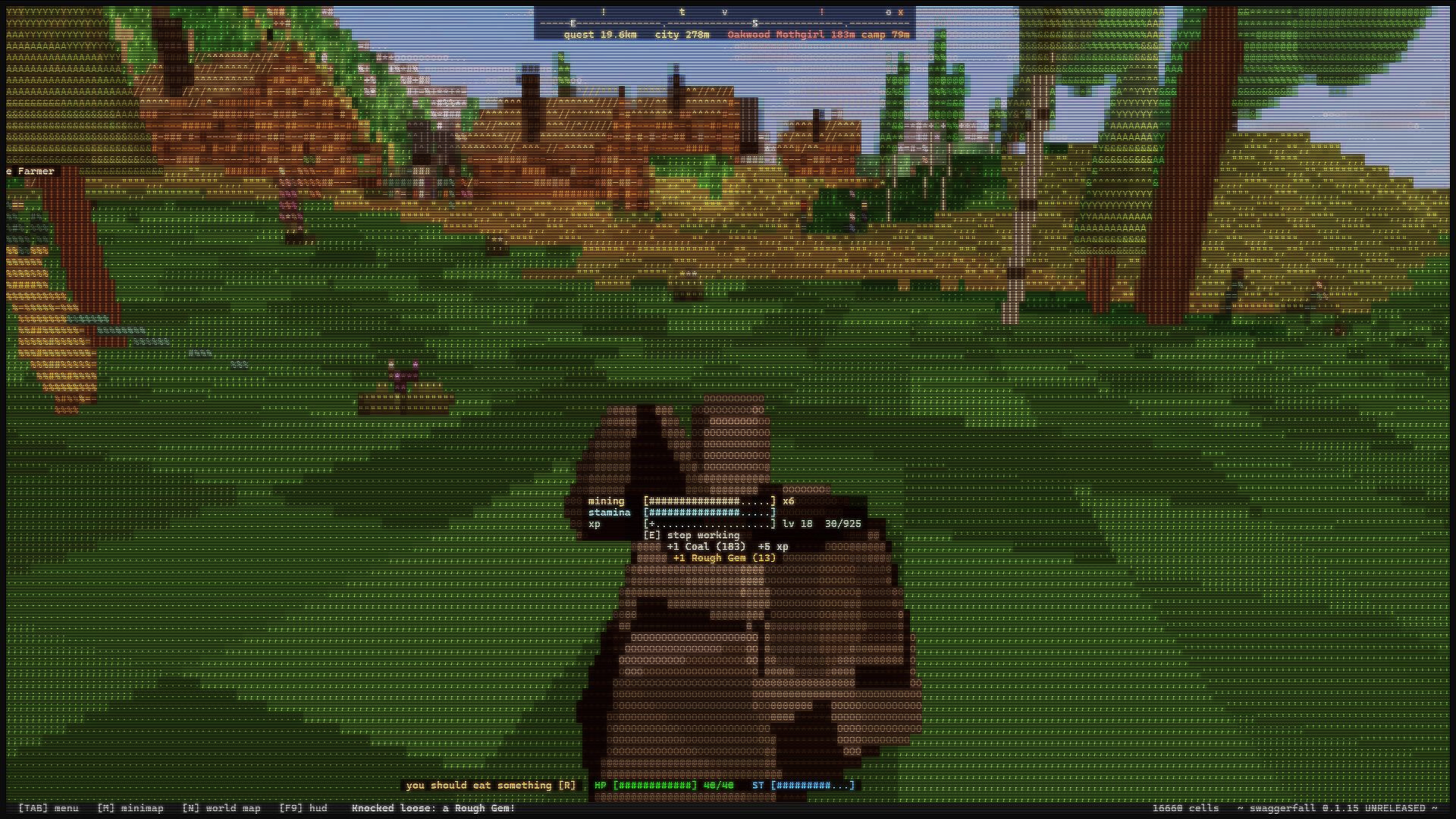
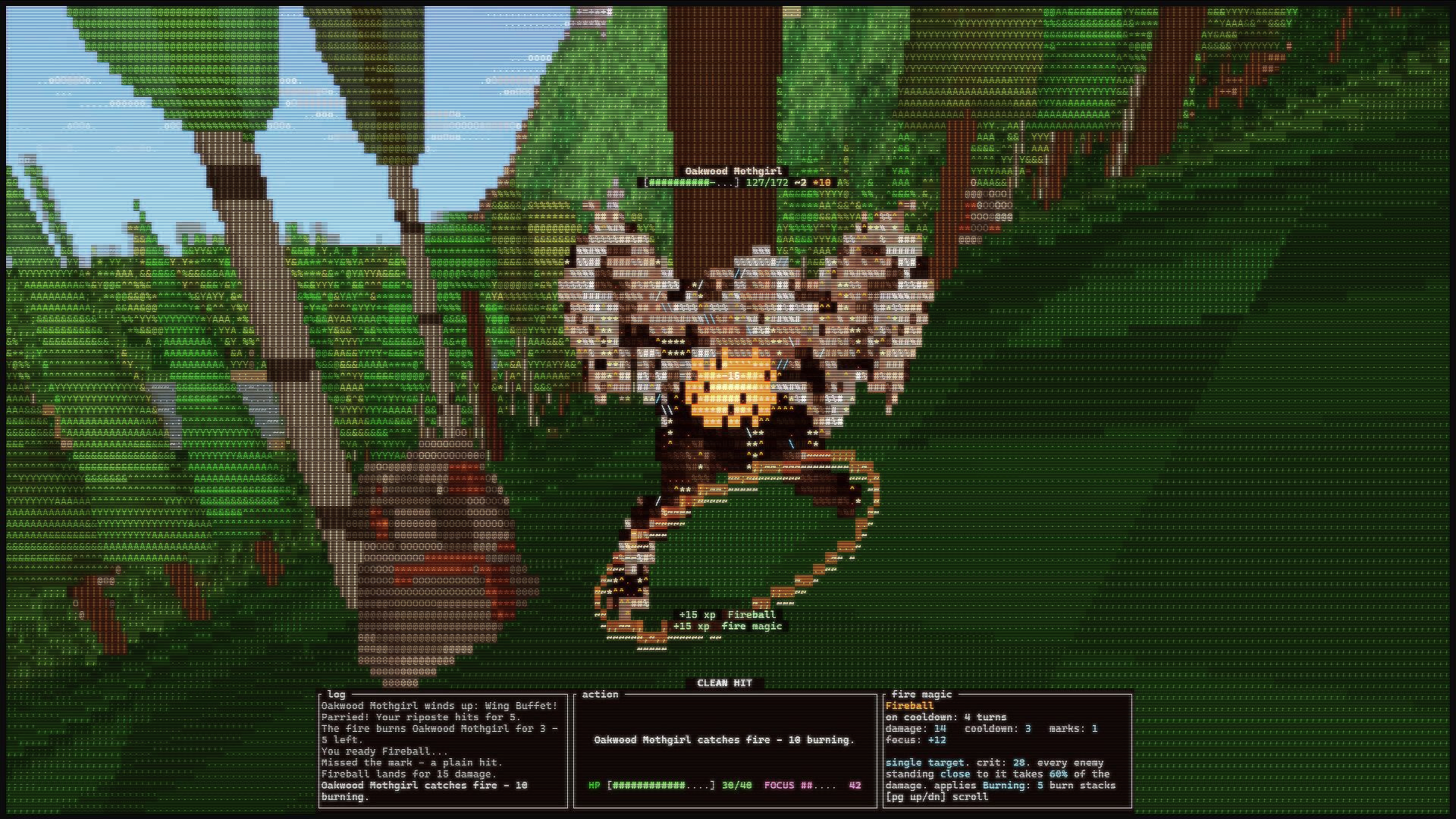
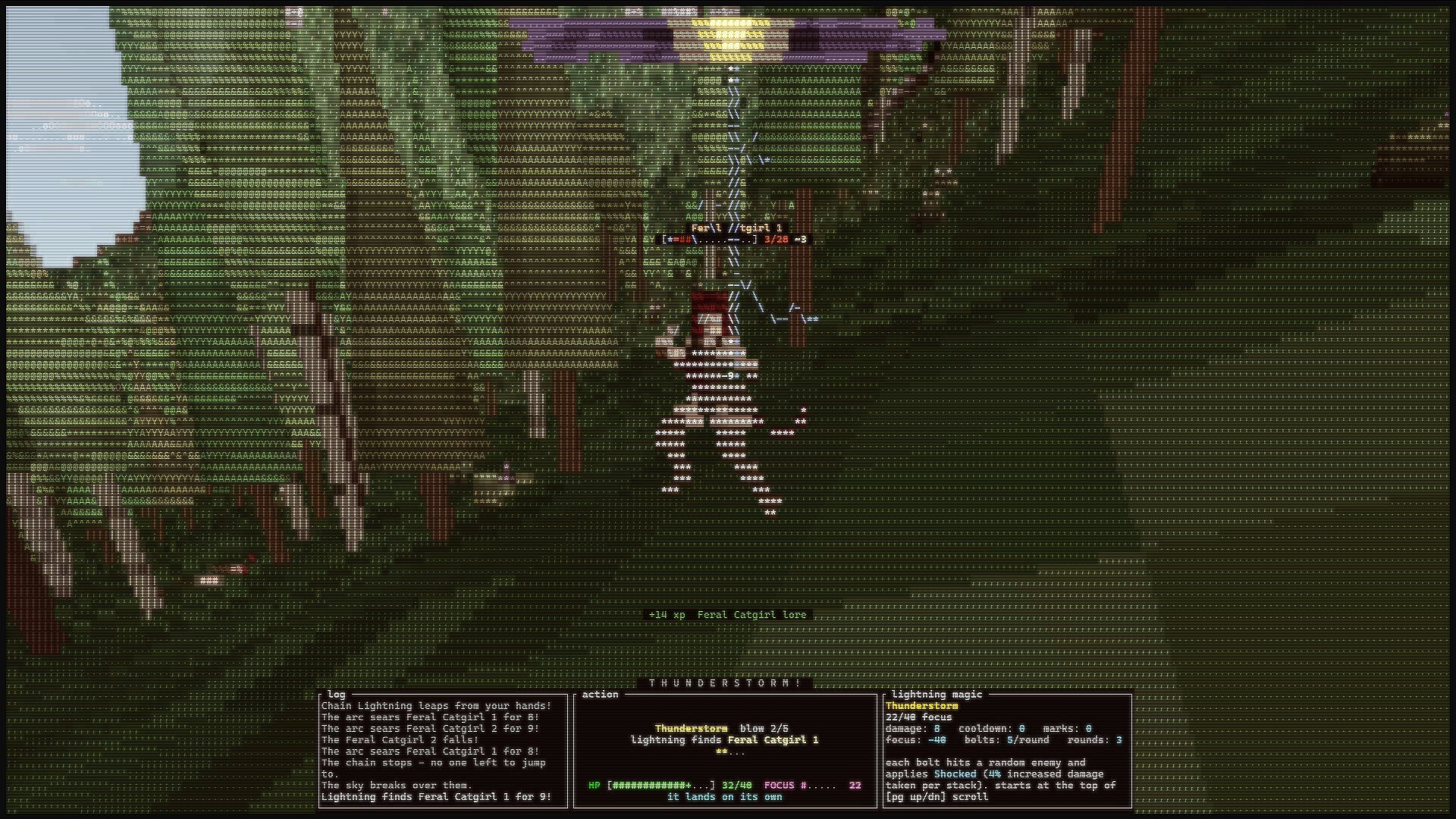
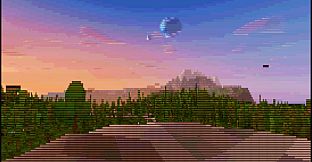
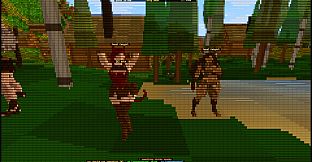
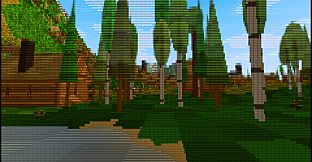
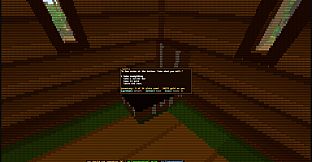
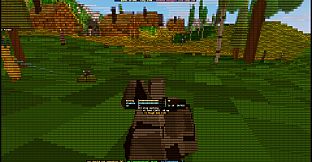
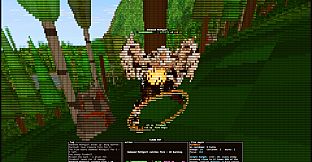
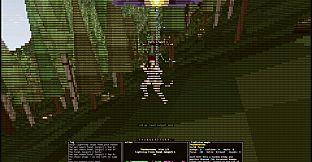
Swaggerfall is a first-person open world fantasy RPG built for the terminal. Its ASCII graphics and command-line presentation set it apart from typical releases in the indie RPG space, yet the core loop draws from familiar modern design principles while embracing procedural generation.
Gameplay
The game places players in a procedurally generated fantasy world rendered entirely through colored text glyphs. Movement uses a small set of keys, with the E key handling context-sensitive interactions and TAB opening a full action menu that displays available screens and keybinds. Every activity contributes to character growth, including sprinting, jumping, climbing, mining, smelting, cooking, and even eating. Combat occurs when encountering enemies and shifts into turn-based sequences that incorporate quick time events for timing attacks, parries, and dodges.
Skill progression extends beyond combat. Repeated encounters with specific enemy types grant knowledge that improves future fights and unlocks new dialogue options, such as ordering foes to stand down. Parkour elements feature modern quality-of-life adjustments like coyote time for edge jumps and increasing ledge-grab tolerance as jumping proficiency rises. Player actions generate rumors that propagate through the world at a steady pace, influencing NPC reactions and spreading stories about notable deeds.
The world itself expands infinitely via mathematical formulas, though the primary story area spans roughly 20 by 20 kilometers. Terrain varies across highlands, lowlands, mountains, forests, and deserts, dotted with settlements of different sizes. Controls remain minimal by design, supporting keyboard input with recent additions for gamepad compatibility and customizable bindings.
Game Modes
Swaggerfall operates as a singleplayer experience focused on open-ended exploration and progression within its procedural environment. There are no separate multiplayer modes or distinct campaign variants; the entire game centers on one continuous world where players shape their path through action and discovery. Recent updates have refined performance during movement and added accessibility options such as gamepad support without altering the fundamental singleplayer structure.
World and Progression
Procedural generation creates varied landscapes and settlements on the fly, allowing extended travel beyond the main story zone if desired. Rumors spread based on player behavior, creating a living feedback loop where notable feats affect how inhabitants respond. Skill growth from non-combat actions encourages experimentation with traversal, crafting, and survival elements. The terminal presentation relies on background colors and glyph shapes to convey depth, with updates addressing visual consistency and frame rates during sprinting or long-distance movement.
Is It Worth Playing?
Swaggerfall sits in open alpha with frequent patches that have improved cities, added soundtrack elements, fixed performance issues, and expanded input options. It carries a 4.9 out of 5 rating from a small number of itch.io users. The free web build provides an easy way to test the terminal-based controls and ASCII style before committing to paid downloads. Players who enjoy singleplayer indie RPGs with procedural worlds, skill-based progression from everyday actions, and turn-based combat layered with timing mechanics will find the most direct appeal. Those seeking polished visuals or established multiplayer systems may prefer to wait for further development. The current state supports extended sessions focused on exploration and incremental mastery.