




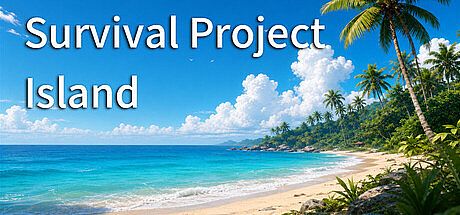



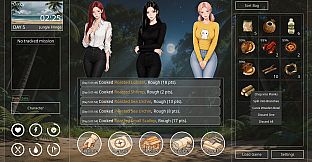
Survival Project: Island is a simulation survival game set on a remote island after a shipwreck leaves the player stranded alone. The experience centers on long-term survival through careful resource management, exploration, and incremental base development on PC. Limited stamina, inventory space, and daylight hours shape every decision, forcing players to balance risk and reward during each outing from a central shelter.
Gameplay
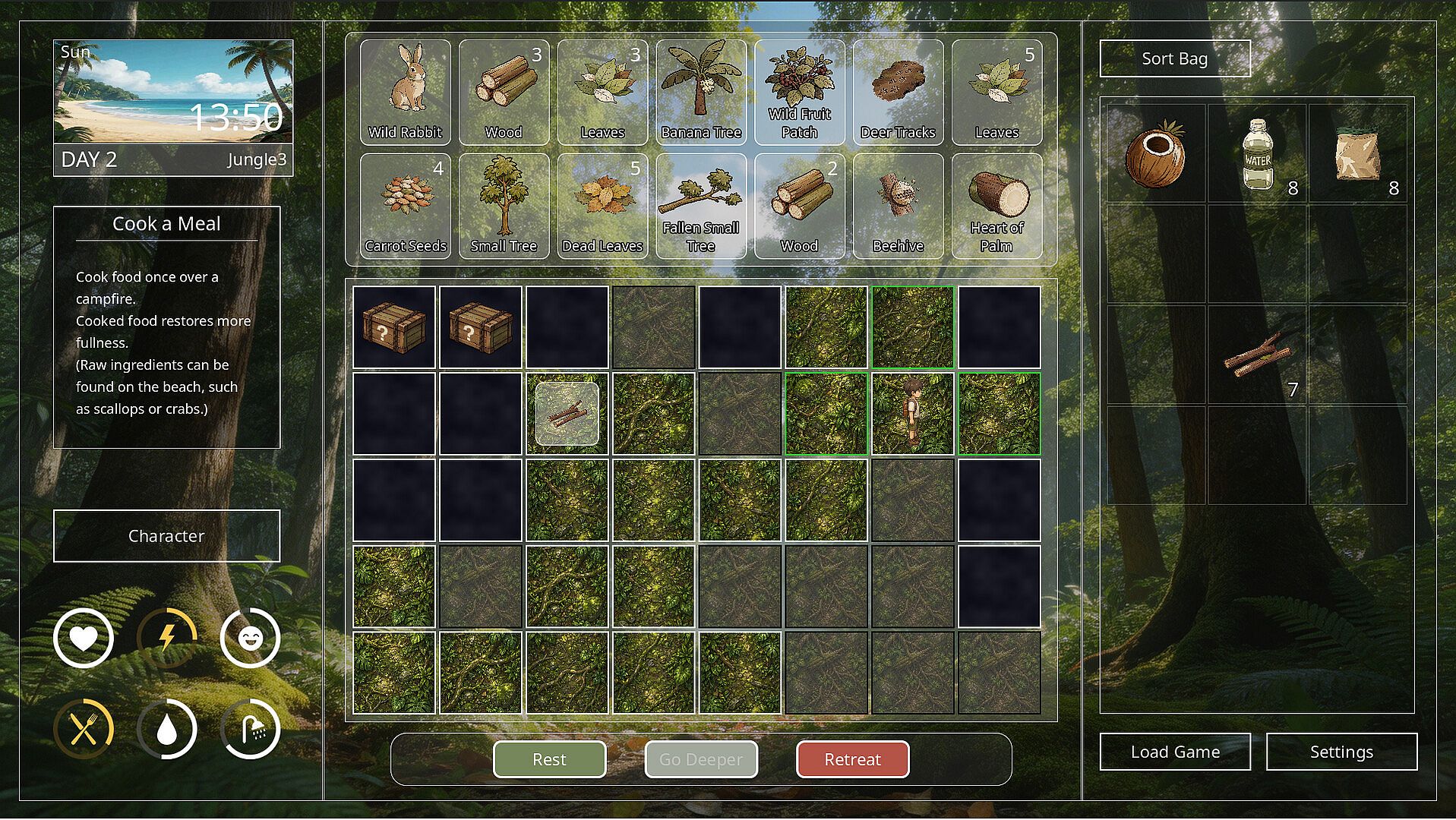
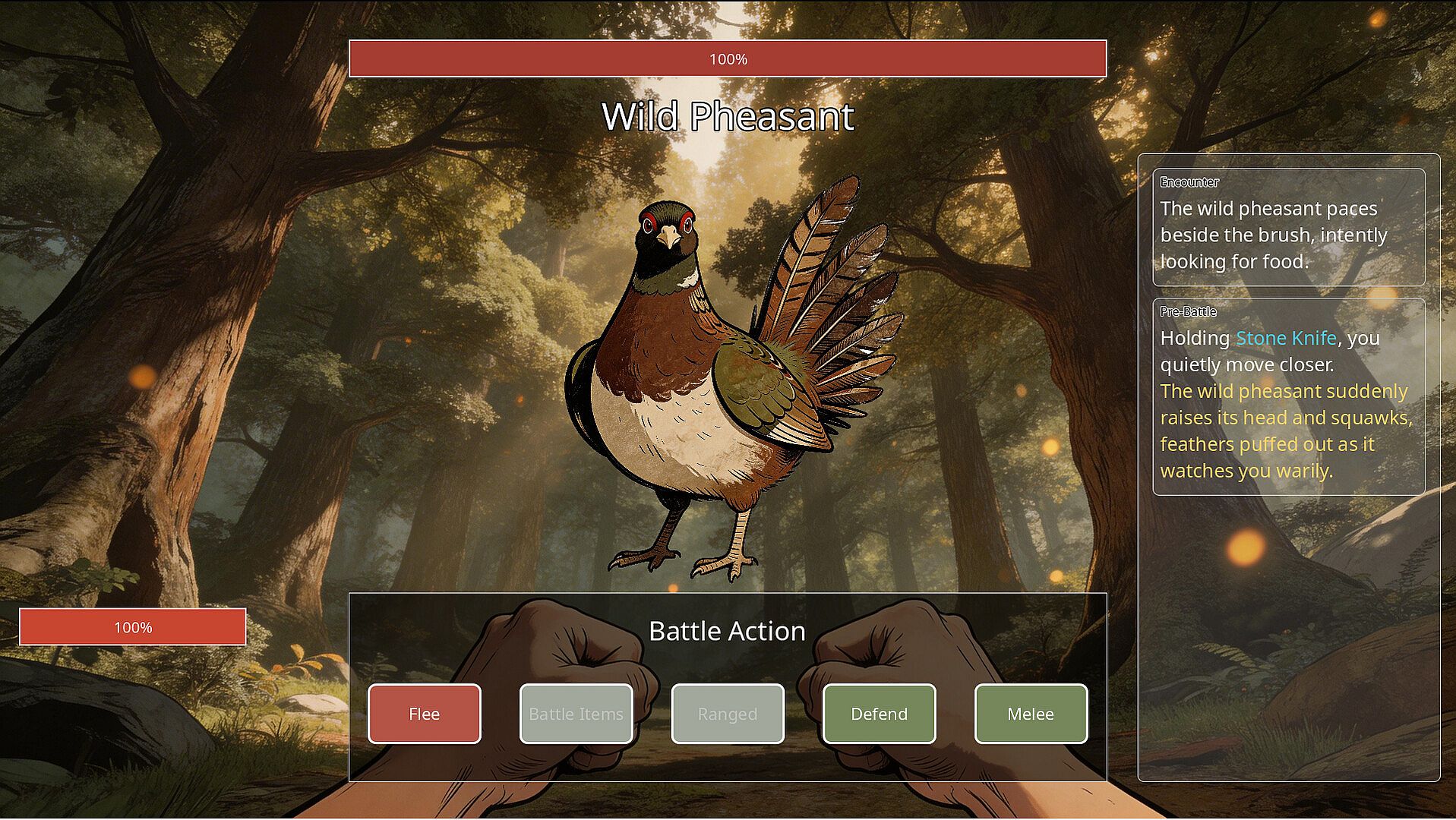
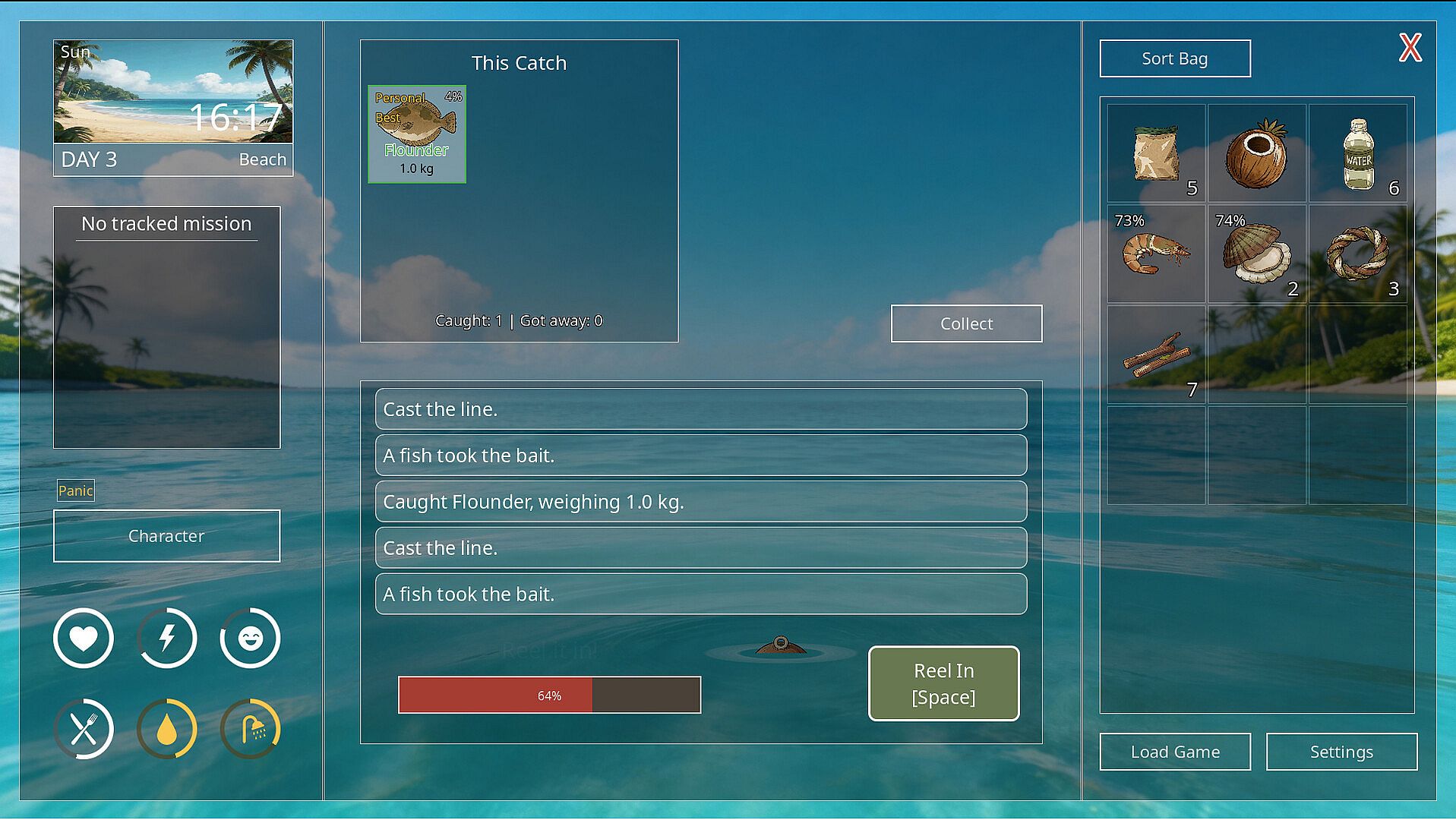
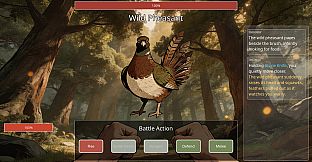
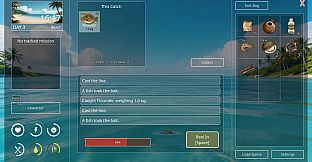
The core loop revolves around securing food, water, fire, and shelter while venturing into varied terrain. More than a dozen distinct locations include beaches, jungles, mountain streams, and caves, each presenting unique resources alongside specific hazards. Players track prey, cast lines for fish, and gather materials that support both immediate needs and future projects.
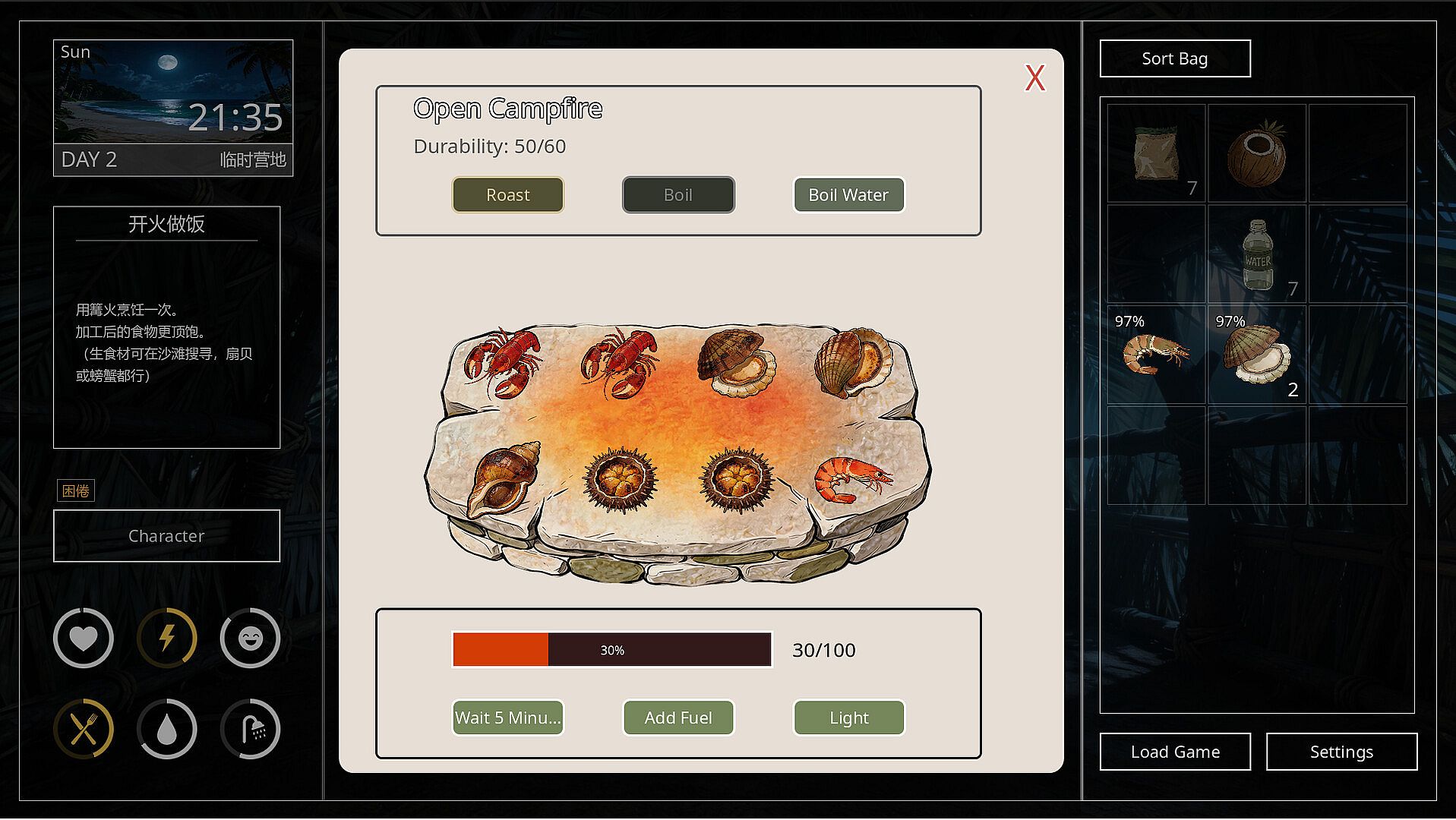
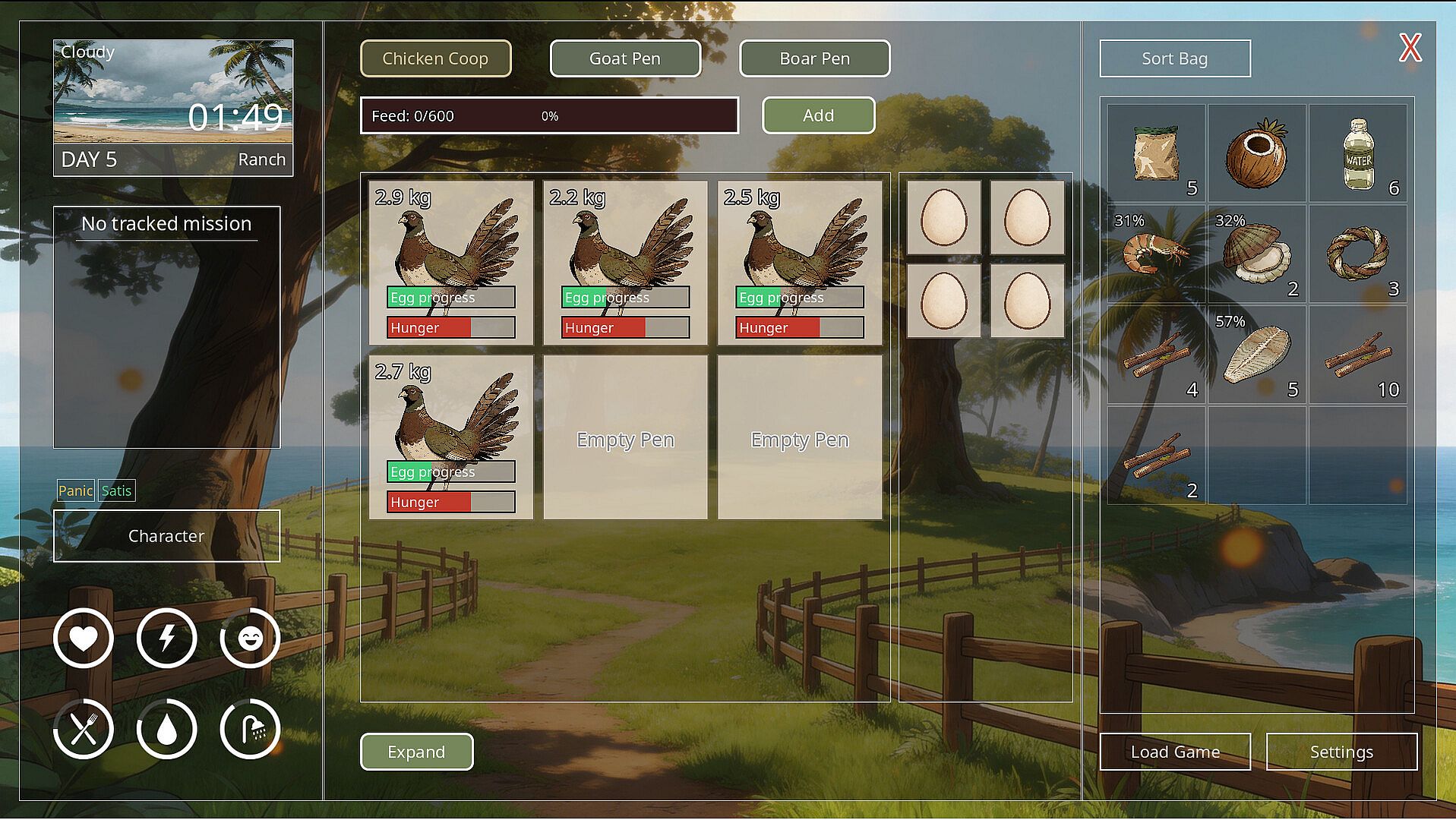
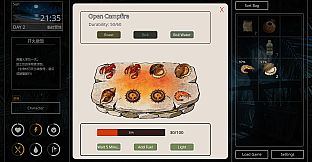
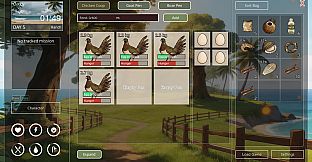
Crafting turns raw items into usable tools, medicine, and food through cooking and smelting processes. Facilities such as storage units, water collectors, and furnaces expand capabilities over time. Land clearing opens space for crop planting and animal raising, creating sustainable supplies that reduce reliance on risky expeditions. Every material serves multiple potential roles, encouraging thoughtful allocation based on current priorities.
Stamina and bag limits add tension to outings. Pushing farther yields greater rewards but risks exhaustion or exposure before returning safely. Experience from failed attempts converts into Survival Points, which unlock permanent Traits to improve future runs and extend reach across the island.
Game Modes
The game operates as a single-player survival simulation without separate competitive or cooperative modes. Each attempt functions as a self-contained run on the island, with failure resetting progress except for accumulated Survival Points and unlocked Traits. This structure emphasizes repeated attempts that build toward longer, more stable stays through better preparation and expanded facilities.
Core activities blend freely within each run. Players shift between gathering, crafting, farming, and relationship-building as needs evolve, without rigid mission structures or time-limited events. The focus remains on turning initial scarcity into a functional homestead through consistent planning and adaptation to the island's demands.
Exploration and Resource Systems
Exploration drives discovery across diverse biomes that reward different strategies. Beaches supply early materials, while deeper jungles and caves offer rarer finds at higher risk. Hunting and fishing provide protein sources that complement gathered plants, and processing these into cooked meals or preserved goods extends viability between trips.
Resource conversion forms the backbone of advancement. Smelting and crafting produce tools that speed up later tasks, while built structures like furnaces and collectors automate parts of daily upkeep. Farming and animal husbandry shift the balance from constant foraging toward reliable production, allowing longer absences from the main camp.
Relationships and Progression
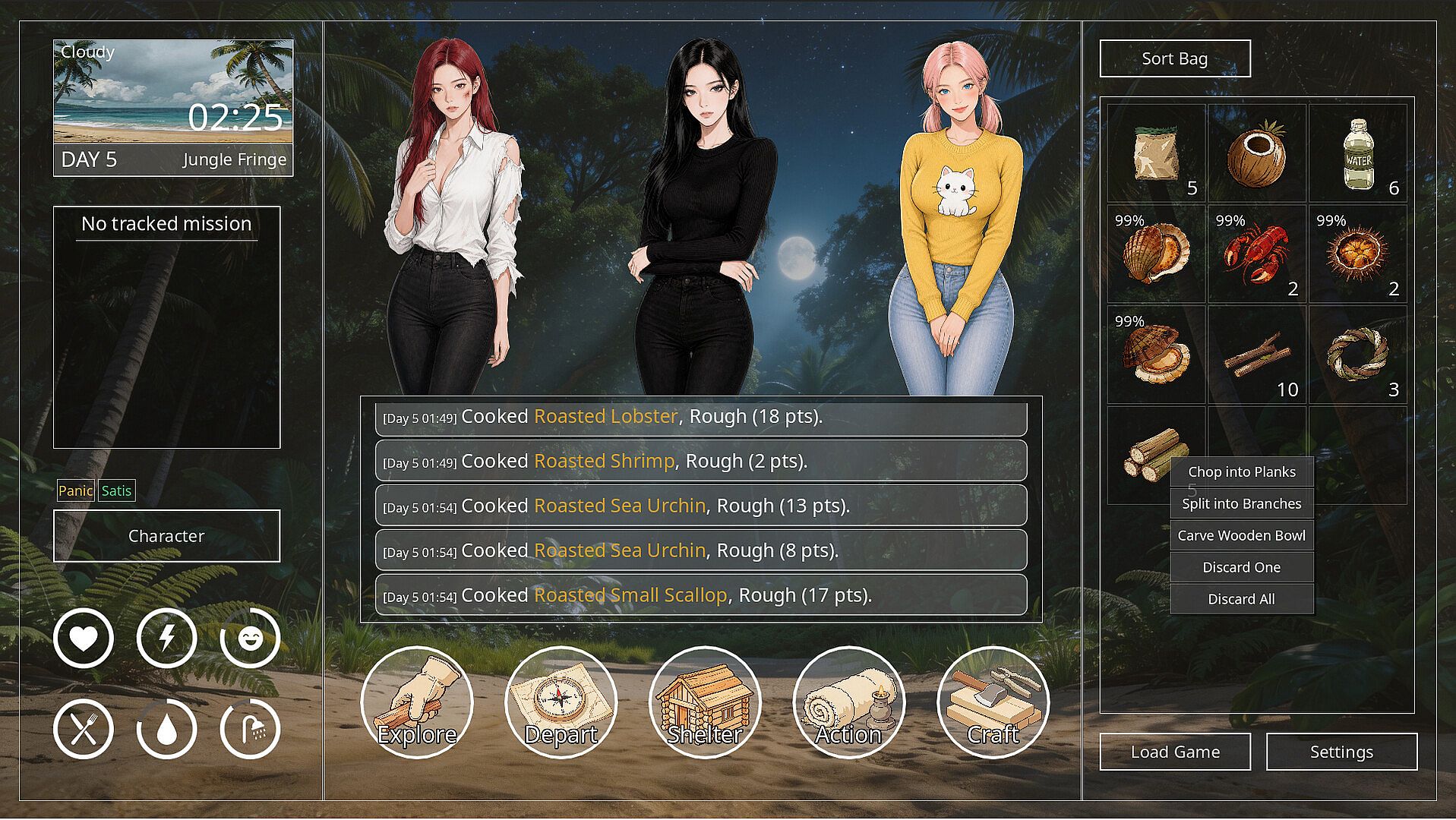
Three women with distinct personalities and backstories appear on the island. Interactions involve shared tasks, gift-giving, and mission completion that strengthen bonds and open romantic paths. These relationships integrate into the survival loop, providing companionship and mutual support as the player works to establish a lasting presence.
Long-term planning ties everything together. Early choices in resource use influence what facilities become available, while Traits from prior runs accelerate growth in subsequent attempts. The result is a progression system that rewards persistence without erasing the consequences of poor decisions during any single outing.
Is It Worth Playing?
Survival Project: Island suits players who prefer methodical, resource-focused survival simulations over fast-paced action. The emphasis on stamina management, inventory constraints, and multi-use materials creates deliberate pacing that rewards observation and planning. Those drawn to base-building, farming, and light narrative elements through character interactions will find the systems interconnected in meaningful ways.
The roguelike progression via Survival Points and Traits adds replay value for players who enjoy refining strategies across attempts. Availability on PC supports the detailed crafting and exploration mechanics without additional hardware requirements. Overall, the game appeals most to fans of grounded island survival who value steady development from humble beginnings into a self-sufficient home.
