




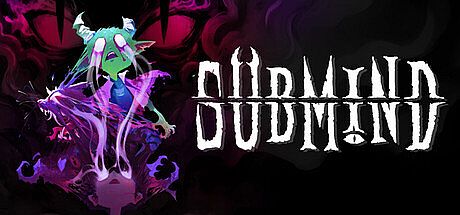


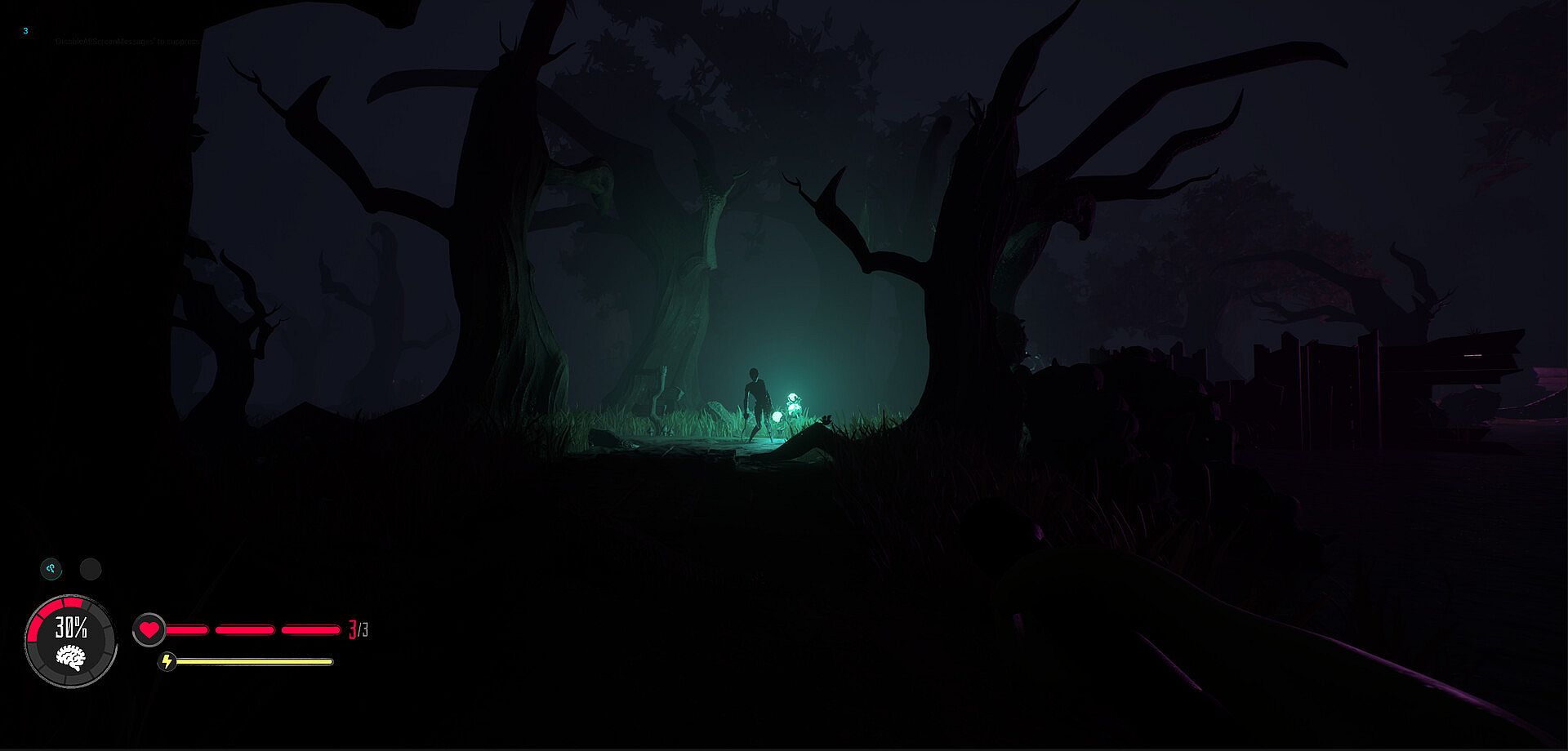
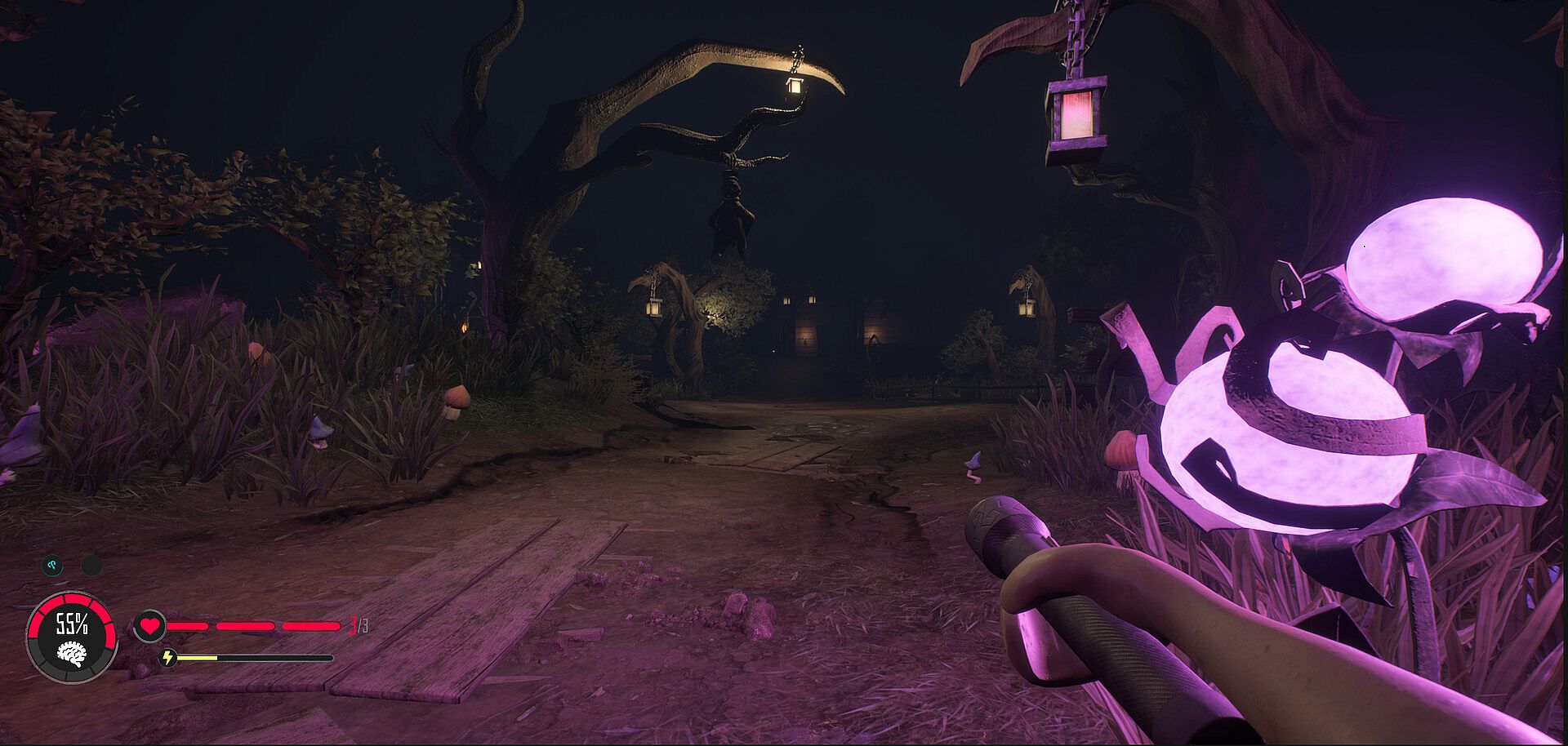
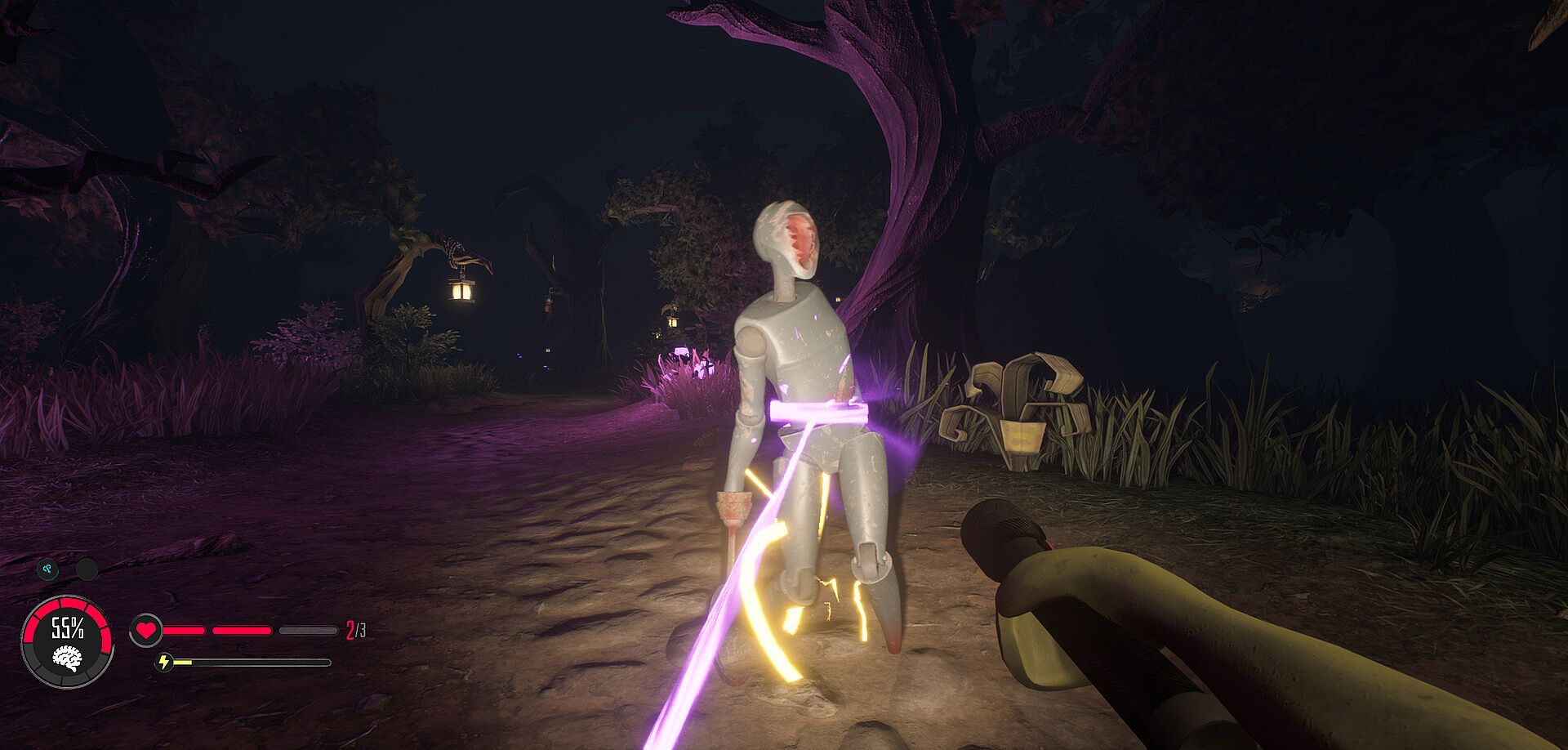
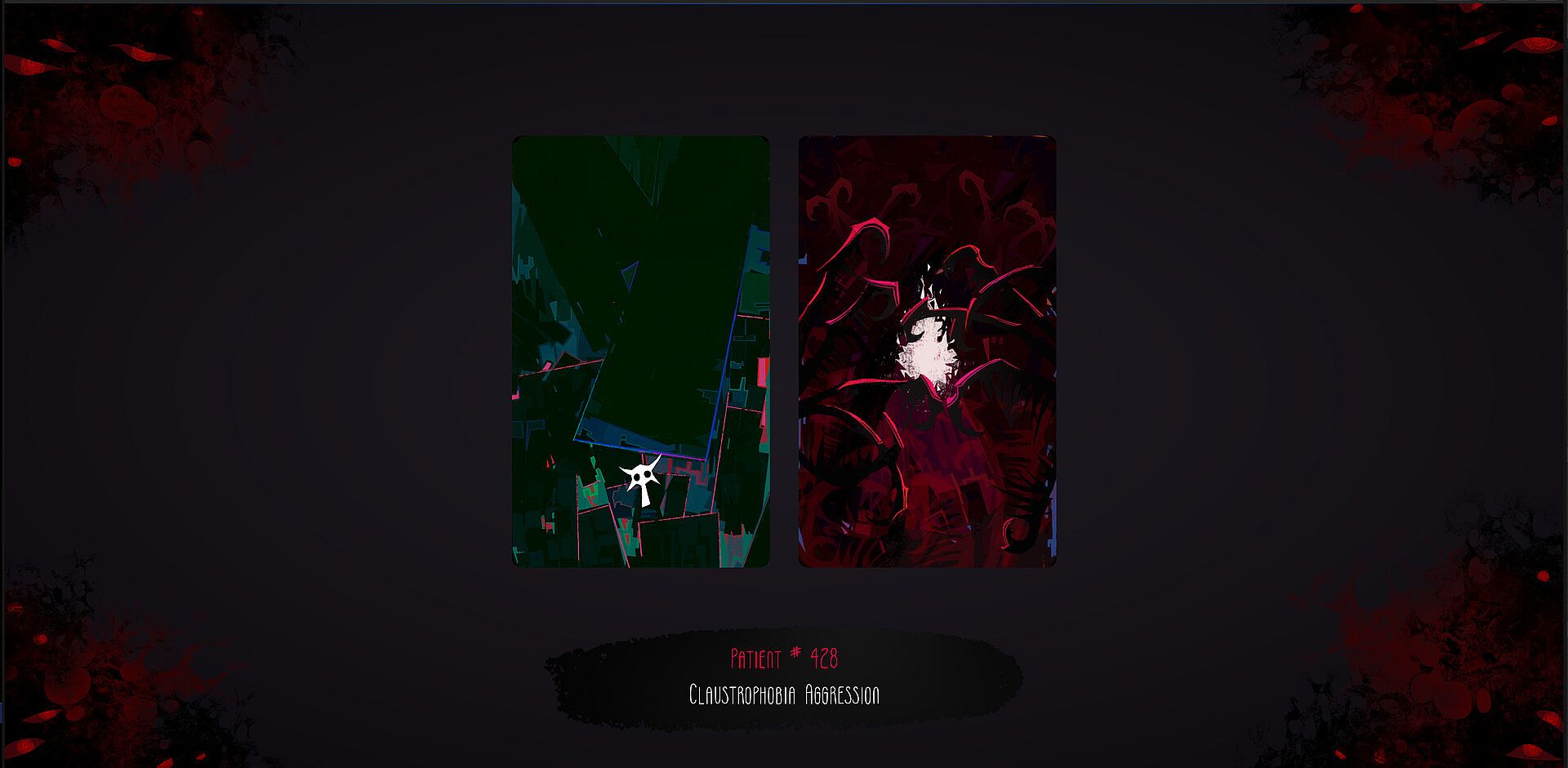
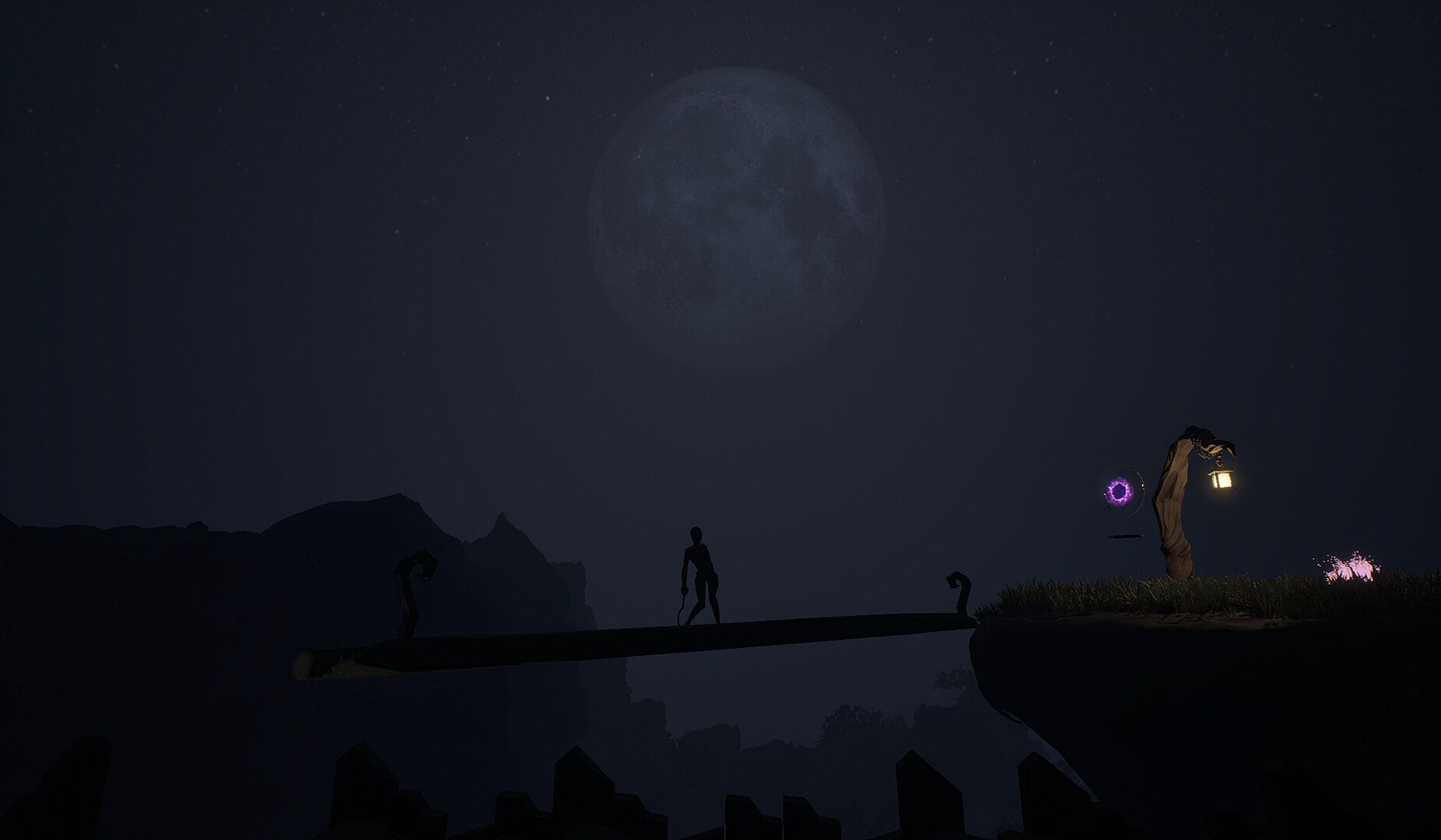
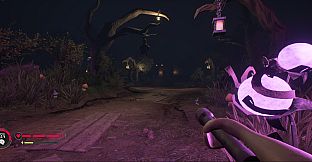
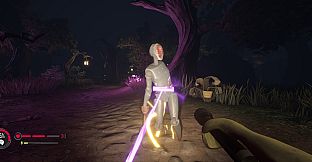

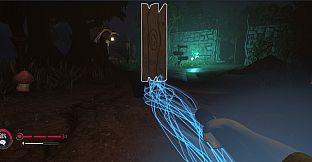

Submind is a co-op action adventure game set in a near future where humanity contends with catastrophic psychological delirium. Broken minds generate psycho-energetic surges that alter reality, allowing the living to witness others' dreams and nightmares while the dead persist as mental entities. The NeuroDive Protocol serves as the emergency response, enabling teams to enter dying or destabilized minds for stabilization, surge prevention, and removal of distortions before they spread.
Gameplay
Core play revolves around coordinated teamwork in layered modular environments. Players navigate parkour sections and solve co-op puzzles that require simultaneous actions such as activating switches together, passing items between participants, and executing synchronized jumps. Agility combines with communication to advance through carefully constructed spaces where individual efforts alone prove insufficient.
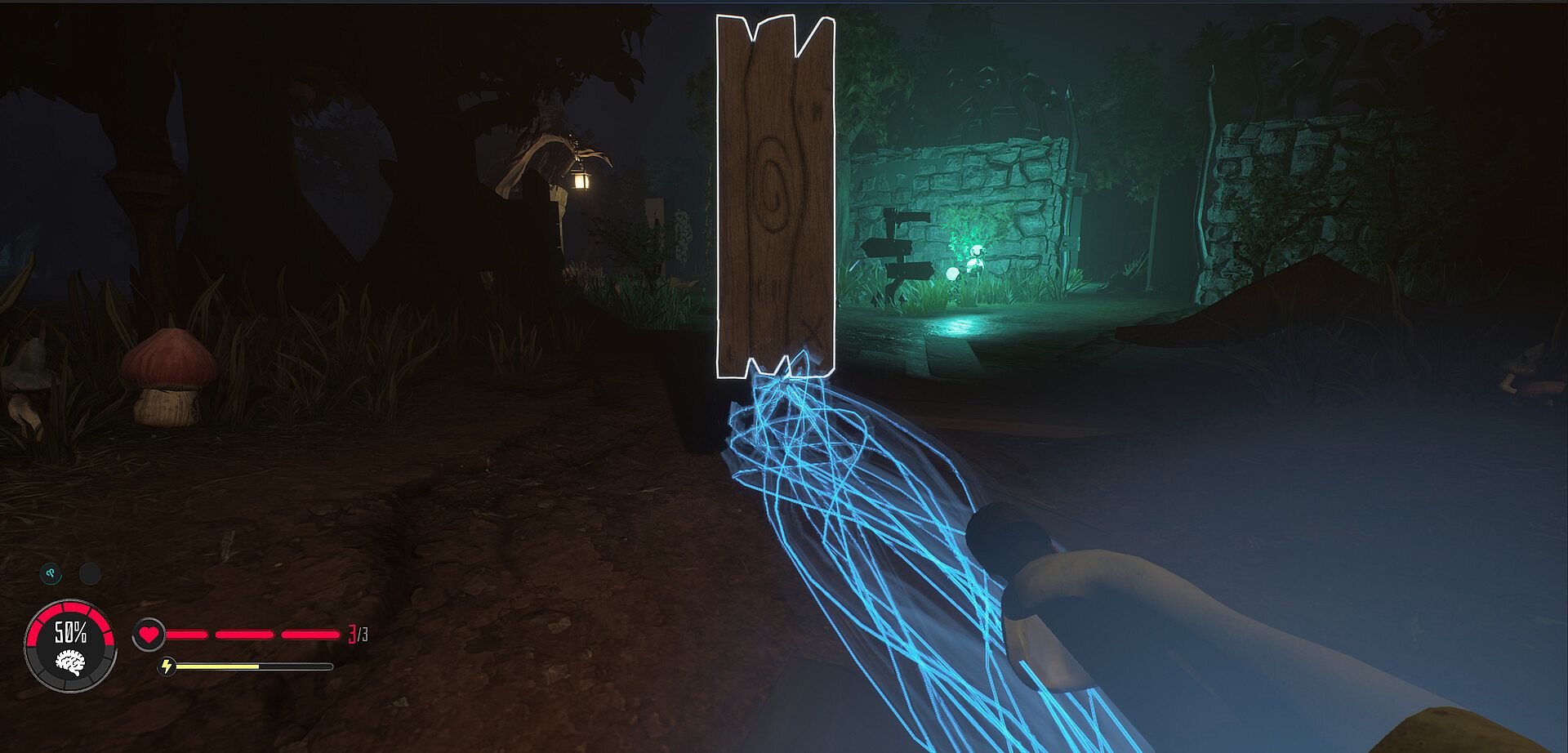
Inventory management adds strategic depth with each participant limited to a set number of slots. Items can be retained across sessions for later use, deployed in context-specific ways, or merged to resolve complex challenges. Partial room completion allows teams to exit certain areas without fulfilling every objective, though this choice often means sacrificing resources or future advantages like key items needed for boss encounters.
Cause-and-effect systems link levels directly. Decisions made earlier, including inactions, determine which items or routes become available later. Upgrades and resources selected between dives carry forward in some cases, even after player death, encouraging careful planning across multiple sessions.
Game Modes
The primary experience centers on 2 to 4 player co-op sessions supported through Steam Lobby or peer-to-peer connections. Teams enter minds together, tackling challenges that emphasize collective problem-solving over solo performance. Branches present specialized paths focused on reaction timing, logical deduction, and cooperative execution, letting groups select routes that suit their strengths.
Boss encounters function as progression checkpoints. These require precise teamwork and environmental logic, such as luring threats into traps or triggering sequences of actions using surrounding elements. The hub area provides a shared space for checking on teammates, preparing, and waiting until the full group is ready before the next dive begins.
Co-op Puzzles and Team Coordination
Puzzles demand synchronized effort across multiple players rather than isolated solutions. Modular level design supports varied approaches, with some sections allowing creative item use or environmental manipulation to bypass obstacles. Parkour elements integrate directly into these challenges, turning movement into a shared responsibility where one player's positioning enables another's progress.
Resource limitations force prioritization. Limited inventory slots mean teams must decide what to carry forward, what to combine for immediate needs, and what risks to accept when leaving items behind. This system reinforces the interconnected nature of levels, where earlier choices shape later options without resetting entirely on failure.
Is It Worth Playing?
Submind targets players who enjoy co-op experiences built around communication and shared problem-solving in puzzle-driven environments. The demo highlights core systems including modular levels, inventory constraints, cause-and-effect progression, and boss checkpoints that reward coordinated logic. Availability remains limited to the current demo build, with full features still in development.
Those seeking casual solo play or competitive modes will find little here, as the design prioritizes group coordination in action-adventure settings. Teams comfortable with trial-and-error approaches to puzzles and parkour will likely appreciate the emphasis on repeatable sessions and persistent upgrades. The game suits groups looking for focused co-op challenges without additional modes or factions beyond the core protocol structure.