





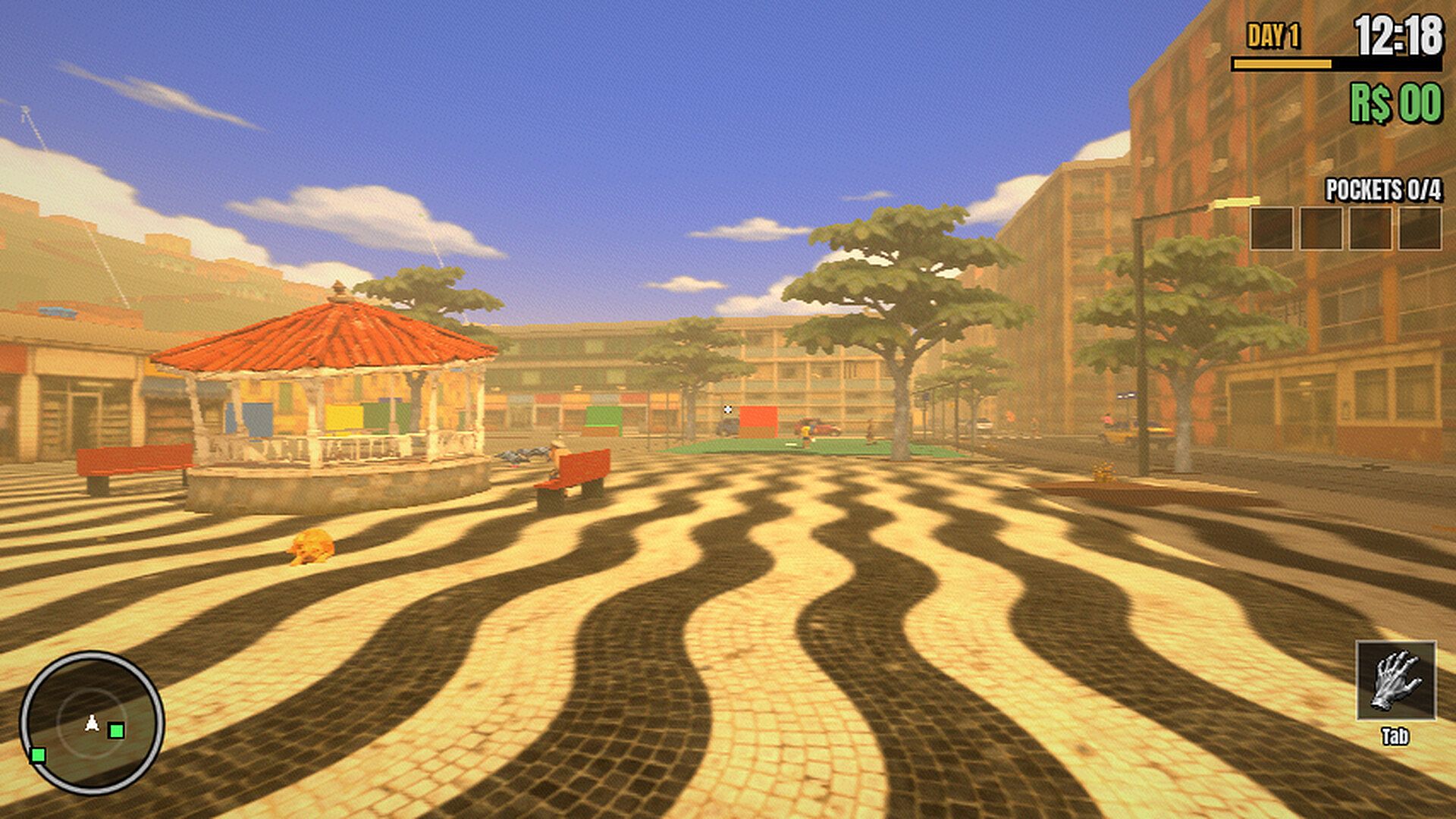
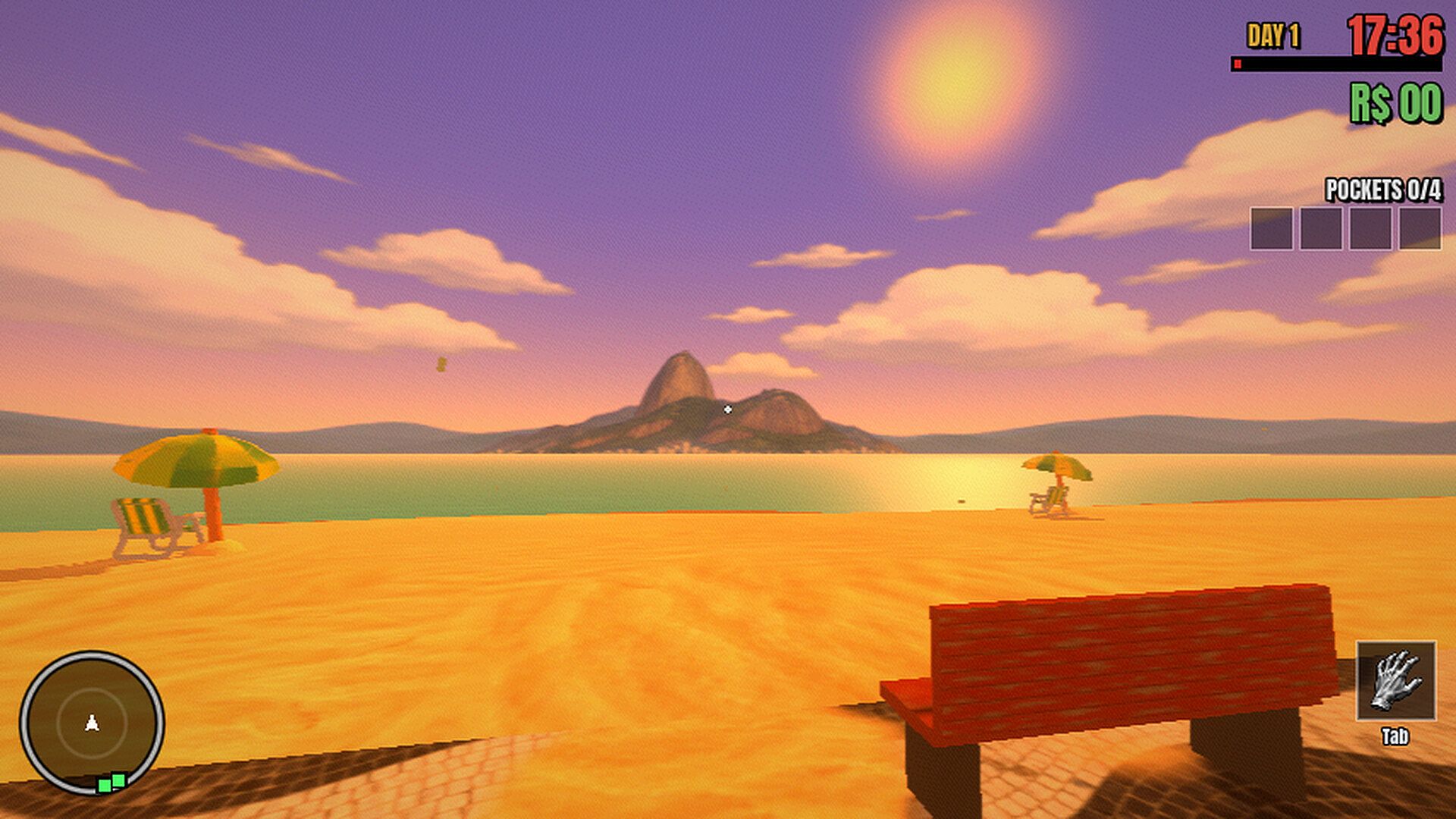

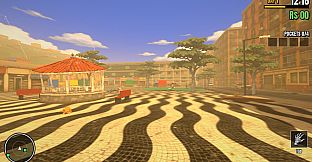
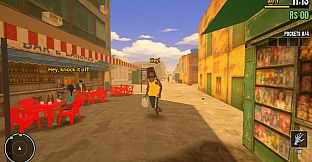


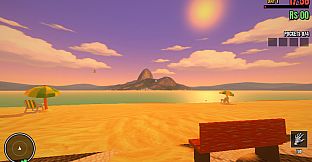
Steal de Janeiro is a third-person action, indie, and simulation game set in a stylized version of Rio de Janeiro during the early 2000s. Players take on the role of a thief navigating a beachfront full of tourists, executives, and parked cars, using stealth and timing to build a criminal operation from small pickpocketing jobs to larger thefts. The experience emphasizes incremental progression through a skill tree and a day-night cycle that shifts available targets and risks.
Gameplay
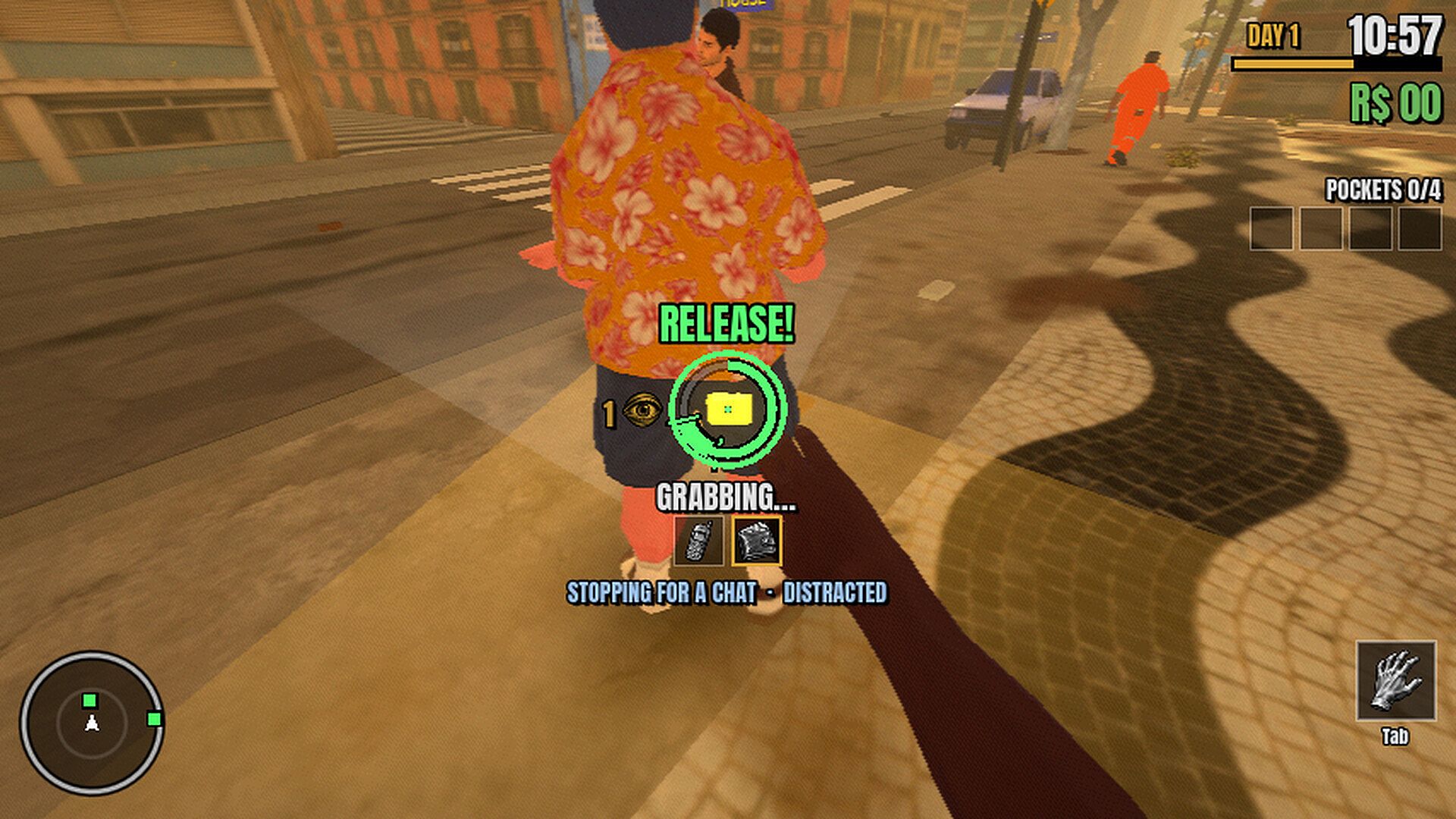
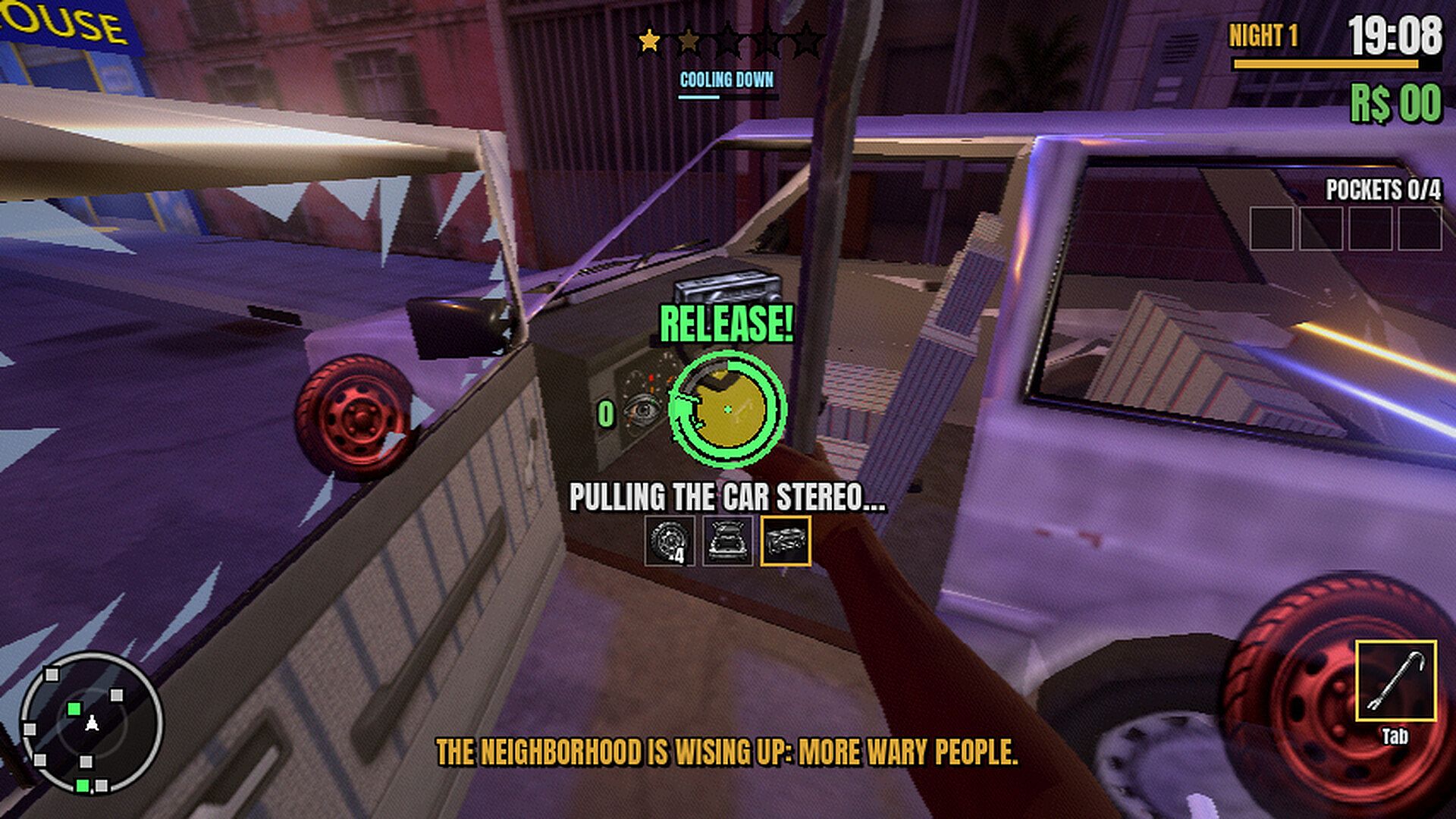
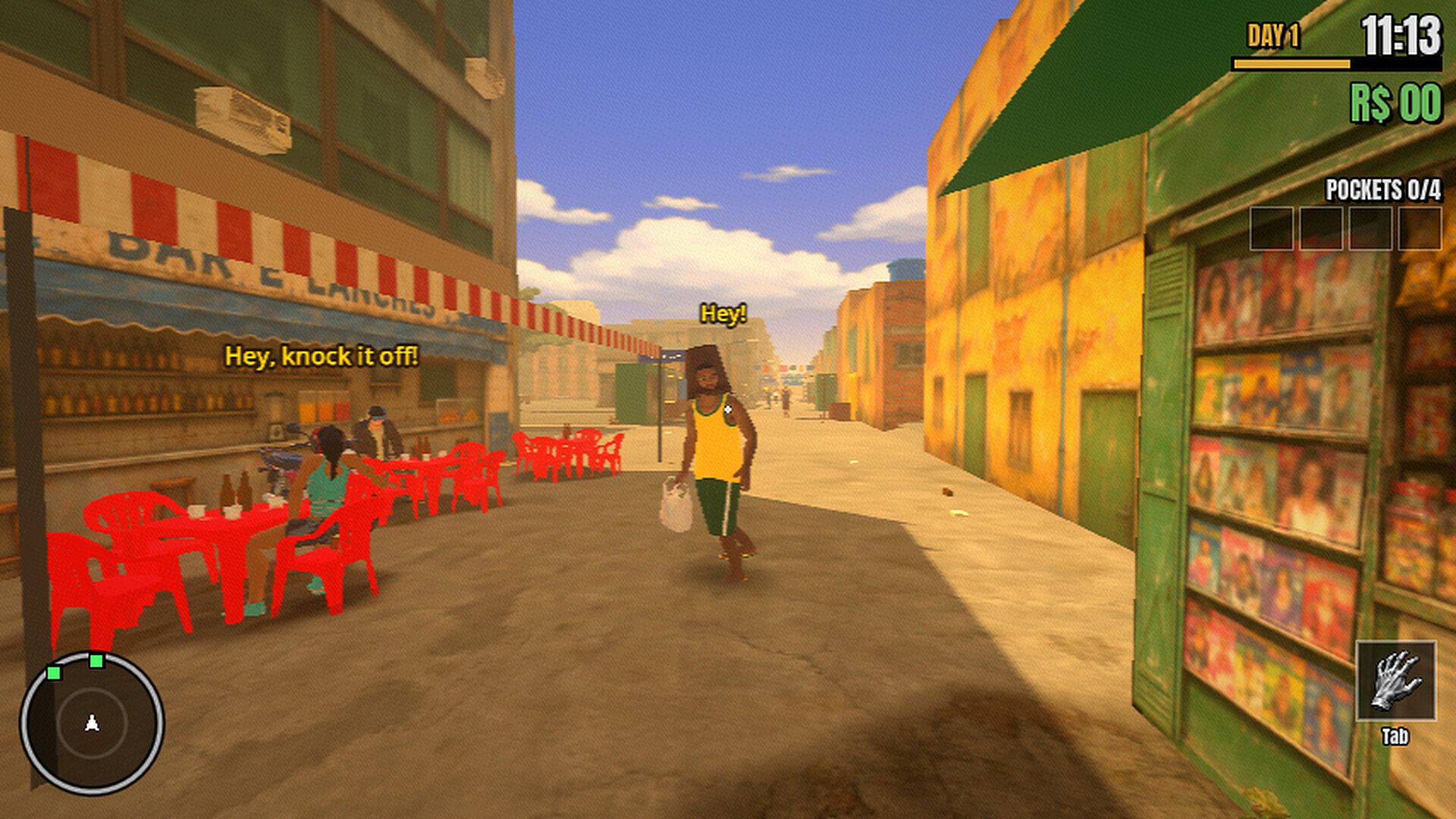
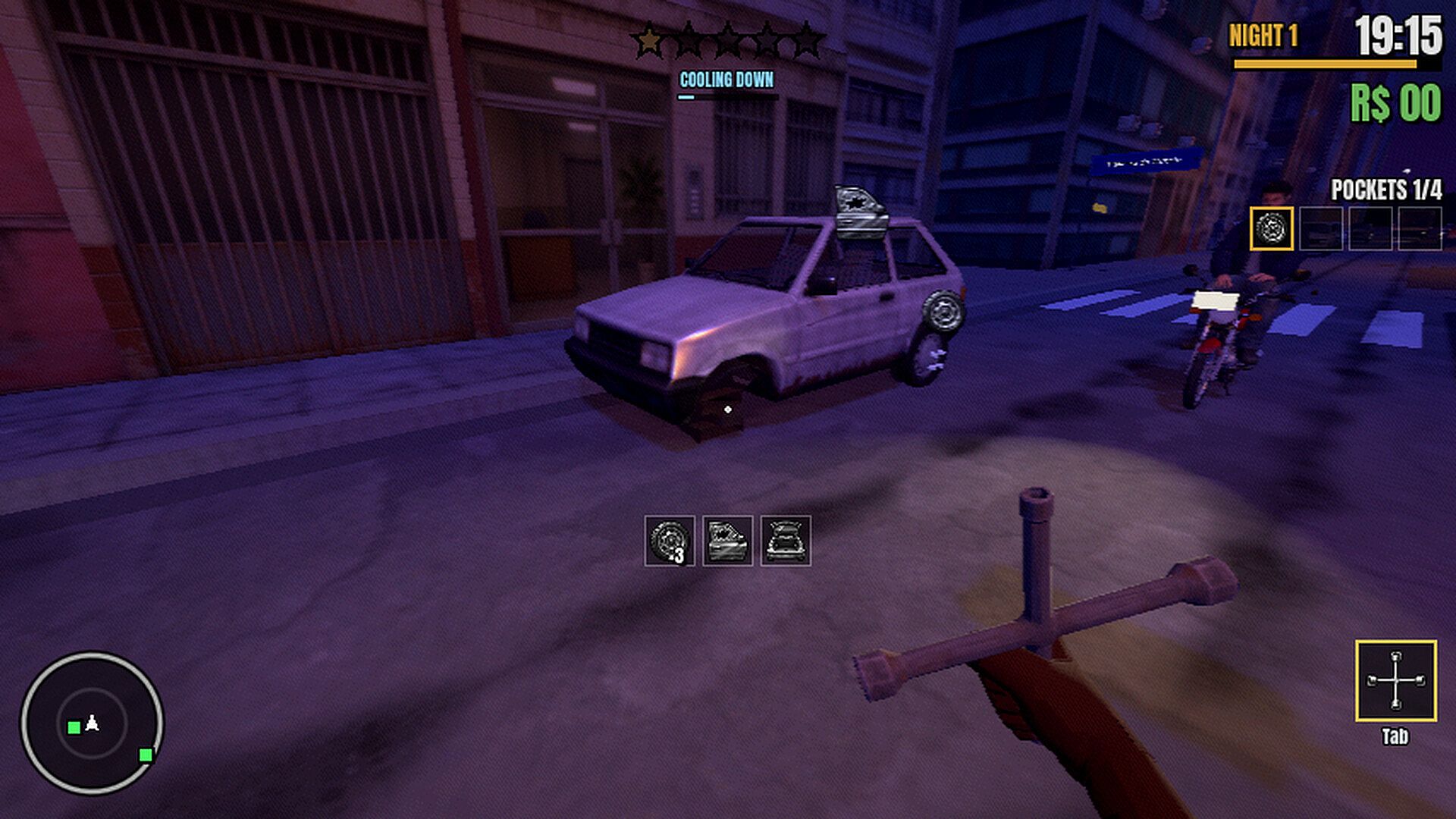
The core loop revolves around stealing items during the day and selling them at night. Pickpocketing requires approaching targets from behind, timing hand movements precisely to empty pockets without detection. Failure means losing carried loot and drawing attention. Car stripping targets parked vehicles after dark, where players can remove stereos, wheels, or trunk contents while avoiding alarms that trigger unwanted notice.
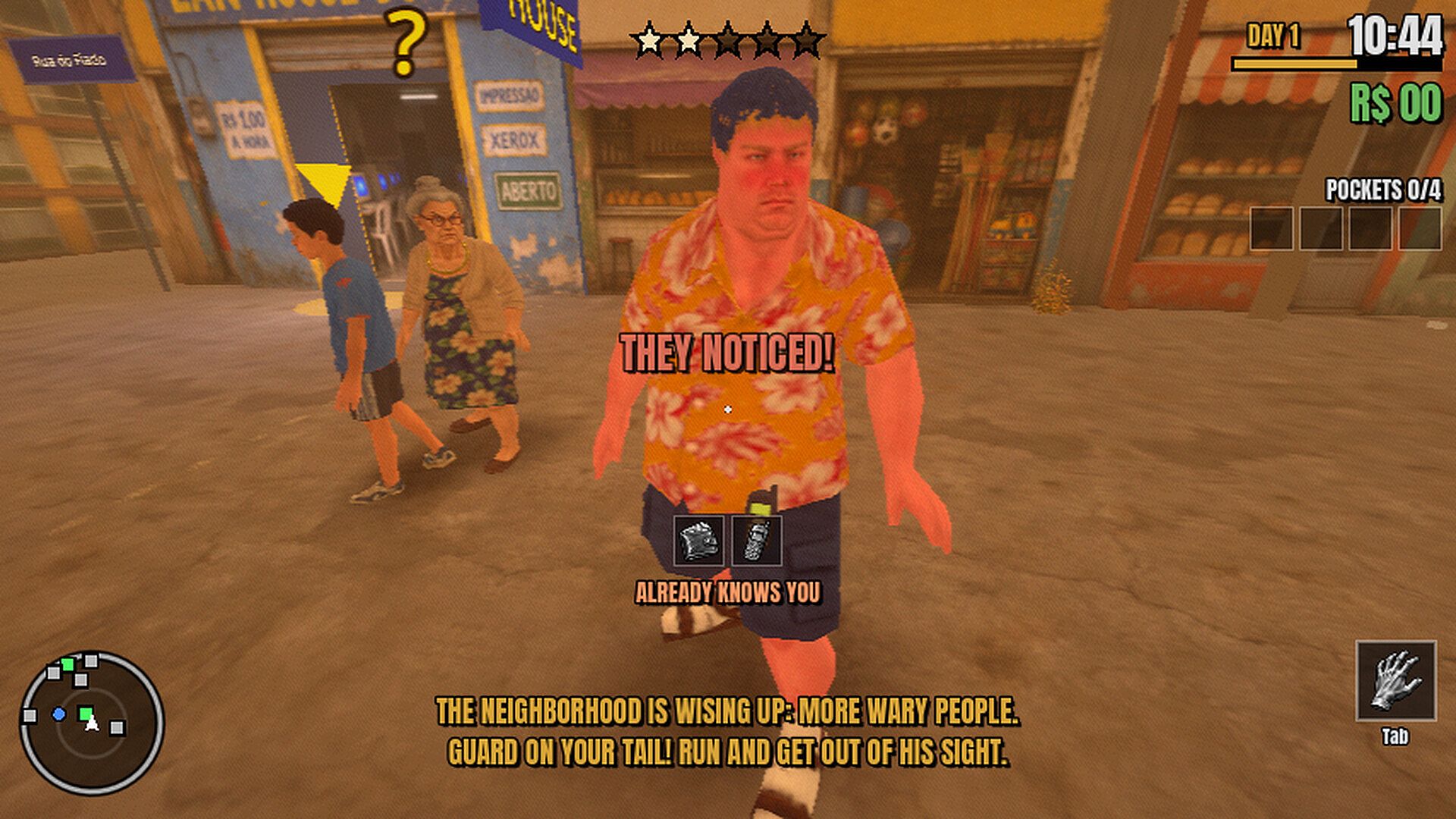
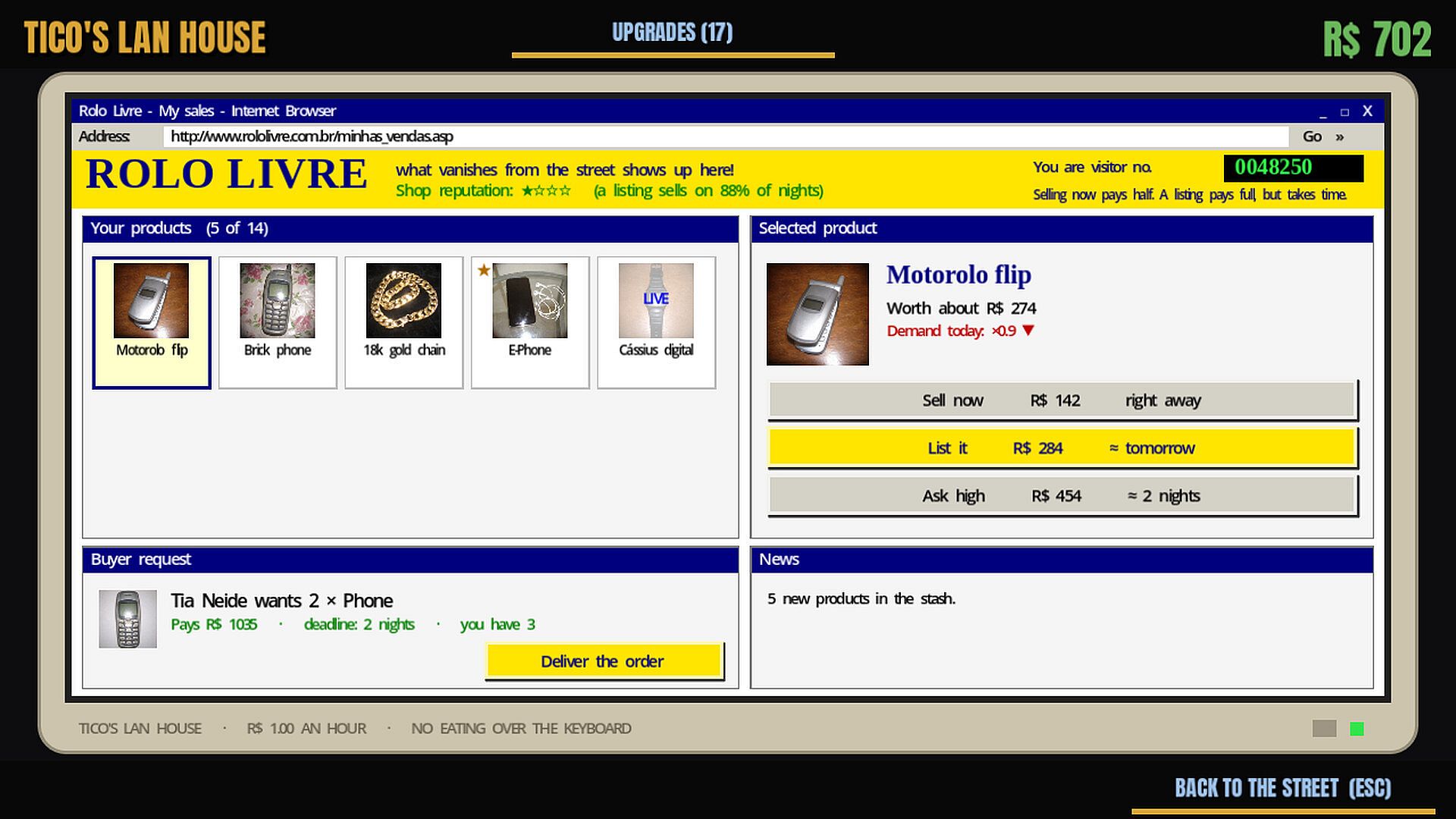
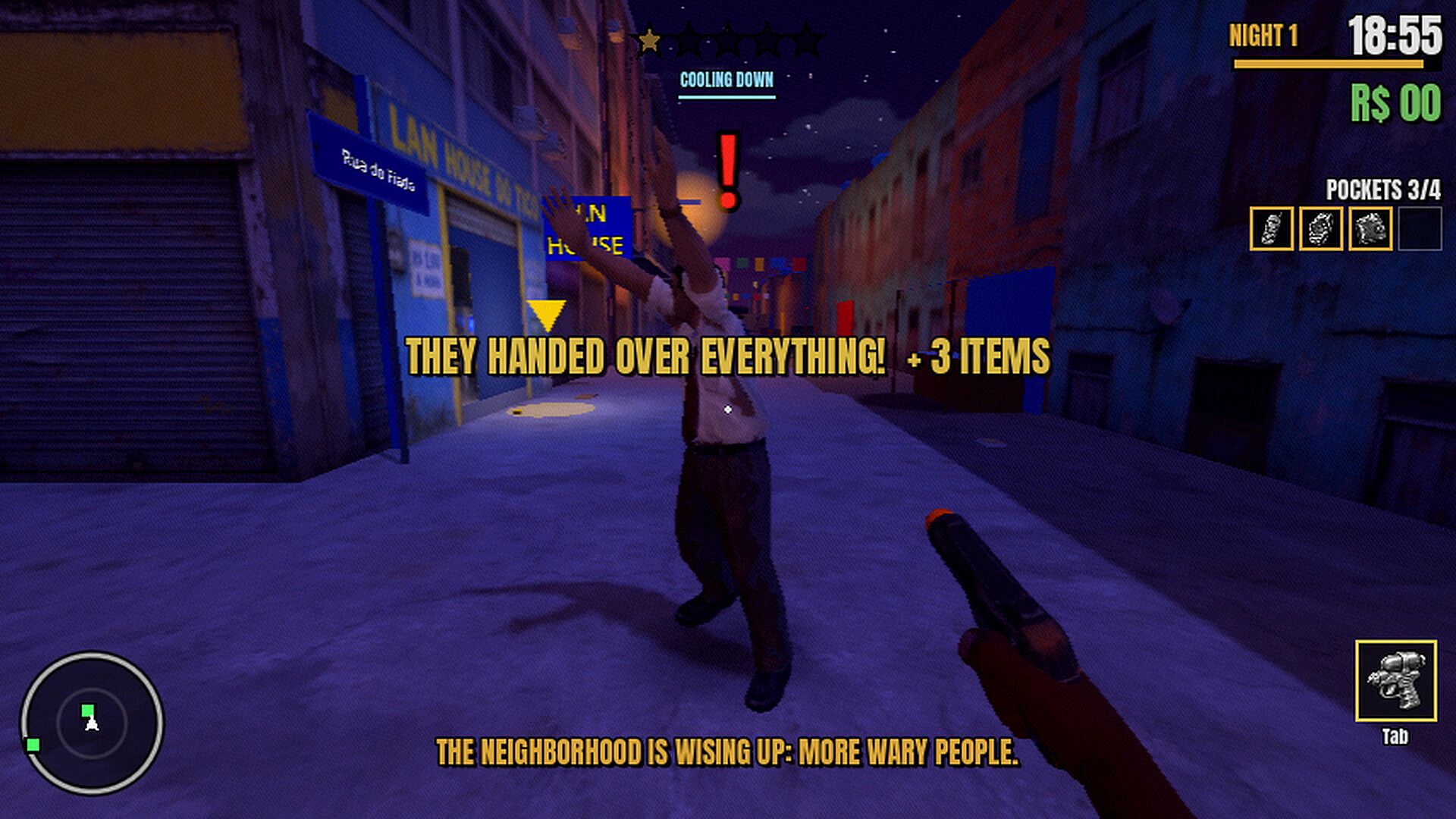
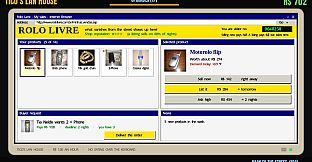
Heat management forms a key system. Wanted stars increase with sightings, forcing players to run, break line of sight, or hide in dumpsters until the situation cools. Successful thefts feed into an online marketplace at Tico's internet cafe, where loot is listed for sale. Buyer orders change nightly with fluctuating prices and demand, requiring quick fulfillment to maintain seller ratings and steady income.
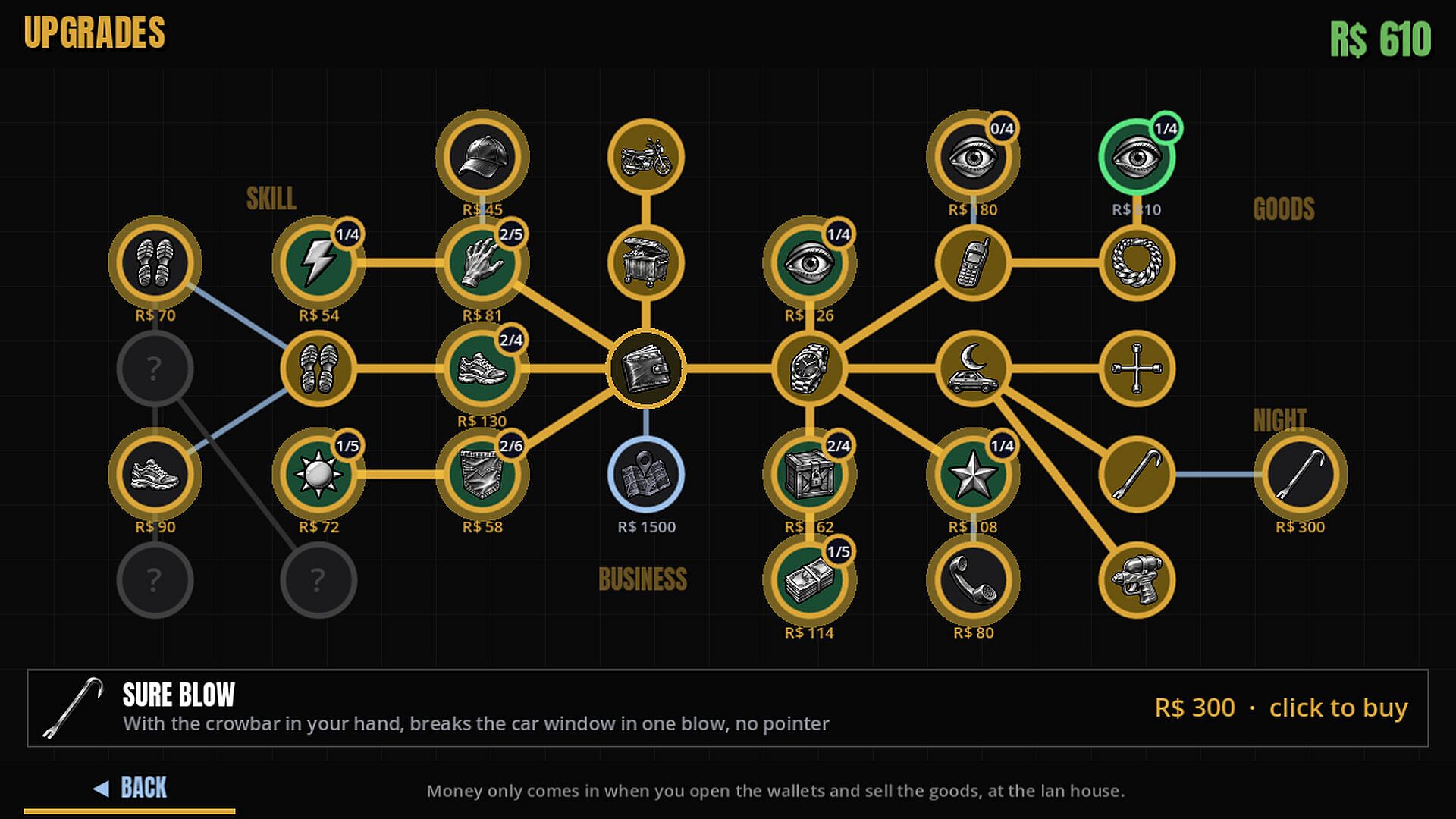
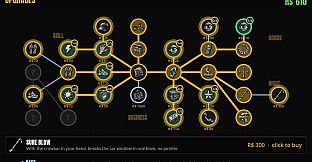
Progression comes through spending earnings on a skill tree. Upgrades expand pocket capacity, improve hand steadiness for pickpocketing, unlock a toy gun for convincing targets to surrender items, add new theft targets such as gold chains and car trunks, and open additional sections of the beachfront for operations. The retro 3D visual style draws from early 2000s console games, pairing with a full day and night cycle that alters risks and opportunities after sunset.
Game Modes
Steal de Janeiro operates as a single-player experience focused on open-ended criminal activities across the beachfront map. There are no separate named modes or multiplayer components described. Instead, the game supports varied approaches within the same environment, such as prioritizing pickpocketing during daylight hours or shifting to vehicle thefts once night falls. The day-night cycle naturally creates different risk profiles and target availability without requiring mode selection.
Progression and Systems
Every successful heist funds further advancement through the skill tree, which directly alters playstyle options. Bigger pockets allow carrying more items per outing, while steadier hands reduce the chance of mistakes during thefts. The marketplace adds a management layer, as players must monitor changing buyer demands and complete orders before they expire to sustain income. This creates a loop where short-term theft decisions influence long-term growth and access to new areas or tools.
Is It Worth Playing?
Steal de Janeiro suits players who enjoy methodical stealth and resource management in a compact, stylized setting. The combination of timing-based theft mechanics, heat evasion, and marketplace selling provides a focused criminal simulation loop. Those interested in early 2000s retro aesthetics and incremental upgrades through a skill tree will find the systems rewarding. As an Early Access title, the game offers a clear foundation for players who appreciate building operations from small jobs upward without overwhelming scale. It appeals most to fans of action and simulation genres seeking a deliberate pace rather than fast-paced action.