






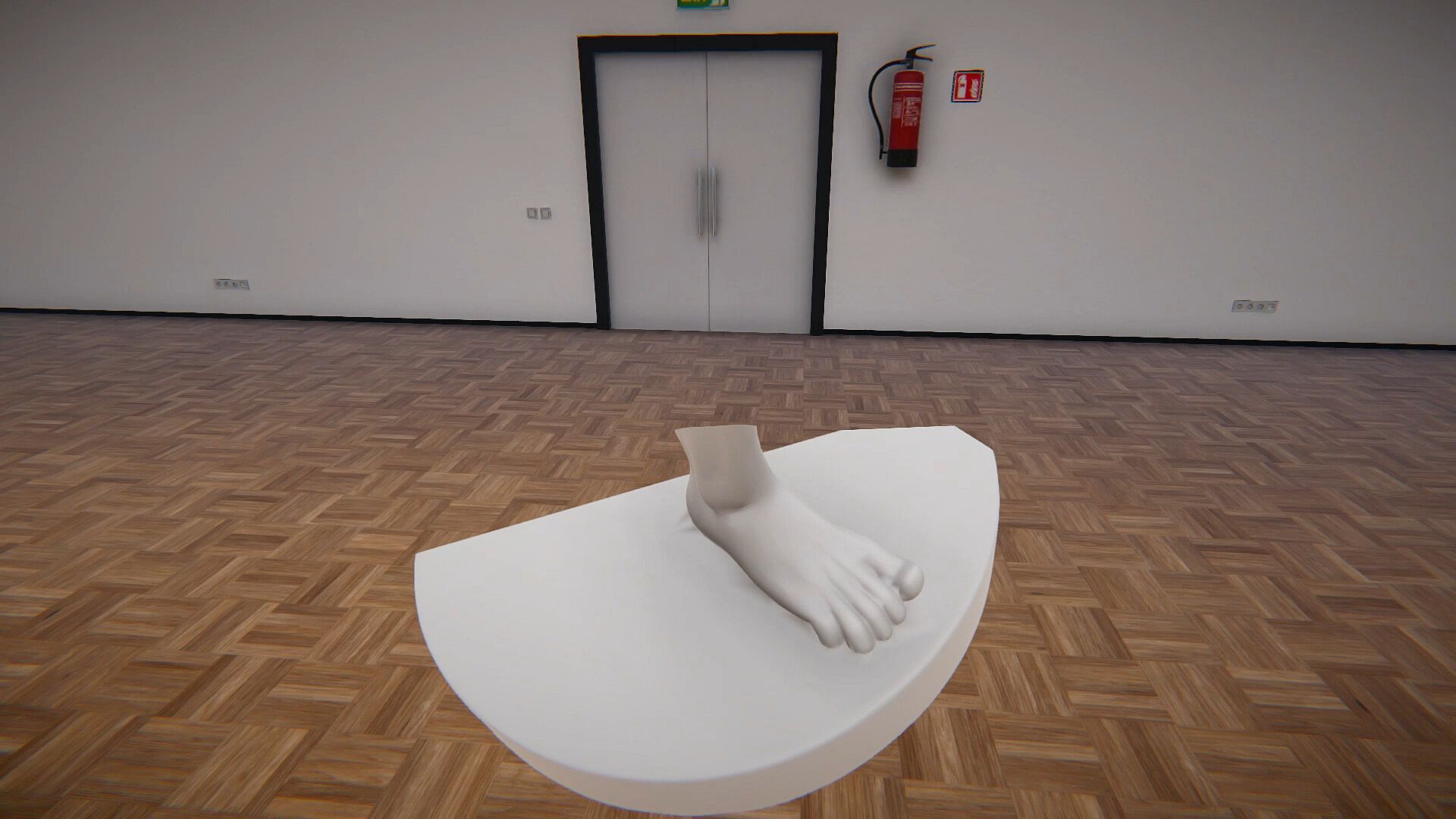
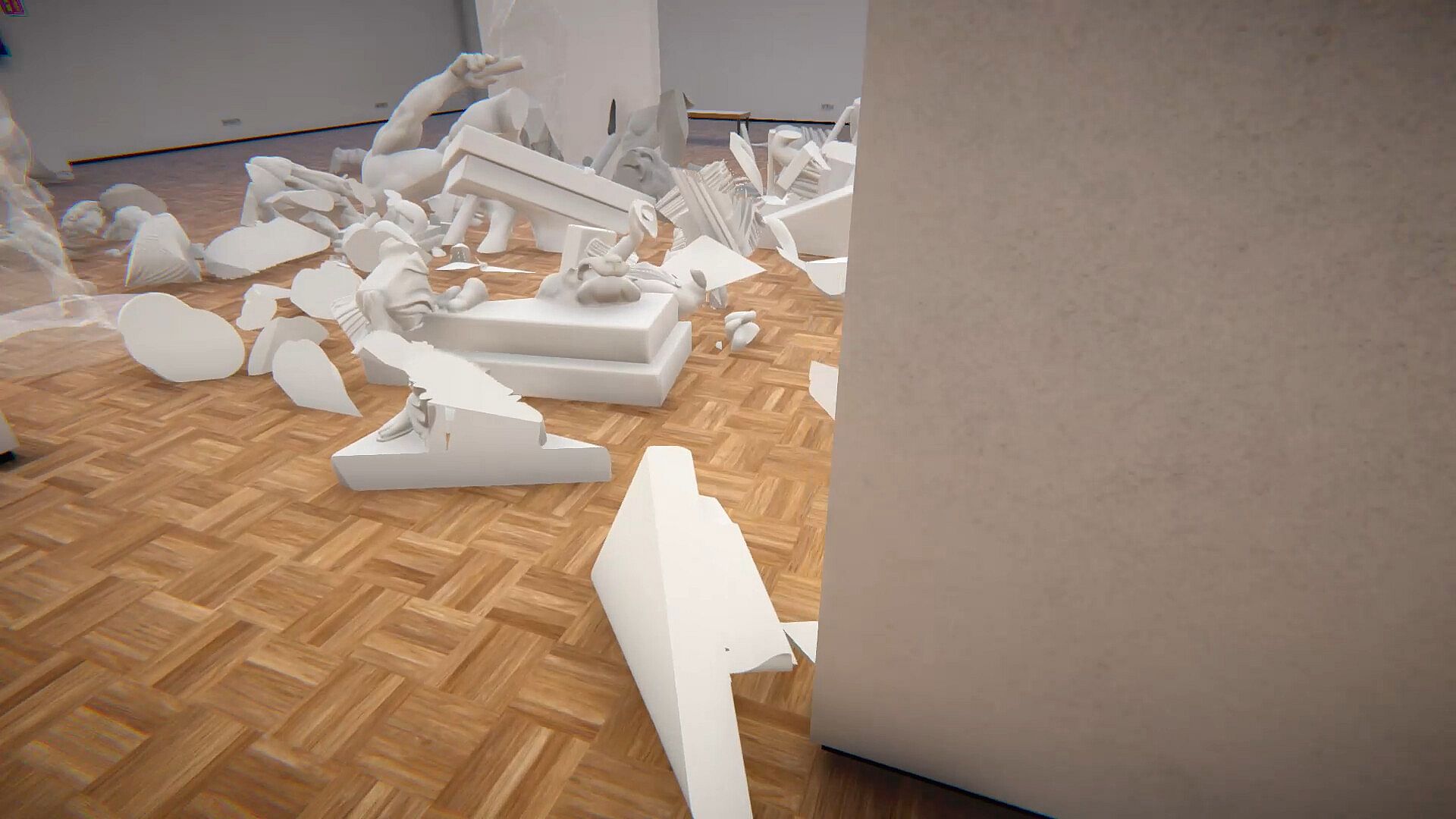
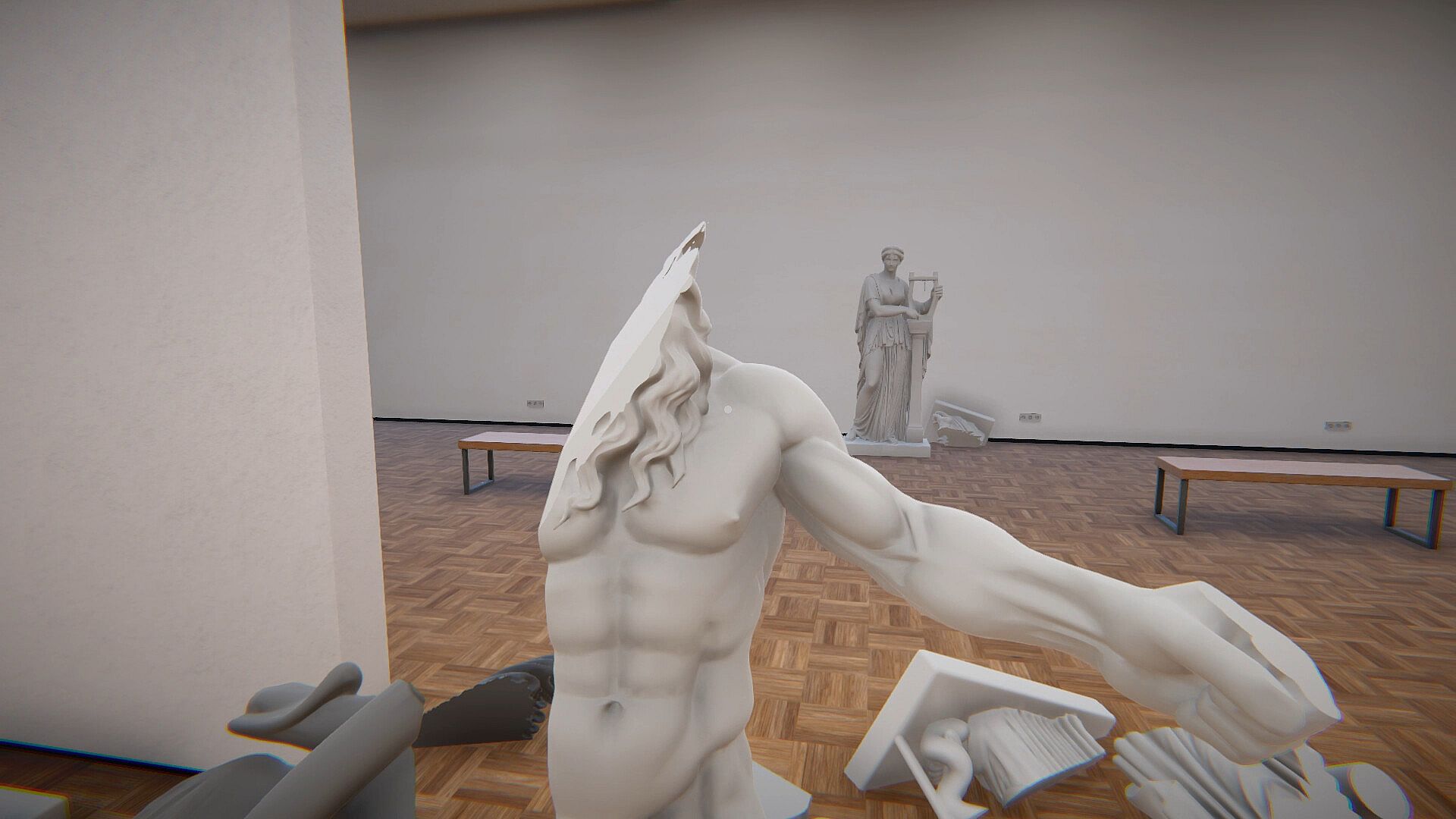
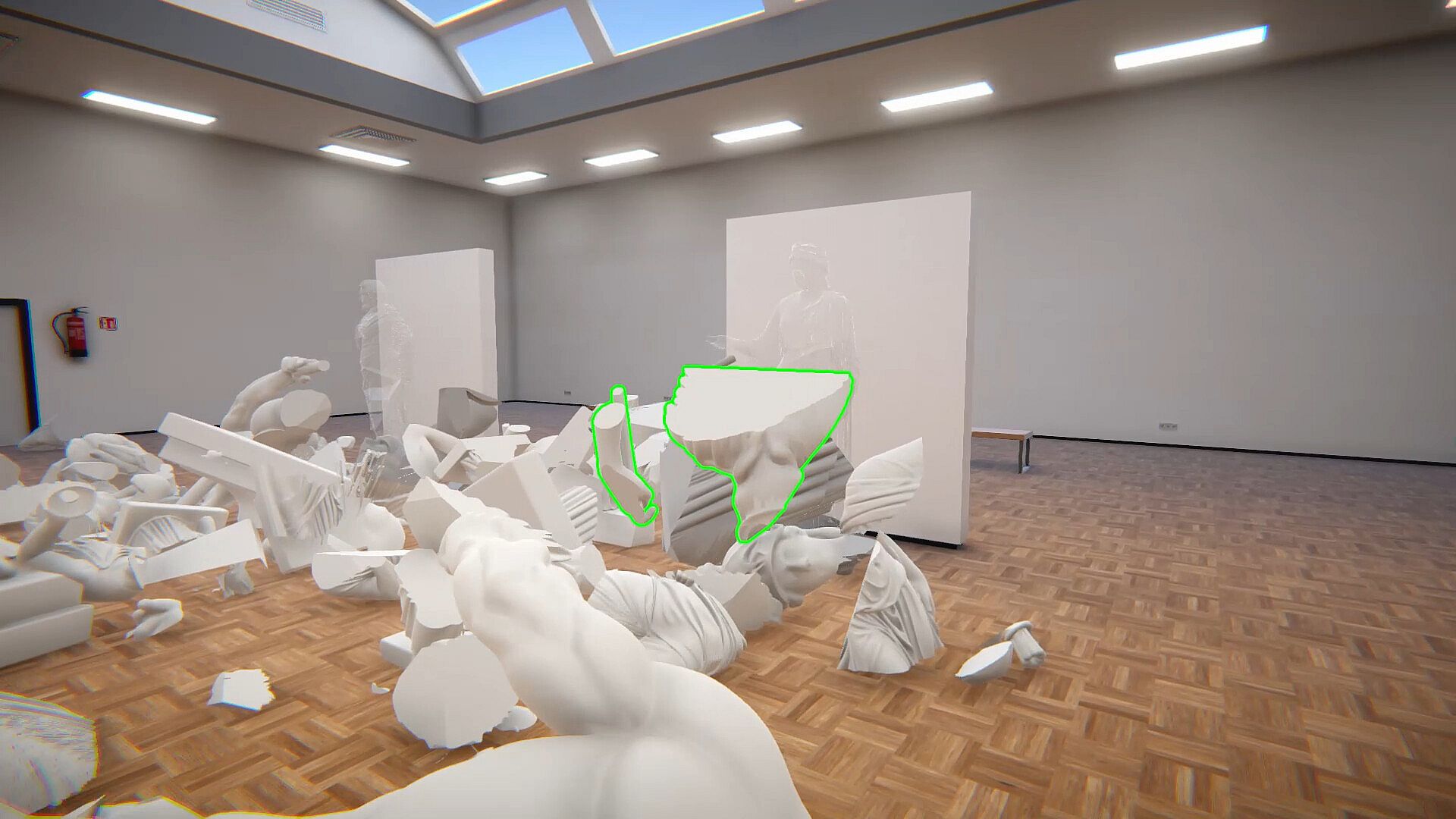
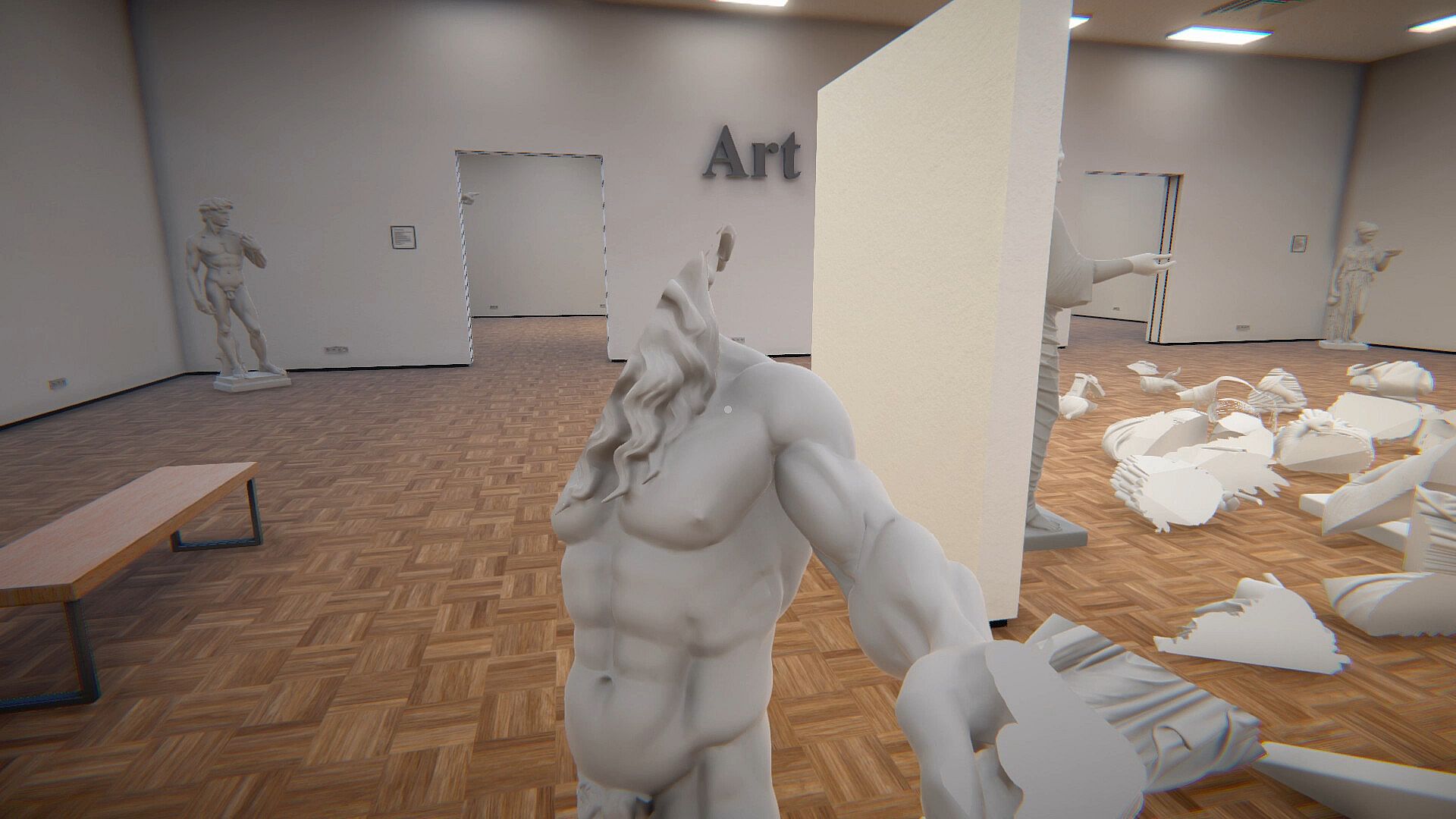
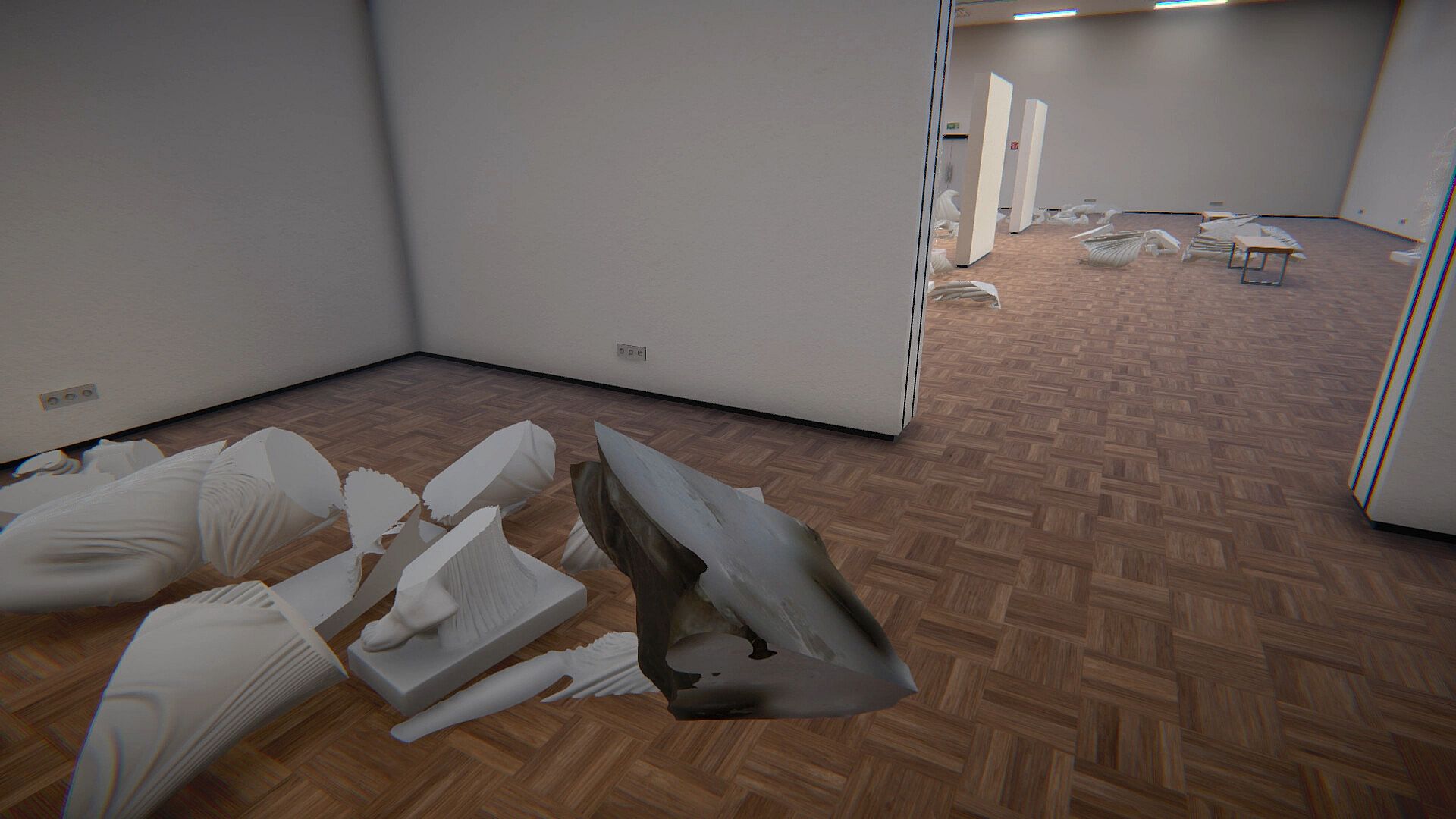
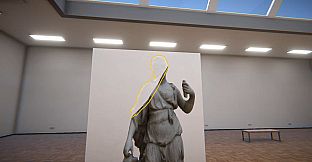
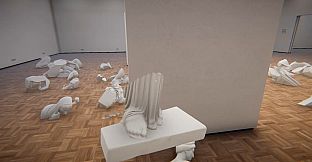
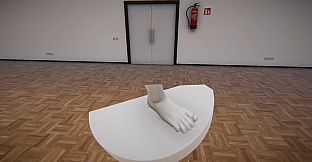
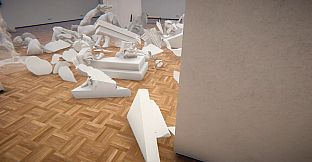
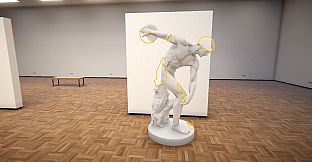
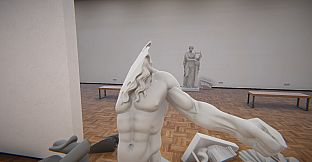
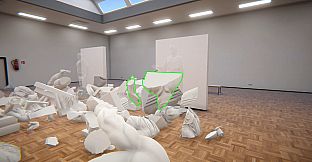
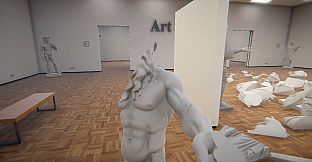
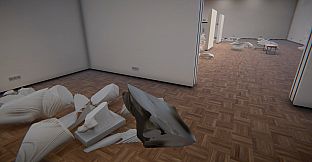
Statue Gallery: Back in One Piece é um jogo casual indie para PC que combina exploração em primeira pessoa com a restauração de esculturas em uma galeria. O jogador percorre um espaço desorganizado repleto de obras históricas danificadas, recolhe fragmentos espalhados e os encaixa novamente para devolver a ordem ao ambiente. A experiência valoriza a observação cuidadosa, a associação lógica e o avanço gradual por meio de tarefas interligadas.
Gameplay
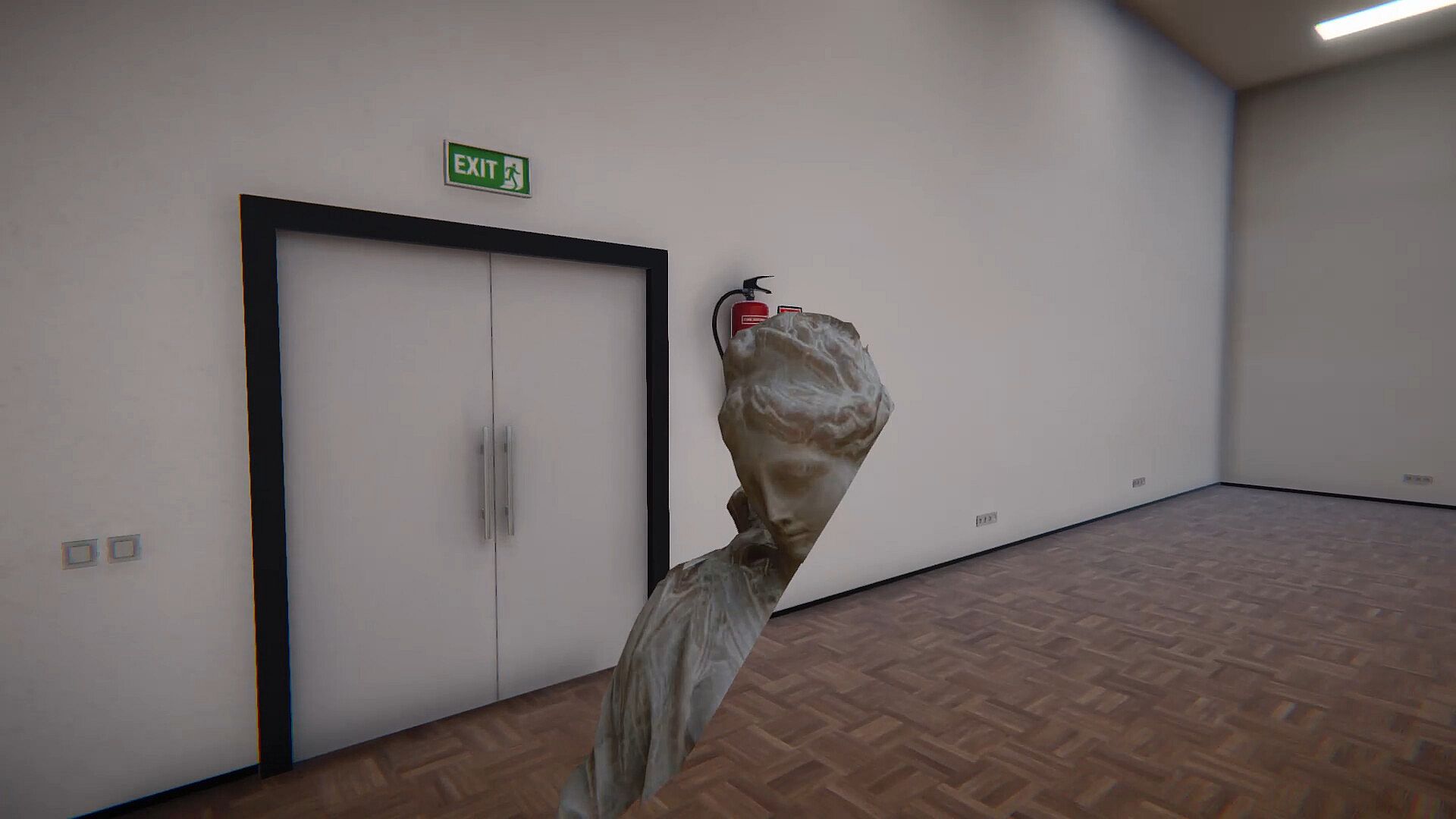
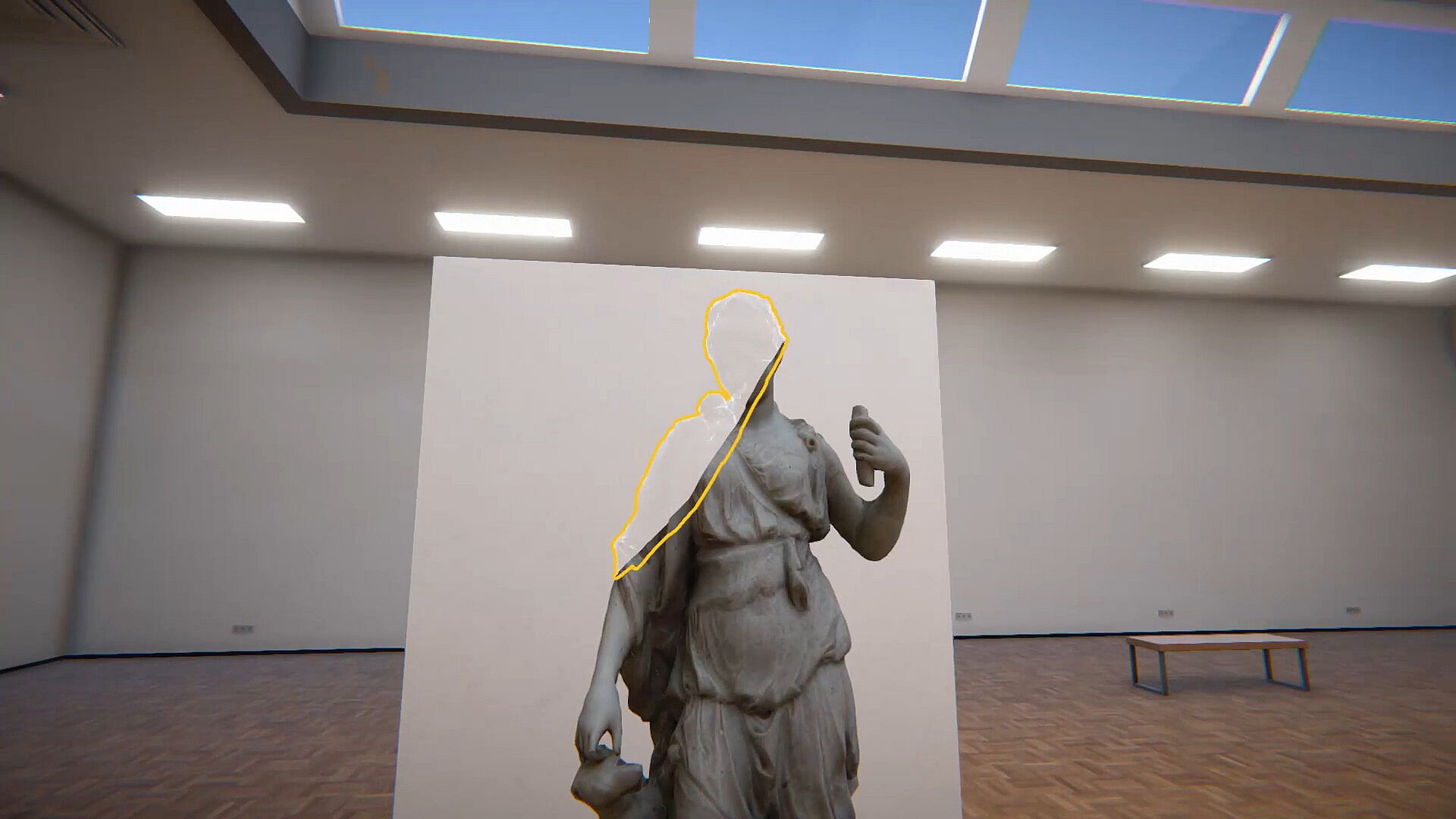
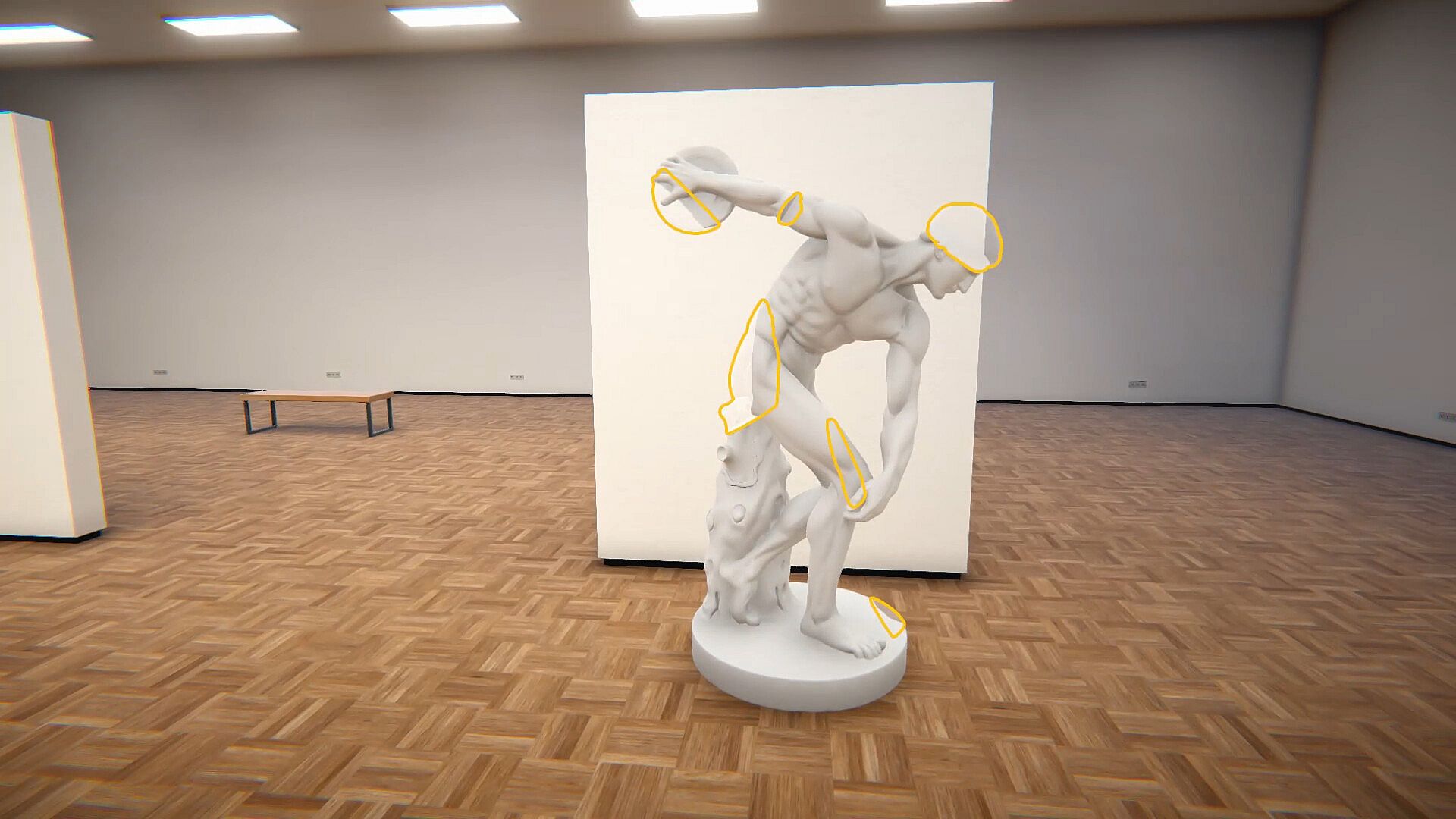
O ciclo principal consiste em caminhar pela galeria em primeira pessoa para localizar e coletar pedaços de mármore e outros materiais de esculturas quebradas. Cada fragmento precisa ser examinado para identificar sua origem e, depois, encaixado na posição correta da estátua correspondente. Esse processo restaura gradualmente os expositores e transforma o espaço de um ambiente bagunçado em uma coleção coerente.
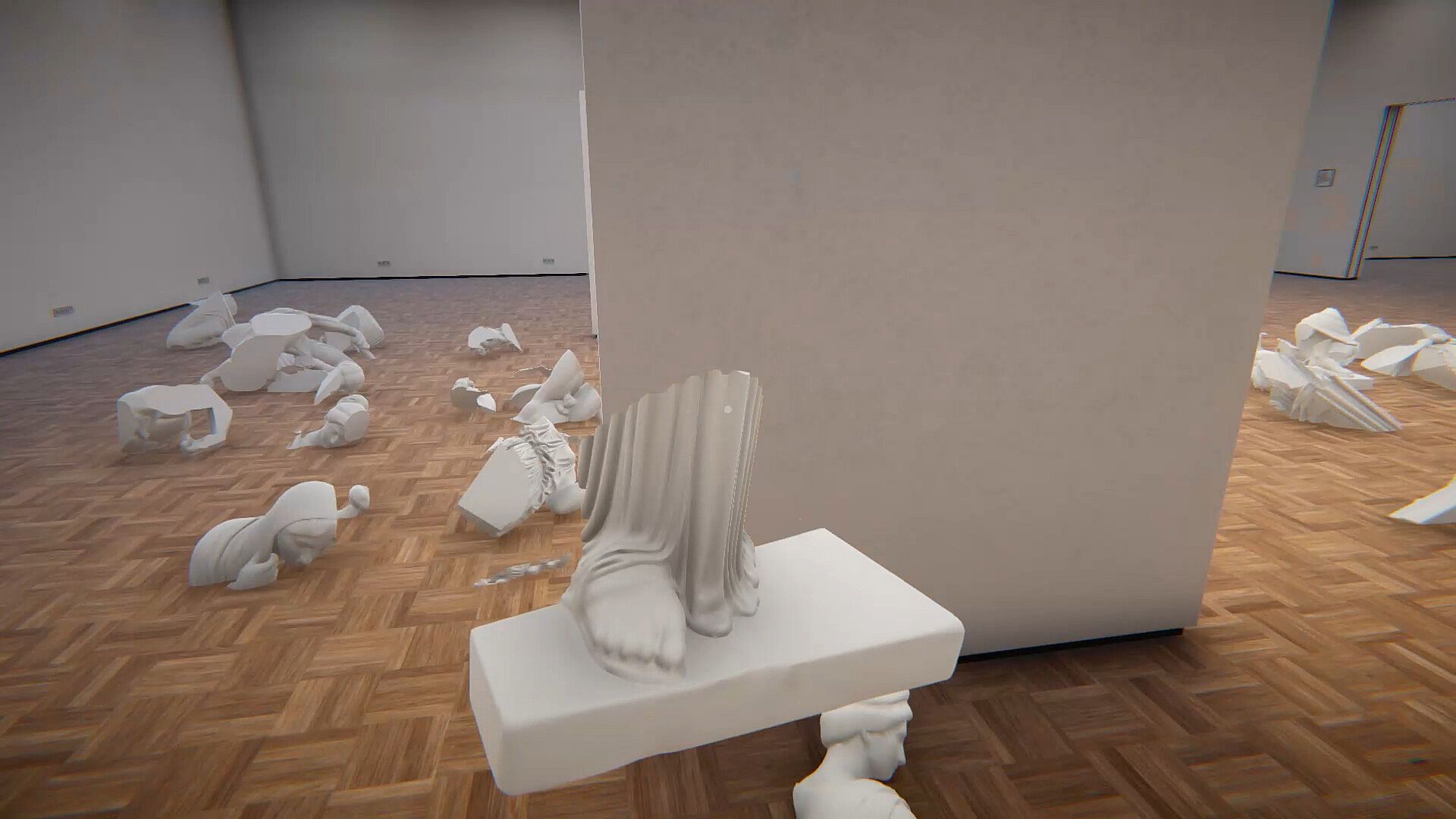
A exploração é parte essencial da atividade, pois os fragmentos podem estar em diferentes pontos da galeria. O jogador procura em prateleiras, pisos e outras superfícies, prestando atenção a detalhes como forma, textura e estilo histórico para encontrar as correspondências. A tarefa se torna mais complexa à medida que novas esculturas são acessadas, exigindo atenção constante aos padrões e às conexões entre várias obras.
A restauração avança por meio de ciclos repetidos de coleta e posicionamento. Concluir cada estátua contribui para a limpeza geral, e cada encaixe bem-sucedido revela mais da obra original e reduz a desordem ao redor. A mecânica recompensa abordagens metódicas, já que a pressa pode resultar em peças mal posicionadas que precisam ser recolhidas novamente.
Modos de Jogo
O jogo é uma experiência single-player focada no processo de restauração. Não há modos competitivos ou cooperativos, permitindo concentração total no ambiente da galeria e na sequência de reparos. O progresso acontece por meio de uma campanha contínua de exploração e montagem, sem etapas ou rodadas distintas.
Leaderboards oferecem uma camada opcional para acompanhar métricas como velocidade de conclusão ou eficiência entre sessões. Conquistas reconhecem marcos específicos no trabalho de restauração, incentivando um jogo mais completo sem alterar a estrutura fundamental de single-player. O design mantém o foco na descoberta pessoal e na melhoria gradual dentro da galeria.
Progressão e Habilidades
À medida que as esculturas são restauradas, o jogador acumula pontos de conhecimento que alimentam uma árvore de melhorias. Esses pontos permitem aumentar a capacidade de carga, acelerar o reconhecimento de componentes ausentes e melhorar o manuseio do crescente número de fragmentos. As melhorias tornam as tarefas seguintes mais fáceis, reduzindo o tempo gasto em ações básicas.
O sistema de upgrades incentiva o retorno à galeria. As primeiras melhorias priorizam eficiências práticas, como mover peças pesadas com mais rapidez, enquanto as opções posteriores desenvolvem a capacidade de antecipar onde os fragmentos se encaixam com base em correspondências anteriores. Essa progressão se integra diretamente ao ciclo principal, transformando desafios iniciais em operações mais fluidas com o tempo.
- Carregar mais peças sem precisar voltar com frequência às áreas de armazenamento
- Identificar estátuas incompletas a distâncias maiores
- Gerenciar pontos de conhecimento para priorizar habilidades relevantes
Vale a Pena Jogar?
Statue Gallery: Back in One Piece é indicado para quem aprecia quebra-cabeças casuais baseados em observação e montagem. O formato single-player e a progressão por upgrades criam uma sensação constante de realização à medida que a galeria toma forma, atraindo jogadores que preferem tarefas metódicas de restauração em vez de ação acelerada.
Com foco em temas de escultura histórica e navegação em primeira pessoa, o jogo oferece uma experiência contida que recompensa a atenção aos detalhes. A ausência de elementos multiplayer mantém o ritmo tranquilo e no próprio tempo do jogador. Quem gosta de títulos indie casuais com objetivos claros e resultados visíveis dos próprios esforços encontrará as atividades centrais alinhadas a essa preferência. O jogo ainda está em fase de pré-lançamento, portanto o polimento final e o conteúdo adicional influenciarão seu apelo a longo prazo.