






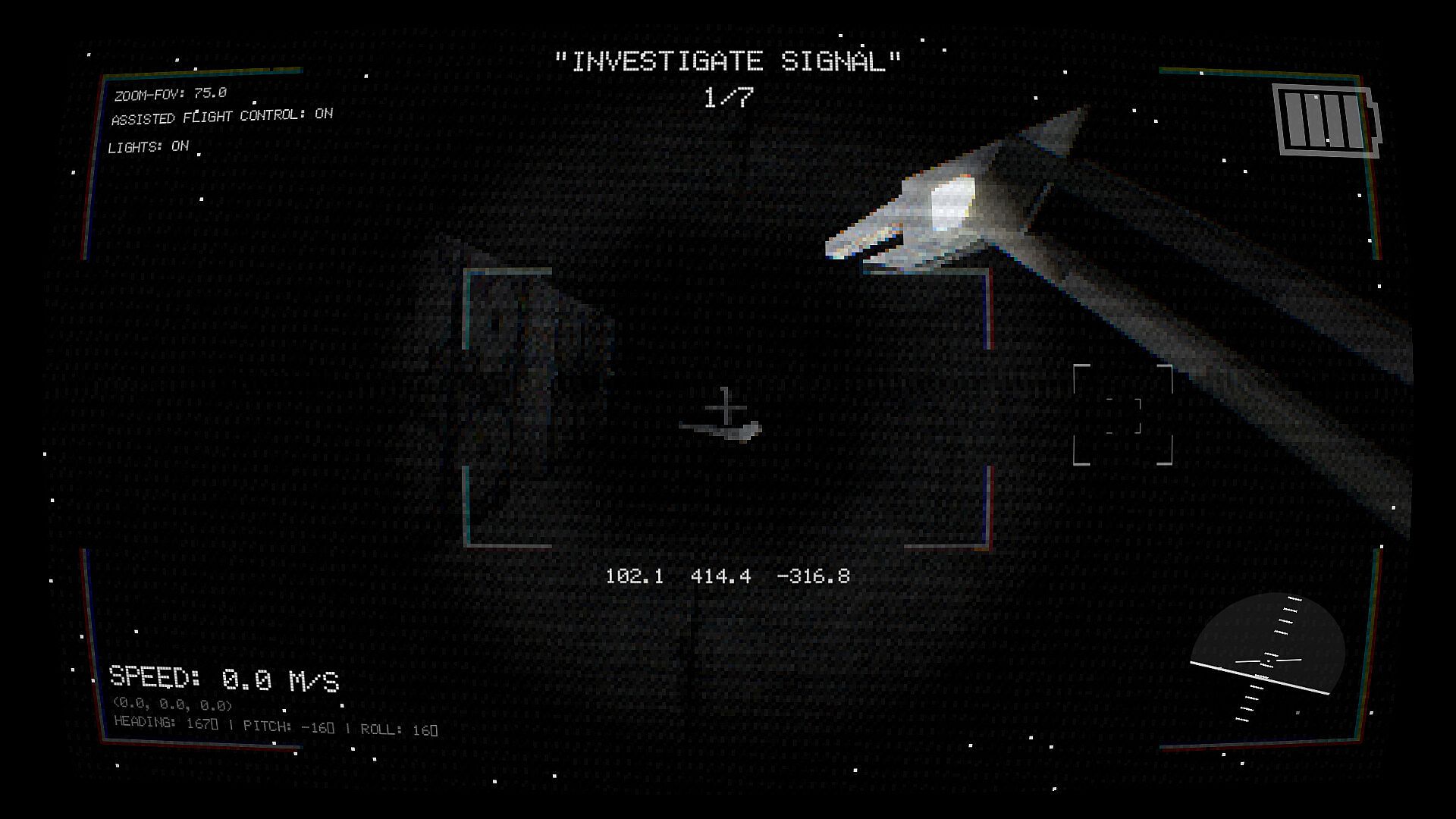
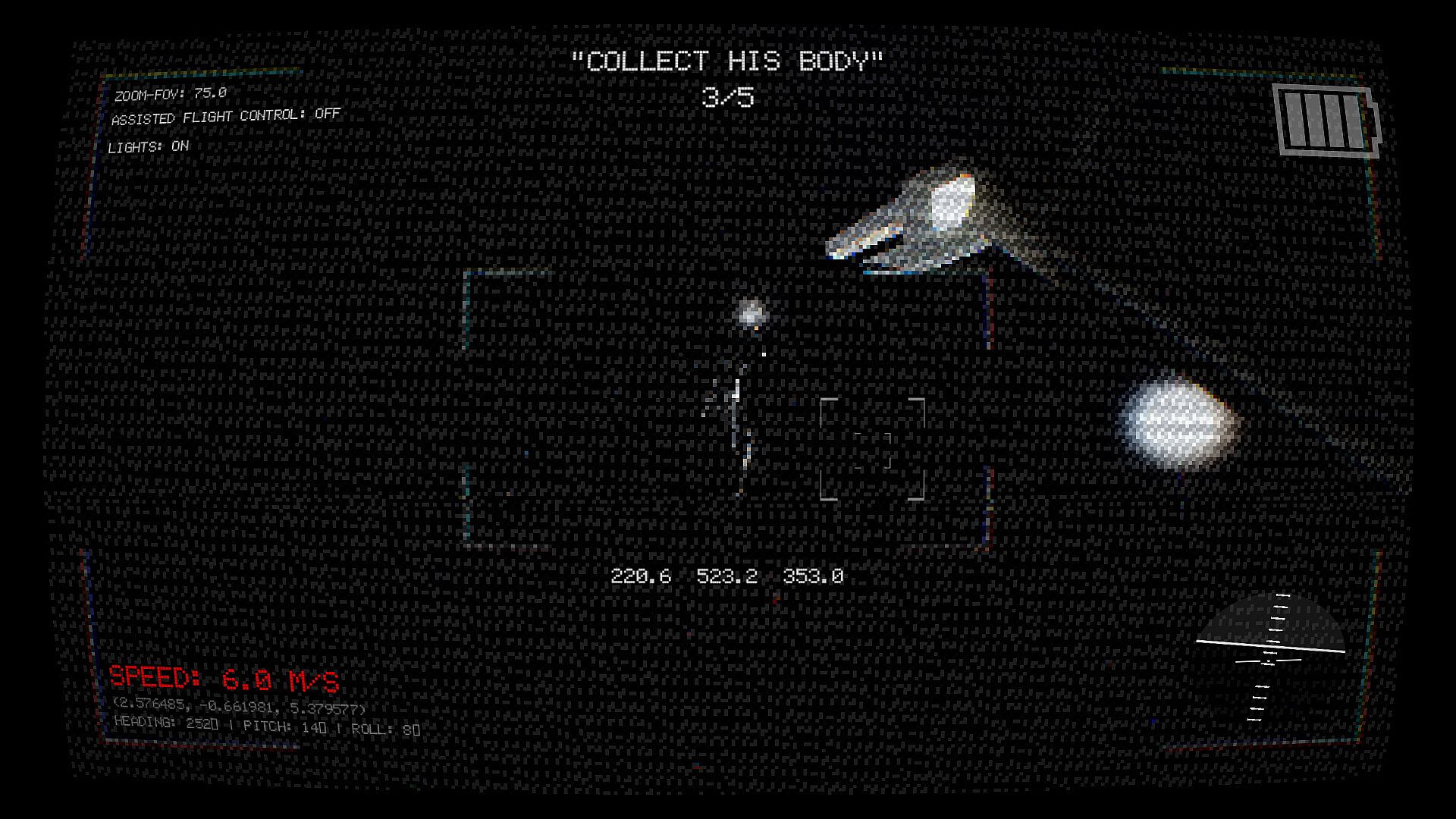
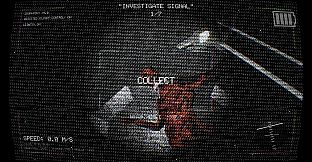
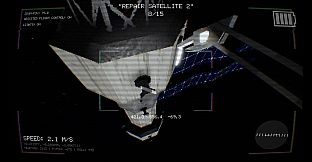
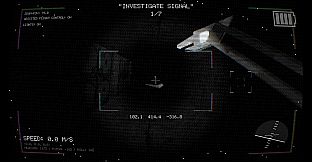
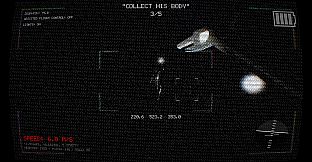
Station-14 is a single-player indie simulation horror game set aboard a derelict space station. Players assume control of a space drone sent to investigate the abandoned facility, with the experience centered on precise movement, environmental interaction, and gradual mechanical failure.
Gameplay
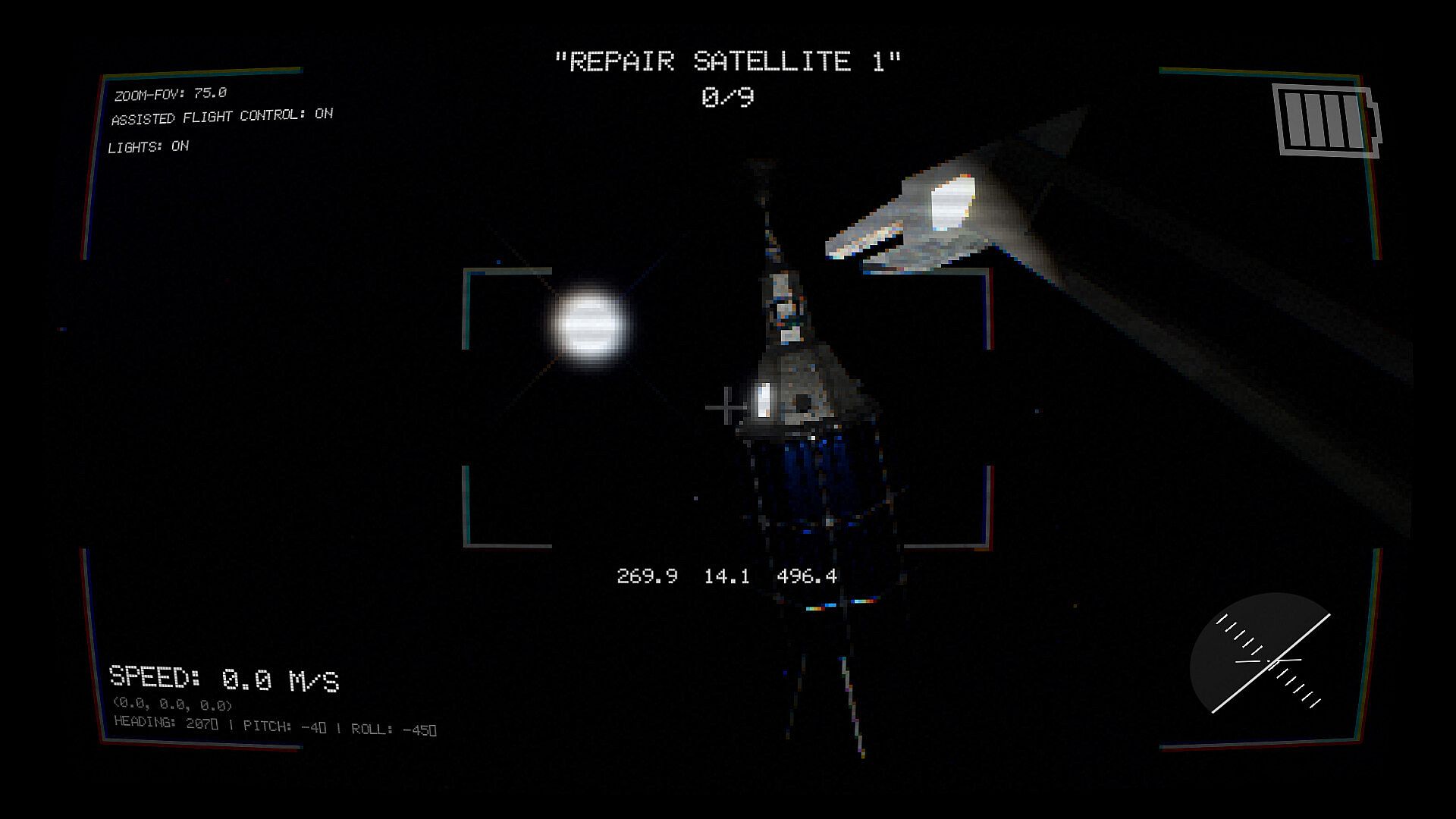
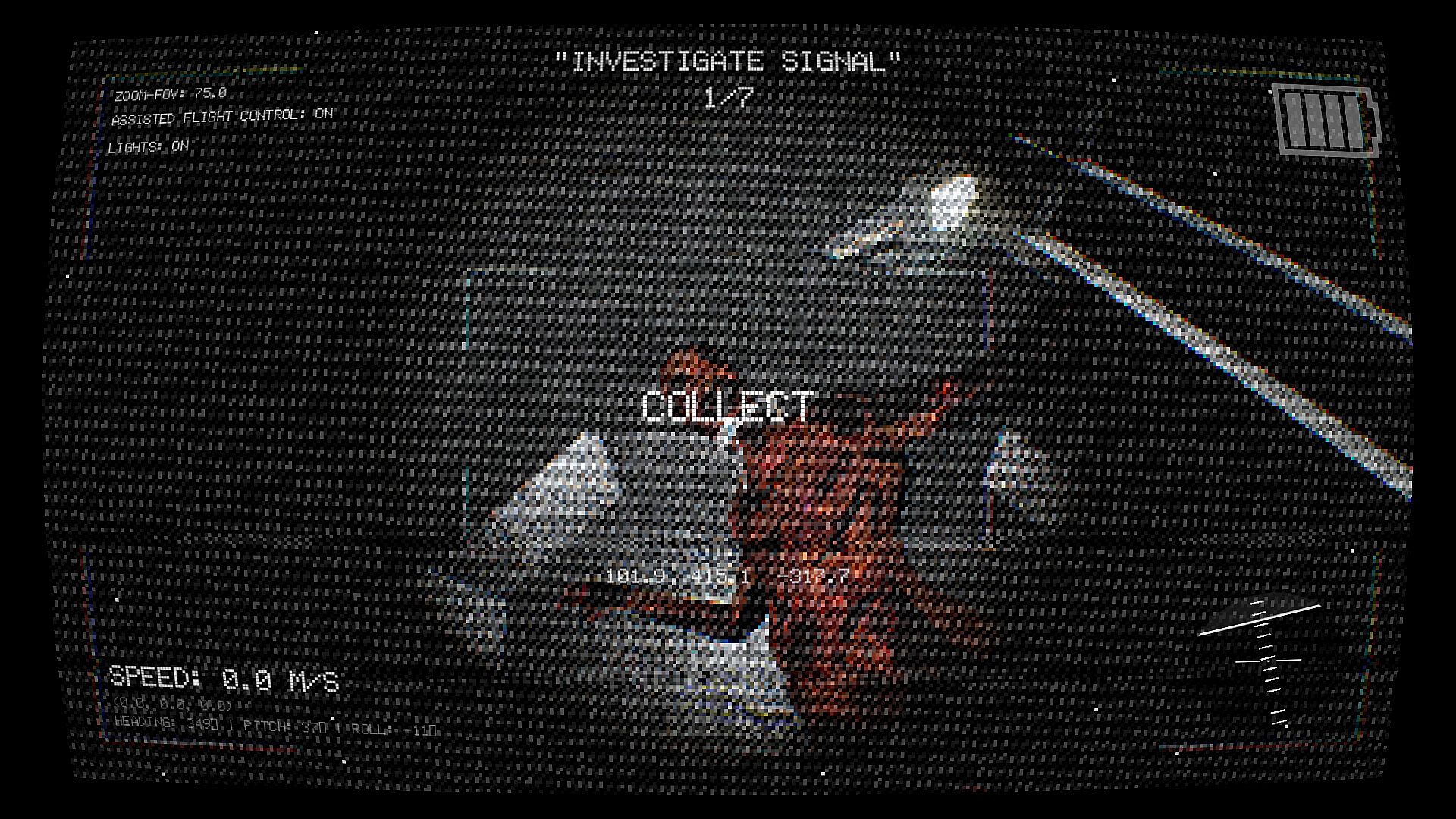
The core loop revolves around piloting the drone through confined corridors and open sections of the station. Movement feels deliberate and weighty, requiring careful navigation around obstacles and tight spaces where a single misstep can lead to collisions or lost progress. Exploration forms the backbone of each session, as the drone scans rooms, documents findings, and uncovers traces of what went wrong aboard the station.
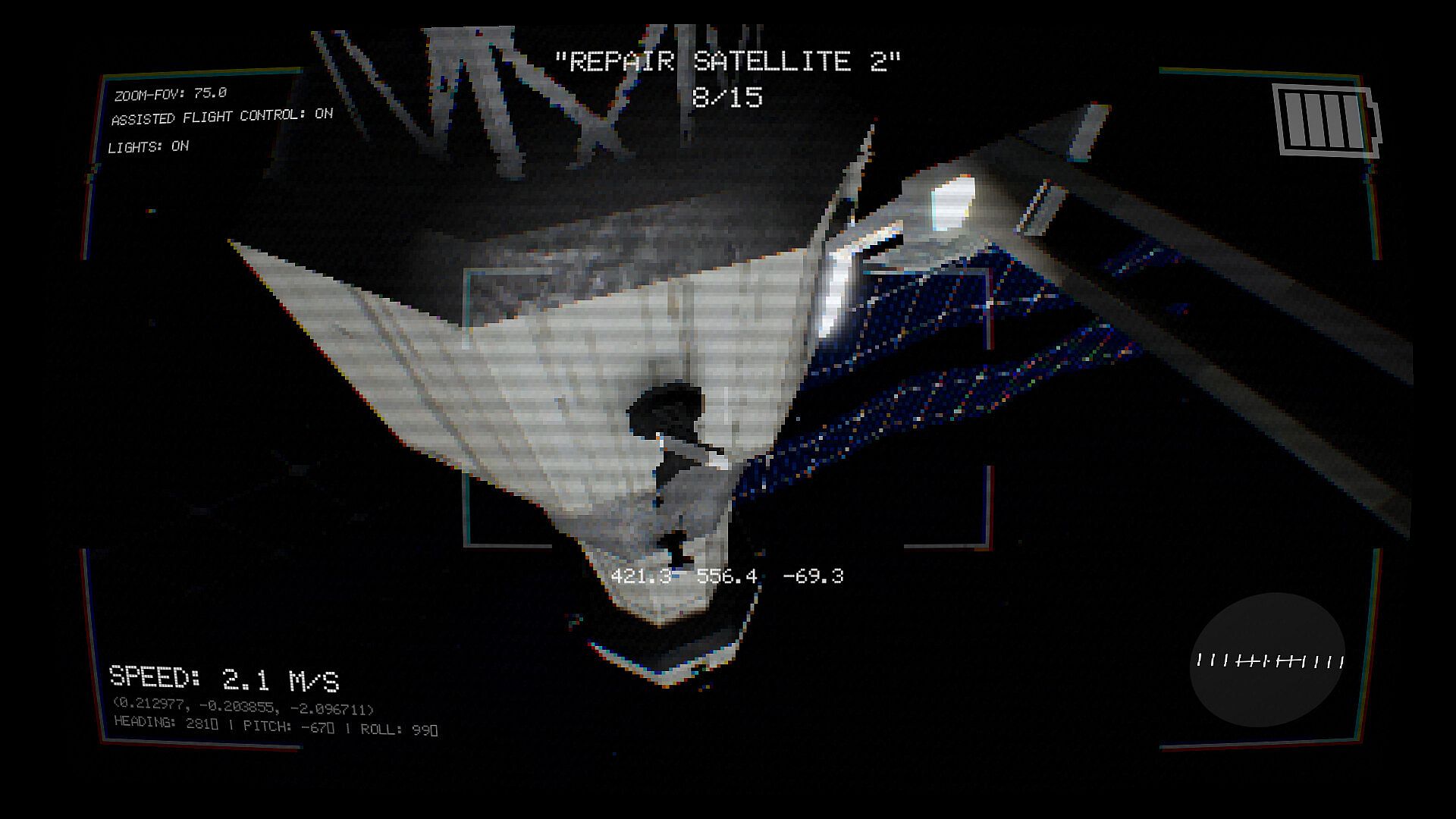
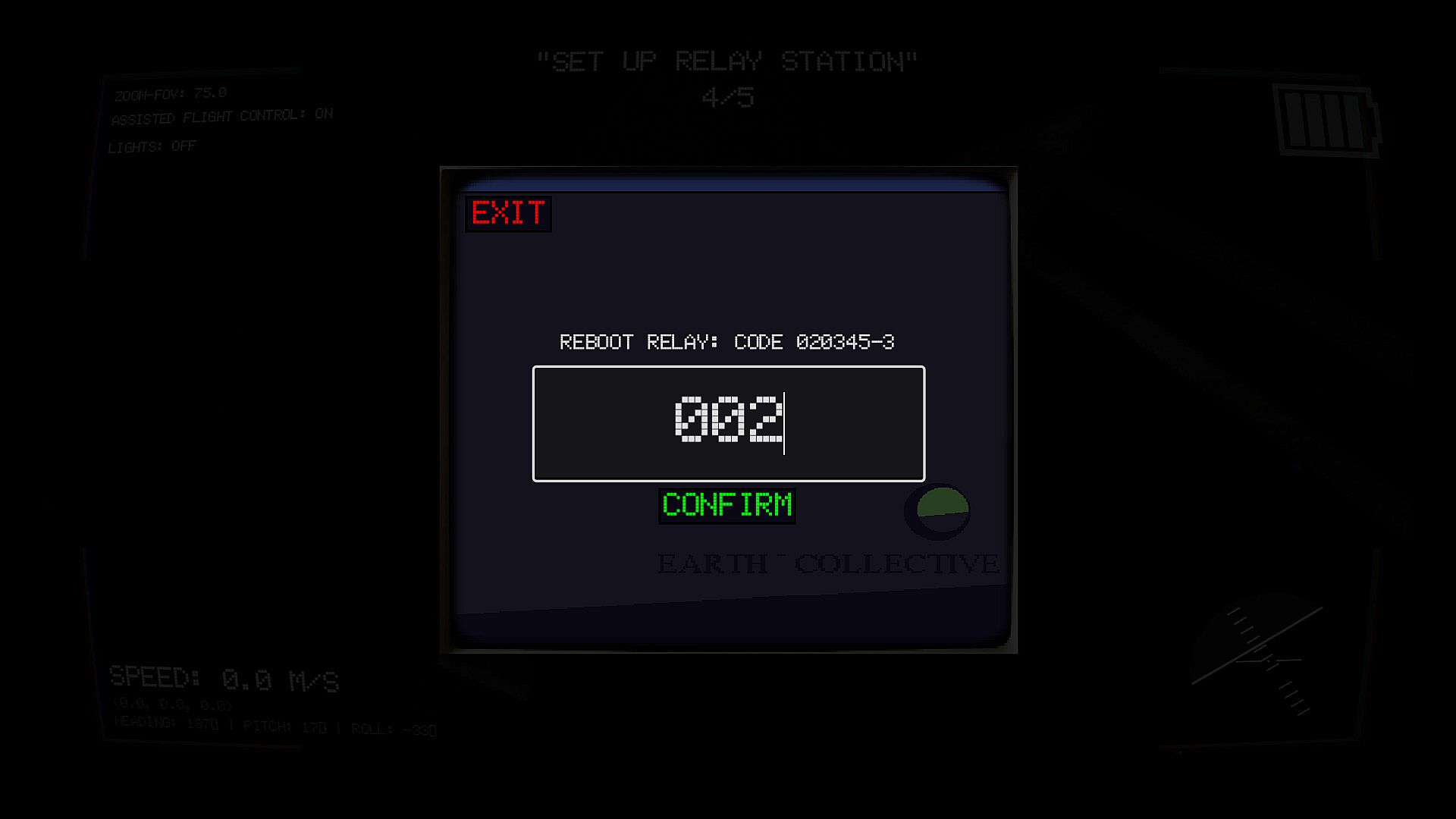
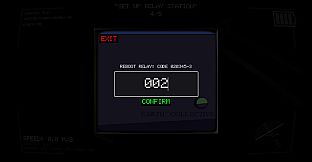
Repair tasks add a layer of hands-on simulation. The drone must interact with damaged components to restore power, seal breaches, or stabilize systems, all while managing limited resources and time. These actions demand attention to detail, as incomplete fixes can compound problems later in the run. The environment itself plays a role, with the vacuum of space influencing how sound travels and how objects behave when disturbed.
As the session advances, the drone begins to show signs of strain. Controls grow less responsive, systems glitch, and visual or audio feedback shifts to reflect the deteriorating condition. This progression builds tension without relying on external threats, instead turning the player's own tool into an unreliable partner. The sound design emphasizes isolation, with subtle creaks, distant echoes, and the persistent hum of failing equipment underscoring the emptiness of the station.
Game Modes
Station-14 presents a single, focused experience rather than multiple distinct modes. The session follows a linear investigation path that incorporates exploration, maintenance, and the inevitable malfunction sequence. There are no separate multiplayer options, competitive variants, or branching campaigns confirmed in available details. The emphasis remains on one continuous playthrough that highlights the drone's capabilities and limitations in sequence.
Progression ties directly to the drone's state. Early stages prioritize thorough scanning and repairs, while later stages force adaptation to impaired functions. This structure keeps the experience concise and self-contained, with each element building on the last to create a complete narrative arc through gameplay alone.
Atmosphere and Setting
The derelict station serves as more than a backdrop. Its layout encourages methodical traversal, with narrow maintenance shafts contrasting against larger central areas that once housed crew activities. Visuals lean into functional, utilitarian design typical of space habitats, now marked by neglect and decay. Lighting and particle effects help convey the lifeless quality of the environment, while the drone's perspective keeps the player grounded in its mechanical viewpoint.
Audio cues reinforce the sense of solitude. The absence of human voices or active machinery leaves room for the subtle distortions caused by the vacuum and the drone's own systems. Malfunction sequences introduce new layers of distortion and feedback, turning familiar controls into sources of unease. The overall tone stays grounded in simulation rather than overt scares, letting the slow erosion of functionality carry the horror.
Is It Worth Playing?
Station-14 suits players who appreciate short, atmospheric experiences that blend simulation mechanics with horror elements. Its strength lies in the tactile drone controls and the way malfunctions alter the core loop over time. Those drawn to methodical exploration and maintenance tasks in a confined sci-fi setting will find the focused scope rewarding, while anyone seeking longer campaigns or varied multiplayer sessions may find the brevity limiting.
The game delivers a self-contained session that prioritizes immersion through its systems rather than expansive content. Its indie scale means expectations should align with a concise title rather than a sprawling simulator. For fans of drone-based or maintenance-focused horror, the combination of realistic movement, repair work, and progressive failure offers a distinctive take on the genre.