






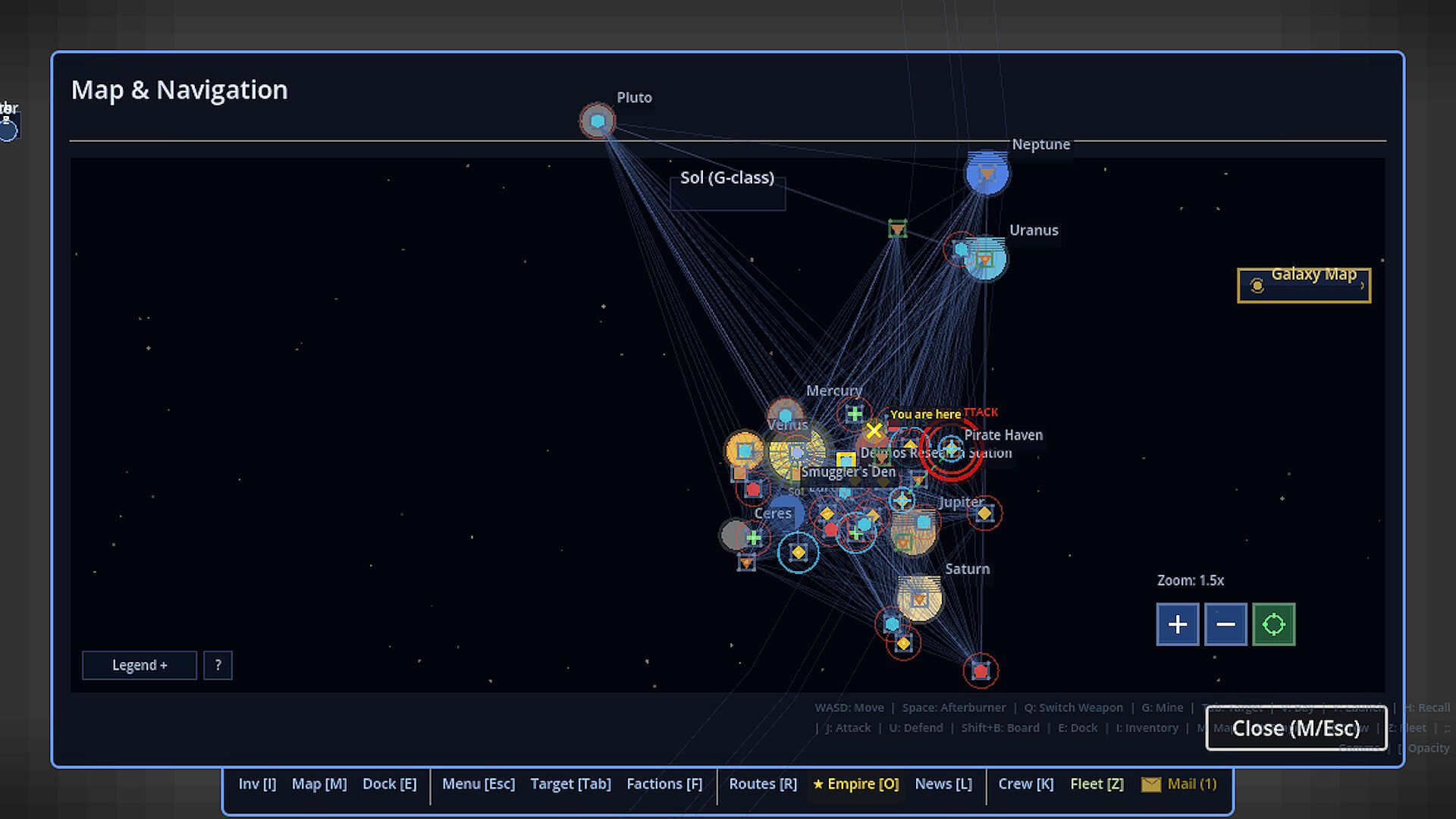
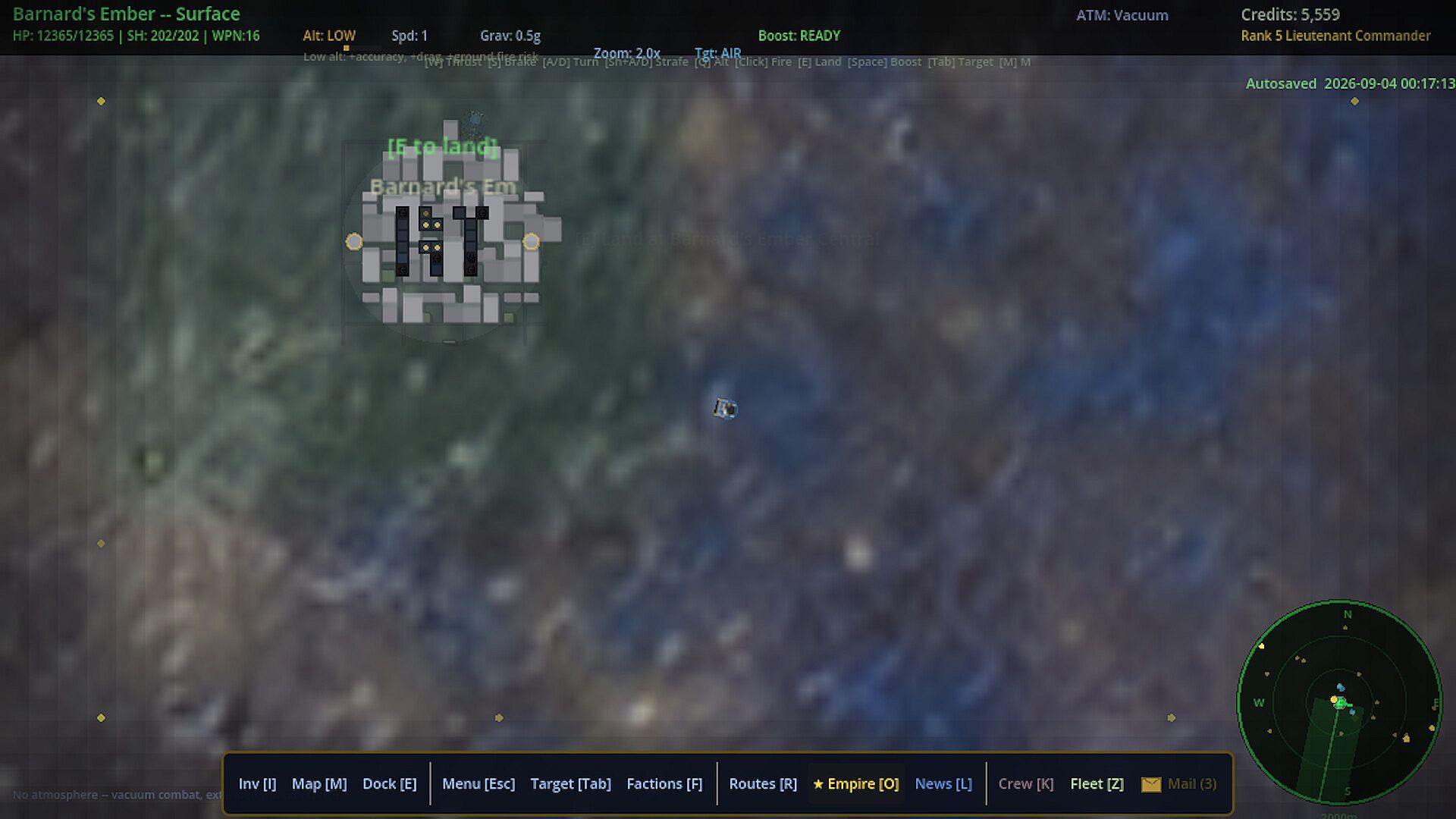
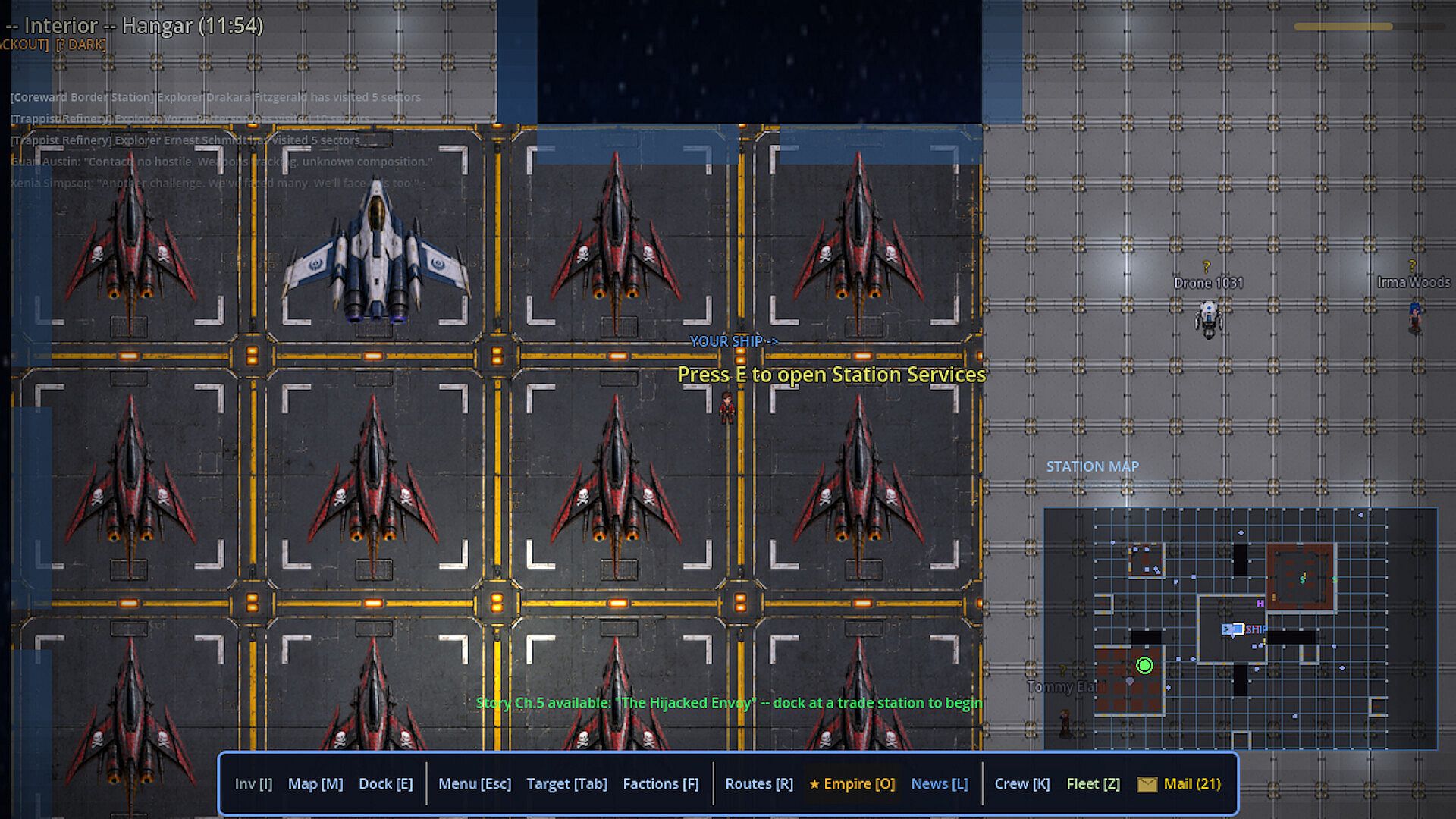
Star Heir: Dark Crusade is a living space simulation that blends action, strategy, indie development, RPG elements, simulation depth, and adventure across a vast galaxy. Set in the Star Heir universe during the ongoing conflict with the Nephilim, the game places players in the role of a captain navigating a period between major story events where alliances hold but threats persist. Players build and command ships, manage resources, and interact with a dynamic environment spanning 56 star systems and over 20 factions that operate independently.
Gameplay
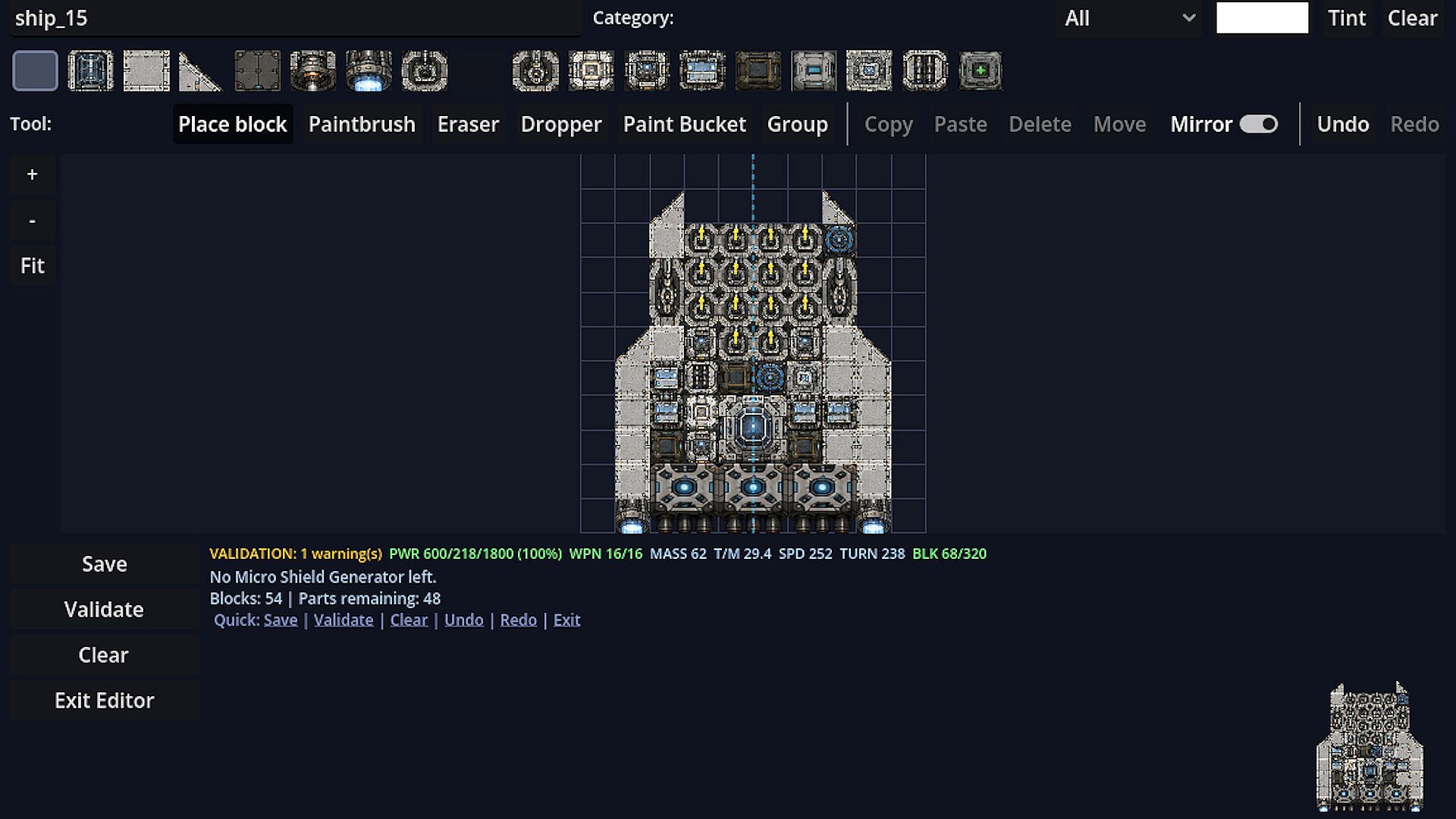
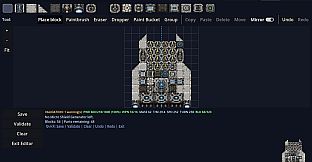
The core loop centers on ship construction and fleet management in a finite-resource setting. Players use a voxel-based editor in the shipyard to modify or design vessels from scratch, selecting from 27 ship classes that range from small interceptors to large capital ships. Resources require mining, refining, and manufacturing before shipyards produce new vessels, which means every addition to a fleet carries real costs in time and materials.
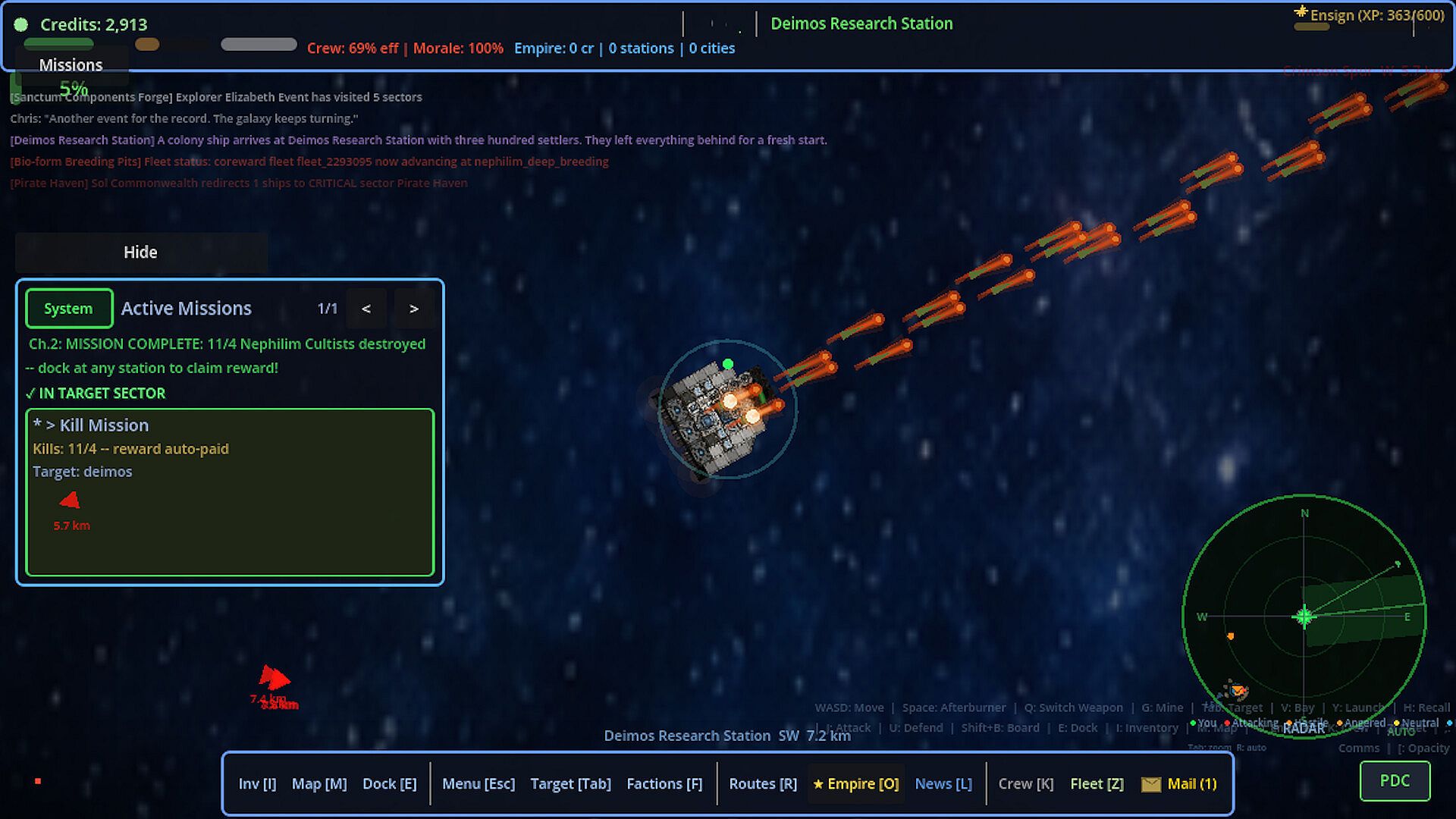
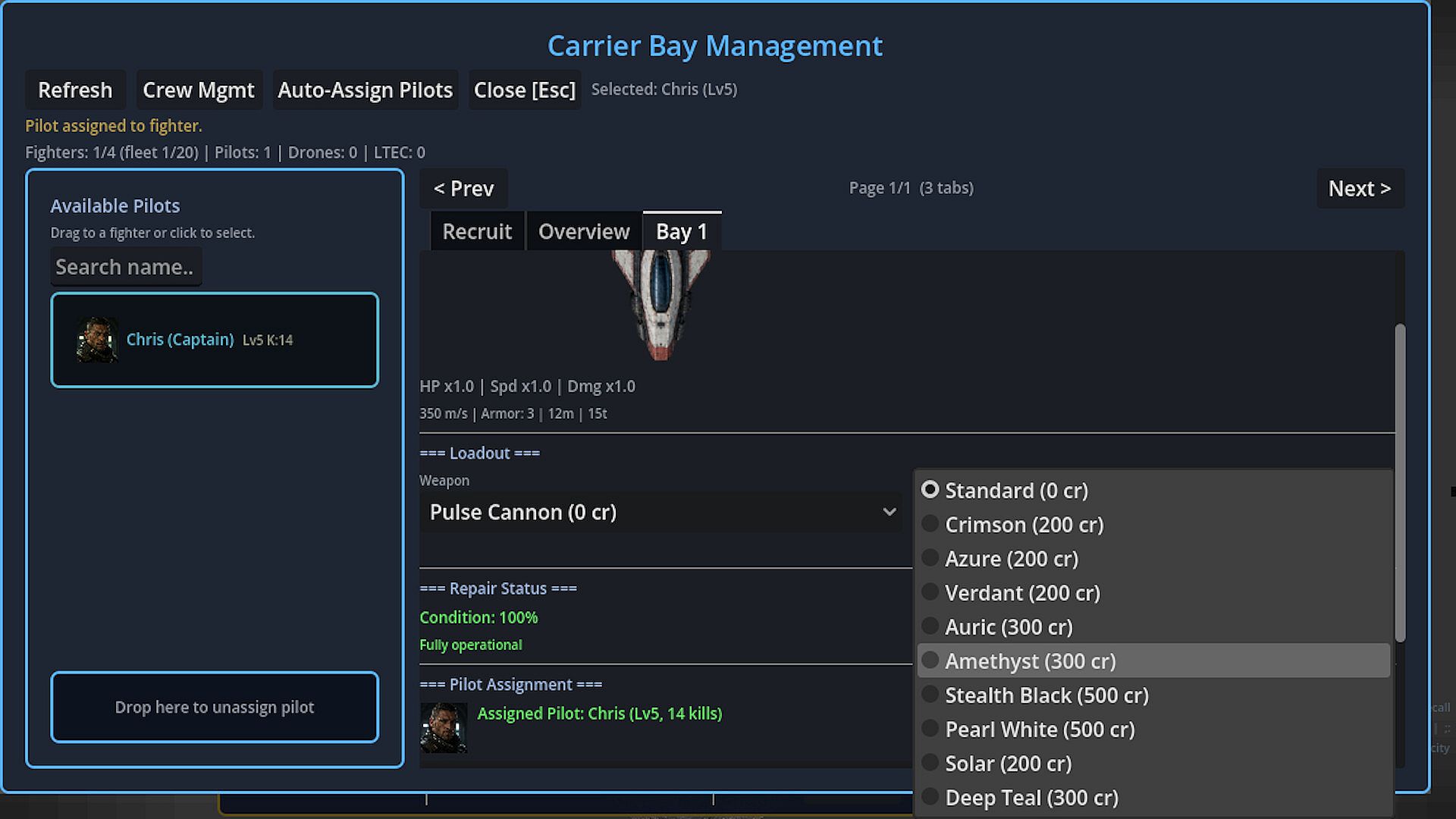
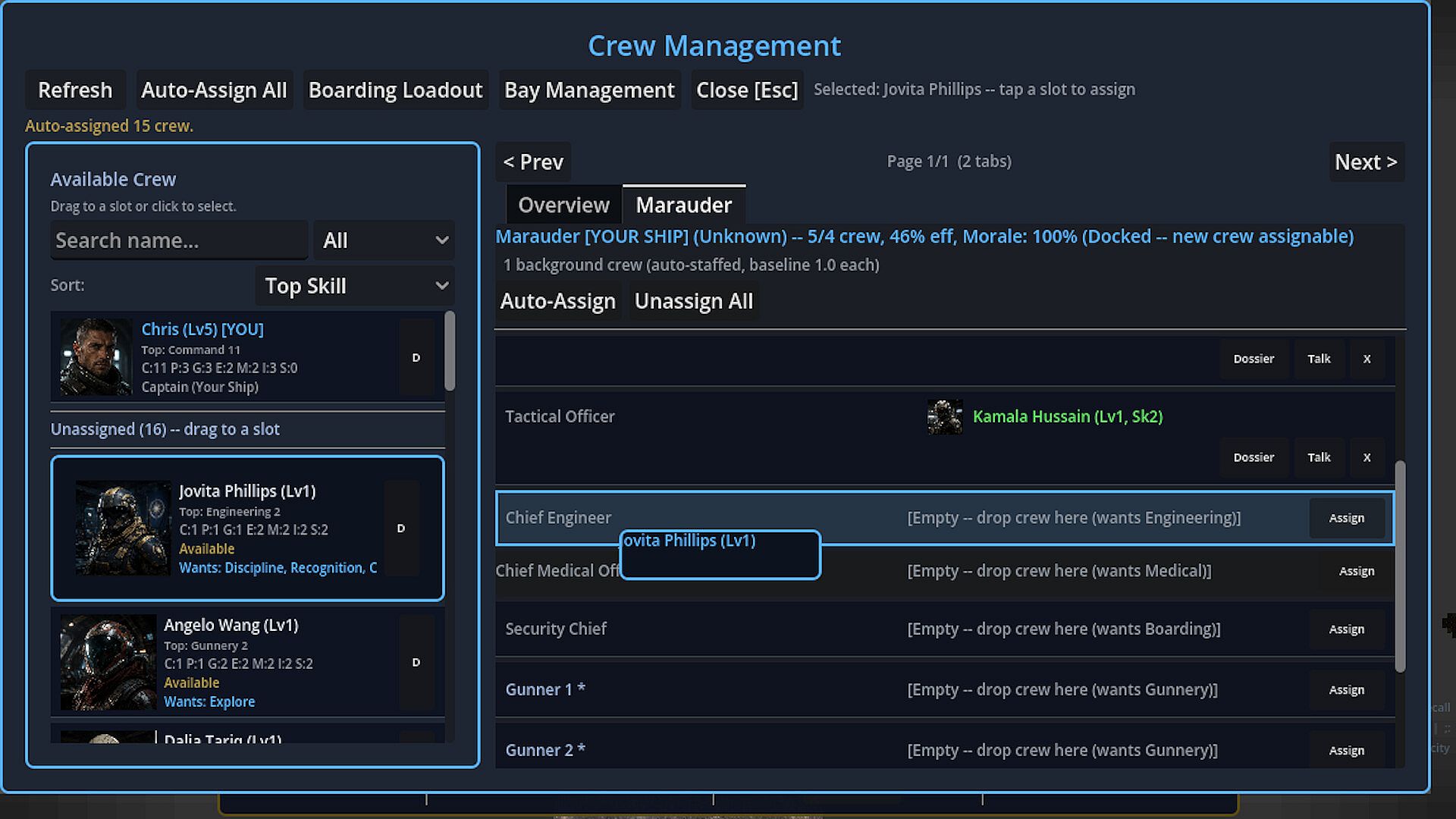
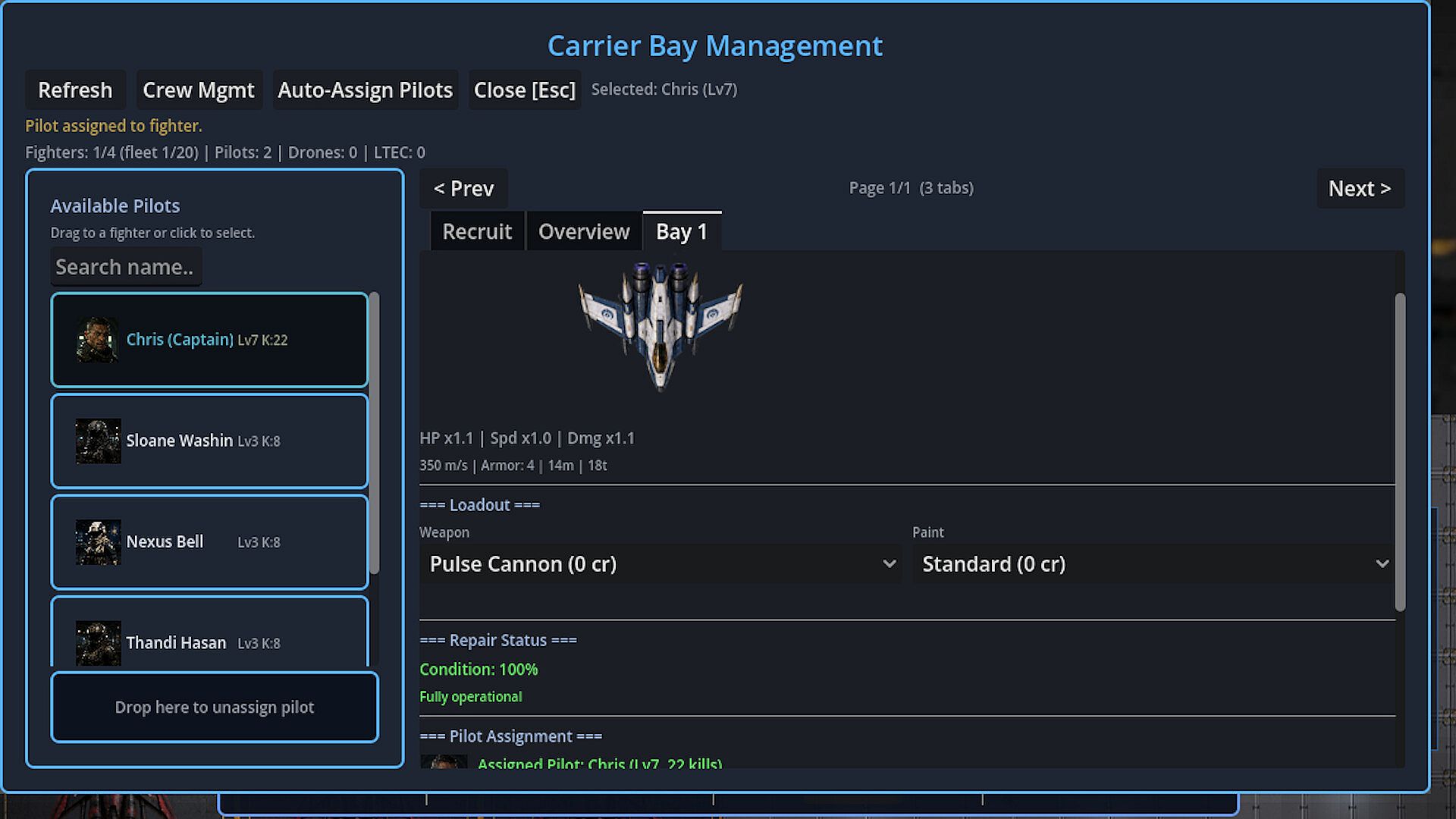
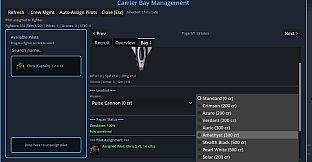
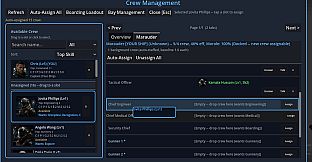
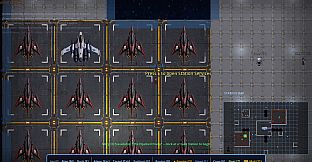
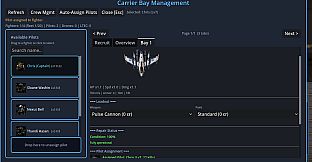
Crew management adds layers to operations. Captains hire personnel and assign them to stations, equip boarding crews with pods or landers, and deploy fighters or mechs from hangars, including LTEC units that players can pilot directly. Captured or built ships and stations expand into personal empires. Combat involves organized NPC fleets with commanders directing formations, roles like flagships and escorts, and decisions on reinforcements or retreat based on losses.
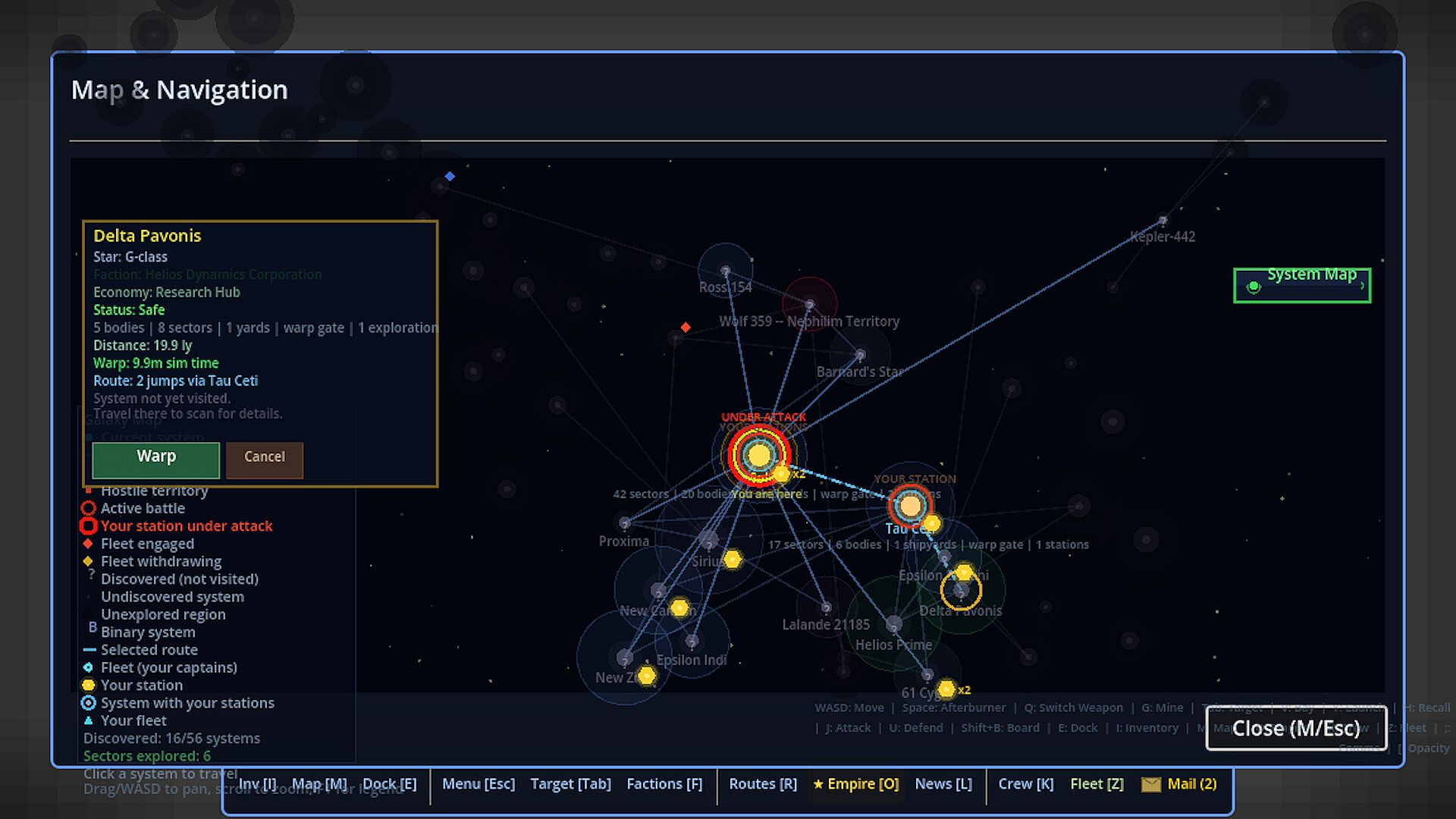
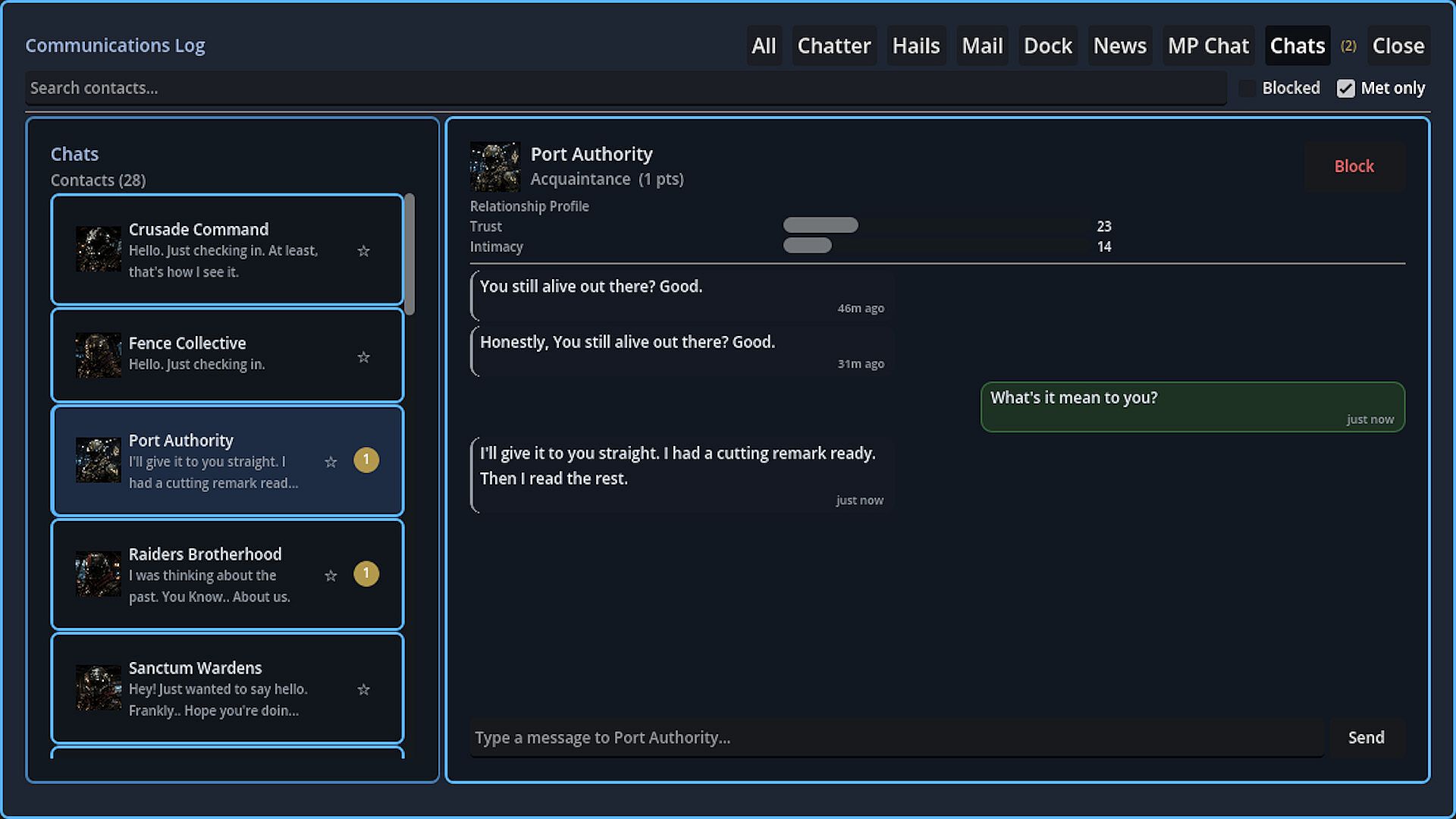
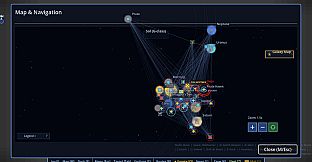
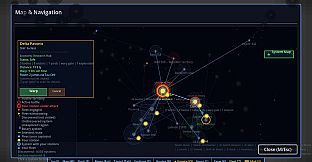
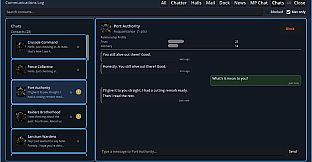
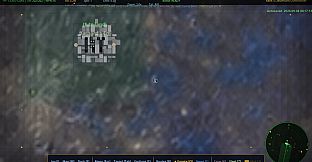
Exploration uses fog-of-war mechanics across the star systems. Missions include bounties, combat operations, and narrative objectives. Trade routes, salvaging, and diplomacy connect the economy, where faction relations and personal reputation influence deals. Relationships with signature characters develop through conversations, promises, and actions, affecting alliances and story branches independently of the player.
Game Modes
The experience focuses on single-player progression within the living galaxy. Factions pursue their own agendas in real time, mining, trading, warring, and rebuilding regardless of player involvement. This creates emergent situations where ignored threats grow or destroyed supply lines alter outcomes. Players choose paths such as trader, salvager, mercenary, fleet commander, explorer, or diplomat, with no single correct approach to survival or empire growth.
Multiplayer elements remain in development, with plans to verify support, integrate chat and social systems, and refine balance for shared play. The current emphasis stays on the solo captain's story unfolding amid the larger simulation, where decisions shape personal history and influence the broader conflict.
Empire Building and Resource Management
Finite resources drive all progression. Players mine materials, refine them into components, and direct manufacturing to support construction. Voxel editing allows detailed customization of ships, while captured assets provide shortcuts to expansion. Faction activities create ongoing opportunities and risks, as wars shift territories and new powers enter the fray. This system rewards planning, as a single supply disruption can limit enemy replacements or open windows for advantage.
Is It Worth Playing?
Star Heir: Dark Crusade suits players who enjoy deep space simulations with persistent worlds, ship customization, and emergent storytelling. The game is planned for Early Access release in 2026, with developers noting that the core simulation is fully playable but will receive refinements in multiplayer, survival mechanics, RPG features, and colony management based on feedback. No user reviews are available yet due to the pre-release status. Those drawn to voxel ship building, fleet command against structured AI forces, and relationship-driven interactions in a living galaxy will find substantial depth here, while the single-player focus allows focused exploration of the Nephilim war's uncertain phase without requiring prior knowledge of the source stories. Development continues with community input to expand the simulation further.