








SpaceSim: Pale Blue Dot is a single-player space simulation game that combines rocket construction, realistic spaceflight and astronomical exploration. Players begin with basic test rockets at a modeled coastal launch site and progress through a campaign that links vehicle design to increasingly distant missions across the Solar System.
Gameplay
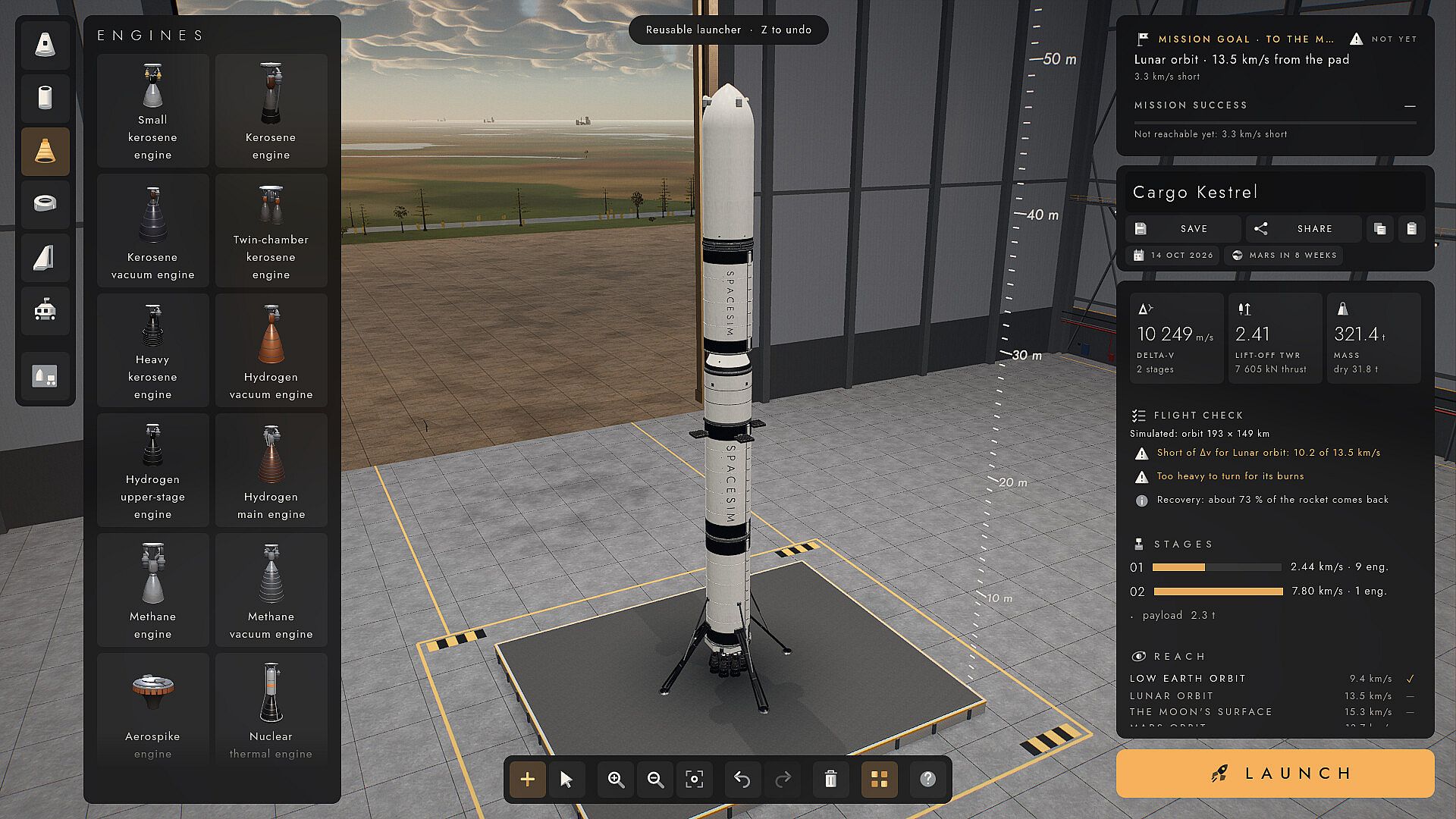
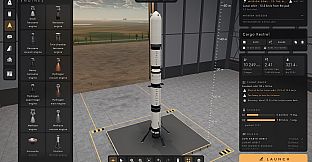
The core loop centers on modular rocket assembly in the High Bay hangar at Pelican Point, a fictional 3D spaceport set on the Louisiana coast. Builders select and combine fuel tanks, engines, boosters, decouplers, capsules, landing gear and payload fairings while monitoring mass, thrust and delta-v values. A pre-launch flight check highlights performance limits and mission suitability, encouraging iterative refinement before committing to ascent.
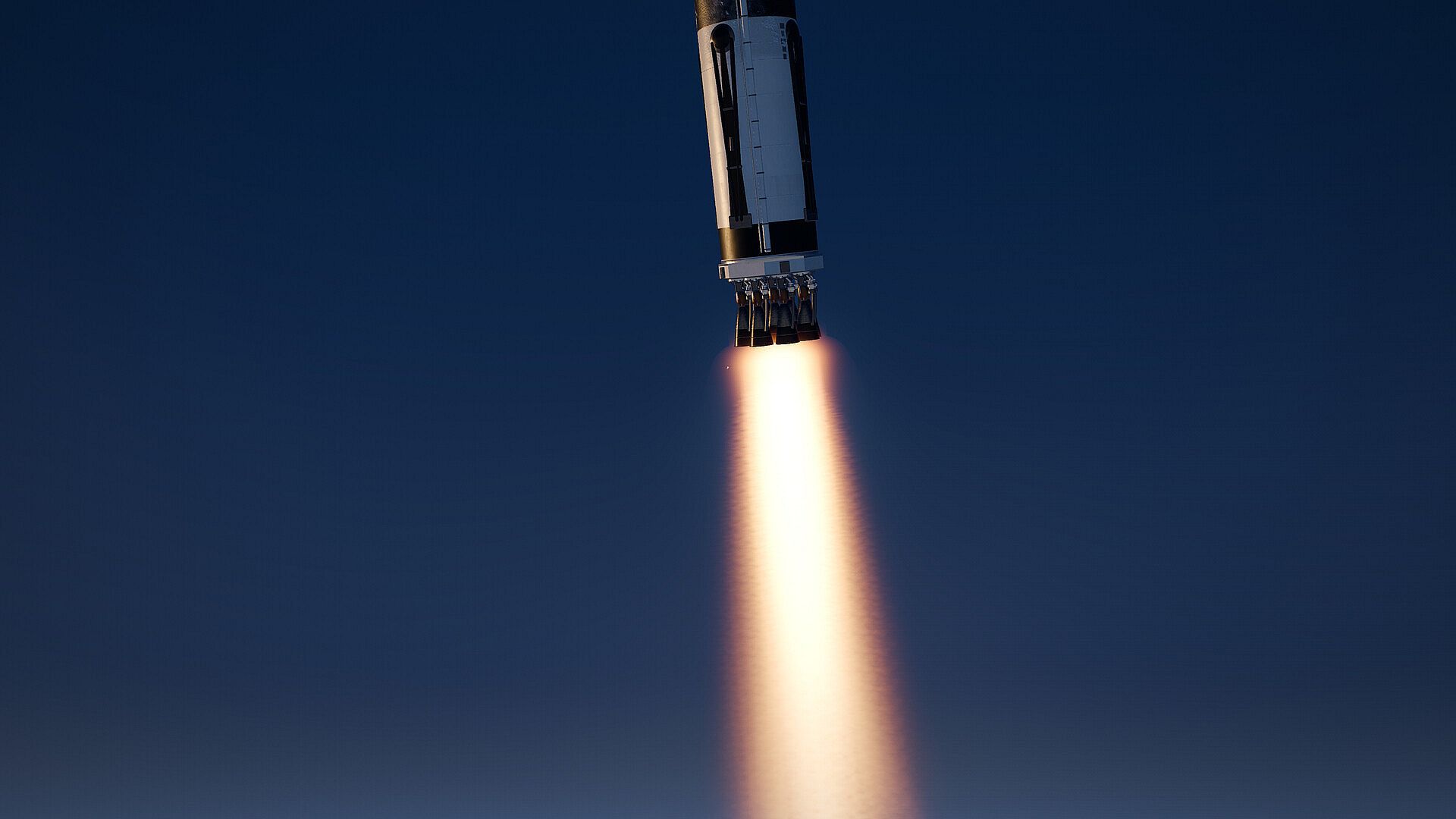
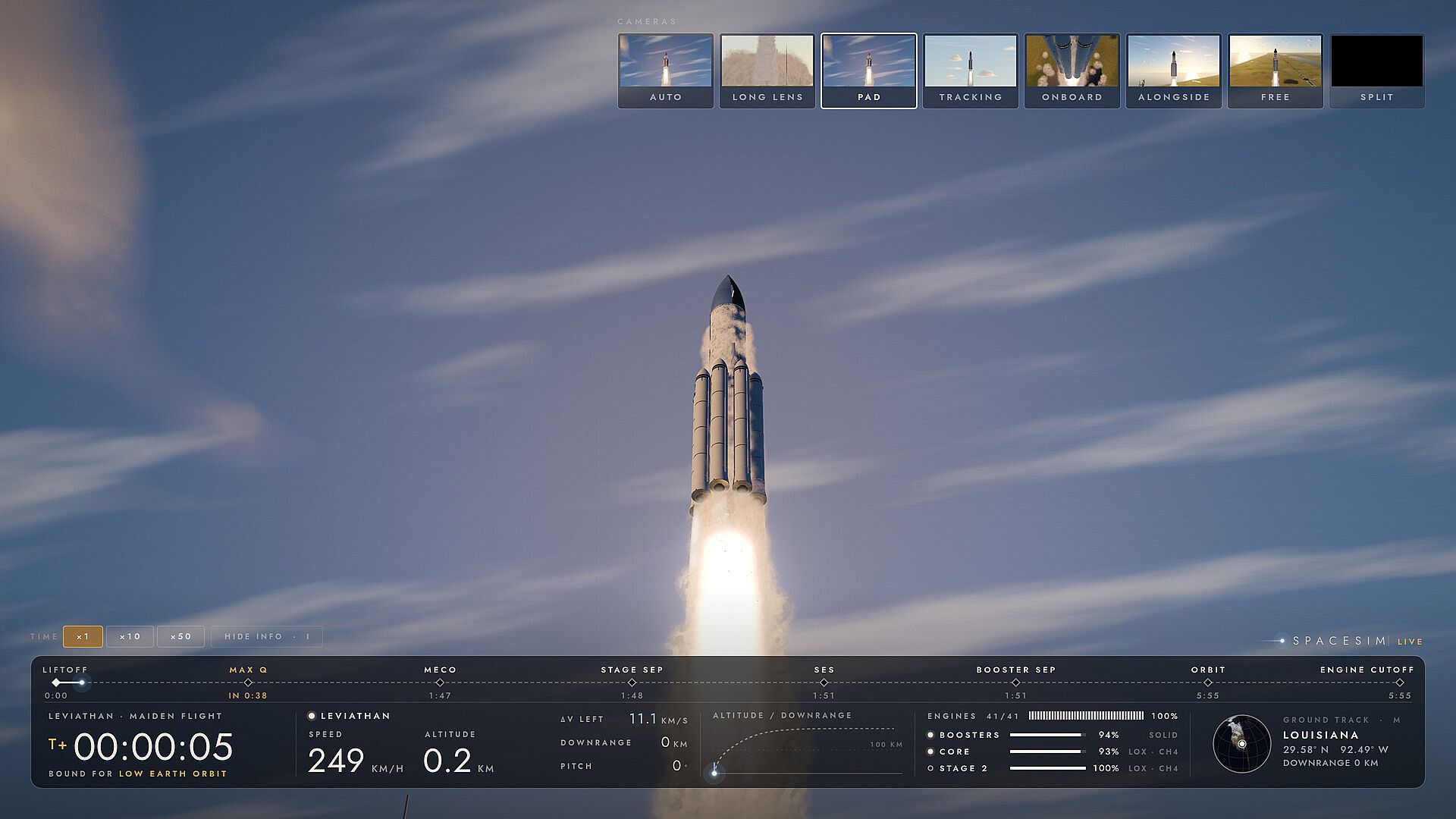
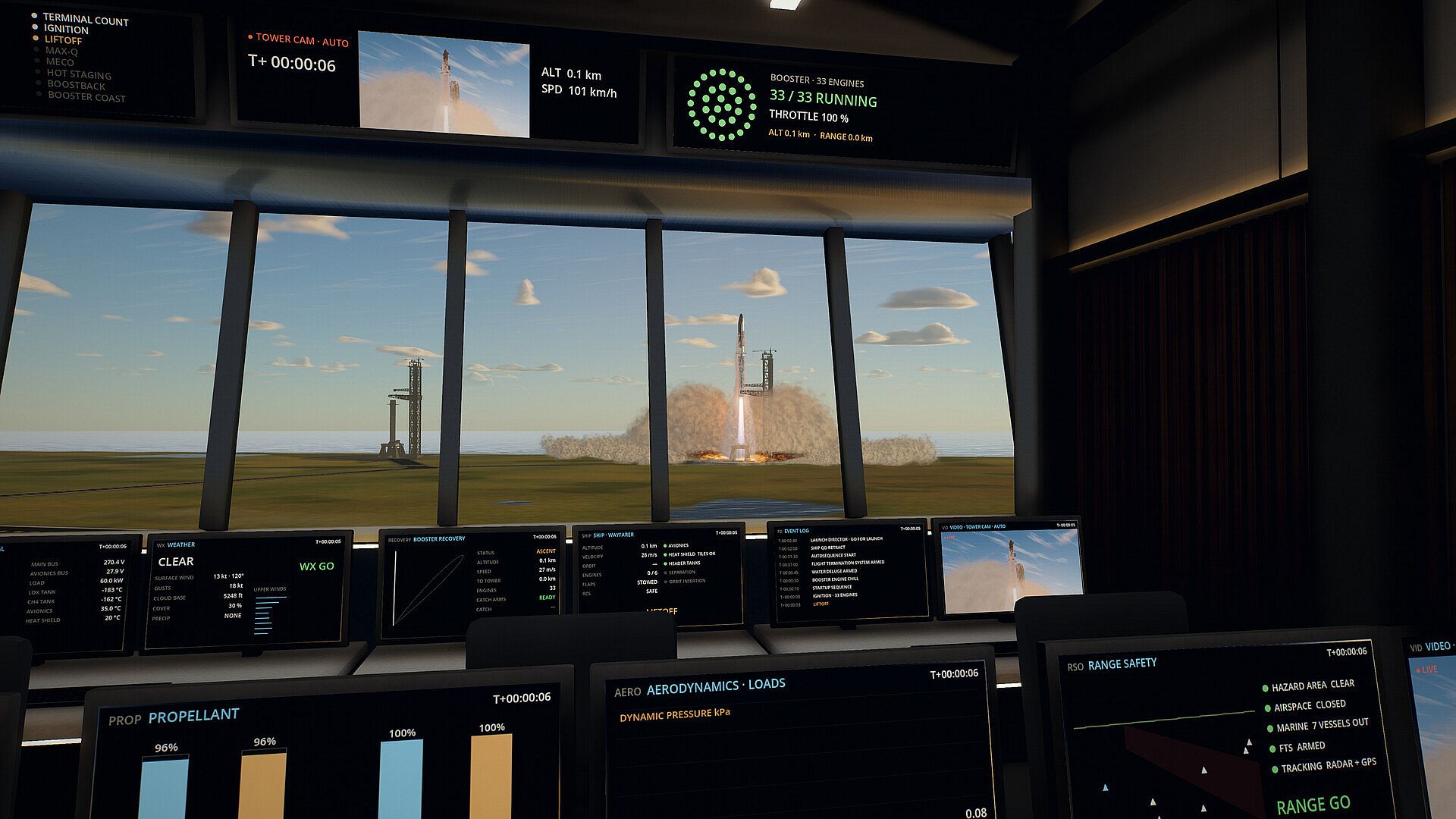
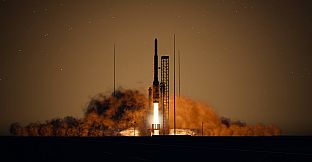
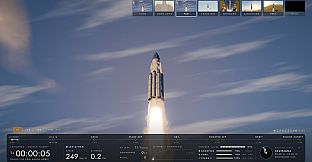
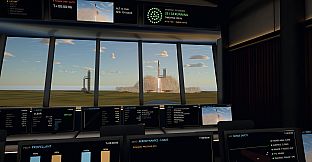
Once launched, players follow the vehicle from Mission Control or onboard cameras. Orbital mechanics govern travel between destinations, with readouts that display velocity, trajectory and timing. Payload choices directly affect success: CubeSats, communications satellites, station modules, habitats, scientific instruments, supplies and rovers must fit both the fairing volume and the rocket's overall capacity. Successful deliveries unlock additional parts and reference blueprints for future designs.
Planetary surfaces and orbits draw on real data sources for maps and positions. The simulation distinguishes between computed physics, catalogued observations and illustrative elements, keeping these distinctions visible during play. Later stages introduce journeys to Jupiter, Saturn and beyond Neptune, where players compare planetary features from spacecraft perspectives.
Game Modes
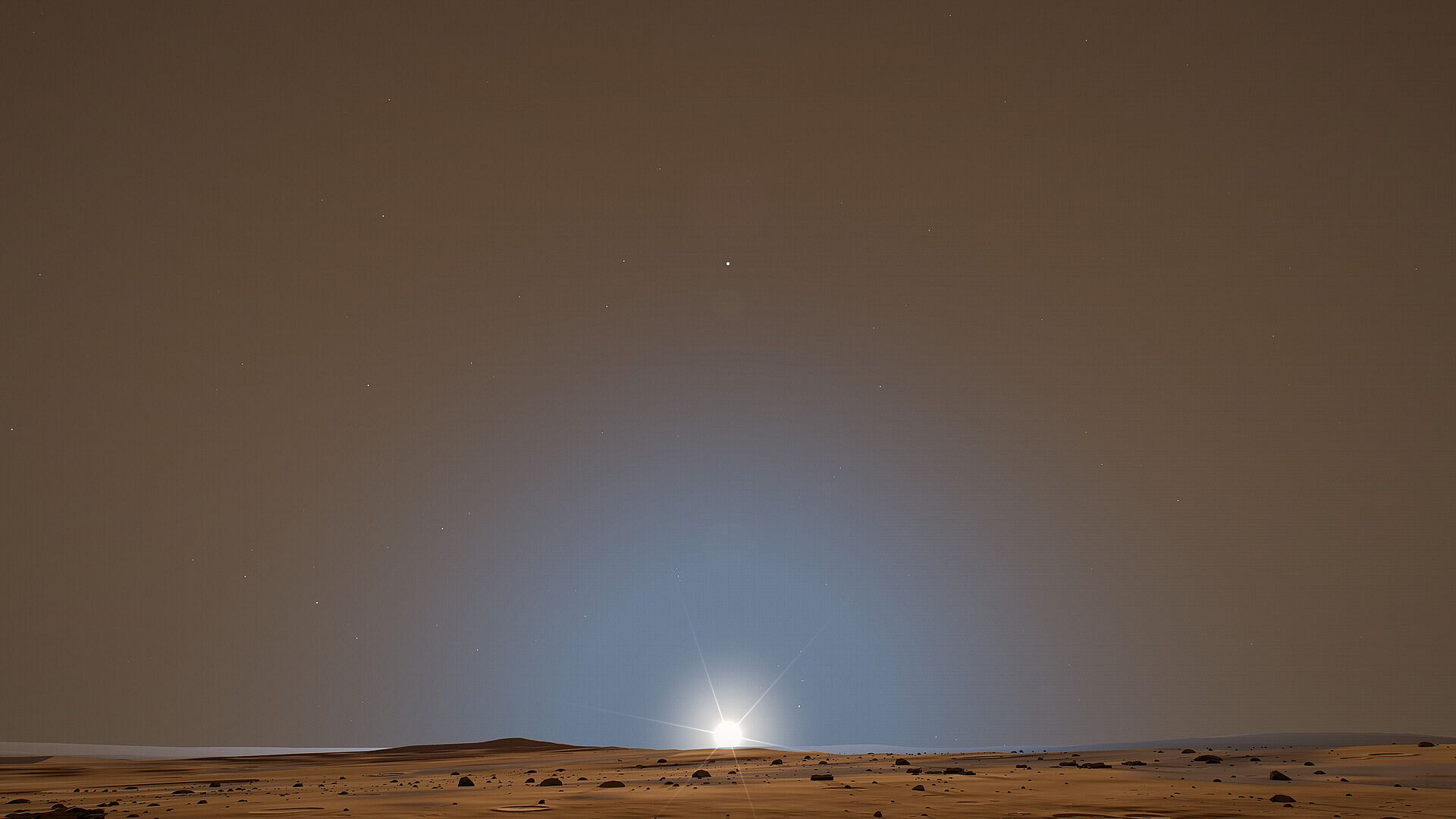
The experience operates as a single-player campaign that connects sequential launch objectives. Each completed mission unlocks new components and blueprints, creating a clear progression path from suborbital tests to lunar and Martian landings and eventually outer-planet expeditions.
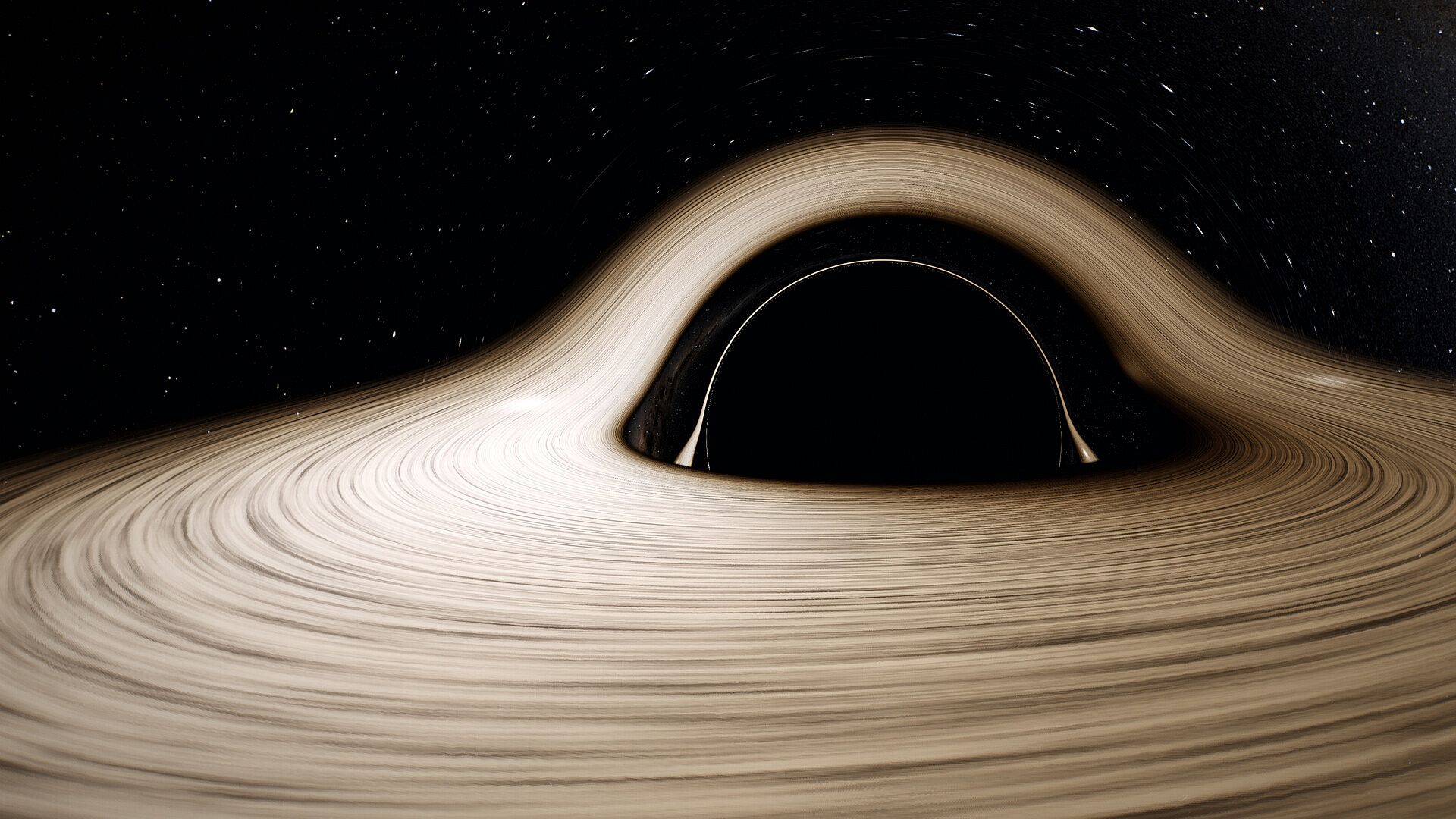
Guided expeditions provide structured astronomy lessons with explanatory narration, while free-flight options allow unrestricted travel and observation at any point. The black-hole section functions as an interactive experiment: players can toggle light-bending, gravitational redshift and Doppler effects, compare clock rates and follow an infalling trajectory across the event horizon of a non-spinning Schwarzschild model.
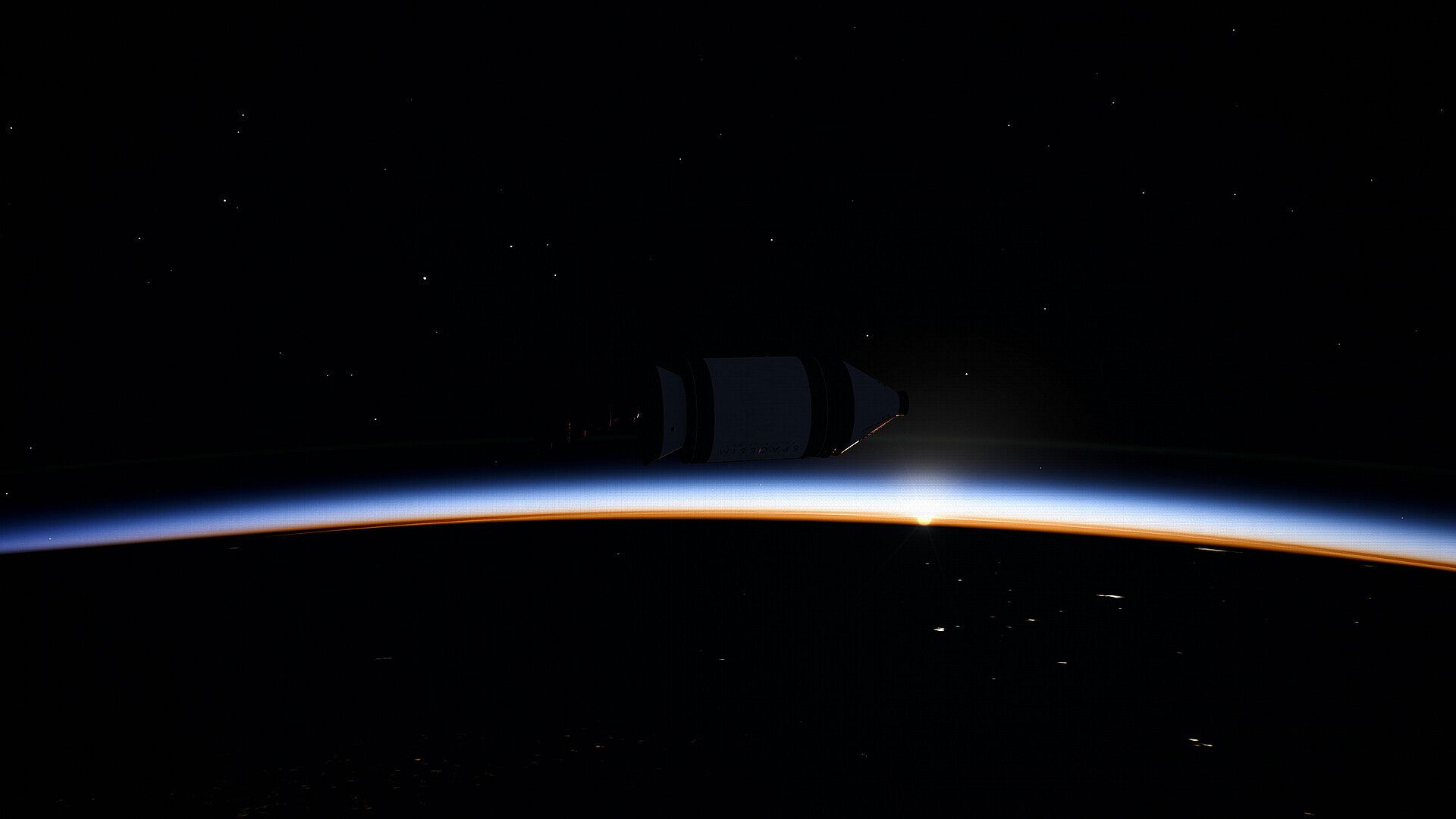
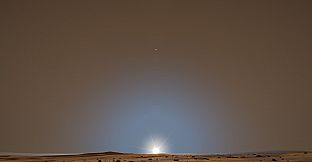
Free flight also supports extended viewing of Earthrise, orbital sunrises and planetary horizons without mission constraints. All activity remains single-player, with no multiplayer elements described.
Science and Setting
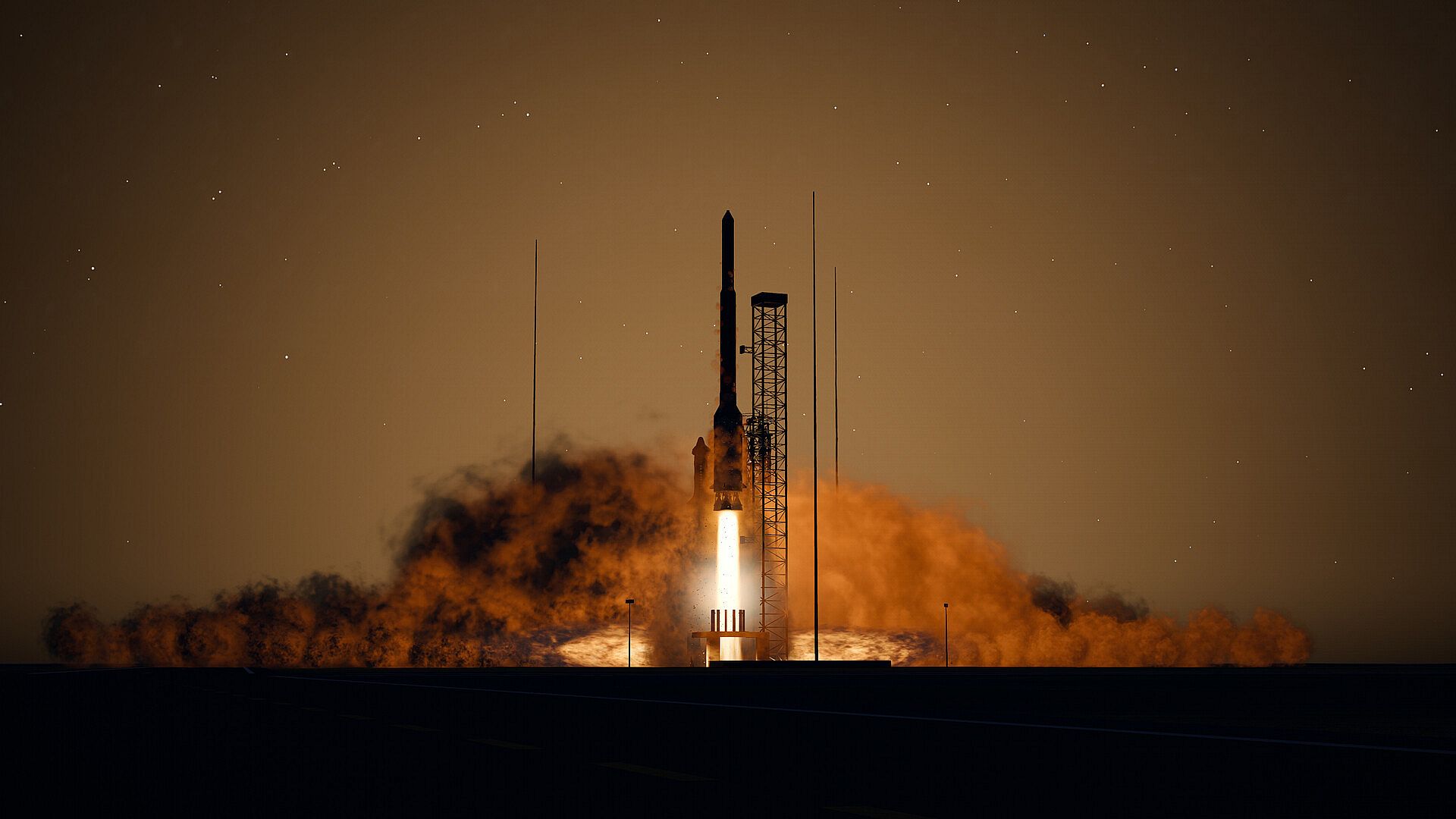
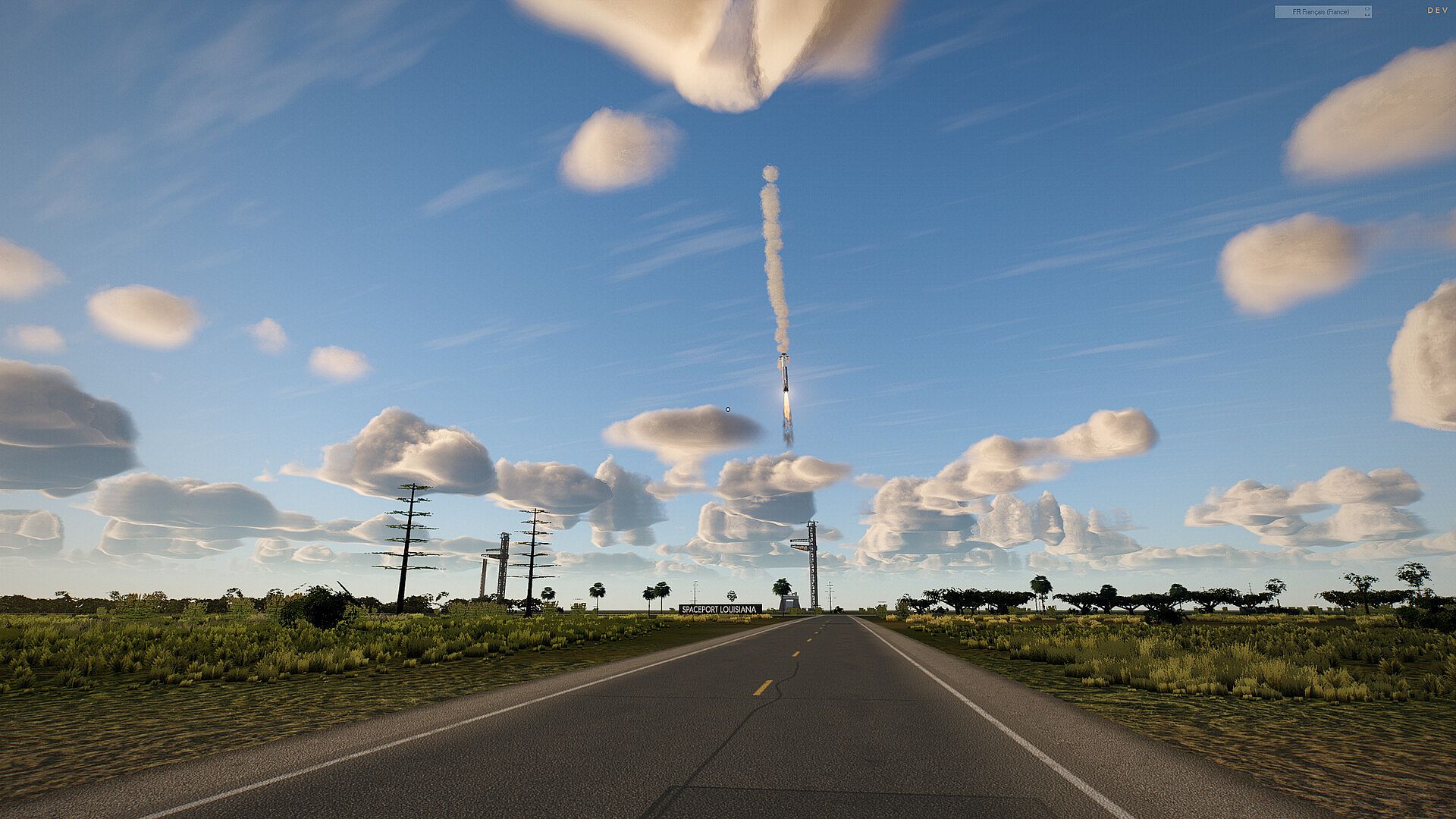
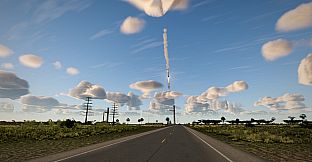
Pelican Point serves as the permanent base, featuring a high bay, launch pads, propellant facilities and a mission-control interior. The site draws from conceptual coastal spaceport plans but remains an interpretive model rather than a direct replica. Players assemble vehicles indoors, transport them to the pad and observe ascents from multiple viewpoints.
Astronomy elements emphasize accurate orbital mechanics and visual phenomena such as night-side Earth rotation and atmospheric glow. The black-hole encounter models ray paths and relativistic effects with toggleable parameters, turning abstract concepts into observable changes in the scene. Speculative propulsion systems appear only in later chapters and are clearly labeled as such within the game's framework.
Is It Worth Playing?
SpaceSim: Pale Blue Dot suits players who enjoy methodical vehicle design, orbital navigation and science-focused exploration. The campaign structure rewards careful planning and repeated launches, while the visible distinction between simulation assumptions and real data supports educational use. Because the title remains in Early Access, features continue to expand through updates that add parts, destinations and refinements. Those seeking a deliberate, single-player space program experience without competitive or multiplayer components will find the current scope and future direction aligned with that interest.