




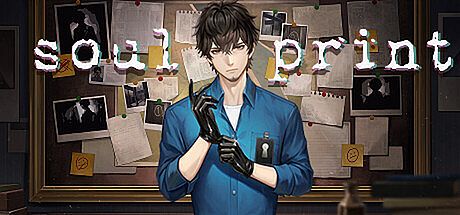











Soul Print is a single-player mystery thriller adventure game with simulation elements that places players in the role of an interrogator solving complex cases through direct interaction with suspects. Set on PC, the experience centers on psychological depth and deduction rather than action sequences or combat. Players examine testimonies, identify inconsistencies, and shape the outcome through custom questioning rather than selecting from preset options.
Gameplay
The core loop revolves around the AI-driven free interrogation system. Players type original questions to engage characters connected to the case, then analyze responses for contradictions or evasions. This process follows a cycle of observation, questioning, analysis, detection of inconsistencies, and further pressing. Responses update dynamically based on prior statements and new information gathered, allowing the conversation to branch in unpredictable directions without a fixed script.
Investigation requires active participation. Players must track details across multiple interviews, cross-reference statements in real time, and decide when to challenge a witness or shift tactics. Hasty judgments or poorly chosen lines of inquiry can alter the available evidence and steer the narrative toward different conclusions. The system emphasizes player judgment over guided choices, making each session reflect individual reasoning.
Documentary-style case files provide the backdrop. Profiles, statements, and collected intel appear in a procedural format that mimics reviewing classified records. Visuals adopt a gritty, cinematic approach with high-tension framing during interrogations, supported by an original soundtrack that heightens unease through restrained, atmospheric cues.
Game Modes
Soul Print operates as a single-player experience with no separate multiplayer or competitive modes. The primary mode is the case-driven interrogation sequence, which unfolds across interconnected interviews tied to the central mystery. Within this structure, players engage in direct questioning, real-time cross-examination of prior testimonies, and targeted follow-ups based on detected red flags.
Progression depends entirely on the evidence and logic constructed during play. There are no distinct difficulty settings or alternate play styles listed; instead, the mode adapts through the player's own questioning style and hypothesis testing. Multiple endings emerge from the cumulative judgments made across the investigation rather than from branching choice menus.
Story and Characters
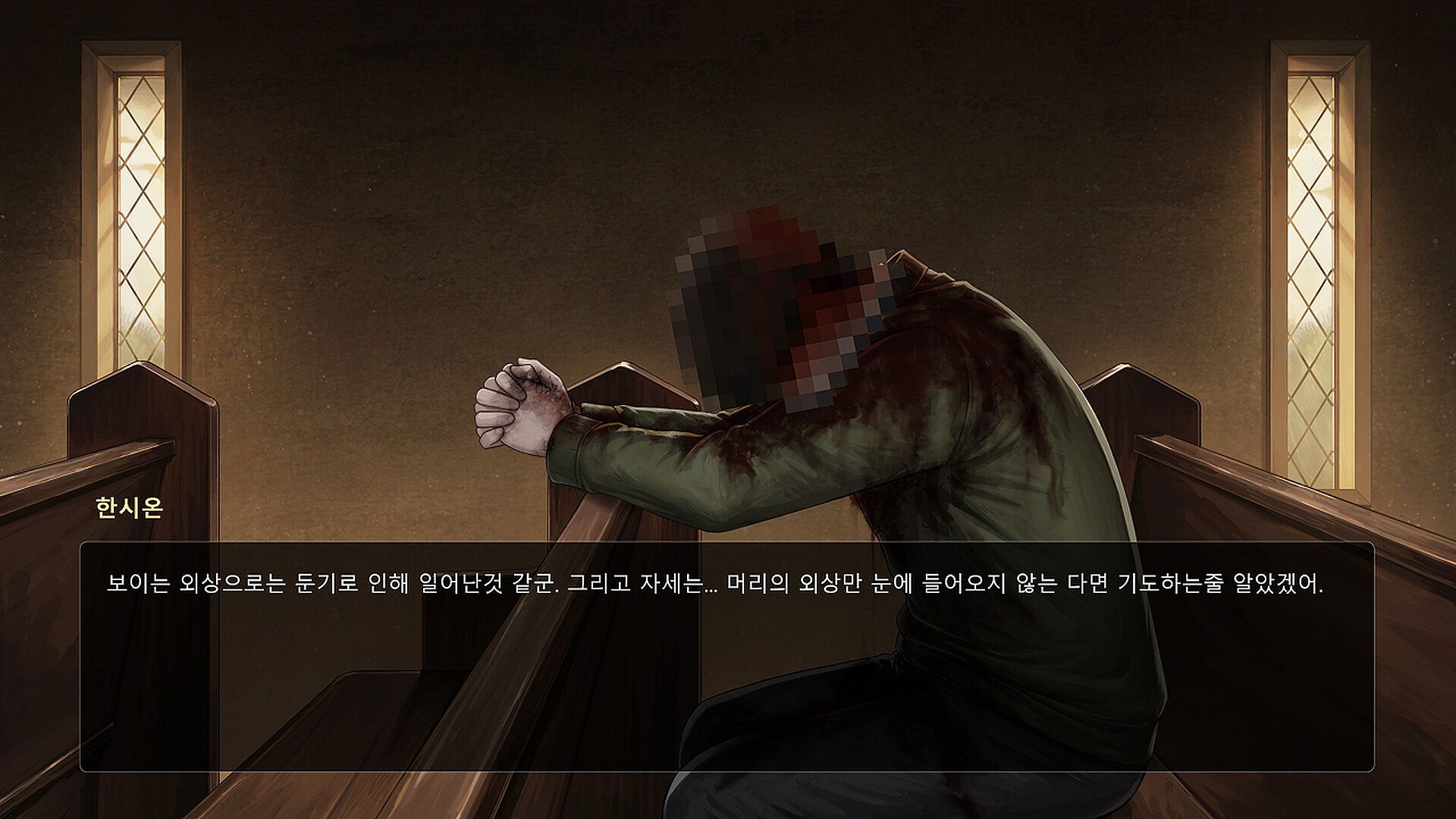
The narrative begins with Case 1: The Purification Ritual Murder, involving a cult known as the Heavenly Path Church. The cult leader Kim Gil-ryeong sits at the center, surrounded by figures whose statements contain overlapping facts and hidden motives. Four key individuals appear: Si-on Han, Tae-jun Cho, Yu-jin Cha, and Jae-won Song. Each carries distinct secrets that surface or conflict depending on the questions asked.
Connections between characters and events tighten as interrogations continue. Initial isolated testimonies gradually reveal links to the crime scene and one another. The story explores themes of deception, psychological pressure, and the reliability of memory without providing a predetermined resolution.
Is It Worth Playing?
Soul Print targets players who enjoy narrative-driven deduction and psychological tension over action or exploration. Its strength lies in the freedom to craft questions and the resulting variability in outcomes, which rewards careful attention to detail and logical consistency. The single-player format and upcoming November 2026 release mean no established player base or post-launch updates exist yet.
Those drawn to true-crime style procedural stories and games that simulate real investigative work will find the mechanics align closely with that interest. The absence of reviews at this stage leaves reception unknown, but the described systems suggest appeal for audiences comfortable with open-ended dialogue and self-directed pacing. Availability remains limited to the PC platform upon launch.