






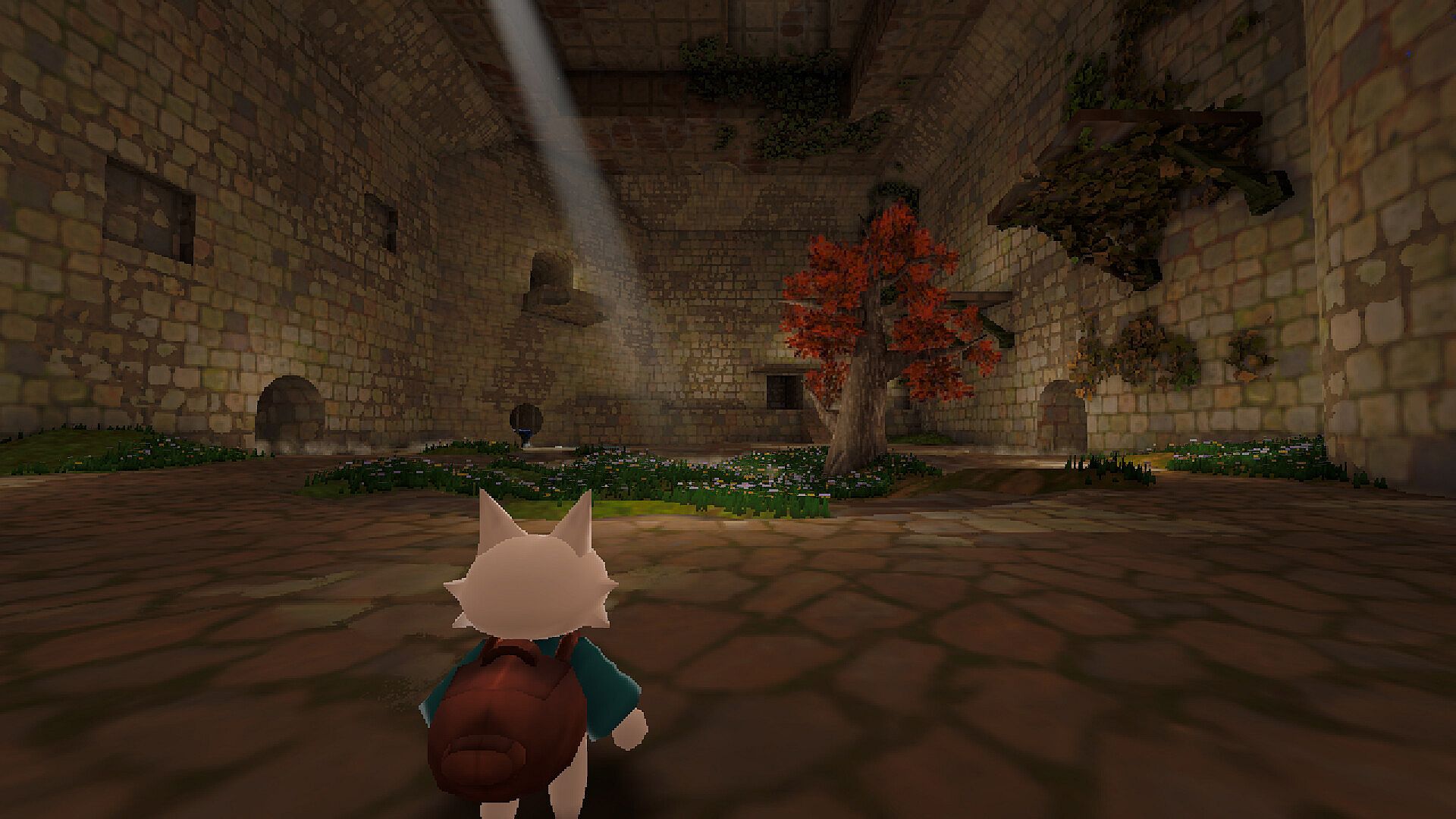
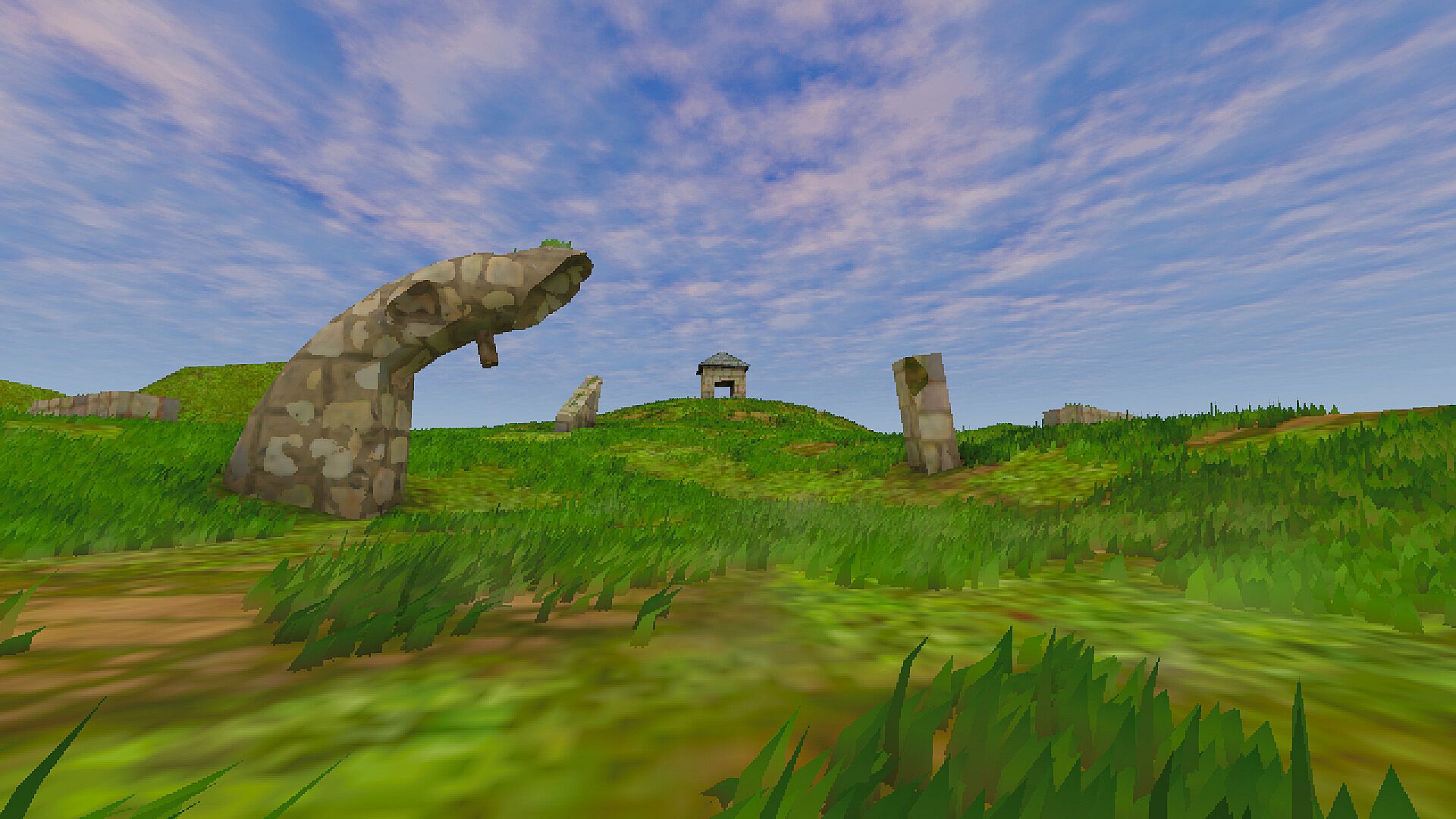
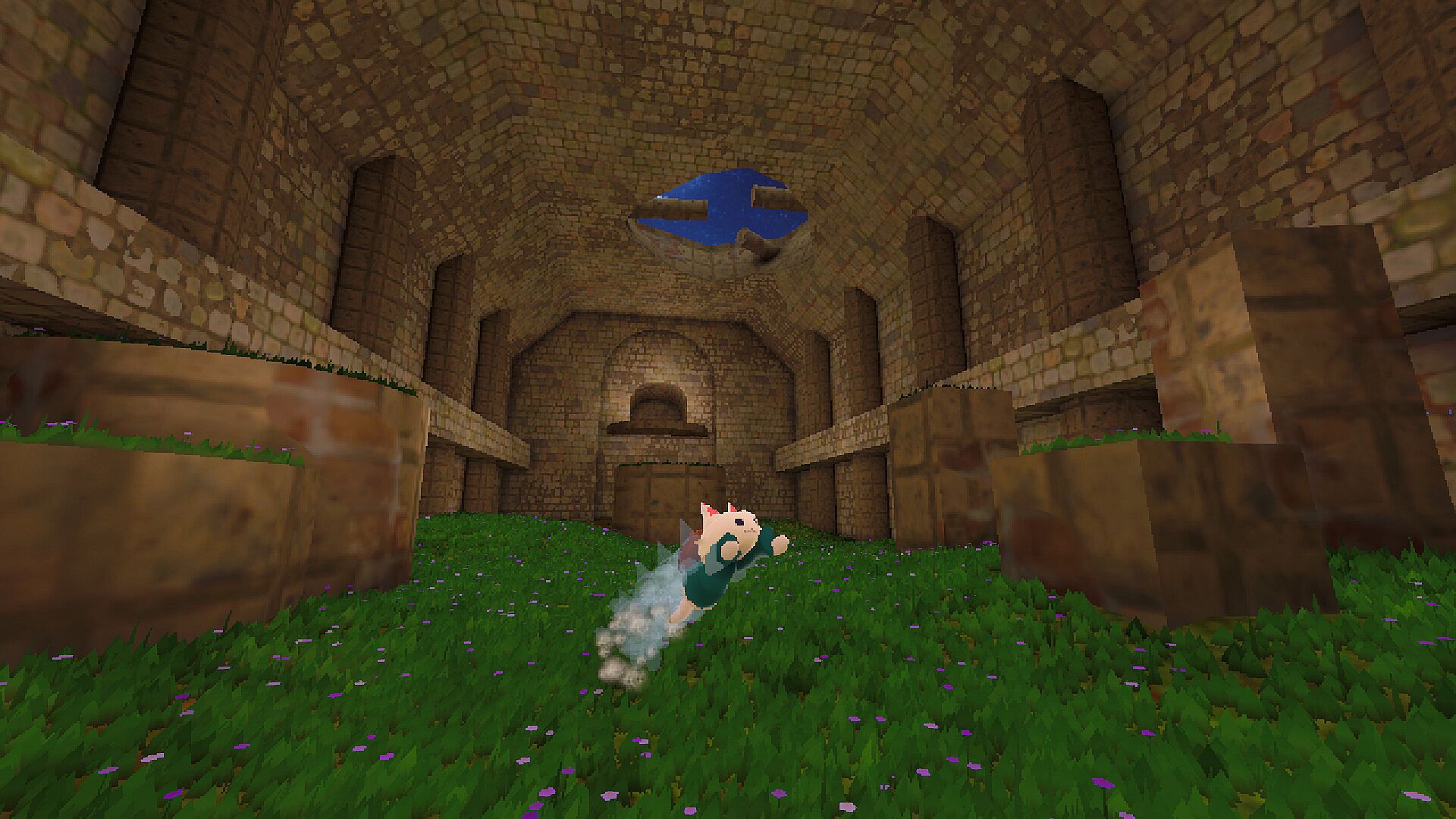
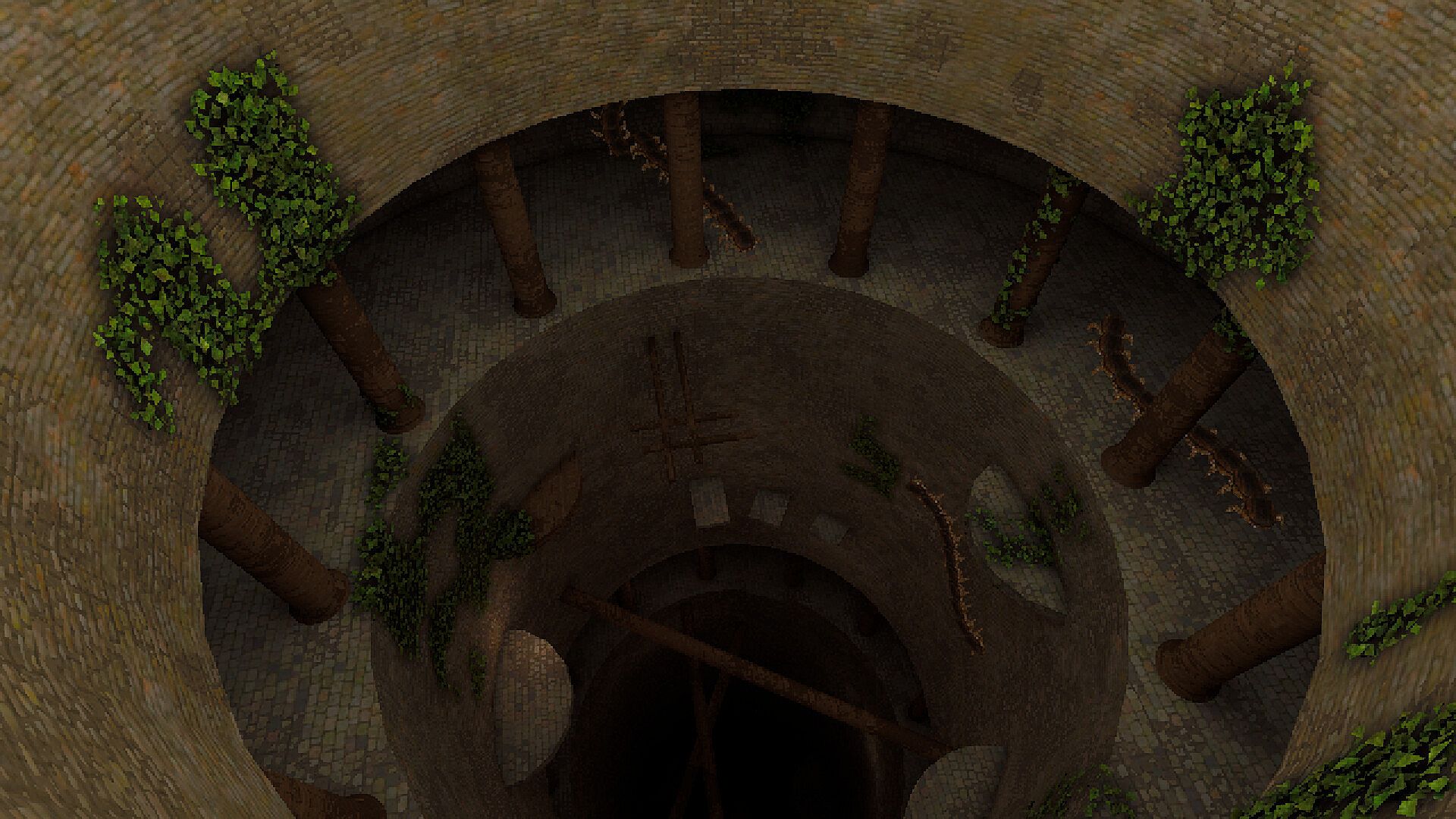
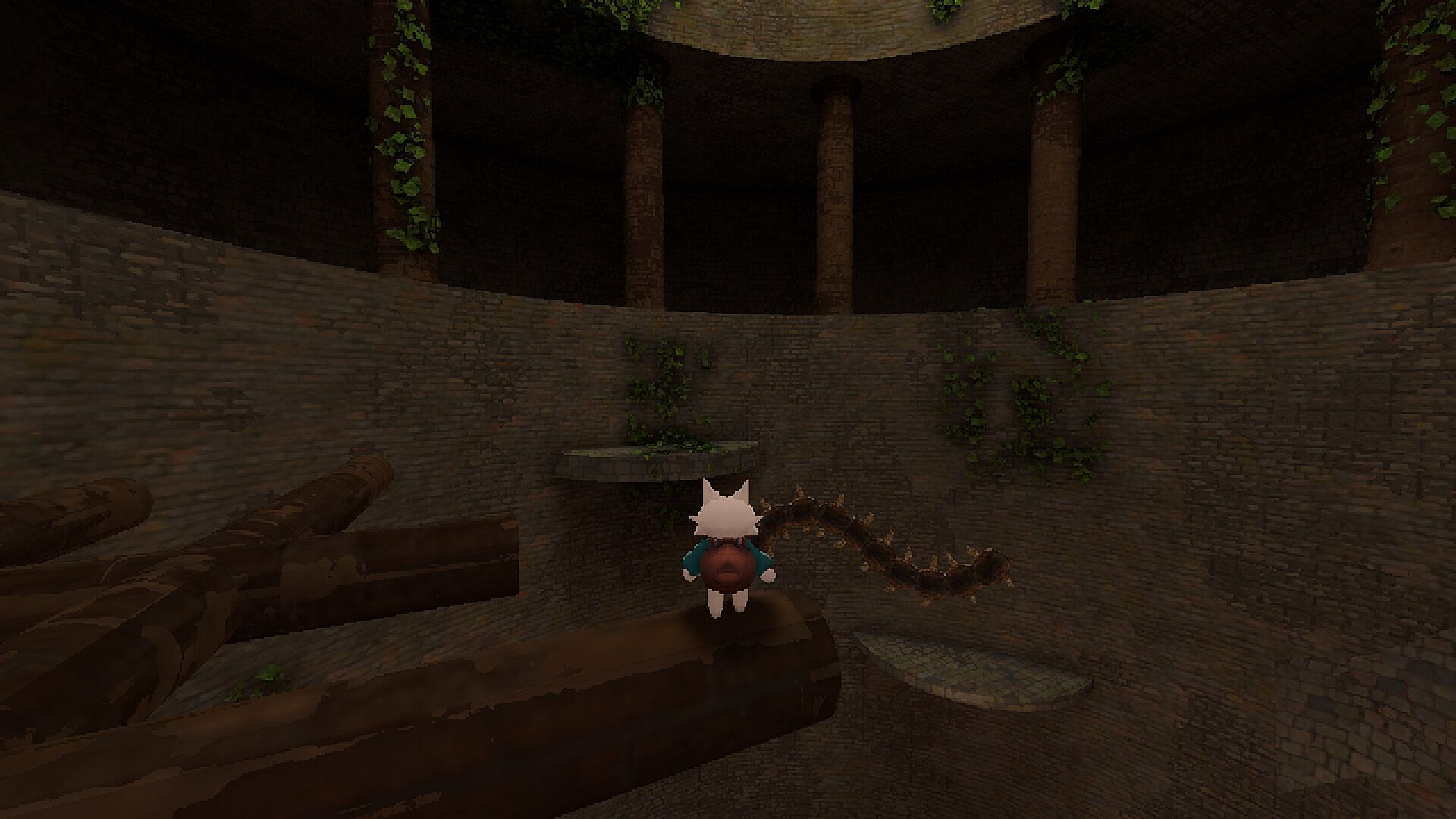
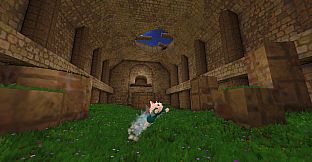
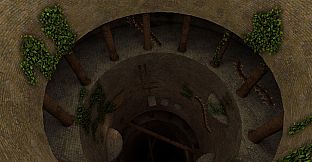
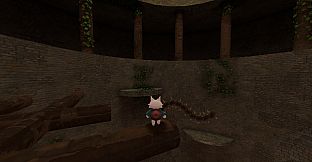
Soft Ruin is an open world 3D platformer built around exploration of a vast, interconnected labyrinth. Players control a small character through hand-crafted environments that emphasize momentum and freedom of movement without artificial barriers. The game blends simulation and adventure elements in a setting described as strange and dangerous, with a focus on discovering paths and maintaining flow across vertical and horizontal spaces.
Gameplay
The core loop centers on a fluid, momentum-based movement system. Players navigate by building speed through jumps, wall interactions, and swings from thrown wire anchors. These mechanics allow traversal of large vertical drops and complex routes while preserving velocity. The world design aims for openness that still feels deliberate, with interconnected areas that reward careful pathfinding and repeated visits to uncover new connections.
Environments consist of ruins and labyrinthine structures that players explore at their own pace. The movement encourages experimentation with routes rather than linear progression. Early access will launch with roughly half the planned map available, providing a substantial starting area for testing the systems before additional locations arrive later.
Game Modes
Soft Ruin supports solo play and sessions with friends. The experience remains the same across both options, centered on shared exploration of the labyrinth rather than competitive or separate objectives. Multiplayer allows cooperative traversal of the same interconnected spaces, with movement mechanics designed to function smoothly whether alone or in a group.
No distinct named modes exist beyond this solo and multiplayer framework. The emphasis stays on discovery and movement in the shared world, with plans to expand content such as additional creatures and encounters over time.
Exploration and World Design
The labyrinth forms a single, hand-crafted space without arbitrary gates or loading zones between sections. Players can chart their own routes across multiple paths, using momentum to cross gaps and reach elevated areas. This approach creates a sense of scale while keeping challenges tied to precise control and environmental awareness.
Future updates intend to add more locations, new creatures, NPCs, minigames, combat arenas, and boss encounters. These elements will build on the existing movement foundation rather than replace it. The early access phase focuses primarily on refining the core traversal before layering in these extras.
Is It Worth Playing?
Soft Ruin targets players who enjoy momentum-driven platforming and open-ended exploration in a compact yet expansive setting. The movement system forms the main draw, rewarding practice and route optimization across the labyrinth. Those interested in solo discovery or cooperative sessions with friends will find the current focus on fluid navigation and world connectivity appealing.
As an early access title scheduled for roughly one year of development, the game offers a work-in-progress experience with a substantial initial map. Updates will introduce more variety through planned features. It suits enthusiasts of 3D platformers who value responsive controls and interconnected level design over polished combat or narrative elements at launch. Players seeking a refined, complete package may prefer to wait for further updates.