




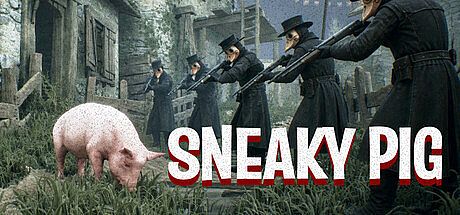


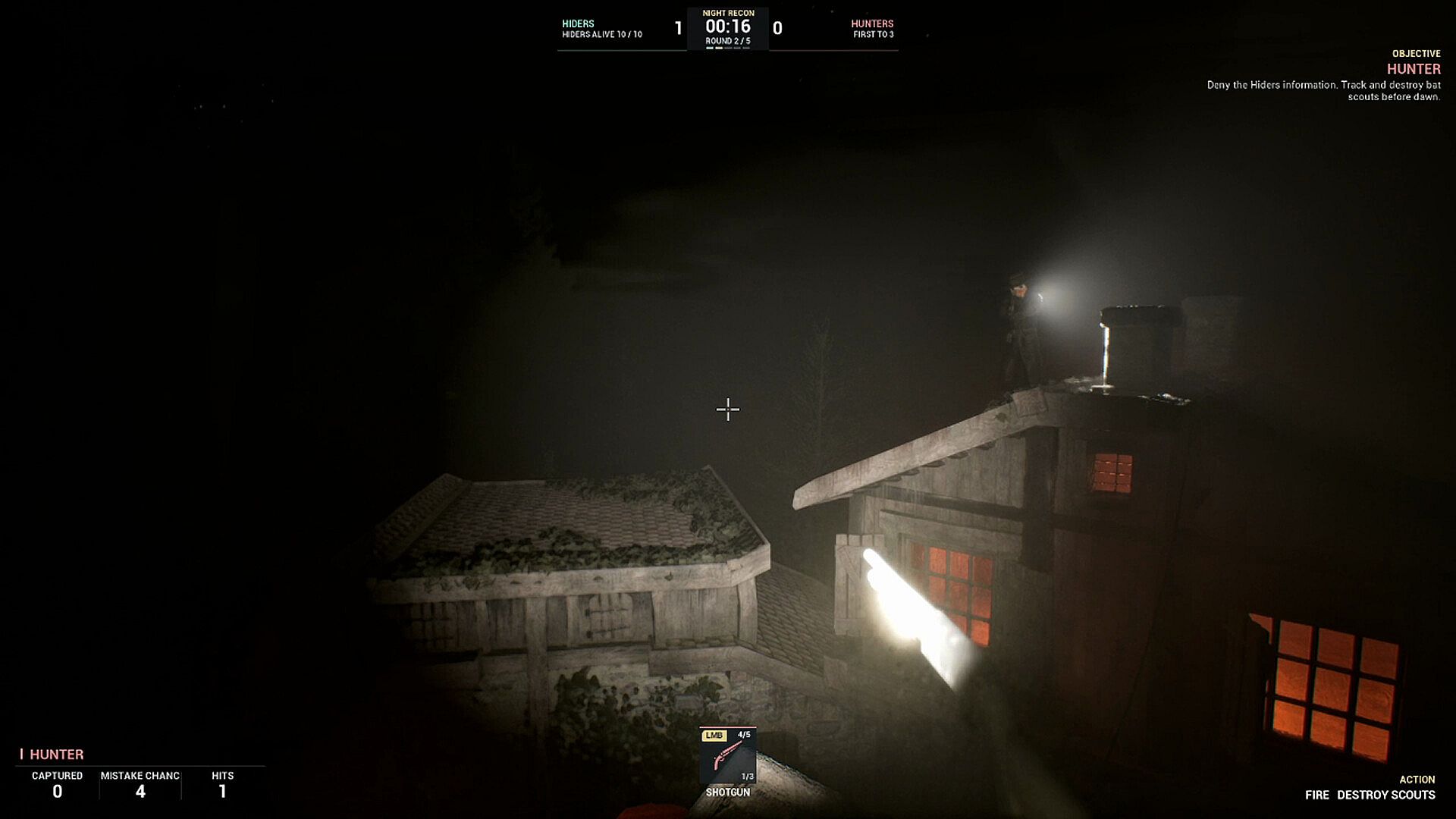
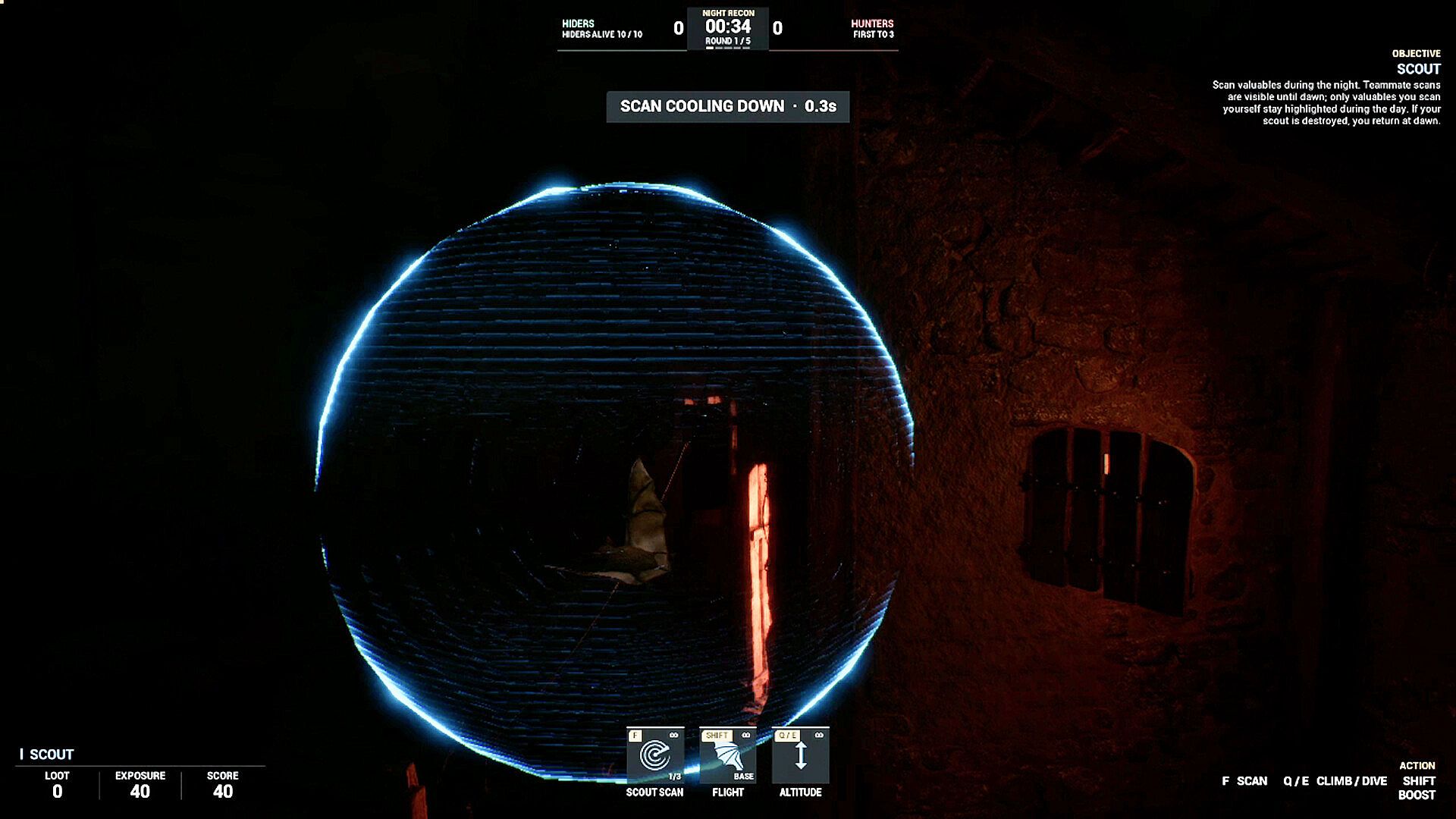
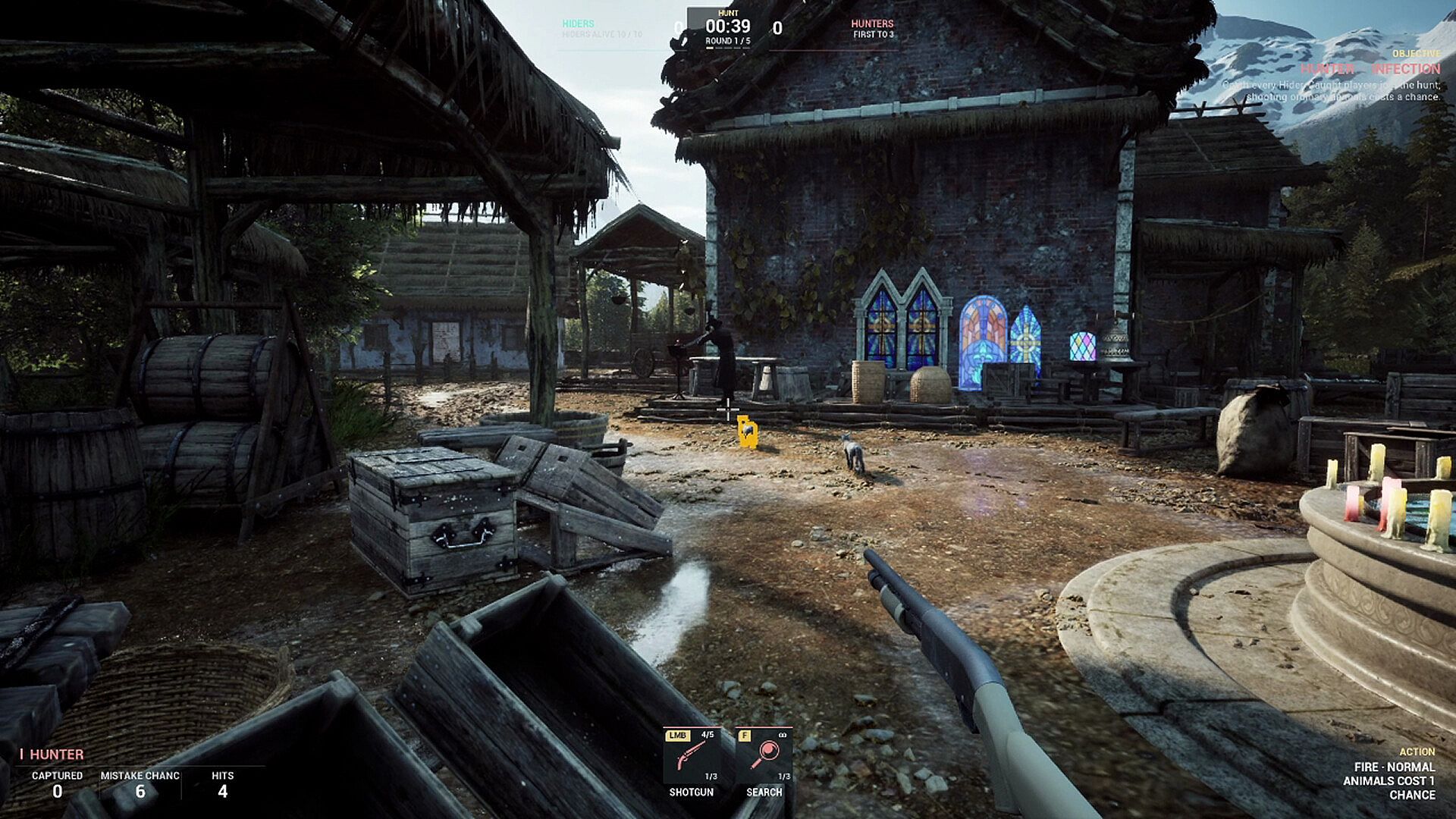
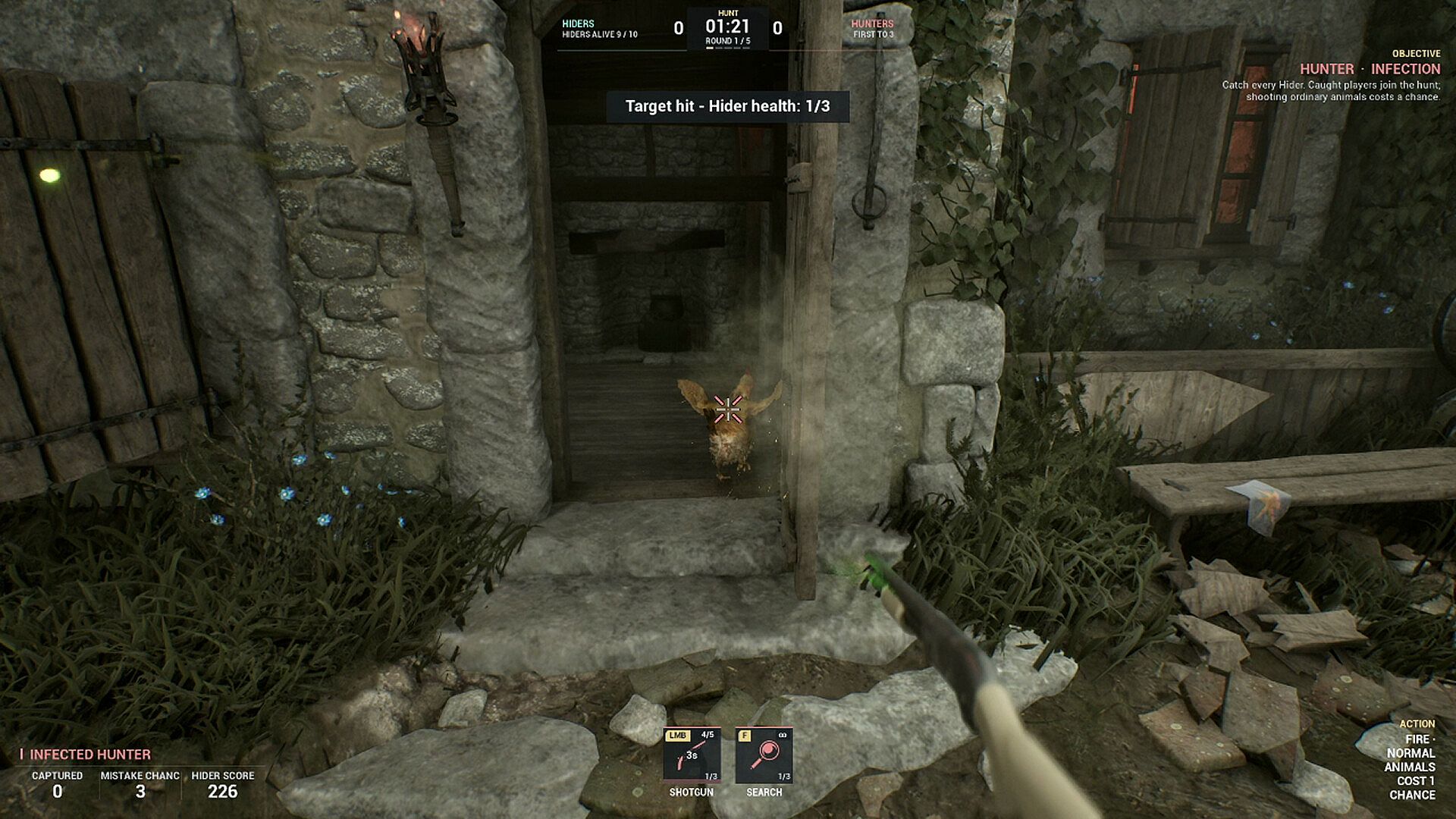
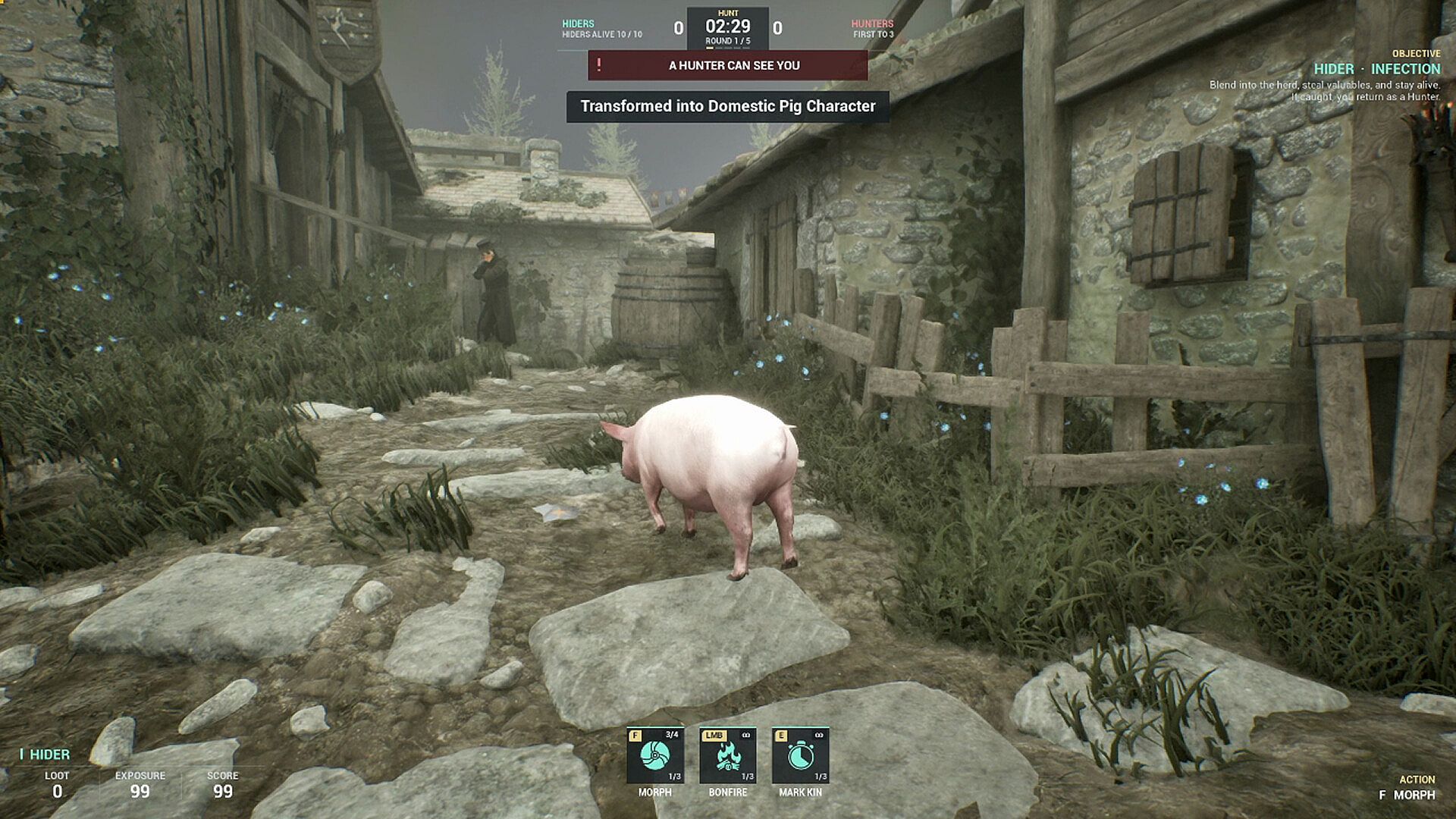
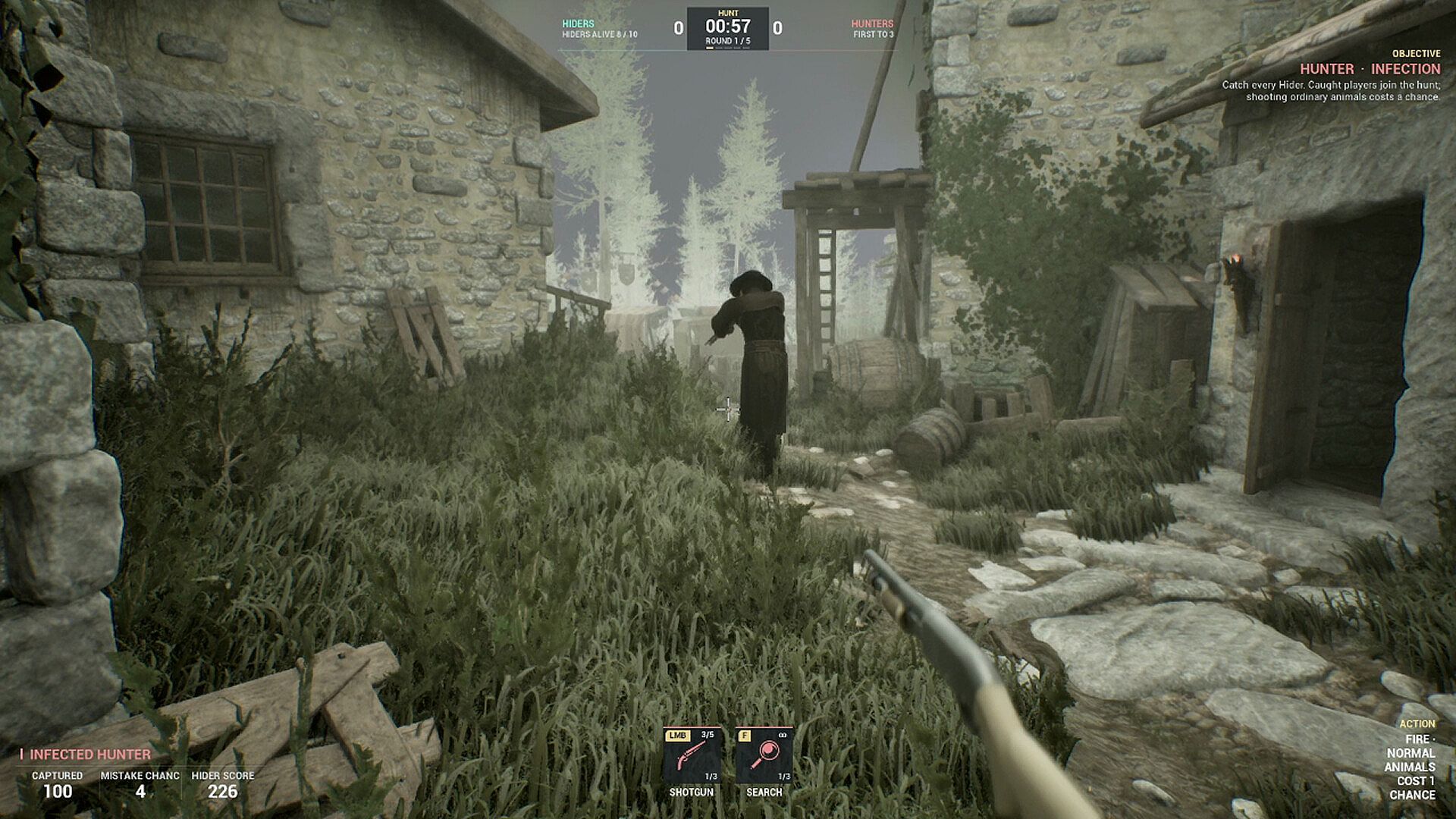
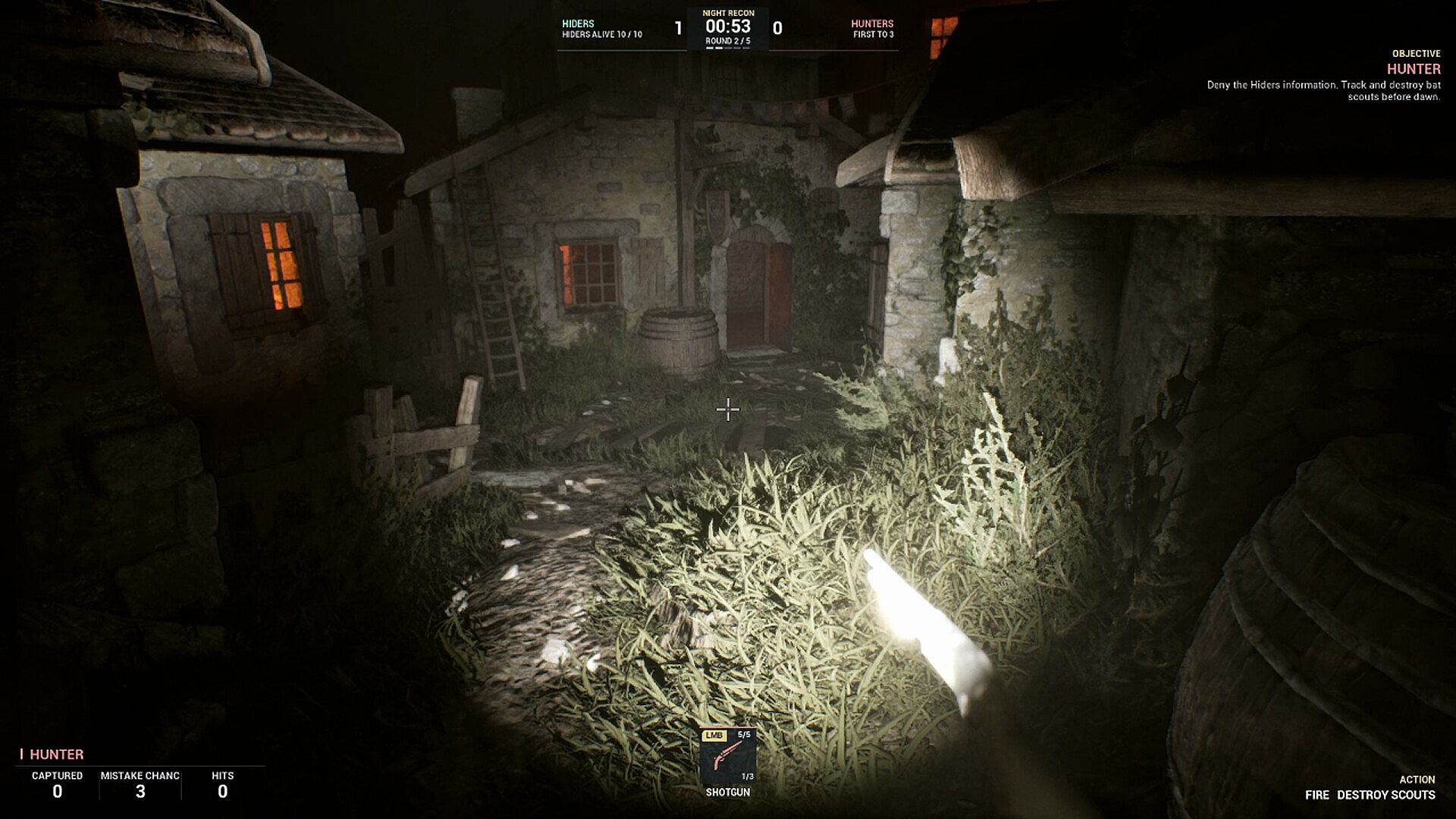
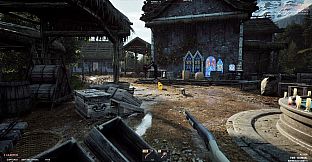
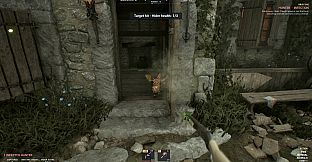
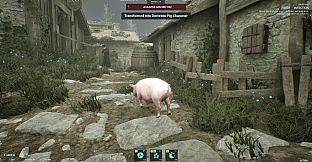
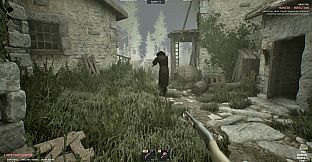
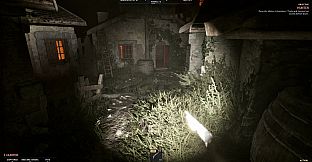
Sneaky Pig: Druid Hide & Seek é um jogo indie de ação multiplayer que reinventa o esconde-esconde. Os jogadores se dividem em dois times rivais em um mapa de vila compartilhado: um lado usa habilidades de metamorfose para roubar tesouros, enquanto o outro conta com recursos limitados para identificar e eliminar os intrusos. O foco está na observação, no timing e no trabalho em equipe, em vez de confrontos diretos, tornando a experiência ideal para grupos que buscam sessões estratégicas de multiplayer no PC.
Gameplay
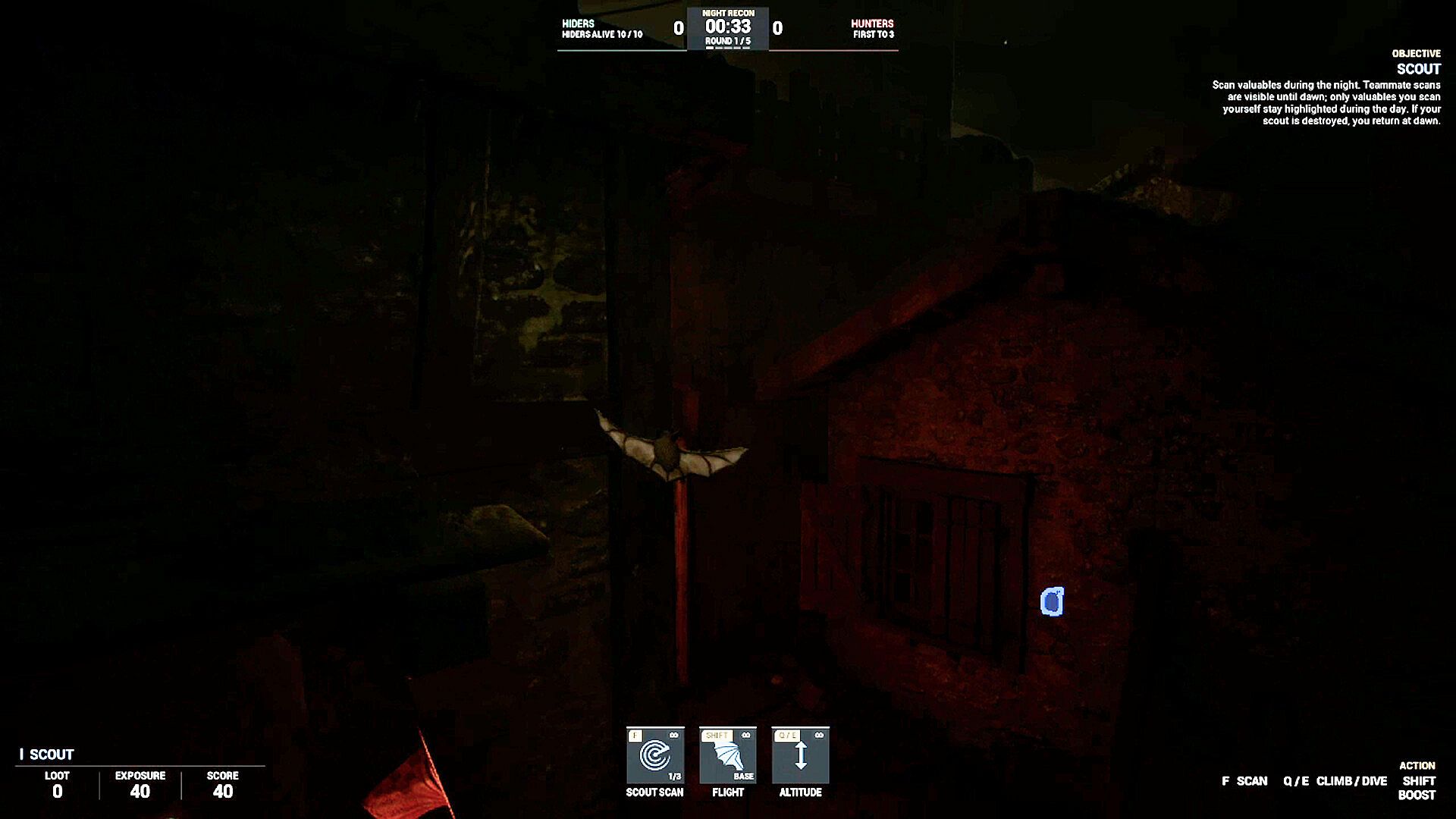
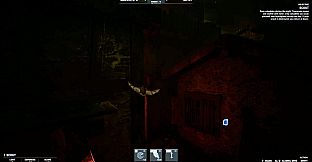
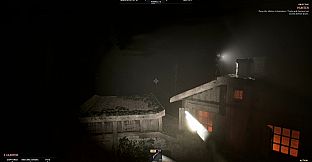
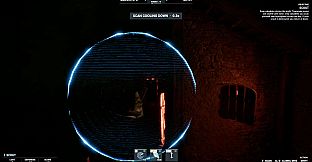
As partidas acontecem em fases de dia e noite em um único cenário de vila. Os Druidas começam cada rodada se transformando em morcegos para explorar o mapa do alto, identificando a localização dos tesouros e possíveis rotas enquanto evitam os disparos dos Caçadores. Eliminações nessa fase apenas atrasam a participação, sem remover os jogadores da rodada.
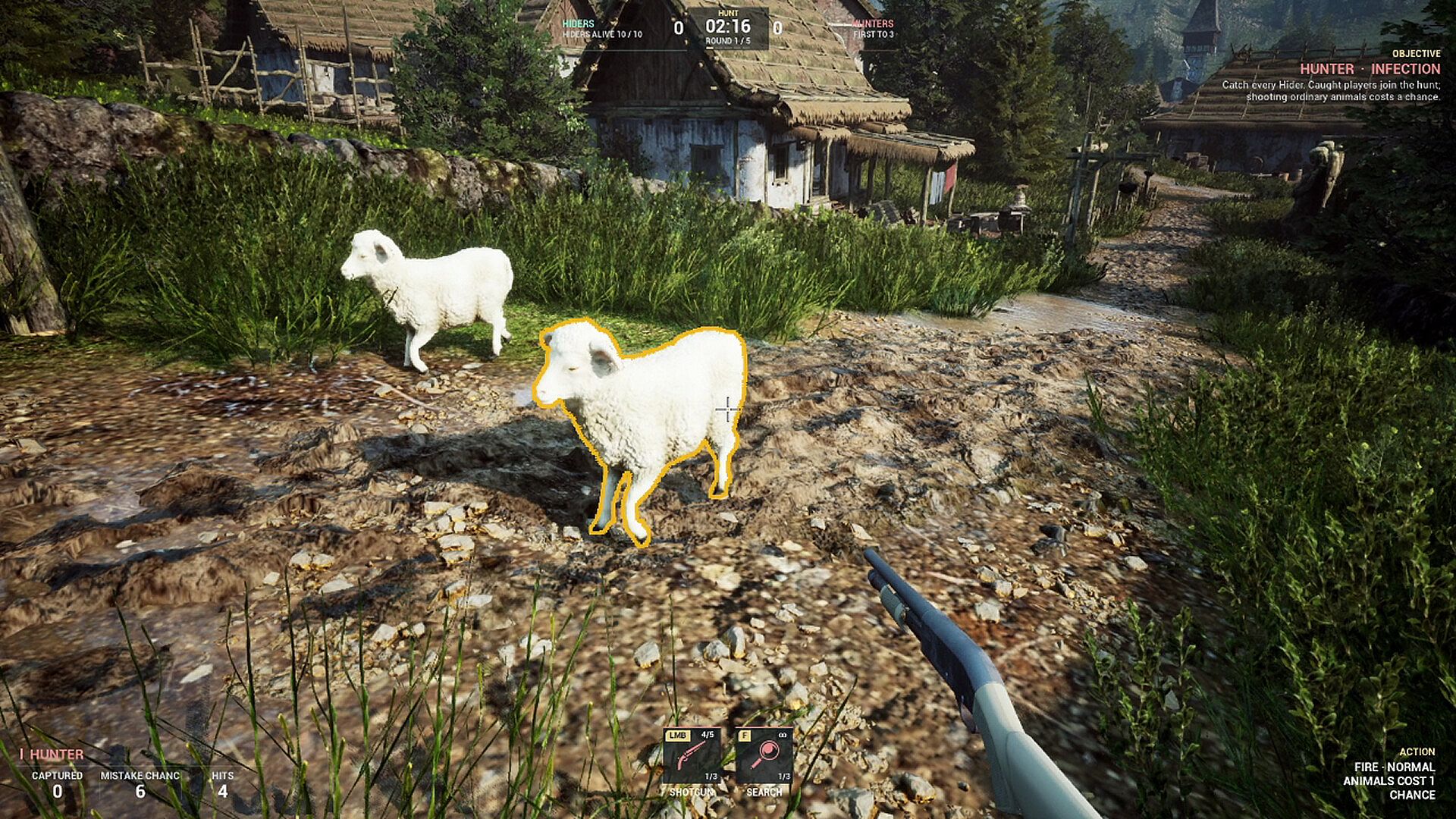
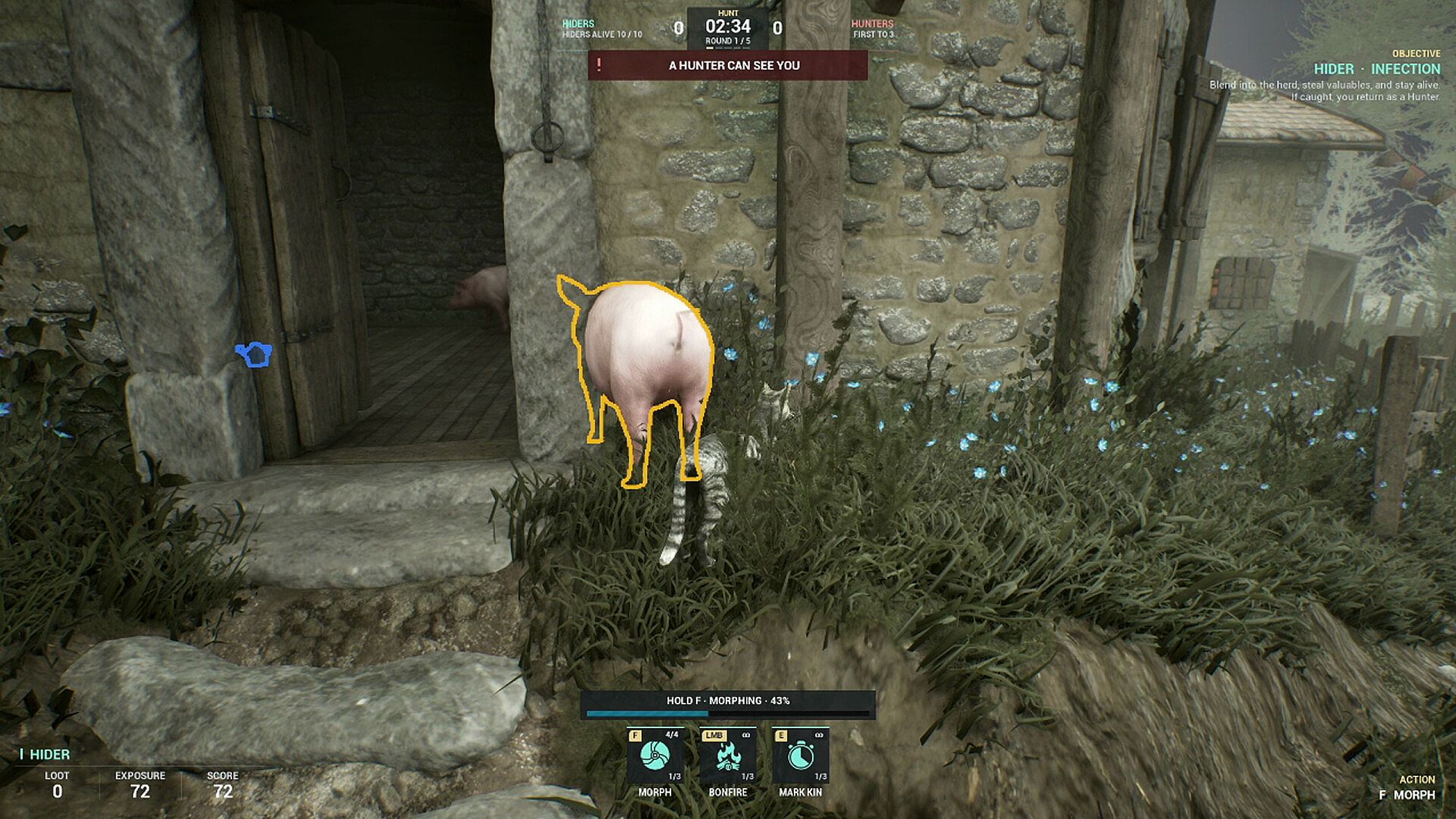
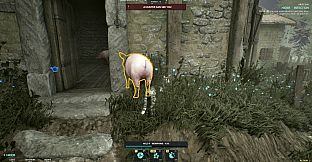
Durante o dia, o foco muda para o disfarce. Os Druidas observam e imitam os movimentos dos animais locais, como galinhas, porcos, ovelhas ou cães. O sucesso depende de reproduzir comportamentos como pastar, andar em grupo ou parar naturalmente. Qualquer desvio chama a atenção dos Caçadores, que patrulham armados com rifles e precisam administrar uma munição inicial limitada a cinco tiros, que recarrega lentamente com o tempo.
O roubo acontece quando os Druidas alcançam os objetos valiosos sem quebrar o disfarce. Cada furto bem-sucedido ativa um alarme local que alerta os Caçadores próximos. Quem carrega os itens por mais tempo ganha mais pontos para o time, mas ser eliminado devolve o objeto a um ponto de surgimento aleatório, reiniciando a busca para ambos os lados. Os Caçadores recebem pontos extras por deterem portadores de tesouros.
Modos de Jogo
No modo Respawn, jogadores eliminados de qualquer time podem retornar em pontos seguros, longe das ameaças ativas. Isso mantém todos os participantes envolvidos durante toda a duração da rodada.
O modo Infecção traz um equilíbrio dinâmico. Quando um Druida é eliminado, ele muda para o time dos Caçadores e passa a caçar seus antigos companheiros. O lado dos Druidas diminui progressivamente, aumentando a pressão nas etapas finais, quando menos jogadores precisam se esconder contra uma força adversária em expansão.
As partidas seguem o formato melhor de cinco, em que o primeiro time a vencer três rodadas conquista a vitória. A pontuação valoriza tanto ações individuais quanto a estratégia coletiva, e o time vencedor recebe um multiplicador nas recompensas ao final da partida.
Mecânicas e Estratégia
Os padrões de comportamento dos animais, a posição dos tesouros e as escolhas dos jogadores geram grande variedade entre as rodadas. Os Caçadores precisam economizar munição e coordenar ações para isolar alvos, enquanto os Druidas equilibram oportunidades de roubo com o risco de serem descobertos. A comunicação dentro dos times ajuda a lidar com pistas falsas e a planejar emboscadas sem depender de ação constante.
O sistema de munição limitada obriga os Caçadores a priorizar a observação em vez de disparos reativos. Já os Druidas se destacam ao se misturar aos grupos de animais e usar a cobertura do ambiente ao se mover entre os objetivos.
Vale a pena jogar?
O jogo é voltado para quem aprecia experiências multiplayer assimétricas baseadas em dedução e contenção, em vez de combates intensos. Seu ciclo principal de exploração, disfarce e roubo cauteloso recompensa atenção aos detalhes e coordenação em equipe. Com lançamento planejado para o Acesso Antecipado no quarto trimestre de 2026, incluindo os sistemas principais e um mapa, os interessados podem esperar ajustes contínuos com base no feedback da comunidade durante o desenvolvimento. Quem busca formatos de esconde-esconde observacionais e tensos, com papéis bem definidos, encontrará maior apelo na proposta atual do jogo.