




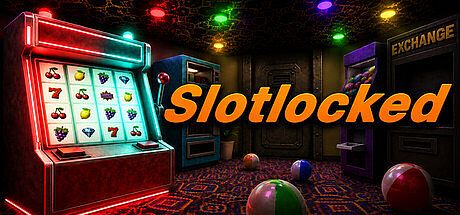



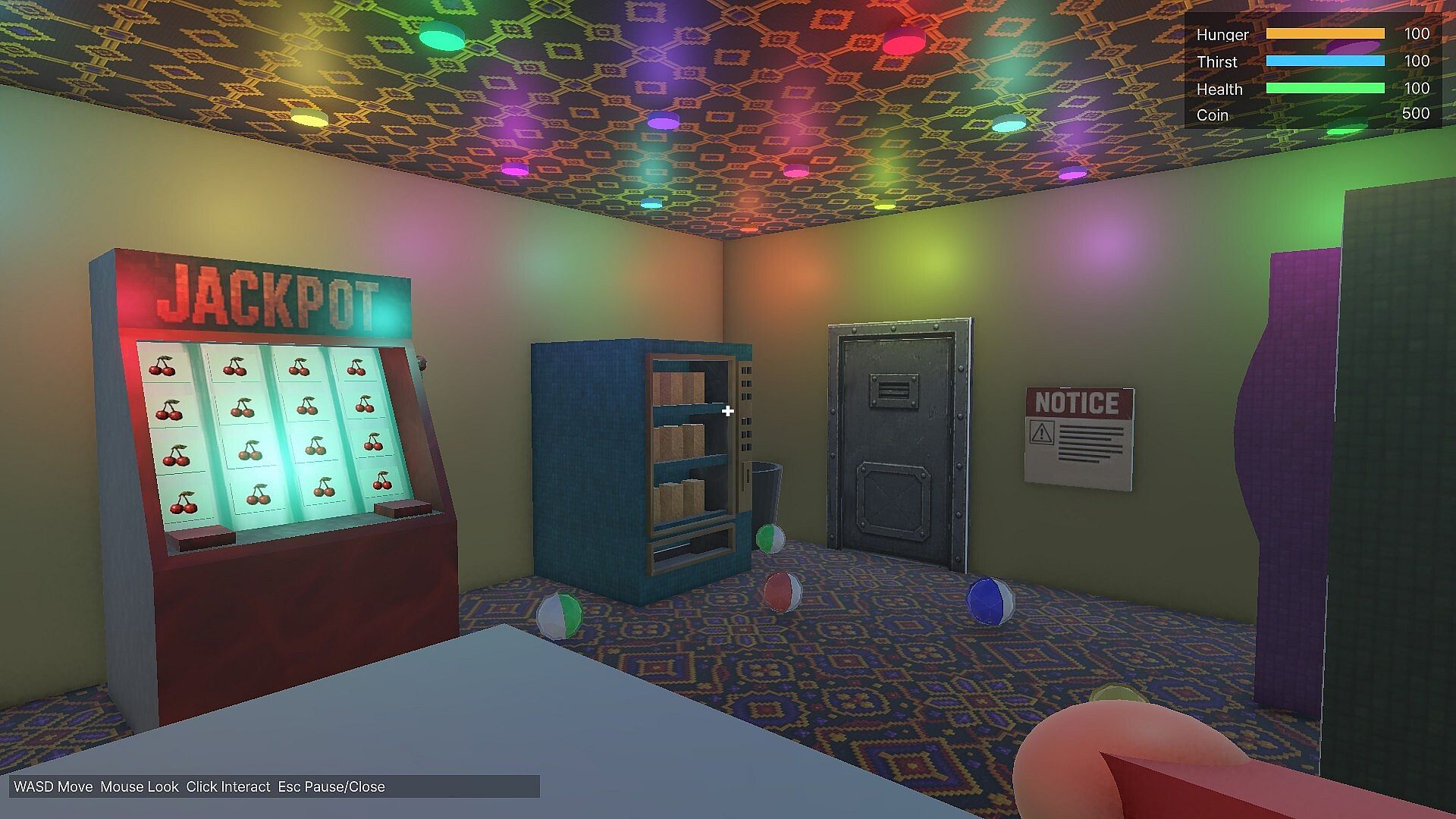
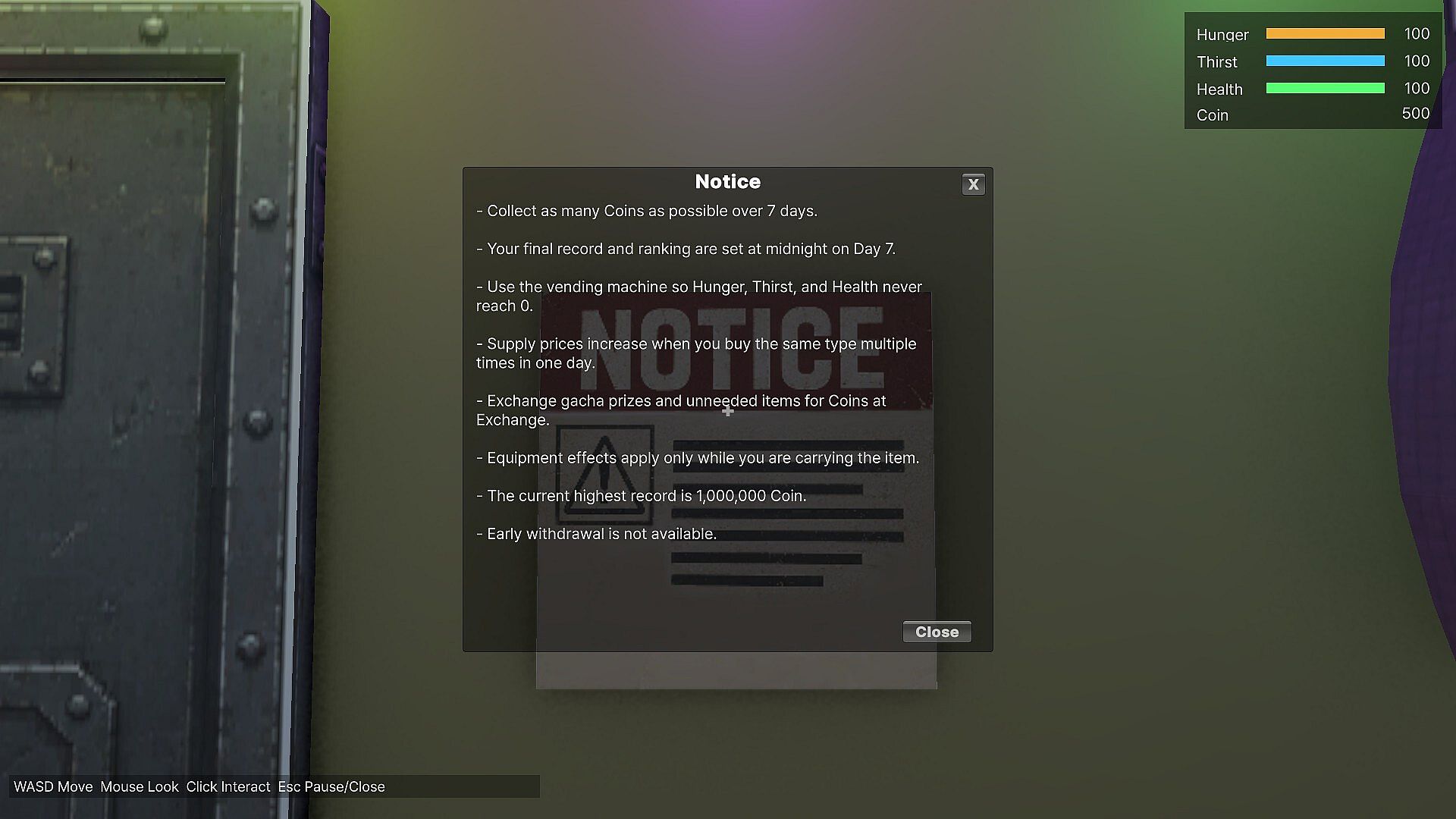
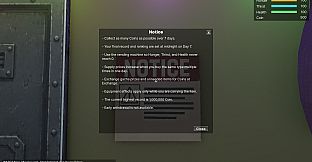
Slotlocked é um jogo de sobrevivência e apostas em primeira pessoa, desenvolvido de forma independente nos gêneros casual e simulação para PC. O jogador fica confinado em um único cômodo durante sete dias, iniciando com 500 moedas e tendo como objetivo maximizar os ganhos enquanto cuida das necessidades básicas para permanecer vivo. A experiência gira em torno da interação com máquinas especializadas para gerar recursos, trocar itens e, quem sabe, encontrar uma saída antes que o tempo acabe.
Gameplay
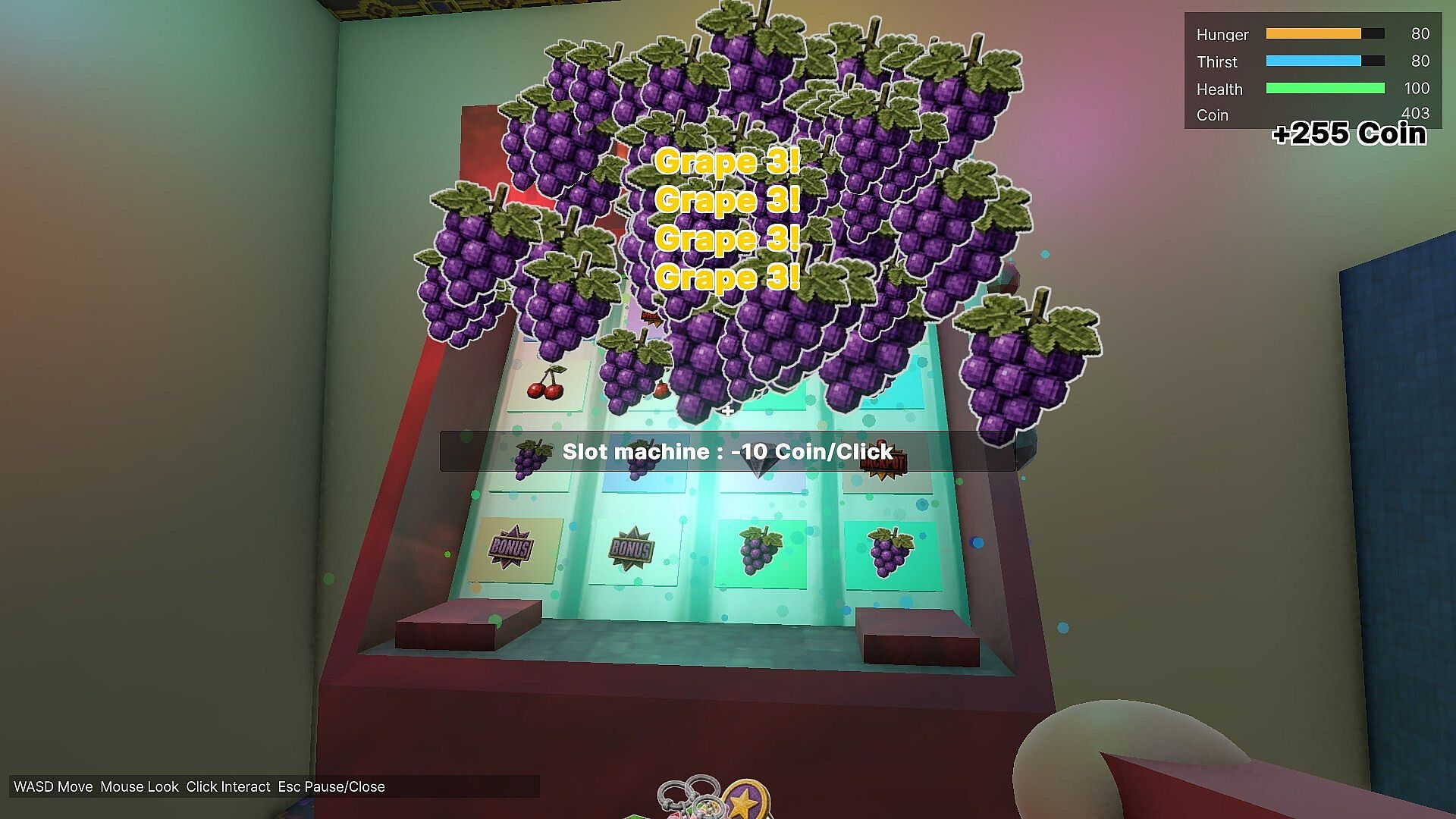
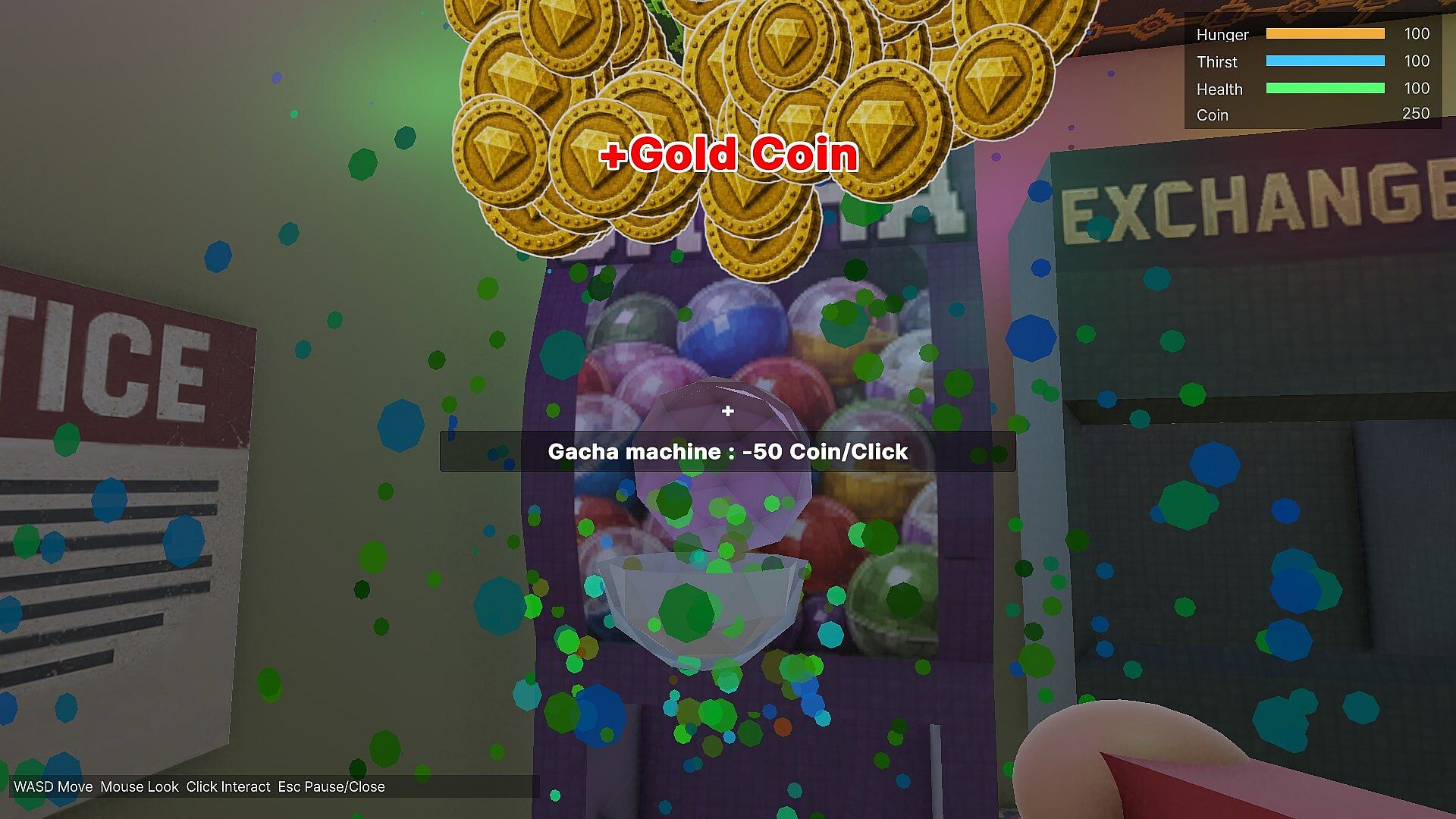
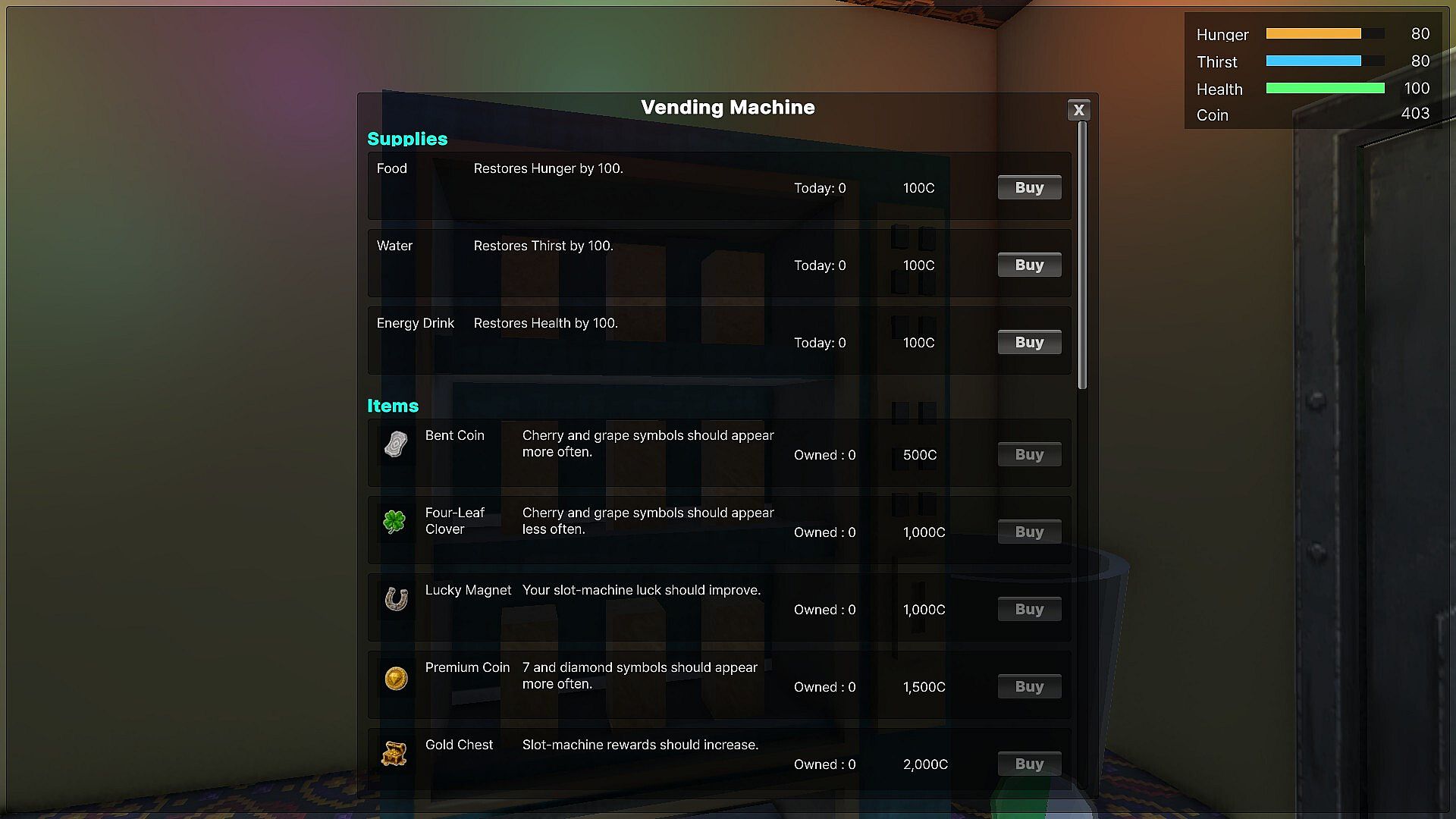
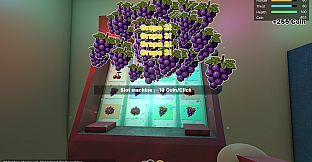
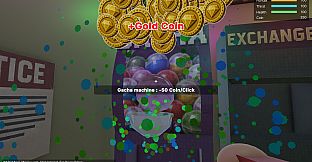
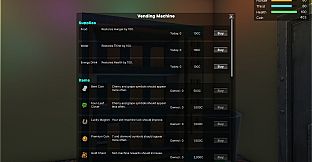
O ciclo principal do jogo envolve decisões diárias que equilibram risco e recompensa por meio de mecânicas de apostas. A máquina caça-níqueis é o principal meio de multiplicar moedas, embora os resultados possam esgotar rapidamente as reservas caso a sorte mude. Complementando isso, há uma máquina gacha que distribui prêmios, os quais podem ser convertidos em moedas adicionais por meio de uma máquina de troca. As vending machines fornecem suprimentos essenciais, como comida e água, para controlar fome e sede, além de oferecer ferramentas que podem ajudar nas tentativas de fuga.
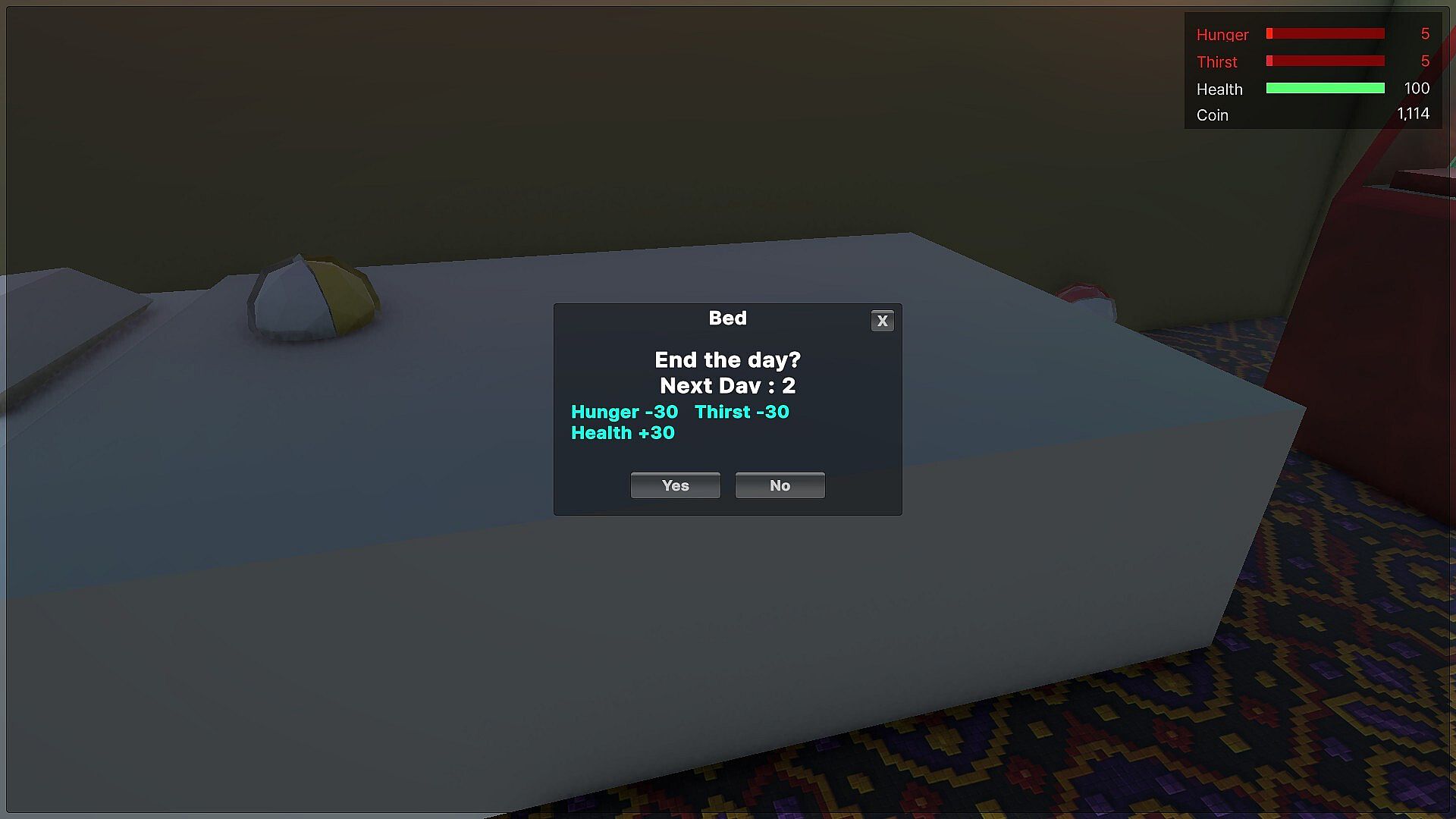
O gerenciamento de recursos é a base de cada sessão. A saúde diminui sem alimentação adequada, e toda interação com as máquinas consome moedas ou tempo. O jogador precisa equilibrar a sobrevivência imediata com o objetivo de lucro a longo prazo, decidindo o quanto investir em apostas ou preservar recursos para os dias seguintes. As ferramentas obtidas nas vending machines ou na gacha adicionam camadas estratégicas, já que algumas podem abrir novos caminhos ou aumentar a eficiência na geração de moedas.
O feedback visual e sonoro reforça o ambiente confinado, com cada ação transmitindo a tensão do tempo limitado e dos suprimentos em declínio. A perspectiva em primeira pessoa mantém o foco nas máquinas e no entorno imediato, criando um ciclo íntimo de planejamento, execução de jogadas e análise dos resultados ao final de cada dia.
Modos de Jogo
Slotlocked é uma experiência single-player estruturada em partidas curtas e autônomas. Cada partida dura sete dias no jogo, com o objetivo de acumular o maior número possível de moedas e sobreviver até o fim. A rejogabilidade surge da variação nas abordagens de uso das máquinas e na alocação de recursos entre diferentes tentativas.
Em cada partida, o jogador interage com os mesmos sistemas principais, mas encontra sequências diferentes de resultados nas máquinas, o que influencia os desfechos. A estrutura incentiva a experimentação com a frequência das apostas, as compras de suprimentos e o uso de ferramentas para descobrir caminhos variados. Não há modos competitivos ou cooperativos separados; o foco permanece na sobrevivência individual e na otimização dentro do ambiente isolado.
Sistemas de Sobrevivência e Progressão
Os medidores de fome, sede e saúde exigem atenção constante por meio de compras nas vending machines. Negligenciá-los leva a uma deterioração rápida, obrigando o jogador a interromper as atividades de geração de moedas para manutenção. Os prêmios da gacha adicionam variedade ao fornecer itens trocáveis que podem aumentar as finanças ou oferecer utilidade além da sobrevivência básica.
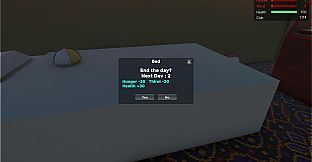
A progressão acontece por meio de ciclos diários, em vez de um sistema tradicional de níveis. Nos primeiros dias, costuma-se priorizar a construção de uma reserva de moedas, enquanto as etapas finais direcionam o foco para tentativas de fuga ou maximização do resultado final. Ao final de cada partida, estatísticas registram o desempenho em métricas como total de moedas obtidas, dias sobrevividos e recursos consumidos, fornecendo dados concretos para refinar estratégias futuras.
Vale a Pena Jogar?
Slotlocked é indicado para quem aprecia sessões concisas focadas em gerenciamento de recursos e mecânicas leves de apostas dentro de um contexto de simulação. A duração curta das partidas permite jogadas rápidas que ainda oferecem escolhas significativas entre risco e cautela. Os múltiplos finais, ligados ao desempenho e às decisões, incentivam novas tentativas sem exigir compromissos longos.
Quem se interessa por títulos independentes com loops single-player bem definidos encontrará na combinação de interações com caça-níqueis, gacha e necessidades de sobrevivência um nicho distinto. As conquistas do Steam recompensam ainda mais a exploração de diferentes estratégias. Como se trata de um lançamento próximo sem avaliações disponíveis, seu apelo depende da tolerância a resultados procedurais e do interesse em cenários de sobrevivência compactos e rejogáveis, em vez de narrativas extensas ou elementos multiplayer.
