






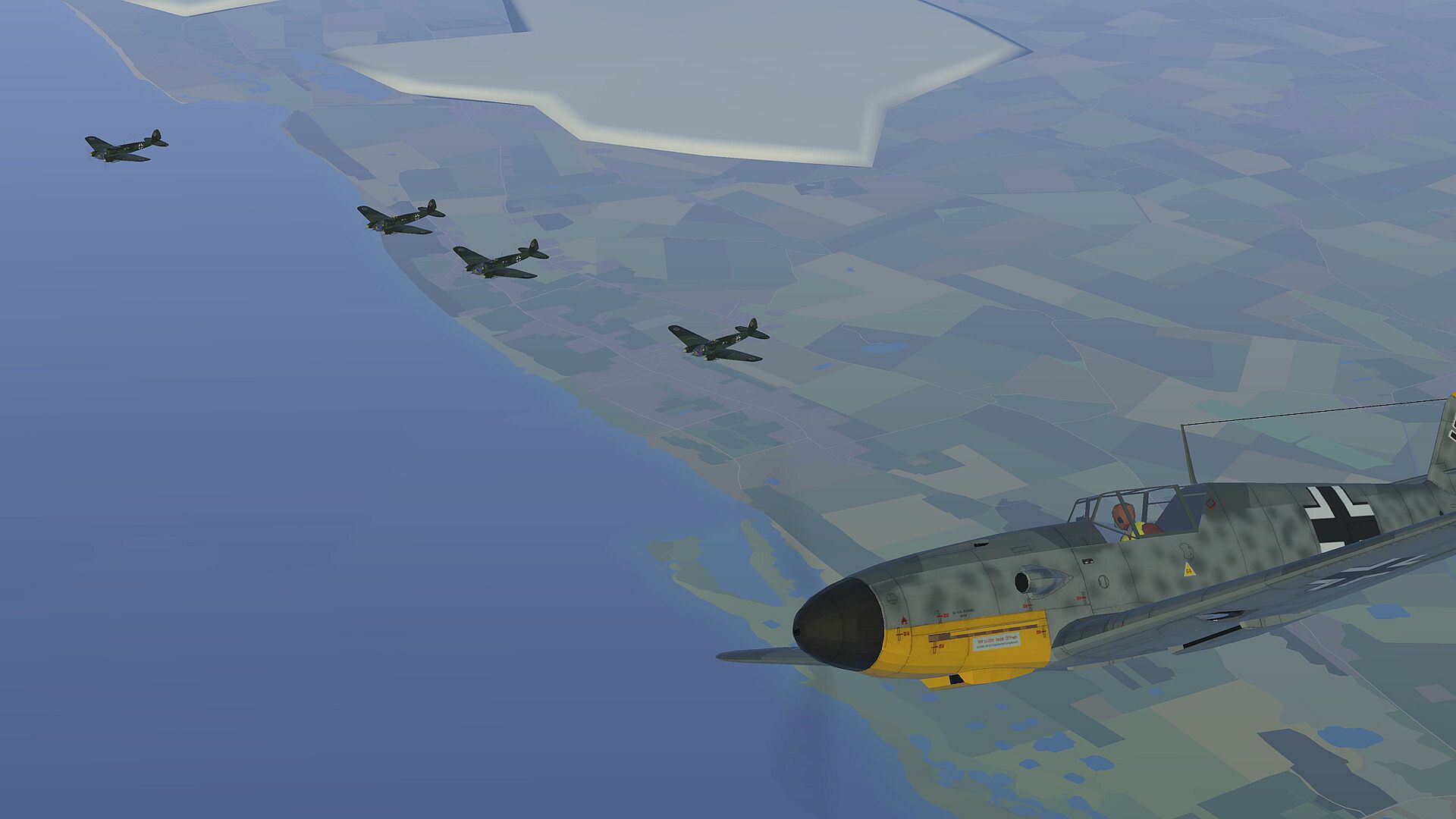
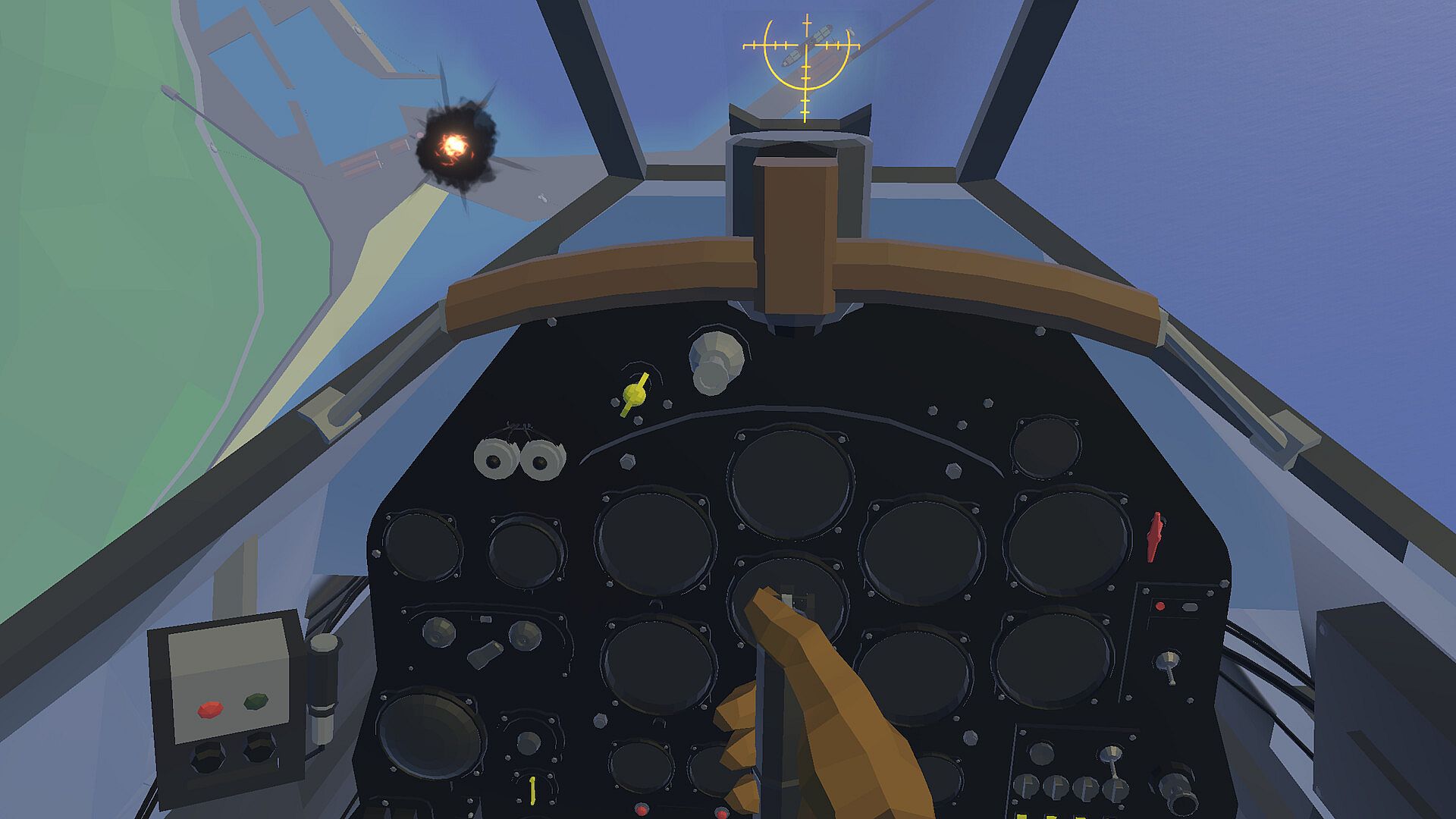
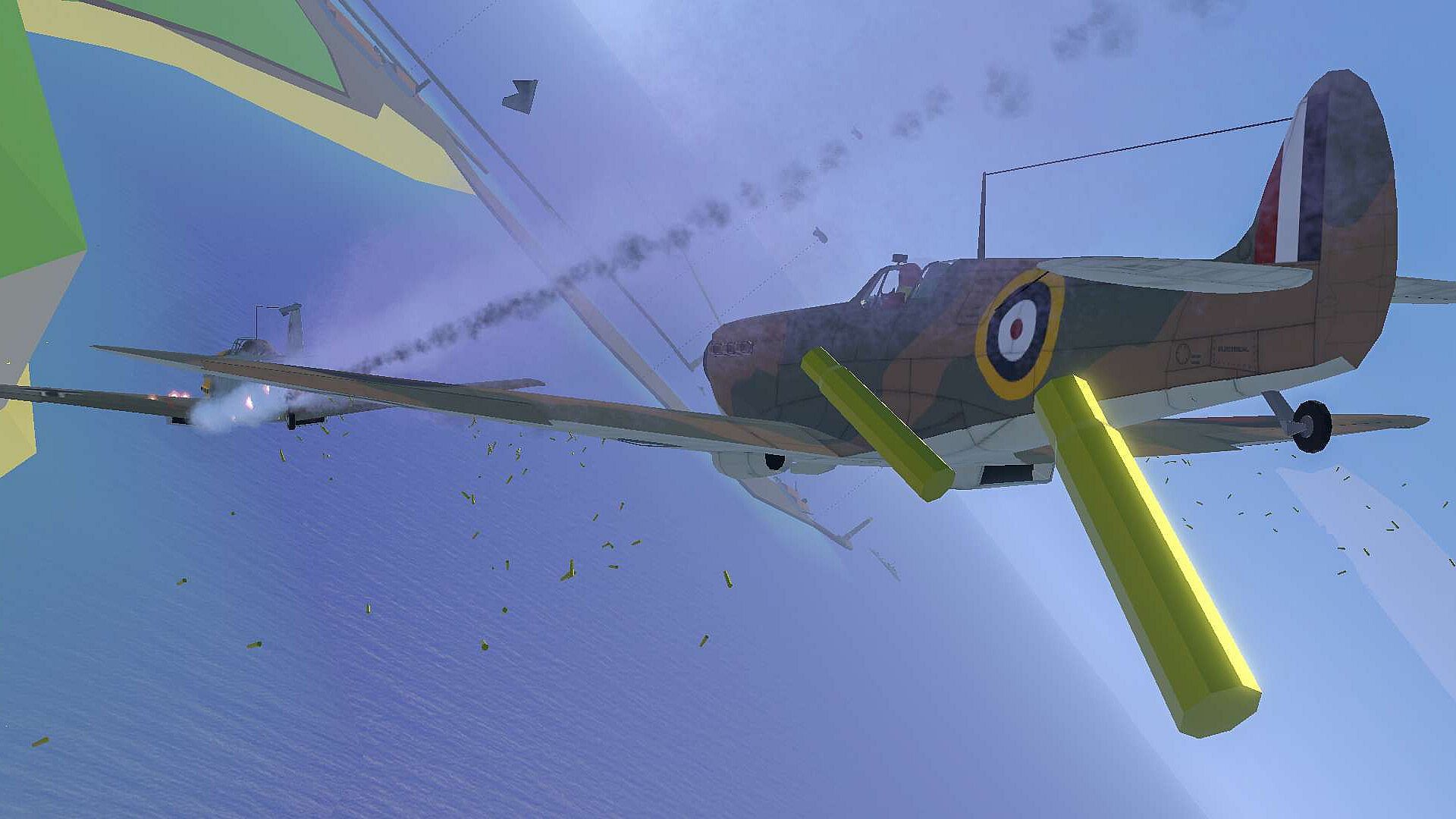
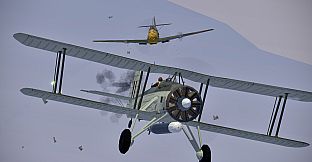
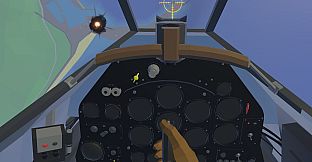
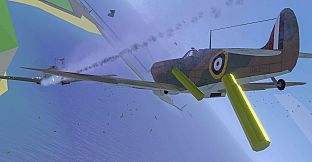
Sky On Fire : 1940 is a single-player action simulation game focused on World War II aerial combat over Europe in 1940. Players take control of authentic aircraft in dogfights, bombing runs, and ground attacks while managing realistic flight characteristics and crew positions inside multi-seat planes.
Gameplay
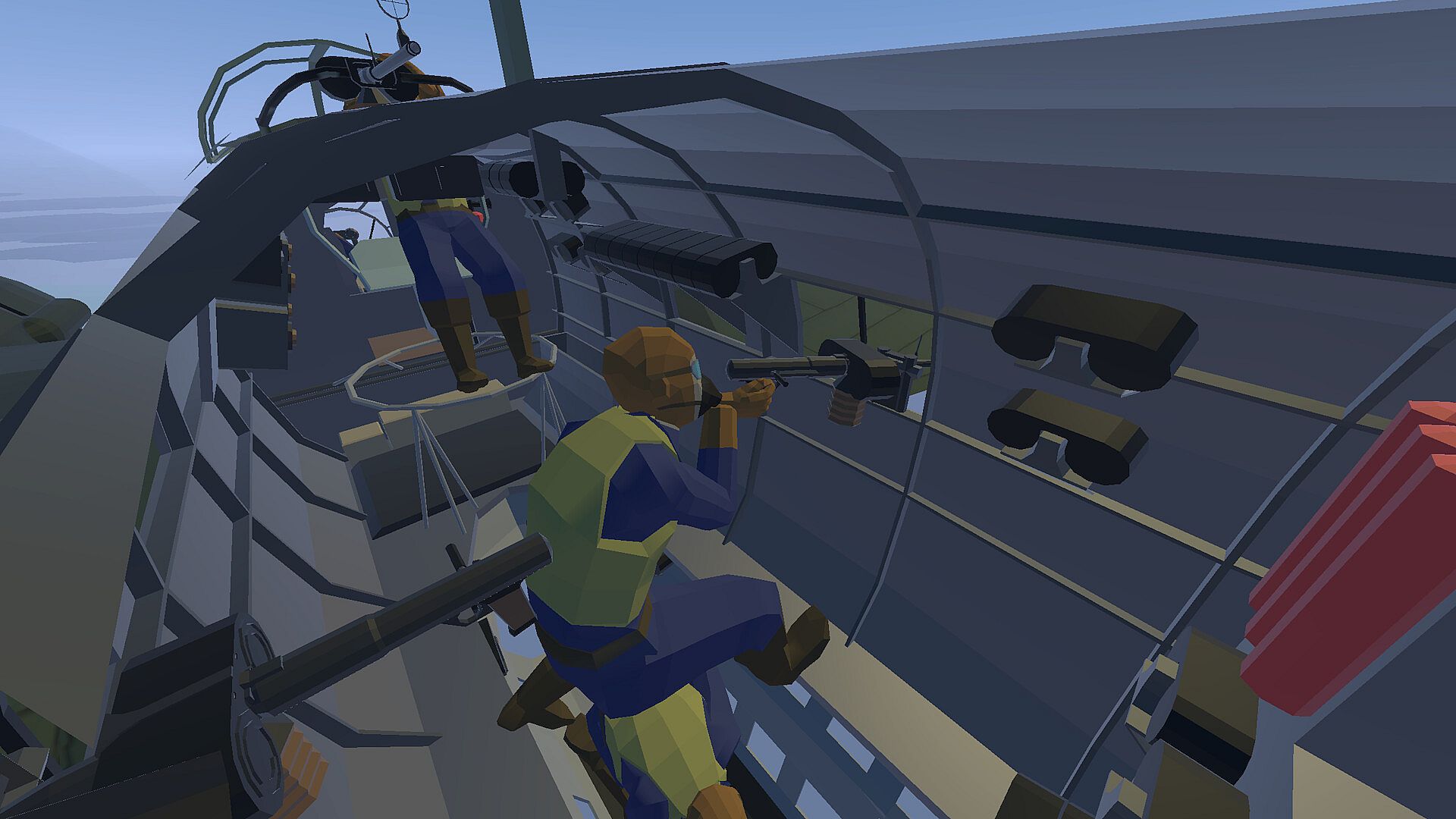
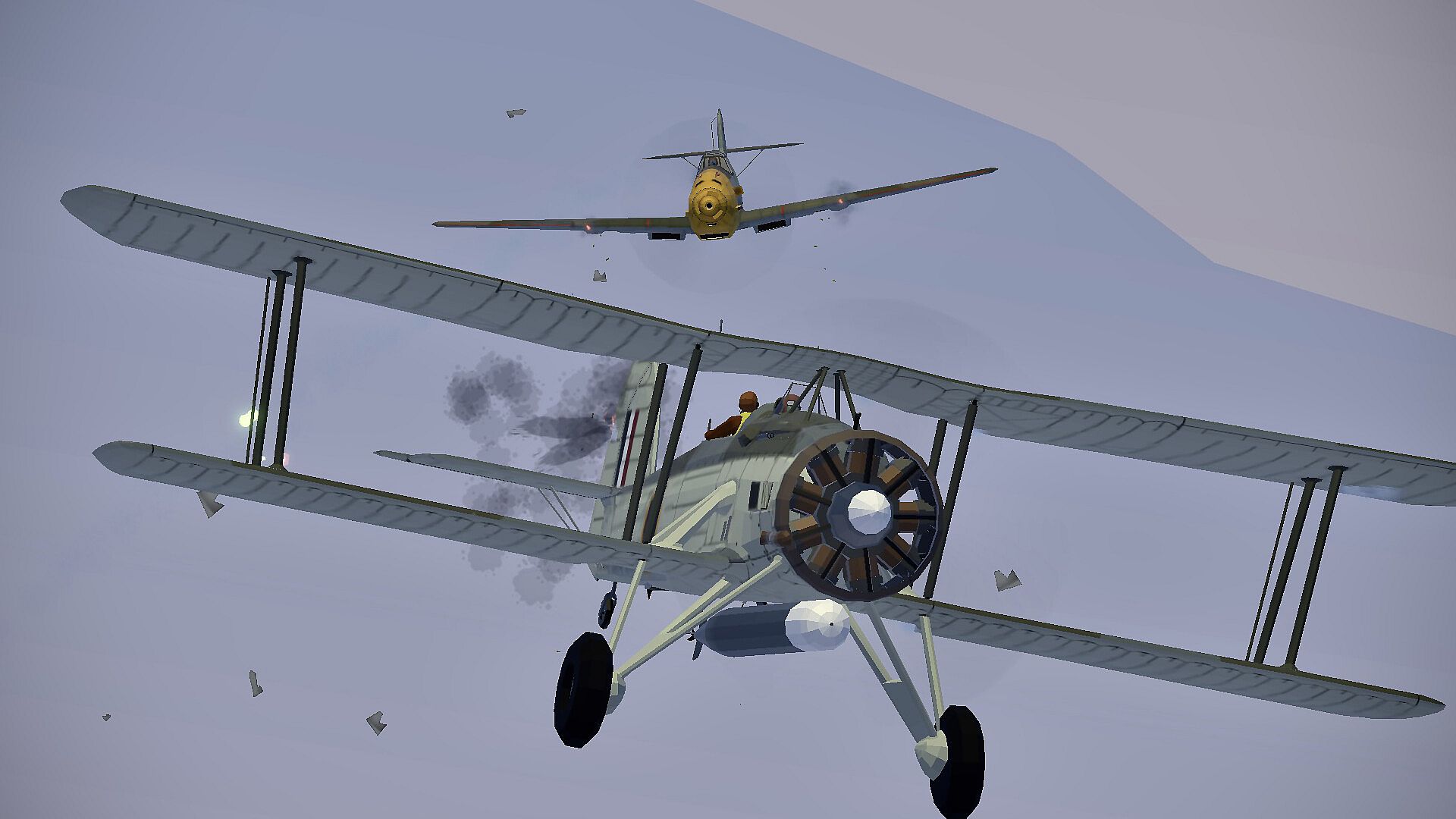
The core loop centers on managing energy, altitude, and speed during engagements. Realistic airfoil physics dictate how each aircraft handles, rewarding proper energy management over simple turning fights. Engines feature accurate power curves and supercharger behavior that affect performance at different altitudes. Damage occurs on a module-by-module basis, so a single hit to a wing spar or engine can disable key systems without instantly destroying the plane. Multicrew functionality lets players switch between stations in bombers and fighters, taking the role of pilot, bombardier, or defensive gunners to repel attackers.
Ground targets, airfields, and ship convoys appear across the map, allowing strikes on strategic objectives. Torpedo attacks on convoys add risk and require precise low-level runs. The simulation keeps relevant systems while removing unnecessary complexity, resulting in an accessible yet detailed flight experience that emphasizes tactics over rote procedures.
Game Modes
Short Missions serve as the primary entry point. This category includes takeoff and landing practice sessions that double as free-flight opportunities to learn individual aircraft. Mission Library provides three developer-created scenarios focused on interception, airfield strikes, and bomber formation attacks. The Dogfight generator lets players set aircraft types for both sides, enemy numbers, starting altitude, time of day, and difficulty to create custom air battles that can involve dozens of planes.
A mission editor supports creation of custom scenarios with adjustable AI behavior and objectives. Photo mode and free camera tools allow capture of in-flight moments with adjustable zoom, angles, and slow-motion playback. These tools combine to support quick sessions or extended experimentation without requiring external tools.
Aircraft and Historical Setting
The roster covers 18 unique aircraft from the 1940 Western European theater, including the Spitfire Mk.I, Hurricane Mk.I, Bf 109 E-4, He 111 H, Dewoitine D.520, Boulton Paul Defiant, and Morane-Saulnier 406. A 1944 extension adds later-war types such as the Bf 109 G-14, Fw 190 A-8, Spitfire Mk.IX, P-47D, P-51D, and P-38L. Each plane receives distinct handling traits, armament options, and damage responses that reflect historical performance.
Combat unfolds over a map representing the English Channel region with airfields, coastal targets, and naval elements. Players encounter formations of bombers, defending fighters, and ground defenses while choosing sides among British, German, and French forces.
Controls and Accessibility
Support extends across mouse and keyboard, gamepad, full HOTAS setups, and TrackIR head tracking. A robust rebinding system handles axes, button curves, toggle modes, and hold functions to suit different hardware and play styles. The design balances accessibility for newcomers with enough depth for experienced sim pilots to fine-tune their setup.
Is It Worth Playing?
Player feedback on available platforms highlights the strength of the flight model and module-based damage system, with many noting how energy management and crew switching create engaging sessions. The single-player focus and sandbox tools appeal to those seeking historical aircraft combat without multiplayer requirements or live-service elements. Updates continue to expand the map, add aircraft variants, and refine mechanics, indicating ongoing development support. Those who enjoy accessible simulation gameplay centered on 1940s European air war will find consistent depth in short or extended play sessions. The combination of realistic physics, multicrew options, and varied mission tools makes it a strong choice for fans of the genre who value historical accuracy and control flexibility over arcade simplicity.