




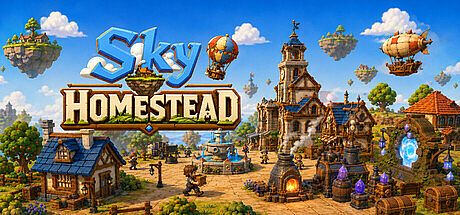


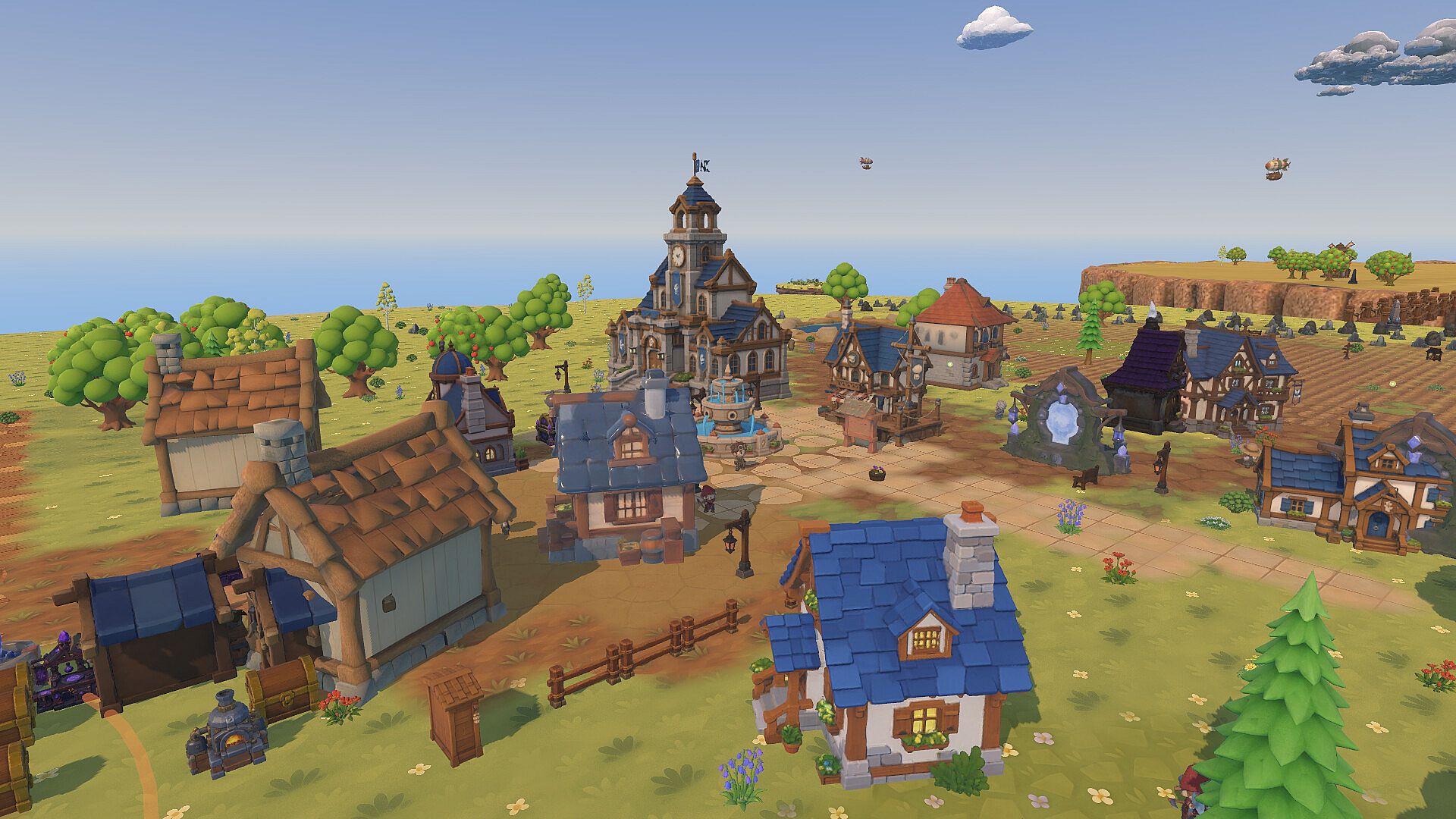
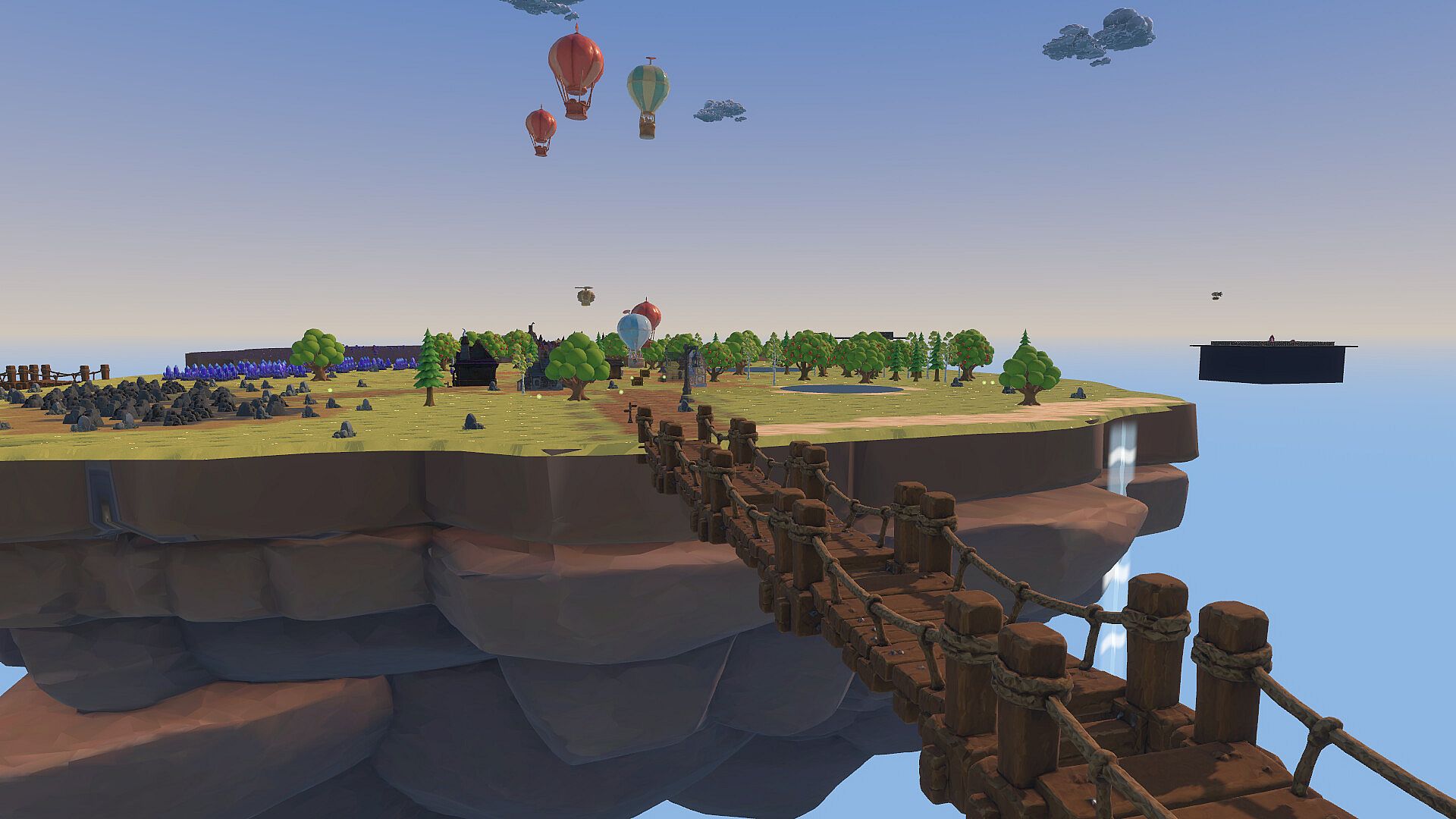
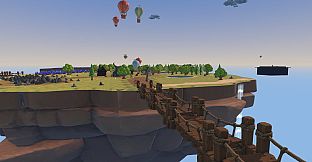
Sky Homestead é um jogo indie de simulação e aventura ambientado em um mundo de ilhas flutuantes, onde os jogadores restauram uma rede de pontes e faróis danificada. A experiência principal gira em torno da reconstrução após um cataclismo ocorrido há três séculos, começando em uma única cabana na última ilha iluminada e se expandindo por terras à deriva.
Gameplay
O ciclo central envolve coletar recursos do terreno, financiar os trabalhos de restauração e observar as pontes se reconstruírem à medida que as ilhas se reconectam. A agricultura é um dos pilares do jogo, com quinze culturas diferentes que os jogadores aram, plantam, regam e colhem em campos suspensos. Algumas plantas, como os crystalbuds, exigem condições específicas ligadas ao Hum, uma fonte natural de energia que também alimenta as máquinas.
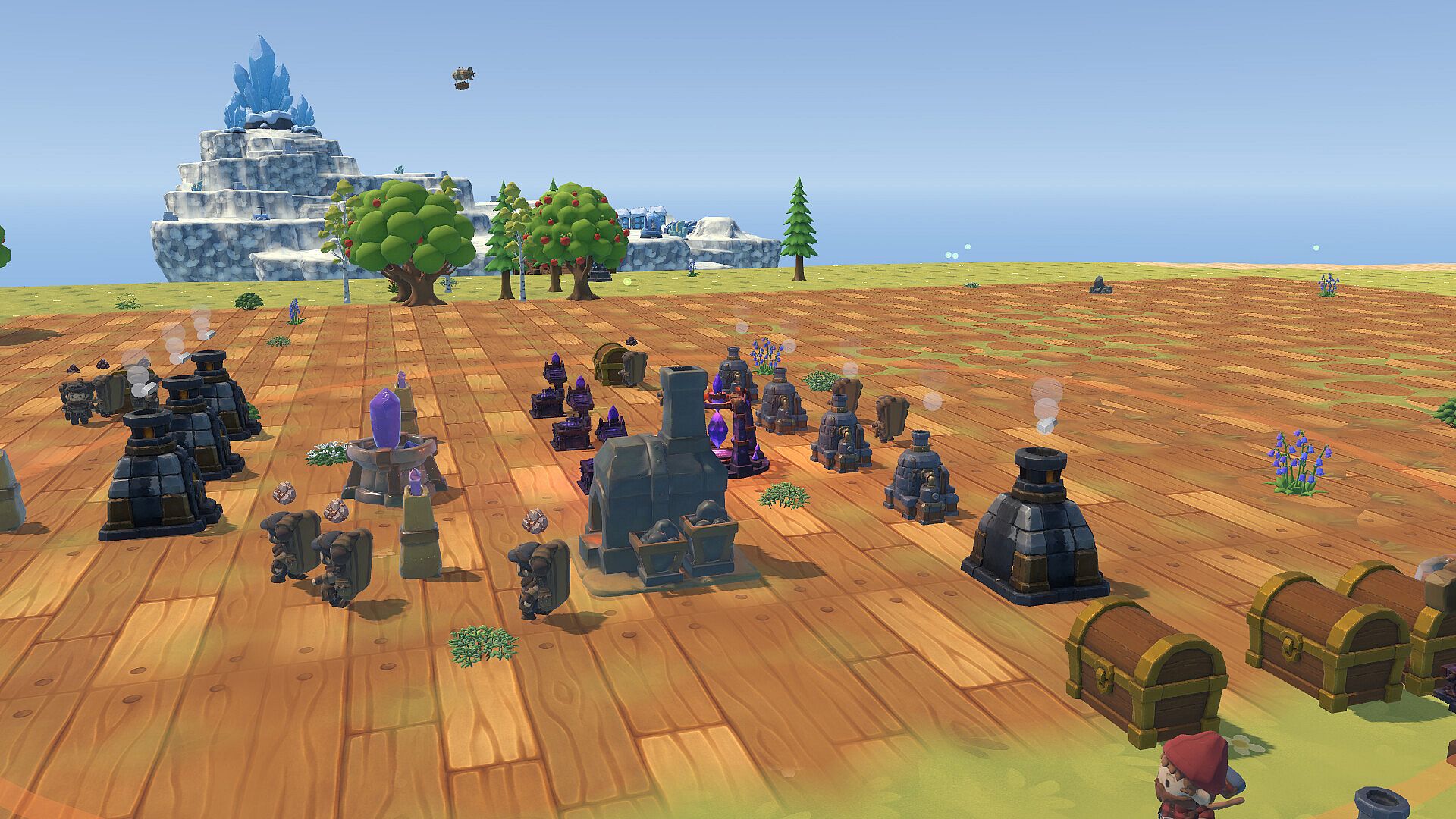
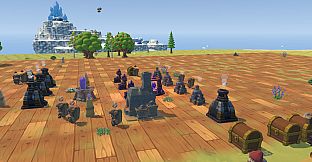
A automação é introduzida de forma gradual por meio de linhas de produção encadeadas. Os jogadores começam cortando madeira manualmente, mas podem construir fornalhas, artesãos, fundições e moinhos que funcionam de forma independente quando abastecidos por bots transportadores. Esses sistemas utilizam a energia cristalina do Hum e permitem que o foco se desloque para a exploração ou outras atividades enquanto a produção continua.
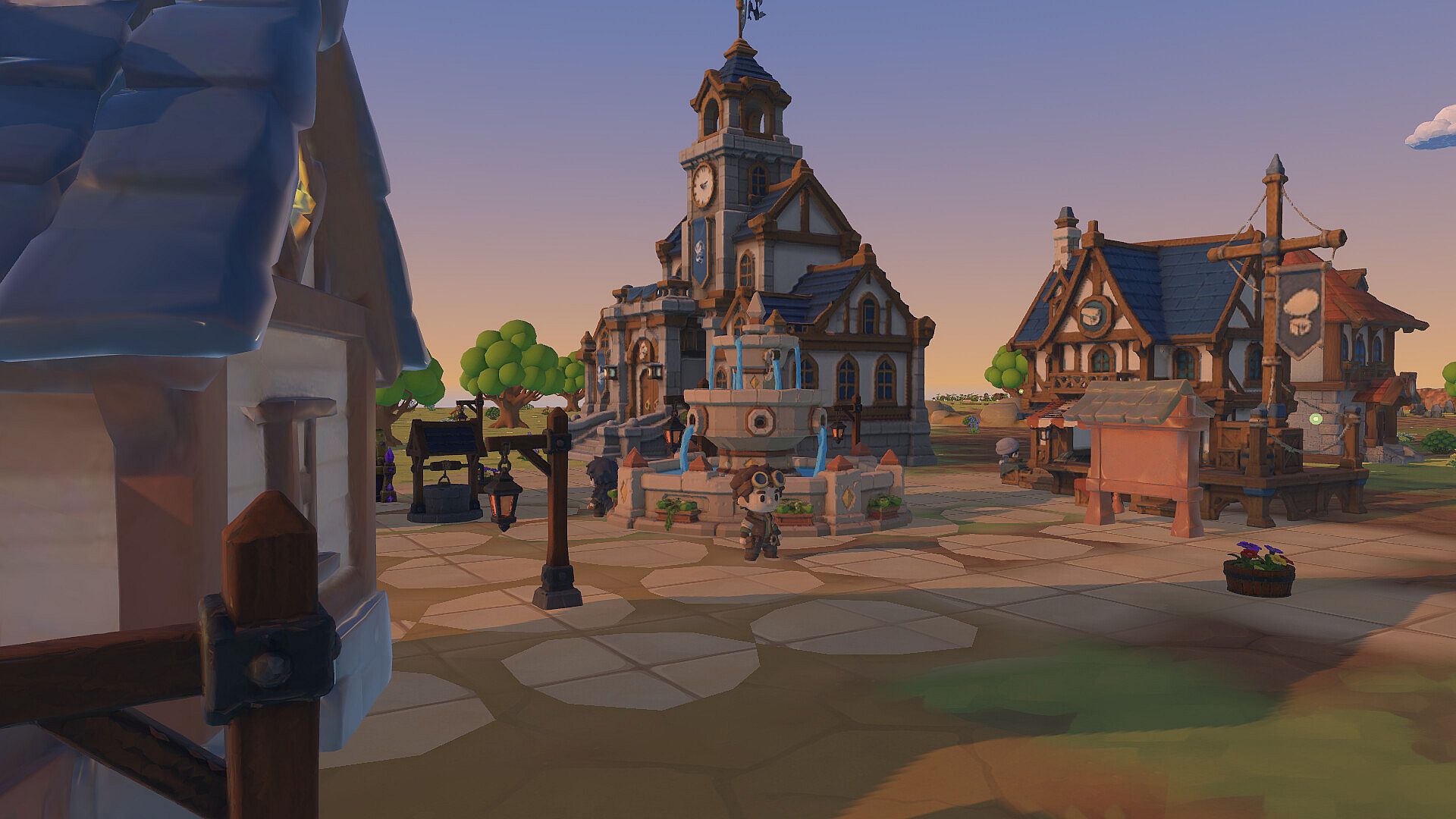
O recrutamento adiciona outra camada ao gameplay. Ajudantes com nome próprio, como Pip, o Lenhador, e Tansy, a Fazendeira, chegam com suas próprias ferramentas. Eles recebem salários em ouro e refeições, e retornam às cabanas ao final do dia. O transporte de carga utiliza balões para rotas entre ilhas e drones para entregas mais rápidas de ponto a ponto, com cada ilha desenvolvendo sua própria economia à medida que as conexões se formam.
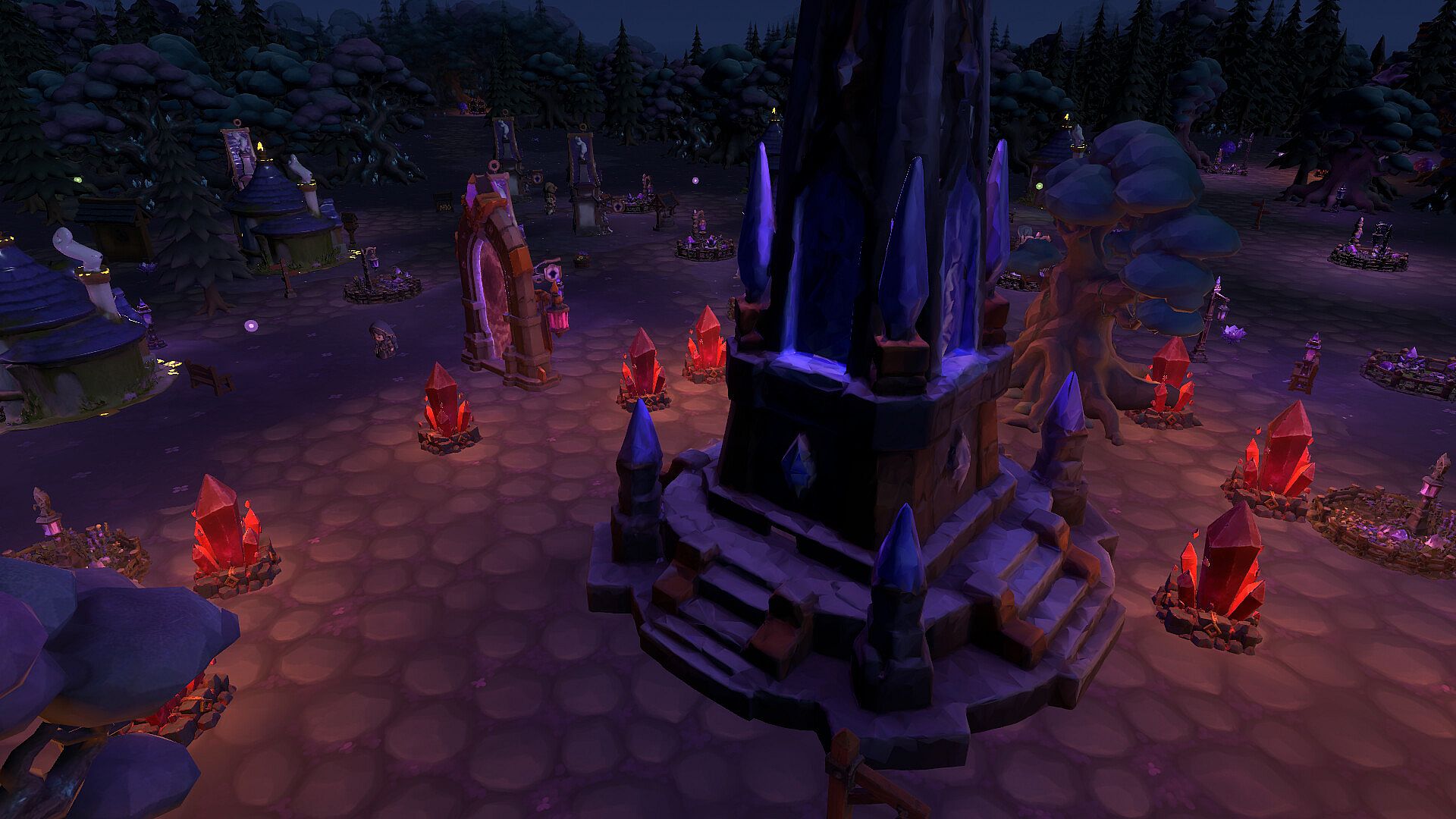
A exploração inclui incursões opcionais ao Deep Barrow Dungeon, localizado sob a ilha mais antiga. Os jogadores equipam uma espada e uma lanterna para coletar soul crystals, com a opção de ignorar completamente essa mecânica se preferirem. O ritmo geral mistura criação manual com suporte automatizado e escolhas leves de risco e recompensa.
Modos de Jogo
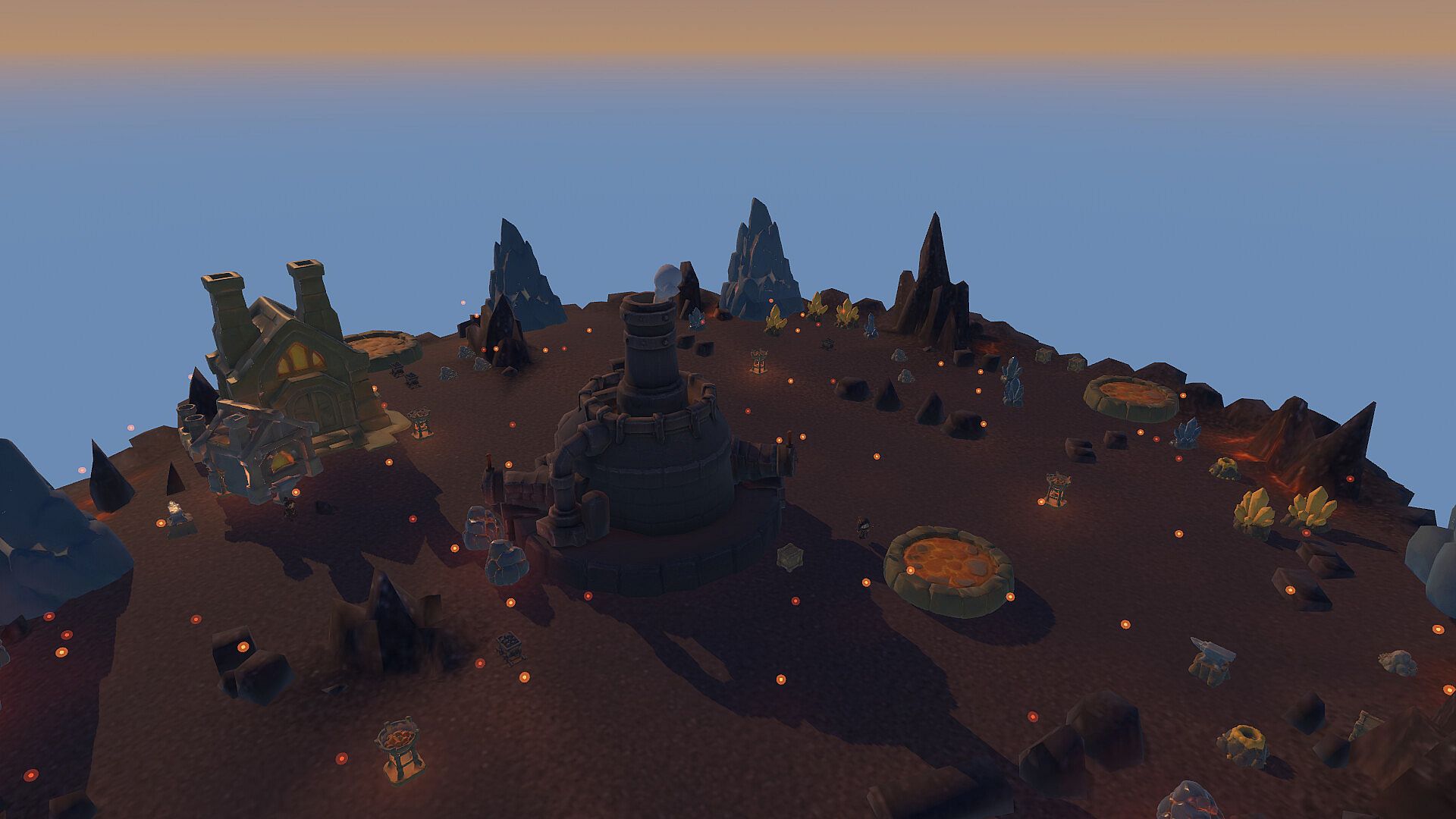
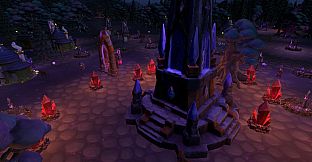
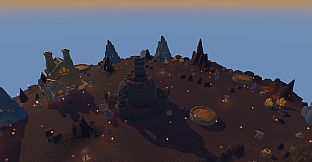
Sky Homestead é uma experiência para um jogador, sem modos competitivos ou cooperativos listados. A progressão segue uma campanha contínua de restauração por uma cadeia de ilhas que inclui biomas variados, como uma crista congelada, witchwood e uma ilha-forja vulcânica. Cada nova conexão libera mais construção, cultivo e atividade econômica, sem ramificações em tipos de partida ou sessões distintas.
Os jogadores avançam completando tarefas da lista de afazeres herdada, reativando faróis e expandindo a rede uma lanterna por vez. A estrutura permanece aberta na versão Early Access, permitindo foco em agricultura, automação ou explorações no calabouço conforme a preferência, enquanto o estado do mundo é atualizado visivelmente.
Exploração e Progressão
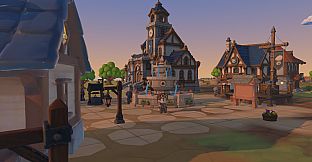
As ilhas contêm ruínas que refletem suas funções passadas, incentivando os jogadores a coletar materiais e observar as mudanças à medida que pontes e luzes retornam. As rotas de carga e as atribuições de ajudantes estão diretamente ligadas ao despertar da economia de cada local, gerando feedback visível à medida que os moradores retornam e a atividade aumenta.
O gerenciamento de energia por meio do Hum influencia tanto o crescimento das plantações quanto o funcionamento das máquinas, conectando agricultura e indústria. As incursões no calabouço oferecem um caminho alternativo de recursos com soul crystals, embora permaneçam totalmente opcionais e envolvam o risco padrão de perda para quem as enfrenta sem preparação.
Estado Atual e Desenvolvimento
O jogo ainda está em Early Access, desenvolvido inteiramente por uma única pessoa. Todos os elementos visíveis, incluindo capturas de tela e trailer, refletem a versão atual, com melhorias contínuas planejadas até o lançamento e além. Não há eventos sazonais ou grandes atualizações pós-lançamento nos detalhes disponíveis, mantendo o foco na expansão constante dos sistemas principais.
Vale a pena jogar?
Sky Homestead é indicado para jogadores que apreciam uma simulação metódica que combina agricultura, automação no estilo de fábricas e restauração gradual do mundo em ilhas flutuantes. O foco em um único jogador e o elemento opcional do calabouço o tornam acessível para quem prefere um ritmo mais tranquilo em vez de combates intensos ou coordenação multiplayer. Como título em Early Access de um desenvolvedor solo, oferece uma experiência em desenvolvimento que continua evoluindo com base no feedback direto. Quem se interessa por loops de construção aconchegantes, com ajudantes nomeados e progresso visível em pontes e economias, encontrará maior afinidade com seus sistemas.