


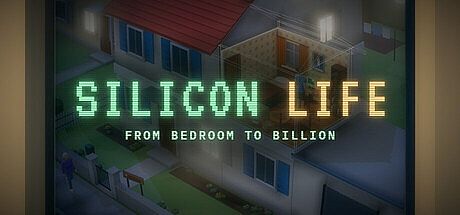


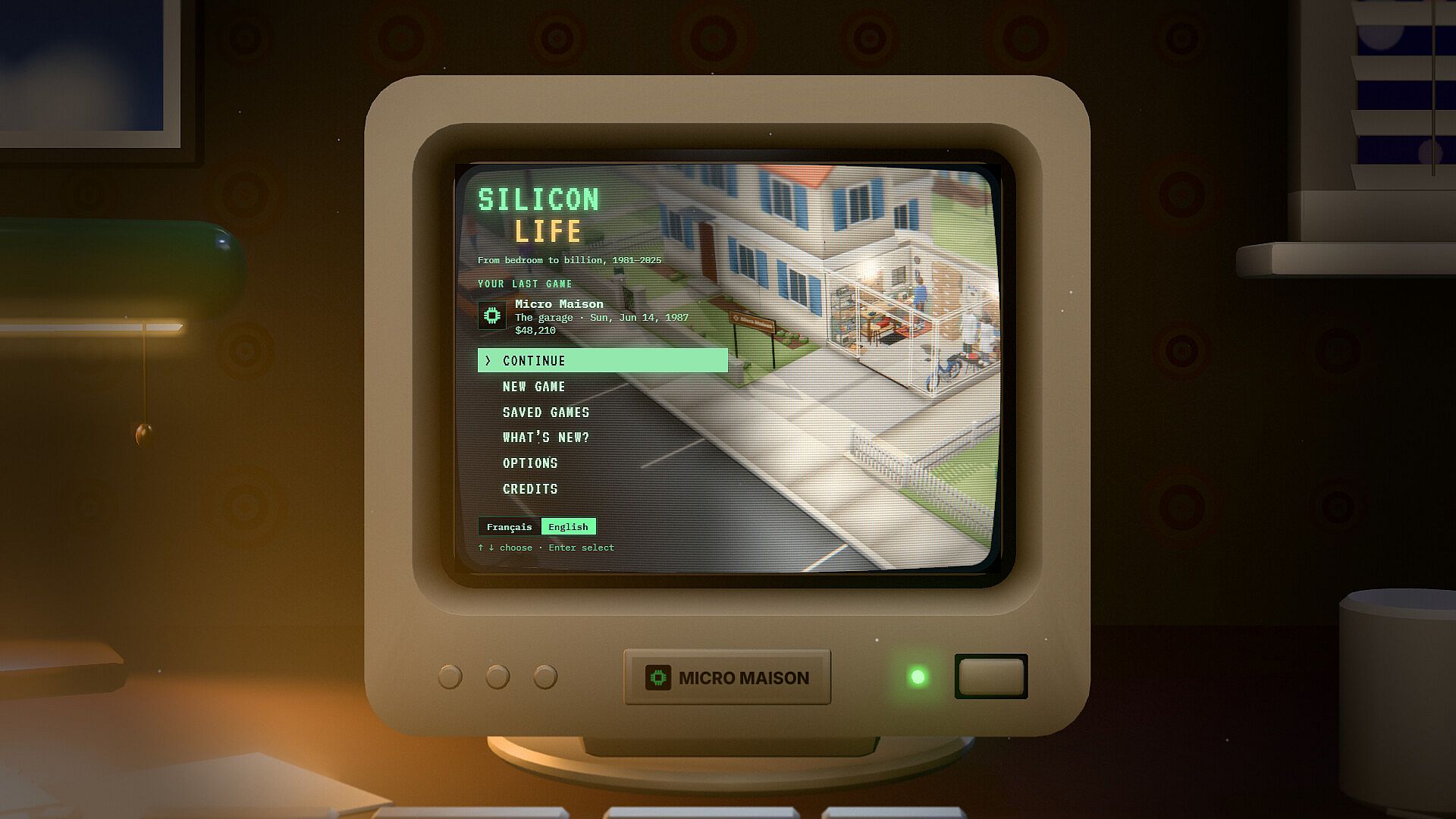
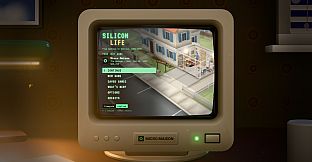
Silicon Life: From Bedroom to Billion is a single-player strategy and simulation game that puts players in charge of building a personal computer empire from scratch. Set in a detailed recreation of PC hardware history spanning 1981 to 2025, the title combines elements of business management, technical troubleshooting, and long-term progression in a casual yet strategic package available on PC.
Gameplay
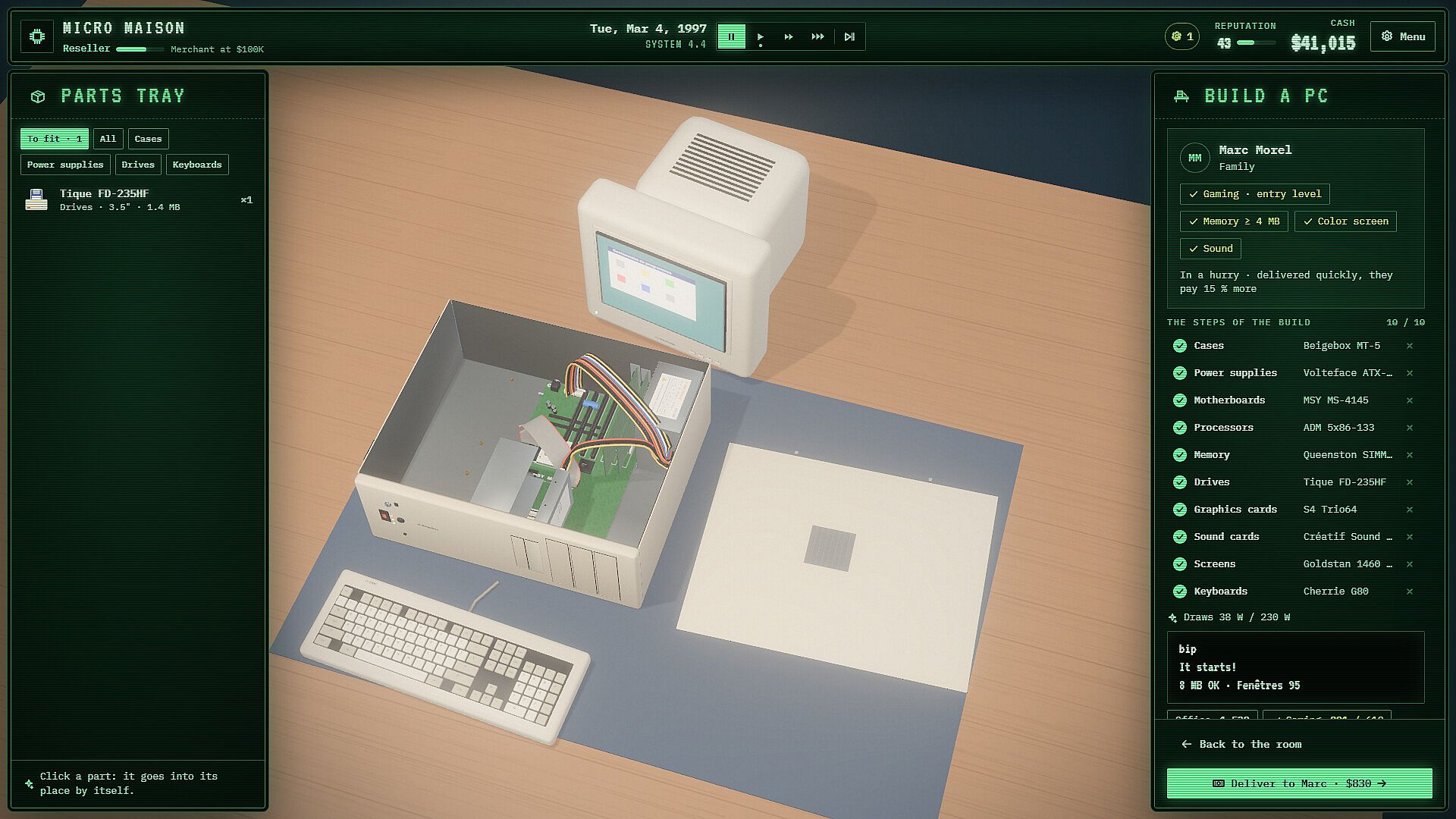
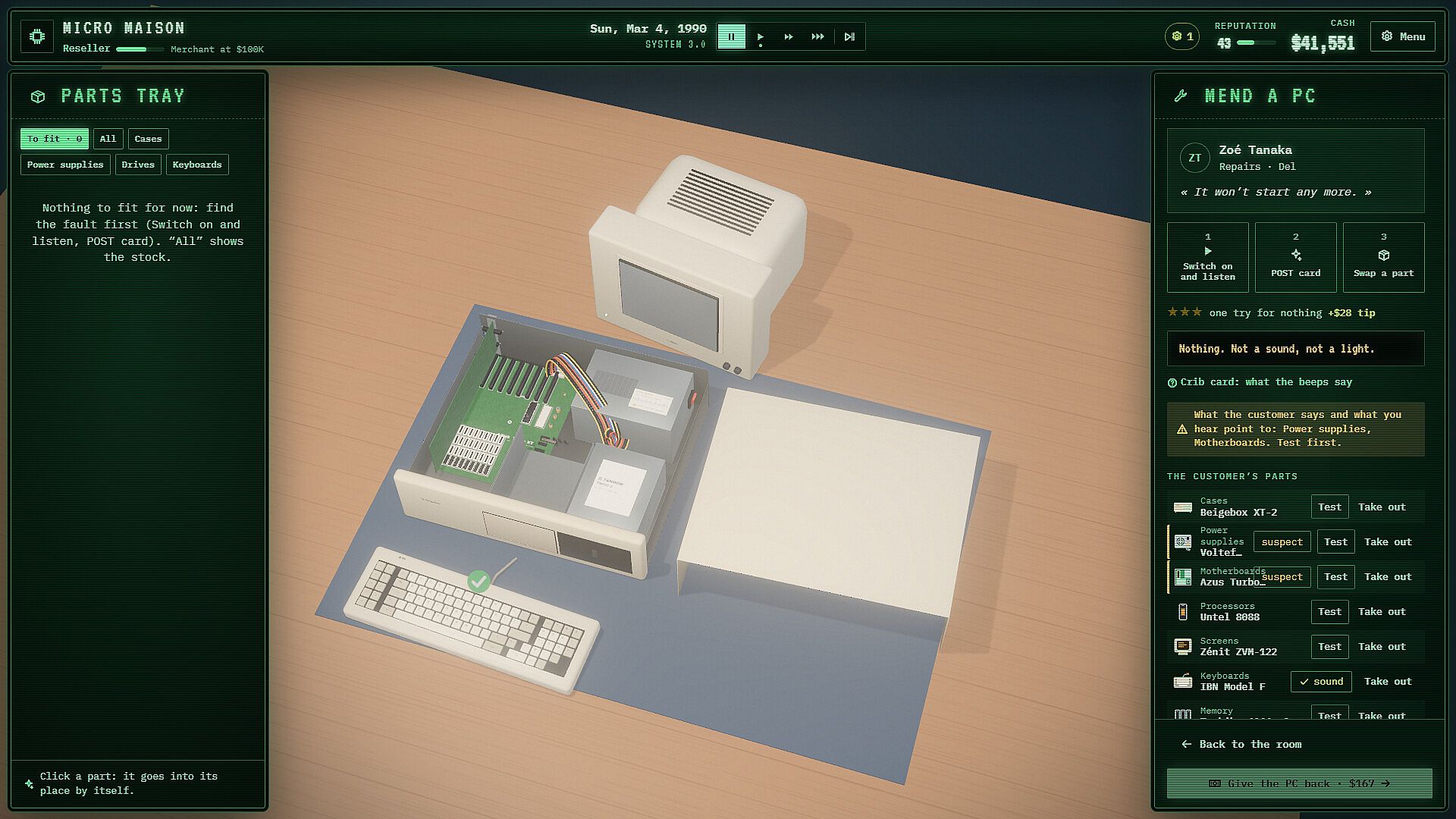
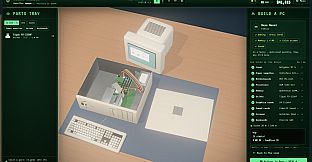
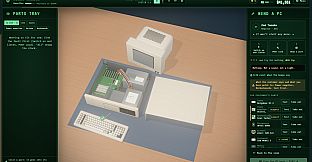
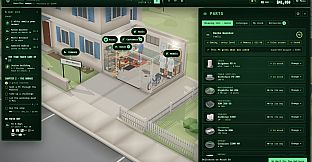
The core loop centers on assembling, repairing, and selling personal computers using a mouse-driven 3D workbench. Players source individual components that follow real historical timelines under fictional brand names, ensuring compatibility across six key rules displayed on screen at all times. These rules cover CPU and motherboard pairings, memory types, case dimensions, graphics slots, power supplies, and cooling solutions. Fault diagnosis involves powering on machines to interpret beep codes, testing suspect parts, and performing targeted swaps with known-good components.
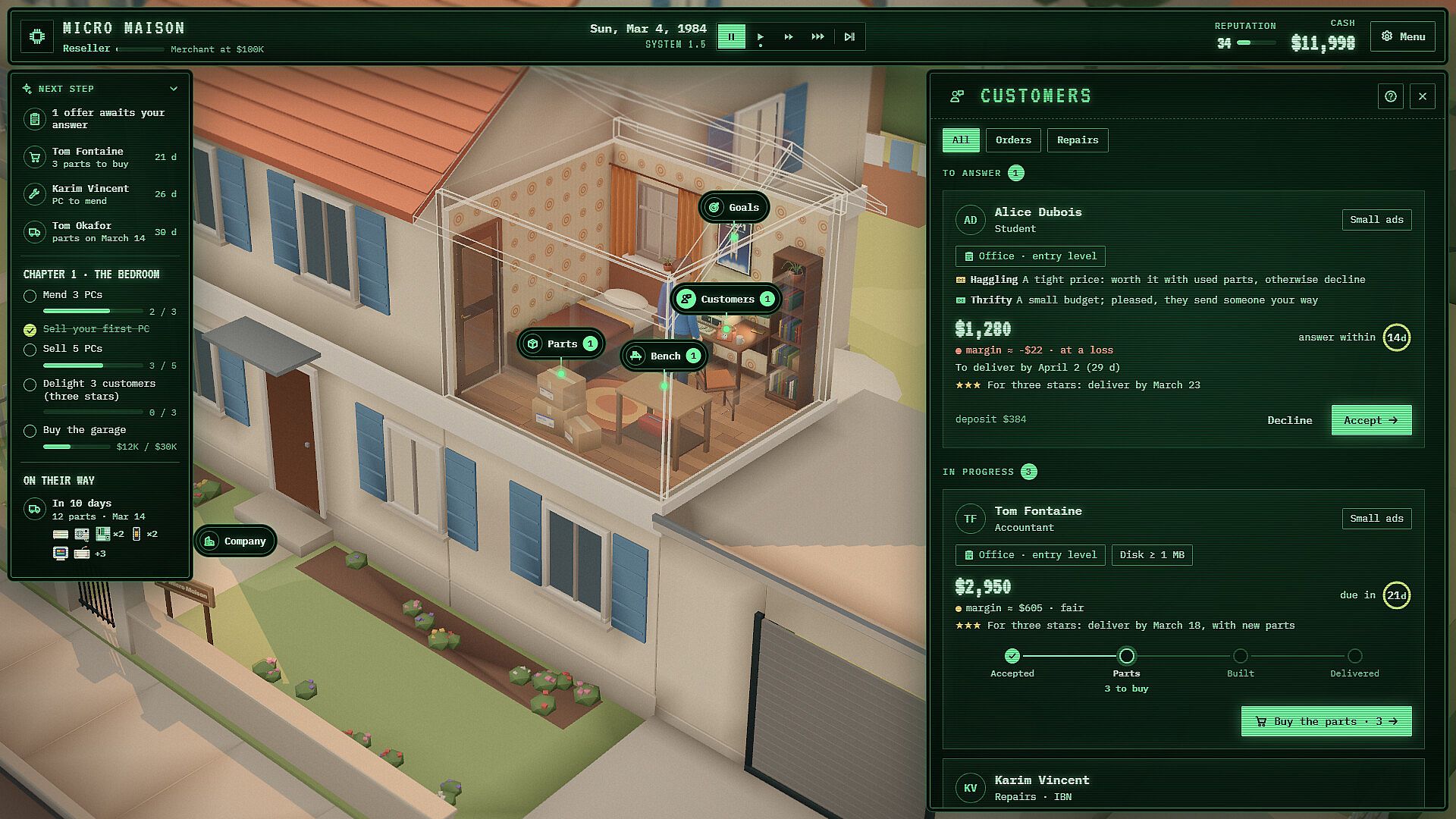
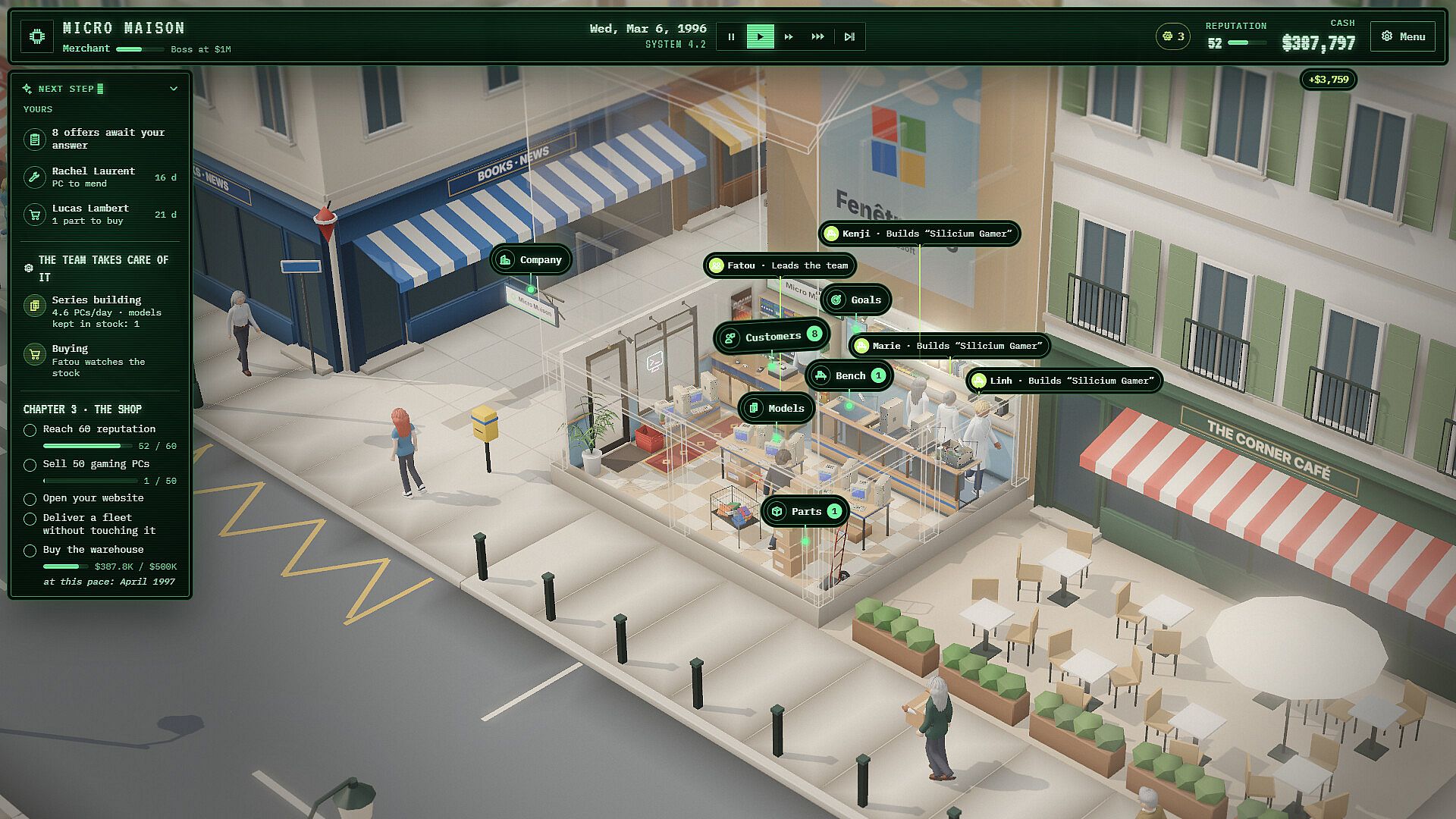
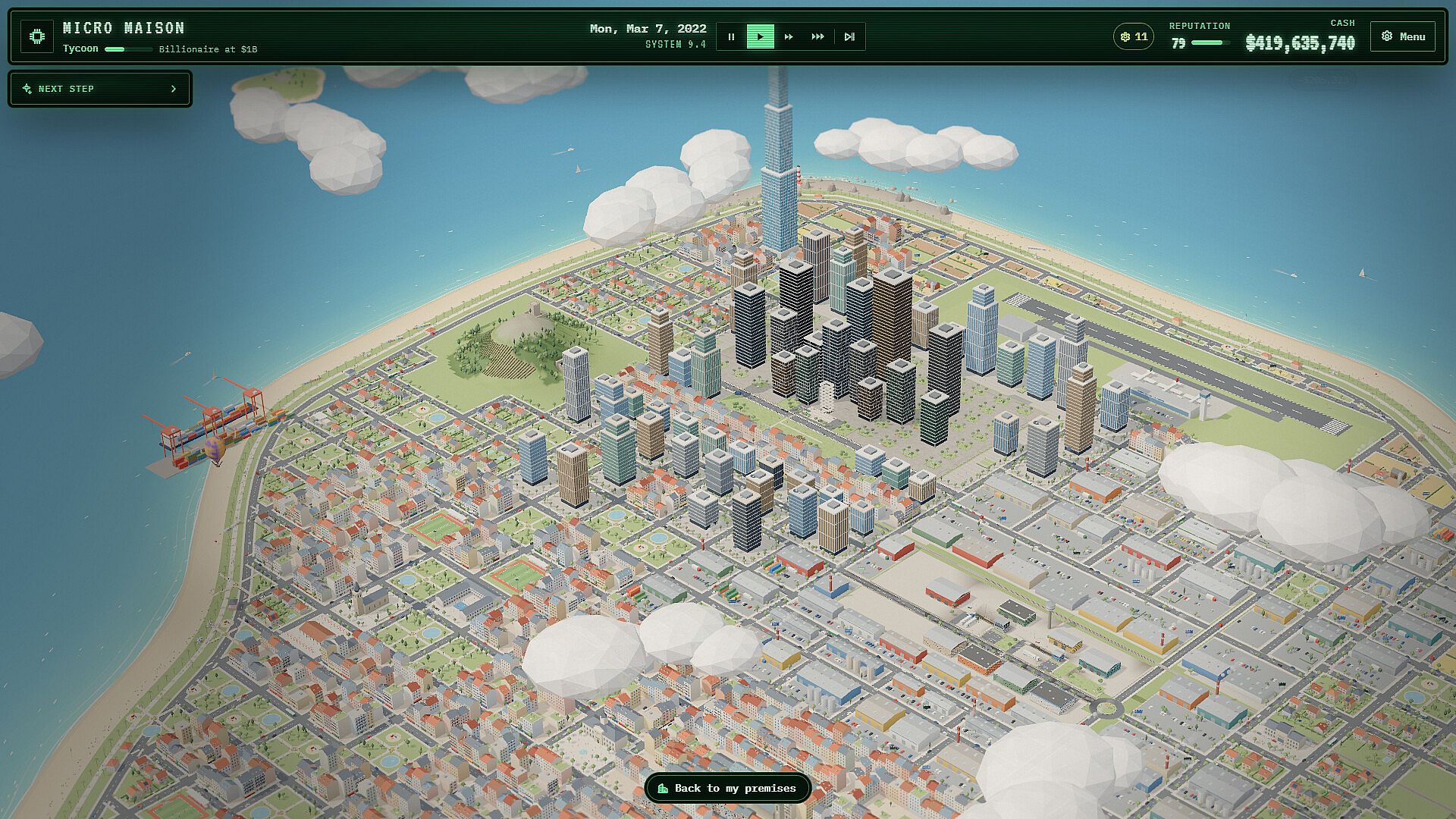
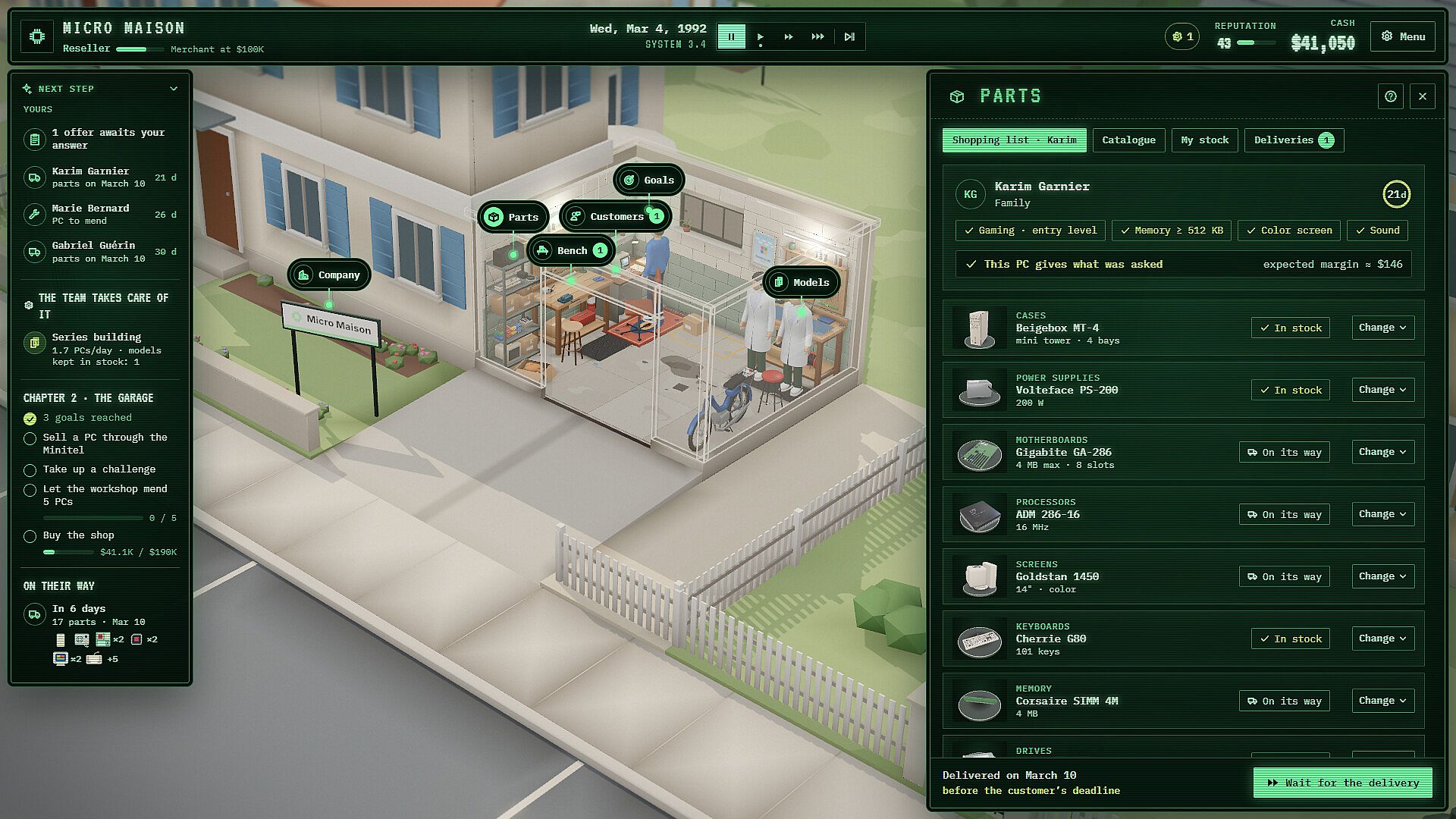
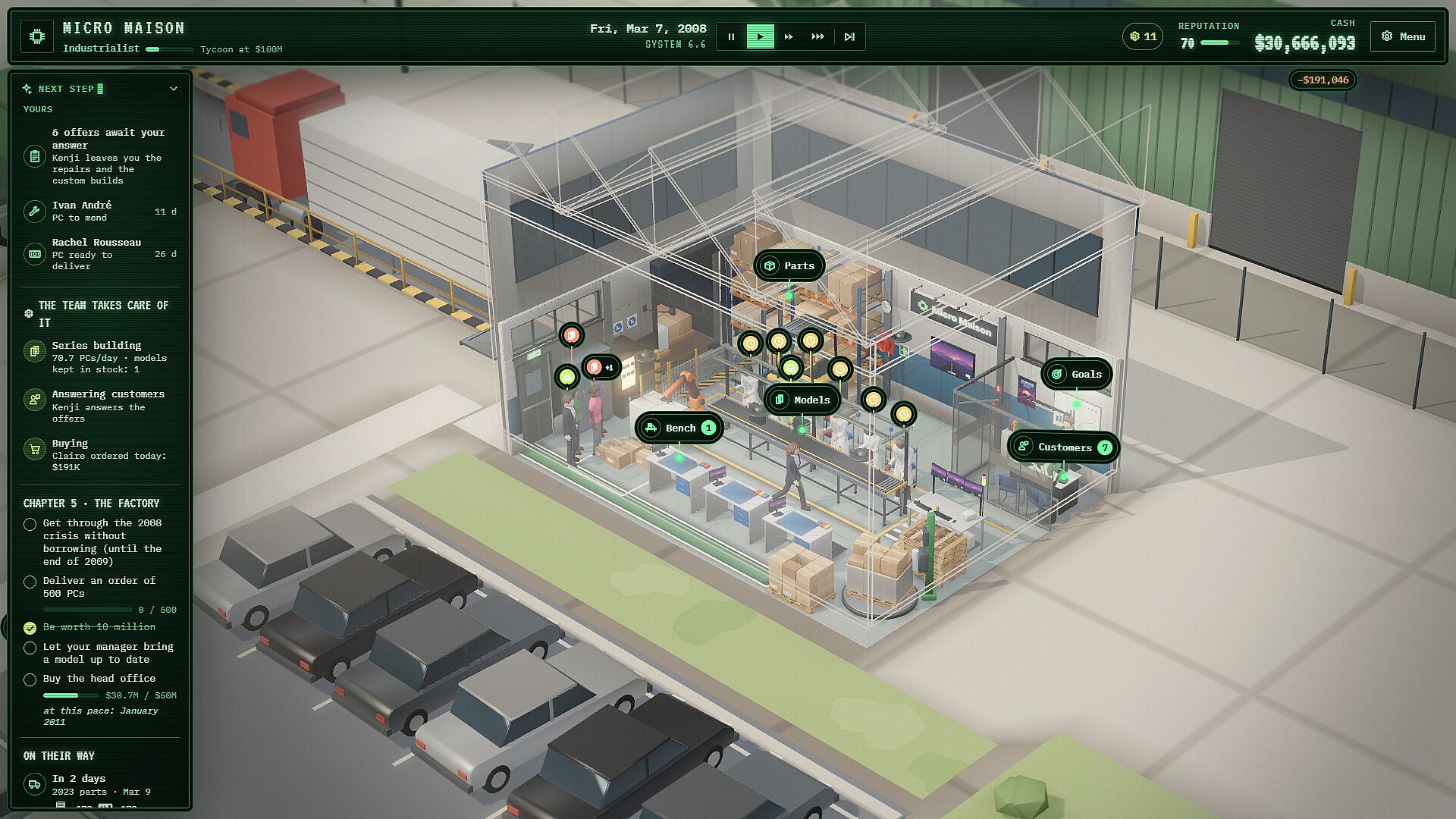
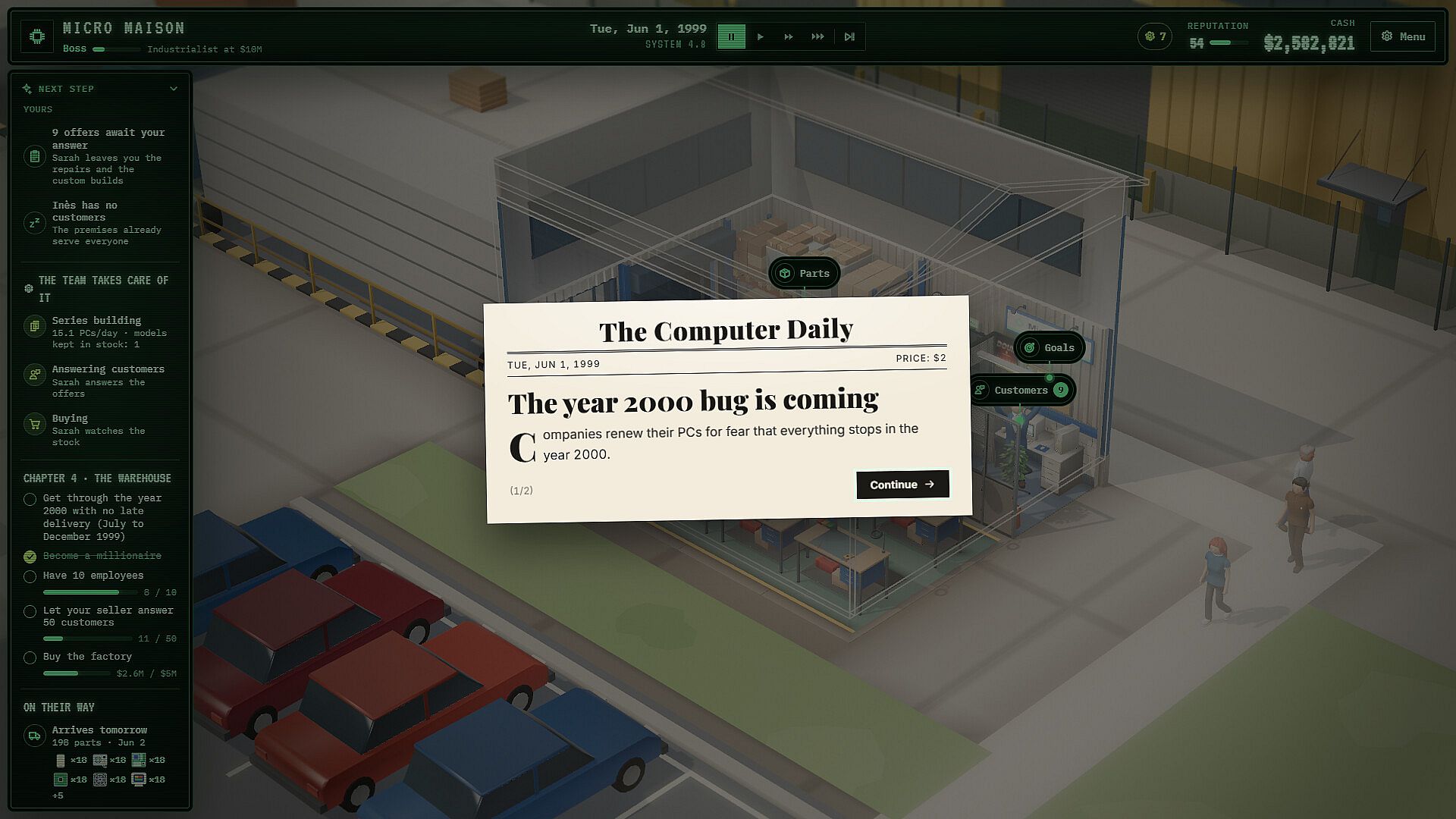
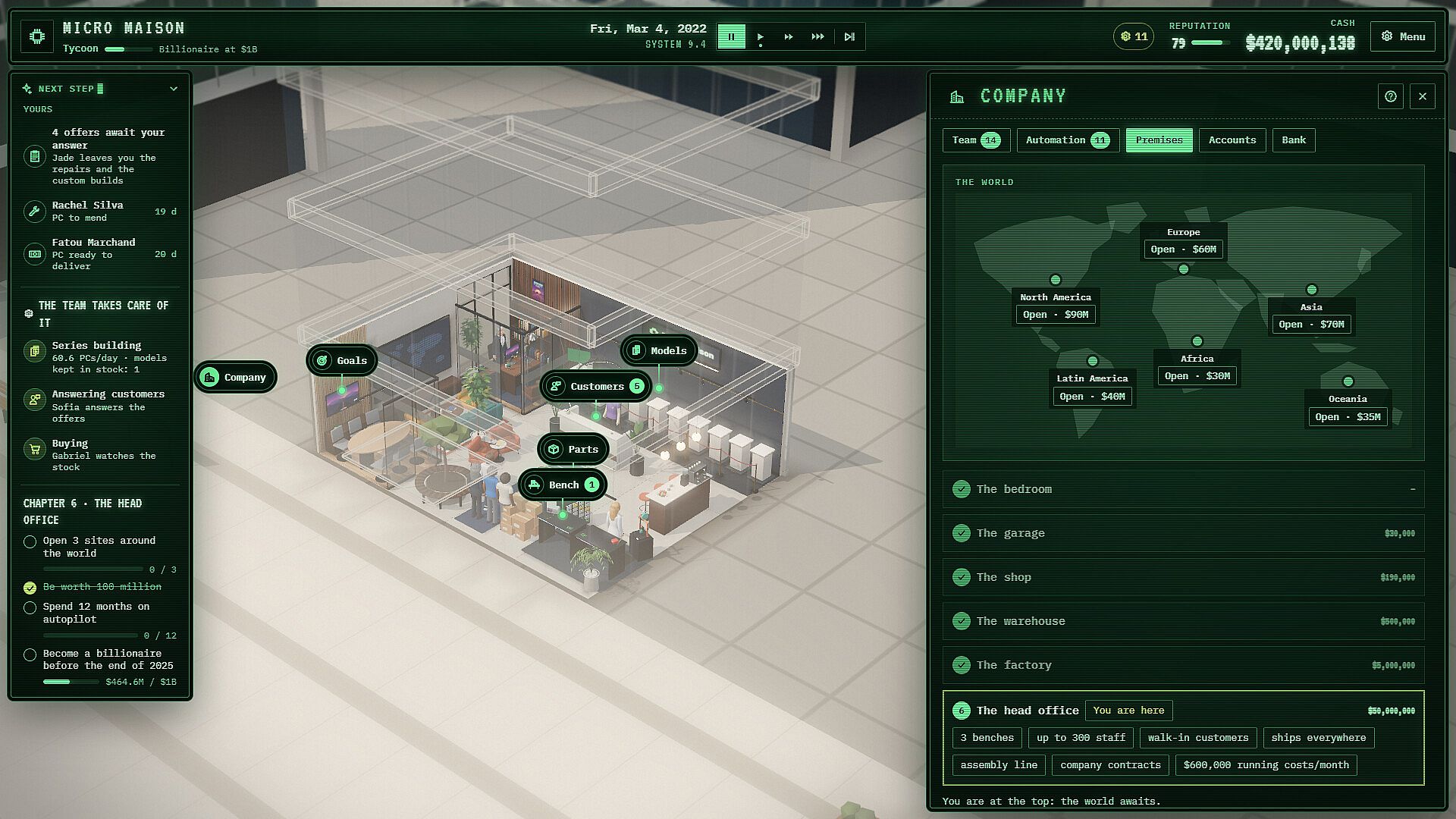
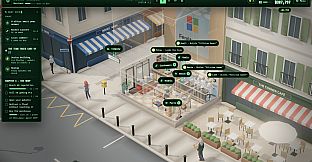
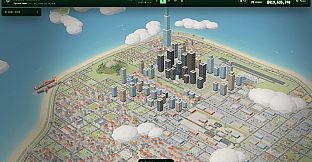
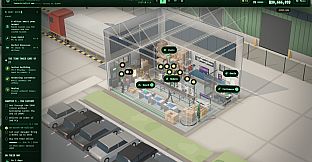
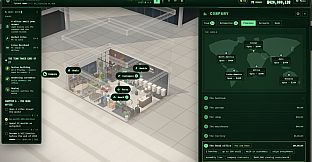
Successful builds can be saved as templates for automated series production once the business scales. Old machines taken in trade provide reusable parts that feed into new assemblies. Customers arrive with distinct personalities, specific requests, and spending limits, then leave star ratings that influence future opportunities. Progression spans six distinct premises, from a cramped bedroom setup to a full corporate tower, with the surrounding town of Vanzanal rendered in 3D and featuring seasonal changes, passing trains, and boats. Staff hiring allows delegation of routine tasks while custom orders remain under direct control.
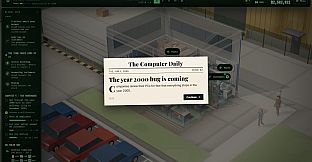
Over 600 components track hardware evolution accurately, with major real-world events triggering shifts in customer demands, pricing, and available sales channels. In-house software updates reflect each decade, and the player character ages from 20 to 64 across the campaign.
Game Modes
The game operates as a single continuous campaign divided into six chapters of progressive goals. Seven ranks mark advancement from Tinkerer to Billionaire, with each stage introducing new challenges such as competitive tenders, fleet contracts, and decision-based letters that alter available paths. Every run features procedural variation through customer needs and event timing, though the underlying structure remains consistent. Financial management forms a constant layer, where loans carry real risks of asset seizure or worse consequences if repayments fail. No separate multiplayer or sandbox modes exist beyond the main progression system.
Business Expansion and Historical Context
Growth requires careful balancing of repair work, new builds, and part recycling to maintain cash flow. Early stages focus on individual customer service in limited spaces, while later phases involve managing assembly lines and larger facilities. The timeline integration ensures that hardware availability, pricing, and market preferences evolve naturally, forcing adaptation to events like widespread internet adoption or economic downturns. This creates replay value through different strategic choices in sourcing, pricing, and scaling at each era.
Is It Worth Playing?
Players seeking a focused single-player experience in PC hardware simulation and incremental business growth will find a detailed system here. The emphasis on technical troubleshooting combined with long-term empire building suits those who enjoy methodical progression without competitive pressure. With a planned release in March 2027 and support for English and French, the title targets fans of strategy simulations who appreciate historical accuracy in component timelines and customer-driven decision making. Those preferring multiplayer elements or faster-paced action may want to explore other options, but the depth of the workbench mechanics and premise variety positions it as a solid choice for dedicated simulation enthusiasts once available.