




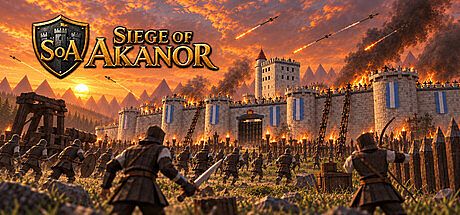


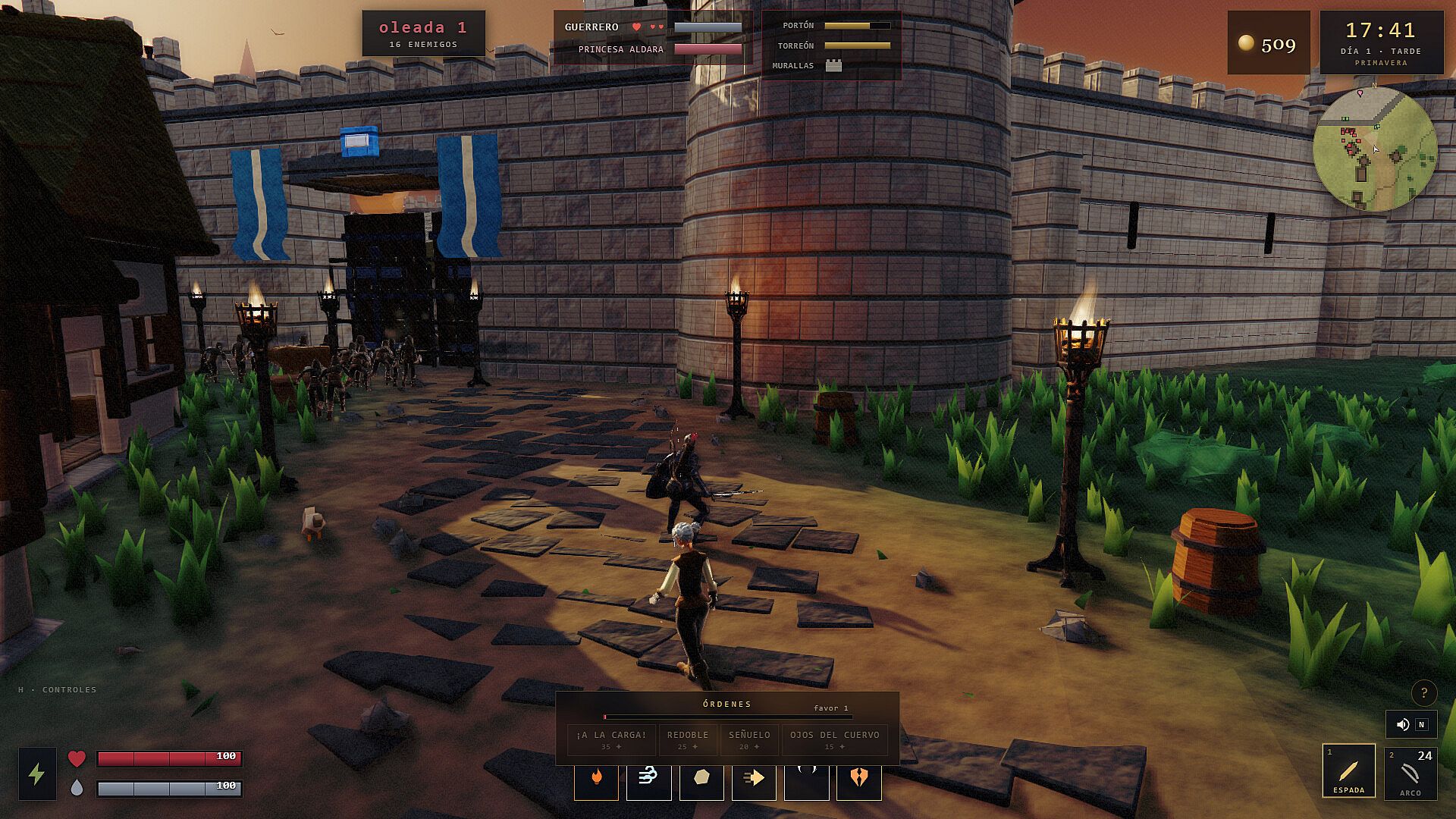
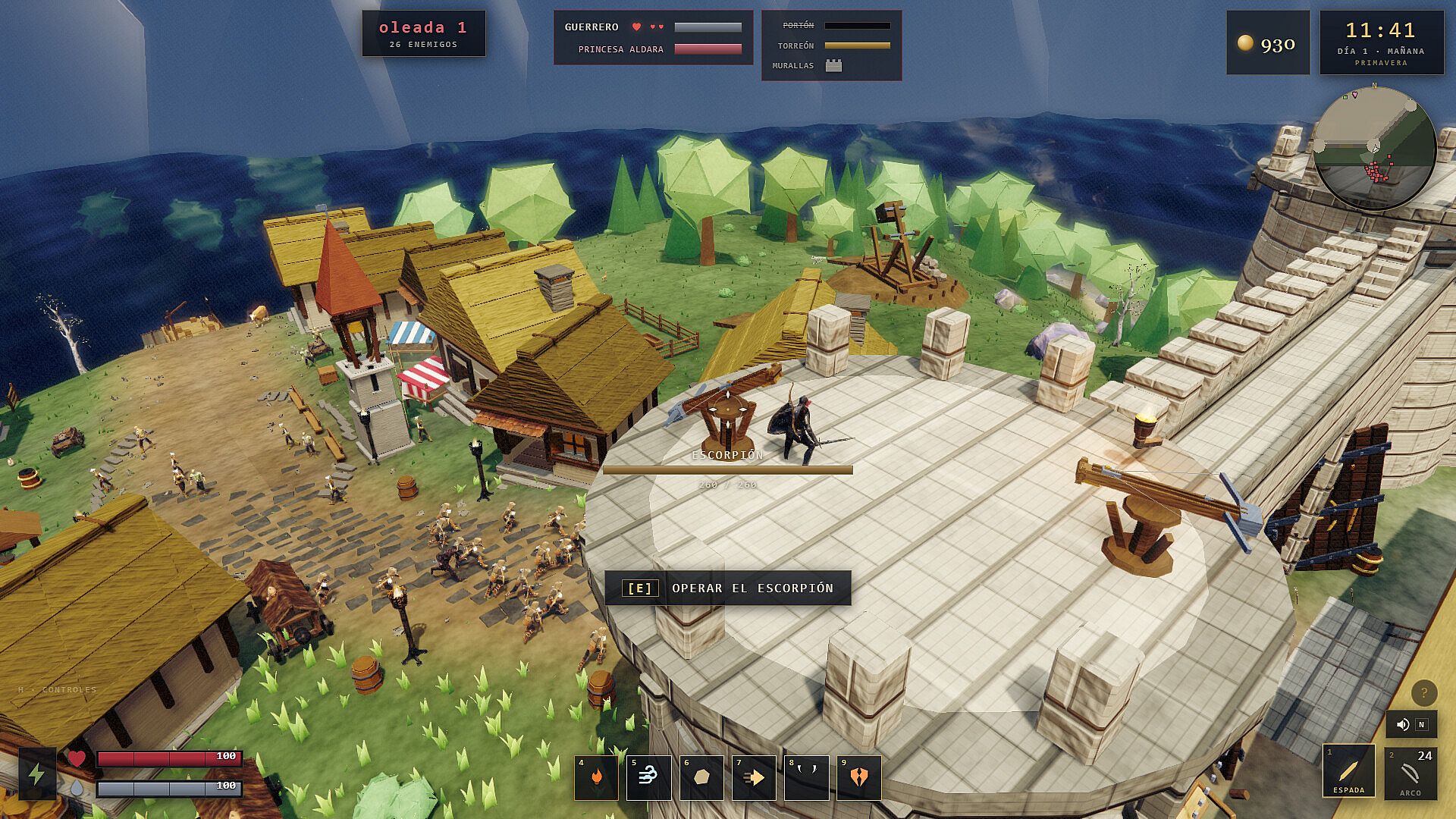
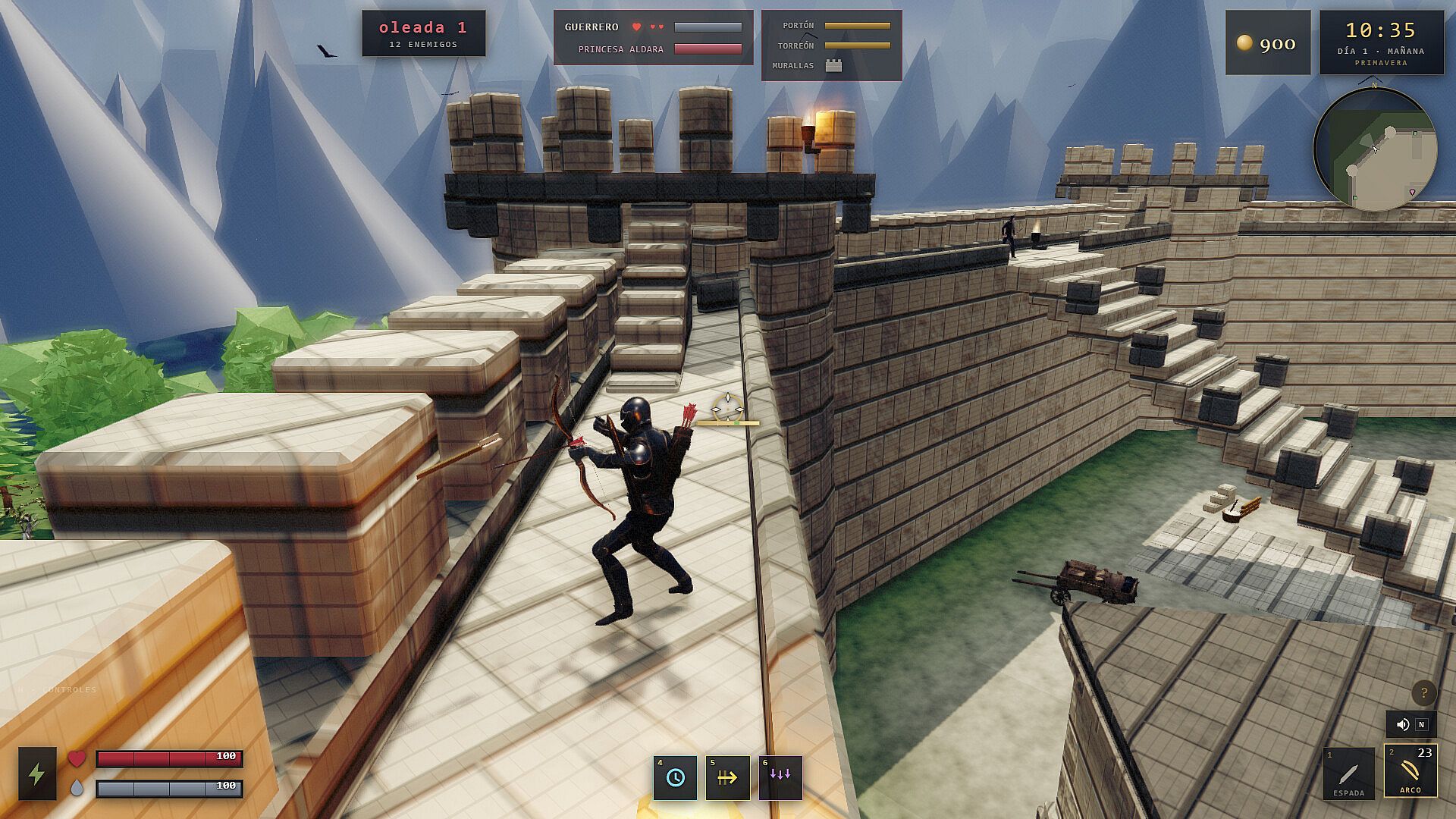
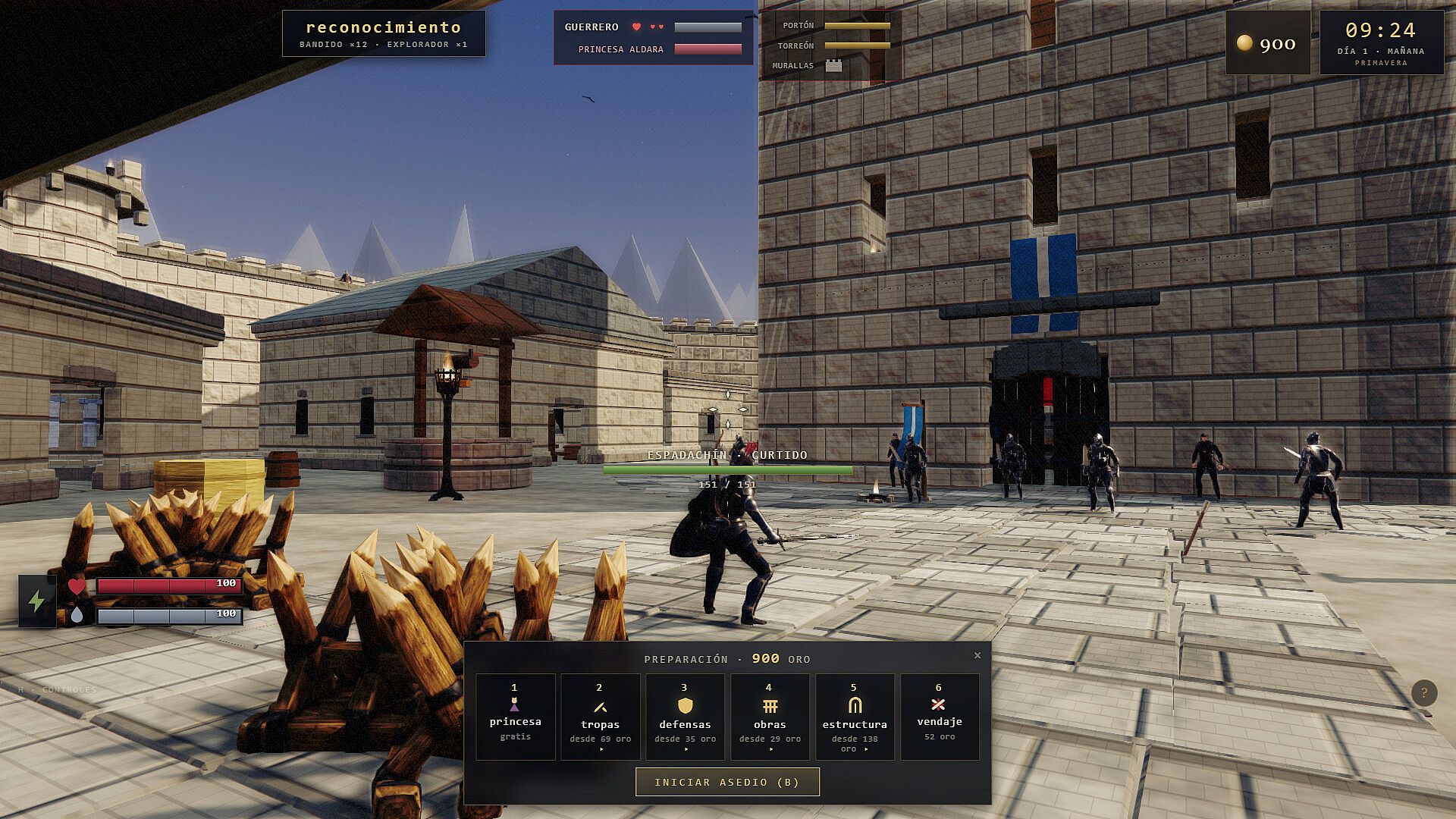
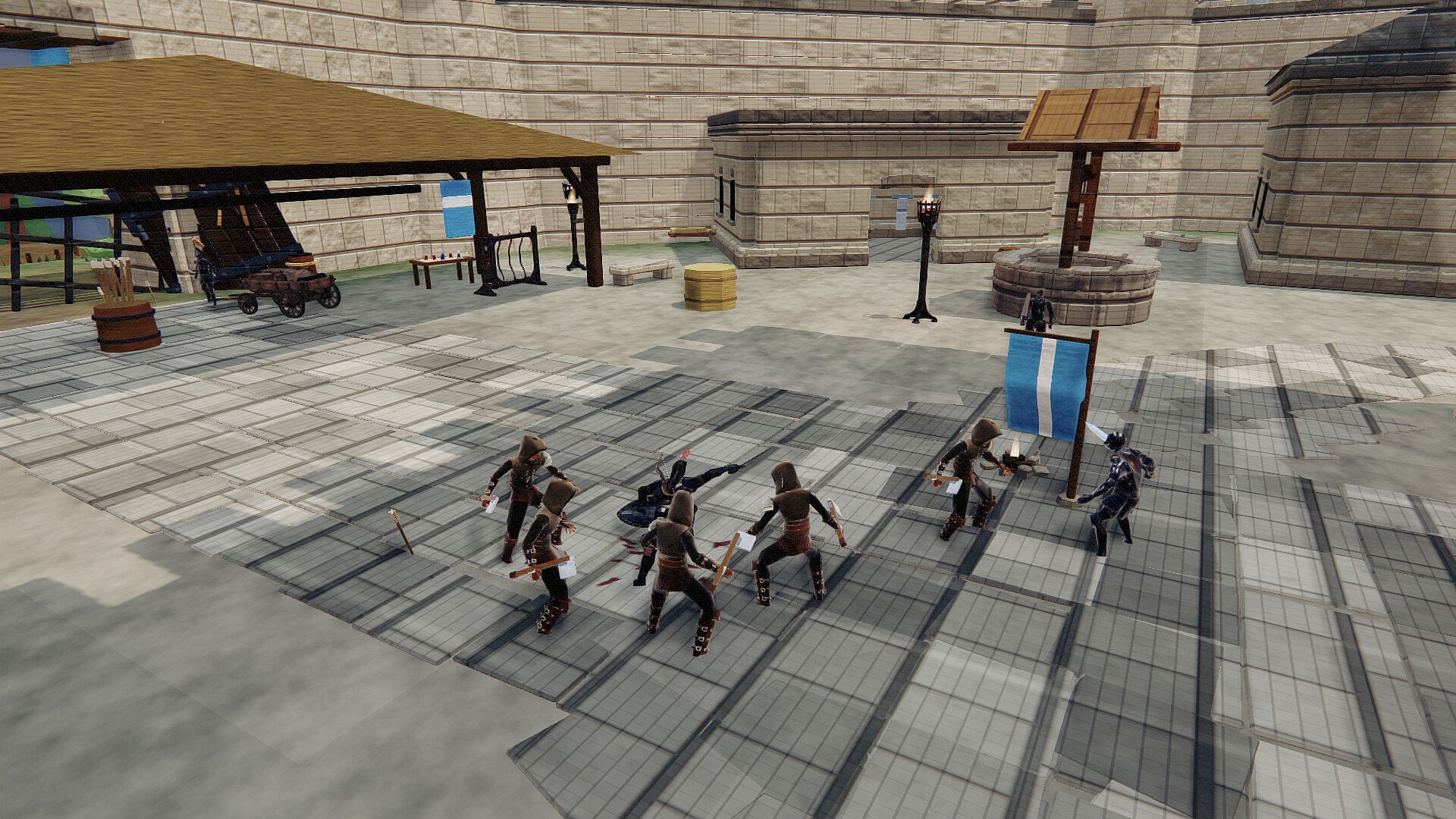
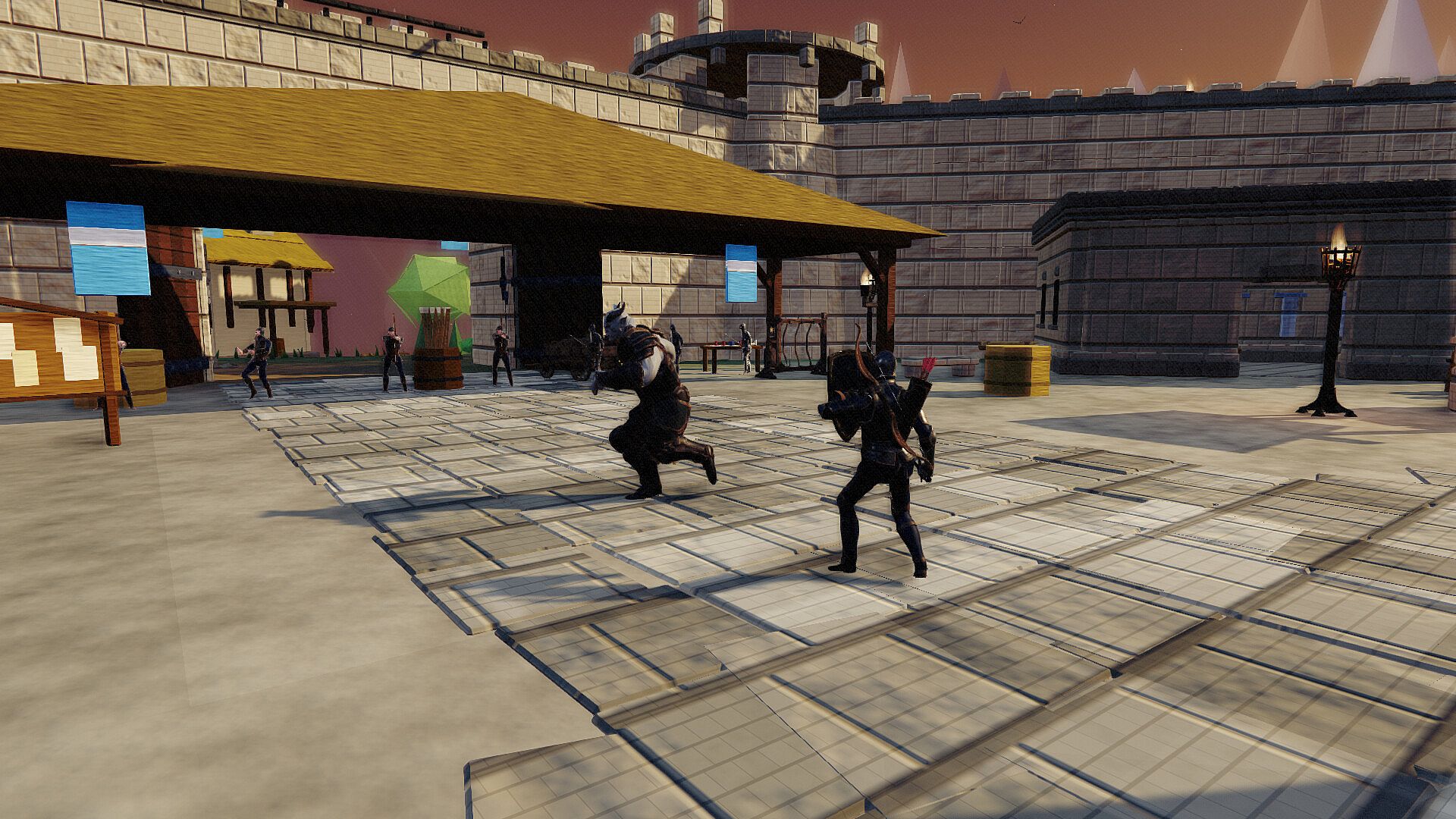
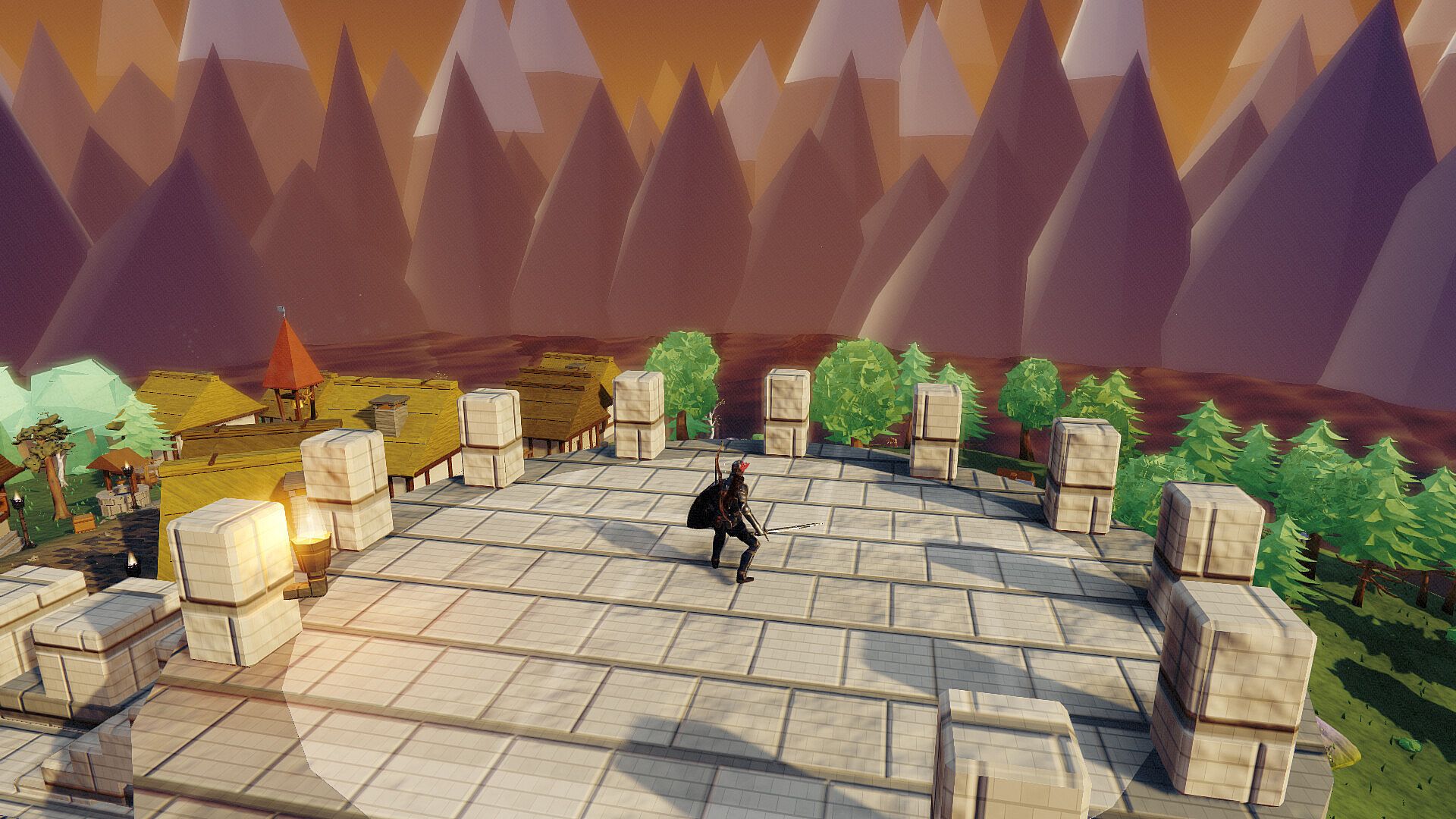
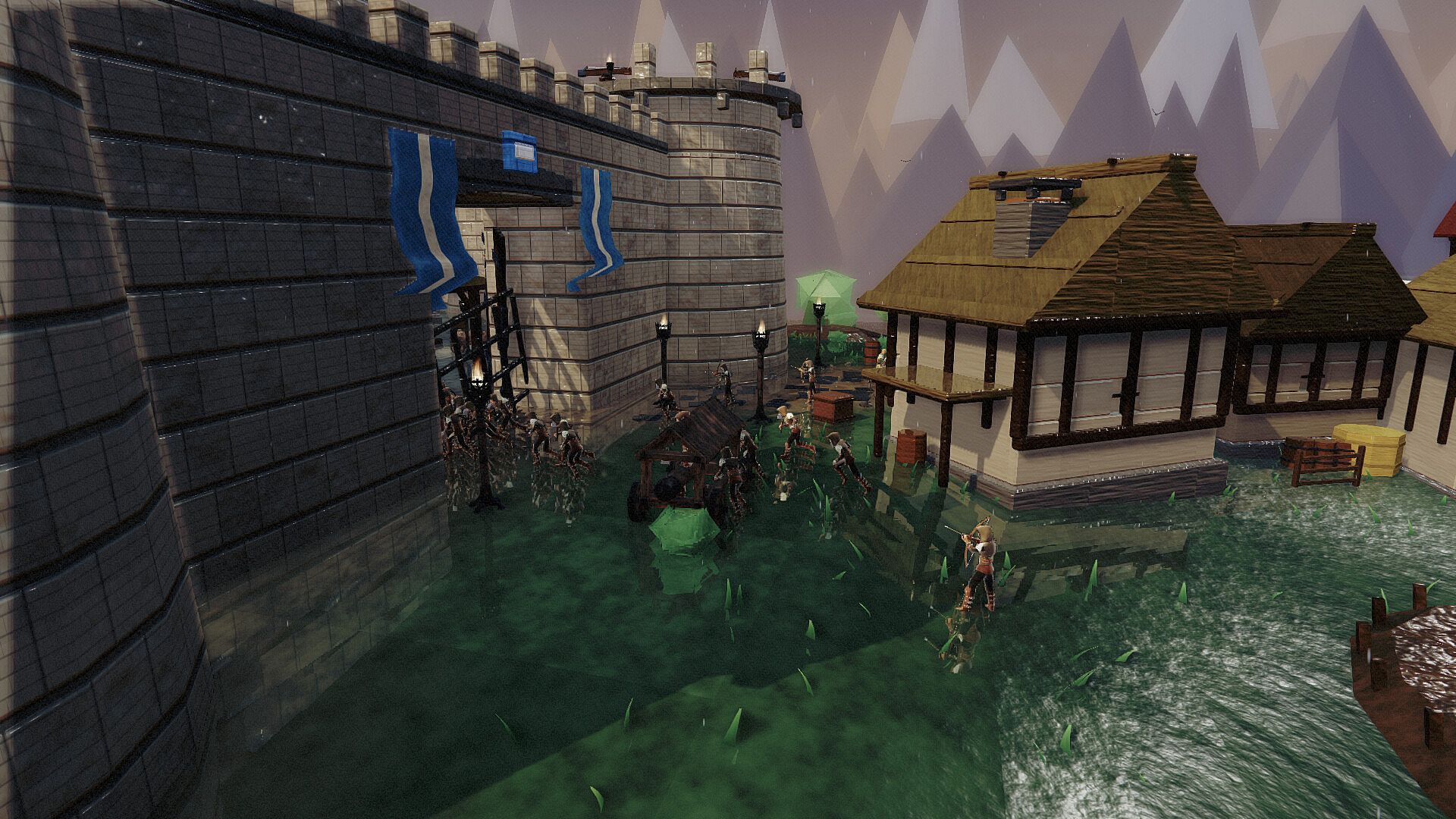
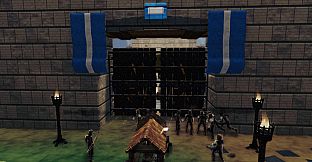
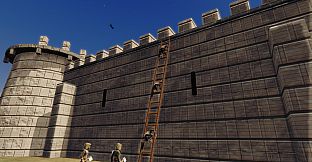
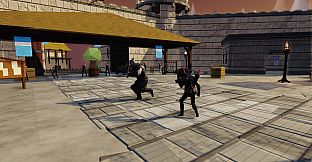
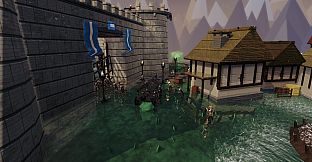
Siege of Akanor is an action strategy indie adventure game for PC that places players directly on the front lines of a castle defense. Instead of commanding from above, participants stand on the walls and fight alongside their troops during enemy assaults while managing resources and fortifications in the lulls between waves.
Gameplay
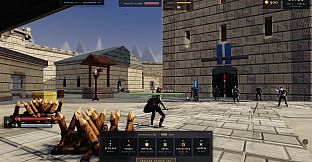
The core loop alternates between preparation and combat. Between waves players spend limited gold on swordsmen and archers, place spikes, braziers and nets, raise barricades, reinforce the gate and choose a hiding spot for the princess. Gold is always scarce, forcing trade-offs such as buying a better personal sword or adding more defenders to the wall. The shop window reopens after each wave but at higher prices.
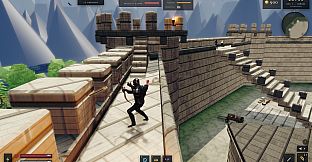
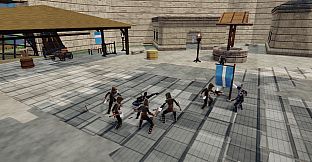
Combat shifts to third-person action with tangible weight. Players execute sword combos that end in finishers, draw and release a bow that accounts for arrow drop, block, parry and dodge with precise invincibility frames. Nine mana abilities and six purchasable weapons alter stamina use, attack cadence and knockback. Fights occur on foot or horseback, under day or night conditions and through rain or snow.
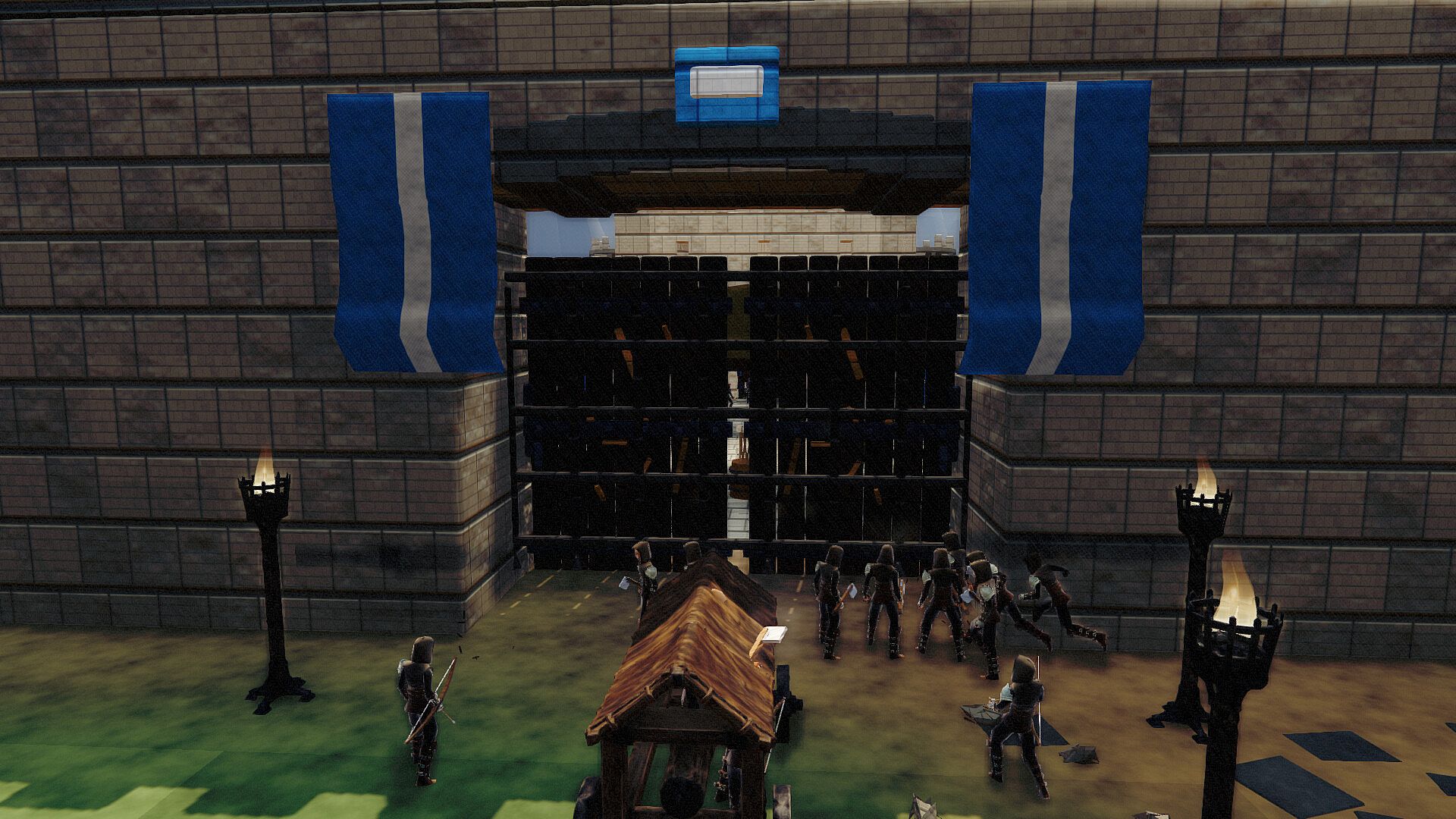
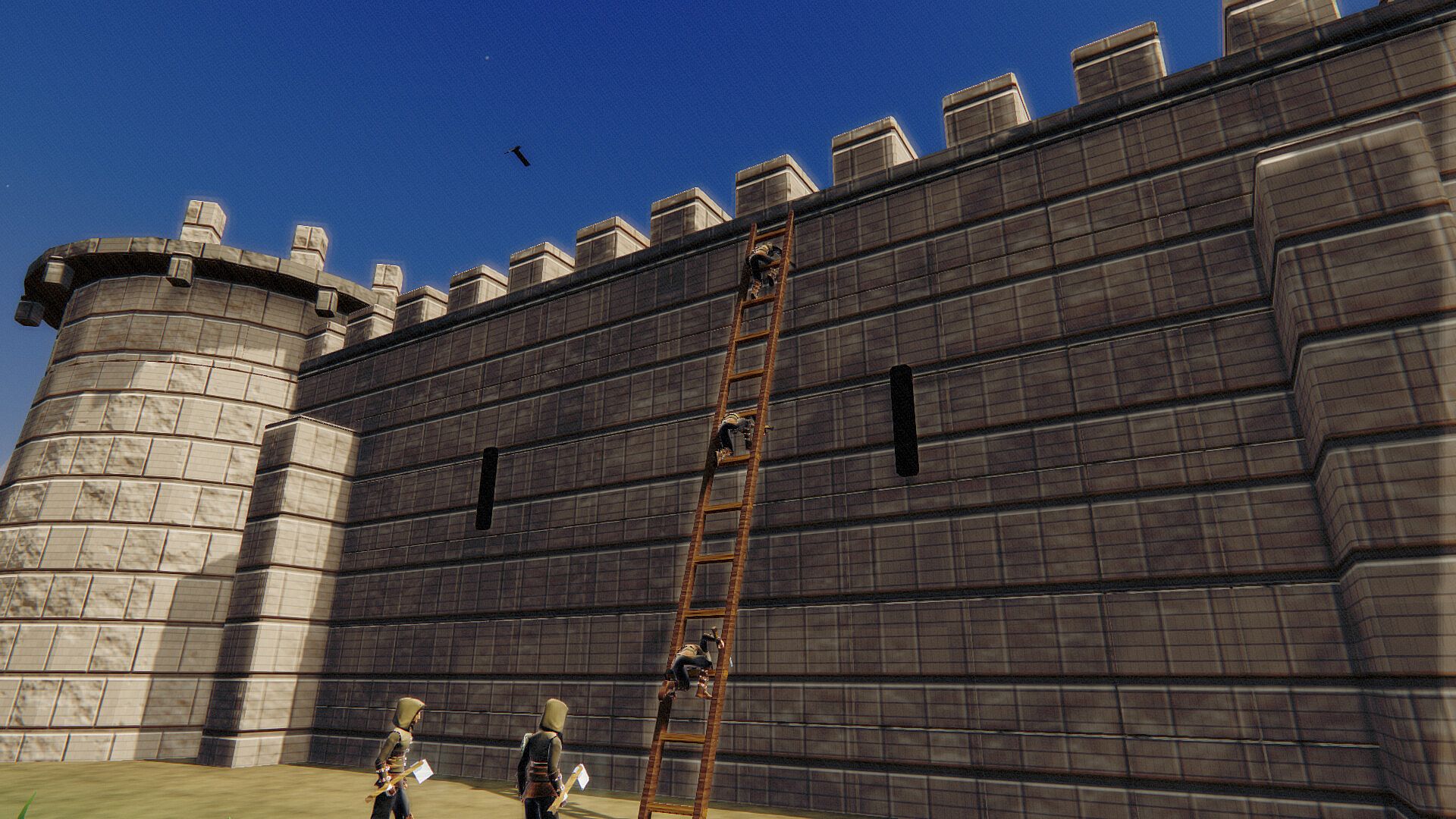
The environment reacts to the battle. Sixteen enemy types each perform distinct roles: rams smash doors, climbers scale walls with ladders, infiltrators target rear gates, catapults bombard from distance and commanders boost nearby allies with auras. Scouts reveal the princess location and spread the information through enemy ranks. Eliminating a commander breaks morale and can rout an entire wave.
Game Modes
A six-chapter campaign follows the burning of the player's village and the path to the capital through a captured forest, a river crossing, a snowbound pass and a final siege. Companions recruited along the way travel across chapters. Choices about routes and earnings from earlier fights carry forward into the last battle.
The horde perspective is not a separate mode. Players control the attacking army in the same match viewed from outside the walls. They position trebuchets, select breach methods and face defenses that the opponent manages automatically between waves or compete against other players.
Co-op supports one to four players in public or password-protected sessions with text chat, tactical map pings and a squad report after each match. The game includes full controller support and remappable controls.
Progression and Variety
Surviving troops earn promotions with unique names, rank stripes and increased health. Individual pieces receive three upgrade levels through targeted investment, creating direct competition between upgrading existing forces and purchasing new ones.
At the end of each wave players draft one relic from three options drawn from a pool of thirty-six. These relics feature visible costs, playstyle-dependent synergies and effects that shift priorities rather than simple stat boosts. No two runs play identically.
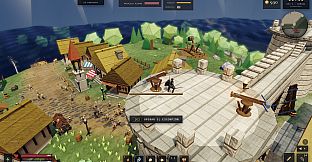
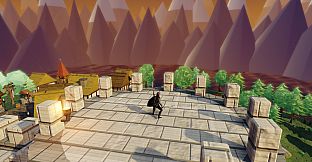
Three distinct battlefields shape encounters. Keep Valley features meadows, a lake, village and harbor beneath the castle. Winter Waste brings snow, extended nights and wolves that hunt after dark. Willow Bridge uses a river-divided plain with a palisade outpost, two fallback lines and a destructible bridge that forces the horde to swim across exposed.
A living valley includes day-night cycles, four seasons and weather effects. Villagers pursue trades, livestock and deer move about and wolves appear at night. A bell in the square can be rung. The castle interior is fully explorable and the ground shows battle traces such as trampled grass, soot on stone and drying blood.
Is It Worth Playing?
Siege of Akanor suits players who enjoy blending real-time third-person combat with strategic defense planning in a single cohesive experience. The campaign offers a structured single-player story with companion progression and meaningful choices, while the horde side and co-op options extend replayability for those who prefer attacking or team play.
Mechanics such as troop promotions, relic drafting and environmental variety encourage repeated runs without relying on generic multipliers. The game runs on PC with controller support and multiple interface languages. Those drawn to indie action-strategy titles that emphasize personal involvement in sieges rather than top-down oversight will find a focused match here.