






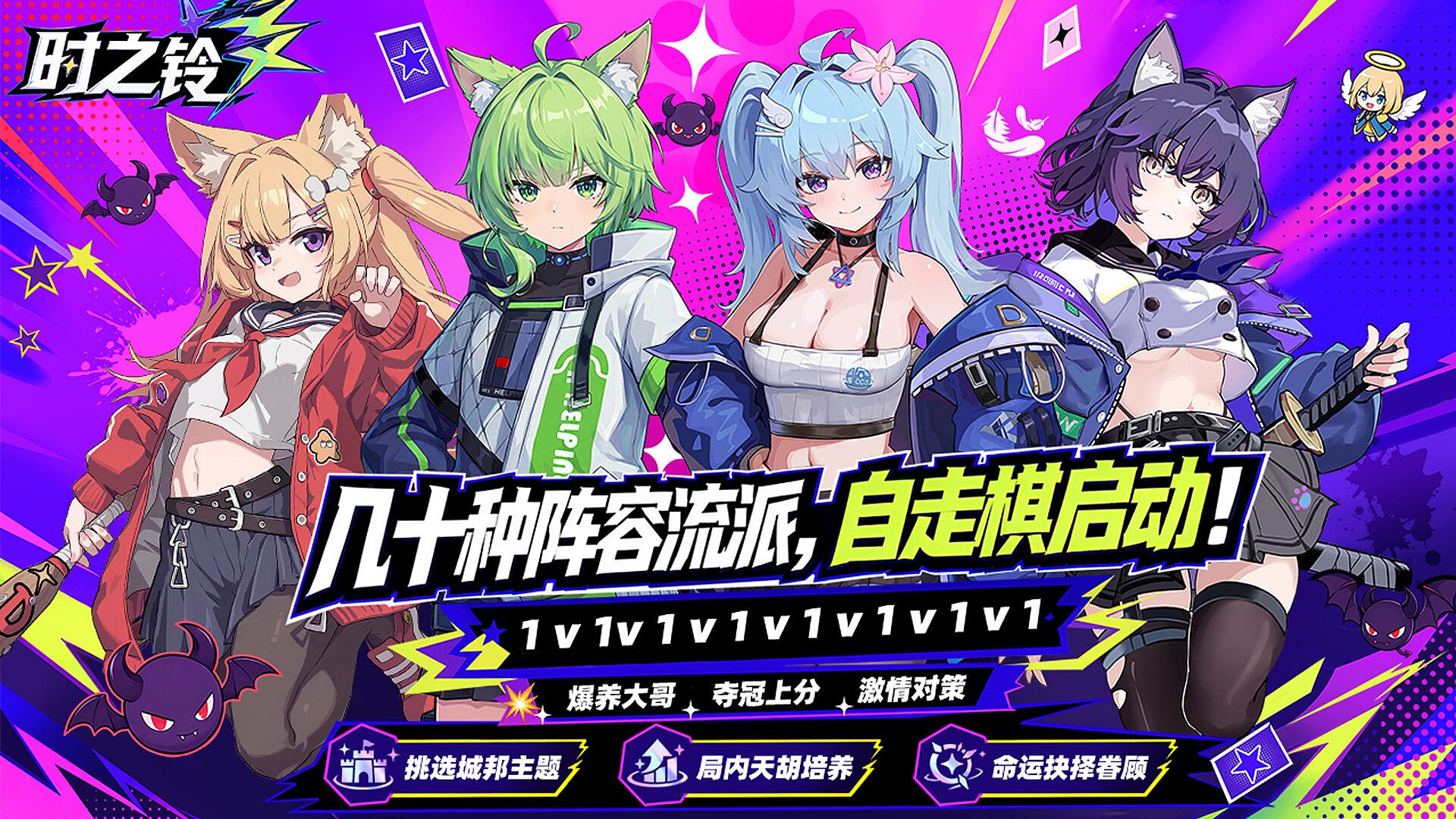
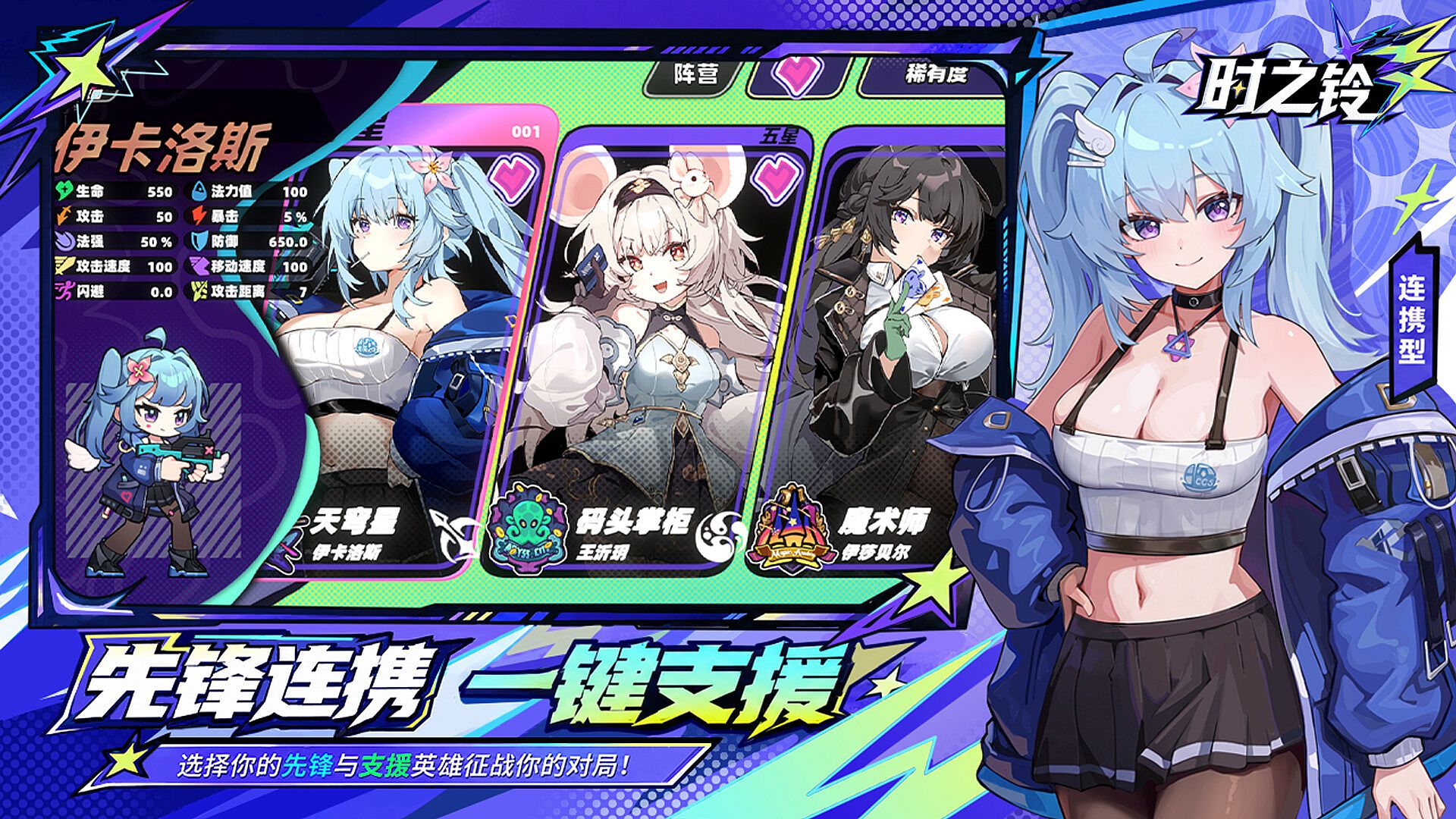
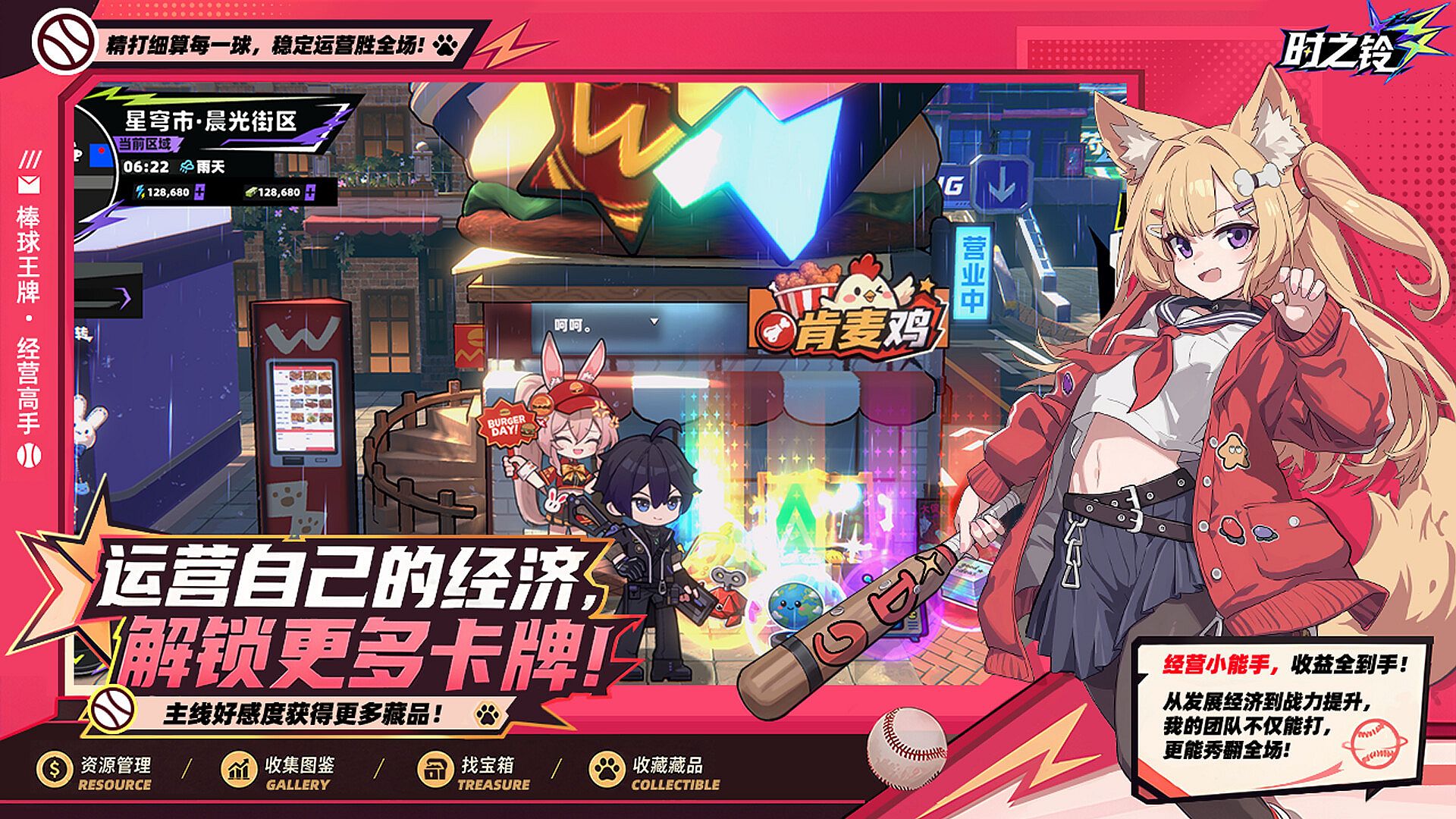



Bell of Time is a free-to-play strategy auto-battler for PC that centers on trait-driven team building and automatic combat in both competitive and story-driven settings. Players collect anime-style heroes, manage resources during preparation phases, and watch lineups battle without direct control, all while adapting to synergies among traits, equipment, skills, and Magic Cards.
Gameplay
The core loop revolves around resource decisions in a shop system that includes gold, experience points, and unit capacity limits. Each round requires choices about purchasing heroes, refreshing the shop for better options, leveling up for stronger units, or expanding the roster size. Heroes move between reserve and battlefield positions, with frontline and backline arrangements mattering for survival and damage output. Equipment, skills, and Magic Cards attach to units to create layered effects, while traits enable combinations that reward experimentation across matches.
Automatic battles play out after preparations end, revealing how well a build holds up against opponents or scripted challenges. Post-battle review highlights issues such as fragile frontlines, insufficient backline damage, or exposed key units, prompting adjustments like repositioning, selling underperformers, or pivoting to new trait synergies. This cycle encourages iterative refinement rather than fixed strategies, with economy timing and upgrade pacing proving as important as hero selection itself.
Game Modes
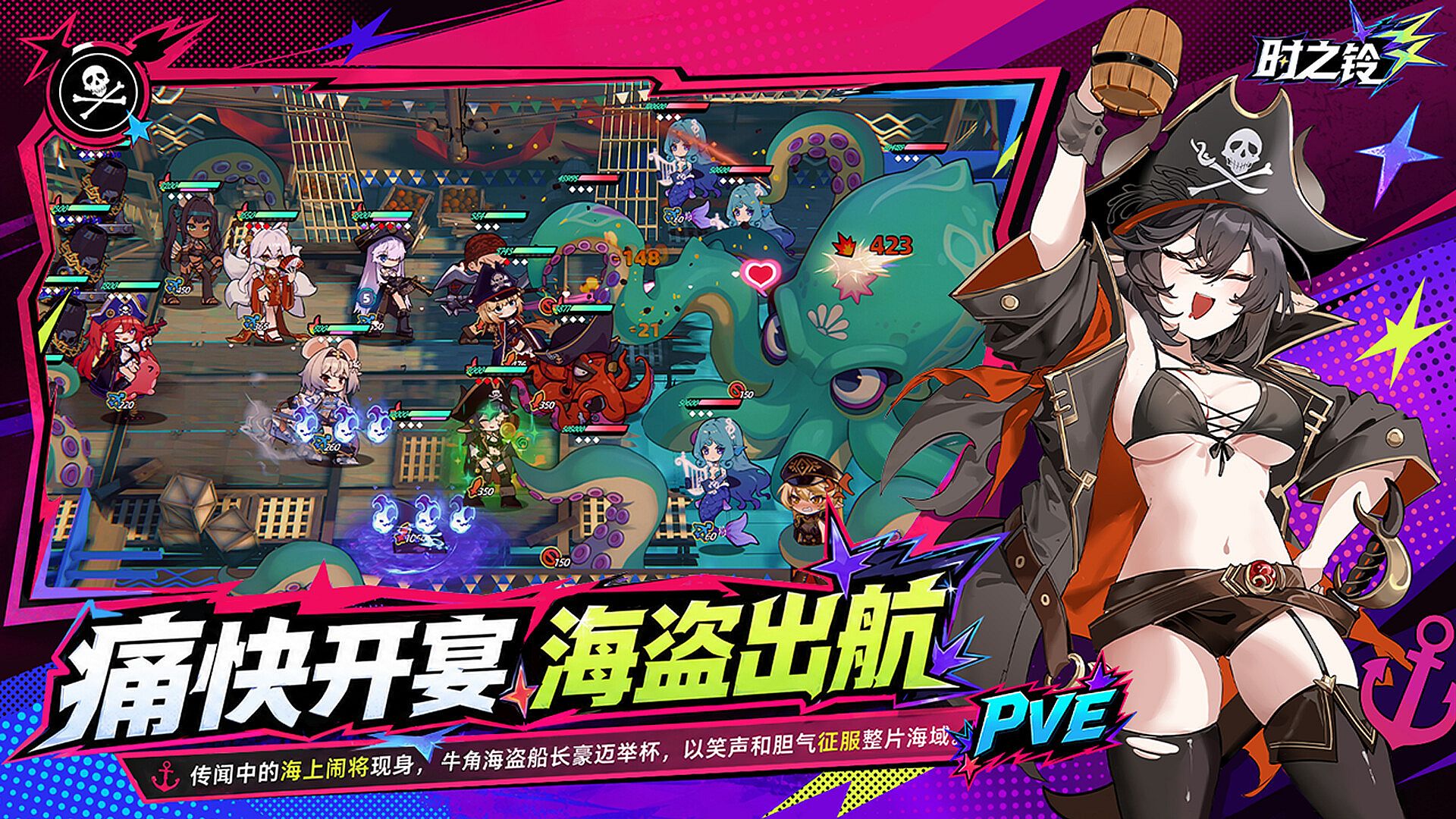
PvE story mode follows protagonist Yun Zechu through a fractured spacetime setting filled with supernatural Calamities. Stages blend tactical objectives and exploration elements, where players prepare lineups to overcome varying enemy behaviors and environmental conditions while uncovering narrative details about the world's distortions. Different cities supply companions with distinct traits, expanding available synergies as the story progresses.
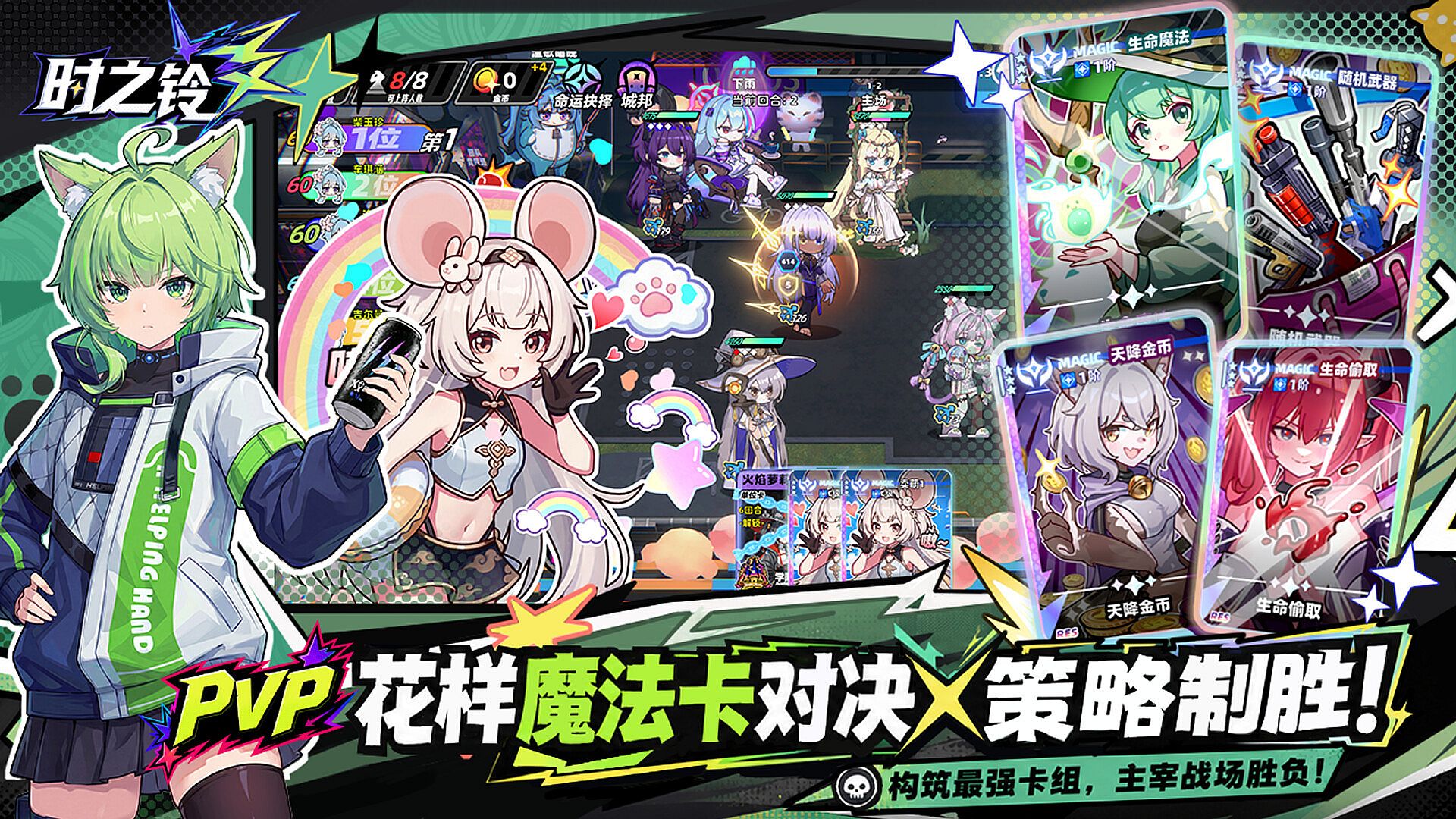
PvP mode pits custom lineups directly against other players in matches that test the same preparation mechanics. Success hinges on countering opponent compositions through positioning, trait combinations, and resource allocation rather than raw unit power alone. Matches highlight strengths and weaknesses in real time, supporting ongoing experimentation with economy management and build variations.
Key Mechanics and Builds
Traits form the foundation of creative lineups, linking effects like repeated attribute gains or status applications across multiple units for amplified results. Equipment and skills further customize individual heroes, while Magic Cards introduce additional variables during preparation. Cities contribute thematic variety to hero pools and potential mode-specific rules, though the emphasis remains on flexible combinations rather than rigid faction locks. No single optimal path exists; players can focus on standout individual heroes or pursue broad synergy networks depending on available shop rolls and match conditions.
Is It Worth Playing?
The game remains in a pre-release state with internal testing completed over two years and a planned closed beta approaching. Content volume stands at nearly 200 heroes and shop items alongside a similar number of equipment, Magic Cards, and related options, supporting varied experiences across rounds. Reception data is unavailable until wider access begins. It suits players who enjoy auto-battler formats, trait experimentation, and anime-inspired character stories, particularly those comfortable with resource management and post-match analysis. Those seeking immediate release or established player bases may prefer waiting for launch feedback.
