


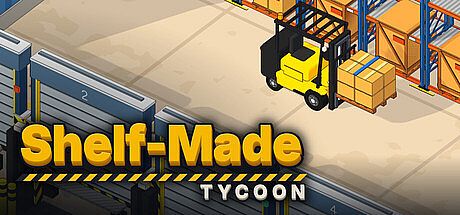


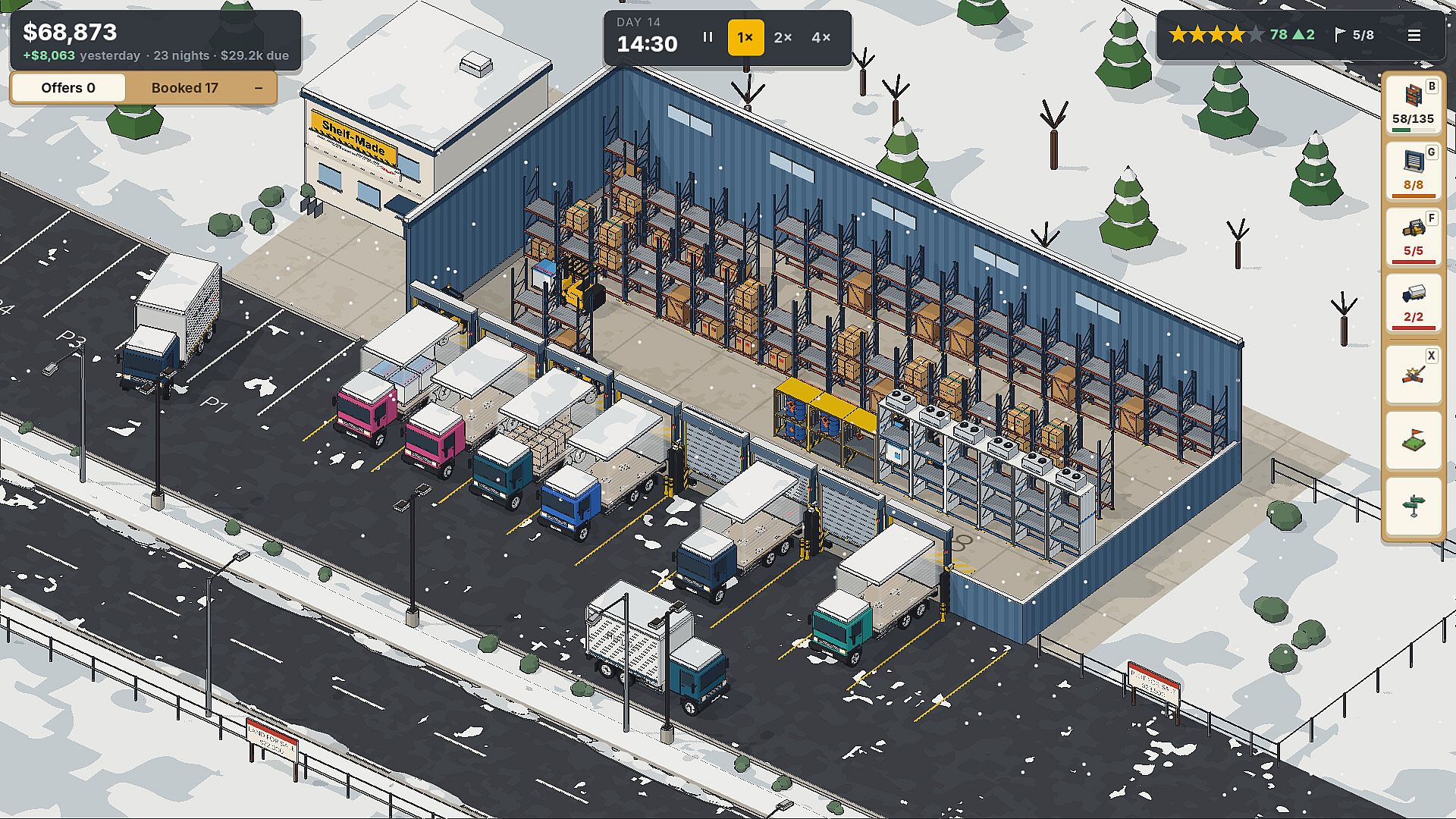
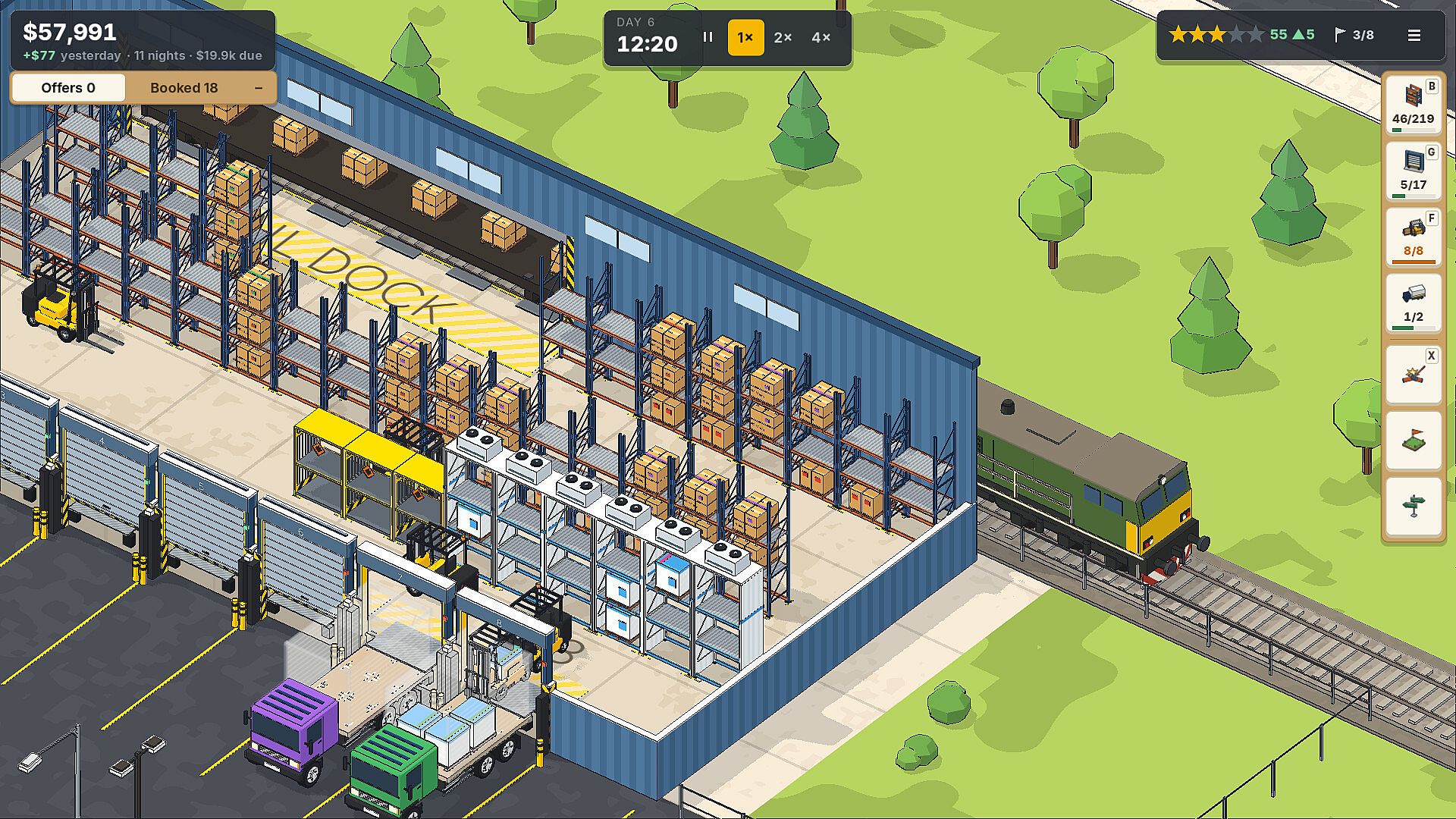
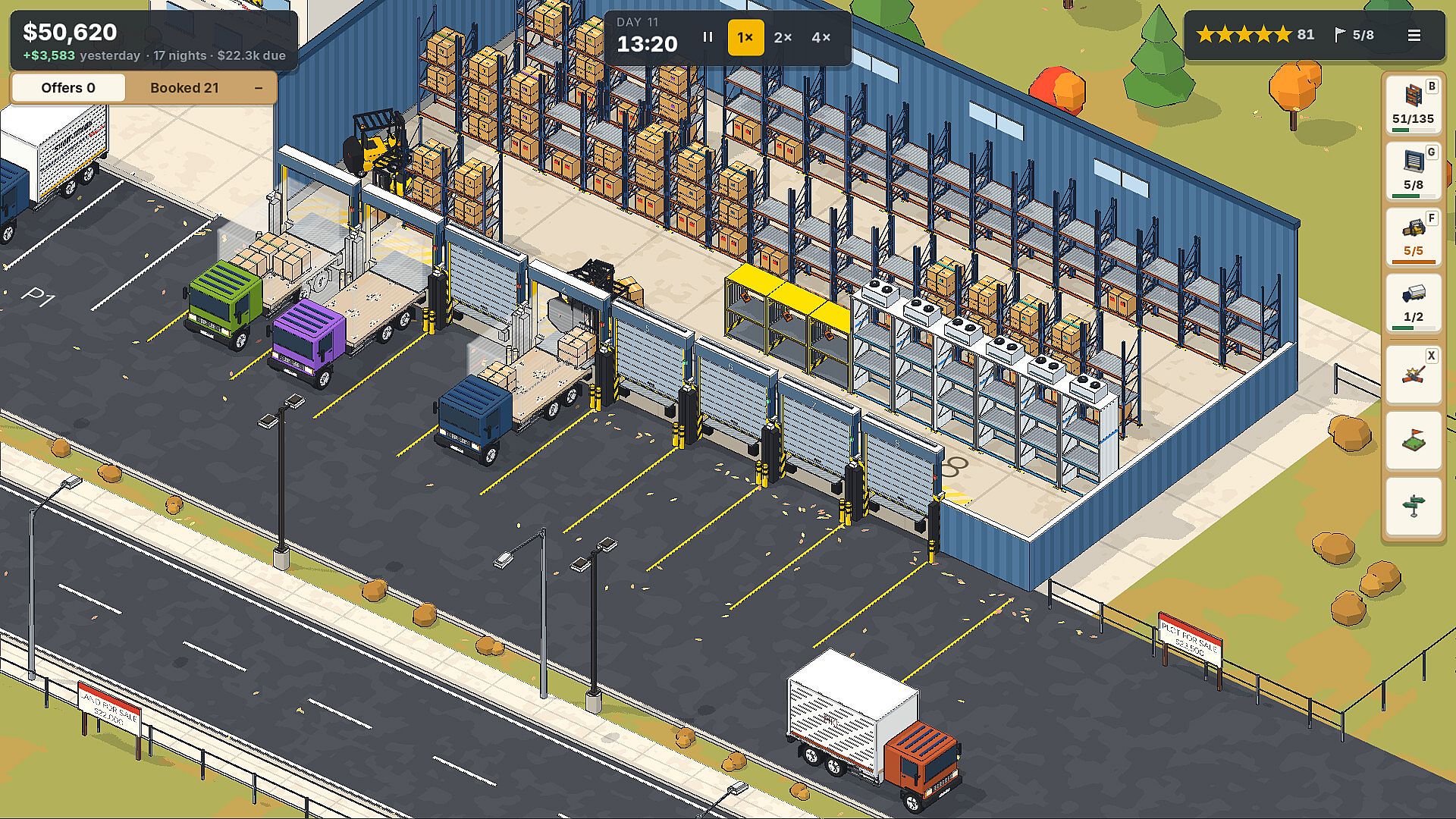
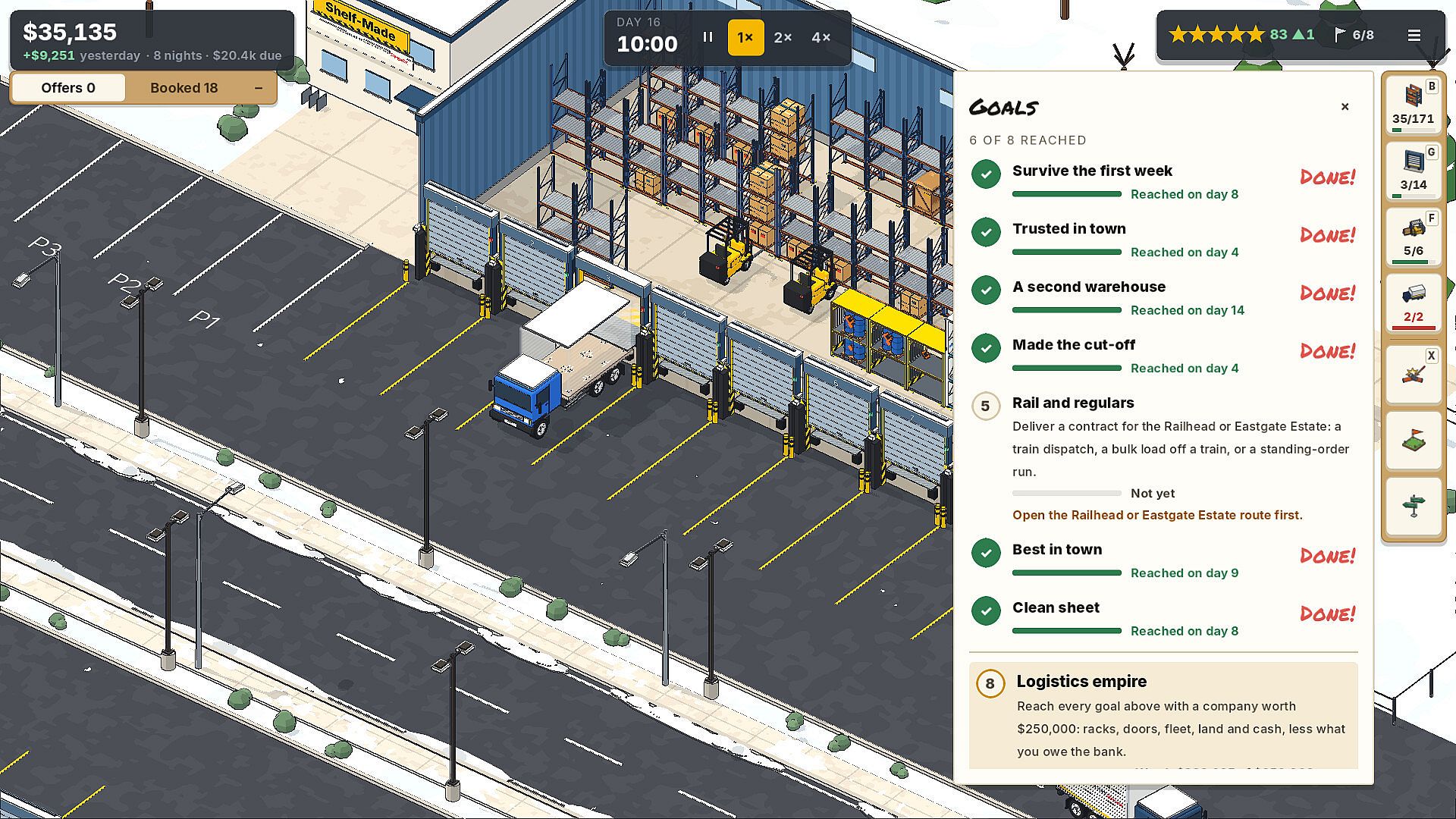
Shelf-Made Tycoon is a strategy, indie, casual, and simulation game set on PC in which players grow a modest warehouse operation into a full logistics network. The experience centers on balancing contracts, physical space, and steady income while deciding how far to push into riskier opportunities.
Gameplay
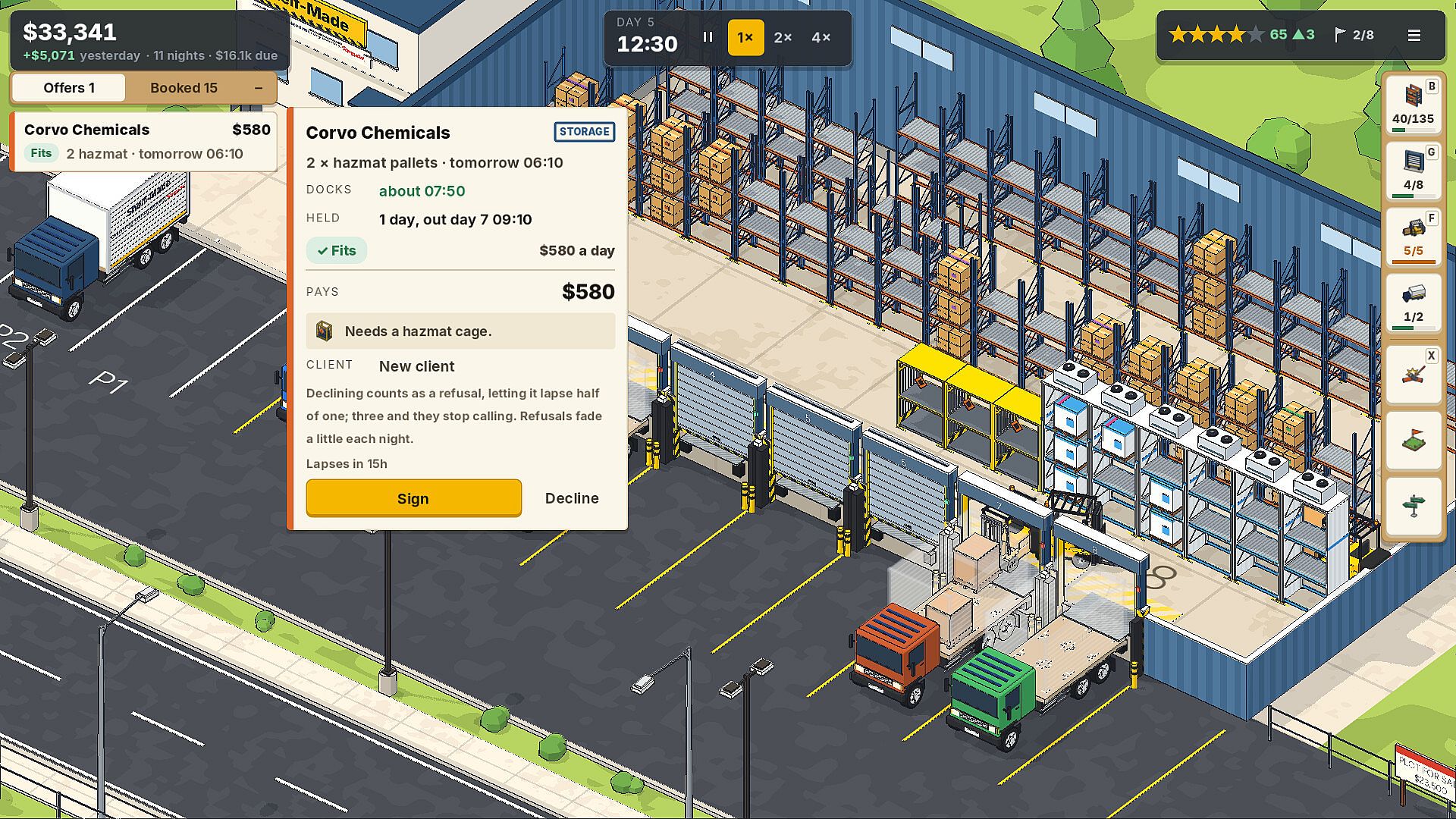
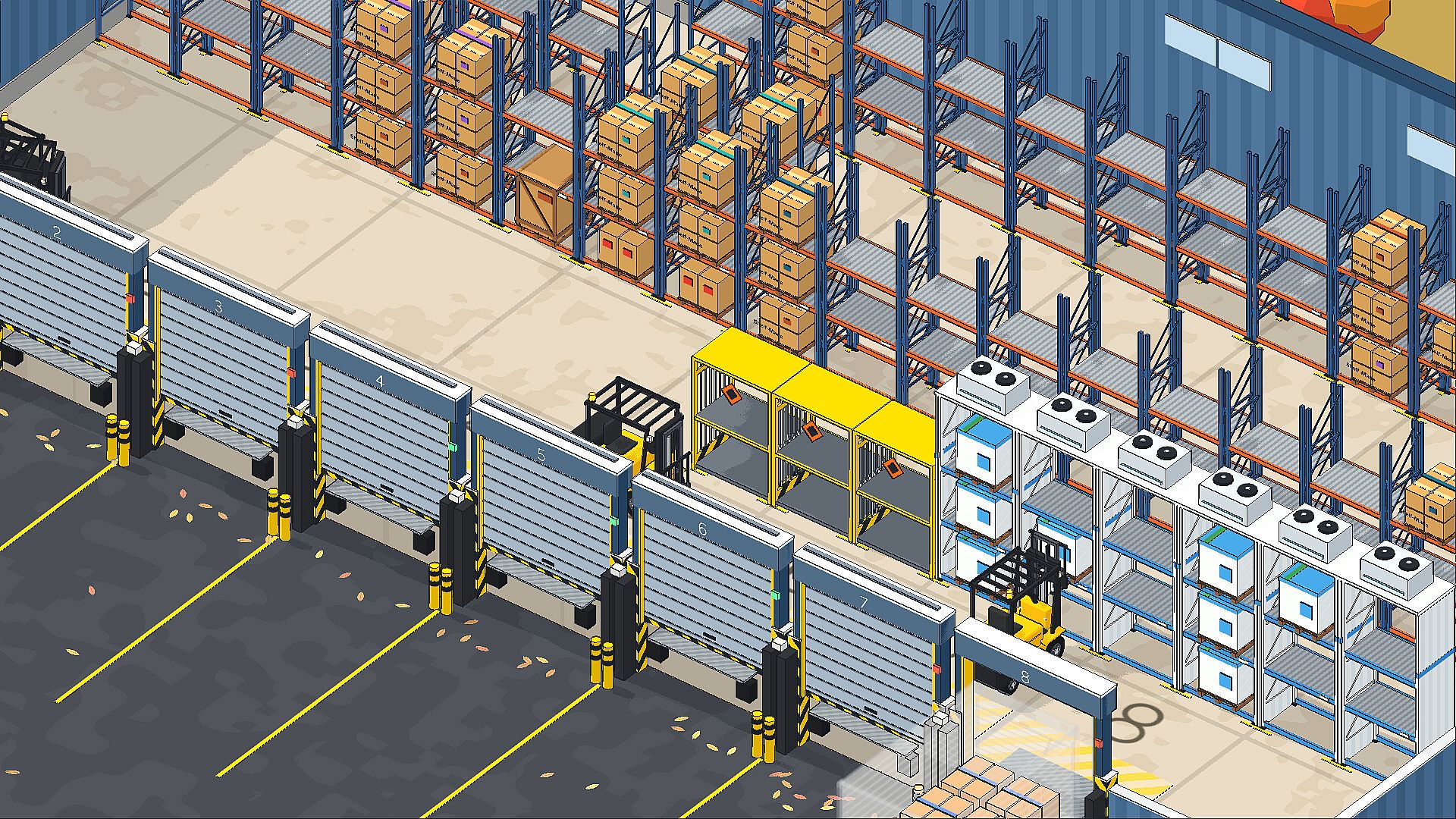
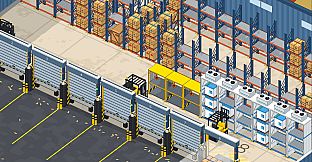
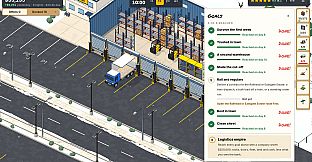
Players begin with a single small building and limited funds. Each accepted contract requires fitting cargo into available racks, meeting delivery deadlines, and weighing the profit against the floor space it occupies. The game automatically calculates ticket values, leaving decisions about greed and capacity to the player. Different cargo types demand specific storage, such as chillers for refrigerated goods or hazmat cages for chemicals, which forces ongoing choices about which clients to prioritize next.
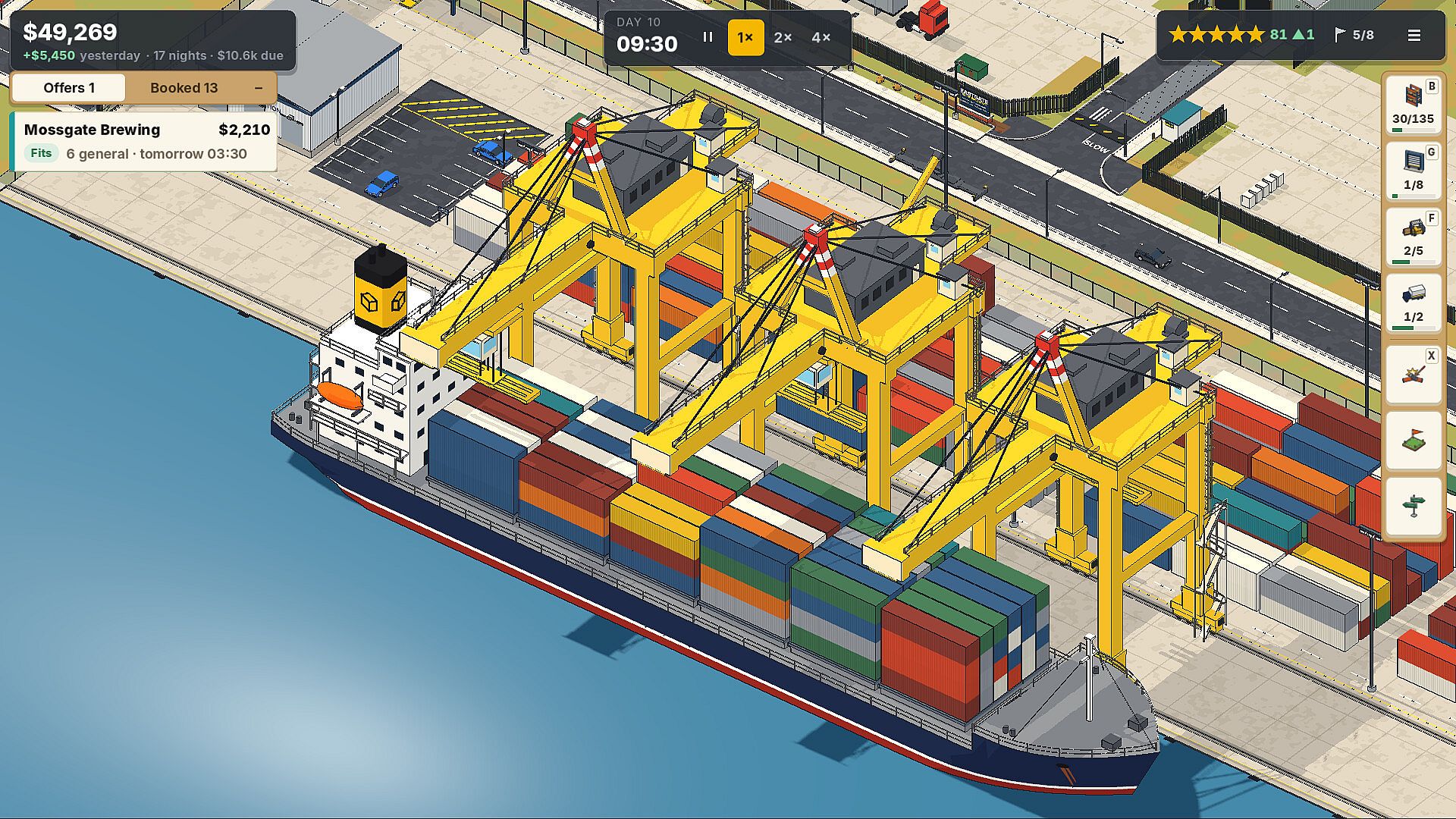
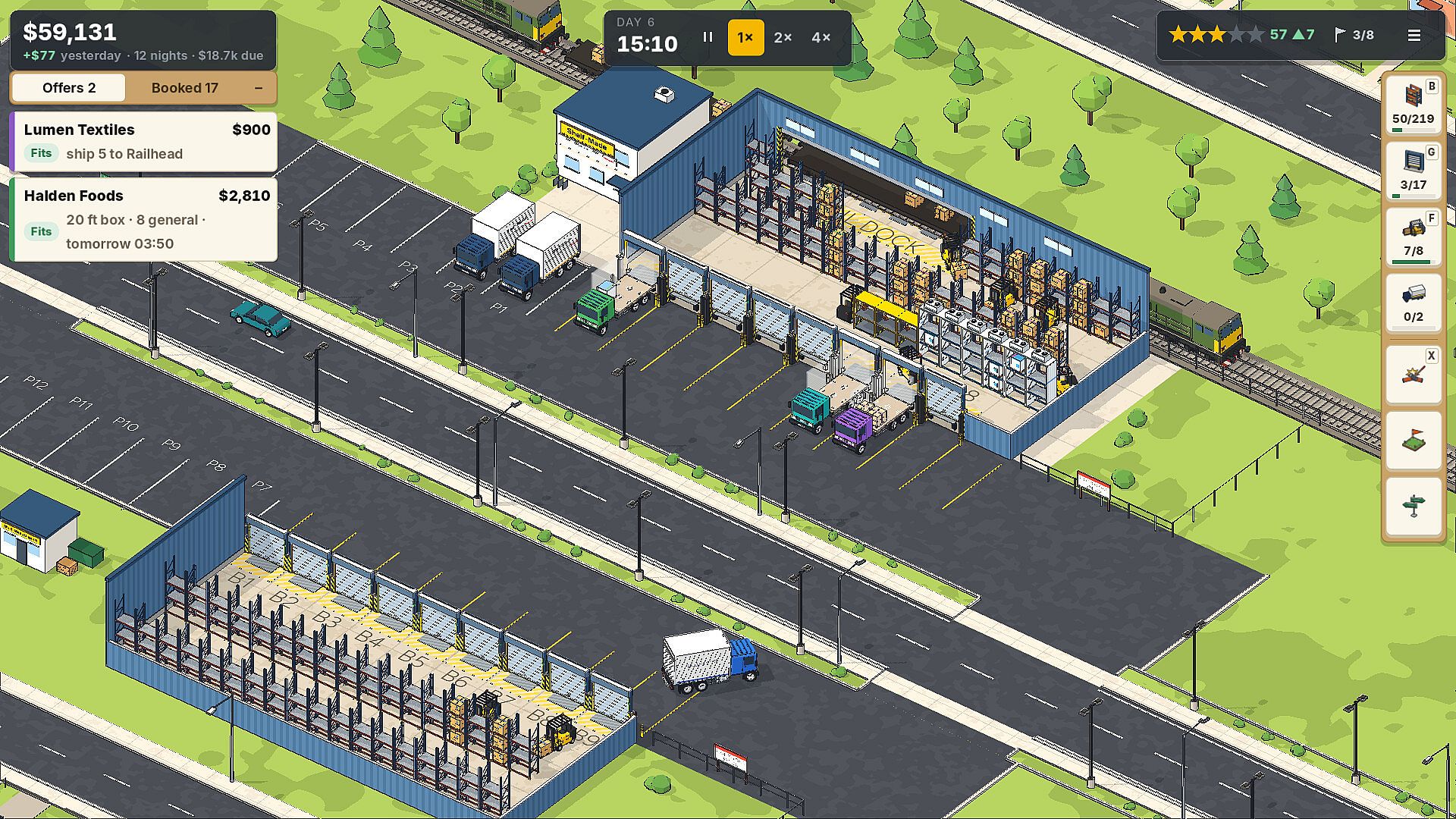
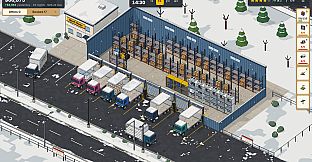
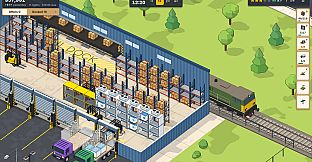
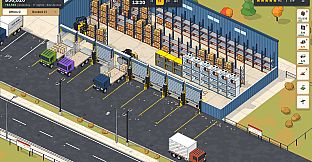
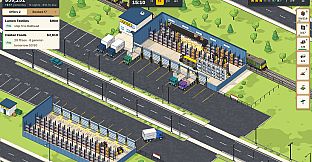
Expansion happens through new locations that open once the initial town proves insufficient. These include a harbour, railhead, industrial estate, and motorway junction. Each requires an upfront investment but attracts higher-paying clients with stricter schedules, from time-sensitive feeder ships to punctual freight trains. Warehouses multiply across plots, eventually including a dedicated rail siding, as the operation scales from one building to several across the street.
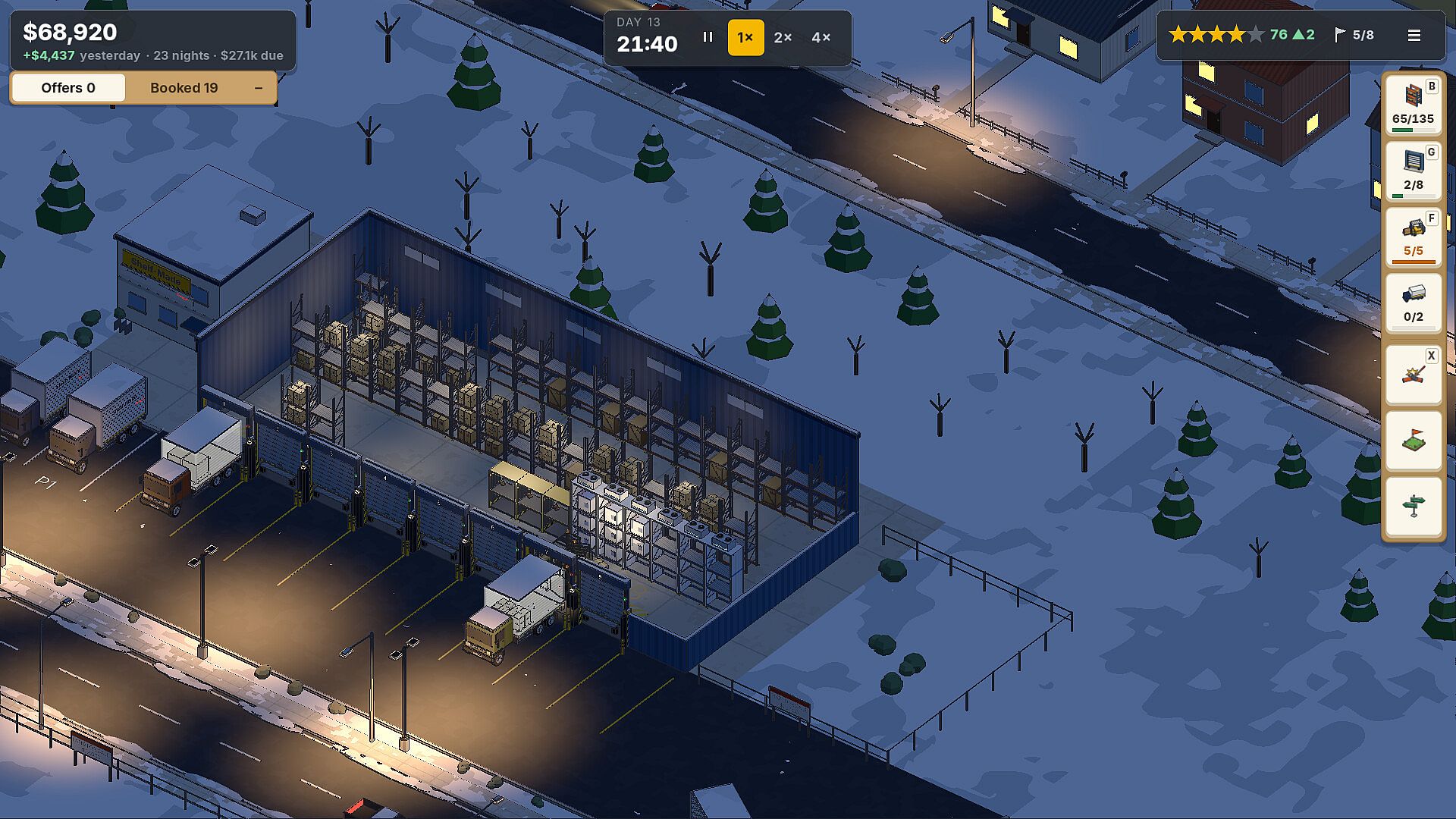
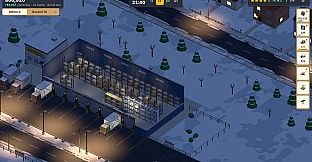
Daily finances add pressure. On-time deliveries raise reputation stars that unlock better clients and higher rates. Late deliveries cause clients to stop calling. Upkeep, rent, and taxes deduct at midnight each day, with a single bank bailout available before self-reliance becomes mandatory. The visual side offers a relaxed counterpoint, allowing players to zoom in and observe trucks, forklifts, trains, quay cranes, and a feeder ship moving goods in real time, with environmental details like headlights at night or accumulating snow.
Game Modes
The game runs as a continuous single-player management simulation without separate competitive or cooperative modes. Progression occurs through reputation building, location unlocks, and warehouse expansion rather than discrete levels or campaigns. Time controls include pause, 1x, 2x, and 4x speeds, with autosaves occurring at midnight to support longer sessions or careful planning.
Expanding the Operation
Space remains the central constraint. Adding racks consumes floor area that cannot serve other purposes, so layouts must anticipate future client needs rather than current ones. More than a dozen named clients each bring unique cargo, credit terms, and tolerance for delays. Five cargo varieties pair with three rack types, while six routes connect the harbour to the motorway. Up to five warehouses plus a rail siding allow the layout to grow organically as earnings permit.
When cash flow tightens, the Gull Street Firm offers unmarked crates for overnight storage in exchange for substantial payments. Each successive job increases both the reward and the risk that an undercover officer is driving the van. Declining still results in a cut of regular takings. This system introduces tension without altering the core relaxing pace of watching operations run smoothly.
Is It Worth Playing?
Shelf-Made Tycoon suits players who enjoy deliberate tycoon and simulation gameplay with a cozy atmosphere. The combination of spatial puzzles, client management, and occasional high-stakes choices creates a steady loop of planning and observation. Controls support mouse and keyboard with shortcuts for placing racks, managing doors, directing forklifts, and demolishing structures. Because the title remains in development ahead of its 2027 release, current impressions rest on the described systems of reputation-driven progression, risk-reward contracts, and expandable logistics networks. Those drawn to relaxed warehouse management with light criminal undertones and visual satisfaction from watching vehicles and machinery operate will likely find the experience engaging once it launches.
- More than a dozen named clients with distinct cargo and terms
- Five cargo types and three rack varieties
- Trucks, forklifts, freight trains, quay cranes, and a feeder ship
- Six routes and up to five warehouses plus a rail siding
- Reputation stars that influence client calls and payments
- Optional syndicate jobs that raise both income and detection risk