







Second Stage is a single player simulation game that blends detailed rocket engineering work with a relaxed island life simulator. Players take on the role of a new engineer at Nemesis Aerospace, handling vehicle design and launches during the day while managing personal needs and home life in the evenings. The experience centers on realistic tradeoffs in spacecraft construction and the ways daily habits affect performance on the job.
Gameplay
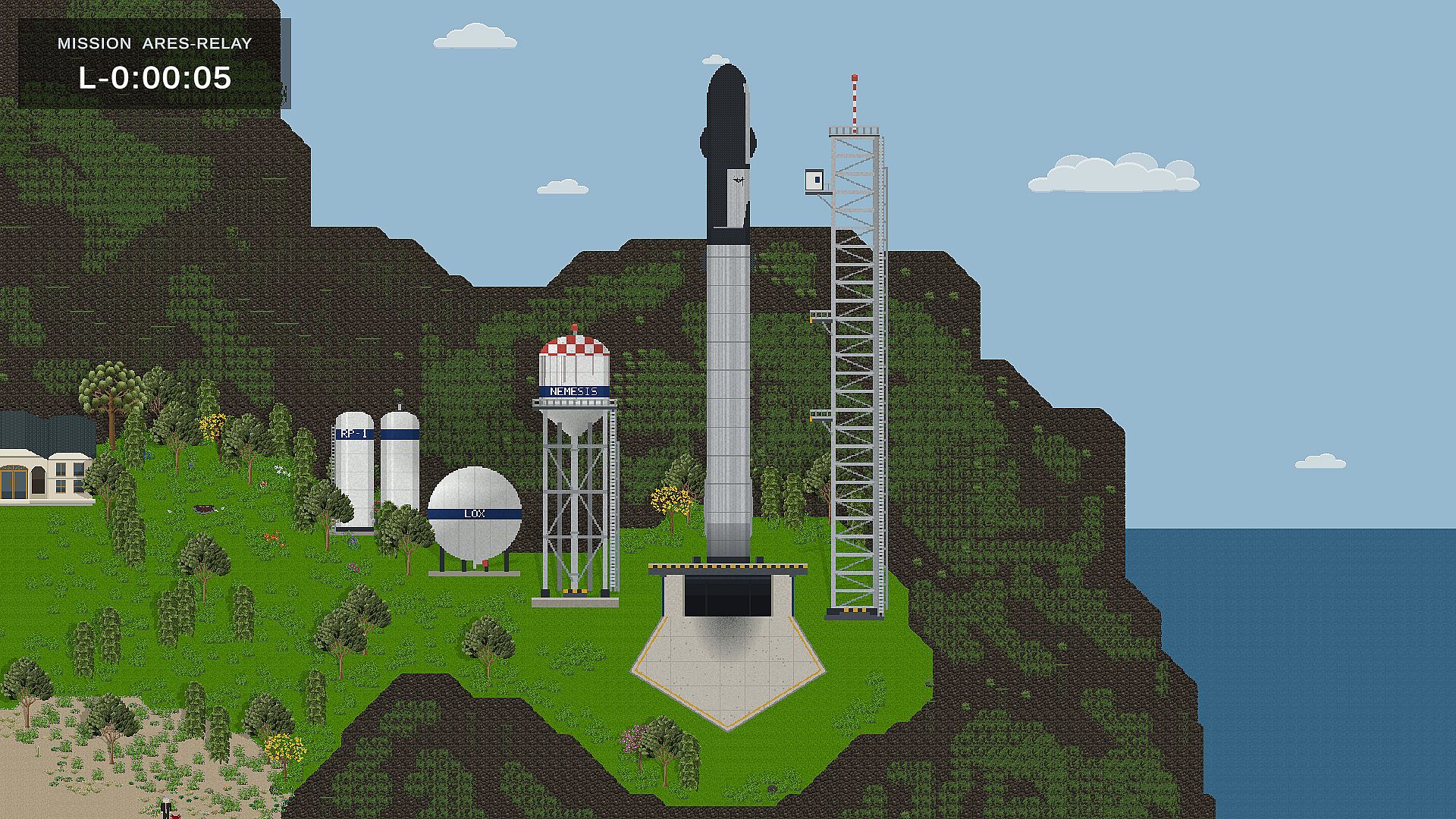
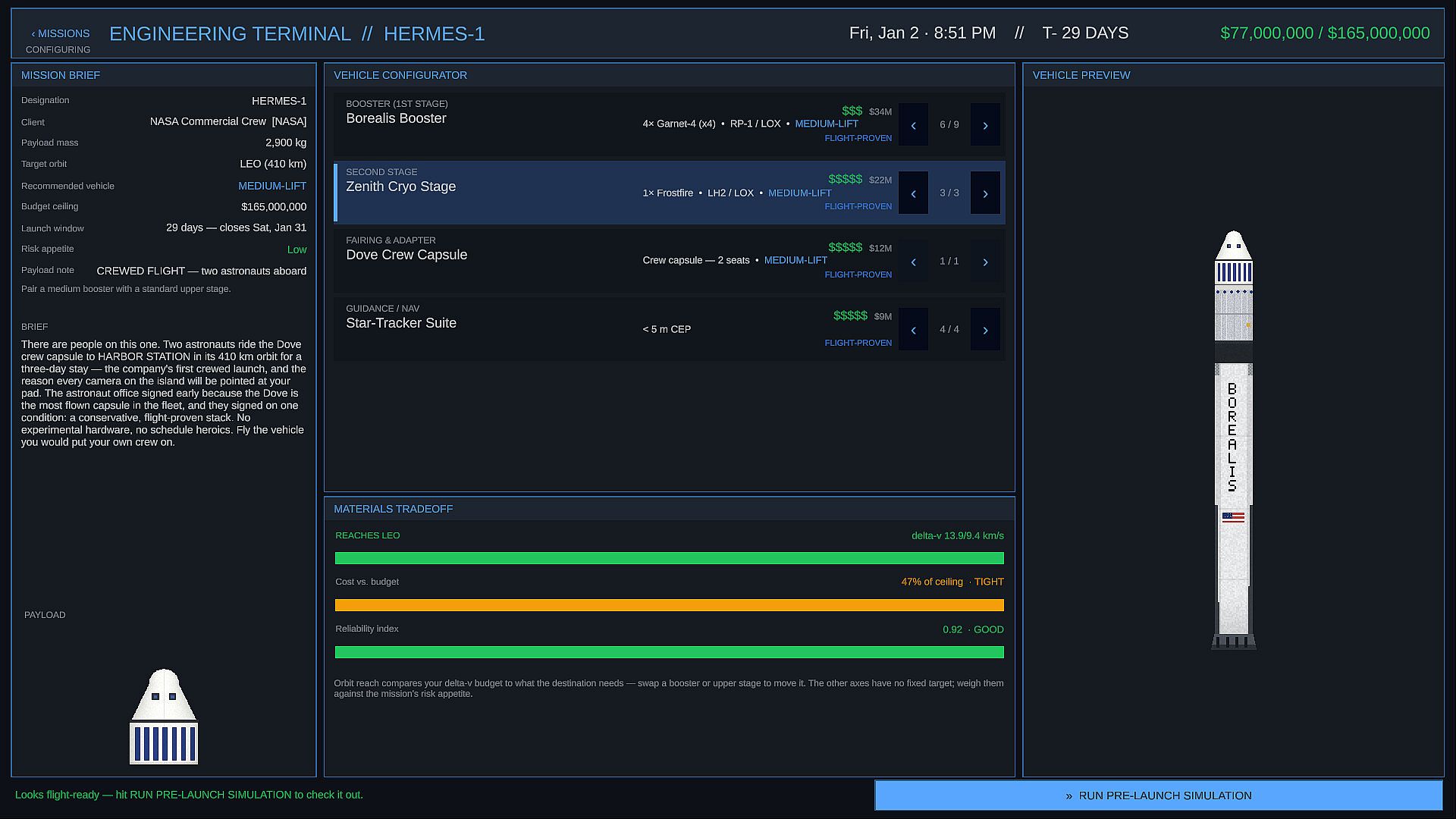
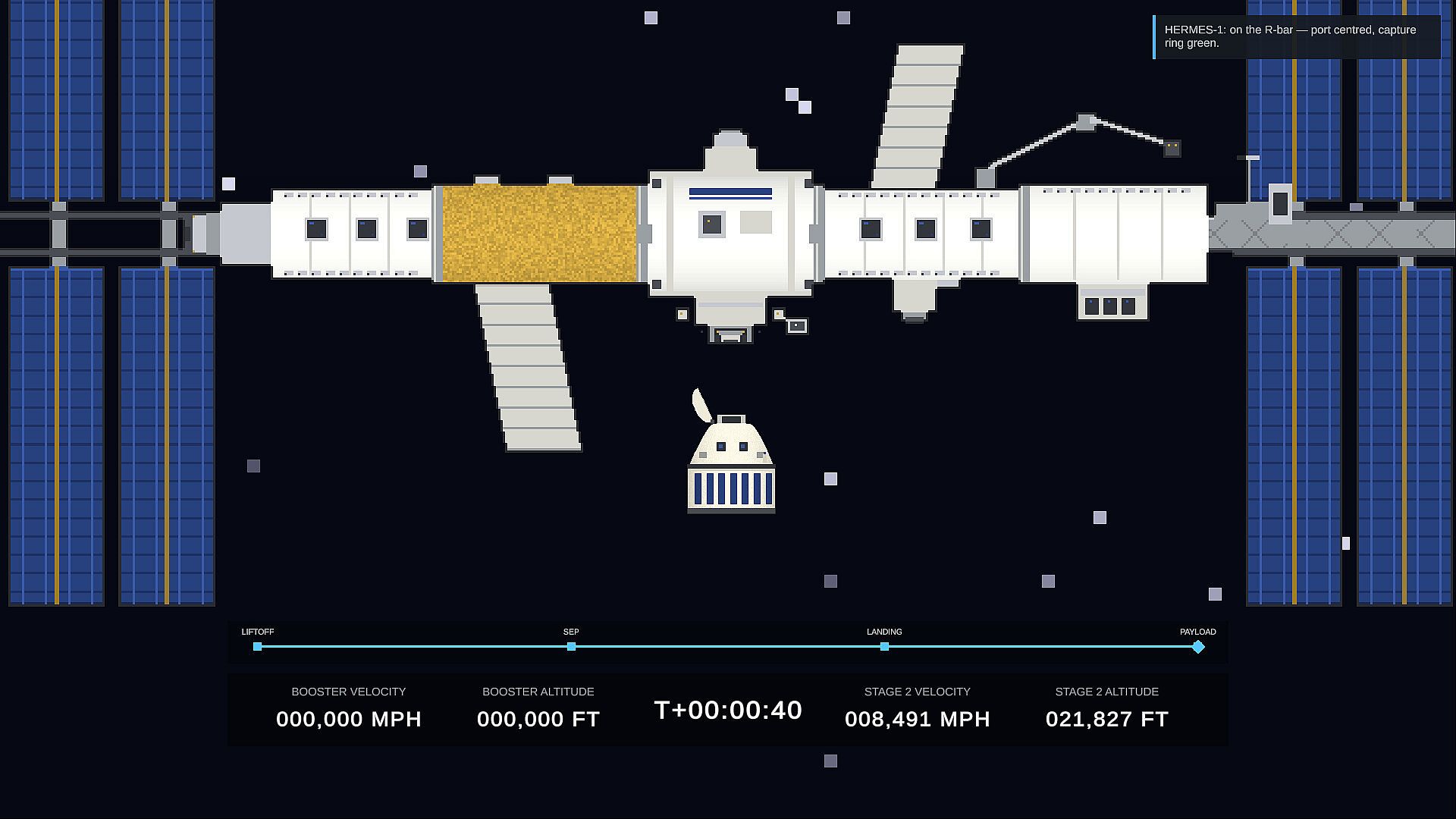
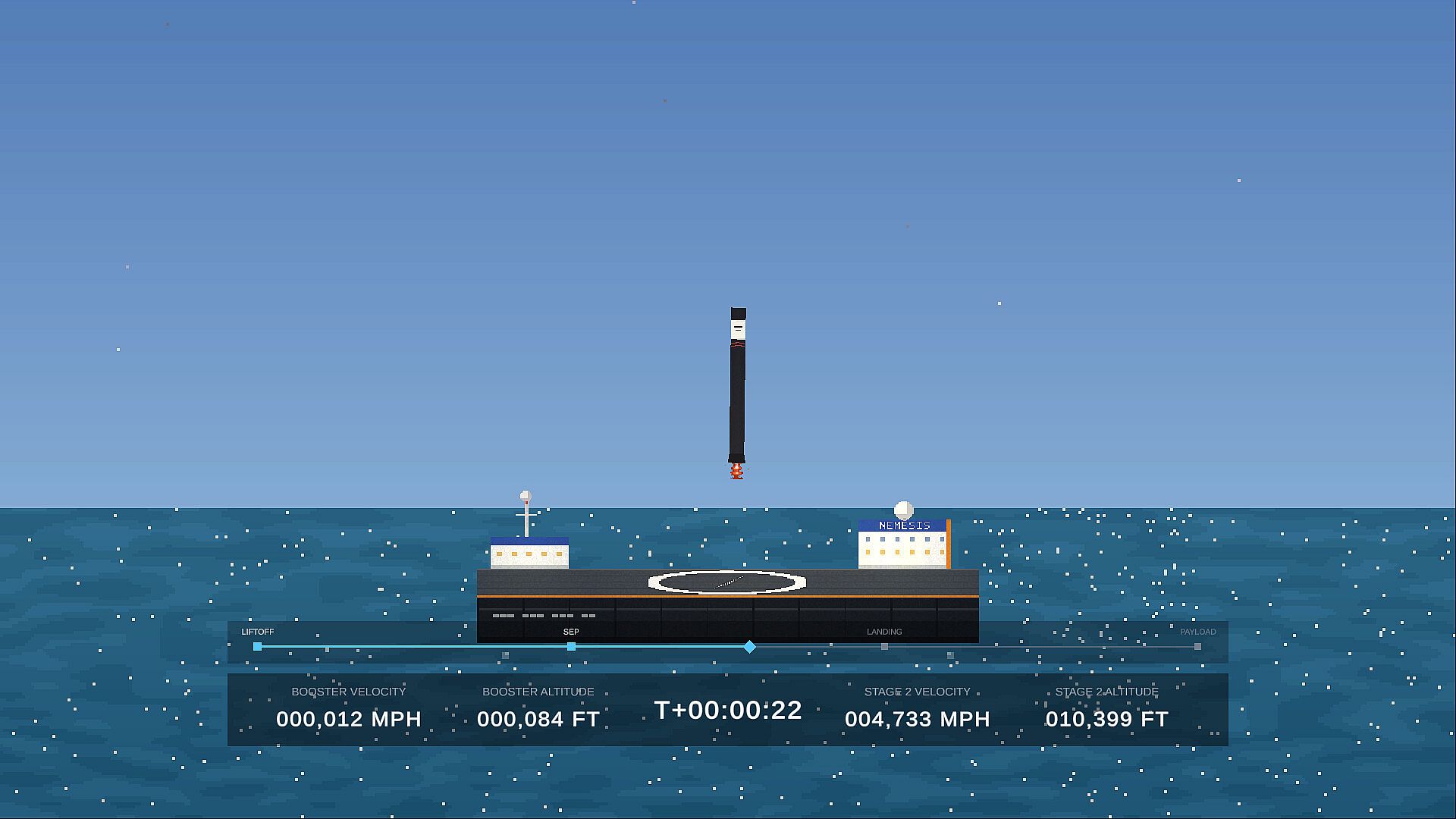
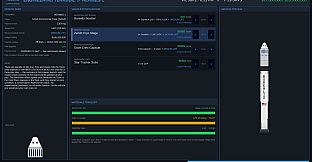
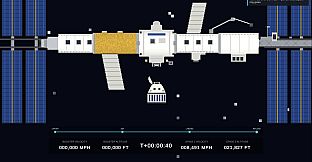
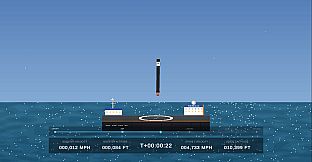
The core loop begins at the engineering terminal where players review client briefs and assemble rockets component by component. Choices cover boosters, second stages, fairings or crew capsules, and guidance systems, each affecting cost, mass, thrust, and reliability. Pre-launch simulations test the design against a checklist and budget limits before the final GO or NO-GO decision. Successful launches feature 2.5D cinematics that reflect the hardware selected, showing engine ignition, staging events, booster recovery on a barge, and payload deployment to targets such as Earth orbit, the Moon, or Mars.
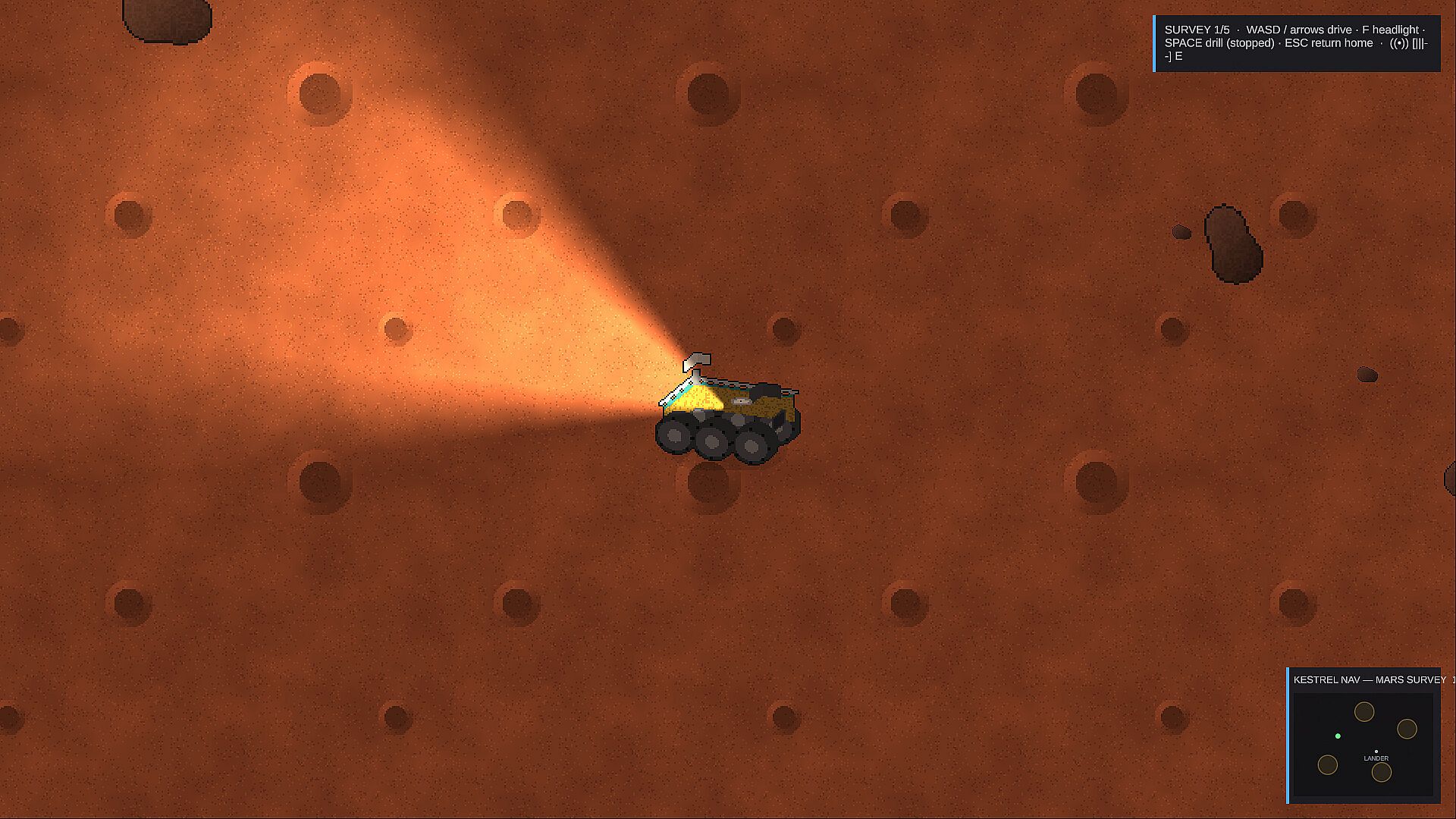
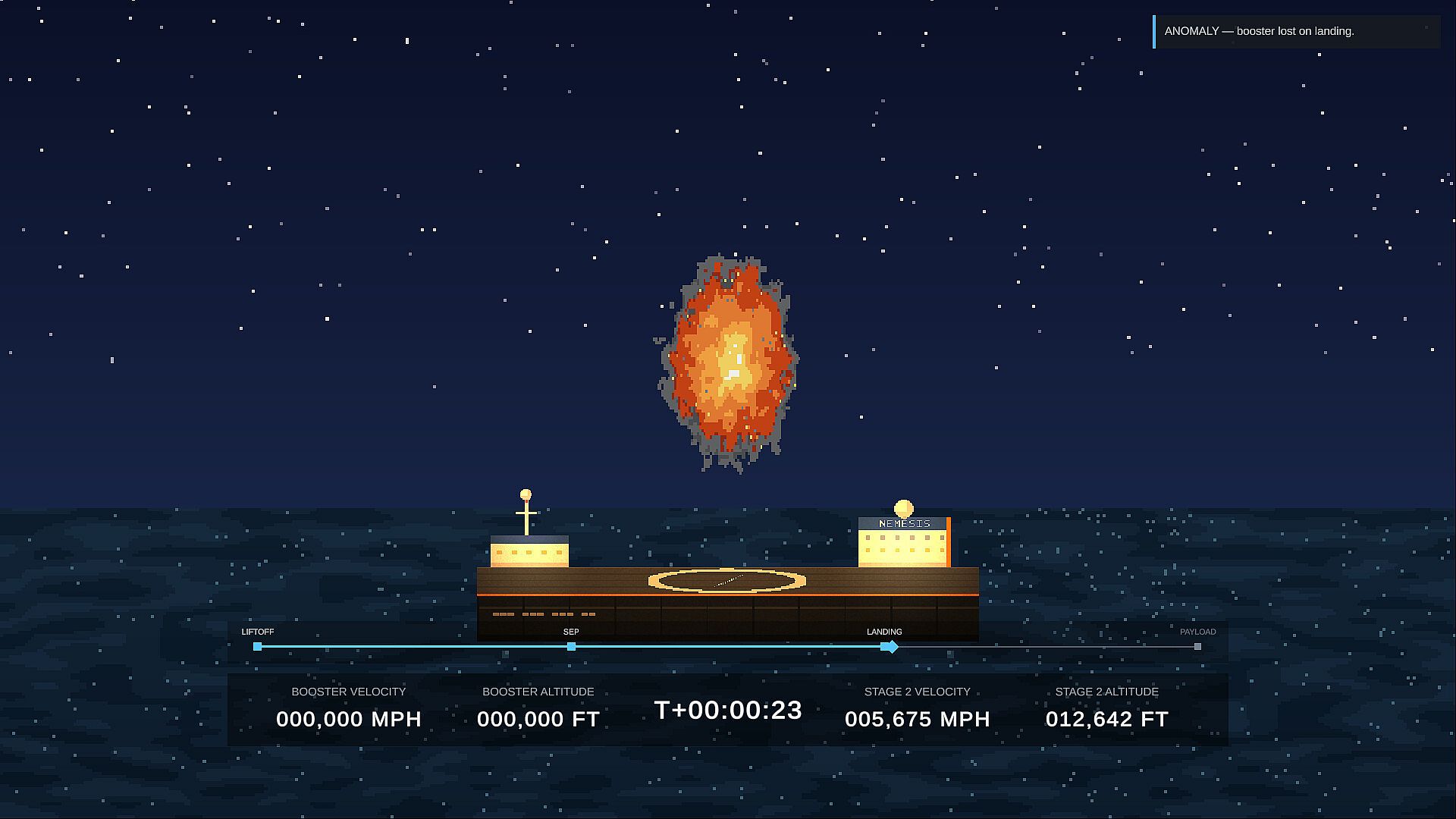
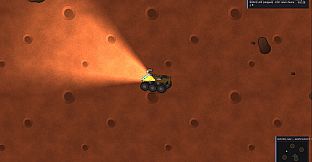
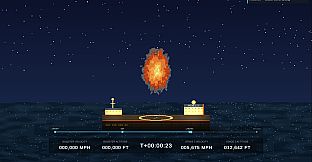
Failures trigger investigations that use actual telemetry data rather than preset outcomes. Players analyze plots to identify which hardware family caused the issue and adjust future builds accordingly. This process supports repeated attempts without resetting progress. The same engineering focus carries over to rover operations, allowing live control of a field test vehicle on the island before extending to lunar and Martian surfaces.
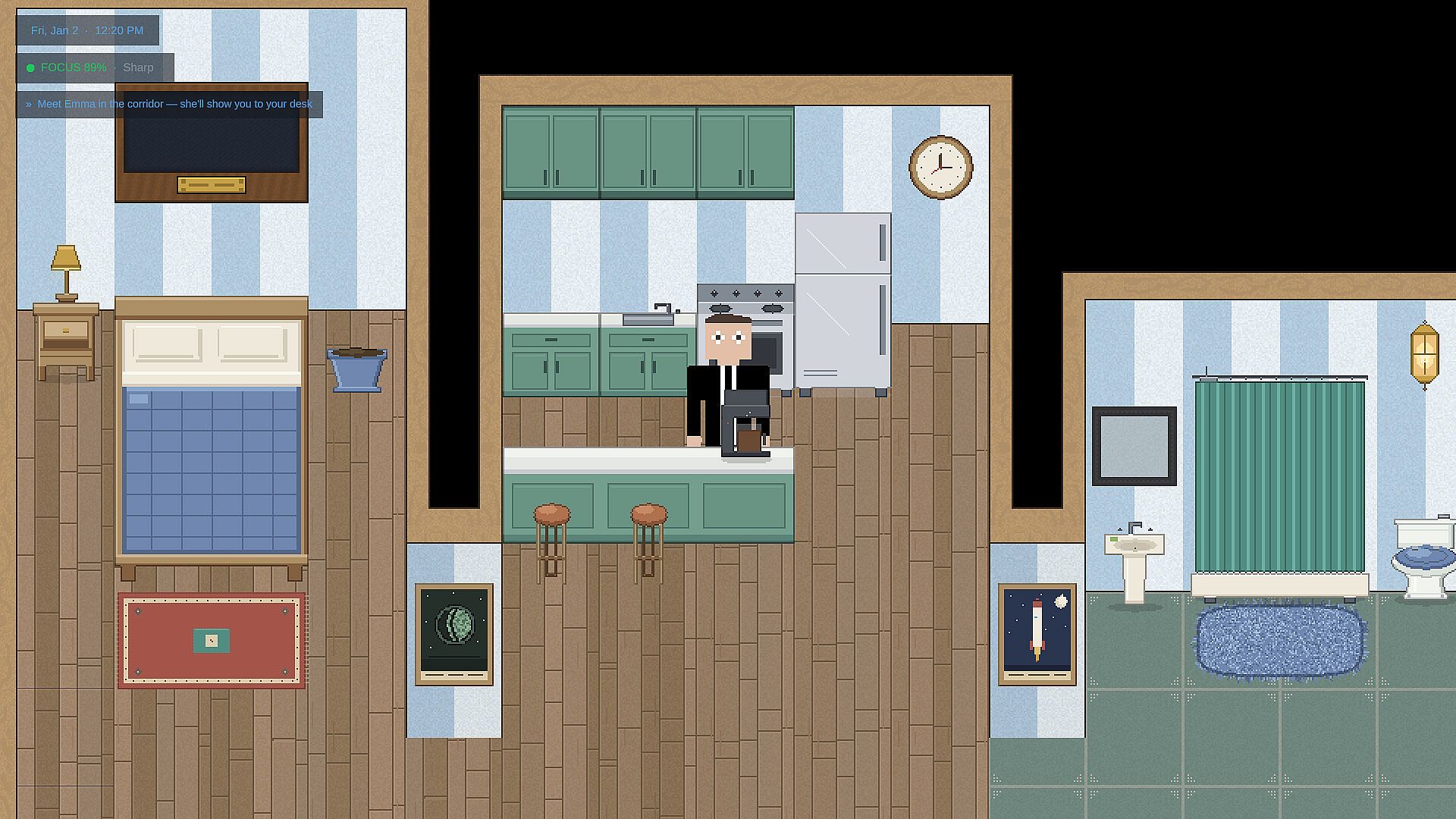
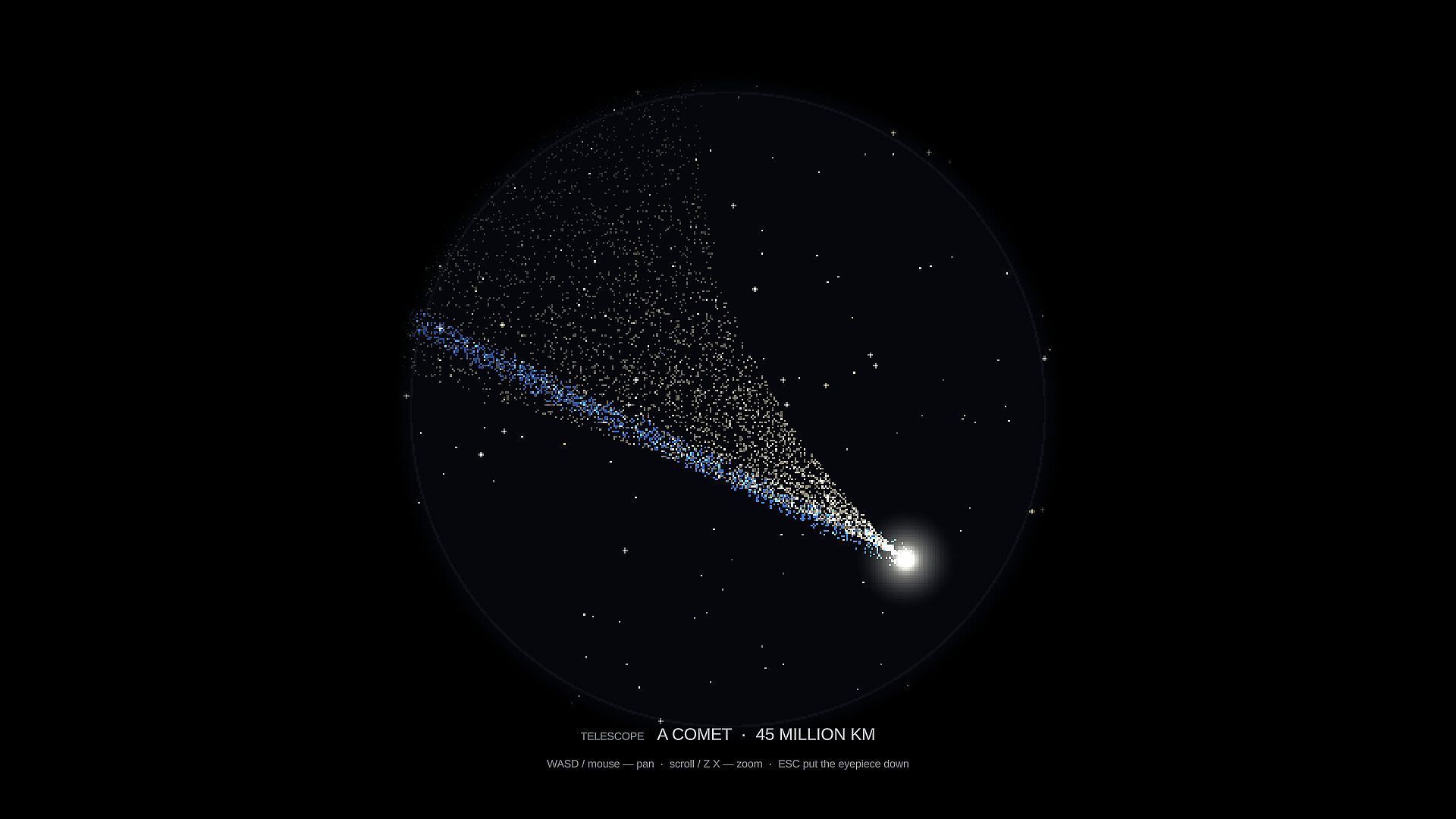
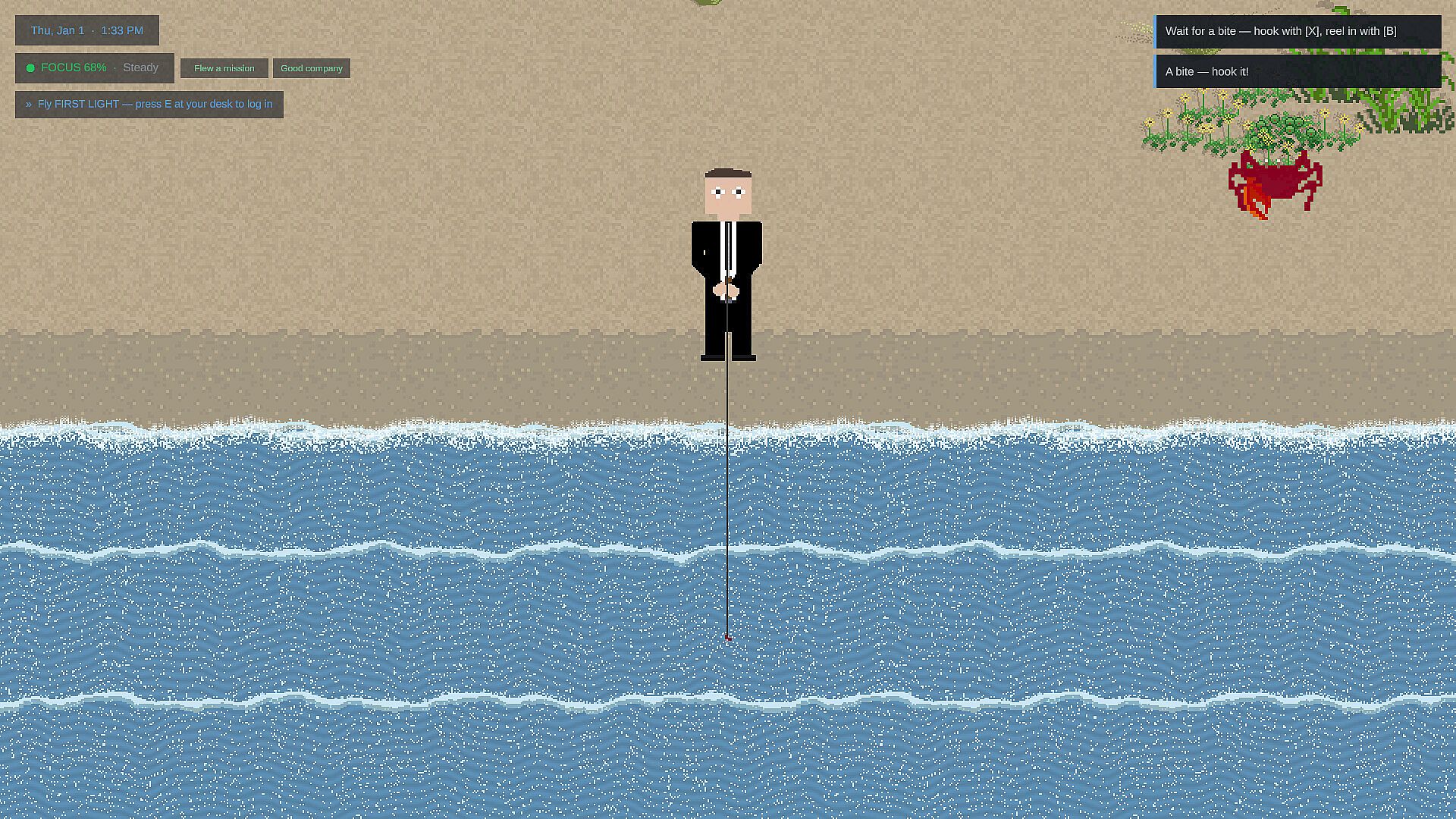
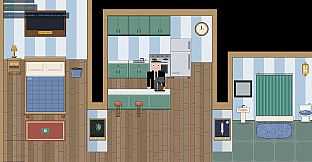
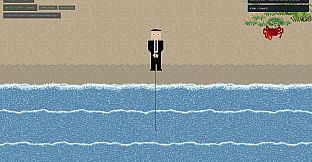
Focus serves as the central stat that combines energy, hunger, hygiene, fun, social interaction, and comfort. Poor management of these needs can lead to misread instruments or overlooked details during critical phases. Home activities restore Focus through cooking with local ingredients, gardening, beekeeping, fishing, and stargazing with a telescope that improves based on completed missions. Furniture placement in the house provides functional benefits, such as a coffee machine that supports morning routines.
Game Modes
The primary experience follows an authored contract campaign that progresses from an initial test flight through increasingly complex missions to a crewed finale. Each contract requires vehicle configuration, simulation runs, launch execution, and post-flight analysis when needed. The structure emphasizes earned outcomes where player decisions determine success or the need for re-flights.
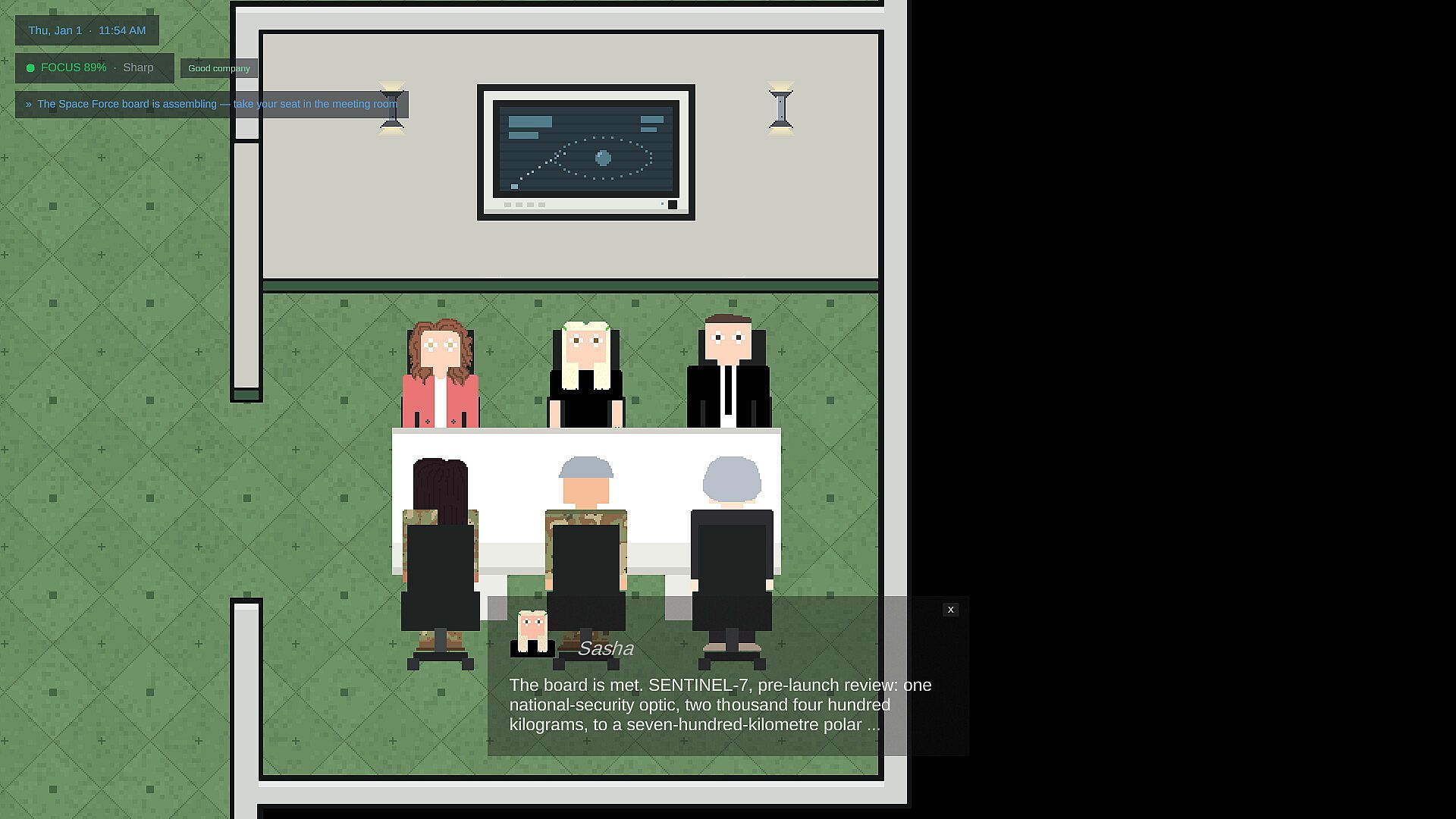
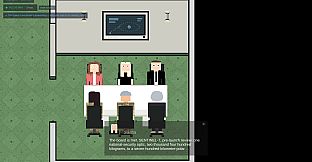
Supporting activities integrate directly into the daily rhythm without separate modes. Engineering work funds home improvements and personal items, while life-sim elements maintain the Focus required for precise terminal work. Career advancement moves from Junior Engineer to Chief Engineer through boardroom promotions tied to mission performance and crew interactions. A small set of recurring characters follows fixed daily schedules, enabling conversations and gift exchanges that reflect the player's recent flights and personal state.
Island Environment and Daily Life
The setting features a living tropical island with day-night cycles, weather changes, seabirds, and fireflies at dusk. These elements influence both work and leisure, such as clearer night skies for telescope use or debris from launches that can be collected while fishing. Home decoration and resource gathering create tangible connections between orbital achievements and personal space, including framed photos from delivered payloads and display items earned through milestones.
Crew members exhibit consistent routines, gathering at the break table or walking the shore at predictable times. Interactions reveal how the engineer's habits affect relationships and provide feedback on Focus levels. This system reinforces the link between work performance and off-duty choices without requiring separate tracking menus.
Is It Worth Playing?
Second Stage suits players who enjoy detailed simulation mechanics paired with cozy management elements in a single-player format. The engineering systems reward careful planning and iterative learning from telemetry data, while the life-sim side provides steady progression through home customization and island exploration. Keyboard and mouse or gamepad controls support both the terminal interface and rover driving sections.
The game remains in development with a confirmed release date still pending. Its focus on authentic tradeoffs and non-scripted failures appeals to those interested in aerospace themes without requiring prior technical knowledge. The integrated loop of work and rest creates a self-reinforcing cycle that emphasizes long-term career growth over isolated challenges.