




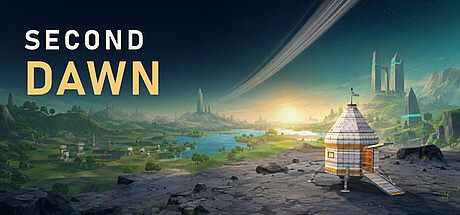


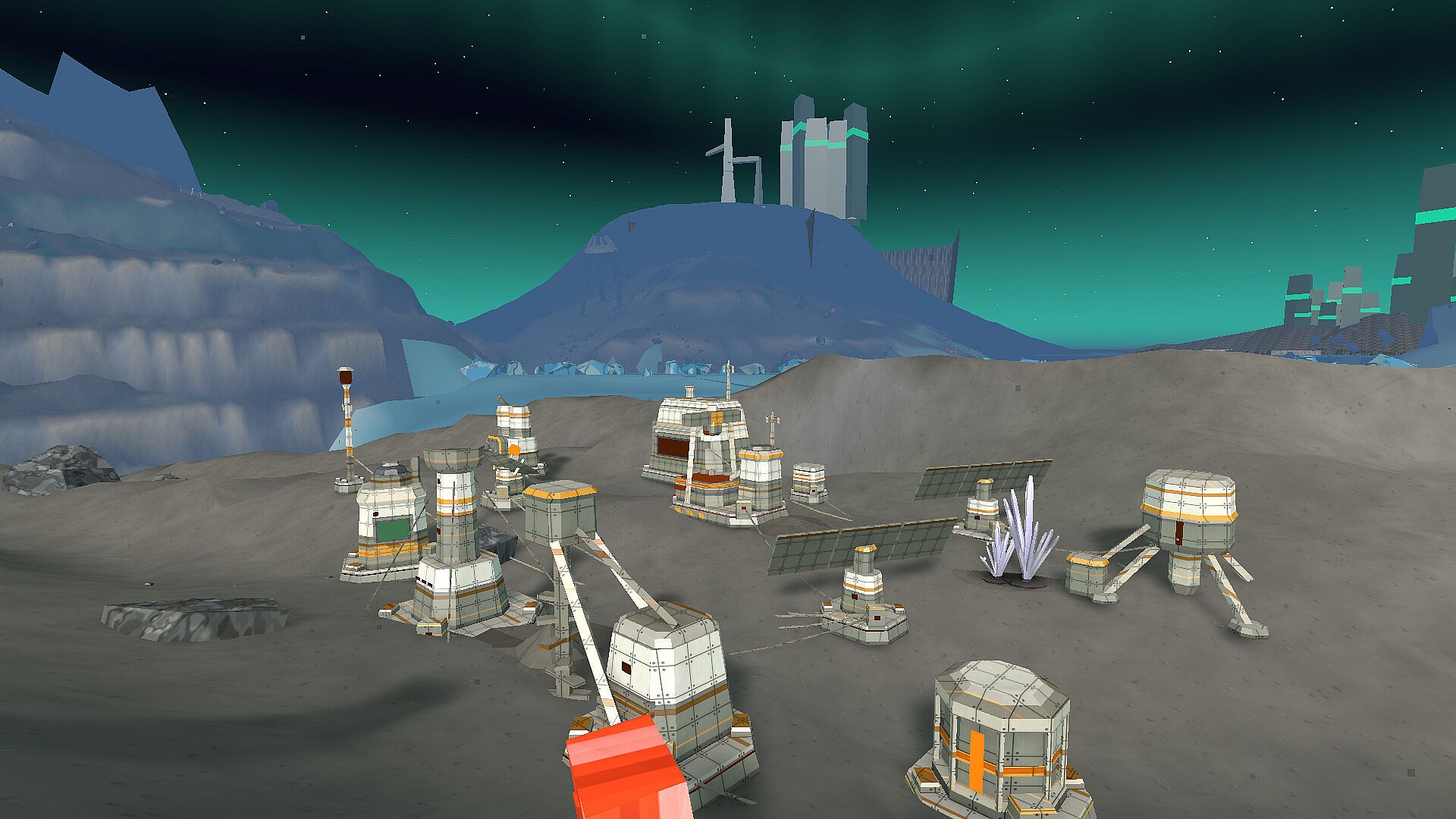
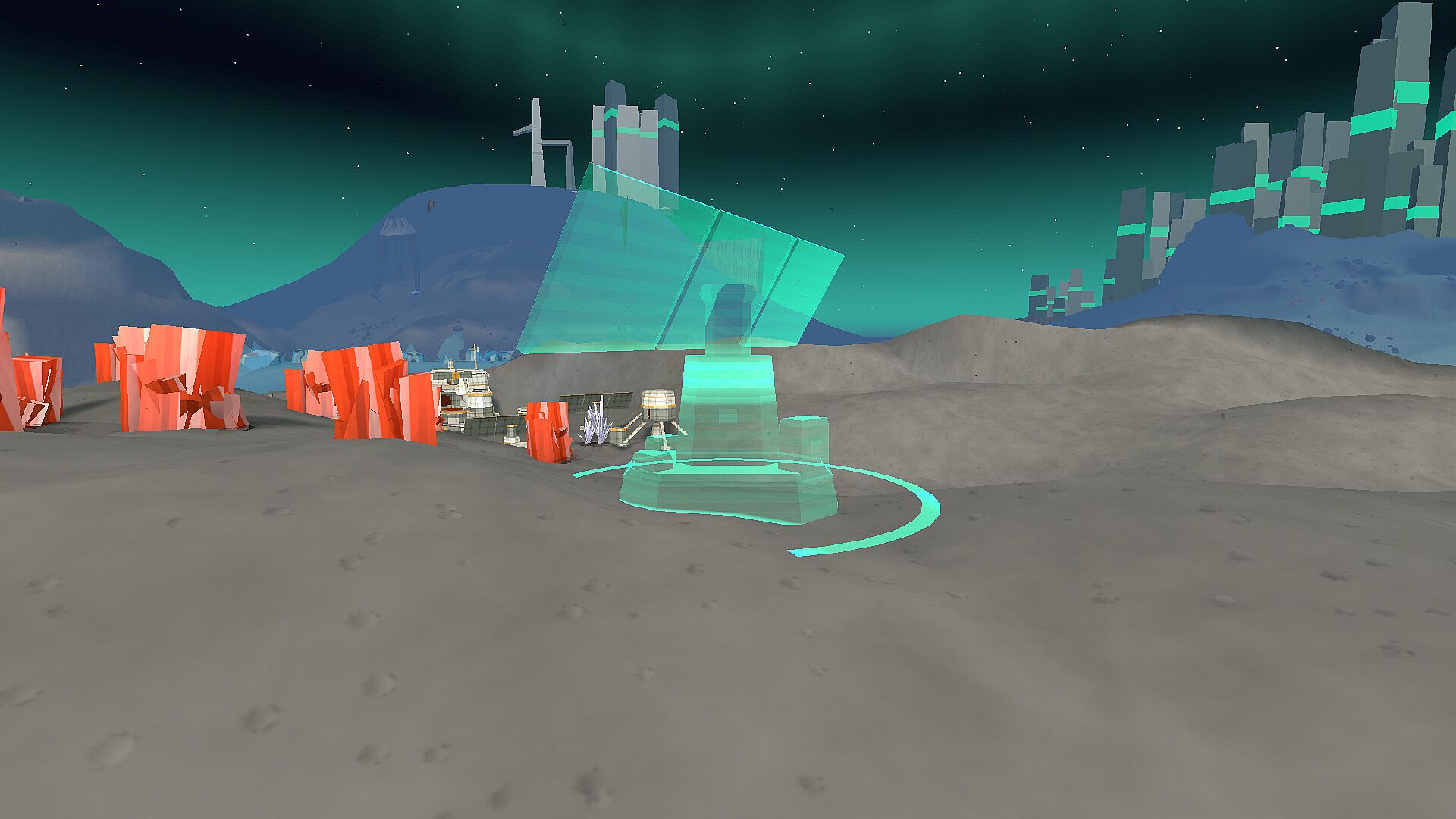
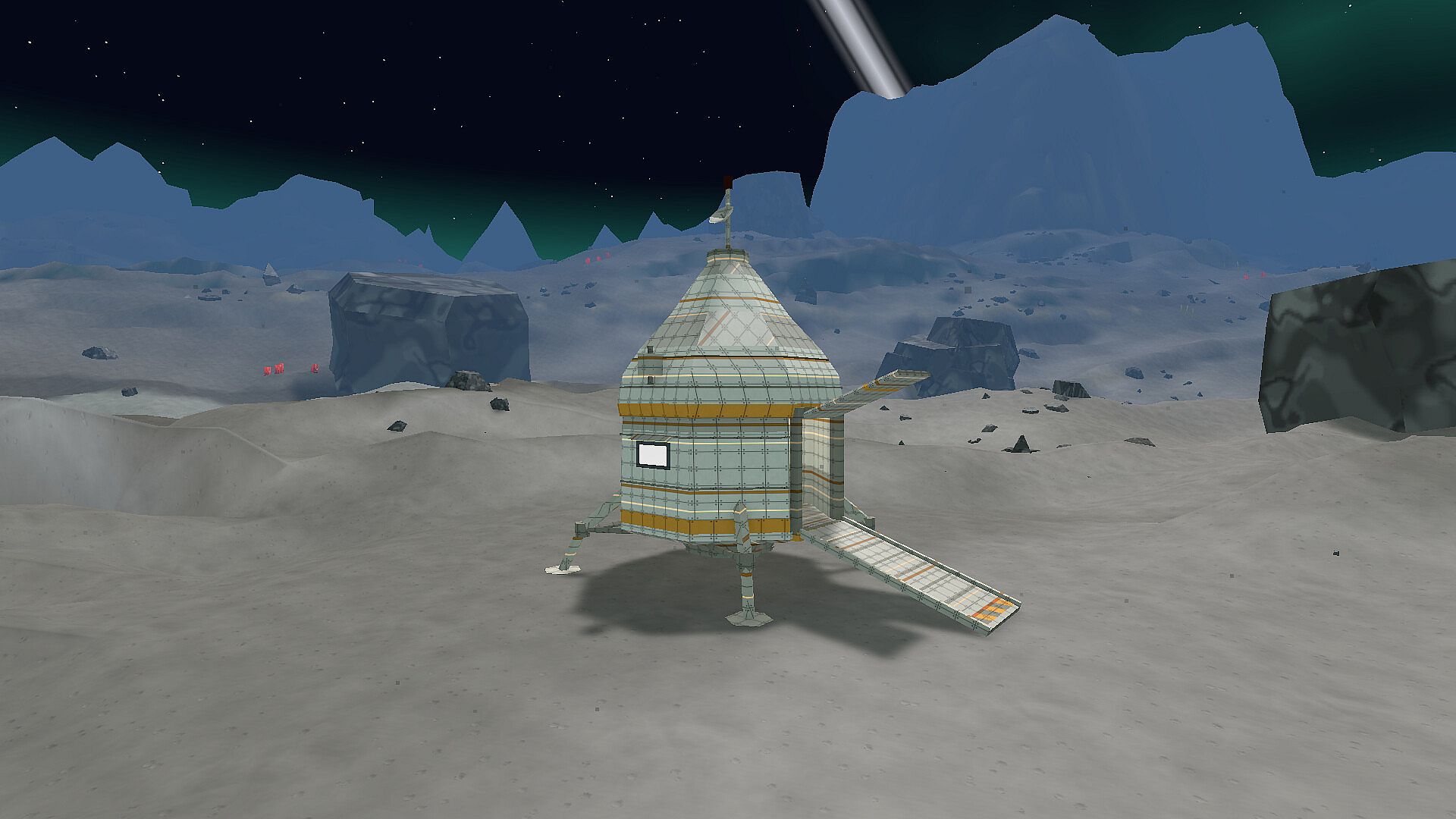
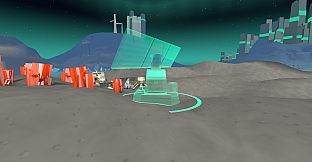
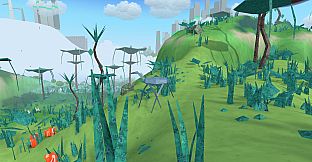
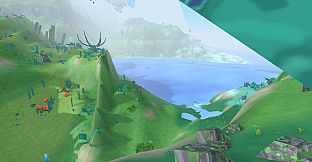
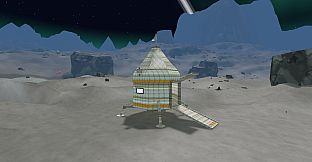
Second Dawn is a first-person survival and terraforming adventure set on the frozen planet Hearth. Players arrive as the first human scout tasked with preparing the world for later settlers. The core loop revolves around altering the environment through terraforming, which in turn reveals new areas, resources, and clues about a vanished civilization. Survival depends on managing oxygen, water, and shelter while constructing a functional base from gathered materials.
Gameplay
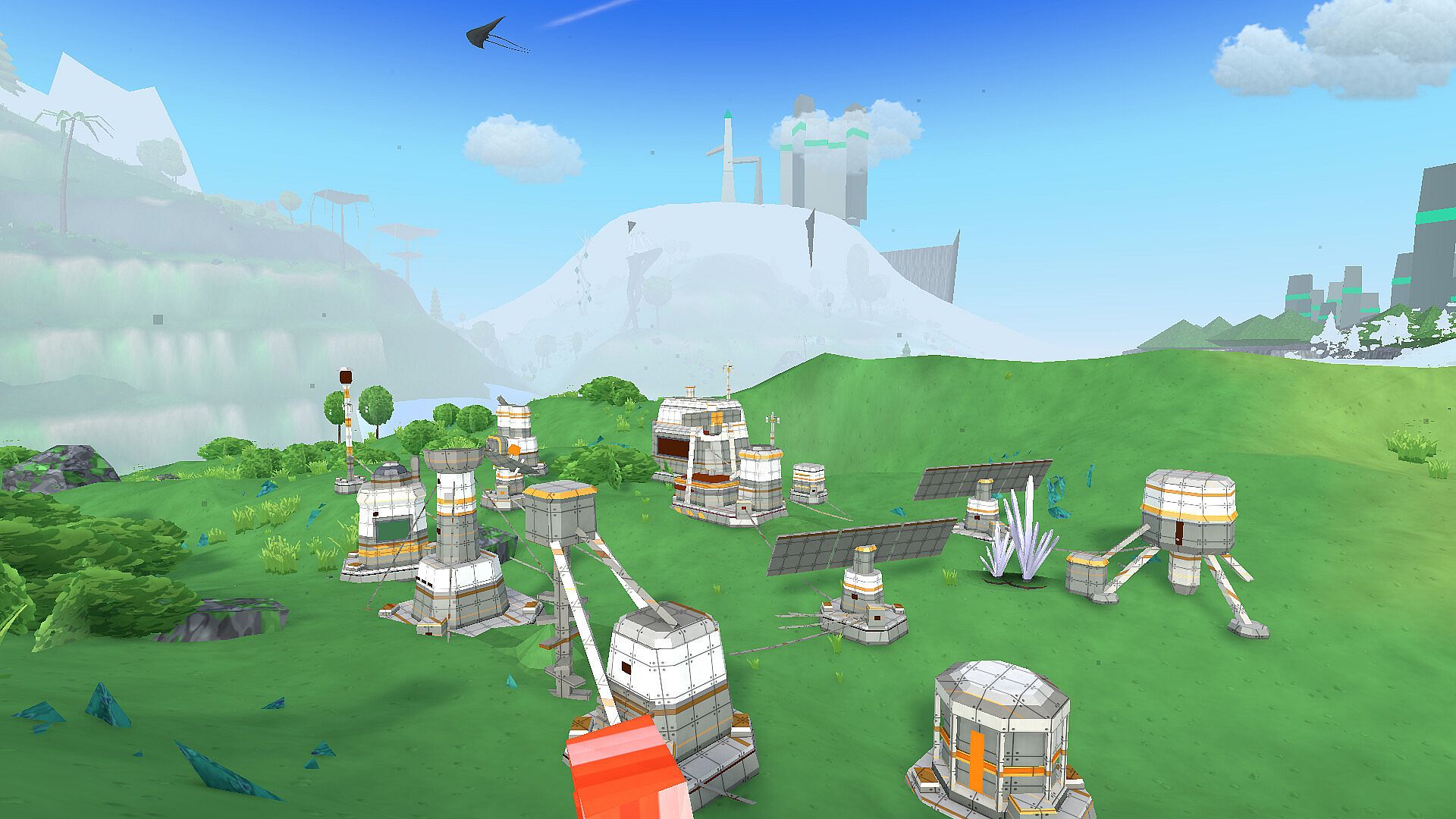
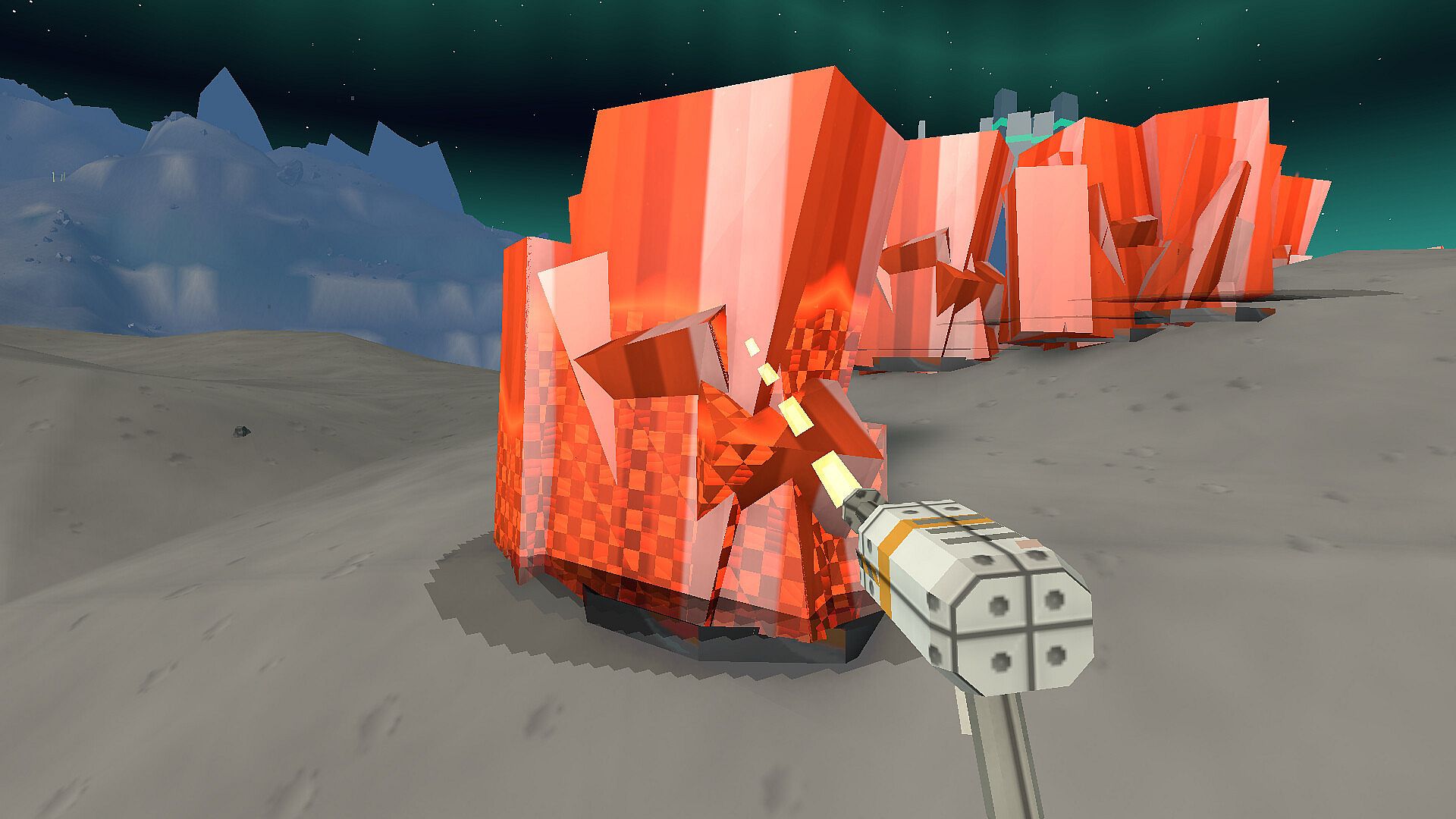
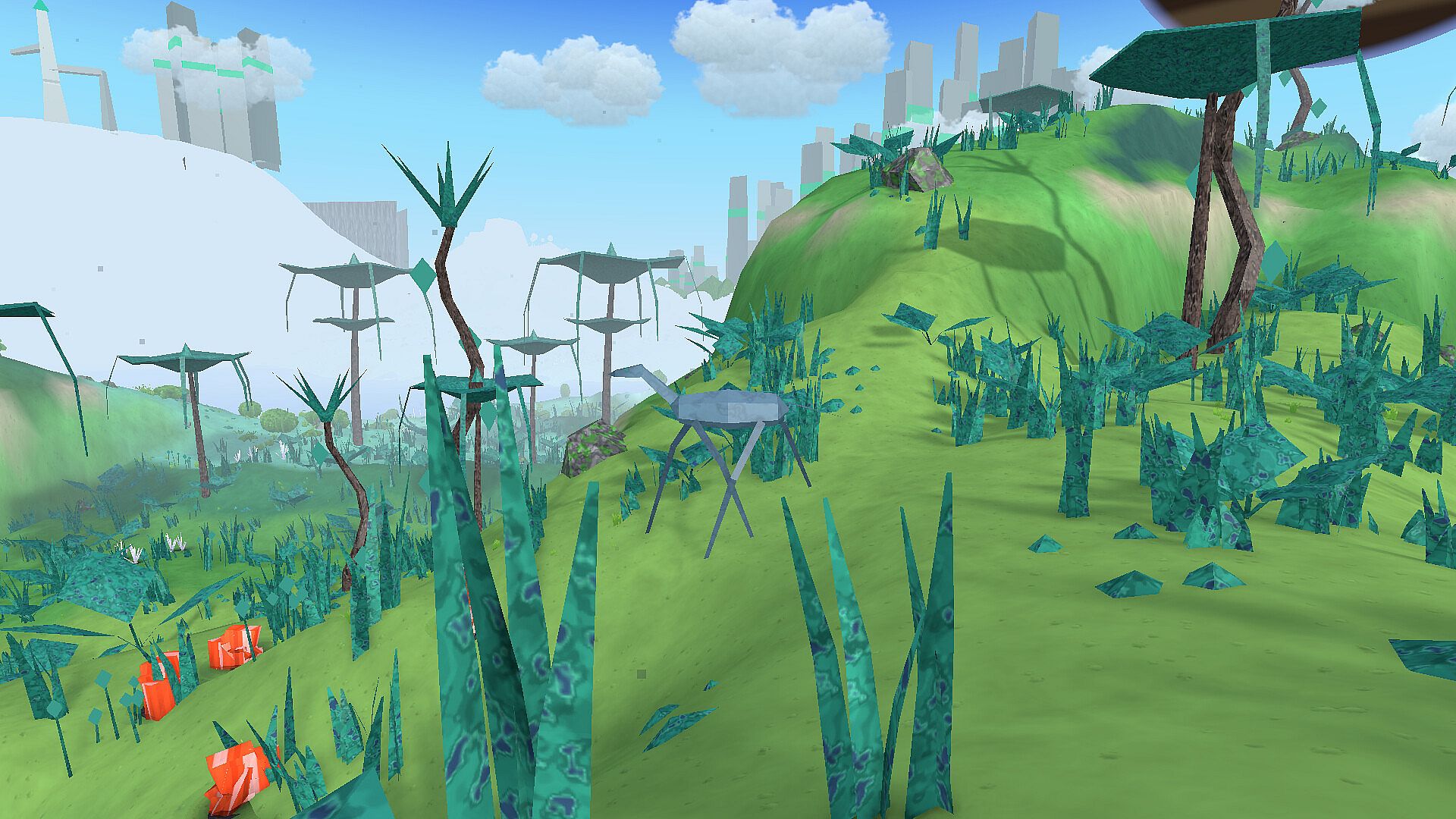
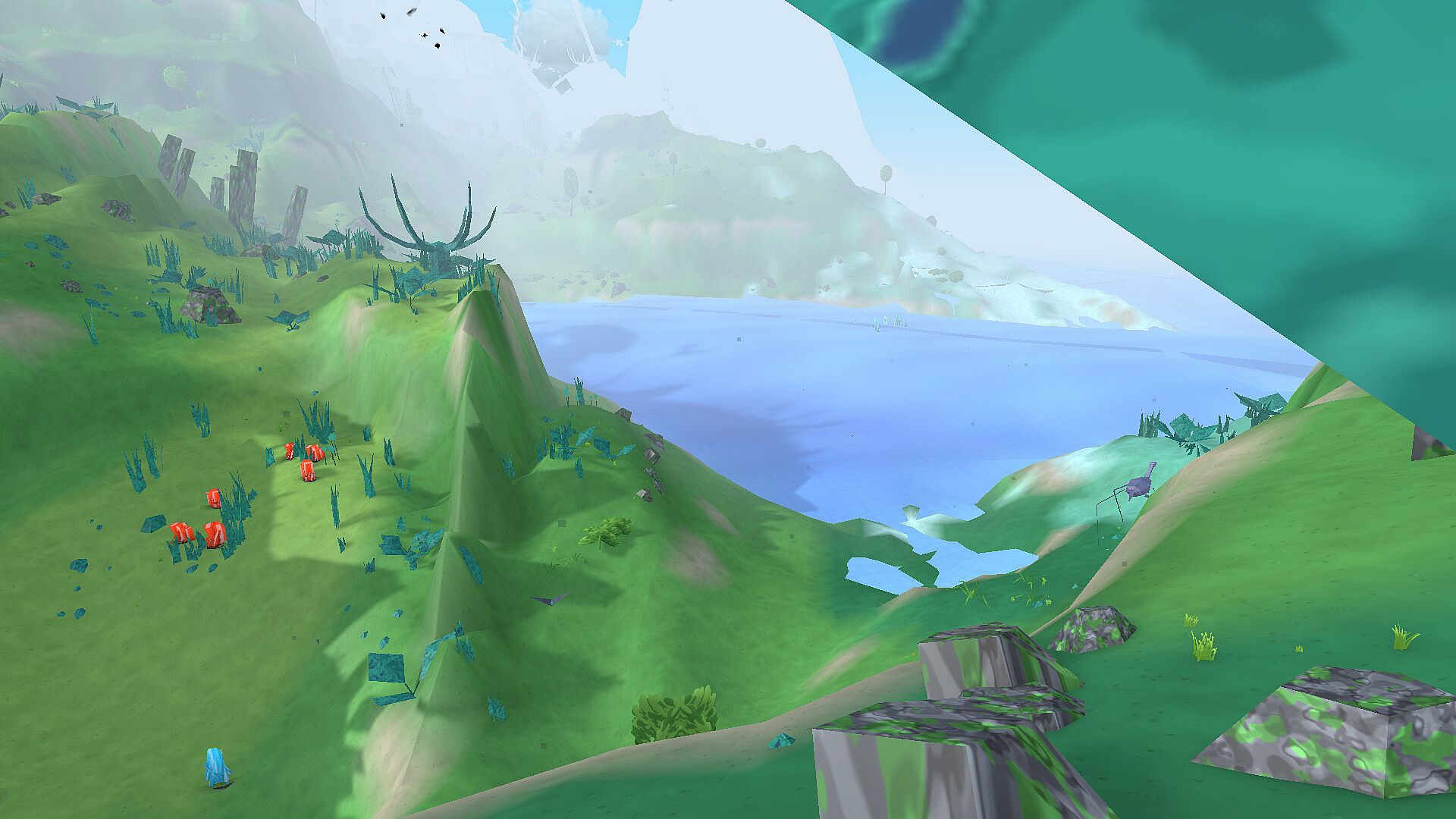
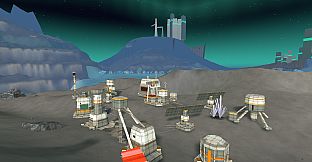
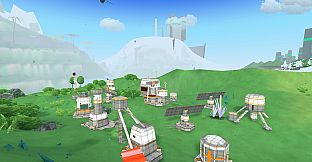
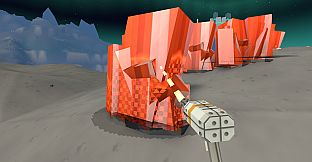
Terraforming drives progression. Raising temperature melts ice to open passages. Increasing atmospheric pressure and moisture turns silent canyons into places where sound carries and dust washes away to expose ancient writing. These changes are permanent and visible, so returning to earlier locations often yields fresh discoveries once the climate shifts. Players gather minerals, print tools and structures, and balance systems that raise heat, pressure, oxygen, and biomass levels across the planet. Grey plains gradually give way to water, plant life, and simple alien organisms as the work advances.
Exploration centers on underground sites such as the Rustfall Deep. A handheld lamp lights the way through worked stone, ceramic artifacts, and sealed doors. Scanning objects logs findings in a personal chronicle that pieces together the history of Hearth's previous inhabitants. The narrative emerges from the landscape itself rather than through cutscenes or dialogue trees. No combat exists; tension comes from resource management and learning how the environment responds to player actions.
Base building extends reach. Each new shelter or machine expands the area that can be terraformed and explored. A robot assistant can be assembled from collected parts to provide ongoing support during expeditions. Contact with Earth supplies updated objectives tied to settlement goals, keeping long-term progress directed.
Game Modes
Second Dawn supports single-player campaigns and online co-operative sessions for one to four participants. In co-op, all players work on the same shared planet instance, contributing to the same terraforming efforts and base construction. Progress carries across sessions whether played alone or with others. The absence of competitive or versus modes keeps the focus on collaborative survival and discovery.
Terraforming and Discovery
Every environmental adjustment alters what can be accessed. Warming the ground exposes frozen tunnels. Thickening the air allows sound and weather effects to appear. The first rains uncover buried text and structures. These mechanics encourage repeated visits to the same regions after significant climate milestones. Underground exploration complements surface work, with scanned artifacts feeding into a growing record of the lost civilization. The process rewards patience and systematic expansion over rapid conquest.
Atmosphere and Survival Systems
The visual style draws from early three-dimensional PC games through textured surfaces, angular equipment, distant horizons, and pronounced lens flares. Survival stays grounded in practical needs: maintaining oxygen supply, securing water, and establishing protected areas. Machines must be powered and balanced to push planetary parameters upward. The challenge lies in sustaining operations while the world transforms around the player, turning a hostile ice world into one capable of supporting life.
Is It Worth Playing?
Second Dawn remains unreleased with a planned launch date listed as to be announced. No user reviews or completed play sessions exist yet. The described experience targets players who enjoy deliberate first-person survival without combat, environmental simulation, and gradual world alteration. Those drawn to co-operative building projects or mystery exploration through environmental storytelling may find the systems appealing once available. The emphasis on visible, lasting change from player actions sets it apart from faster-paced survival titles. Prospective players can follow development updates through the official store page to assess readiness closer to release.